
 EN
EN
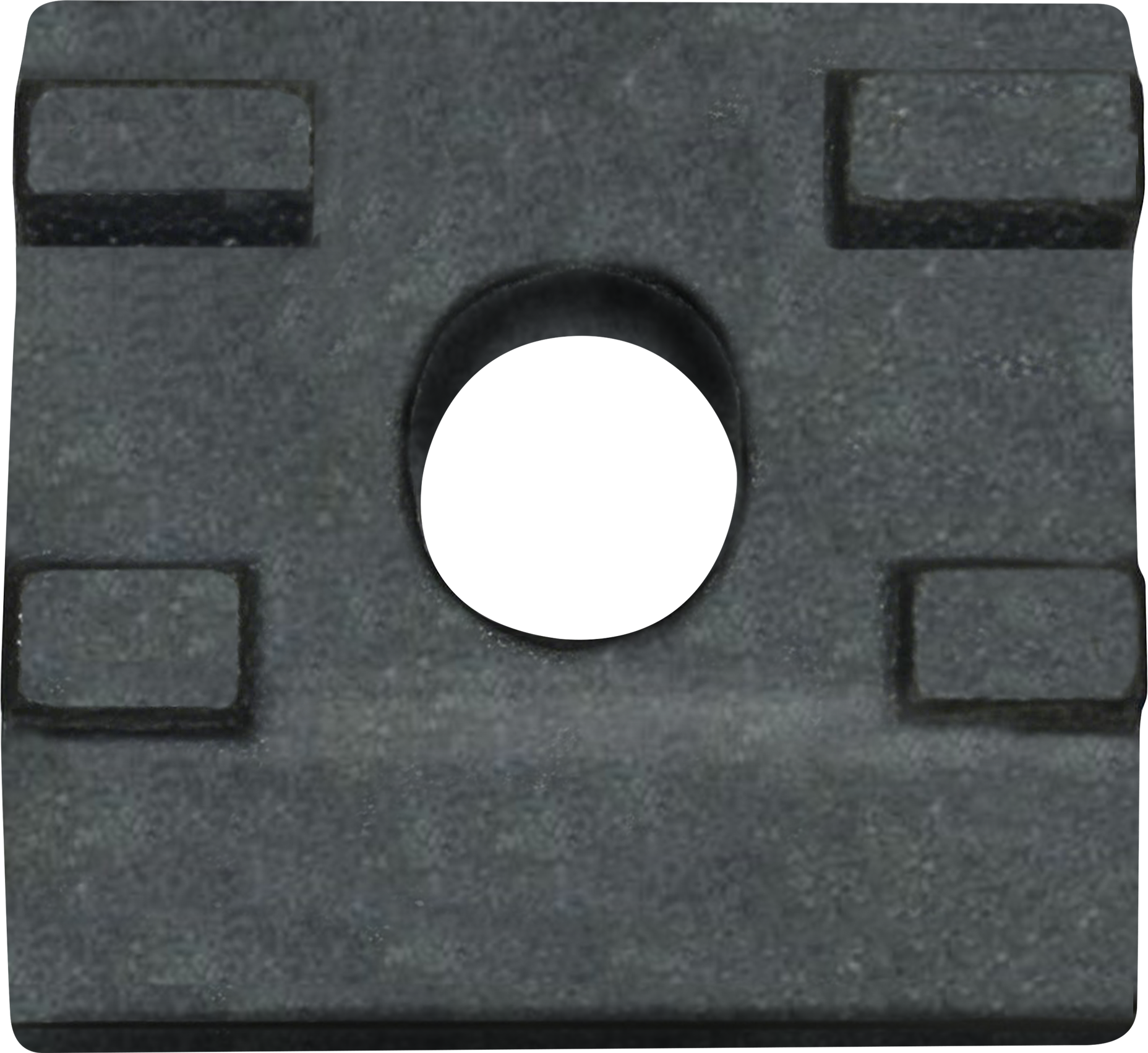
Purchasing a nylon sleeve in bulk is a significant commitment for any industrial buyer. Whether you are sourcing components for machinery, automotive assemblies, or structural applications, the quality of every nylon sleeve directly affects system performance, service life, and total cost of ownership. Rushing into a bulk order without proper evaluation can lead to premature failures, costly replacements, and production downtime that could have been avoided with the right pre-purchase checks.
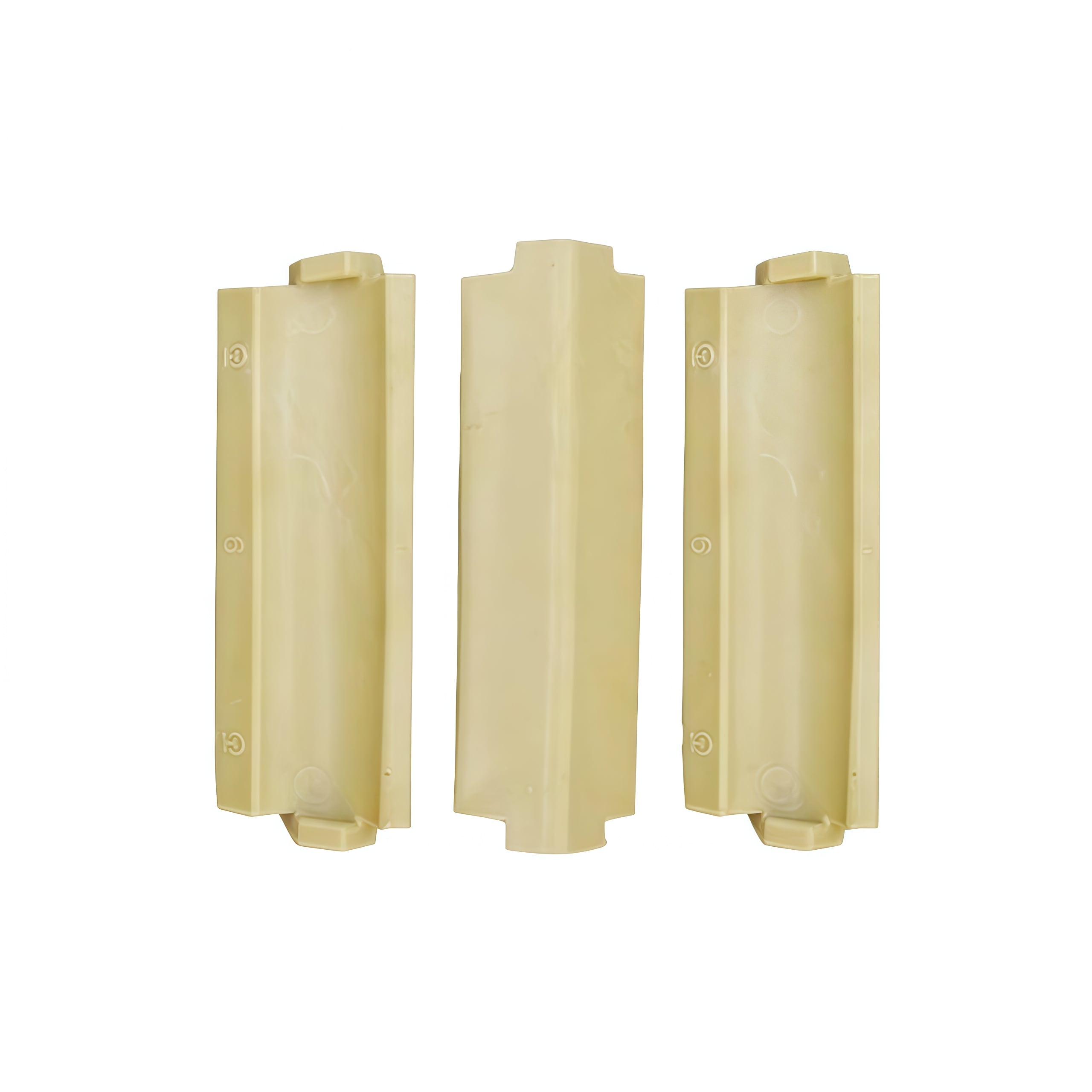
This guide walks you through a structured approach to evaluating nylon sleeve quality before placing a large order. From raw material verification to dimensional accuracy and supplier capability, every nylon sleeve assessment step covered here is designed to help procurement professionals and engineers make confident, well-informed purchasing decisions. Understanding what separates a reliable nylon sleeve from a substandard one can protect your supply chain and uphold your product quality standards.
Material Composition and Physical Properties
Identifying the Right Nylon Grade
The foundation of any quality nylon sleeve evaluation begins with the raw material. Nylon comes in several engineering grades, with PA6 and PA66 being the most common for industrial nylon sleeve applications. PA66 typically offers higher tensile strength and better heat resistance than PA6, making it preferred in high-load or elevated-temperature environments. Before approving any nylon sleeve for bulk purchase, request the material data sheet from the supplier and confirm that the listed grade matches your application requirements.
Ask whether the nylon sleeve is produced from virgin resin or recycled material. Recycled nylon can introduce inconsistencies in mechanical properties and surface finish, which directly compromise nylon sleeve performance under stress. A reliable supplier will readily provide documentation confirming virgin-grade raw material use. If a supplier hesitates or cannot provide this information, treat it as a serious quality flag before committing to volume.
Checking Hardness, Density, and Surface Finish
Physical inspection of the nylon sleeve sample should include tactile and visual checks. A quality nylon sleeve should have a smooth, uniform surface without visible sink marks, voids, bubbles, or discoloration. These defects often indicate improper molding parameters or poor raw material batching. Hardness testing using a Shore D durometer can help confirm that the nylon sleeve meets the expected stiffness range for its stated grade. Consistent density across multiple sample pieces also suggests stable manufacturing conditions.
Dimensional Accuracy and Tolerance Verification
Measuring Core Dimensions of the Nylon Sleeve
Dimensional accuracy is critical when evaluating a nylon sleeve for bulk use. Every nylon sleeve must conform to specified inner diameter, outer diameter, and length tolerances to ensure proper fit within assemblies. Use calibrated calipers or coordinate measuring machines to verify these dimensions across at least ten sample units from the same production batch. Variance between samples reveals molding inconsistency, which becomes a systemic problem when scaled across a bulk nylon sleeve order.
Pay close attention to the inner bore of the nylon sleeve, as this dimension directly affects clearance fit and rotational performance. An oversized or undersized bore in a nylon sleeve can cause binding, excessive wear, or play in the assembly. Compare the measured values against the engineering drawing or specification sheet provided and confirm that all nylon sleeve samples fall within the agreed tolerance bands before approving the batch.
Warpage, Roundness, and Straightness
Beyond basic dimensions, inspect each nylon sleeve for warpage and out-of-roundness. Nylon is a hygroscopic material, meaning it absorbs moisture from the environment and can deform if improperly stored or molded. A warped nylon sleeve will not seat correctly in its housing and may cause assembly rejection. Lay the nylon sleeve on a flat reference surface and observe any rocking or gap. Roundness deviation can be measured optically or with a roundness gauge to ensure the nylon sleeve geometry meets tolerance requirements.
Supplier Capability and Process Consistency
Evaluating Manufacturing Standards and Documentation
A high-quality nylon sleeve is the result of a controlled manufacturing process, not just good raw materials. When evaluating a supplier, ask for evidence of ISO certification or equivalent quality management systems. Documented process controls, inspection records, and batch traceability are indicators that the supplier can consistently produce a reliable nylon sleeve at volume. Lack of documentation is a warning sign that quality may vary between production runs, posing a serious risk in bulk nylon sleeve procurement.
Request a first-article inspection report specific to the nylon sleeve you intend to purchase. This report should detail dimensional checks, material test results, and visual inspection outcomes for an initial production sample. If the supplier cannot provide a first-article inspection report, consider requesting an independent third-party inspection before placing your bulk nylon sleeve order. This step adds a layer of assurance that is worth the modest additional cost.
Sample Testing Before Bulk Commitment
Never skip the sample testing phase when purchasing a nylon sleeve in bulk. Order a representative batch of samples and subject them to functional testing in your actual assembly or environment. For a load-bearing nylon sleeve, test under expected compressive and lateral loads. For a nylon sleeve used in dynamic applications, simulate operating speeds and temperatures. Document how the nylon sleeve performs over time and compare the results against the supplier's stated specifications. This real-world validation is the most reliable way to confirm that the nylon sleeve will perform as promised.
In addition to mechanical testing, consider environmental conditioning of nylon sleeve samples. Immerse samples in water for 24 to 48 hours and re-measure key dimensions to assess moisture-induced swelling. This test reveals how the nylon sleeve will behave in humid or wet service environments. A quality nylon sleeve will show minimal dimensional change and retain structural integrity after conditioning, whereas a lower-grade product may swell significantly or lose dimensional compliance.
FAQ
What is the most important factor when evaluating a nylon sleeve for bulk purchase?
Material grade verification is the most critical factor. Confirming that the nylon sleeve is made from the correct grade of virgin nylon resin ensures consistent mechanical properties across the entire bulk order and prevents performance failures in service.
How many samples should I test before approving a bulk nylon sleeve order?
A minimum of ten nylon sleeve samples from the same production batch is recommended for dimensional inspection. For functional and environmental testing, testing at least five nylon sleeve units under real operating conditions provides statistically meaningful results before bulk commitment.
Can a nylon sleeve deform over time in high-humidity environments?
Yes, a nylon sleeve can absorb moisture and experience dimensional changes in high-humidity environments. Conducting a moisture absorption test on sample units before bulk purchase helps predict how the nylon sleeve will behave in service and whether any design allowances are needed for swelling.