
 EN
EN
A rail pad is one of the most strategically important components in modern railway track systems. Positioned directly beneath the rail and above the concrete or steel sleeper, each rail pad acts as a critical buffer between the rail and the supporting structure. When track engineers evaluate long-term infrastructure performance, the rail pad consistently emerges as a key variable that determines how quickly a track degrades and how often it requires intervention.
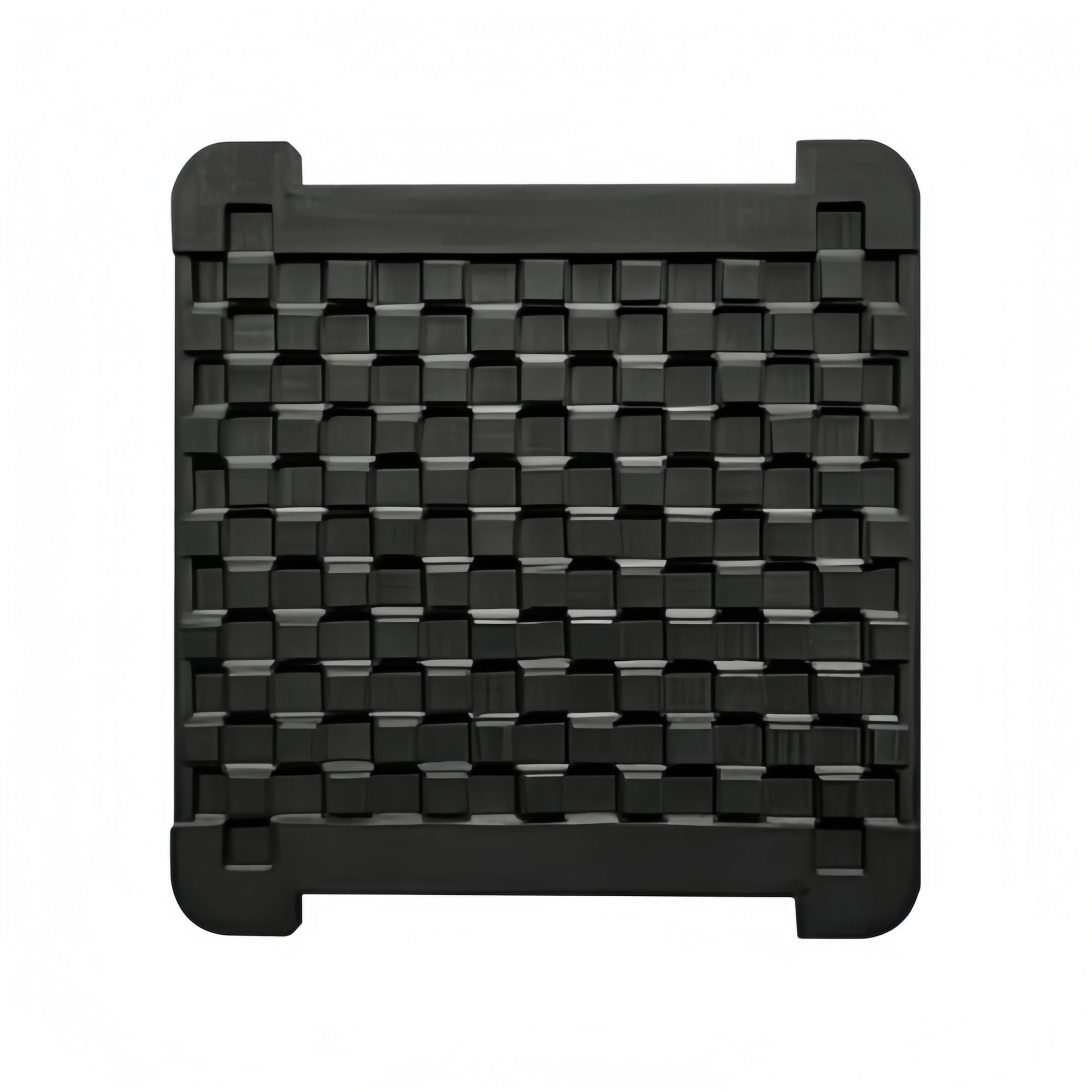
Understanding what a rail pad does — and what happens when it performs poorly — is essential for any organization responsible for track asset management. A properly specified rail pad reduces dynamic load transmission, controls vibration, and shields the fastening system from premature fatigue. Without a functional rail pad in place, the cumulative effect of repeated wheel loading creates accelerating structural damage that directly drives up operational maintenance costs and reduces track service life.
How a Rail Pad Protects Track Structure
Load Distribution and Dynamic Force Control
Every time a wheel passes over a section of track, it generates a vertical dynamic force that must be absorbed and distributed across the supporting structure. The rail pad serves as the primary elastic element that manages this load transfer. A rail pad with the correct stiffness value spreads the contact force over a larger bearing area, preventing point-load concentration that would otherwise crush the sleeper surface and crack the concrete over time.
When a rail pad is absent or has hardened beyond its functional range, dynamic forces pass almost directly into the sleeper and ballast layer without adequate attenuation. This condition accelerates ballast breakdown, increases rail seat deterioration, and forces maintenance teams to address geometry faults far more frequently. A correctly functioning rail pad can reduce peak contact stress at the rail-sleeper interface by a substantial margin, giving the entire track structure a significantly longer service interval.
Vibration Isolation and Sleeper Integrity
Beyond vertical load management, a rail pad provides essential vibration isolation. High-frequency vibration generated by wheel-rail interaction travels along the rail and, without an effective rail pad, penetrates the fastening system and sleeper body. Over time, this vibration loosens fastener components, causes micro-cracking in prestressed concrete sleepers, and degrades the elastic clips that hold the rail in place.
A rail pad with appropriate dynamic stiffness and damping characteristics interrupts this vibration pathway. The rail pad absorbs high-frequency energy before it reaches the sleeper, keeping fastener tension stable and extending the interval between clip replacement cycles. In high-speed or heavy-haul applications, where vibration intensity is especially pronounced, selecting the right rail pad specification is not optional — it is a structural necessity.
Rail Pad Influence on Maintenance Frequency
Slowing Rail Seat Deterioration
Rail seat deterioration is one of the most maintenance-intensive failure modes in concrete sleeper track. It begins when the rail pad loses its elastic properties and allows abrasive micro-movement between the rail base and the sleeper surface. This grinding action wears away the concrete at the rail seat, eventually creating loose material that migrates into the fastening zone and compromises rail alignment.
A durable rail pad made from materials such as high-density polyethylene, polyurethane, or reinforced rubber resists this degradation cycle. The rail pad maintains a consistent, cushioned interface that prevents metal-to-concrete contact. By preserving rail seat geometry, a quality rail pad eliminates a major trigger for unplanned maintenance interventions and reduces the need for expensive sleeper replacement programs.
Protecting Fastening Systems and Reducing Inspection Burden
The fastening system surrounding a rail pad is equally dependent on the rail pad's performance. Elastic clips, shoulder inserts, and base plates all experience reduced stress when the rail pad is managing load and vibration effectively. When a rail pad degrades, the clips absorb greater dynamic loads with each passing train, accelerating metal fatigue and shortening replacement cycles considerably.
Maintenance teams that monitor fastener condition regularly report a direct correlation between rail pad condition and clip fatigue rate. A track section with worn or missing rail pad components consistently requires more frequent inspection intervals and higher fastener replacement volumes. Maintaining the rail pad in good condition therefore reduces the overall inspection burden, lowers spare parts consumption, and allows maintenance crews to allocate resources more efficiently across the network.
Rail Pad Selection and Long-Term Track Performance
Matching Rail Pad Specification to Traffic Conditions
Not every rail pad is suitable for every application. The stiffness of a rail pad must be matched to the axle loads, train speeds, and sleeper type present on a given line. A rail pad that is too soft may allow excessive rail movement, creating gauge widening risk. A rail pad that is too stiff transmits excessive dynamic force into the sleeper, negating the protective function the rail pad is meant to provide.
For heavy-haul freight lines, a stiffer rail pad with high load-bearing capacity is typically required to handle repeated high-tonnage loading cycles. For urban transit or light rail systems, a softer rail pad with enhanced vibration damping is often preferred to reduce noise and ground-borne vibration. Selecting the correct rail pad specification from the outset avoids premature component failure and ensures the track structure performs as designed throughout its intended service life.
Material Durability and Service Life Expectations
The material composition of a rail pad directly determines how long it will maintain its functional properties under traffic loading. Polyurethane rail pad variants offer excellent fatigue resistance and maintain consistent stiffness across a wide temperature range. Rubber-based rail pad designs provide good damping but may harden in cold climates, reducing their effectiveness over time. High-density polyethylene rail pad products are valued for their resistance to moisture ingress and chemical degradation in aggressive environments.
Regardless of material, a rail pad should be inspected as part of routine track maintenance cycles. Signs of cracking, permanent deformation, or extrusion beyond the rail seat boundary indicate that the rail pad has reached the end of its service life and must be replaced before structural damage to the sleeper or fastening system occurs. Proactive rail pad management is always more cost-effective than reactive repairs driven by advanced track deterioration.
FAQ
How often should a rail pad be replaced?
The replacement interval for a rail pad depends on traffic volume, axle loads, and material type. In heavy-haul applications, a rail pad may require inspection every two to three years, while lighter-duty lines may see service lives of five years or more. Regular visual inspections and periodic stiffness testing are the most reliable methods for determining when a rail pad needs replacement.
What happens if a rail pad is missing or severely degraded?
A missing or severely degraded rail pad allows direct metal-to-concrete or metal-to-steel contact at the rail seat. This accelerates concrete crushing, promotes fastener loosening, and increases ballast breakdown rates. Track geometry deteriorates more rapidly without a functioning rail pad, leading to increased derailment risk and significantly higher unplanned maintenance expenditure.
Can a rail pad reduce noise and vibration near railway lines?
Yes. A rail pad with appropriate damping properties reduces the transmission of high-frequency vibration from the rail into the sleeper and surrounding structure. This helps lower airborne noise levels and ground-borne vibration in sensitive areas such as urban corridors and residential zones. Selecting a rail pad engineered specifically for vibration attenuation can meaningfully improve environmental performance without compromising structural track integrity.