
 EN
EN
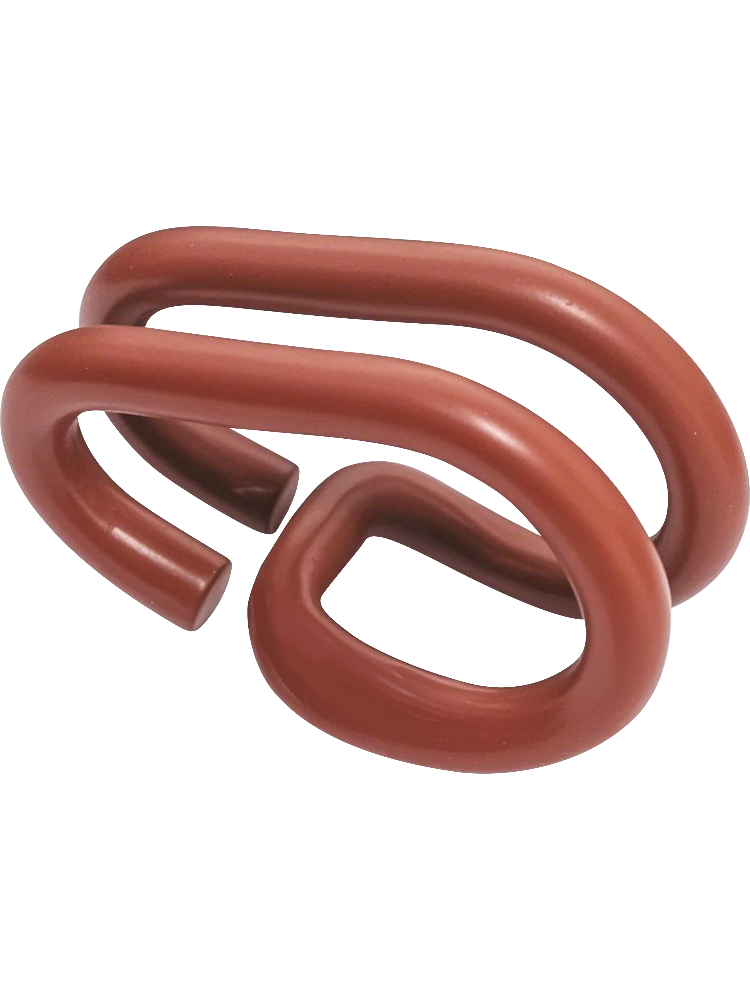
In railway and industrial rail systems, track clips serve as the critical fastening components that hold rails firmly to sleepers or tie plates, maintaining the geometry and stability of the entire track structure. When these components perform correctly, they deliver consistent clamping force that absorbs dynamic loads, dampens vibration, and prevents rail movement under the stress of passing traffic. However, one of the most persistent and costly challenges faced by rail maintenance engineers is the gradual loss of tension in track clips over time — a problem that can quietly escalate into serious safety and operational risks if left unaddressed.
Understanding exactly why track clips lose their clamping tension — and what can be done to prevent it — is essential knowledge for anyone responsible for track asset management, whether on mainline railways, metro systems, or industrial rail installations. This article explores the underlying mechanical, material, and environmental causes of tension loss, and outlines a practical, prevention-focused strategy to maximize the service life and performance of your track clips.
The Mechanical Role of Track Clips in Rail Fastening Systems
How Track Clips Generate and Maintain Clamping Force
Track clips are spring-steel components engineered to operate in a state of elastic deformation. When installed correctly, they are deflected from their natural resting shape, and it is this stored elastic energy that generates the clamping force applied to the rail foot. The clip essentially acts as a calibrated spring, pressing down on the rail foot with a precisely designed toe load. This elastic tension is what keeps the rail from lifting, shifting laterally, or creeping longitudinally under repeated train loadings.
The relationship between clip geometry, steel grade, and toe load is carefully calculated during the design phase. Each type of track clips product is manufactured to deliver a specific clamping force range, and that range is tested and validated before the component reaches the field. When the clip loses tension, it means the stored elastic energy has diminished, and the toe load applied to the rail foot drops below the acceptable threshold — compromising the entire fastening assembly.
In practical terms, even a moderate reduction in clamping force can lead to micro-movements at the rail-to-sleeper interface. Over time, these micro-movements accumulate into measurable rail creep, gauge widening, or increased dynamic impact loads — all of which shorten the life of other track components and raise the risk of derailment.
The Difference Between Elastic and Plastic Deformation in Clips
The key to understanding tension loss lies in the distinction between elastic and plastic deformation. Elastic deformation is reversible — the clip springs back to its original shape when the deforming force is removed, and the clamping force is preserved. Plastic deformation is permanent — the material has been stressed beyond its yield point and cannot fully recover, meaning the clip no longer exerts the same toe load even though it appears visually intact.
Well-designed track clips are engineered to remain within the elastic range throughout their service life under normal operating conditions. However, various real-world factors can push the material into plastic deformation earlier than expected, causing a permanent reduction in tension. This is why material quality, installation practices, and environmental conditions all matter enormously when it comes to maintaining long-term clip performance.
Primary Causes of Tension Loss in Track Clips
Fatigue from Repeated Dynamic Loading
The most common and unavoidable cause of tension loss in track clips is metal fatigue resulting from cyclic dynamic loading. Every time a train wheel passes over the rail, the clip experiences a brief, high-magnitude stress pulse. Over millions of loading cycles — which can accumulate rapidly on busy lines — even high-quality spring steel begins to show micro-structural changes that reduce its elastic capacity. This process is known as fatigue-induced relaxation, and it is gradual and cumulative.
The rate of fatigue-induced tension loss depends heavily on the amplitude of the stress cycles and the quality of the steel. Heavier axle loads, higher train speeds, and track irregularities that create impact loads all accelerate the fatigue process. This is why track clips on high-tonnage freight corridors or high-speed lines typically require more frequent inspection and replacement intervals than those on lightly loaded industrial spurs.
Importantly, fatigue damage is not always visible to the naked eye. A clip can appear undamaged while having already lost a significant portion of its clamping force. This makes regular tension measurement — rather than purely visual inspection — a critical part of any proactive maintenance program.
Stress Relaxation at Elevated Temperatures
Another significant driver of tension loss in track clips is stress relaxation, which occurs when a material under constant stress and elevated temperature gradually deforms over time without any additional applied force. In track applications, thermal effects come from solar radiation, brake heat, and seasonal temperature cycles. In industrial environments such as steel mills or foundry rail systems, ambient temperatures can be significantly higher than in standard outdoor railway settings.
Stress relaxation is a time-dependent process — the longer a track clips component is held under stress at elevated temperature, the more it will relax. The effect is more pronounced in lower-grade spring steels and in clips that are installed at or near the upper end of their design deflection range. This underscores the importance of selecting track clips manufactured from steel grades with high resistance to thermal stress relaxation, particularly for applications in warm climates or industrial heat environments.
Corrosion and Surface Degradation
Corrosion is a well-known enemy of spring performance. As track clips corrode, pitting and surface oxidation create stress concentrations that accelerate both fatigue crack initiation and plastic deformation. The cross-sectional loss from corrosion directly reduces the effective spring stiffness of the clip, leading to lower clamping forces. In coastal, tunnel, or chemically aggressive environments, corrosion can dramatically shorten the effective service life of even well-designed clips.
Beyond simple rust, certain industrial environments expose track clips to chlorides, acids, or alkaline compounds that attack the steel surface at an accelerated rate. Once the protective surface treatment — whether galvanizing, phosphating, or an organic coating — is compromised, the underlying steel is vulnerable. Regular inspection for signs of surface corrosion and timely replacement of affected clips are essential practices in corrosion-prone environments.
Improper Installation and Over-Deflection
A significant but often underappreciated cause of premature tension loss is improper installation. When track clips are driven beyond their designed installation position — a condition known as over-deflection — the spring steel is pushed past its yield point during installation itself. The clip never achieves its rated toe load from the very beginning because it has already experienced some degree of plastic deformation during the installation process.
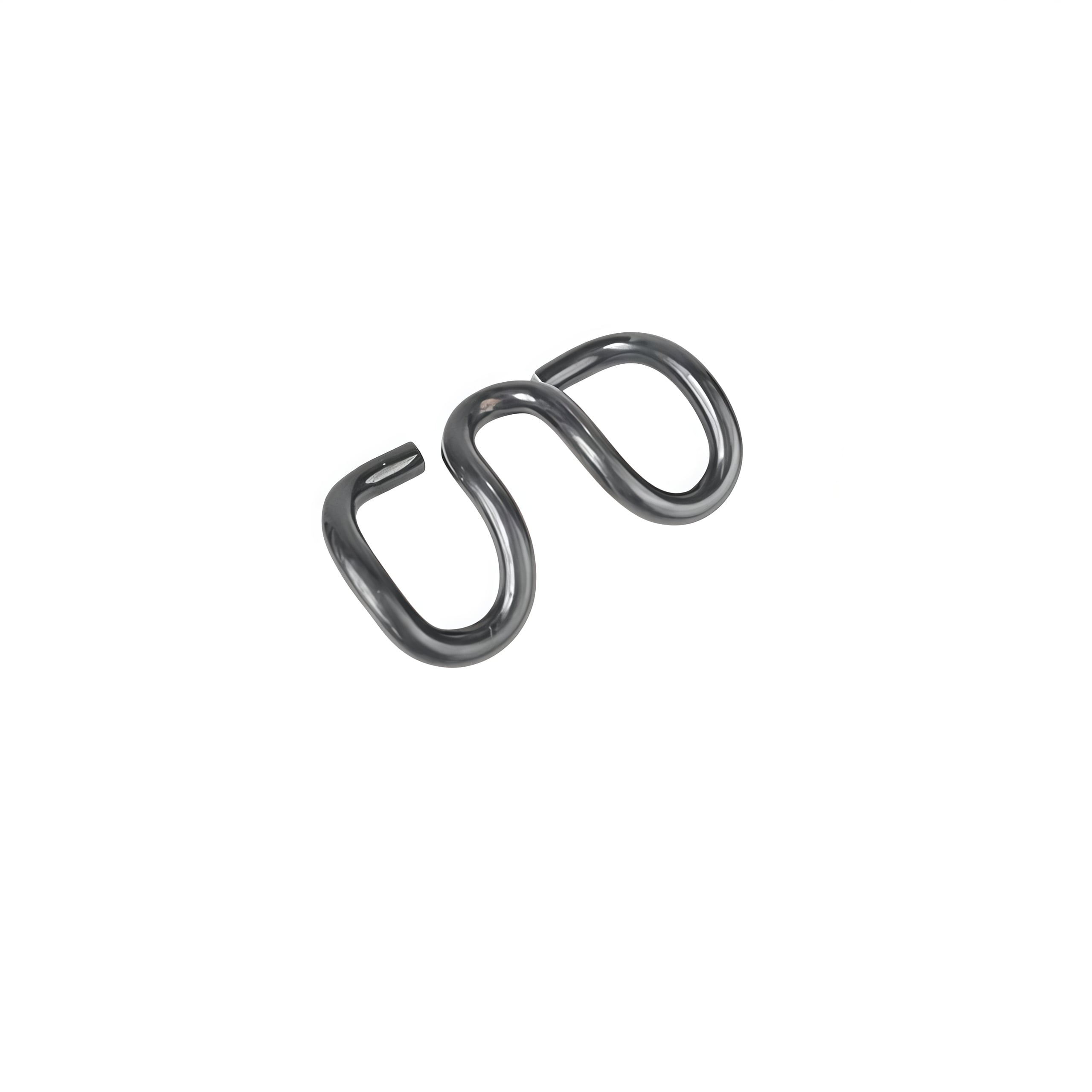
Over-deflection can result from using clips in the wrong application (mismatched rail section or rail pad thickness), from worn or incorrect installation tooling, or from operator error. It can also occur when rail pads compress more than anticipated, causing the clip to seat further than intended. Ensuring that installation crews are properly trained and equipped with the correct tools and components is a foundational step in preserving track clips tension from day one.
Environmental and Operational Factors That Accelerate Tension Loss
Track Geometry Deterioration and Impact Loading
As track geometry deteriorates — through ballast settlement, tie deterioration, or rail wear — the dynamic forces transmitted through the fastening system increase substantially. Localized dips, joints, and surface irregularities create impact loads that can be many times greater than the nominal wheel load. These elevated impact events stress track clips well beyond their normal operating range, accelerating both fatigue and plastic deformation.
This creates a feedback loop: poor geometry increases stress on track clips, which lose tension faster, which allows more rail movement, which further degrades geometry. Breaking this cycle requires addressing both the track geometry issues and the clip condition simultaneously, rather than treating them as separate problems.
Vibration in Industrial and Urban Rail Environments
In urban transit and industrial rail systems, high-frequency vibration from repeated short-interval train movements can be particularly damaging to track clips. Unlike mainline railways where trains may pass at intervals of minutes or hours, subway systems and factory rail loops may see traffic every few minutes throughout the day. The cumulative loading cycles per year on such systems can be orders of magnitude higher than on conventional lines, compressing years of fatigue damage into a shorter operational period.
Vibration also promotes fretting at the interface between the clip toe and the rail foot, which can cause surface wear that alters the clip's contact geometry and reduces its effective clamping force. Using track clips specifically engineered for high-cycle applications — with appropriate geometry, steel grade, and surface treatment — is critical in these environments.
How to Prevent Track Clips from Losing Tension
Selecting the Right Track Clips for the Application
Prevention begins at the specification and procurement stage. Choosing track clips that are correctly matched to the specific rail section, sleeper type, rail pad thickness, and traffic loading conditions is the single most important step in ensuring long-term tension retention. Using an undersized or non-standard clip in a demanding application will result in premature tension loss regardless of how well the clips are maintained.
High-quality track clips are manufactured from premium spring steel with tightly controlled chemical composition and heat treatment. The material properties — particularly the yield strength, tensile strength, and fatigue limit — must be appropriate for the stress levels the clip will experience in service. Specifying components that meet recognized international standards and are backed by verifiable test data is the most reliable way to ensure consistent performance over the full service life.
Correct Installation Practices
Even the best track clips will underperform if installed incorrectly. Installation procedures should be clearly documented, and installation crews should be trained to follow them rigorously. The correct installation tools must be used — improvised or worn tooling can easily cause over-deflection or under-seating, both of which compromise tension from the outset. Installation position should be verified using gauges or reference marks rather than relying on operator judgment alone.
Rail pad condition and thickness must be verified before clip installation. If the rail pad is worn, compressed, or of the wrong specification, the clip will not seat at its designed deflection level. Replacing worn rail pads as part of the fastening assembly renewal process is a simple but often overlooked step that significantly impacts track clips performance and longevity.
Proactive Inspection and Tension Monitoring
A well-structured inspection regime is the backbone of any tension loss prevention strategy. Periodic visual inspections can identify obvious signs of clip deterioration such as cracking, corrosion, loss of contact with the rail foot, or displacement from the installation position. However, visual inspection alone is insufficient — clips can lose significant tension while still appearing intact. Toe load measurement, using calibrated spring gauges or similar instrumentation, provides objective data on actual clamping force and enables condition-based replacement decisions.
Inspection intervals for track clips should be based on traffic tonnage, line speed, and environmental exposure rather than simply calendar time. High-tonnage or high-cycle sections warrant more frequent inspections. Building tension monitoring data into a track asset management system allows trends to be identified early, enabling preventive replacement before clips reach critically low tension levels rather than waiting for failures to occur.
Surface Protection and Corrosion Management
To maximize the service life of track clips in corrosive environments, appropriate surface protection must be specified and maintained. The choice of coating — whether hot-dip galvanizing, electrocoating, or specialized epoxy-based treatments — should be matched to the specific corrosion environment. In aggressive environments, more robust protection systems and shorter inspection intervals are warranted.
Where possible, the installation environment should be managed to reduce moisture ingress and chemical exposure. Adequate drainage to prevent standing water around the fastening zone, and periodic cleaning of accumulated debris and corrosive materials, can meaningfully extend the working life of track clips. In tunnels or enclosed industrial spaces, ventilation improvements can also reduce the humidity levels that accelerate corrosive attack on spring steel components.
FAQ
How often should track clips be inspected for tension loss?
Inspection frequency should be determined by the specific operating conditions of the line. For high-traffic mainline or metro applications, a visual inspection every three to six months combined with a toe load measurement annually is a reasonable starting point. For lower-traffic industrial installations, annual visual inspections with periodic load measurements may be sufficient. Always consult the clip manufacturer's recommendations and relevant national standards when setting inspection intervals.
Can track clips be retensioned once they have lost clamping force?
In most cases, track clips that have lost tension cannot be meaningfully retensioned. Because tension loss results from plastic deformation, fatigue, or corrosion, the clip has permanently lost part of its elastic capacity. Attempting to reposition or re-drive a clip that has already relaxed will typically result in over-deflection and accelerated further degradation. The standard industry practice is to replace clips that have fallen below the minimum acceptable toe load rather than attempting to restore their tension.
What signs indicate that track clips have lost tension and need replacement?
Key indicators include visible separation between the clip toe and the rail foot, lateral or longitudinal rail movement at the fastening point, audible squeaking or clicking during train passage, visible corrosion or cracking on the clip body, and measured toe loads below the minimum specified threshold. Any of these signs should trigger prompt replacement of the affected track clips to prevent further deterioration of the track structure.
Does rail pad thickness affect how quickly track clips lose tension?
Yes, rail pad thickness directly affects the installation deflection of track clips and therefore their working stress level. If the rail pad is thicker than the design specification, the clip may be under-deflected and deliver less than the target toe load from the start. If it is thinner — due to wear or incorrect specification — the clip may be over-deflected, increasing working stress and accelerating fatigue and relaxation. Using the correct rail pad type and monitoring pad wear as part of routine maintenance is essential for maintaining optimal track clips performance.