
 EN
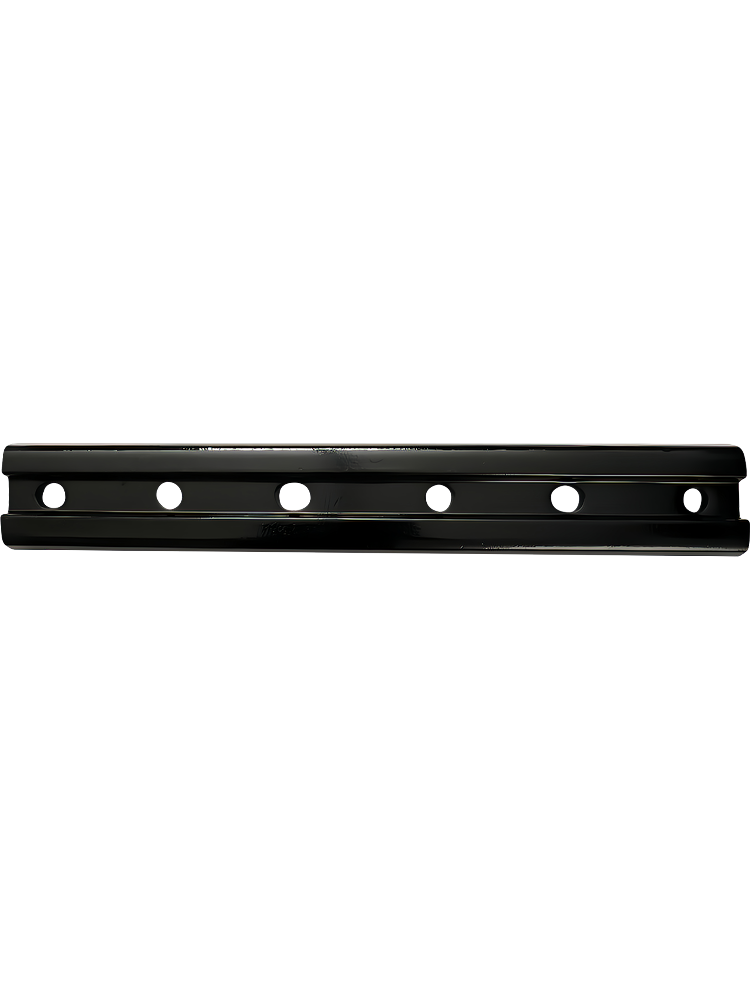
Large infrastructure projects depend on the structural integrity and reliability of every component that connects rail systems together. Rail fishplates serve as critical joining elements that unite rail sections, distribute loads, and maintain alignment across extensive rail networks. For infrastructure contractors and railway operators managing major projects, understanding how rail fishplates support project success is essential to ensuring safety, minimizing maintenance costs, and achieving long-term operational efficiency. Rail fishplates are engineered to withstand extreme stresses, environmental conditions, and the continuous movement inherent in modern rail transportation.

When infrastructure projects stretch across hundreds of kilometers or connect multiple rail lines, suppliers who specialize in rail fishplates become strategic partners in project delivery. These suppliers provide not only high-quality components but also technical guidance, material certifications, timely logistics support, and engineering expertise that directly impact project timelines and safety outcomes. The role of rail fishplates suppliers extends beyond product delivery—they are instrumental in helping project teams navigate specifications, regulatory compliance, and the complex demands of major rail infrastructure development.
Understanding Rail Fishplates and Their Critical Role
Core Function in Rail Infrastructure
Rail fishplates are steel or composite plates that bolt across two rail ends to create a rigid joint, maintaining alignment and enabling load distribution across the connection point. In large infrastructure projects, rail fishplates ensure that individual rail sections behave as a unified, continuous track rather than separate segments. The quality of rail fishplates directly affects track geometry, train safety, and the longevity of the entire rail system. Poor-quality rail fishplates can lead to misalignment, accelerated wear, increased maintenance frequency, and ultimately, expensive downtime or safety risks. Suppliers who understand the engineering demands of rail fishplates recognize that precision manufacturing, material selection, and rigorous quality control are non-negotiable.
Load Distribution and Alignment
Every train movement generates vertical, lateral, and longitudinal forces that must be safely transferred through rail fishplates to the track bed. Rail fishplates must accommodate thermal expansion, absorb vibration, and prevent rail creep while maintaining precise alignment tolerances. In major infrastructure projects where trains run at high speeds or carry heavy loads, the structural demands on rail fishplates intensify significantly. Suppliers who provide engineering-grade rail fishplates conduct stress analysis, fatigue testing, and real-world simulation to ensure their products perform reliably under project-specific conditions. This technical depth is what separates reliable rail fishplates from commodity alternatives.
How Suppliers Support Large-Scale Infrastructure Projects
Technical Expertise and Specification Alignment
Infrastructure projects operate under strict regulatory frameworks and design specifications that vary by region, rail gauge, and operational requirements. Rail fishplates suppliers maintain deep expertise in international standards—ISO, EN, AREMA, and national rail authority specifications—ensuring that supplied components meet every requirement. Experienced suppliers guide project engineers in selecting the correct rail fishplates design, material grade, and bolt configuration for specific project conditions. They provide material certifications, test reports, and engineering documentation that accelerate project approvals and regulatory compliance. When suppliers take responsibility for specification alignment, infrastructure projects avoid costly redesigns, delays, and potential safety compromises.
Quality Assurance and Supply Chain Reliability
Large infrastructure projects cannot tolerate component failures or supply chain disruptions. Reputable rail fishplates suppliers implement rigorous quality management systems, including material traceability, non-destructive testing, and dimensional verification for every batch. They maintain strategic inventory reserves and multiple production facilities to ensure that project schedules never slip due to supply constraints. Suppliers who excel in supporting large infrastructure projects establish long-term relationships with project teams, understand their delivery schedules, and proactively communicate potential risks. This level of supply chain discipline transforms rail fishplates from a procurement headache into a reliable project asset.
Logistics Coordination and Timely Delivery
Infrastructure projects involve coordinating thousands of components across geographically dispersed worksites, and delays in critical materials can cascade into schedule impacts across the entire project. Rail fishplates suppliers who support large infrastructure projects specialize in logistics planning, packaging that protects components during transport, and delivery coordination that aligns with construction milestones. They offer real-time tracking, flexible delivery scheduling, and on-site inventory management support. When suppliers take ownership of logistics complexity, infrastructure project teams focus on construction and installation rather than supply chain friction.
Optimizing Infrastructure Project Performance Through Supplier Selection
Engineering Collaboration and Customization
Not all infrastructure projects are identical, and rail fishplates suppliers that excel in supporting large-scale projects embrace customization and collaborative engineering. When track geometry varies, environmental conditions differ, or performance requirements exceed standard specifications, suppliers develop tailored rail fishplates solutions. They participate in design reviews, conduct field assessments, and adapt manufacturing processes to project-specific needs. This engineering partnership ensures that supplied rail fishplates optimize performance, reduce lifecycle costs, and contribute directly to project success metrics like schedule adherence, safety outcomes, and maintenance efficiency.
Cost Optimization Without Compromising Quality
Large infrastructure projects operate under budget constraints, and procurement teams seek ways to optimize material costs while maintaining safety and performance. Experienced rail fishplates suppliers offer value engineering insights, bulk pricing optimization, and phased delivery strategies that reduce project financing costs. They identify opportunities to standardize components, reduce inventory carrying costs, and minimize waste through precision manufacturing. Rather than simply offering the lowest price, suppliers who support large infrastructure projects demonstrate how their rail fishplates reduce total cost of ownership through durability, reliability, and performance consistency. This value-oriented approach builds trust and ensures that infrastructure projects receive genuine quality at competitive pricing.
Post-Installation Support and Maintenance Guidance
The relationship between rail fishplates suppliers and infrastructure projects extends beyond installation. Leading suppliers provide maintenance training, inspection protocols, and replacement guidance that help rail operators maintain optimal track performance throughout the asset's lifecycle. They document installation best practices, recommend preventive maintenance schedules, and remain available for troubleshooting if unexpected performance issues arise. This post-installation partnership transforms suppliers into long-term stakeholders in project success, creating value that persists well beyond the initial construction phase.
FAQ
What specifications should infrastructure projects require when selecting rail fishplates suppliers?
Infrastructure projects should specify rail fishplates that comply with applicable international or national standards, request material certifications, demand dimensional and hardness verification testing, verify supplier quality management system certifications, confirm supplier capacity to meet project delivery schedules, require engineering documentation and design calculations, and establish clear performance guarantees. Rail fishplates suppliers should provide comprehensive technical data, reference projects of similar scale and complexity, and demonstrate experience with the specific rail gauge and track design used in the project.
How do rail fishplates suppliers ensure consistent quality across large-scale deliveries?
Quality rail fishplates suppliers implement documented manufacturing processes with statistical process control, conduct incoming material inspection and traceability verification, perform in-process dimensional checks, execute final non-destructive testing on representative samples or complete batches, maintain calibrated testing equipment, and conduct regular management audits. Suppliers also document each batch with test reports and material certificates that prove conformance to specifications. This systematic approach ensures that every rail fishplate delivered to large infrastructure projects meets identical quality standards regardless of production timing or batch size.
What advantages do specialized rail fishplates suppliers offer compared to general steel distributors?
Specialized rail fishplates suppliers possess deep engineering expertise specific to rail applications, maintain compliance expertise with railway-specific standards and regulations, understand the technical demands of infrastructure projects, offer technical support and customization capabilities, maintain inventory and capacity planning specifically for rail projects, and provide traceability and documentation that general steel distributors cannot match. Specialized suppliers become collaborative partners who ensure that rail fishplates contribute to infrastructure project success, whereas general distributors typically offer only transactional relationships based on price and availability.