EN
EN
Quick Links

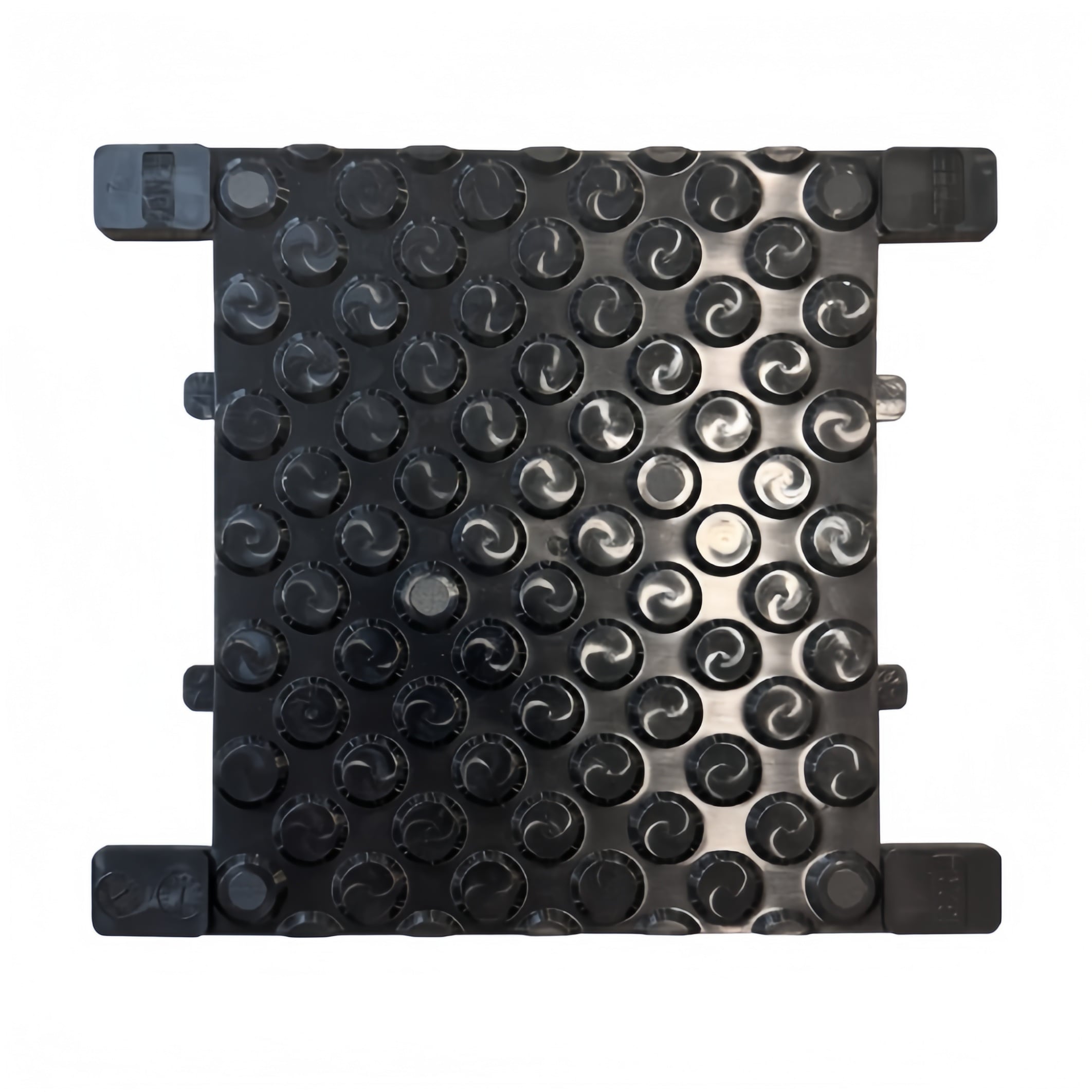
Custom stiffness TPEE rail pads compatible with WJ7/WJ8 and all standard fastener systems, superior low & high temperature resistance, salt fog & aging resistance.
Stable mass production supports one-stop bulk procurement with full fastener kits to shorten high-standard rail construction cycles.
The TPEE Under-Rail Pad is a high-performance railway component developed to enhance track elasticity, vibration damping, and structural stability beneath the rail base. Made from Thermoplastic Polyester Elastomer (TPEE), the pad combines the toughness of engineering plastics with the flexibility of rubber, delivering outstanding mechanical strength, durability, and environmental resistance. Positioned between the rail and the sleeper, it acts as a vital cushioning layer that absorbs impact loads, distributes stress evenly, and protects the track structure from excessive wear and deformation.
Manufactured using advanced injection molding and precision finishing technology, the TPEE Under-Rail Pad ensures excellent dimensional accuracy, uniform hardness, and consistent elasticity. Its unique polymer structure provides excellent fatigue resistance, long-term compressive stability, and superior resistance to oil, UV, ozone, and temperature variations. Unlike conventional rubber pads, TPEE pads maintain their performance for extended periods without hardening, cracking, or losing elasticity, making them ideal for high-speed and heavy-haul applications. Available in various hardness grades, thicknesses, and surface designs, they can be customized to meet different track system requirements and environmental conditions.
Function & Application
The TPEE Under-Rail Pad performs several key functions that significantly improve the performance and longevity of railway tracks. It provides a stable elastic interface between the rail and sleeper, effectively reducing vibration, impact, and noise generated by passing trains. This cushioning function minimizes stress on sleepers, fasteners, and ballast, helping to maintain precise track geometry and extend the overall service life of the track components.
The pad’s advanced TPEE material enables superior energy absorption and rebound characteristics, ensuring consistent elasticity even after long-term use under heavy loads. Its high wear and creep resistance prevent deformation and maintain stable track alignment over time. The pad also reduces wheel-rail noise and enhances ride comfort for passengers, making it particularly beneficial for urban rail and high-speed systems. Additionally, the TPEE Under-Rail Pad protects the sleeper surface from abrasion and corrosion, lowering maintenance frequency and total lifecycle costs.
This product is widely applied in high-speed railways, heavy-haul lines, metro systems, light rail transit, and standard-gauge tracks. It is compatible with various sleeper materials (concrete, wood, composite) and rail types such as P50, P60, and UIC60. The pad can be easily installed or replaced during track construction and maintenance without the need for specialized tools. Its lightweight yet durable design simplifies handling while maintaining superior performance under high dynamic forces.
Complying with international standards including UIC, AREMA, and EN, the TPEE Under-Rail Pad can be fully customized in color, hardness, geometry, and thickness according to specific design and engineering requirements. Furthermore, the product is environmentally friendly and recyclable, supporting sustainable railway development initiatives by reducing waste and extending maintenance intervals.
In summary, the TPEE Under-Rail Pad offers an advanced, durable, and eco-friendly solution for modern rail infrastructure. Its exceptional elasticity, strength, and resistance to aging make it ideal for ensuring stable, safe, and low-maintenance railway operation. By combining technical innovation with long-term reliability, it represents the next generation of high-performance under-rail cushioning systems for global railway networks.
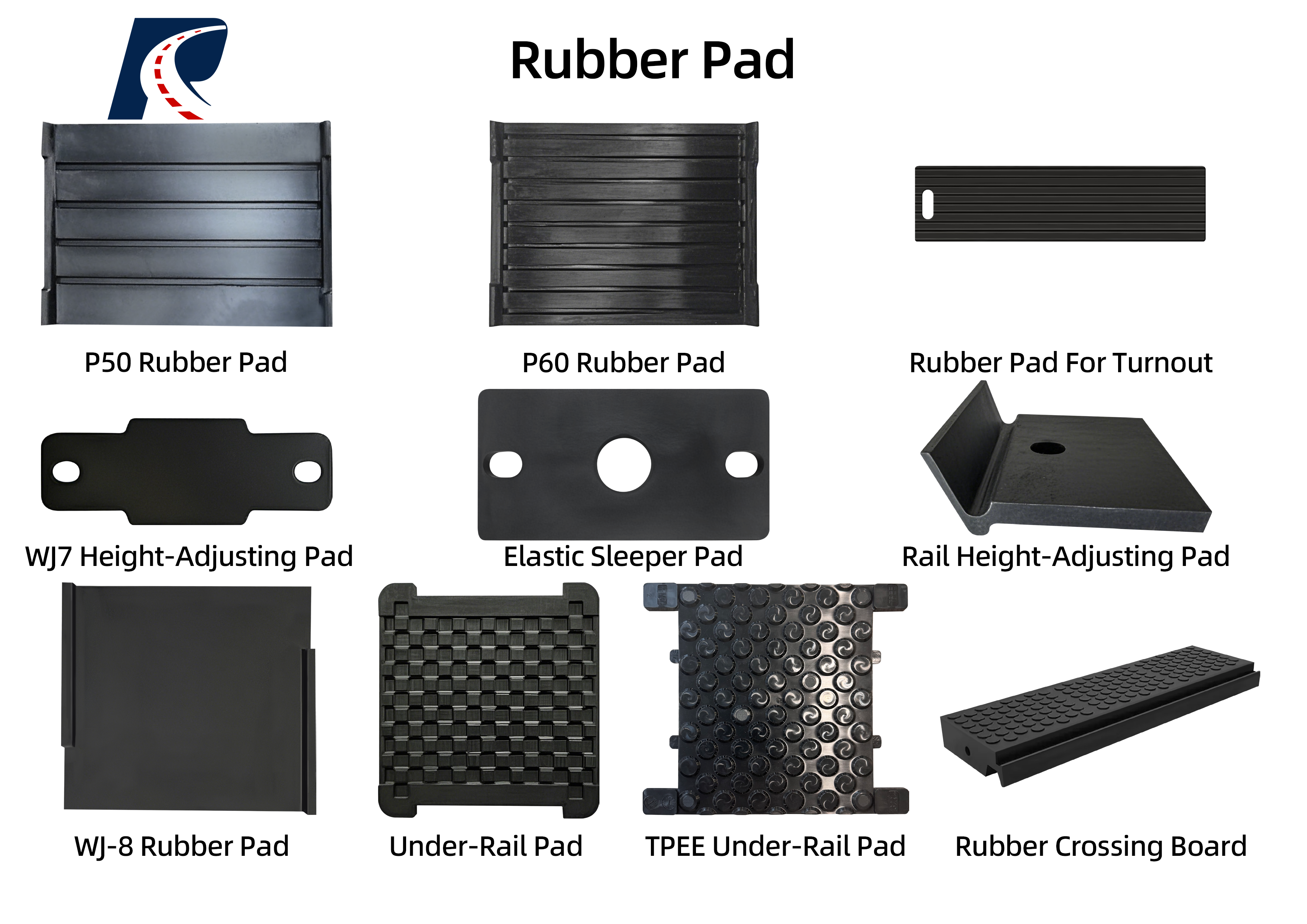
I. Overview of Railway Track Padding
Rubber track pads (hereinafter referred to as “rubber pads”) are critical components in railway track structures. Installed between rails and concrete sleepers, their primary functions include:
- Absorbing high-speed vibrations and impacts generated by passing vehicles to protect the subgrade and sleepers
- Providing electrical insulation for signaling systems Additionally, due to prolonged exposure to atmospheric conditions, rubber pads must exhibit excellent resistance to natural aging, cold temperatures, and heat. Rubber pads used in subways feature superior vibration damping and low-noise performance.
II. Characteristics of Railway Track Padding
1. Strong shock absorption, anti-aging properties, wear resistance, stability, and resistance to high and low temperatures. Products combine natural rubber, styrene-butadiene rubber, neoprene, HDPE, EVA, and high-density polyethylene. They exhibit high elasticity and resist deformation or fracture across various temperatures.
2. Extended service life with low maintenance and replacement costs.
3. Comprehensive range of models suitable for laying various rails (43kg, 50kg, 60kg) and sleepers (wooden, concrete).
4. Excellent load-bearing capacity, vibration damping, and insulation properties. Highly wear-resistant with minimal compression deformation, superior rigidity, aging resistance, and no mud displacement. Long service life and easy installation. Railway rubber pads significantly enhance rolling stock transport capacity, reduce crossing maintenance frequency, and prevent traffic accidents caused by stalled vehicles.
5. Rubber pads offer a service life exceeding three times that of traditional track plates. Testing confirms stable performance without deformation under applied pressures exceeding 80 tons. Manufactured primarily from rubber using scientific formulations and advanced production techniques, these pads meet railway speed enhancement and environmental requirements while boosting locomotive transport capacity.
Our factory is equipped with multiple guide rail pad production lines featuring machinery for machining, injection molding, rubber refining, vulcanization, forming, and inspection. We have our own rail pad development engineers, designing, producing and inspecting. What’s more, rail pads for high-peed rail are our featured products, including both the elastic rubber plates and height adjustment pads.
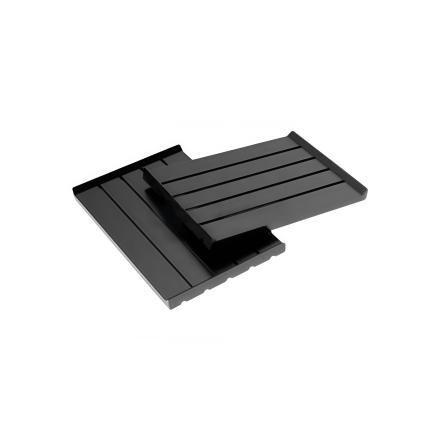
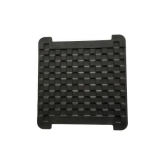
The Following are Rubber Rail Pads Parameters:
| Type | Diameter(mm) | Weight(kg) | Material |
| WJ8-B | 285mm*150mm*12mm | 0.35kg | Thermoplastic elastomer |
| WJ8-6 | 175mm*160mm | 0.24kg | Premium natural rubber or synthetic rubber |
| P50 | 185mm*131mm*10mm | 0.29kg | Premium natural rubber or synthetic rubber |
| P60 | 185mm*151mm*10mm | 0.34kg | Premium natural rubber or synthetic rubber |
| WJ8-6 | 175mm*160mm | 0.24kg | Premium natural rubber or synthetic rubber |
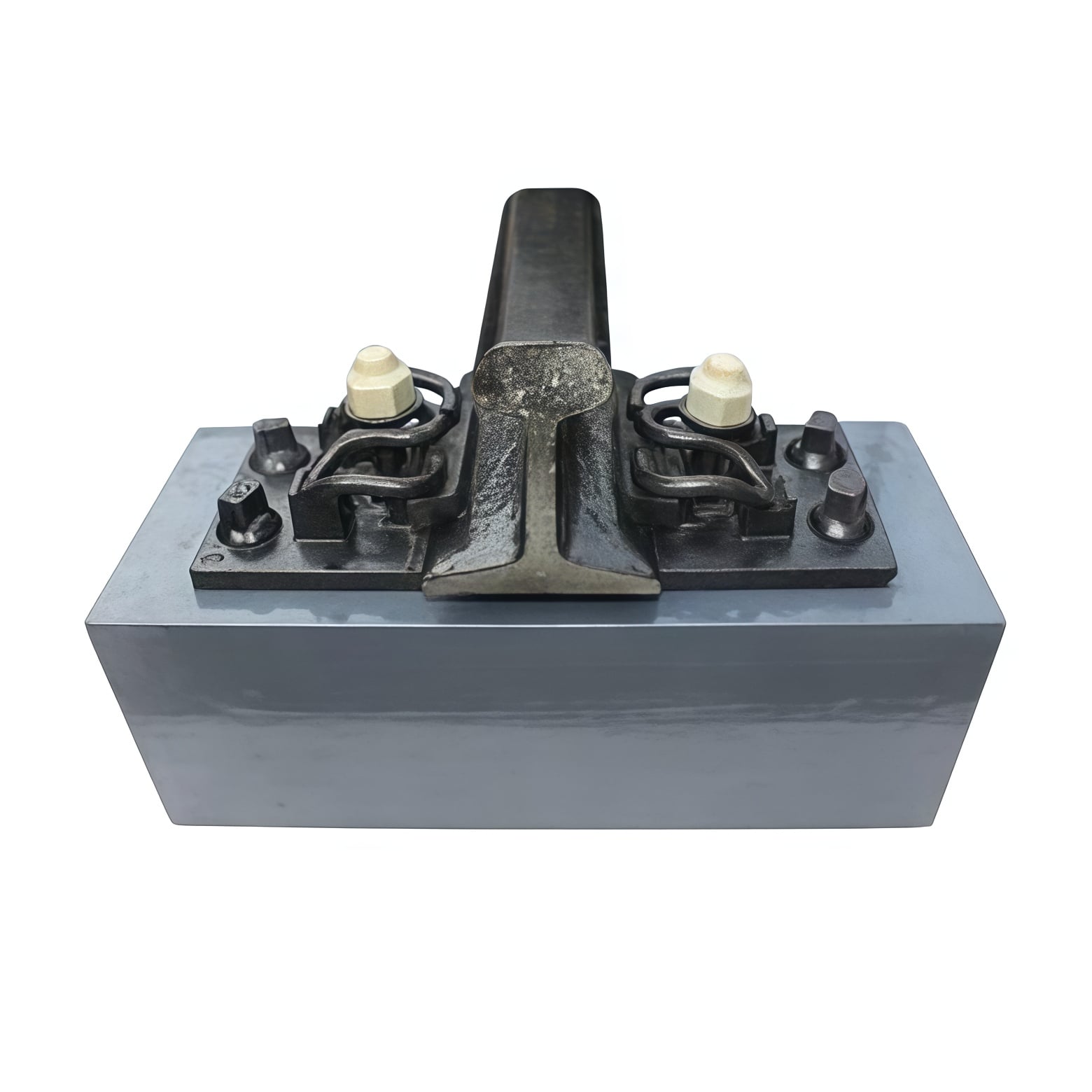
DT I Fastening System
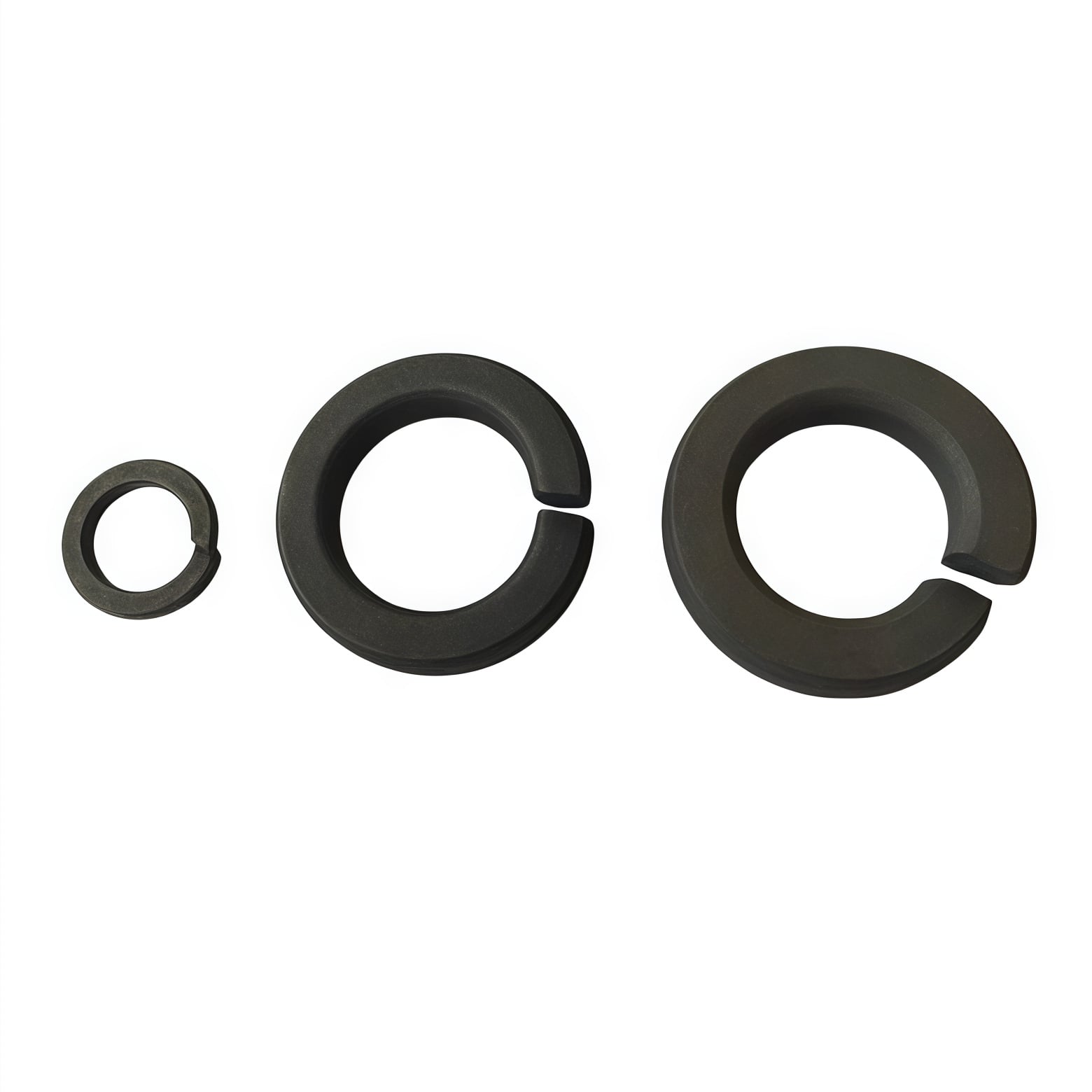
Single-Layer Spring Washer
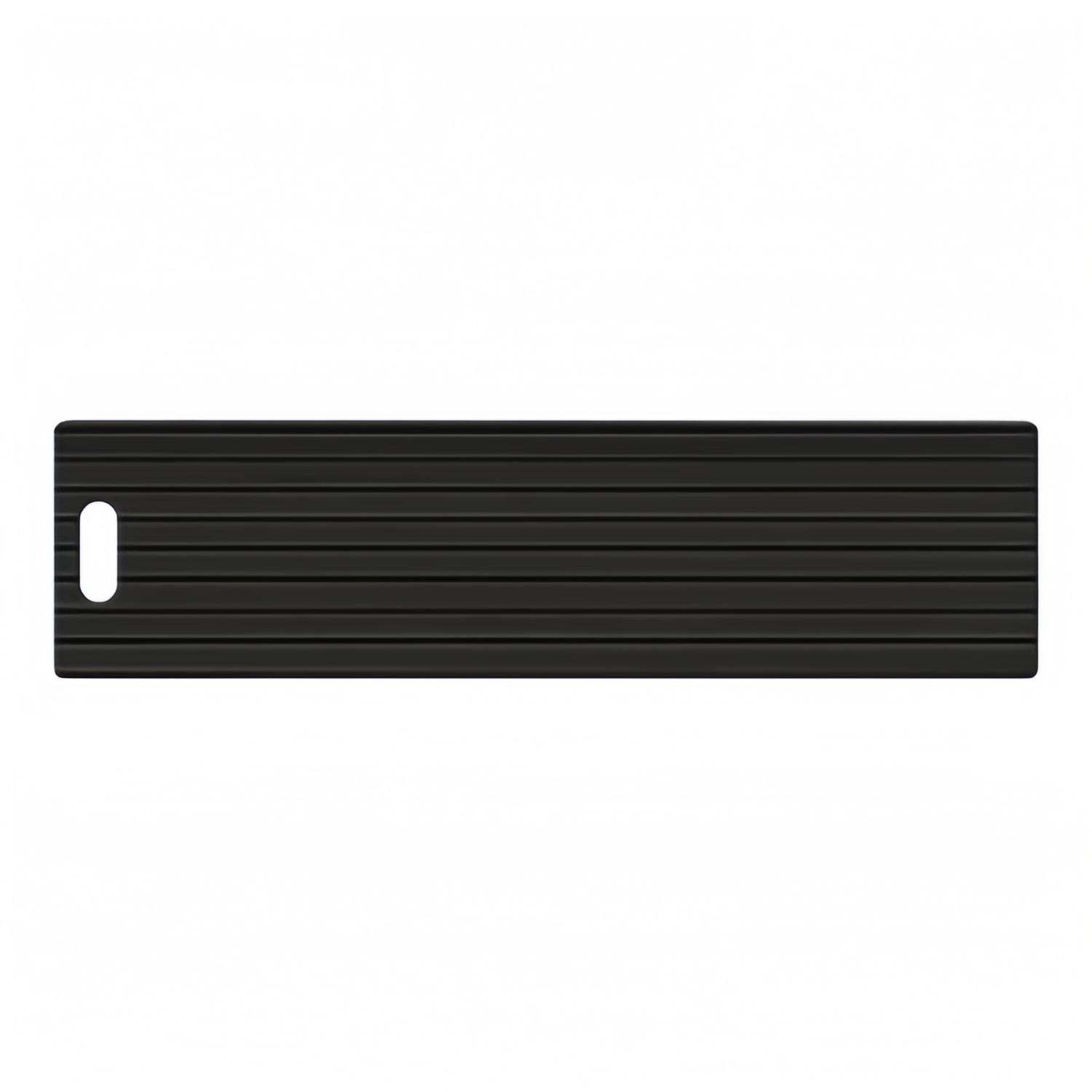
Turnout Rubber Pad
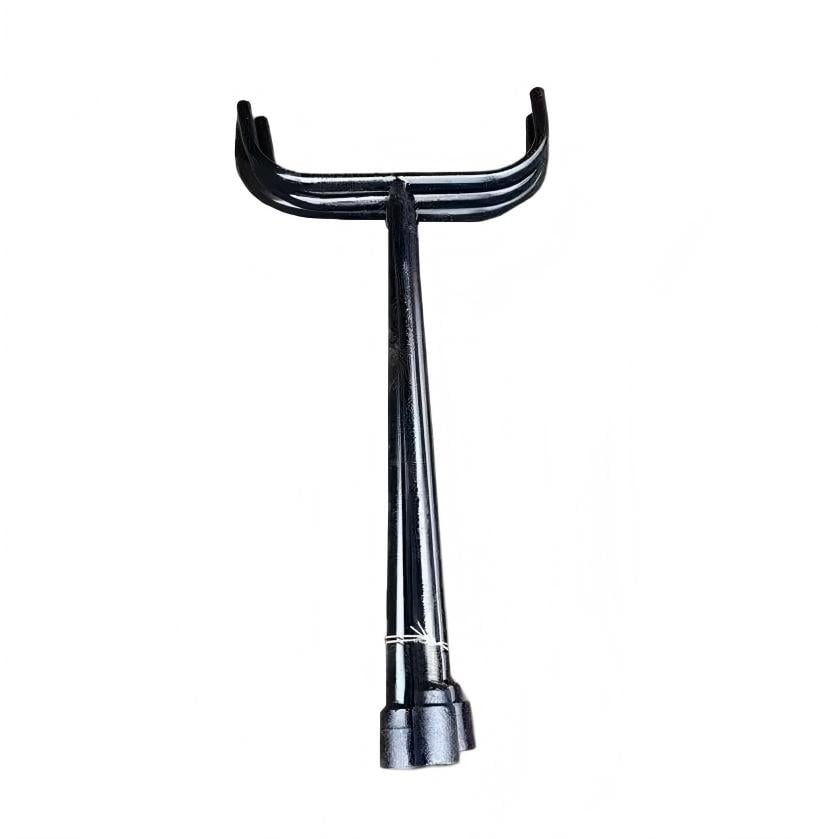
Railway T-Handle Wrench