
 EN
EN
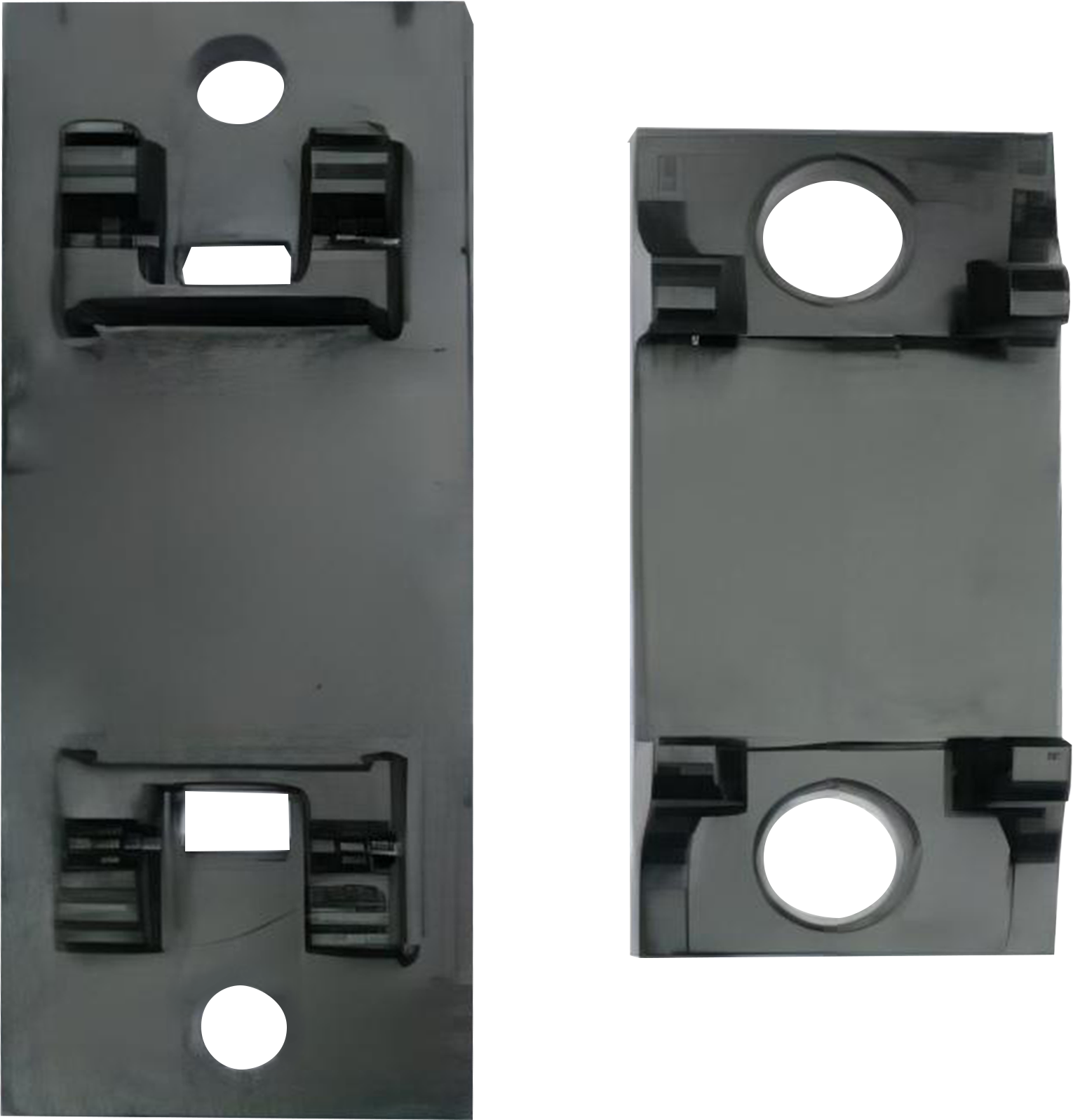
যখন ইঞ্জিনিয়াররা এবং ট্র্যাক রক্ষণাবেক্ষণ দলগুলি রেলওয়ে ফাস্টেনিং সিস্টেমের সেবা জীবন মূল্যায়ন করেন, রেলওয়ে টাই প্লেটগুলি সমগ্র অ্যাসেম্বলিতে সবচেয়ে গুরুত্বপূর্ণ উপাদানগুলির মধ্যে একটি হিসাবে ধারাবাহিকভাবে উদয় হয়। এই লোড-বেয়ারিং ইন্টারফেস উপাদানগুলি রেলের বেস এবং কাঠের বা কংক্রিটের টাইয়ের মধ্যে অবস্থিত, যা উল্লম্ব ও পার্শ্বীয় বলগুলিকে বৃহত্তর বেয়ারিং পৃষ্ঠের উপর বণ্টন করে। সঠিকভাবে ডিজাইন করা এবং রক্ষণাবেক্ষণ করা রেলওয়ে টাই প্লেট ছাড়া, ফাস্টেনিং সিস্টেমের গঠনমূলক অখণ্ডতা অনেক অপারেটরের আশা অপেক্ষা অনেক দ্রুত ক্ষয় হয়।
রেলওয়ে টাই প্লেট এবং ফাস্টেনিং সিস্টেমের দীর্ঘস্থায়িত্বের মধ্যে সম্পর্ক আকস্মিক নয়। প্রতিবার ট্রেন রেলপথের একটি অংশের উপর দিয়ে চলে যাওয়ার সময়, রেলওয়ে টাই প্লেটগুলি আঘাত শোষণ করে, পার্শ্বীয় সরণের বিরুদ্ধে প্রতিরোধ করে এবং টাই উপকরণকে সরাসরি রেলের সংস্পর্শ থেকে রক্ষা করে। রেলওয়ে ব্যবহারের জীবনকাল জুড়ে এই রক্ষামূলক কাজটি বিলিয়ন বিলিয়ন বার পুনরাবৃত্তি হয়, যার কারণে রেলওয়ে টাই প্লেটের গুণগত মান, জ্যামিতিক গঠন এবং ইনস্টলেশনের অবস্থা পার্শ্ববর্তী ফাস্টেনিং উপাদানগুলির কতদিন পর্যন্ত কার্যকর থাকবে তার উপর এতটাই পরিমাপযোগ্য প্রভাব ফেলে।
লোড বণ্টন এবং গাঠনিক চাপ ব্যবস্থাপনা
রেলওয়ে টাই প্লেটগুলি কীভাবে উল্লম্ব লোড ছড়িয়ে দেয়
রেলওয়ে টাই প্লেটগুলি বিশেষভাবে ডিজাইন করা হয়েছে যাতে রেলের ঘনীভূত উল্লম্ব ভারকে টাইয়ের পৃষ্ঠে ছড়িয়ে দেওয়া যায়। রেলওয়ে টাই প্লেট ছাড়া, সংকীর্ণ রেল বেসটি একটি কাটিং এজের মতো কাজ করবে, যা ধীরে ধীরে টাইয়ের উপরের অংশের উপাদানকে চূর্ণ করবে এবং ভাঙবে। কার্যকর বেয়ারিং এলাকা বৃদ্ধি করে রেলওয়ে টাই প্লেটগুলি প্রতি একক ক্ষেত্রফলে চাপ কমায়, যা সরাসরি টাইয়ের ক্ষয় হ্রাস করে এবং সময়ের সাথে সাথে ফাস্টেনিং সিস্টেমের জ্যামিতিক আকৃতি অক্ষুণ্ণ রাখে।
যখন রেলওয়ে টাই প্লেটগুলি অপর্যাপ্ত আকারের হয় অথবা রেল প্রোফাইলের সাথে সঠিকভাবে মেল খায় না, তখন ভার ঘনীভূতকরণের প্রভাব পুনরায় ফিরে আসে। এটি টাইয়ের চূর্ণীভবন ত্বরান্বিত করে, রেলকে অসমভাবে ডুবে যেতে দেয় এবং স্পাইক হোল ও ক্লিপ অ্যাঙ্করে বিপরীত সারেন্স সৃষ্টি করে। সঠিক আকারের রেলওয়ে টাই প্লেটগুলি রেলের স্থির ক্যান্ট এবং উচ্চতা বজায় রাখে, যা দীর্ঘমেয়াদী ফাস্টেনিং সিস্টেমের কার্যকারিতার জন্য অত্যন্ত গুরুত্বপূর্ণ।
টাই প্লেট ডিজাইনের মাধ্যমে পার্শ্বীয় বল প্রতিরোধ
উল্লম্ব লোডিংয়ের পাশাপাশি, রেলওয়ে টাই প্লেটগুলি ট্রেনের চলাচল, বক্ররেখা অতিক্রম এবং তাপীয় রেল প্রসারণের ফলে সৃষ্ট পার্শ্বীয় বলকেও প্রতিরোধ করে। ভালভাবে নকশা করা শোল্ডার কনফিগারেশন এবং স্পাইক হোল স্থাপনযুক্ত রেলওয়ে টাই প্লেটগুলি টাইয়ের সাপেক্ষে রেলকে পার্শ্বীয়ভাবে সরানো থেকে আটকায়। এই পার্শ্বীয় বাধা গেজ প্রসারণ প্রতিরোধ করে, পৃথক ফাস্টেনারগুলিতে চক্রীয় লোডিং কমায় এবং প্রয়োজনীয় রক্ষণাবেক্ষণ হস্তক্ষেপের মধ্যে সময়কাল বাড়ায়।
যেসব রেলওয়ে টাই প্লেটের পার্শ্বীয় বাধা ক্ষমতা হারিয়ে যায় — ক্ষয়, ক্ষয়রোধ বা খারাপ প্রাথমিক ফিটের কারণে — সেগুলি রেলকে ক্রমাগত সরে যেতে দেয়। রেলের ক্ষুদ্র পরিমাণ সরণও স্পাইক, বোল্ট এবং ইলাস্টিক ক্লিপগুলিতে উল্লেখযোগ্য সম্পূর্ণ চাপ সৃষ্টি করে, যা এদের ক্লান্তি ত্বরান্বিত করে এবং ফাস্টেনিং সিস্টেমের সামগ্রিক আয়ু কমিয়ে দেয়। সুতরাং, রেলওয়ে টাই প্লেটগুলির মাত্রিক অখণ্ডতা বজায় রাখা ফাস্টেনারের দীর্ঘায়ু বজায় রাখার সঙ্গে অবিচ্ছেদ্যভাবে জড়িত।
উপাদানের গুণগত মান এবং পৃষ্ঠের অবস্থার প্রভাব
কীভাবে উপাদানের মান টাই প্লেটের স্থায়িত্বকে প্রভাবিত করে
রেলওয়ে টাই প্লেটের উপাদান গঠন ফাস্টেনিং সিস্টেমটি কতদিন কার্যকর থাকবে তা নির্ধারণে সরাসরি ভূমিকা পালন করে। উচ্চ-শক্তি স্টিল দিয়ে তৈরি রেলওয়ে টাই প্লেটগুলি, যার কার্বন সামগ্রী নিয়ন্ত্রিত, পুনরাবৃত্ত লোডিং চক্রের অধীনে বিকৃতির বিরুদ্ধে প্রতিরোধ করে। নিম্নমানের উপাদান শ্রেণির প্লেটগুলি রেল সিট এলাকায় স্থানীয় প্লাস্টিক বিকৃতি সৃষ্টি করতে পারে, যার ফলে রেলটি হেলে যায় বা সরে যায়, এবং এটি আবার ফাস্টেনিং উপাদানগুলিতে বেঁকানোর চাপ সৃষ্টি করে—যা মূল ডিজাইন লোডিংয়ের অংশ ছিল না।
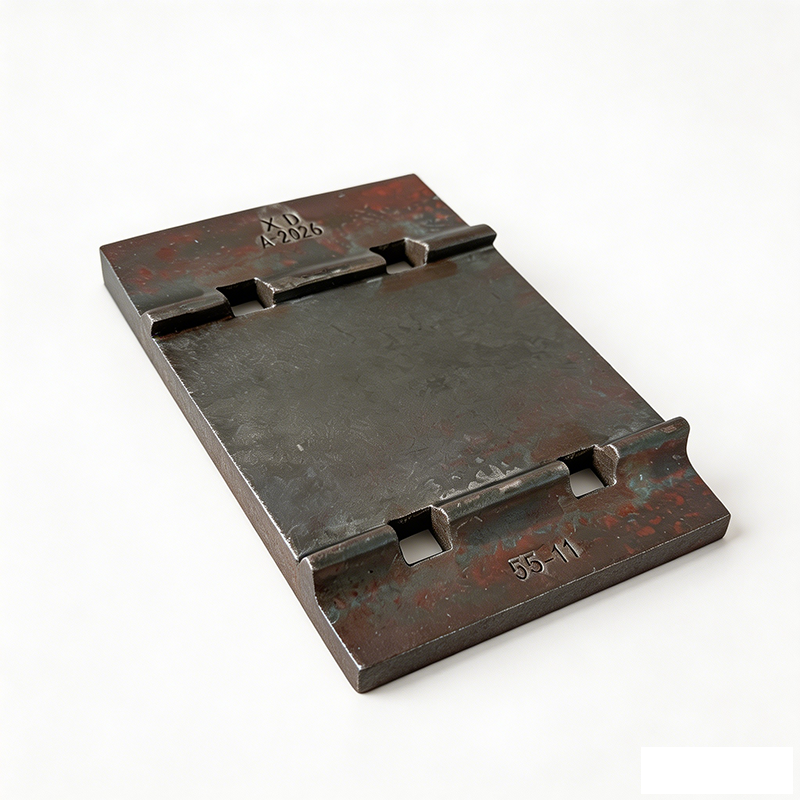
যথেষ্ট পৃষ্ঠ কঠোরতা সহ রেলওয়ে টাই প্লেটগুলি ট্রেন অতিক্রমের সময় রেল-টু-প্লেট ইন্টারফেসে ঘটিত ক্ষয়কারী ক্ষয়কে প্রতিরোধ করে। রেলওয়ে টাই প্লেটের পৃষ্ঠের ক্ষয় রেল বেস ও প্লেটের মধ্যে যোগাযোগের জ্যামিতিক আকৃতি পরিবর্তন করে, যা লোড টাই-এ কীভাবে স্থানান্তরিত হয় এবং রেলটি কতটা দৃঢ়ভাবে অবস্থানে ধরে রাখা হয় তা প্রভাবিত করে। উৎপাদন ব্যাচের মধ্যে সামঞ্জস্যপূর্ণ উপাদান মান রেলওয়ে টাই প্লেটগুলি এটি ট্র্যাক সেকশনের মধ্যে ফাস্টেনিং সিস্টেমের দীর্ঘস্থায়ীত্বের উপর ভবিষ্যদ্বাণীযোগ্য পারফরম্যান্স নিশ্চিত করে এবং ভ্যারিয়েন্স কমায়।
করোশন এবং পৃষ্ঠ চিকিত্সা বিবেচনা
করোশন রেলওয়ে টাই প্লেটগুলির ওপর সেবাকালীন সবচেয়ে ক্ষতিকর প্রক্রিয়াগুলির মধ্যে একটি। যখন রেলওয়ে টাই প্লেটগুলি কাঠের টাইয়ের সংস্পর্শে ক্ষয় হয়, তখন ফলস্বরূপ স্কেল এবং অক্সিডেশন উৎপাদগুলি স্পাইকগুলির ক্ল্যাম্পিং কার্যকারিতা হ্রাস করতে পারে এবং আরও বেশি করে টাই উপাদানকে ক্ষয় করার জন্য আর্দ্রতা পথ তৈরি করতে পারে। সুরক্ষামূলক কোটিং বা চিকিত্সিত পৃষ্ঠ সহ রেলওয়ে টাই প্লেটগুলি এই করোশন প্রক্রিয়াটিকে ধীর করে এবং ফাস্টেনিং সিস্টেম যে যান্ত্রিক যোগাযোগের গুণগত মানের উপর নির্ভর করে, তা বজায় রাখতে সাহায্য করে।
উচ্চ আর্দ্রতা, রাসায়নিক প্রক্রিয়া বা তাপমাত্রা পরিবর্তনের পরিবেশে, যথেষ্ট পৃষ্ঠ সুরক্ষা বিহীন রেলওয়ে টাই প্লেটগুলির সেবা জীবন উল্লেখযোগ্যভাবে কমে যায়। অপারেটররা যারা তাদের অপারেটিং পরিবেশের জন্য উপযুক্ত উপাদান চিকিত্সা সহ রেলওয়ে টাই প্লেট নির্দিষ্ট করেন, তারা ধারাবাহিকভাবে প্লেট প্রতিস্থাপনের মধ্যবর্তী সময়কাল দীর্ঘতর এবং ক্ষয়জনিত অবনতির কারণে ফাস্টেনিং সিস্টেমের ব্যর্থতার ঘটনা হ্রাস পাওয়ার কথা রিপোর্ট করেন।
ইনস্টলেশন পদ্ধতি এবং দীর্ঘমেয়াদী ফাস্টেনিং পারফরম্যান্স
টাই প্লেটগুলির সঠিক সিটিং এবং ক্যান্ট সাইডিং
উচ্চমানের রেলওয়ে টাই প্লেটগুলি যদি ভুলভাবে স্থাপন করা হয়, তবে ফাস্টেনিং সিস্টেমের দীর্ঘস্থায়ীত্ব রক্ষা করতে পারবে না। রেলওয়ে টাই প্লেটগুলি টাইয়ের উপরিতলে সম্পূর্ণ ও সমানভাবে স্থাপন করতে হবে, এবং রেল ক্যান্ট কোণটি সঠিকভাবে অভিমুখী করতে হবে যাতে চাকার লোডগুলি নির্দিষ্ট লোড পাথের মধ্য দিয়ে প্রেরিত হয়। ভুলভাবে স্থাপিত রেলওয়ে টাই প্লেটগুলি অসম চাপ বণ্টন সৃষ্টি করে, যা প্লেটের এক প্রান্তে লোড কেন্দ্রীভূত করে এবং টাইয়ের ক্ষতি ও ফাস্টেনারের ক্লান্তি উভয়কেই ত্বরান্বিত করে।
ইনস্টলেশনের সময়, রেলওয়ে টাই প্লেটগুলির স্পাইক ছিদ্রগুলি টাইয়ের সাথে সঠিকভাবে মিলিত হতে হবে যাতে প্রতিটি স্পাইক সম্পূর্ণরূপে সংযুক্ত হয়। অসমান স্পাইক ছিদ্রগুলি কোণাকৃতি স্পাইক ইনস্টলেশনের ফলে প্রতিটি স্পাইকের পার্শ্বীয় ধারণ ক্ষমতা হ্রাস পায় এবং সার্ভিস চক্রের সময় রেলটি ক্রমশ কম স্থিতিশীল হয়ে ওঠে। রেলওয়ে টাই প্লেটগুলির জ্যামিতিক নির্ভুলতা ইনস্টলেশনের সময় ফাস্টেনিং সিস্টেমের পূর্ণ অপারেশনাল জীবনকালে কতটা ভালোভাবে কাজ করবে তা সরাসরি নির্ধারণ করে।
পর্যায়ক্রমিক পরিদর্শন ও প্রতিস্থাপনের সময়সূচী
রেলপথ রক্ষণাবেক্ষণ কর্মসূচির অংশ হিসেবে রেলওয়ে টাই প্লেটগুলির পদ্ধতিগত পরীক্ষা আবশ্যক। সময়ের সাথে সাথে, রেলওয়ে টাই প্লেটগুলিতে রেল সিটের অংশে ক্ষয় হয়, স্পাইক হোলগুলি দীর্ঘায়িত হয় এবং পৃষ্ঠে ক্লান্তি দেখা দেয়, যা এদের ভার বণ্টনের কার্যকারিতা হ্রাস করে। এই টাই প্লেটগুলিকে সমালোচনামূলক ক্ষয়ের সীমা অতিক্রম করার আগেই শনাক্ত করে প্রতিস্থাপন করা টাই, স্পাইক এবং রেলের উপর ধারাবাহিক ক্ষতি রোধ করে—যা এককভাবে টাই প্লেটগুলির চেয়ে অনেক বেশি প্রতিস্থাপন খরচ নির্দেশ করে।
রেলওয়ে টাই প্লেটগুলির অবস্থা সংক্রান্ত তথ্যের পূর্বানুমানমূলক ব্যবস্থাপনা রক্ষণাবেক্ষণ পরিকল্পনাকারীদের কাছে প্রতিস্থাপনের জন্য দক্ষতার সাথে সময় নির্ধারণ করার সুযোগ প্রদান করে, যার ফলে কার্যকর প্লেটগুলির অকাল প্রতিস্থাপন এবং ক্ষয়গ্রস্ত প্লেটগুলিকে অত্যধিক সময় ধরে ব্যবহার করার ফলে রেলপথের অবনতি উভয়ই এড়ানো যায়। রেলওয়ে টাই প্লেটগুলির জীবনচক্র ব্যবস্থাপনার এই অনুশাসিত পদ্ধতি সমগ্র ফাস্টেনিং সিস্টেমের আয়ু বৃদ্ধির জন্য সবচেয়ে খরচ-কার্যকর কৌশলগুলির মধ্যে একটি।
প্রায়শই জিজ্ঞাসিত প্রশ্নাবলী
রেলওয়ে টাই প্লেটগুলি ক্ষয়প্রাপ্ত হলে ফাস্টেনিং সিস্টেমগুলির কী হয়?
যখন রেলওয়ে টাই প্লেটগুলি ক্ষয়প্রাপ্ত হয়, তখন এগুলি লোডগুলিকে সমভাবে বণ্টন করার এবং রেলগুলির পার্শ্বীয় সরণকে নিয়ন্ত্রণ করার ক্ষমতা হারায়। এর ফলে স্পাইক এবং ক্লিপগুলি তাদের ডিজাইন করা হয়নি এমন বলগুলি শোষণ করে, যা তাদের ক্লান্তি ত্বরান্বিত করে। ফলস্বরূপ, সমগ্র ফাস্টেনিং সিস্টেমের দ্রুত ক্ষয় ঘটে এবং রক্ষণাবেক্ষণের হস্তক্ষেপগুলি আরও ঘন ঘন হয়।
রেলওয়ে টাই প্লেটগুলি কত ঘন ঘন পরিদর্শন করা উচিত?
রেলওয়ে টাই প্লেটগুলি নিয়মিত ট্র্যাক জ্যামিতি এবং উপাদানের অবস্থা মূল্যায়নের অংশ হিসাবে পরিদর্শন করা উচিত। পরিদর্শনের পৌনঃপুনিকতা ট্রাফিক ঘনত্ব এবং চালানোর অবস্থার উপর নির্ভর করে, কিন্তু অধিকাংশ রক্ষণাবেক্ষণ প্রোগ্রামে রেলওয়ে টাই প্লেটগুলির দৃশ্যমান এবং মাত্রিক পরিদর্শন প্রতি রক্ষণাবেক্ষণ চক্রে অন্তত একবার করা হয়। উচ্চ-ভারবহনক্ষম রুটগুলিতে ক্ষয়কে সমালোচনামূলক স্তরে পৌঁছানোর আগেই ধরা পড়ার জন্য আরও ঘন ঘন পরিদর্শনের প্রয়োজন হতে পারে।
রেলওয়ে টাই প্লেটগুলি কি কাঠের এবং কংক্রিটের টাই ট্র্যাক সিস্টেম উভয়ের উপর প্রভাব ফেলে?
হ্যাঁ, রেলওয়ে টাই প্লেটগুলি কাঠের টাই এবং কিছু কংক্রিটের টাই সিস্টেমে উভয় ক্ষেত্রেই ব্যবহৃত হয়, যদিও ডিজাইন বিদ্যমান বিশেষ শর্তাবলী ভিন্ন হয়। কাঠের টাই ট্র্যাকে, রেলওয়ে টাই প্লেটগুলি রেল কাটার প্রতিরোধ এবং স্পাইক ধরে রাখার ক্ষমতা বজায় রাখার জন্য অপরিহার্য। কংক্রিটের টাই প্রয়োগে, একই ধরনের বেস প্লেট উপাদানগুলি একই ধরনের লোড বণ্টন এবং সংরেখন কাজ সম্পাদন করে, যার ফলে রেলওয়ে টাই প্লেটের দীর্ঘস্থায়িত্ব নিয়ন্ত্রণকারী নীতিগুলি উভয় ধরনের সিস্টেমের জন্য প্রাসঙ্গিক হয়ে ওঠে।