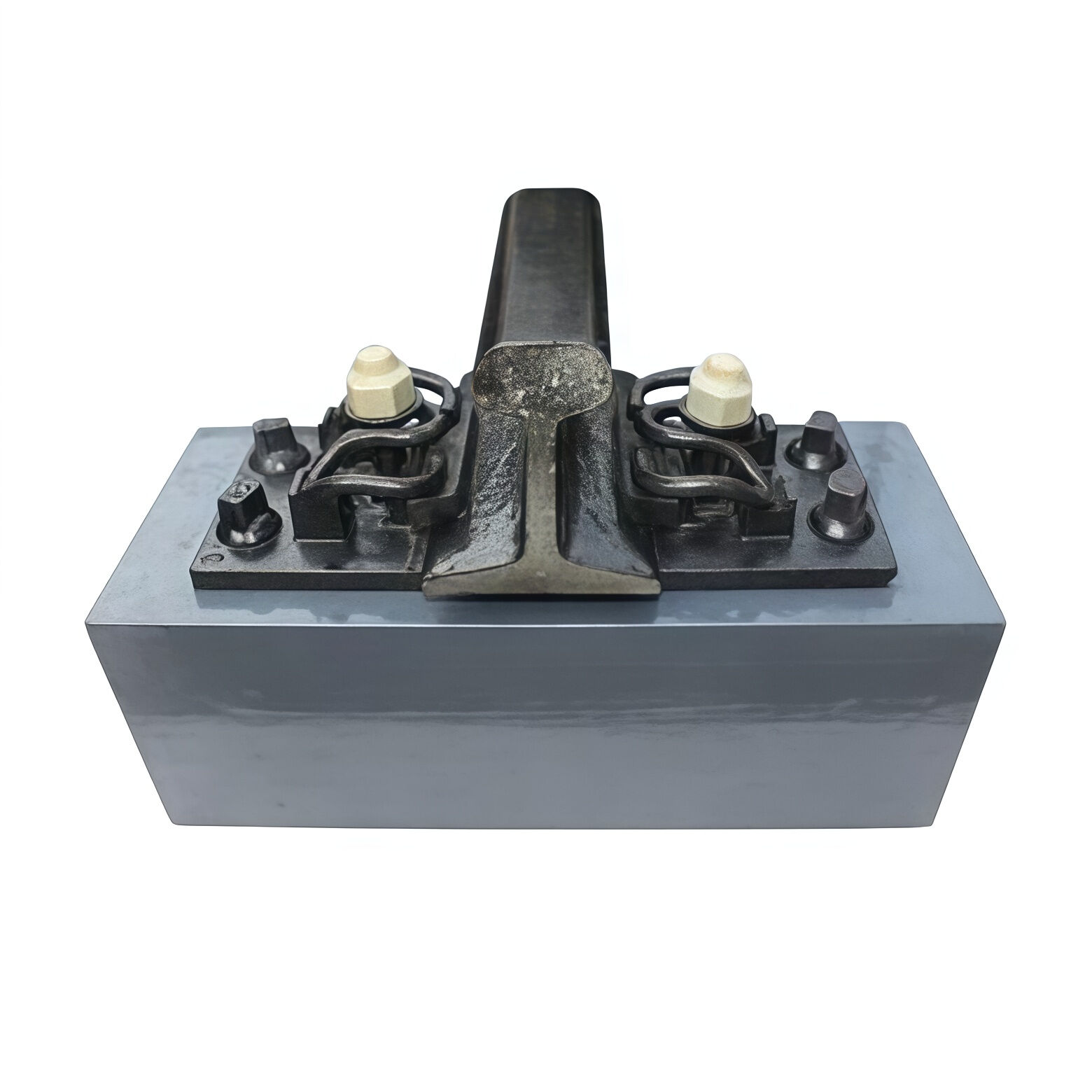
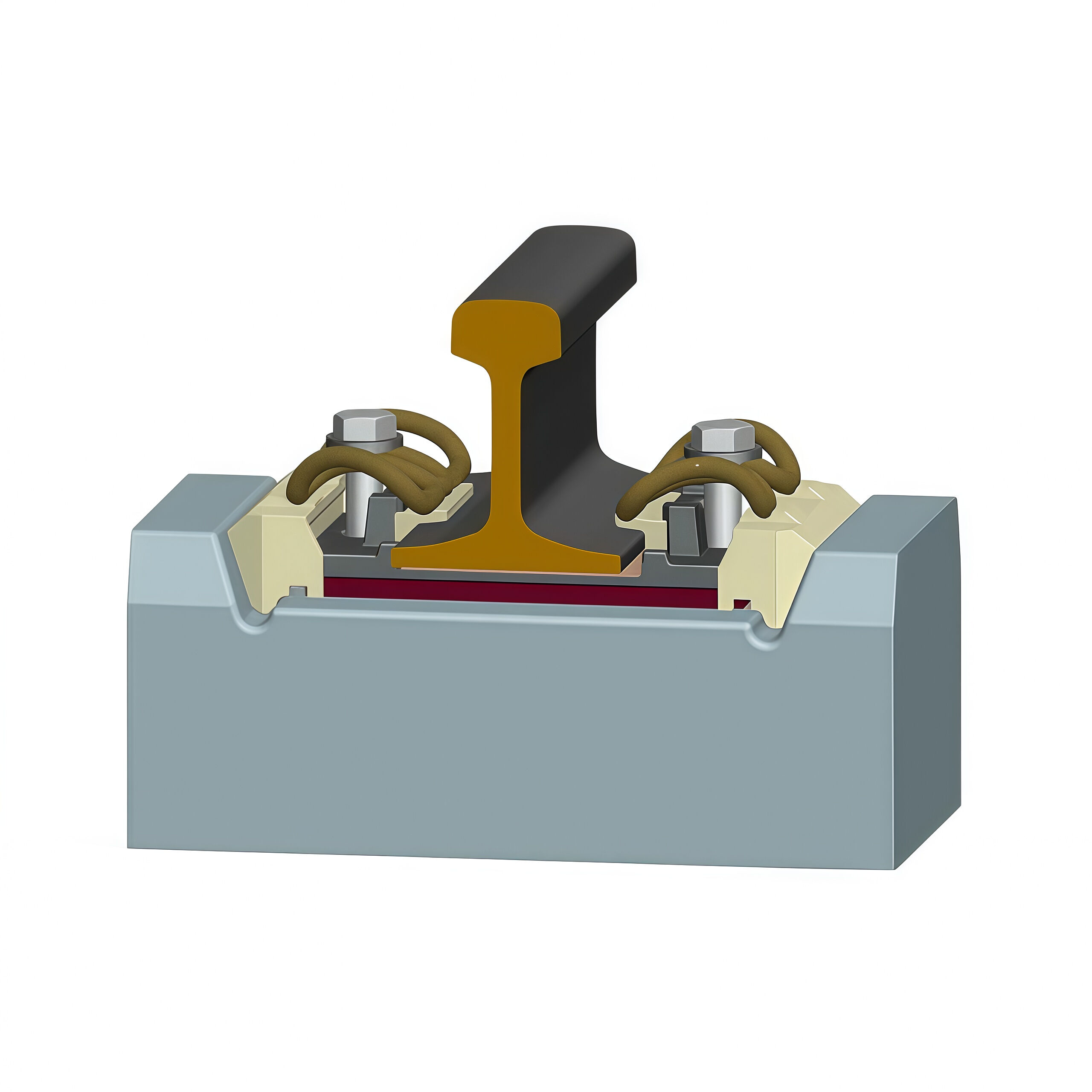
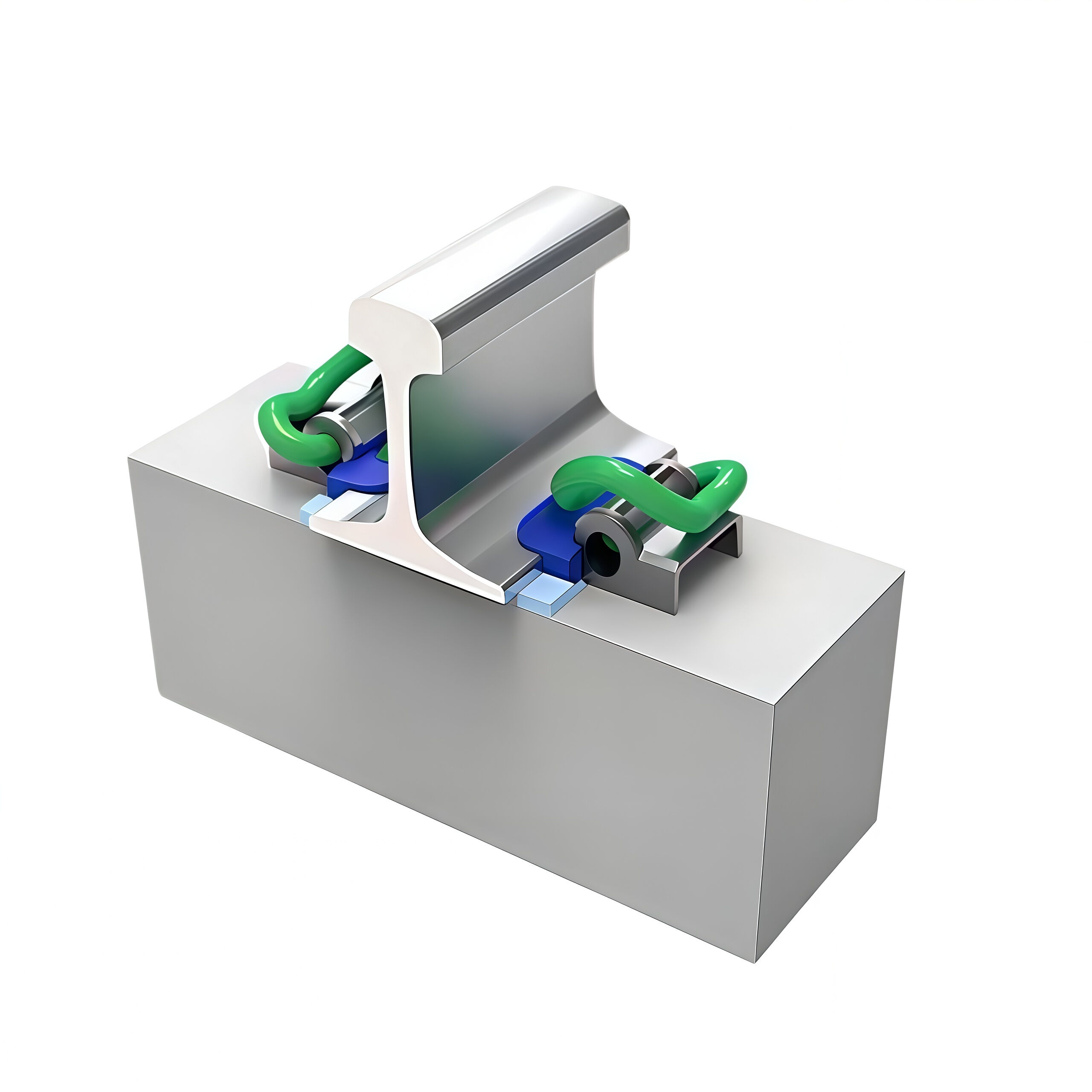
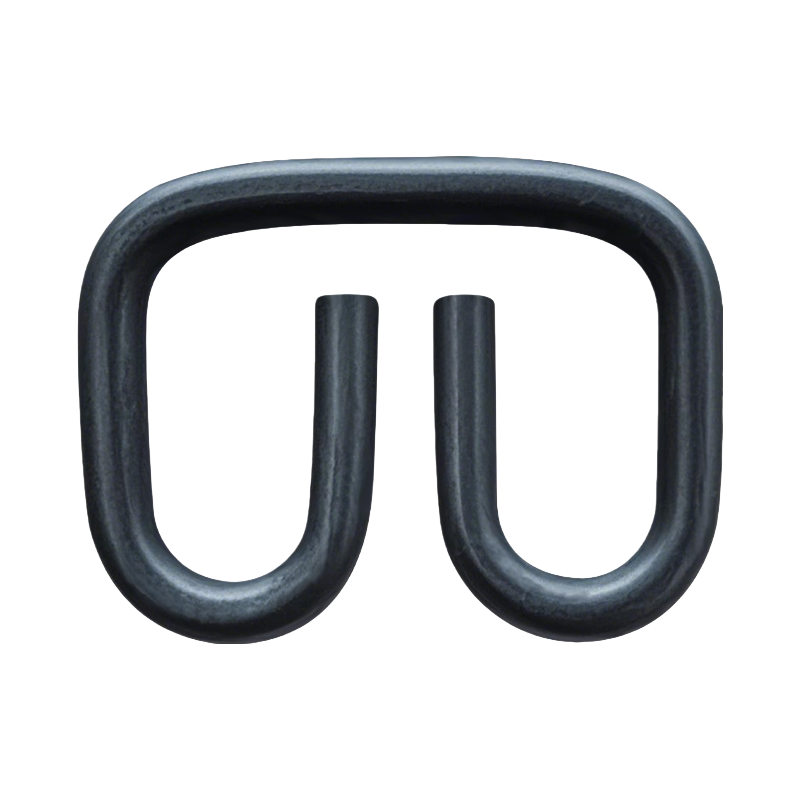
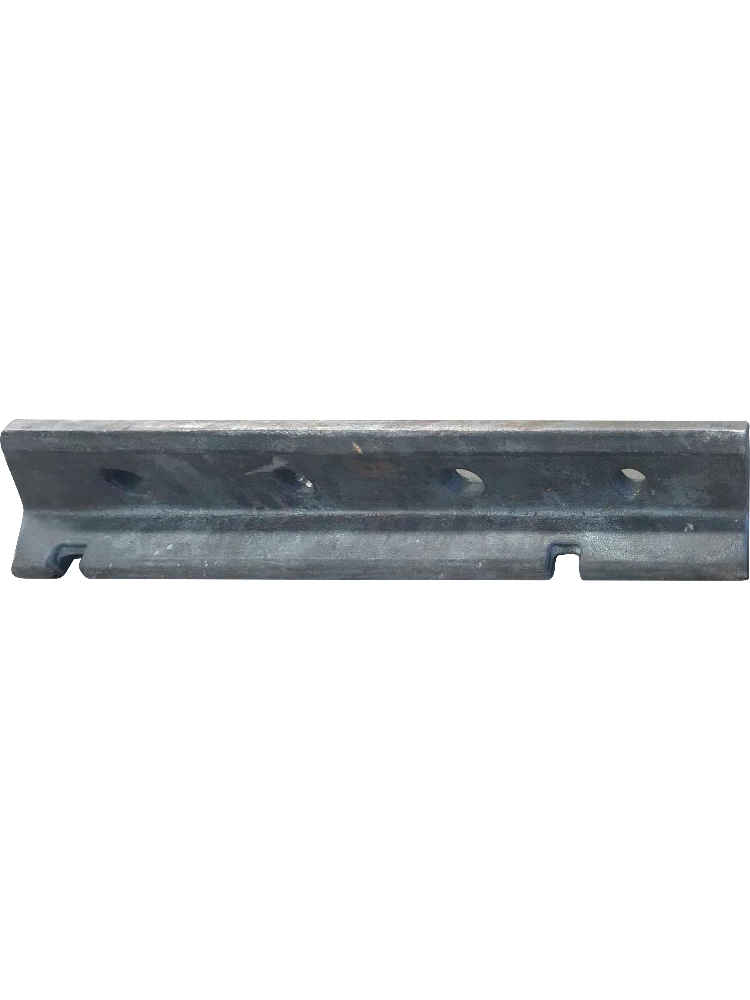
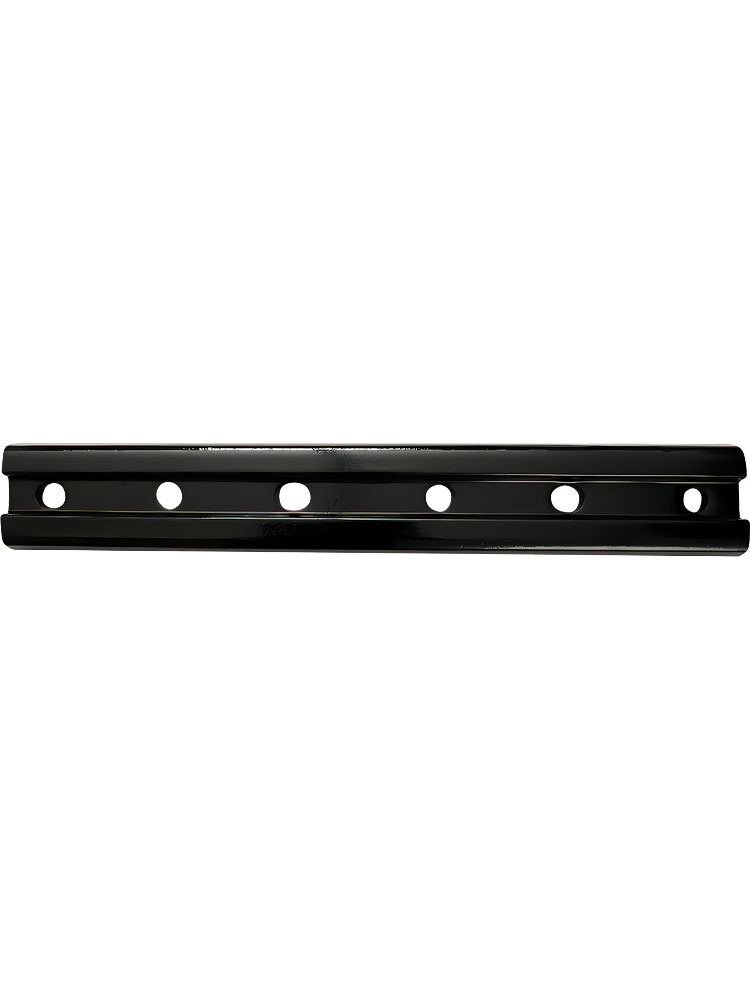
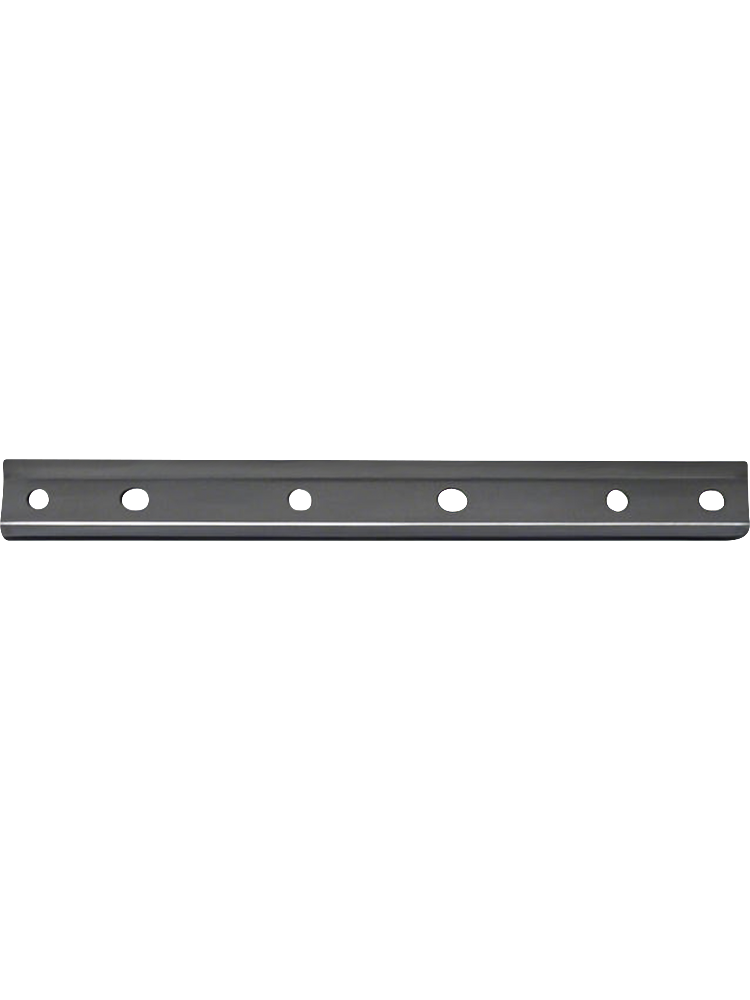
ray bağlantı plakası
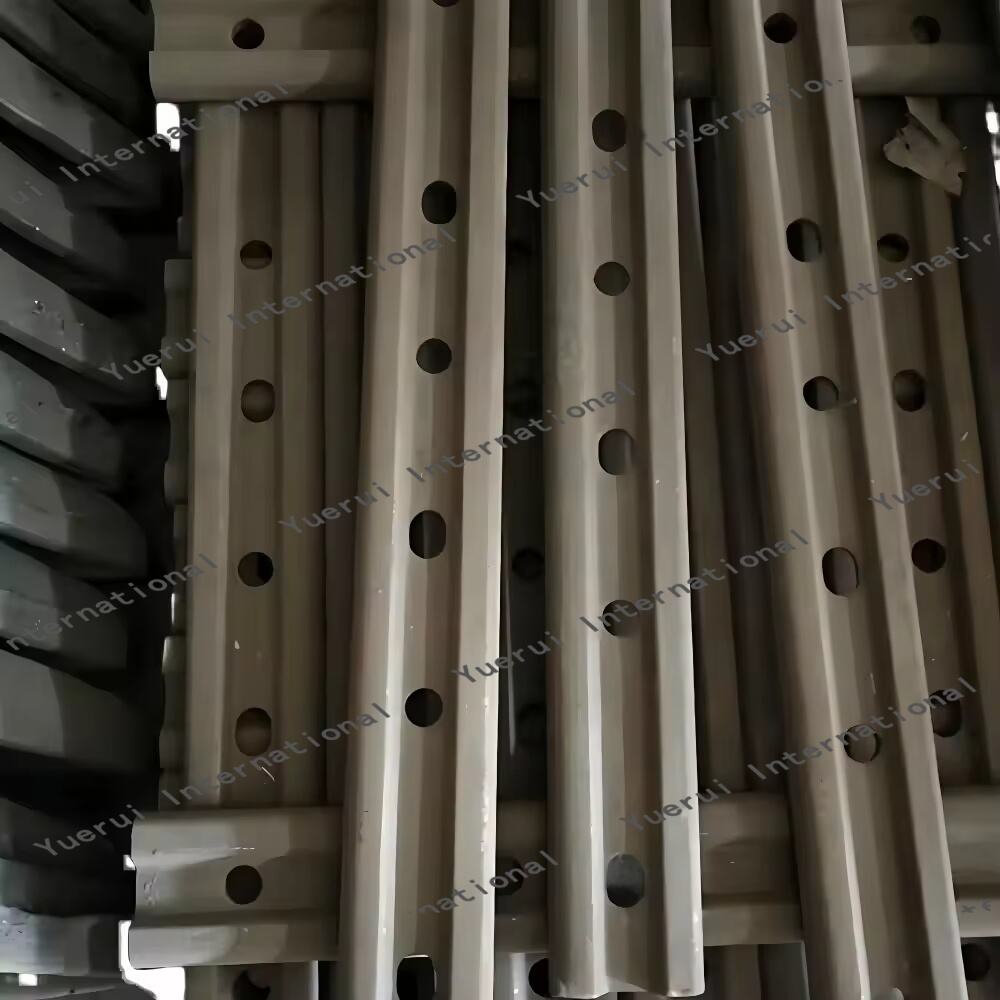
Bir balık plakası birleşimi, demiryolu altyapısında temel bir bağlantı yöntemini temsil eder ve bitişik ray bölümleri arasındaki kritik bağlantıyı oluşturur. Bu mekanik sabitleme sistemi, ray gövdesinin her iki yanına yerleştirilen çelik plakalardan oluşur ve yüksek mukavemetli cıvatalarla sabitlenerek sürekli bir ray yapısı oluşturulmasını sağlar. Balık plakası birleşimi, demiryolu ağlarının yapısal bütünlüğünü korumasını sağlarken aynı zamanda termal genleşme, mekanik gerilme ve işletme gereksinimlerine de uyum sağlamasını sağlar. Tasarımda, bağlantı noktasında yükleri eşit şekilde dağıtan hassas olarak üretilmiş çelik bileşenler kullanılır; bu da trenlerin sorunsuz geçişini ve uzun ömürlülüğü garanti eder. Modern balık plakası birleşim sistemleri, korozyon direnci ve geliştirilmiş yorulma performansı gibi ileri düzey metalurjik özelliklere sahiptir. Birleşim konfigürasyonu, tüm ray bölümlerinin kesintiye uğramadan kolay bakım ve değiştirme imkânı sunar. Mühendislik spesifikasyonları, çeşitli ray profilleri ve işletme gereksinimleriyle uyumluluğu sağlar. Balık plakası birleşimi mekanizması, ray hizalamasının doğru yapılmasını ve ray sistemi boyunca hat açıklığının (gauge) tutarlı kalmasını sağlar. Montaj işlemleri, optimal performansı garanti etmek için hassas konumlandırma, tork değerleri ve kalite kontrol önlemlerini içerir. Bu birleşimler, aşırı sıcaklıklardan ağır yükleme senaryolarına kadar farklı çevre koşullarına uyum sağlar. Balık plakası birleşimi tasarımı, yüksek hız ve yük taşıma uygulamaları için güvenilirlik sağlayan, standart işletme gereksinimlerini aşan güvenlik payları içerir. Kaliteli üretim süreçleri, tüm bileşenlerde boyutsal doğruluk ve malzeme tutarlılığını sağlar. Birleşim sistemi, farklı ray ağırlıkları ve konfigürasyonlarını destekleyerek çeşitli demiryolu uygulamaları için çok yönlülük sunar. Düzenli muayene protokolleri, balık plakası birleşiminin kullanım ömrü boyunca performansının korunmasına yardımcı olur. Bu bağlantı yöntemi, dünya genelinde saha uygulamalarından elde edilen tecrübeler doğrultusunda on yıllar süren mühendislik mükemmeliyeti ile gelişmiştir.
 EN
EN