
 EN
EN
Quick Links

Home > Products > Urban Rail Transit Metro Fastening Systems
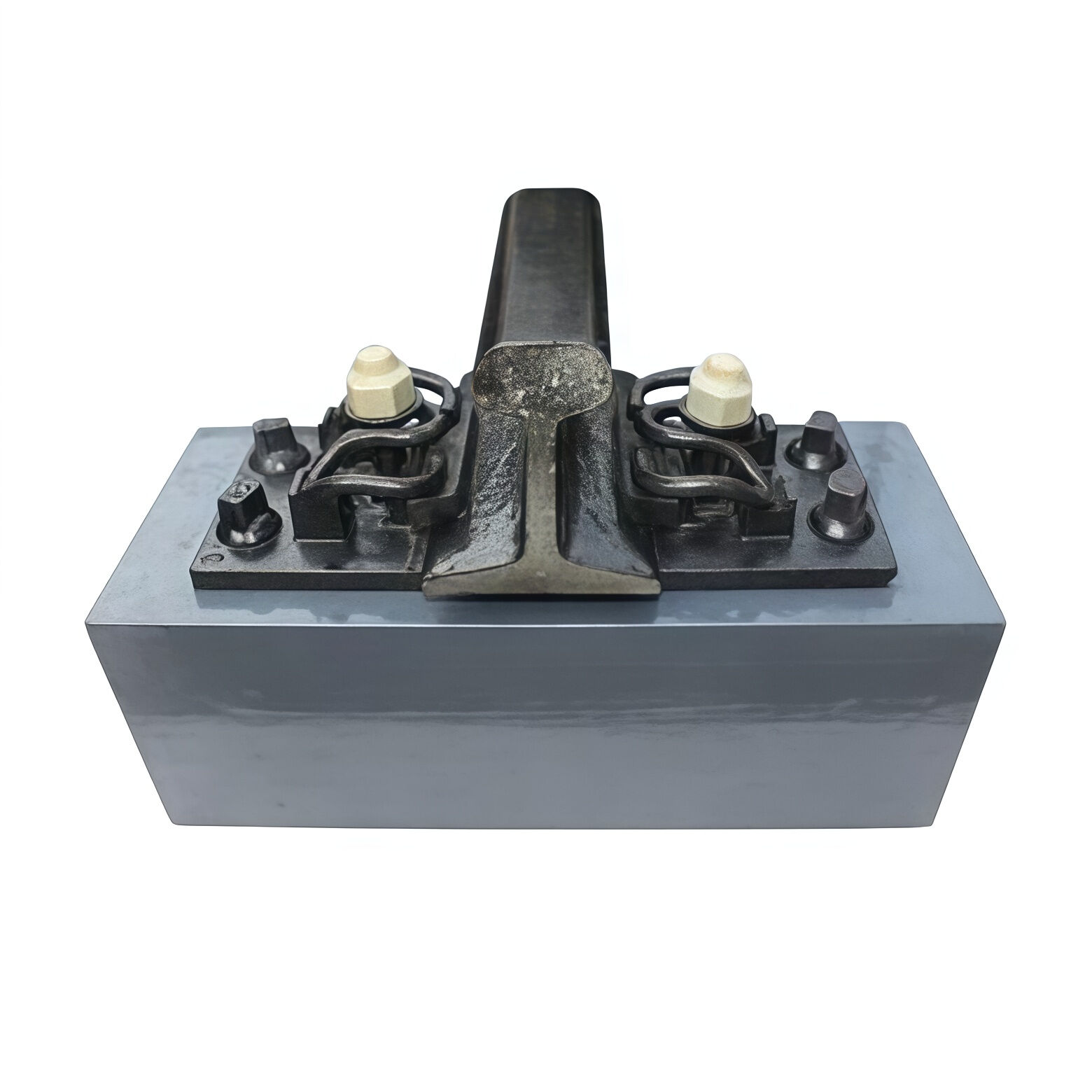
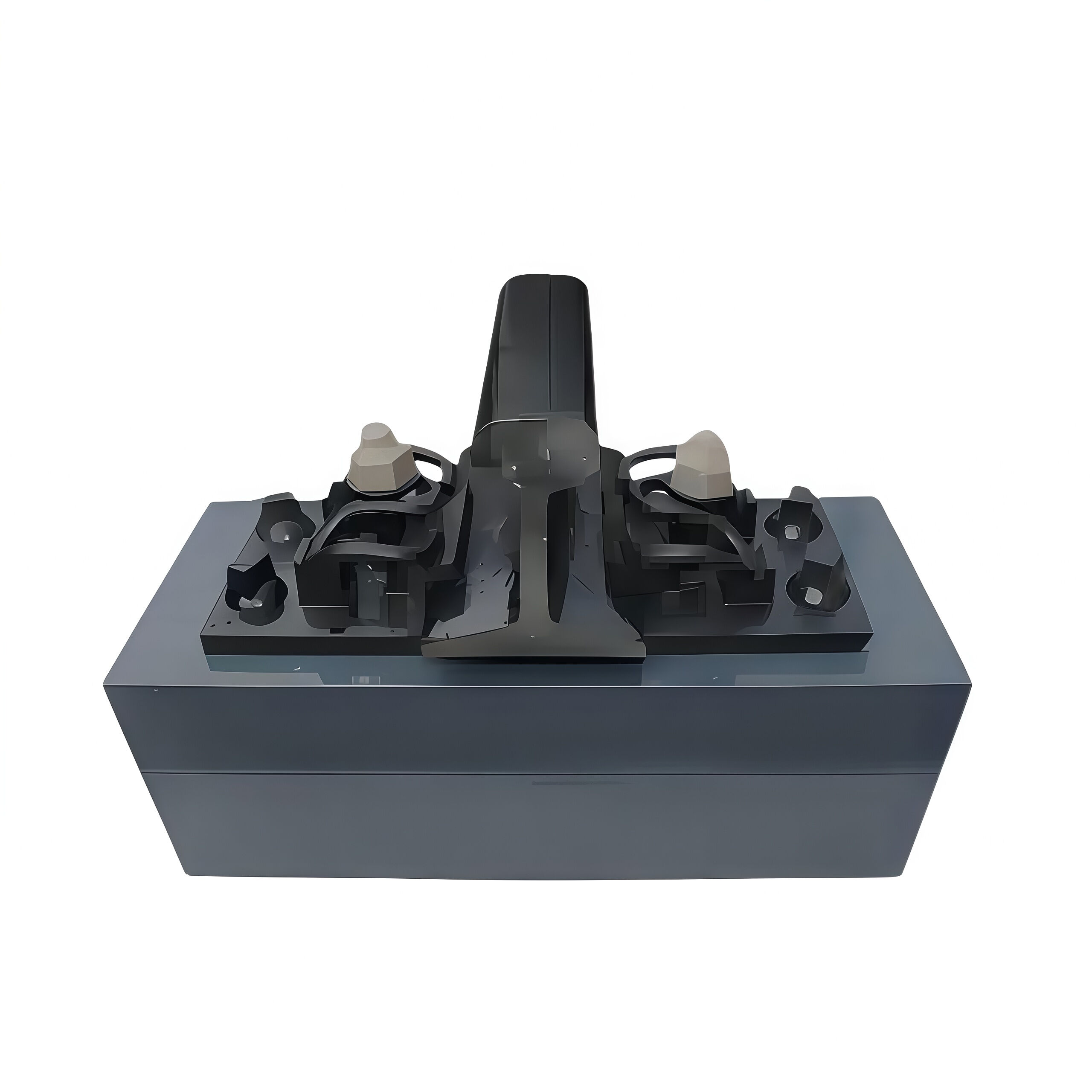
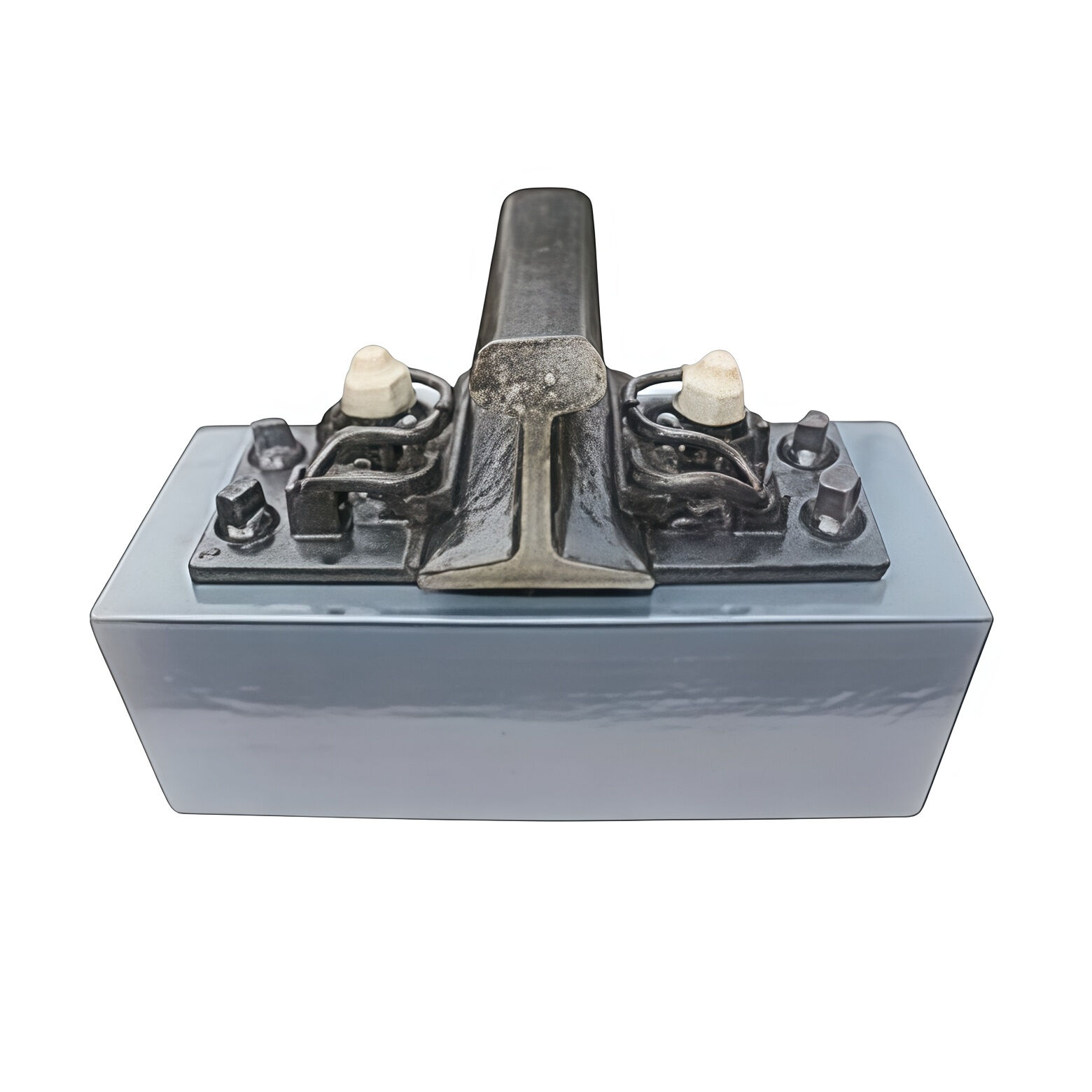
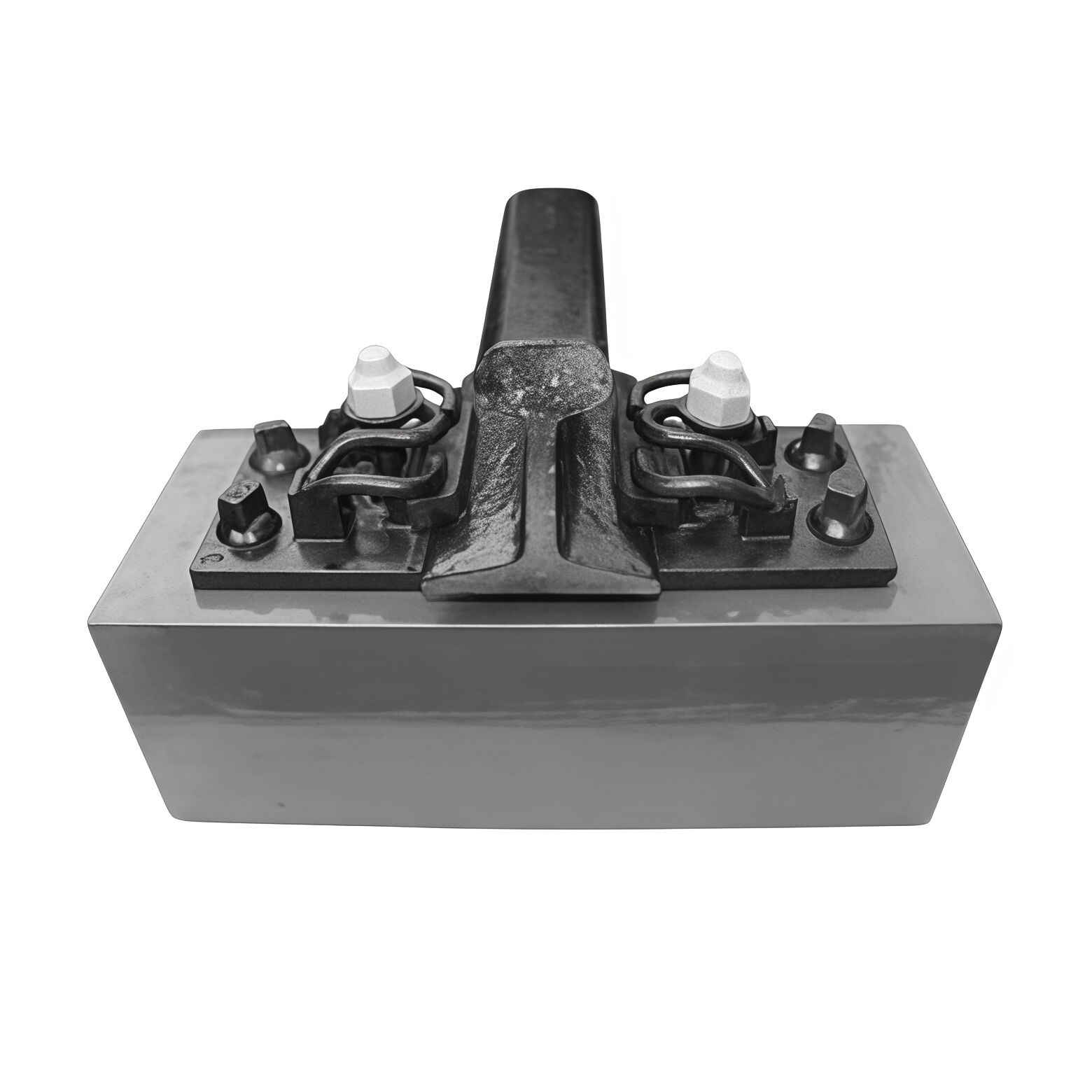
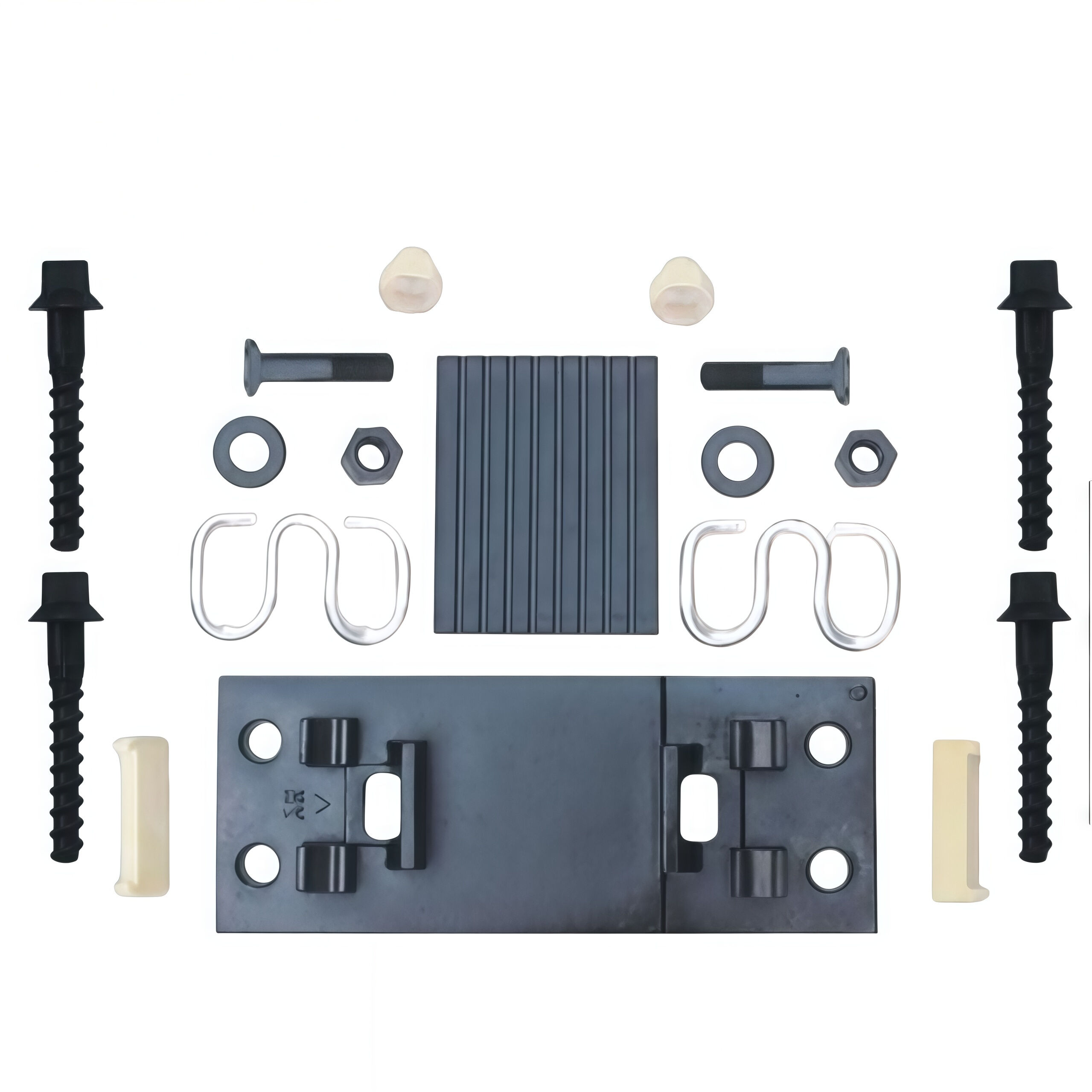
DTⅠ fastener is a shoulder elastic split fastener for 50kg/m rail, which is used in different track structures such as subway tunnels, ground and elevated lines. It is mainly composed of elastic fastener plate, gauge adjusting block, underrail gasket plate, iron gasket plate, T-bolt, nut, washer and embedded sleeve and other components.
Rail Fastening System Core Components
Railway fastening systems often operate behind the scenes and are rarely noticed outside the rail industry. Public attention is usually drawn to train design, speed, or modern station infrastructure. However, fastening systems play a fundamental role in railway safety and performance. They ensure rails are firmly fixed in position, maintain correct gauge, and contribute to long-term track stability. Continuous innovation in fastening technology has been a key driver of modern railway development and network expansion. In this section, we provide an overview of the main components and functions of railway fastening systems.
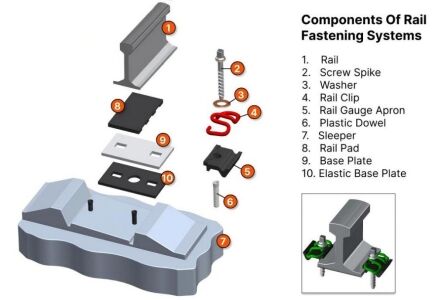
The Improtance of Rail Fastening System
A rail fastening system is a set of components designed to securely fix running rails to sleepers, bearers, or other supporting structures, either through baseplates, chairs, or direct fastening methods. Its primary function is to ensure that rails remain firmly positioned under dynamic loads, maintaining track gauge, alignment, and overall track stability.
Rail fastenings are a critical element of railway construction and maintenance, directly influencing the safety, durability, and performance of the track structure.
A complete rail fastening system typically consists of rail anchors, tie plates or baseplates, chairs, spikes, screws, bolts, and related fastening components. These elements work together to transfer loads from the rail to the sleeper and underlying track structure while accommodating vibration, thermal movement, and long-term service requirements.
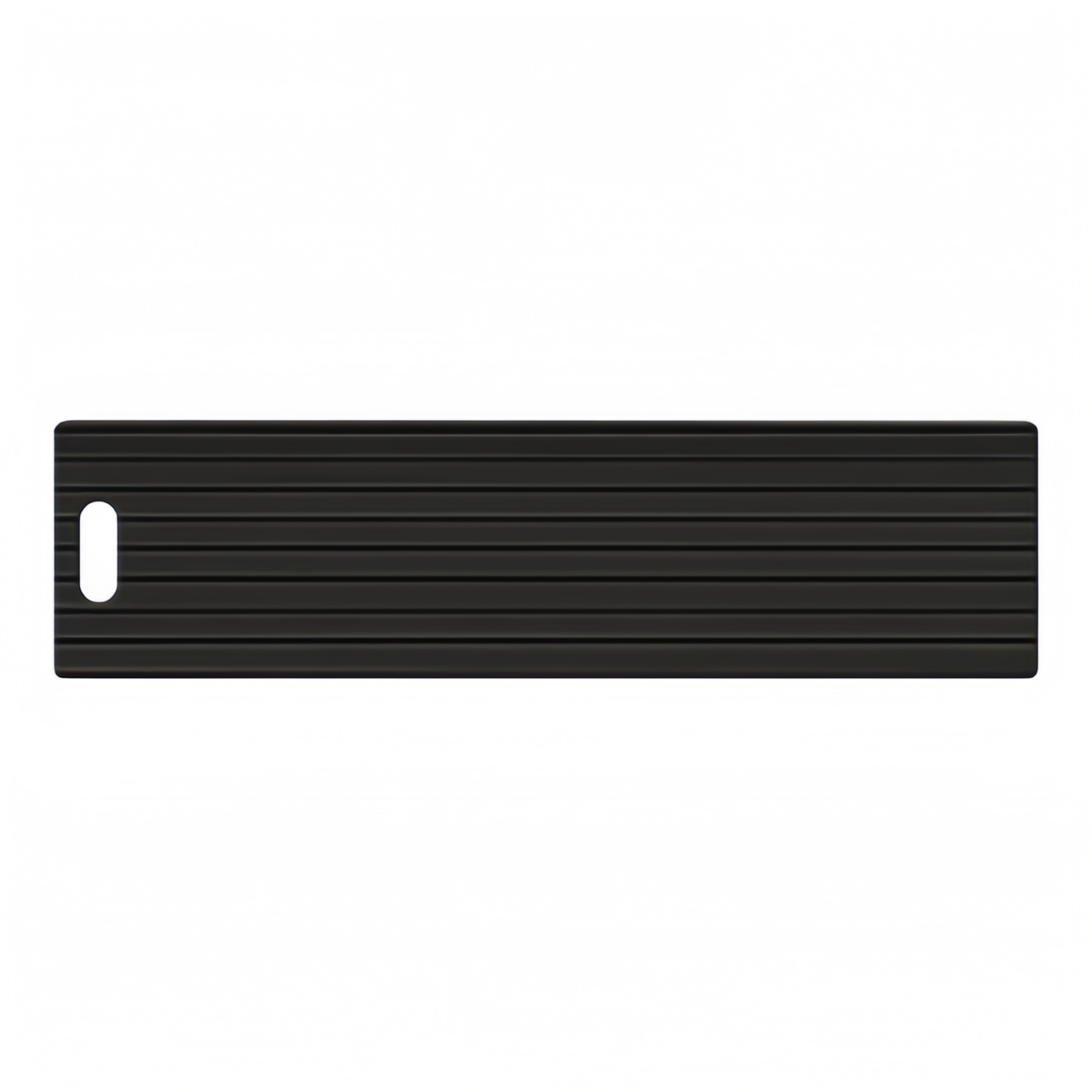
Turnout Rubber Pad
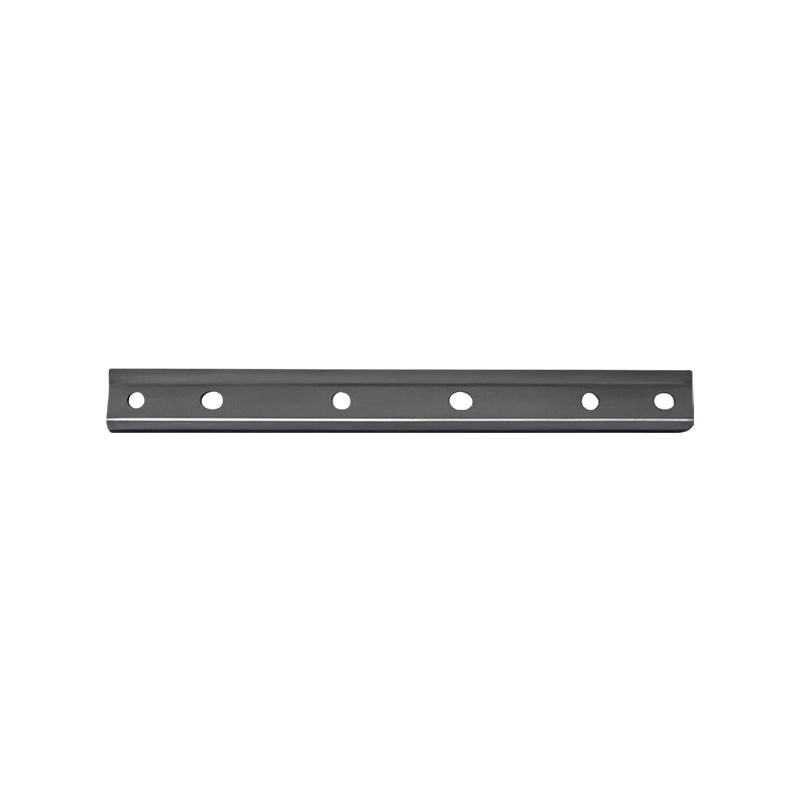
P60 Fishplate
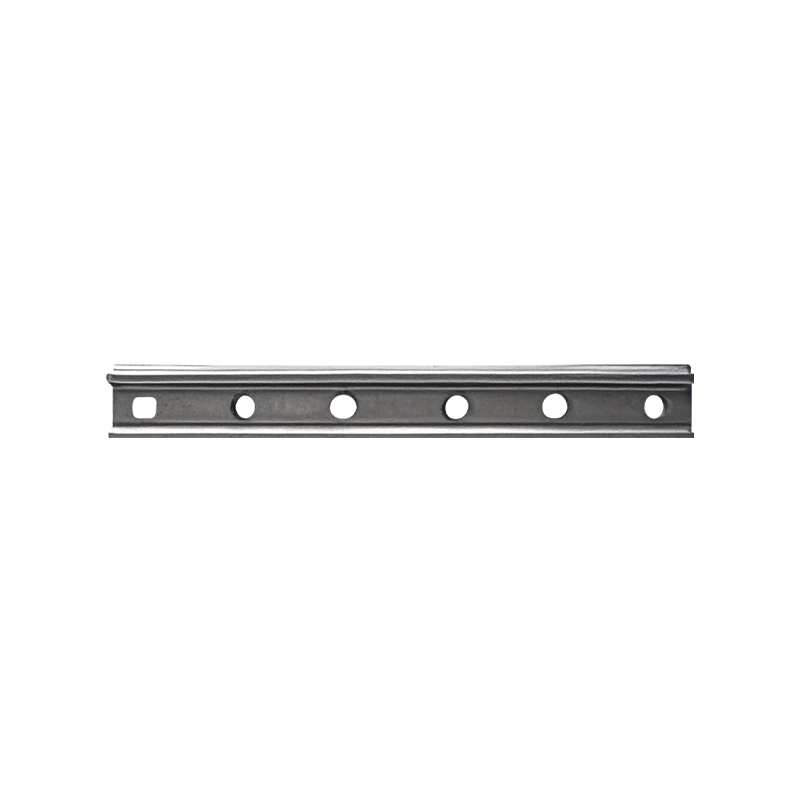
Insulated Fishplate
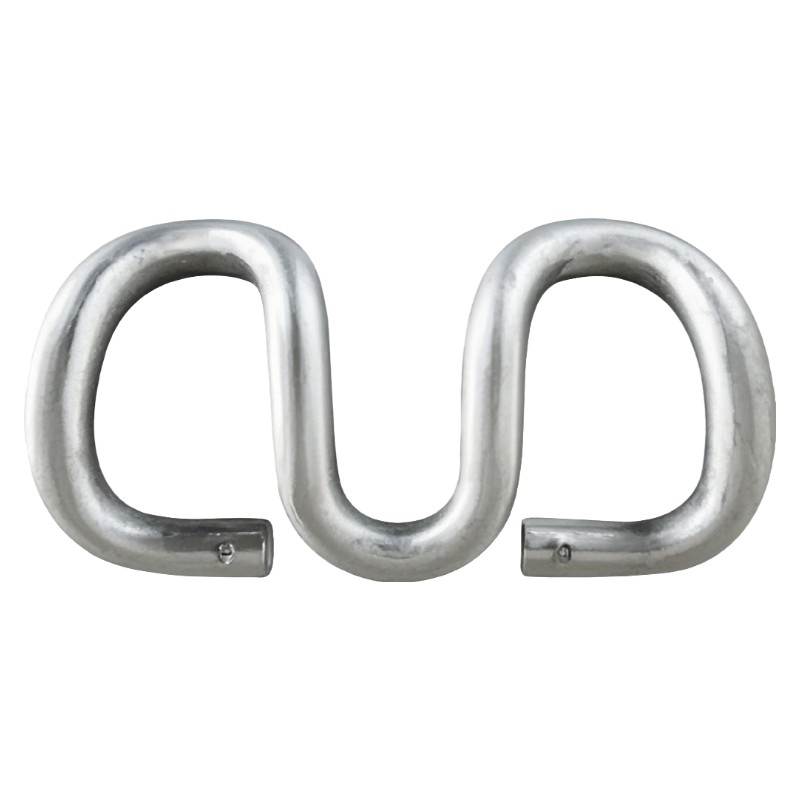
Zinc Plating Rail Clips