Optimal Yük Dağıtımı ve Performans İçin Hassas Mühendislik
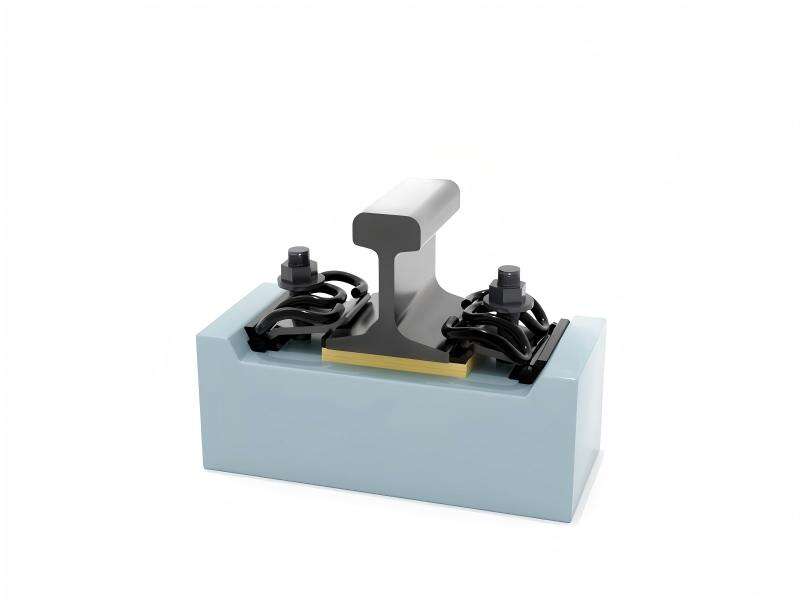
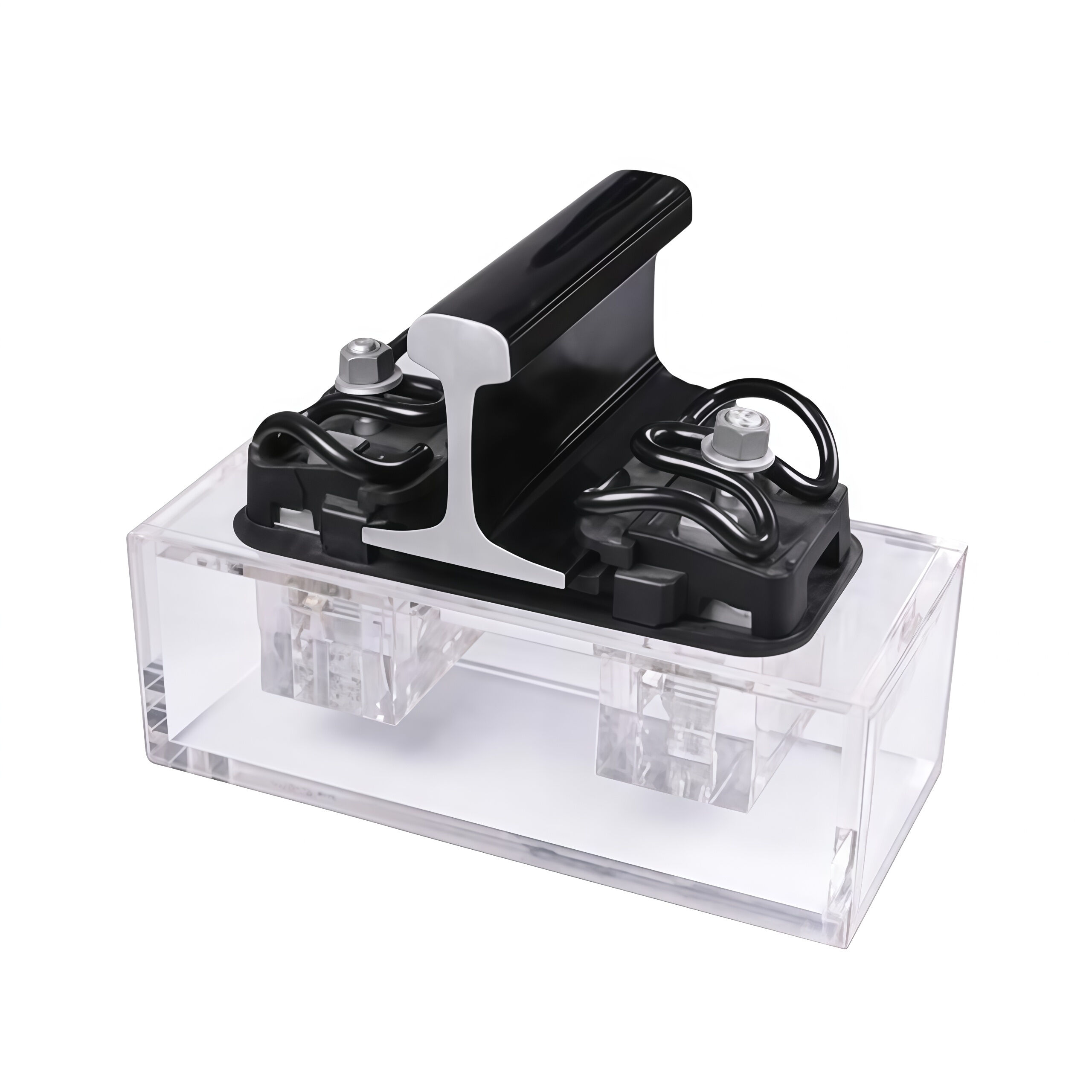
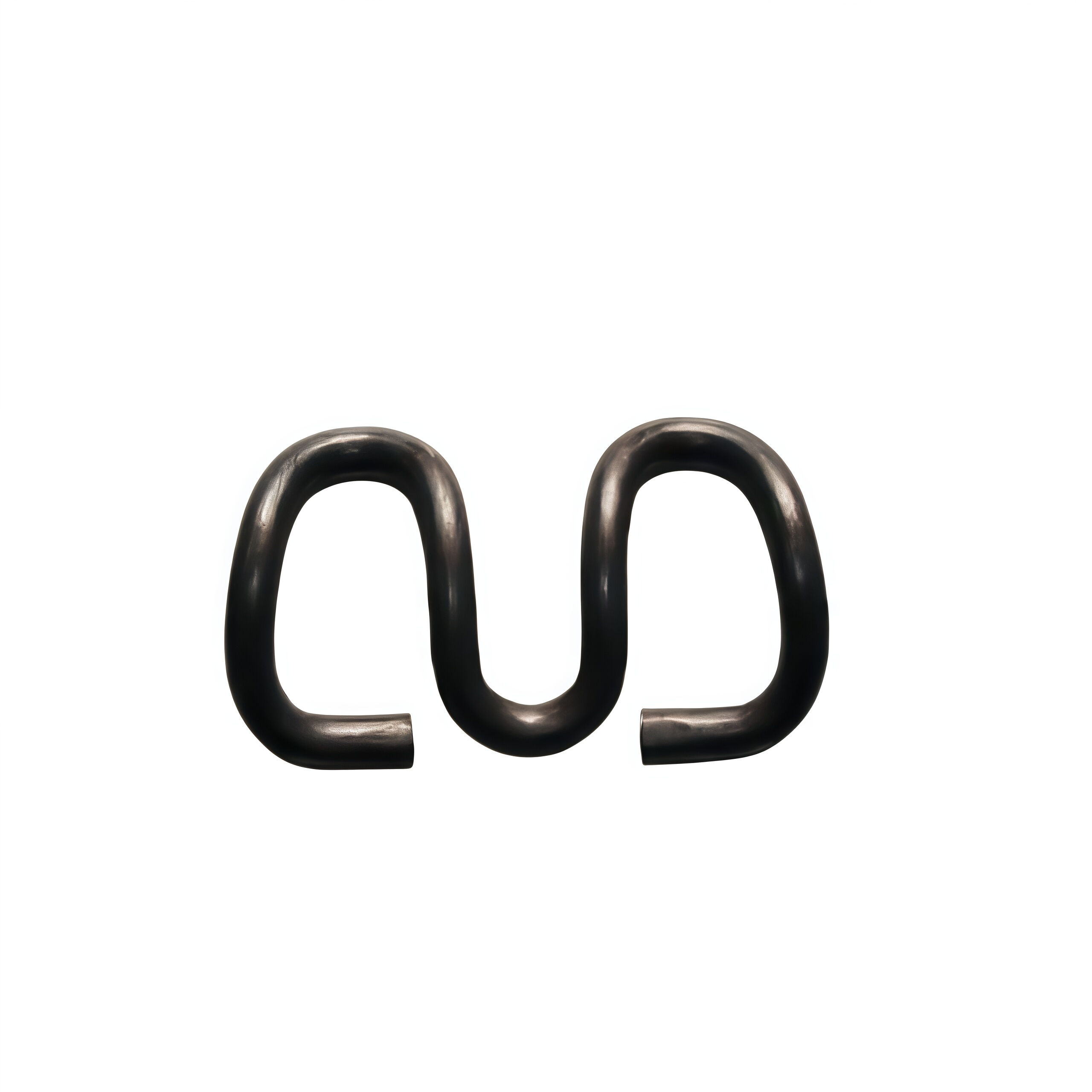
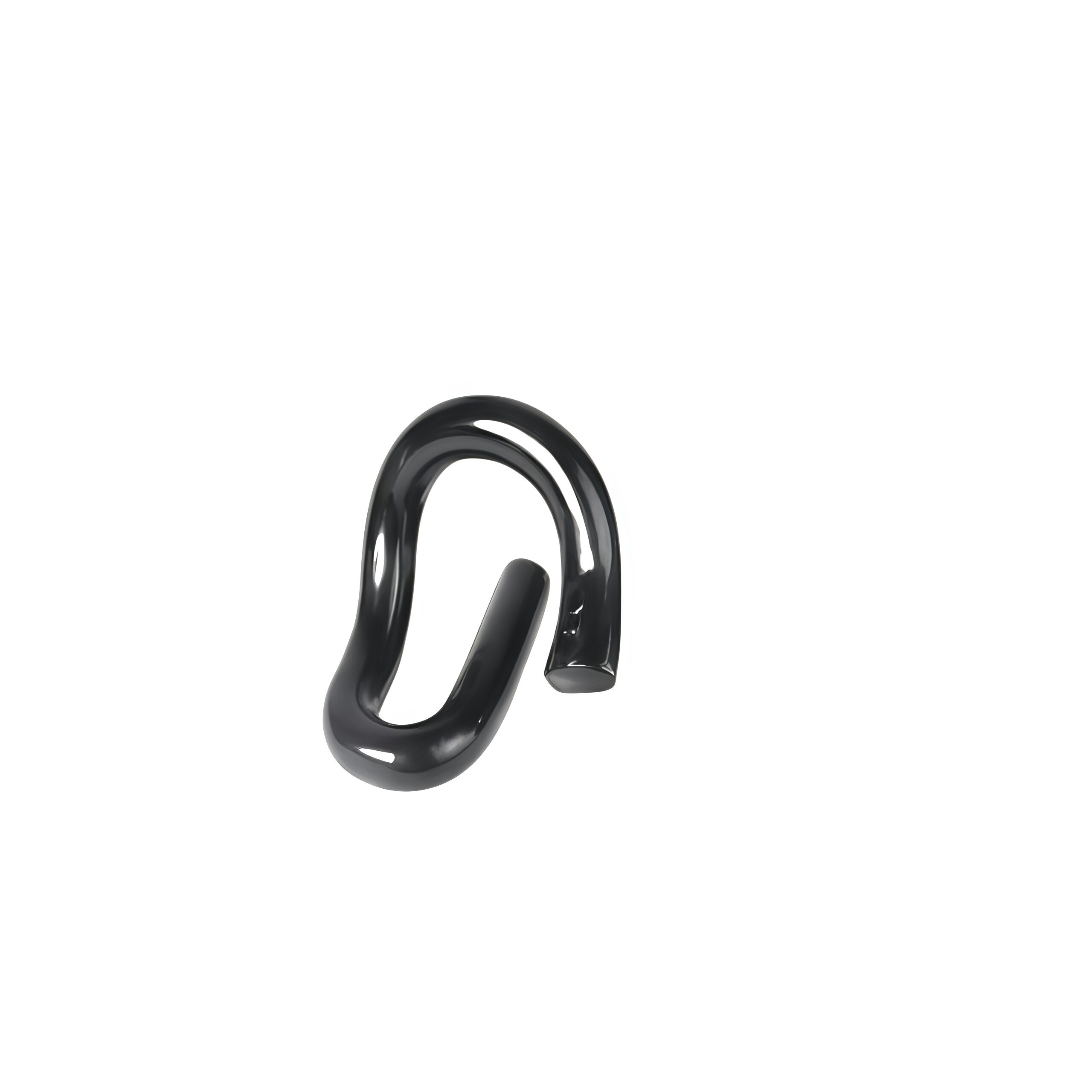
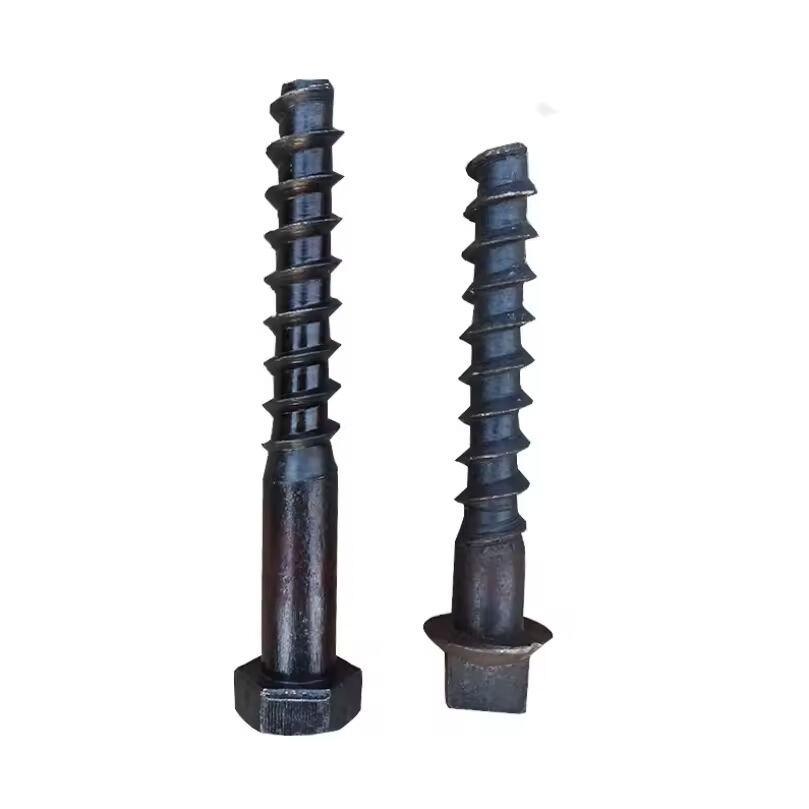
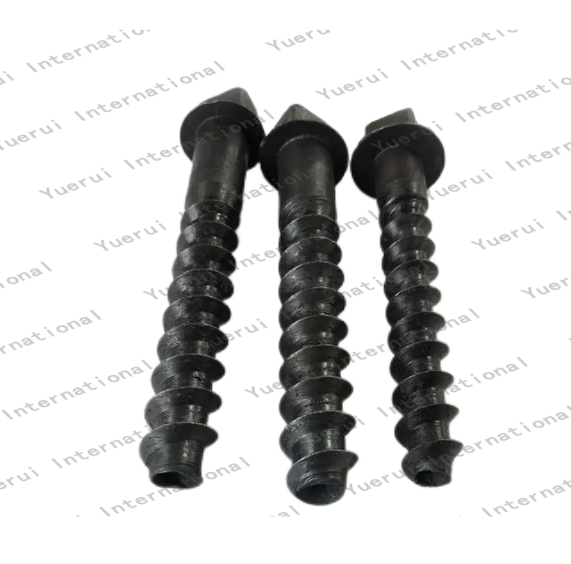
Modern demiryolu sistemlerindeki sabitleme elemanları ve bağlantı parçalarının temelinde yatan hassas mühendislik ilkeleri, altyapının ömrünü maksimize ederken aynı zamanda en zorlu işletme koşullarında bile tutarlı performans sağlamayı sağlayan olağanüstü yük dağılımı özelliklerini sunar. Gelişmiş bilgisayar destekli tasarım süreçleri, tüm temas yüzeylerinde eşit gerilme dağılımı elde etmek amacıyla her geometrik detayı optimize eder; bu da geleneksel bağlantı sistemlerinde sıkça rastlanan ve erken arızalara neden olan gerilme yoğunlaşma noktalarını ortadan kaldırır. İleri düzey sonlu eleman analizi, bileşenlerin şekillerinin ve boyutlarının geliştirilmesini yönlendirir; böylece geçen trenlerden kaynaklanan dinamik yükler, raylardan bağlantı elemanlarına, daha sonra traverslere ve ray yatağı yapılarına zarar verici gerilme desenleri oluşturmadan verimli bir şekilde aktarılır. Devasa üretim hassasiyeti, en modern torna merkezleri ve kalite kontrol sistemleriyle sağlanır; bu sayede her bileşen, katı boyutsal toleranslara tam olarak uyar ve büyük ölçekli demiryolu ağlarında tutarlı performans ile birbirleriyle değiştirilebilirlik garantilenir. Mühendislik yaklaşımı, sistemin tamamının karşılıklı etkileşimini dikkate alır; yalnızca bireysel bileşenler değil, aynı zamanda dikey tren ağırlığından kaynaklanan yükler, viraj alma ve rüzgâr etkilerinden kaynaklanan yanal kuvvetler ile hızlanma ve frenleme işlemlerinden kaynaklanan boyuna kuvvetler gibi çeşitli yükleme senaryoları altında bile bileşenlerin toplu davranışları da optimize edilir. Demiryolu işletmecileri, yaşam döngüsü planlaması ve bakım programlaması için doğru tahmin yapılmasını sağlayan, öngörülebilir performans özelliklerinden faydalanır; çünkü demiryolu uygulamalarında hassas olarak tasarlanmış sabitleme elemanları ve bağlantı parçaları, tutarlı aşınma desenleri ve performans azalma oranları gösterir ki bu da doğrudan ve doğru bir şekilde tahmin edilebilir. Yük dağılımı optimizasyonu, beton traversler ve balast malzemeleri gibi pahalı altyapı elemanlarındaki tepe gerilmelerini azaltarak bunların kullanım ömrünü uzatır ve bileşenlerin kullanım verimliliğini artırarak genel sistem yaşam döngüsü maliyetlerini düşürür. Kalite güvencesi protokolleri, üretim varyasyonlarının optimal yük dağılımı özelliklerini koruyacak şekilde katı toleranslar içinde kalmasını sağlar; bu da bileşenler daha gevşek standartlara göre üretildiğinde ortaya çıkabilen performans tutarsızlıklarını önler. Sahada yapılan performans doğrulamaları, hassas mühendislikle üretilen bağlantı sistemlerinin uzun süreli hizmet dönemleri boyunca ray geometrisi kararlılığını koruduğunu gösterir; bu durum sık ray bakımı ihtiyacını azaltır, yolcular için tutarlı sürüş kalitesi sağlar ve yük taşıma operasyonları için yüklerin güvenliğini garanti eder; aynı zamanda optimize edilmiş gerilme dağılımı desenleri, işletme verimliliğini tehlikeye atan ve bakım gereksinimlerini artıran ray korozyonu (korugasyon) ve diğer aşınma olgularının oluşumunu engeller.

 EN
EN