EN
EN
Quick Links
A court in Budapest has ordered the liquidation of Hungarian rolling stock leader Ganz-MaVag International Zrt. and its subsidiary Dunakeszi Járműjavító, citing severe insolvency and the inability to resume operations without external intervention. The ruling signals the near-collapse of a cornerstone of Hungary’s railway manufacturing sector.
Ganz-MaVag’s financial troubles began in 2022, when it acquired the Dunakeszi plant from Russia’s TransMash-Holding, coupled with massive losses from a 2018 contract to deliver freight wagons to Egypt. Debt has since ballooned, with current liabilities exceeding HUF 40 billion (about USD 103 million). After funding completely dried up in the autumn of 2024, the Dunakeszi factory halted all production, despite previously holding refurbishment contracts for Hungary’s state railway company MÁV.
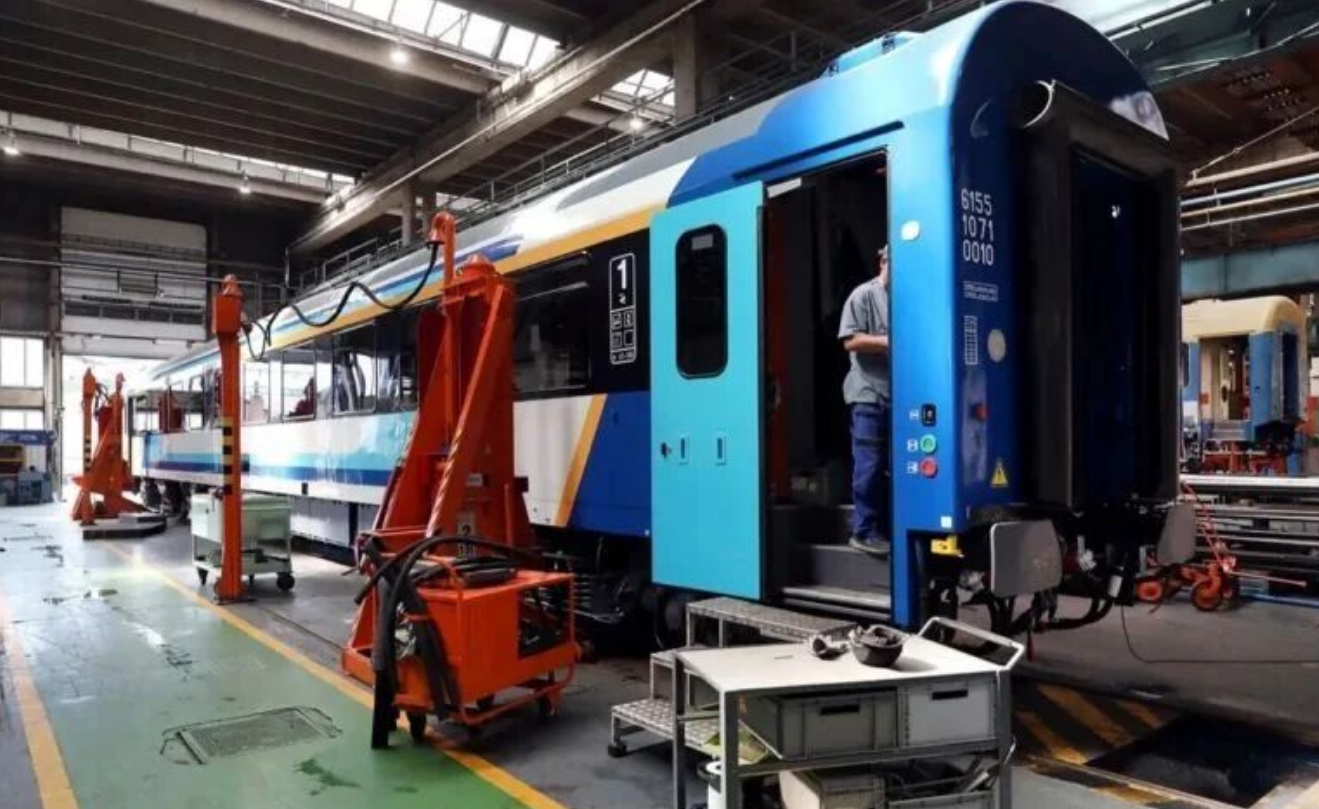
The situation worsened in 2024 when Ganz-MaVag, together with Hungarian sovereign fund Corvinus Zrt., attempted to acquire Spanish train maker Talgo for USD 620 million—a potential turnaround opportunity that was blocked by the Spanish government on “security grounds.” The company, which employs 673 people, not only assembles intermediate cars for KISS EMUs but has also long provided maintenance services to MÁV. Its former owners include Hungary’s current defense minister, Kristóf Szalay-Bobrovniczky.
Experts warn that the closure of the Dunakeszi plant could cripple Hungary’s industrial base and even endanger the country’s entire freight wagon production system. Although the Hungarian government considered a bailout, the HUF 40 billion shortfall proved prohibitive. Liquidators are now weighing two options: selling the enterprise to the state or transferring assets after bankruptcy. The latter is particularly difficult, as the plant’s most critical assets are its various certifications, which would take a new operator at least a year and a half to reobtain.
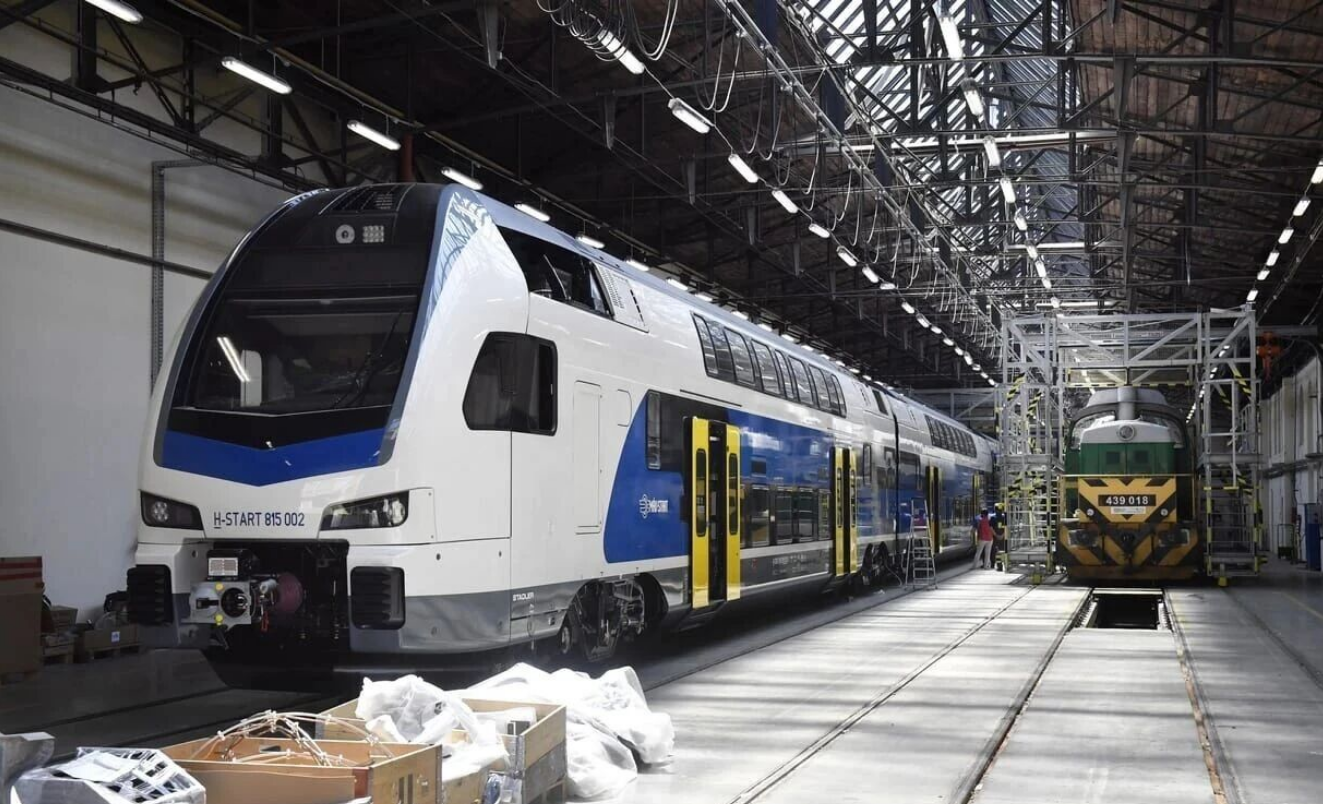
From an industry perspective, the fall of Ganz-MaVag not only strips Hungary of domestic rolling stock manufacturing capability but also adds uncertainty to Europe’s railway supply chain. Preserving core technical expertise and jobs has become an urgent challenge for the Hungarian government.