Railway Spike Fasteners: Superior Rail Attachment Solutions for Modern Railroad Systems

All Categories

railway spike

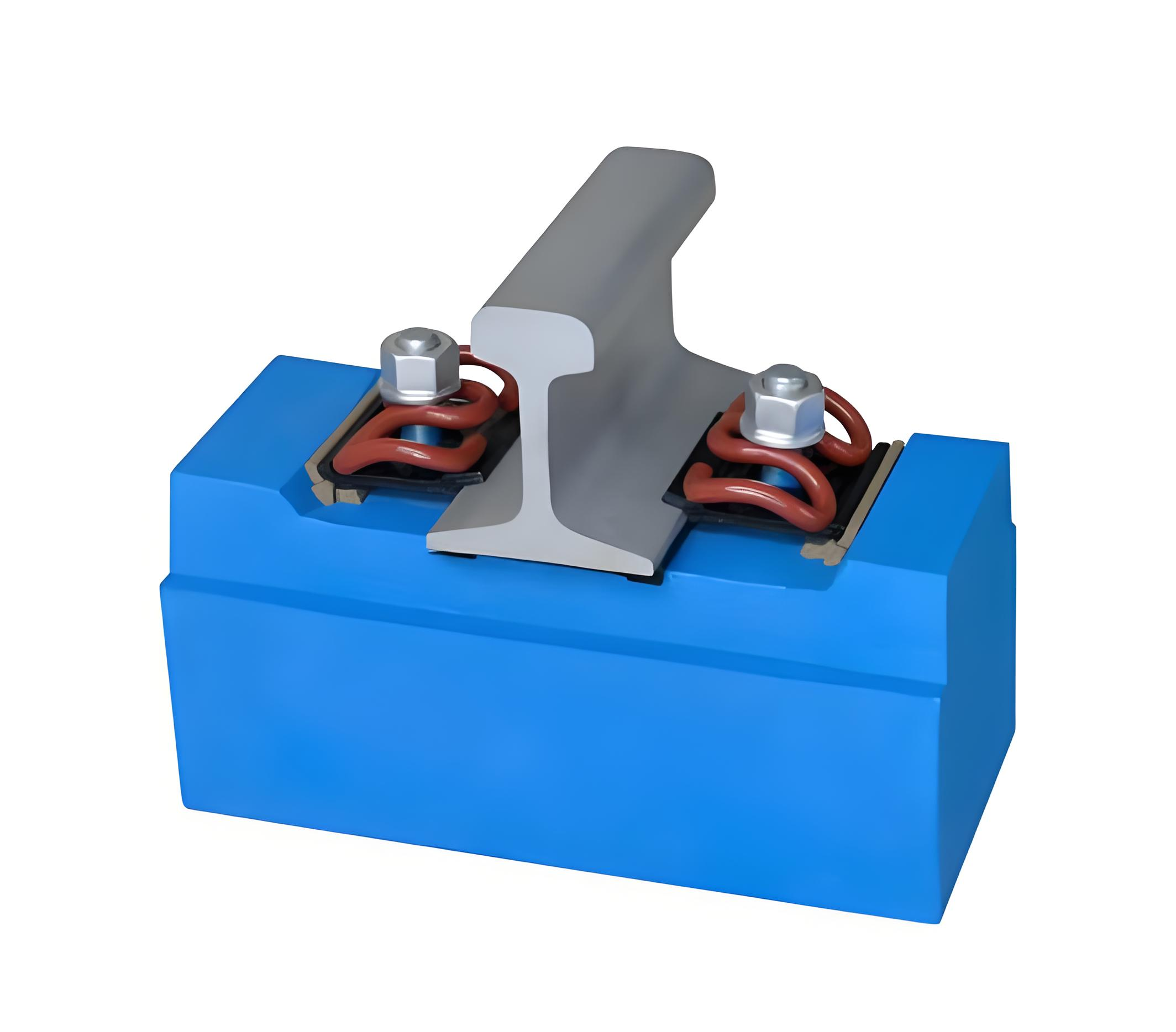
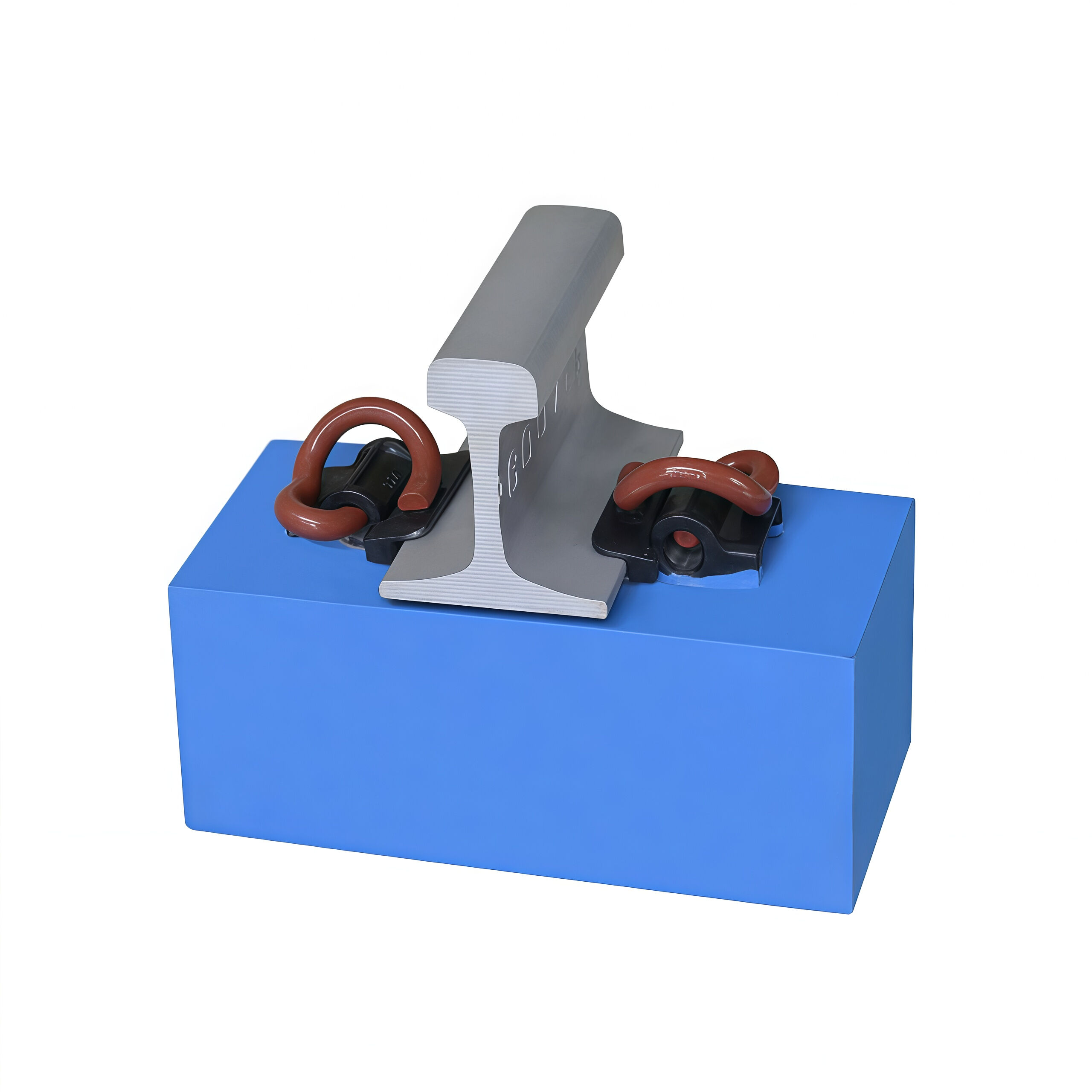
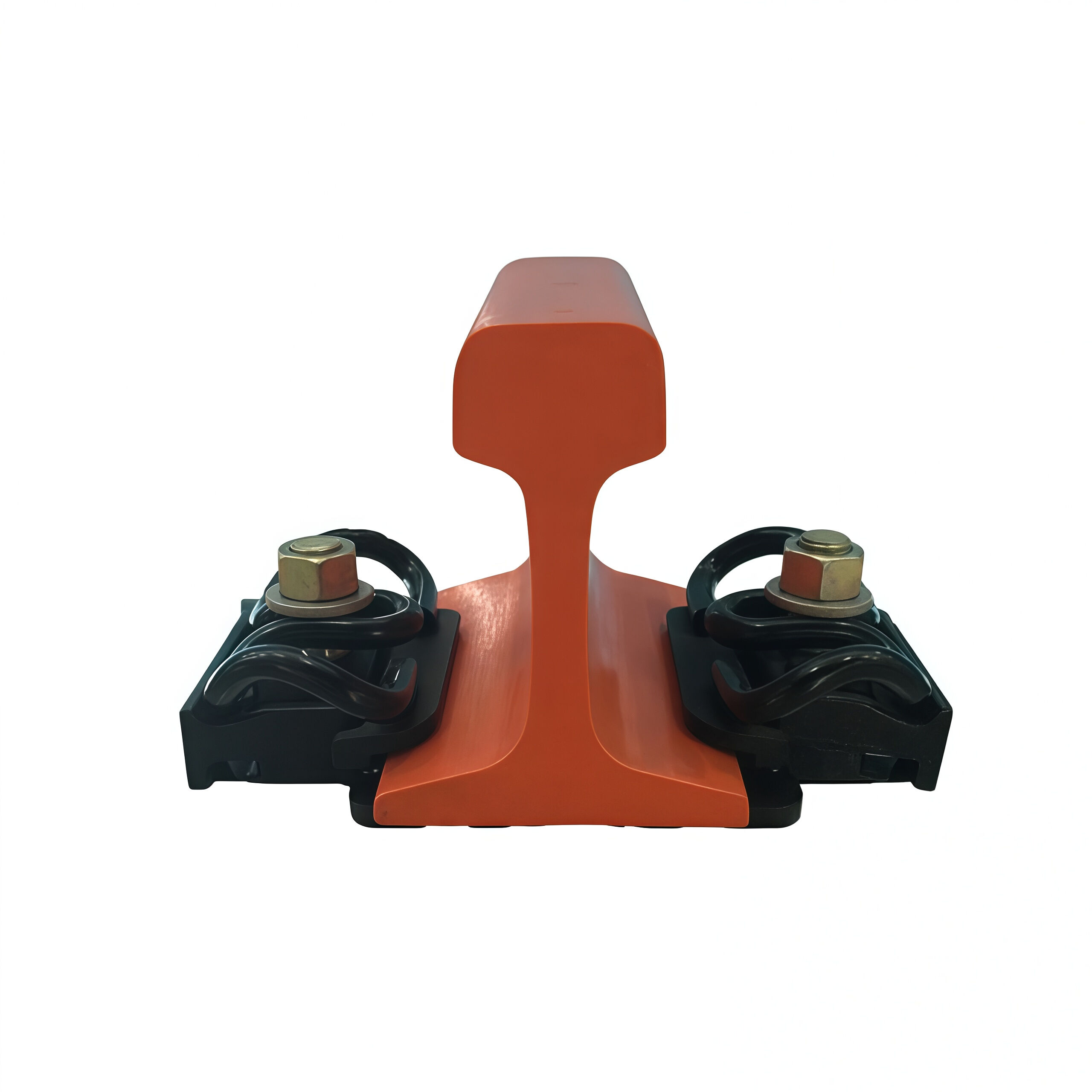
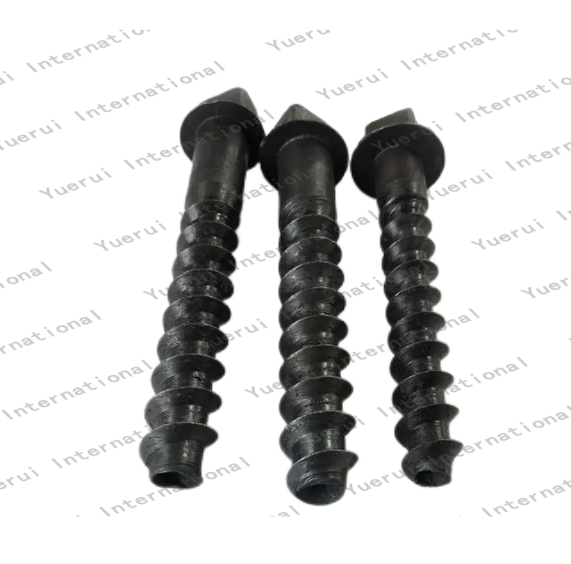
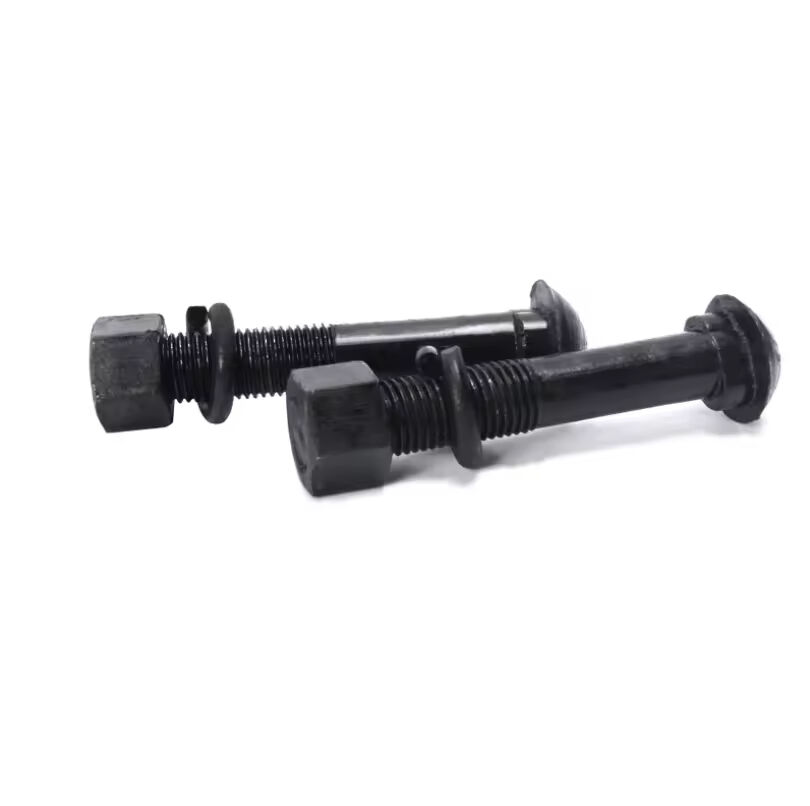
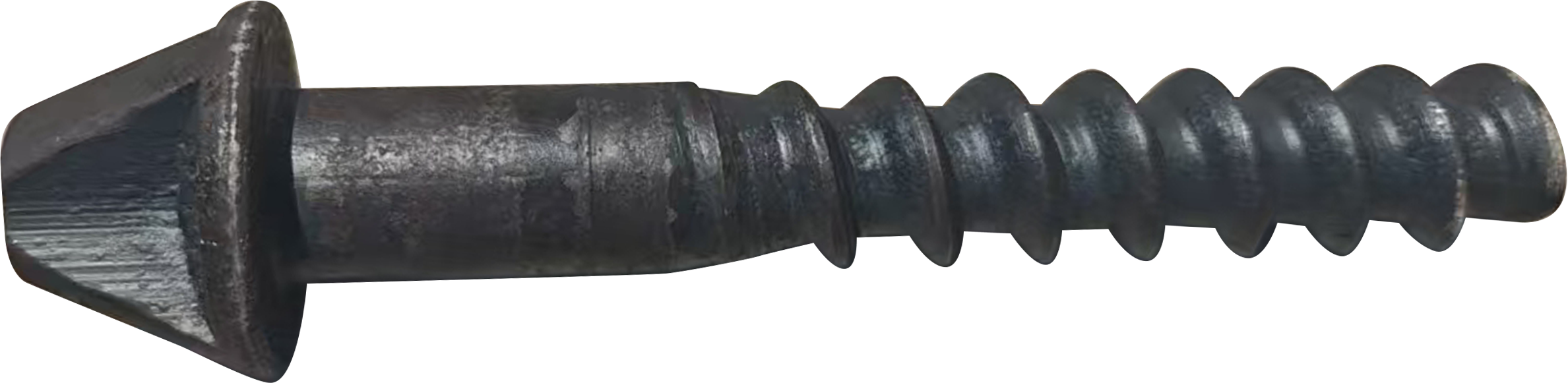
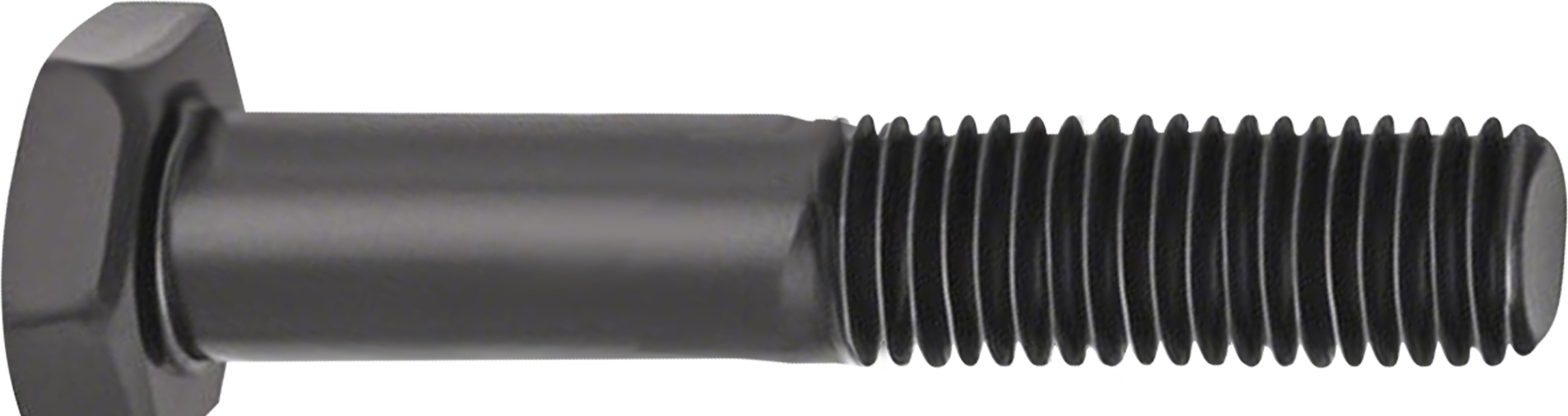
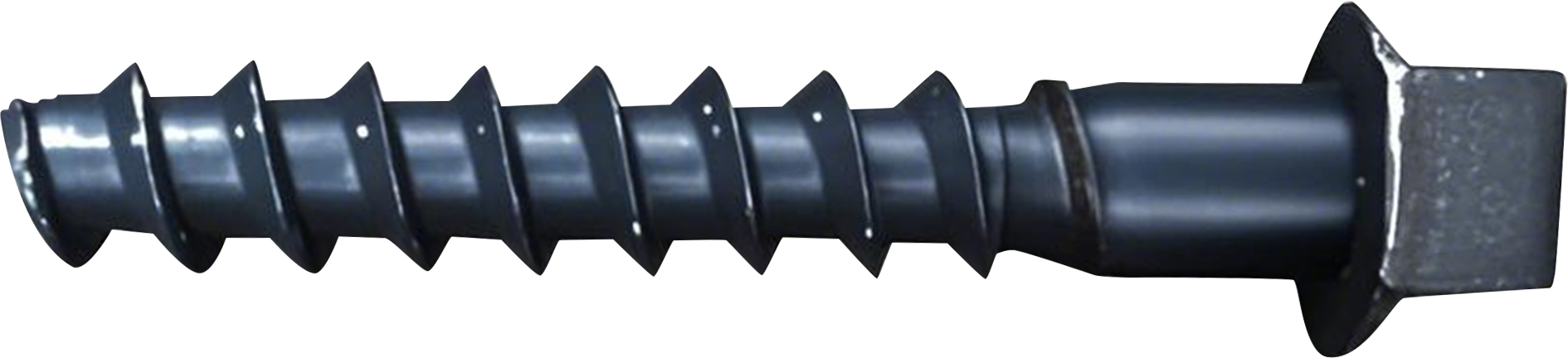
A railway spike represents a fundamental fastening component in railroad track construction, serving as the primary mechanism for securing steel rails to wooden railroad ties or sleepers. These specialized fasteners, typically manufactured from high-carbon steel, measure approximately 5.5 inches in length and feature a distinctive square cross-section that tapers to a chisel-point tip. The railway spike functions through a compression-based attachment system that drives the fastener through pre-drilled holes in the rail base, penetrating deep into the wooden tie material below. Modern railway spike designs incorporate advanced metallurgical properties that provide exceptional holding power while maintaining structural integrity under extreme operational conditions. The technological features of contemporary railway spikes include corrosion-resistant coatings, precise dimensional tolerances, and specialized head configurations that facilitate both installation and removal processes. Railway spike applications extend across passenger rail systems, freight transportation networks, industrial spur lines, and heritage railroad operations worldwide. The fastener's design accommodates thermal expansion and contraction cycles that occur as rail temperatures fluctuate throughout seasonal changes. Installation procedures require specialized pneumatic or hydraulic spike driving equipment that ensures consistent penetration depth and optimal holding force. Quality railway spike manufacturing involves controlled forging processes that enhance grain structure alignment, resulting in superior fatigue resistance and extended service life. The fastener's head design incorporates features that prevent over-driving while providing adequate surface area for extraction tools during maintenance operations. Railway spike specifications must comply with international standards including AREMA, EN, and JIS requirements that govern material composition, dimensional accuracy, and performance characteristics. Modern railway spike technology continues evolving through innovations in steel chemistry, surface treatments, and manufacturing precision that enhance overall track system reliability and reduce maintenance requirements.

Popular Products

Railway spikes deliver exceptional cost-effectiveness compared to alternative rail fastening systems, providing railroad operators with significant budget advantages through reduced material costs and simplified installation procedures. The standardized manufacturing process enables mass production economies that translate directly into competitive pricing for large-scale track construction projects. Installation efficiency represents another major advantage, as railway spike systems require minimal specialized equipment and can be installed by crews with basic training, reducing labor costs and project timelines substantially. The proven reliability of railway spike technology stems from decades of field performance data, demonstrating consistent holding power across diverse environmental conditions and traffic loads. Maintenance operations benefit from the straightforward design that allows quick replacement of individual fasteners without disrupting adjacent track components or requiring extensive tools. Railway spikes accommodate natural wood movement in ties, providing flexibility that prevents fastener failure during seasonal expansion and contraction cycles. The robust construction withstands heavy freight loads, high-speed passenger service, and extreme weather conditions while maintaining secure rail attachment throughout the fastener's extended service life. Versatility enables railway spike applications across various track configurations, including curved sections, grade crossings, and specialized installations where custom fastening solutions would prove prohibitively expensive. The established supply chain ensures consistent availability of railway spikes worldwide, preventing project delays caused by fastener shortages or long lead times. Quality control processes guarantee dimensional accuracy and material consistency, reducing installation problems and ensuring optimal performance across all fastener applications. Railway spike removal procedures utilize standard extraction tools, facilitating efficient track rehabilitation projects and component recycling programs. The proven track record of railway spike performance provides engineering confidence for new construction projects, eliminating risks associated with unproven fastening technologies. Environmental benefits include the recyclable steel construction and compatibility with sustainable wooden tie materials, supporting railroad industry environmental responsibility initiatives while maintaining superior operational performance standards.

Practical Tips

What to Consider When Buying Bulk Rail Spikes for Construction

24

Nov

What to Consider When Buying Bulk Rail Spikes for Construction

Rail spikes serve as critical fastening components in railway construction and maintenance projects, providing the essential connection between rails and railroad ties. These heavy-duty fasteners must withstand tremendous forces from passing trains w...
View More
How to Prevent Corrosion and Damage in Rail Spikes Over Time

24

Nov

How to Prevent Corrosion and Damage in Rail Spikes Over Time

Railway infrastructure forms the backbone of modern transportation systems, carrying millions of tons of cargo and passengers across vast distances daily. Among the critical components that ensure track stability and safety, rail spikes play an indis...
View More
How Do Baseplates Contribute to Efficient Railway Turnout Installation?

18

Dec

How Do Baseplates Contribute to Efficient Railway Turnout Installation?

Railway infrastructure demands precision, durability, and efficiency at every level, particularly when it comes to critical components like turnouts. Railway turnout baseplates serve as fundamental elements that ensure proper track alignment, load di...
View More
What materials are best for corrosion-resistant track pins in railways?

20

Apr

What materials are best for corrosion-resistant track pins in railways?

Railway infrastructure faces constant exposure to harsh environmental conditions, making material selection critical for long-term performance and safety. Track pins, essential components that secure rails to railroad ties, must withstand not only me...
View More

Get a Free Quote

Our representative will contact you soon.
Email
Name
Company Name
Message
0/1000

railway spike

Superior Holding Power and Structural Integrity

Superior Holding Power and Structural Integrity

Railway spike fasteners demonstrate unmatched holding power through their innovative design that combines optimal steel composition with precision-engineered geometry for maximum grip strength in wooden railroad ties. The square cross-section profile distributes driving forces evenly while the tapered point design ensures clean penetration without splitting tie material. Advanced metallurgy creates railway spikes with tensile strength exceeding 80,000 PSI, providing exceptional resistance to pullout forces generated by train operations. The controlled forging process aligns steel grain structure parallel to the fastener length, enhancing fatigue resistance and preventing premature failure under cyclic loading conditions. Railway spike head geometry incorporates specific angles and surface textures that maximize contact area with rail base flanges while preventing over-penetration during installation. The fastener's length-to-diameter ratio optimizes holding power by ensuring adequate embedment depth in tie material while maintaining structural integrity under lateral forces. Quality heat treatment processes create railway spikes with uniform hardness distribution that resists deformation while maintaining sufficient ductility to accommodate dynamic loading. The chisel-point tip geometry facilitates precise positioning and reduces installation effort while ensuring consistent penetration depth across varying tie densities. Railway spike surface treatments include specialized coatings that enhance corrosion resistance without compromising the mechanical bond between fastener and tie material. Testing protocols verify that railway spike holding power remains stable throughout temperature cycles, moisture variations, and extended service periods. The fastener design accommodates both positive and negative rail cant angles, maintaining secure attachment regardless of track superelevation requirements. Railway spike performance under extreme loading conditions has been validated through extensive laboratory testing and field monitoring programs that confirm superior reliability compared to alternative fastening methods.
Cost-Effective Installation and Maintenance Solutions

Cost-Effective Installation and Maintenance Solutions

Railway spike systems provide unparalleled cost efficiency through streamlined installation procedures that minimize equipment requirements and reduce labor expenses significantly compared to complex mechanical fastening alternatives. The straightforward driving process utilizes standard pneumatic or hydraulic tools that most railroad maintenance crews already possess, eliminating expensive specialized equipment purchases or rental costs. Installation productivity reaches impressive rates when experienced crews deploy railway spike fasteners, with typical installation times measured in seconds rather than minutes required for mechanical alternatives. The pre-drilled hole system ensures consistent placement accuracy while reducing installation effort and minimizing tie damage during fastener deployment. Railway spike inventory management benefits from standardized dimensions and specifications that allow bulk purchasing and simplified storage requirements across multiple project sites. Maintenance cost advantages become evident through the fastener's simple replacement procedure that requires only basic extraction tools and standard installation equipment. The railway spike design eliminates complex components that could fail or require periodic adjustment, reducing ongoing maintenance expenses and system downtime. Quality control during manufacturing ensures dimensional consistency that prevents installation problems and reduces field modifications or corrections. Railway spike removal procedures enable efficient track rehabilitation projects by allowing selective fastener replacement without disturbing adjacent components or requiring extensive track outages. The established supply chain provides reliable availability and competitive pricing through multiple qualified manufacturers worldwide. Installation training requirements remain minimal due to the intuitive railway spike design, reducing crew training costs and enabling rapid deployment of maintenance personnel. Field repairs can utilize standard railway spike fasteners from existing inventory, eliminating delays associated with ordering specialized replacement components. The proven reliability of railway spike systems reduces warranty claims and performance guarantees, providing budget certainty for long-term track maintenance programs while ensuring consistent operational performance across diverse railroad applications and environmental conditions.
Universal Compatibility and Proven Performance Standards

Universal Compatibility and Proven Performance Standards

Railway spike fasteners demonstrate exceptional versatility through universal compatibility with standard rail profiles and wooden tie configurations used throughout global railroad networks, ensuring seamless integration with existing track infrastructure. The standardized dimensions comply with international specifications including AREMA, European EN standards, and Japanese JIS requirements, enabling railway spike applications across diverse railroad systems worldwide. Compatibility extends to various rail weights from light industrial applications through heavy freight mainlines, with railway spike designs accommodating different base flange configurations and mounting requirements. The fastener system works effectively with multiple tie species including oak, pine, eucalyptus, and engineered lumber products, providing flexibility for regional material preferences and availability. Railway spike performance has been validated through decades of service across extreme climate conditions from arctic temperatures to tropical environments, demonstrating consistent reliability regardless of environmental challenges. The proven track record includes successful applications in high-speed passenger service, heavy freight operations, and specialized industrial environments where fastener failure could result in significant operational disruptions. Quality assurance programs ensure every railway spike meets stringent performance standards through comprehensive testing protocols that verify material properties, dimensional accuracy, and holding power characteristics. Field performance data collected from thousands of miles of track installations confirms railway spike reliability across varying soil conditions, track geometry, and operational parameters. The fastener design accommodates different rail cant angles and track superelevation requirements without compromising holding power or installation procedures. Railway spike compatibility with existing maintenance equipment and procedures enables seamless adoption without requiring infrastructure modifications or specialized training programs. International certification programs validate railway spike performance standards, providing engineering confidence for critical transportation projects and ensuring compliance with safety regulations. The established performance history enables accurate service life predictions and maintenance scheduling, supporting efficient asset management programs while maintaining optimal track safety and operational reliability throughout the fastener's extended service period in demanding railroad applications.


Get a Free Quote

Our representative will contact you soon.
Email
Name
Company Name
Message
0/1000