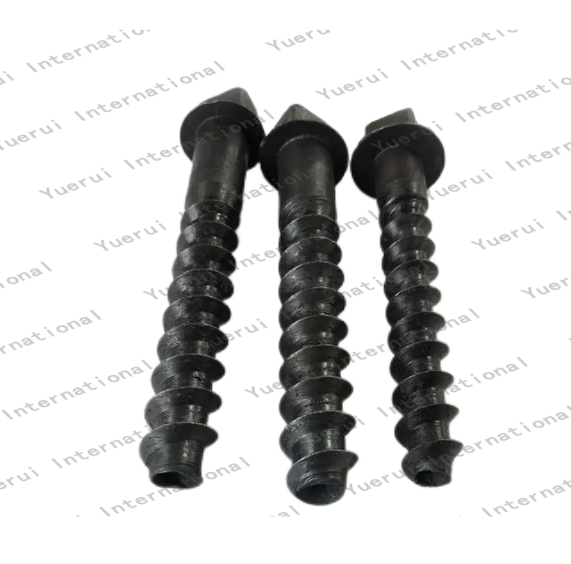
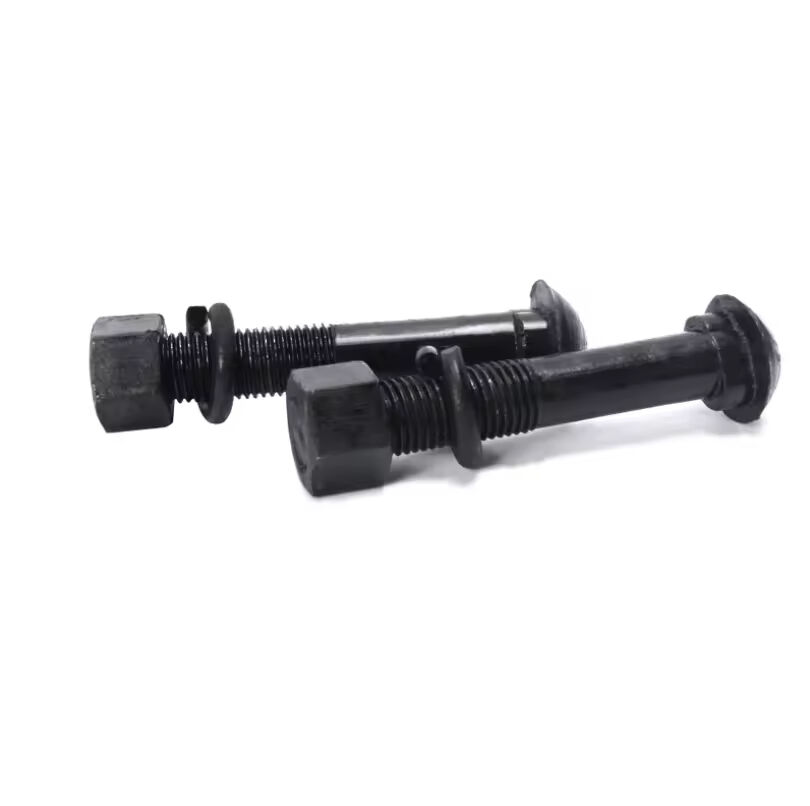
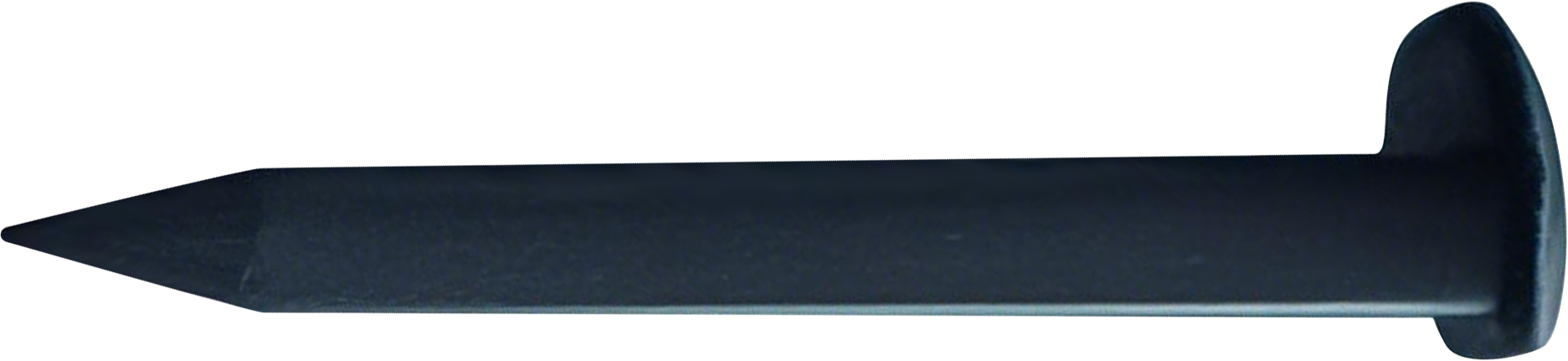
railroad track spike
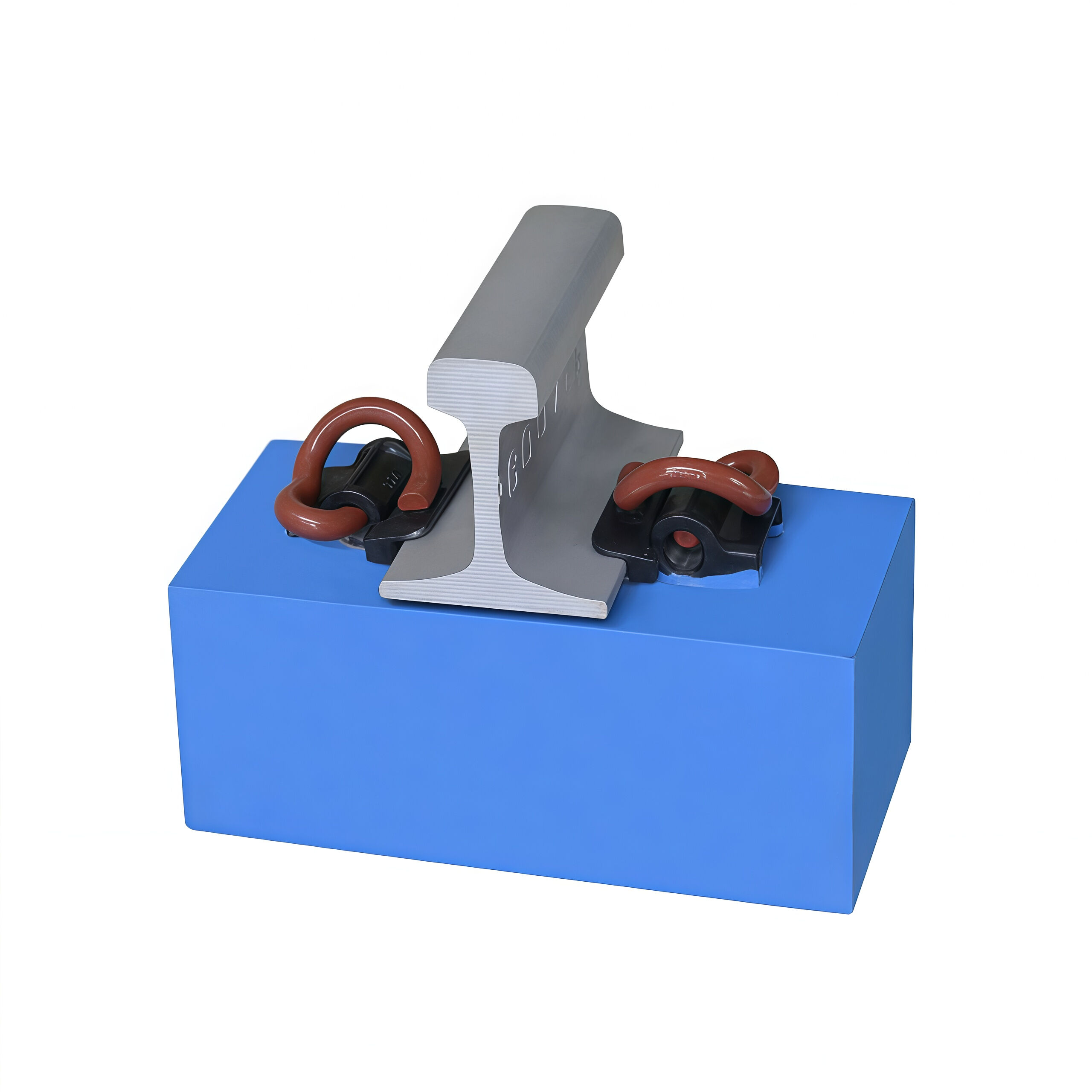
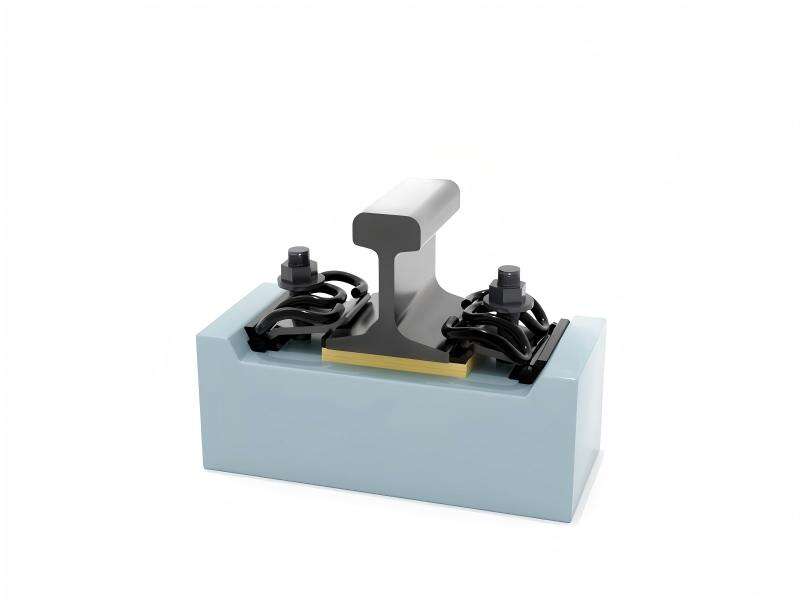
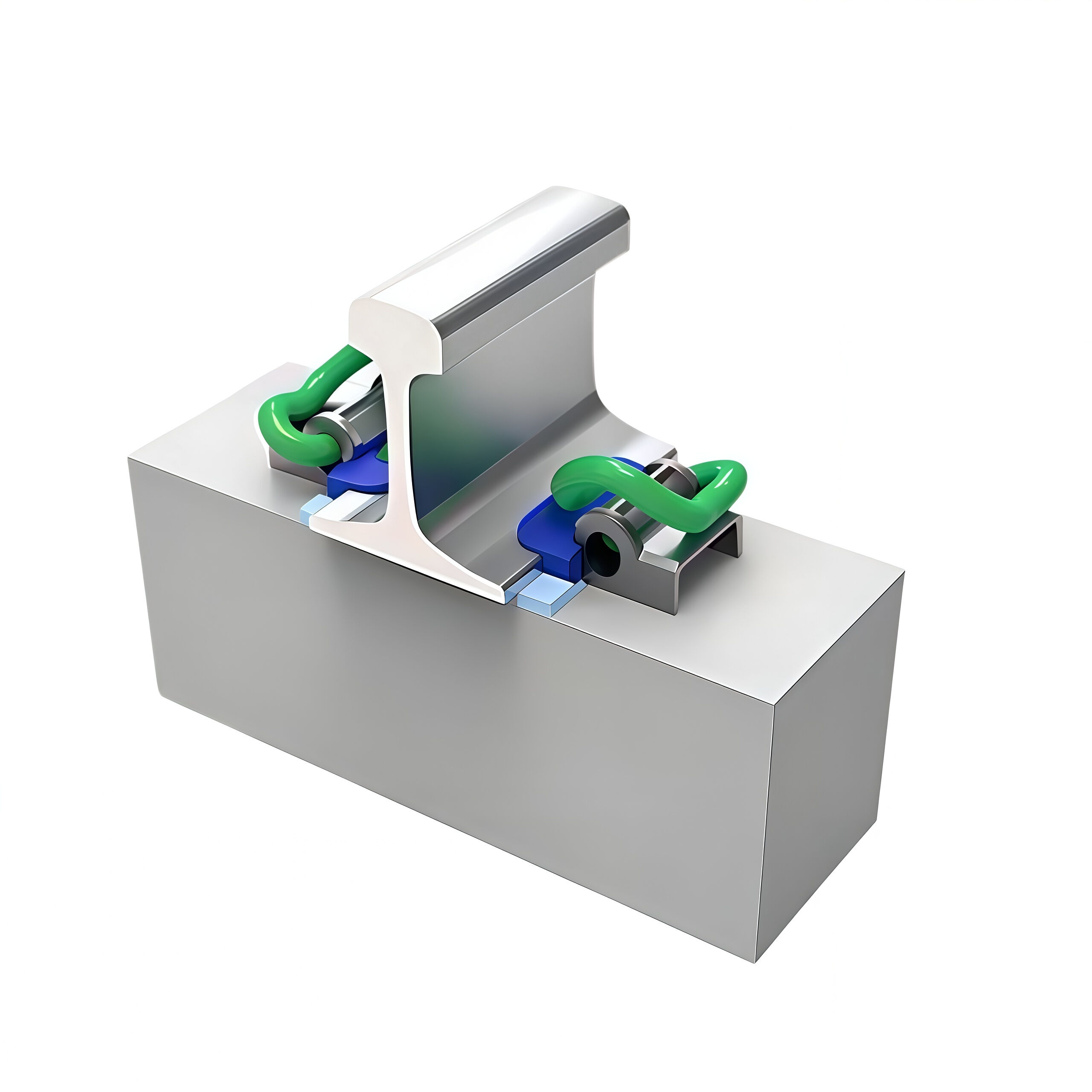
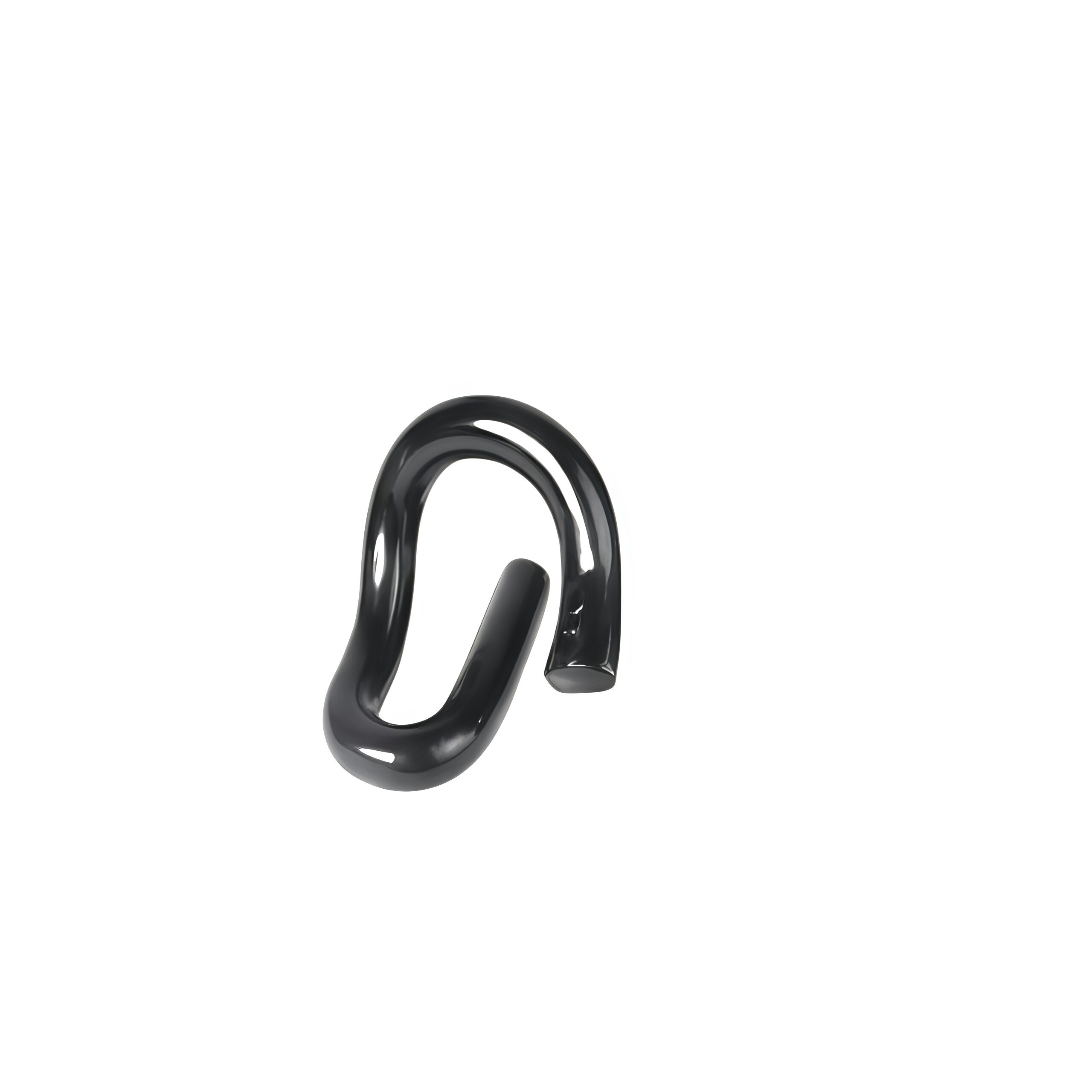
The railroad track spike stands as one of the most fundamental components in railway infrastructure, serving as the critical fastening element that secures rails to railroad ties throughout global transportation networks. This essential hardware piece, also known as a rail spike or track nail, represents centuries of engineering refinement designed to withstand the immense forces generated by heavy freight trains and high-speed passenger services. The primary function of the railroad track spike involves anchoring rails firmly to wooden, concrete, or composite ties, ensuring stable track geometry and preventing rail movement under dynamic loading conditions. Modern railroad track spike designs incorporate advanced metallurgical properties that deliver exceptional holding power while maintaining flexibility to accommodate thermal expansion and contraction cycles. The technological features of contemporary railroad track spike systems include precisely engineered head configurations, optimized shank geometry, and specialized point designs that facilitate efficient installation while maximizing retention strength. These spikes typically measure between 5.5 to 7 inches in length, with specific dimensions varying according to tie material, rail weight, and operational requirements. The manufacturing process involves high-carbon steel construction with controlled heat treatment to achieve optimal hardness and ductility balance. Surface treatments such as hot-dip galvanizing or specialized coatings provide corrosion resistance essential for long-term performance in harsh environmental conditions. Railroad track spike applications span virtually every railway system worldwide, from heavy-haul freight corridors carrying coal and containers to urban transit networks serving millions of passengers daily. Industrial railways, mining operations, port facilities, and heritage railroads all rely on these fastening systems to maintain safe and reliable track structures. The versatility of railroad track spike designs allows adaptation to various gauge configurations, from narrow gauge tourist railways to standard gauge mainlines and broad gauge heavy freight systems.

 EN
EN