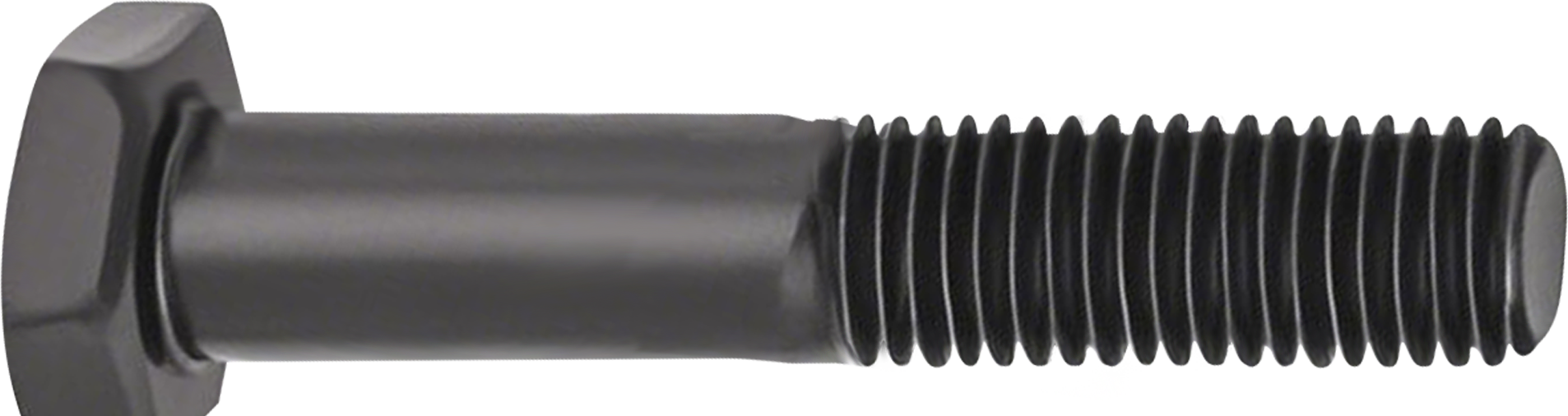
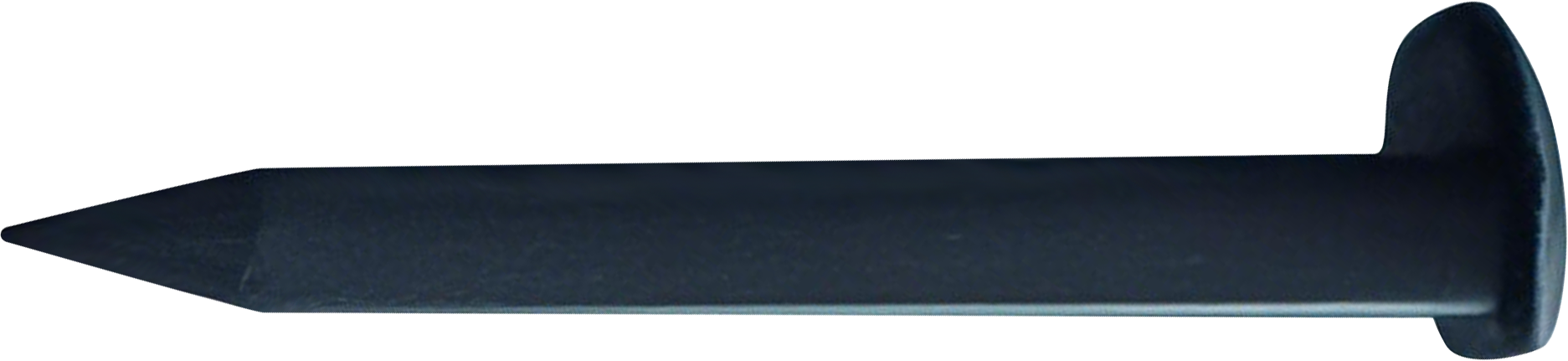
rail fastener
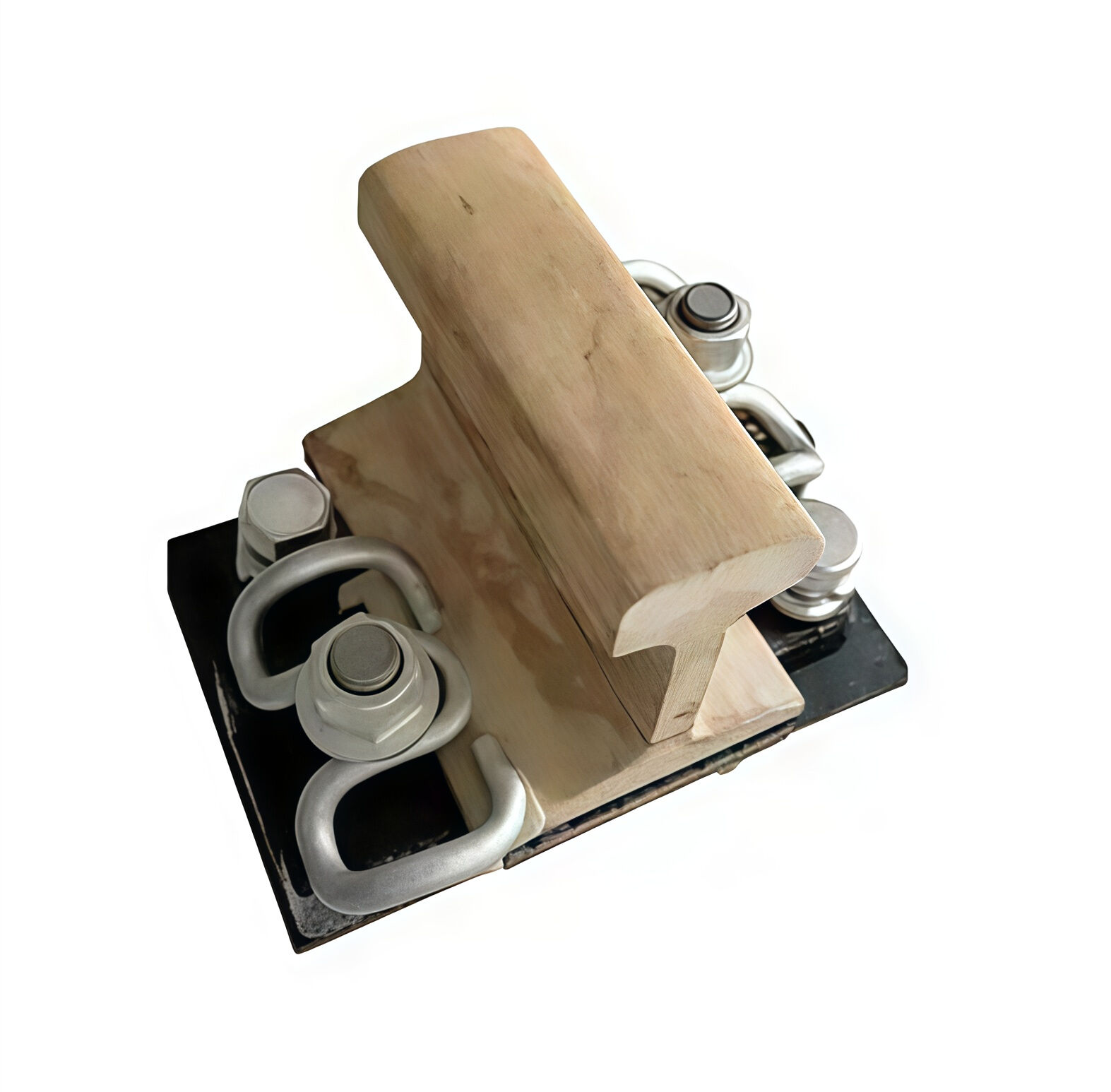
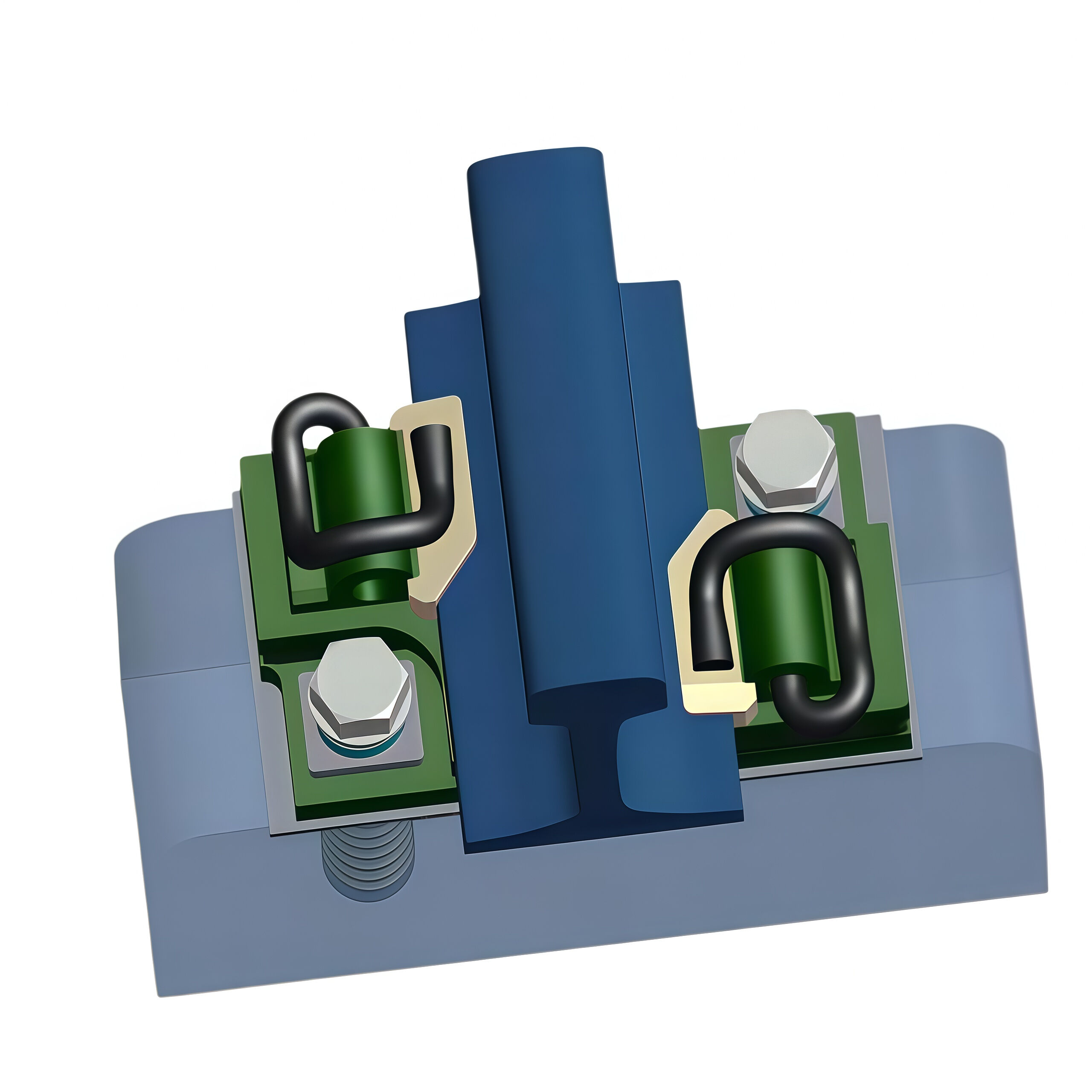
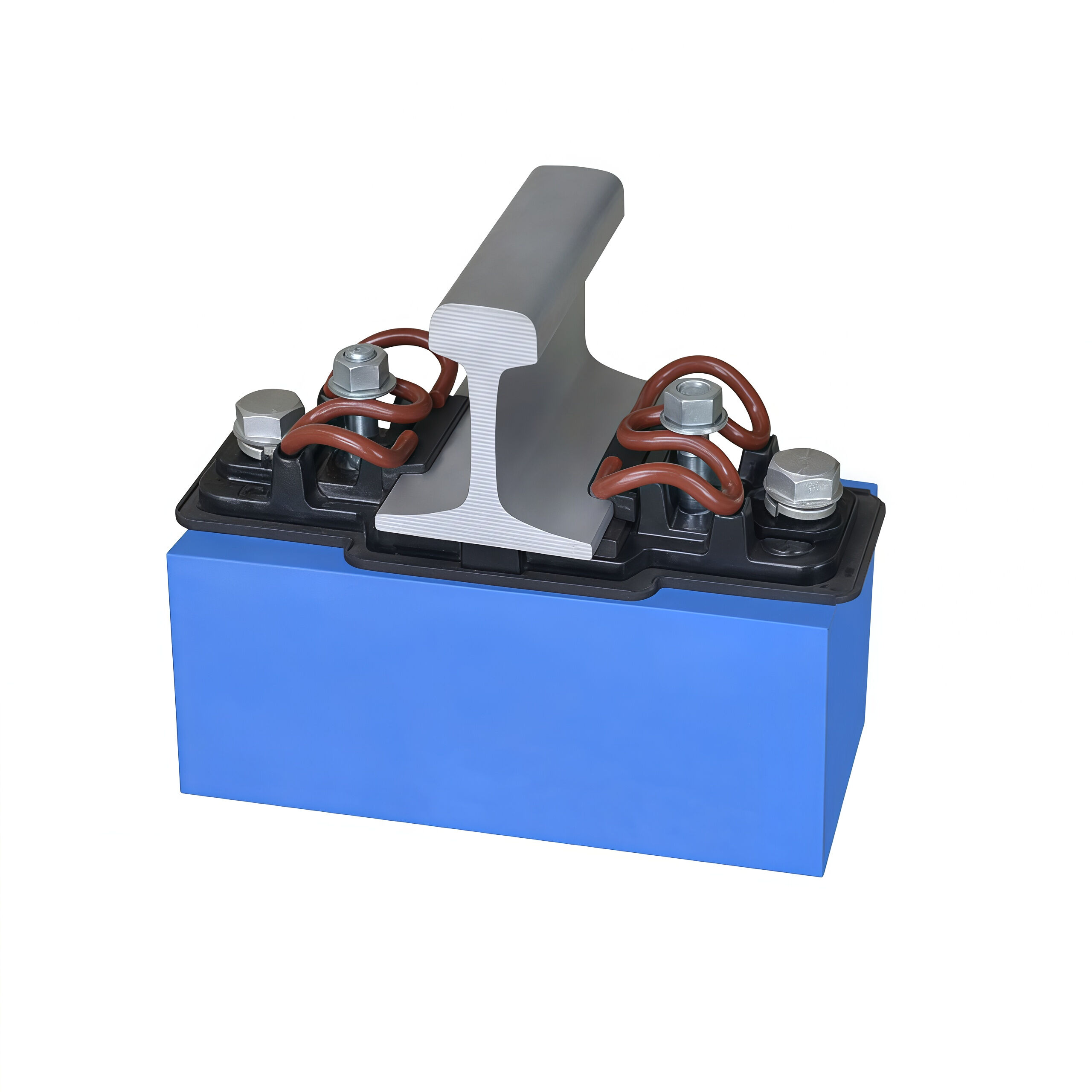
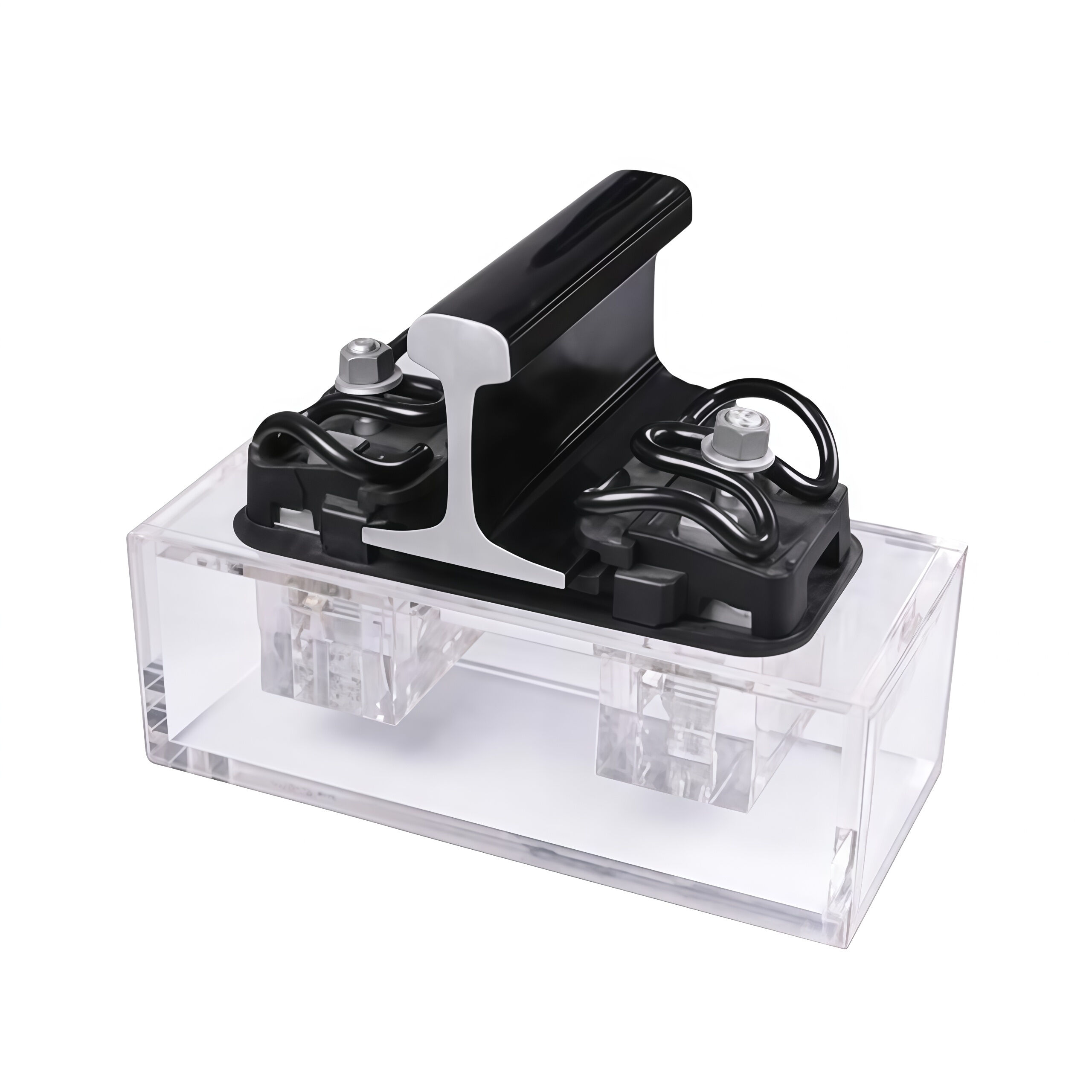
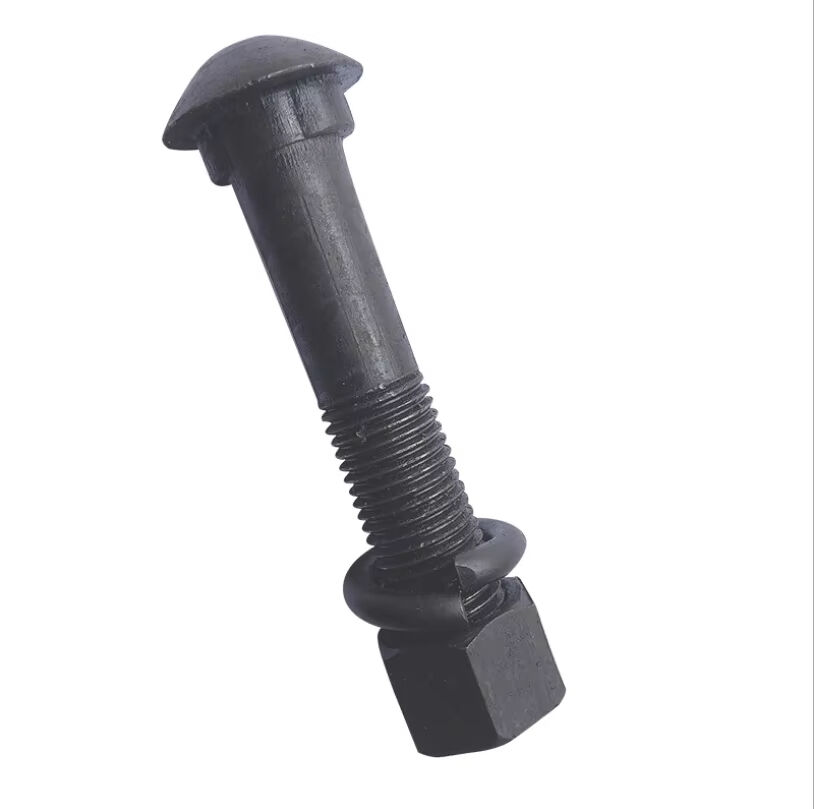
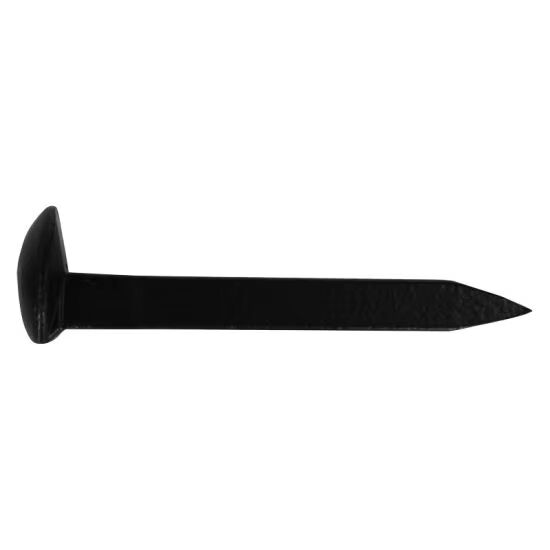
A rail fastener represents a critical component in railway infrastructure, serving as the essential connection system that secures rails to railroad ties or sleepers. These specialized mechanical devices ensure the stability and safety of train operations by maintaining proper rail alignment and gauge throughout the entire track system. The primary function of a rail fastener involves creating a secure, durable bond between the steel rail and the underlying support structure, preventing lateral movement, vertical displacement, and longitudinal creep that could compromise track integrity. Modern rail fastener systems incorporate advanced engineering principles to distribute loads effectively across the track bed while accommodating thermal expansion and contraction of steel rails. The technological features of contemporary rail fasteners include corrosion-resistant materials, precise torque specifications, and innovative clamping mechanisms that provide consistent holding power under extreme operational conditions. These systems typically consist of multiple components working in harmony: clips or bolts that provide the primary securing force, insulators that prevent electrical conductivity between rails and ties, and padding materials that reduce vibration and noise transmission. Rail fasteners must withstand enormous dynamic forces generated by passing trains, including vertical loads from vehicle weight, lateral forces from wheel-rail interaction, and longitudinal forces from braking and acceleration. The applications of rail fasteners span across various railway environments, from high-speed passenger lines requiring maximum precision to heavy-haul freight corridors demanding exceptional durability. Different rail fastener designs are optimized for specific track conditions, including concrete sleepers, wooden ties, steel bridges, and specialized applications like urban transit systems. The selection of appropriate rail fastener technology depends on factors such as traffic volume, train speeds, axle loads, environmental conditions, and maintenance requirements. Quality rail fasteners contribute significantly to overall railway safety by preventing derailments, reducing maintenance costs, and extending track service life through reliable performance under continuous operational stress.

 EN
EN