Advanced Material Technology and Environmental Resistance
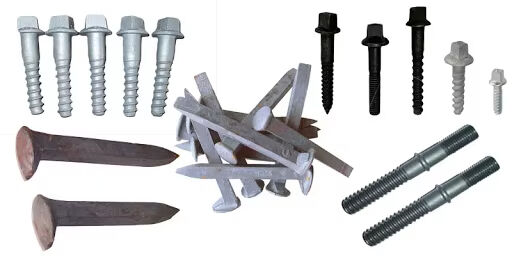
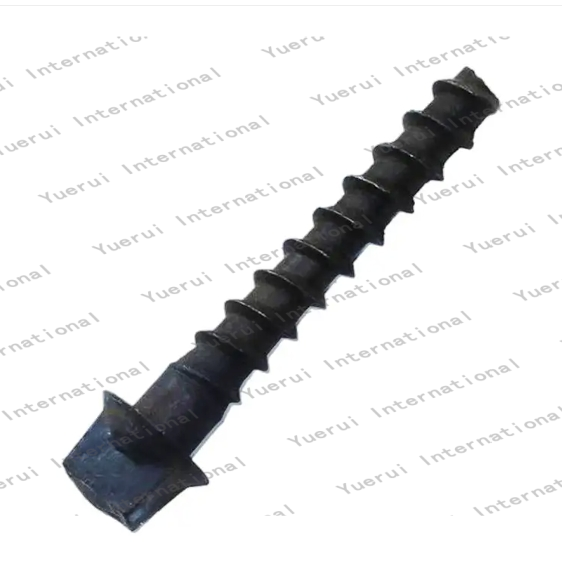
Modern rail spike manufacturing incorporates cutting-edge metallurgical technologies that deliver exceptional environmental resistance and extended service life across diverse railway operating conditions. The advanced steel compositions used in rail spike production undergo precise heat treatment processes that optimize hardness, tensile strength, and impact resistance while maintaining the flexibility necessary for dynamic railway loading applications. Specialized coating systems applied to rail spike surfaces provide comprehensive protection against corrosion, moisture penetration, and chemical exposure that commonly occurs in railway environments. These protective treatments extend rail spike service life significantly, reducing replacement frequency and associated maintenance costs while ensuring consistent performance throughout extended service periods. The material science behind rail spike construction addresses specific challenges encountered in railway applications, including galvanic corrosion prevention, stress corrosion cracking resistance, and fatigue failure mitigation under cyclic loading conditions. Quality assurance protocols verify that each rail spike meets stringent material specifications through comprehensive testing programs that evaluate mechanical properties, dimensional accuracy, and surface finish characteristics. Environmental testing demonstrates that rail spike products maintain structural integrity across temperature ranges from sub-zero arctic conditions to extreme desert heat, ensuring reliable performance regardless of climate variations. The rail spike's resistance to chemical attack proves essential in industrial railway applications where exposure to corrosive substances, salt spray, and aggressive cleaning agents could compromise fastener performance. Advanced manufacturing techniques ensure consistent material properties throughout each rail spike, eliminating weak points or defects that could lead to premature failure under service loading. Research and development programs continue advancing rail spike technology through innovative alloy compositions, surface treatment methods, and manufacturing processes that enhance performance characteristics while reducing environmental impact. The sustainable aspects of rail spike production include recycling programs for end-of-life fasteners and environmentally responsible manufacturing processes that minimize waste generation and energy consumption. These technological advances position modern rail spike systems as environmentally conscious solutions that support sustainable railway development while delivering superior performance and reliability throughout their extended service life in demanding railway applications.

 EN
EN