EN
EN
Quick Links
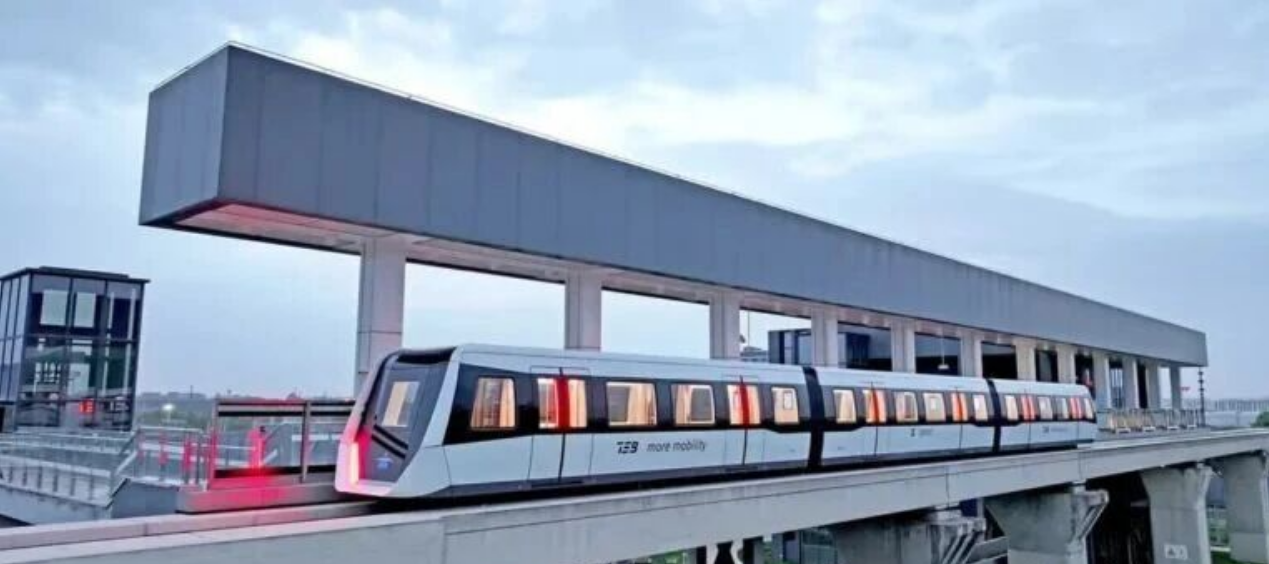
Germany's magnetic levitation (maglev) technology has achieved a historic breakthrough in commercial application. Max Bögl, a German construction group, recently announced that its subsidiary TSB Betriebs has obtained a public-use maglev line operating license from the Federal Railway Authority of Germany (EBA). This milestone marks a crucial step toward the commercial deployment of its independently developed Transport System Bögl (TSB) maglev system, paving a new path for the upgrade of urban transportation in Europe.
While the license covers the operation of public-use maglev lines, Max Bögl emphasized that the commercialization of the technology still requires separate construction permits. Nevertheless, this decision by regulators lays the foundation for advancing related projects. Currently, several German cities, including Nuremberg and Hamburg, as well as regions such as Böblingen and Calw in Baden-Württemberg, are evaluating the potential deployment of the TSB maglev system. A proposed 53-kilometer pilot line between Augsburg and Munich has been identified as a potential test route, which could eventually connect multiple towns and alleviate traffic pressure on the A8 highway.
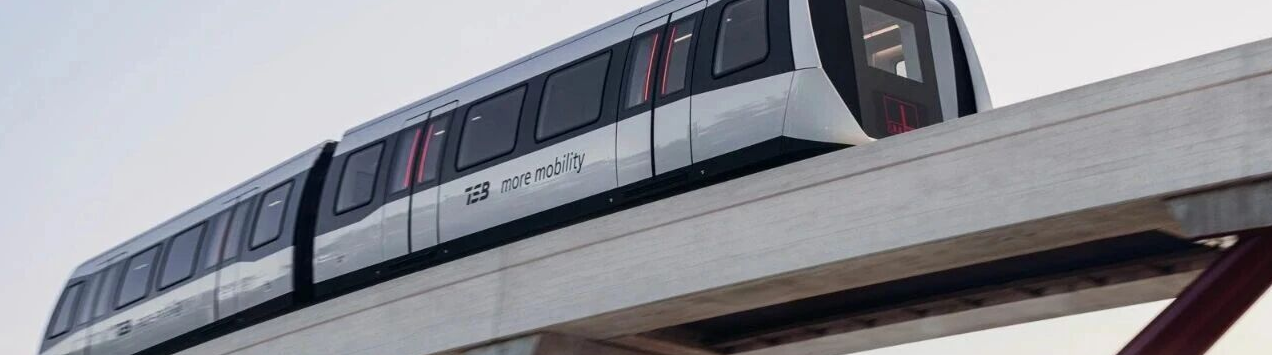
The TSB maglev system stands out for its modular design and efficient construction capabilities. Its track infrastructure consists of factory‑prefabricated concrete beams that integrate guidance rails and power supply systems, allowing for rapid on‑site assembly similar to building blocks. This approach significantly shortens construction timelines. As a fully integrated solution, the system covers planning, vehicle manufacturing, on‑site assembly, and operational services. It employs fully automated, driverless technology, which can reduce operating costs by approximately 20% compared to conventional rail systems, while generating minimal noise—key components are embedded within concrete tracks less than 20 centimeters thick, making it well‑suited for urban environments.
In terms of performance and adaptability, the TSB system is designed for a maximum speed of 150 km/h (with a test run in Chengdu, China, reaching 181 km/h), an acceleration of 1 m/s², and trains composed of 2 to 6 carriages, each capable of carrying up to 127 passengers. It is suitable for both urban and suburban commuting as well as short‑ to medium‑distance freight transport. Unlike other maglev technologies, the TSB system focuses on medium‑ to low‑speed, short‑distance applications. By controlling costs and train weight, it enables flexible integration with existing transportation infrastructure and can operate in elevated, ground‑level, or underground environments.
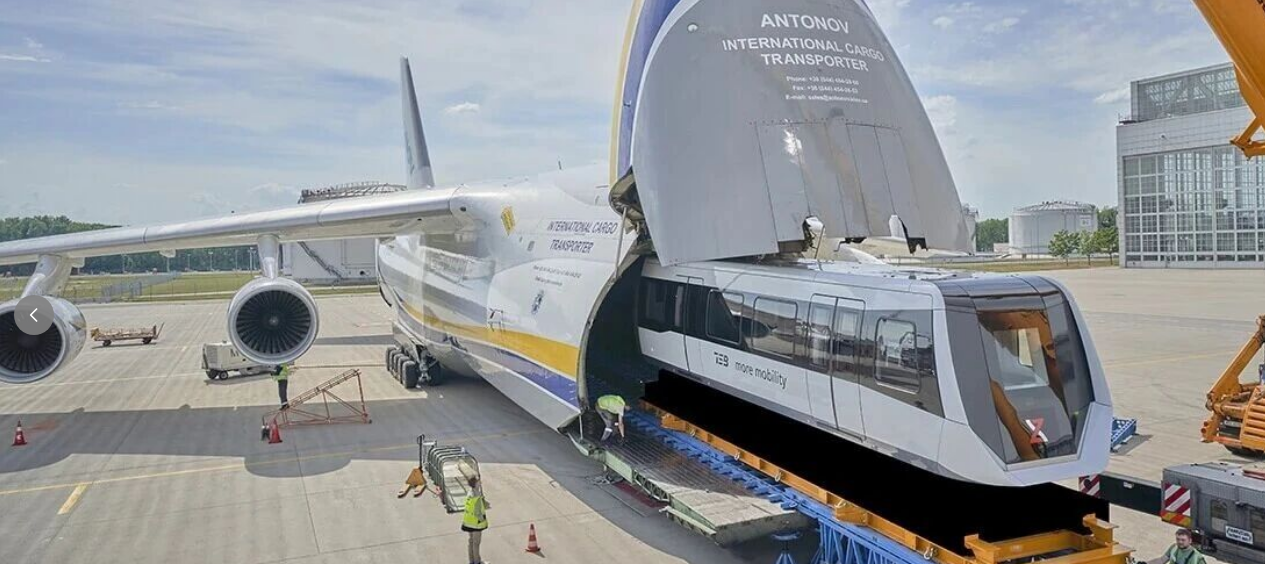
Max Bögl’s maglev development journey spans over a decade. Since launching the project in 2010, the company has refined and optimized the earlier Transrapid maglev technology specifically for low‑speed urban operations. The system has completed over 125,000 test runs on a track in Sendental, Germany, and began demonstration operations in 2018. In 2021, it showcased automated transport and transshipment technology for 40‑foot containers in Hamburg. A demonstration line built in collaboration with China’s Chengdu Xinzhu Road & Bridge Machinery Co., Ltd. in Chengdu achieved a top speed of 181 km/h during tests in April 2024.
Notably, the TSB system has achieved a high degree of standardization, and Max Bögl stated that commercial projects could commence production within two years. Although the earlier Transrapid project faced setbacks after a test accident in Lathen, Germany, in 2006, the granting of the operating license for TSB has reignited hopes for maglev development in Europe. With its precise focus on medium‑ to low‑speed scenarios, modular construction advantages, and mature testing experience, the system is poised to tap into the German market and explore international opportunities through partnerships in China and other regions, offering a more efficient and environmentally friendly choice for urban transport worldwide.