EN
EN
Quick Links
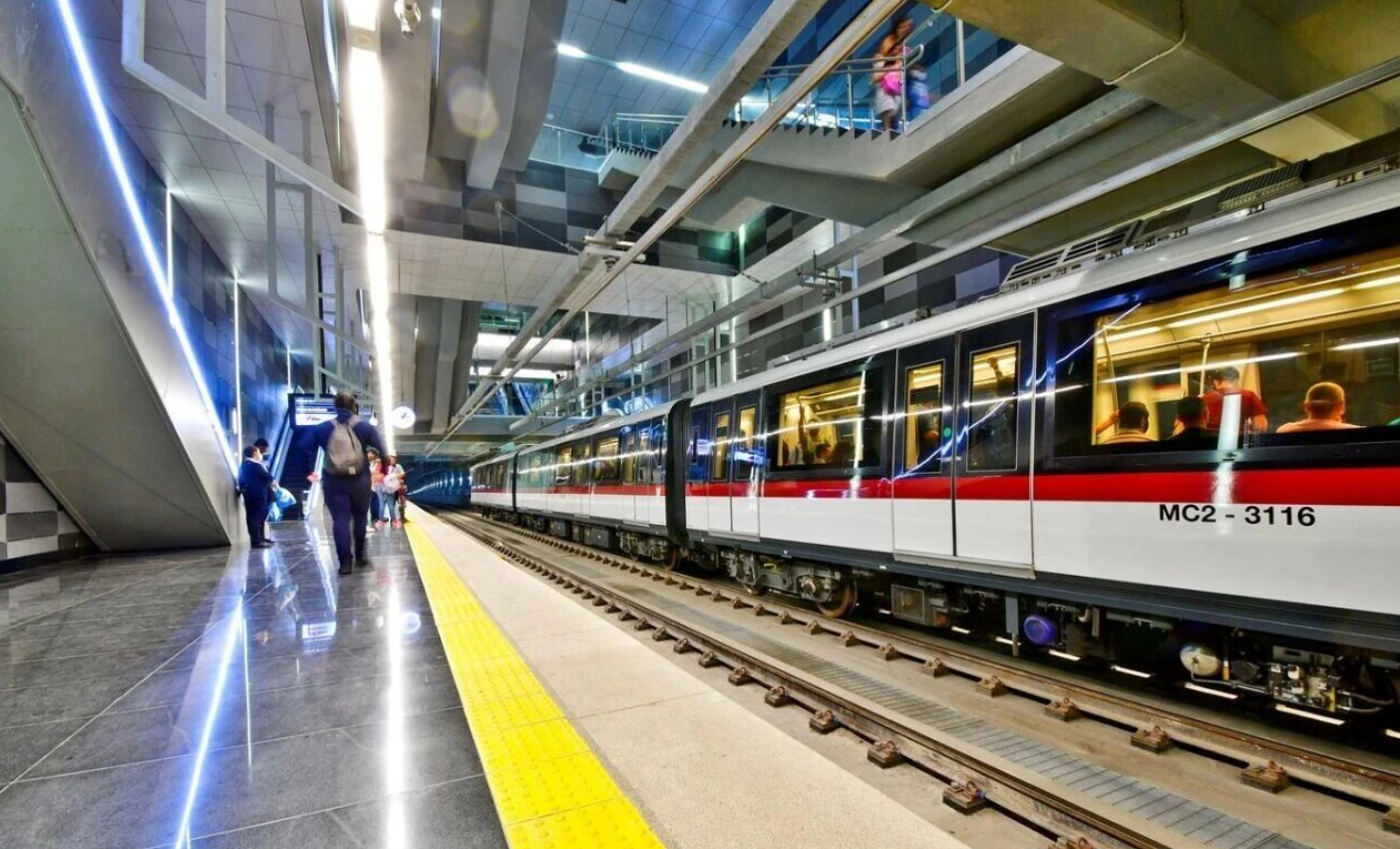
On September 12, 2025, Alstom celebrated the fifth anniversary of the operation of Line 3 of the Guadalajara Light Rail in Mexico. This line, which began service during the COVID-19 pandemic in September 2020, has now become a core infrastructure for urban mobility in the region. Daily passenger numbers have surged from an initial 75,000 to 140,000–152,000, marking an increase of over 80%.
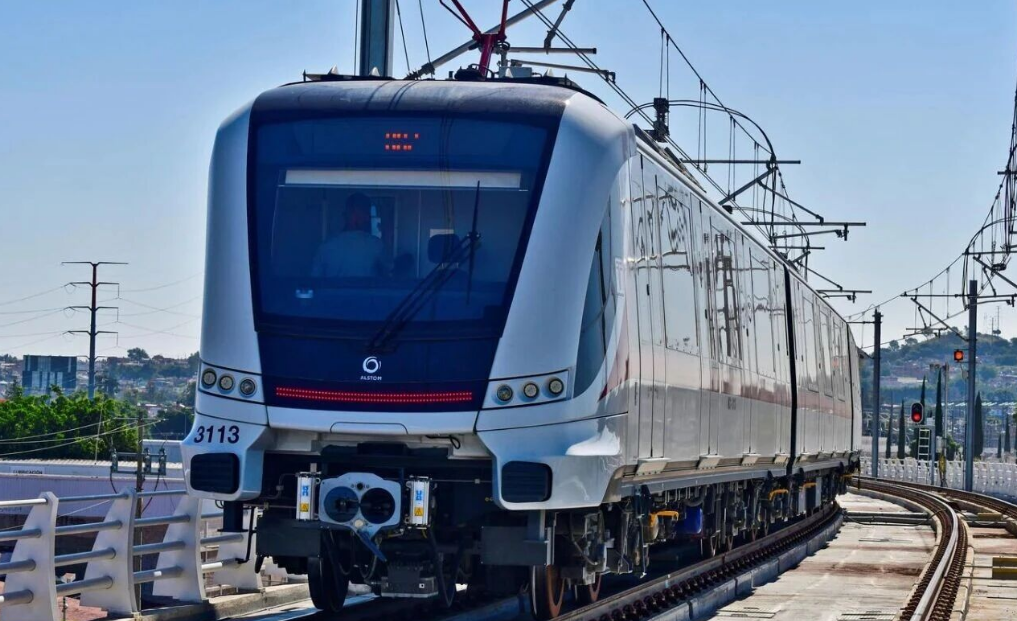
The project traces back to 2014, when Alstom was commissioned by the Mexican Ministry of Communications and Transportation (SCT) to deliver an integrated expansion solution for the line. This included the provision of signaling systems, high-voltage substations, traction and traffic control systems—all managed through the Urbalis 400 CBTC system—as well as 18 Metropolis trainsets manufactured at Alstom’s plant in Sant Pere de Ribes, Barcelona. Equipped with air conditioning, video surveillance, and passenger information systems, the project was executed on a full turnkey basis.
Designed with a maximum daily capacity of 233,000 passengers, the line has already served over 164 million passengers in four years of operation, surpassing the 112 million recorded in the first three years post-pandemic and demonstrating strong potential to accommodate further growth.
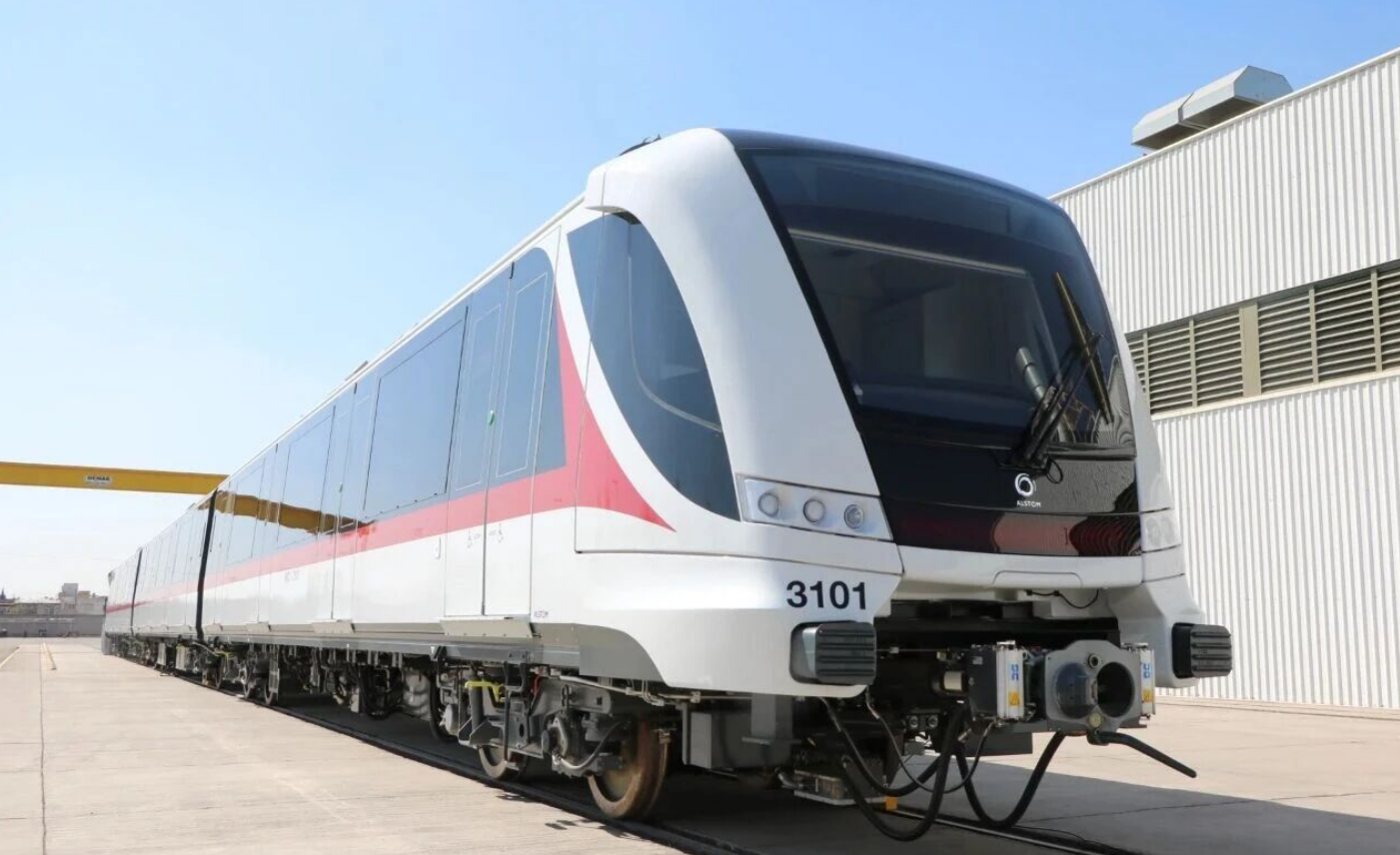
Beyond its impressive performance metrics, the line holds significant social value. It connects densely populated urban areas, reduces travel time, and is equipped with accessibility features both in stations and on trains, providing convenience for passengers with disabilities. The project has also created more than 250 direct jobs across the value chain. In addition, local Mexican engineers contributed to the design of the signaling system, fostering the advancement of the country’s railway industry and technical capabilities.
As a company that entered the Mexican market in 1952, Alstom has also participated in the construction of Mexico City’s first metro line, further solidifying its long-standing commitment to the development of sustainable mobility in the country.