EN
EN
Quick Links
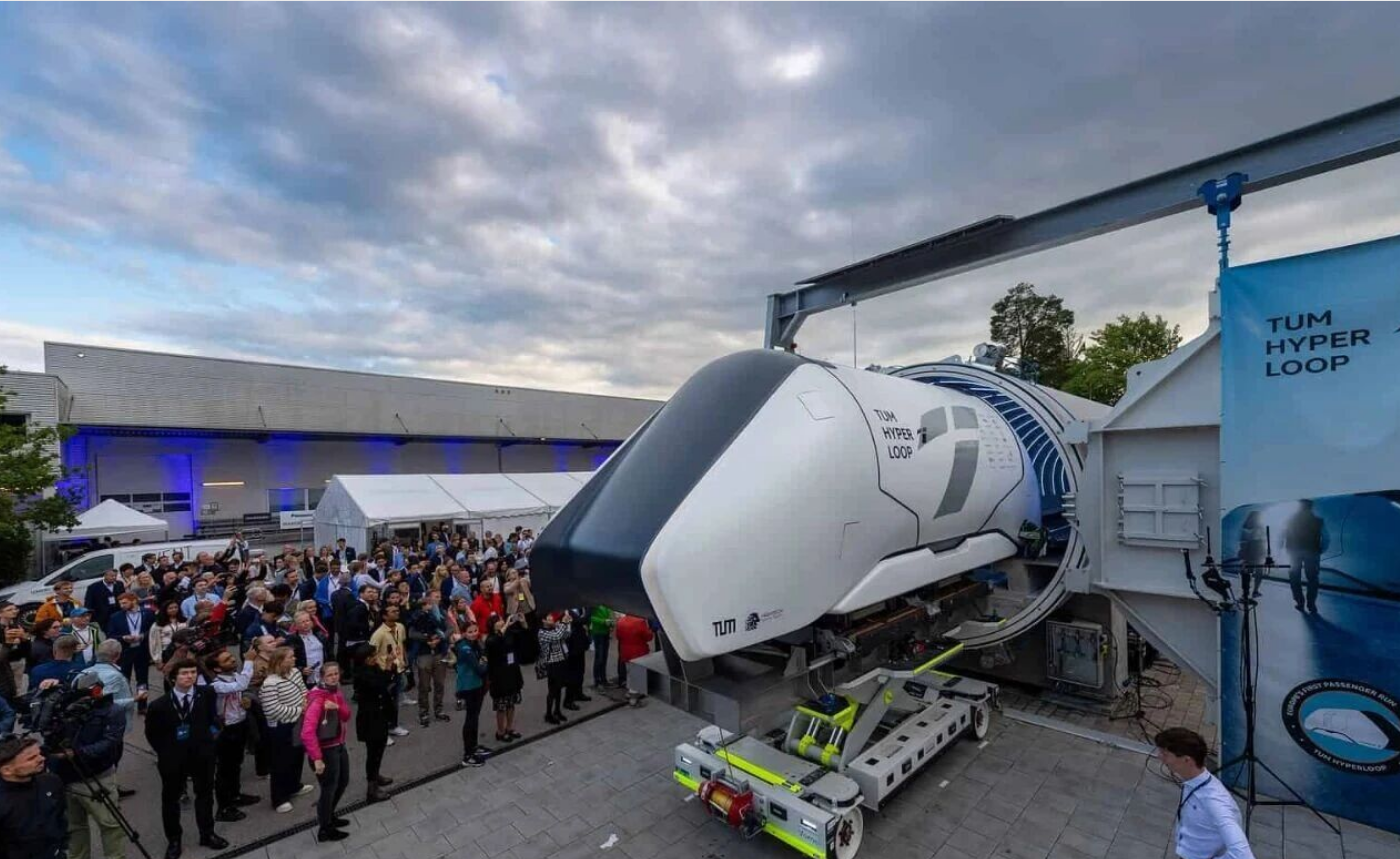
Europe’s first certified full-scale Hyperloop test track is now ready for operational testing, marking a significant milestone for sustainable and ultra-high-speed transportation. Developed by the Hyperloop research team at the Technical University of Munich (TUM), the 24-meter-long track conducted its first successful test run under vacuum conditions with a passenger pod on July 10, 2023.
A specialized study recently released by the European Commission indicates that the highly anticipated Hyperloop technology in Europe has moved beyond the purely conceptual phase and entered a mature stage of development, now qualifying for demonstration-level testing. As a disruptive technology integrated into the EU’s long-term transportation agenda, Hyperloop is emerging as a new option for connecting major European cities, thanks to its core advantages such as speed potential exceeding 500 km/h and low carbon emissions. However, challenges including high costs, technical bottlenecks, and regulatory coordination mean that its large-scale implementation will still require a lengthy wait.
On November 4, 2025, the European Hyperloop Center brought together the global high-speed mobility community in Barcelona. Startups, corporations, suppliers, and investors gathered at the Hyperloop Congress to jointly explore the future of this technology.
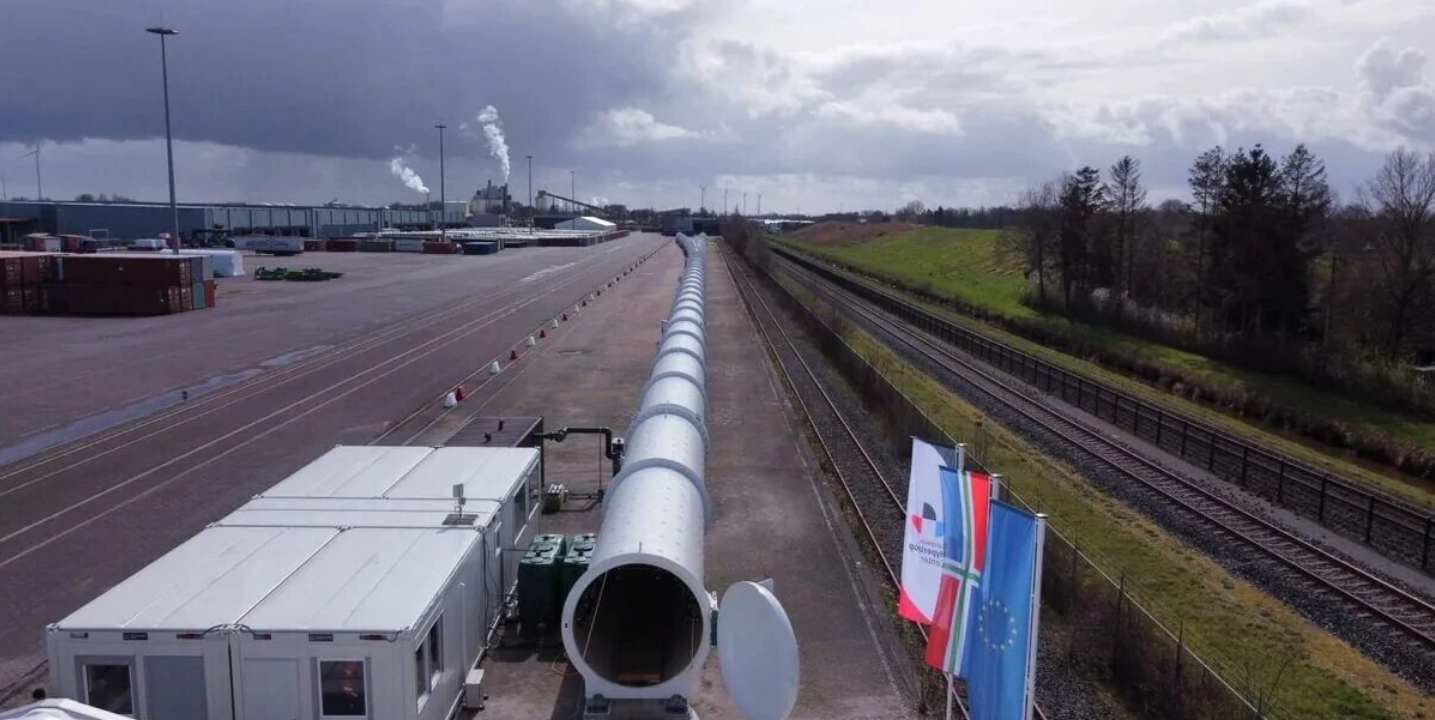
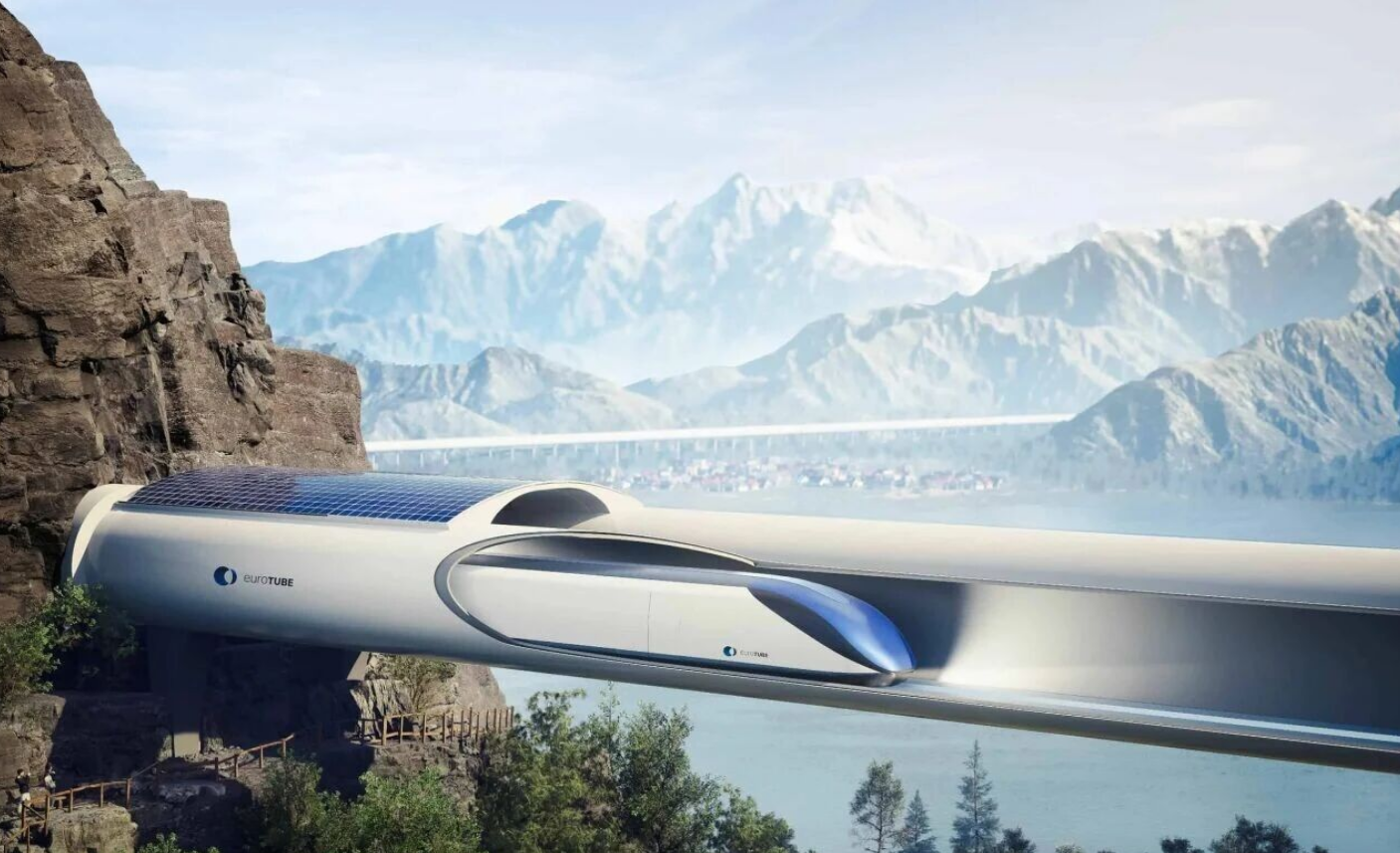
The core appeal of Hyperloop lies in its potential to revolutionize existing transportation systems. According to the study, this mode of transport, which achieves high speeds through vacuum tubes and magnetic levitation technology, could serve as a clean alternative to air travel for distances between 500 and 1,750 kilometers—particularly when powered by decarbonized energy sources, offering significant carbon emission advantages. Additionally, its minimal weather impact, reduced land footprint (via elevated tracks), and low noise pollution align closely with the EU’s goals of decarbonization, regional synergy, and industrial renewal. It holds the potential to energize economic activity within transnational urban clusters, benefiting both daily commutes and logistics operations.
Nevertheless, there is still room for improvement in technological maturity. While core technologies such as propulsion systems, largely derived from the aerospace sector, are relatively well-controlled, challenges remain in maintaining long-distance vacuum tubes and ensuring safety during equipment failures. More critically, Hyperloop’s reliance on raw materials like lithium and rare earth elements could leave Europe vulnerable in the supply chain, a strategic risk the EU must consider. The heavy freight and project cargo industries, in particular, risk being excluded from this next major revolution in European logistics.
Cost currently remains the most significant obstacle. The report estimates construction costs for Hyperloop at €20–36 million per kilometer. Building a comprehensive network across Europe would require investments amounting to hundreds of billions of euros. Even a mid-term backbone network focusing on eight countries, including the Benelux region, France, and Germany—spanning 6,207 kilometers—would demand an investment of €227 billion. Although operating costs in the long run are expected to be lower than those of conventional railways (thanks to reduced wear and maintenance requirements with magnetic levitation technology), and annual revenue could reach €61 billion based on a fare estimate of €0.2 per kilometer, the extended investment return period continues to make policymakers cautious.
To advance the technology, the EU has leveraged mechanisms such as the “European Railway Joint Undertaking” and “Hyper4Rail” to promote standardization and interoperability, preventing premature fragmentation among different corporate technological approaches. The study recommends adopting public-private partnerships (PPP) to share risks and attract private capital, while emphasizing that regulatory frameworks must be “flexible enough to accommodate experimentation yet clear enough to provide guidance,” allowing room for technological iteration.
In terms of timeline, the EU’s expectations remain pragmatic: large-scale deployment is unlikely in the short term, with the earliest demonstration lines potentially operational between 2035 and 2040. A truly transnational Hyperloop network, under optimistic estimates, may not take shape until 2060–2090. Until then, hybrid solutions such as the “MagRail” technology developed by Poland’s Nevomo could serve as transitional approaches—integrating elements of Hyperloop innovation into existing railway networks and moving step by step toward ultra-high-speed transportation.
For Europe, Hyperloop represents not only a transportation revolution but also a strategic initiative to achieve “carbon-neutral mobility” and strengthen regional cohesion. Though the road ahead is long, with advancing demonstration tests and an evolving policy framework, this “race for speed in vacuum tubes” is gradually shifting from a distant vision toward reality.