Premium Rail Bolts - High-Strength Railway Fastening Solutions for Superior Track Performance

All Categories

rail bolts

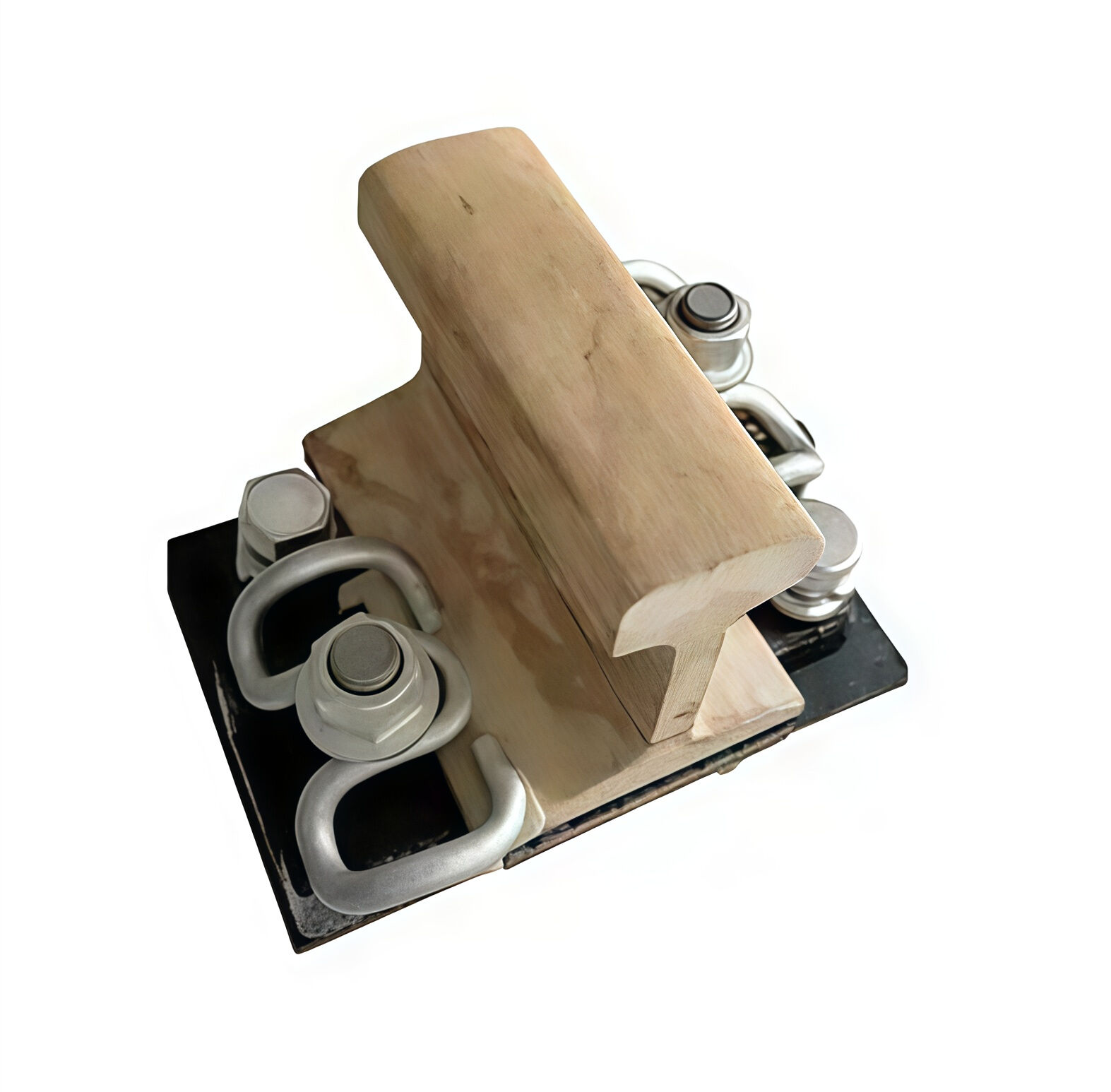
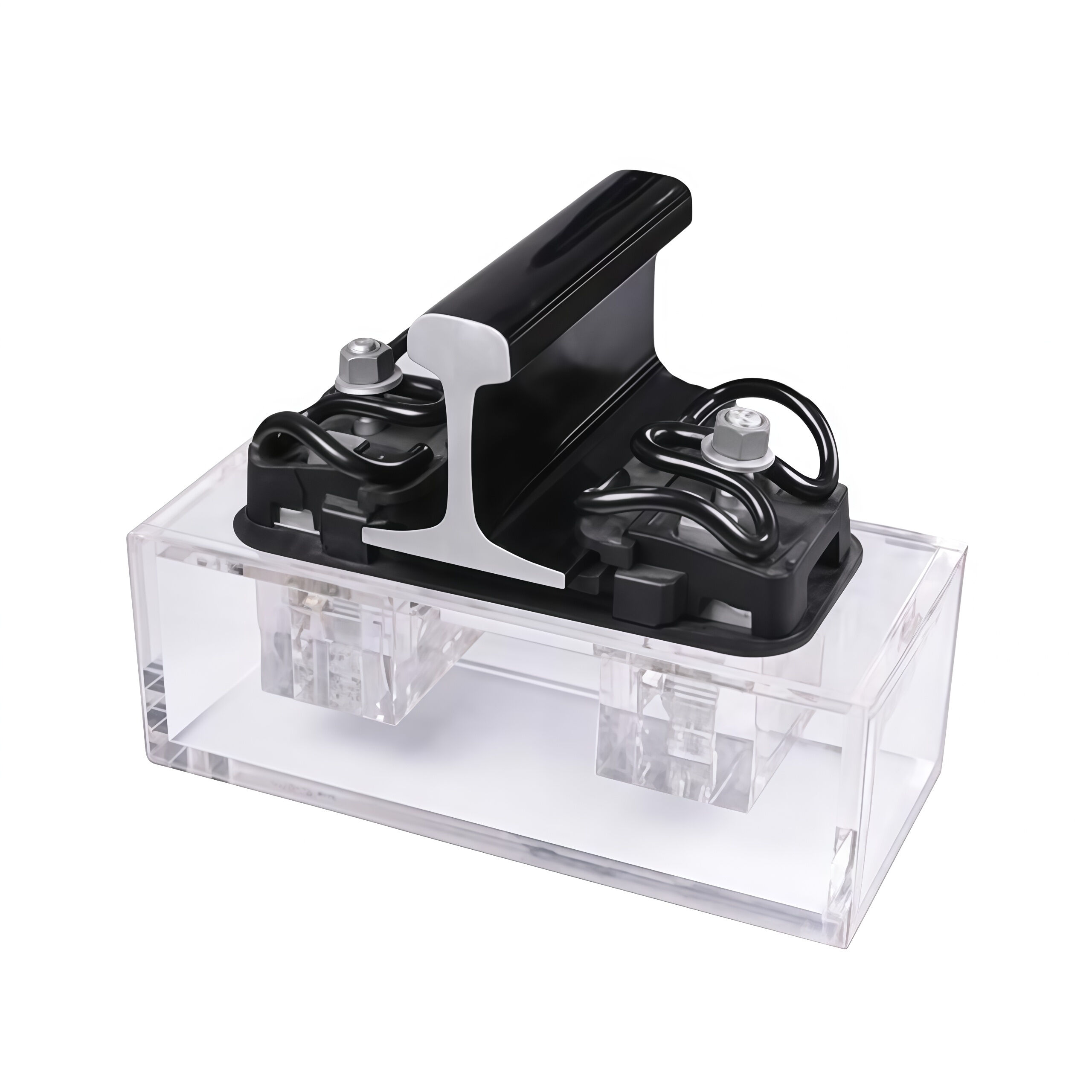
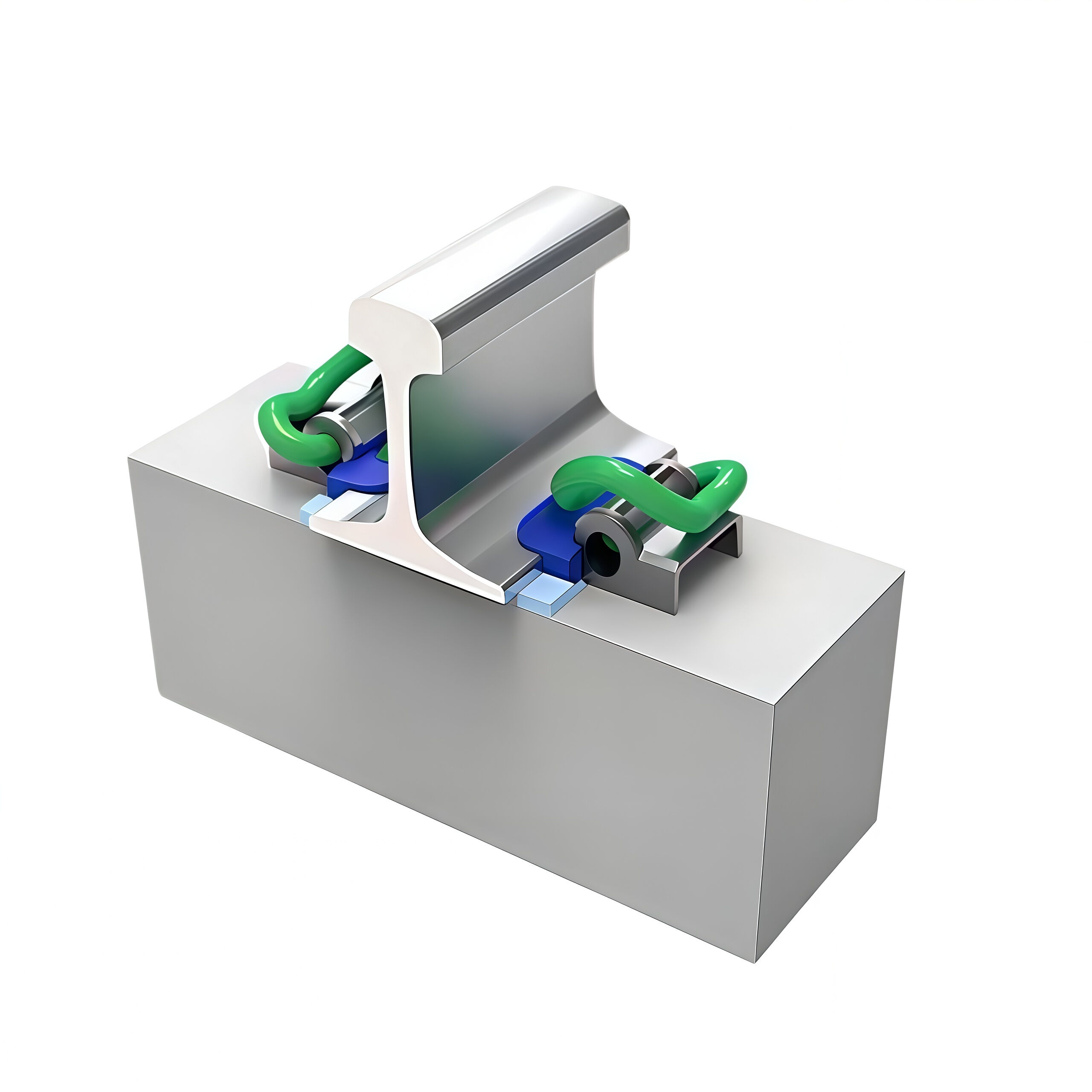
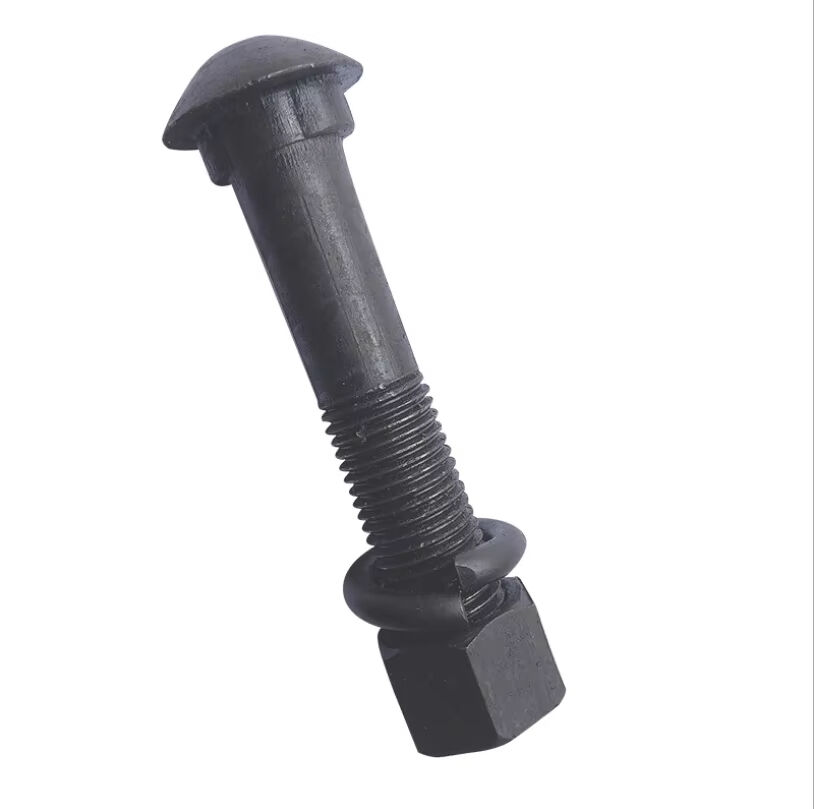
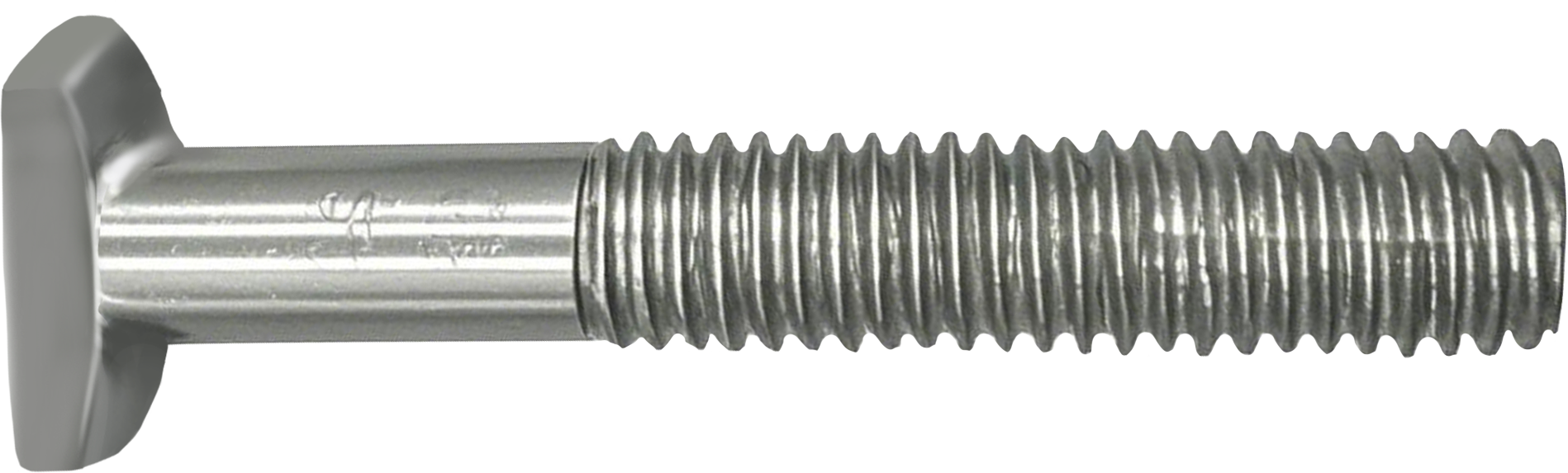
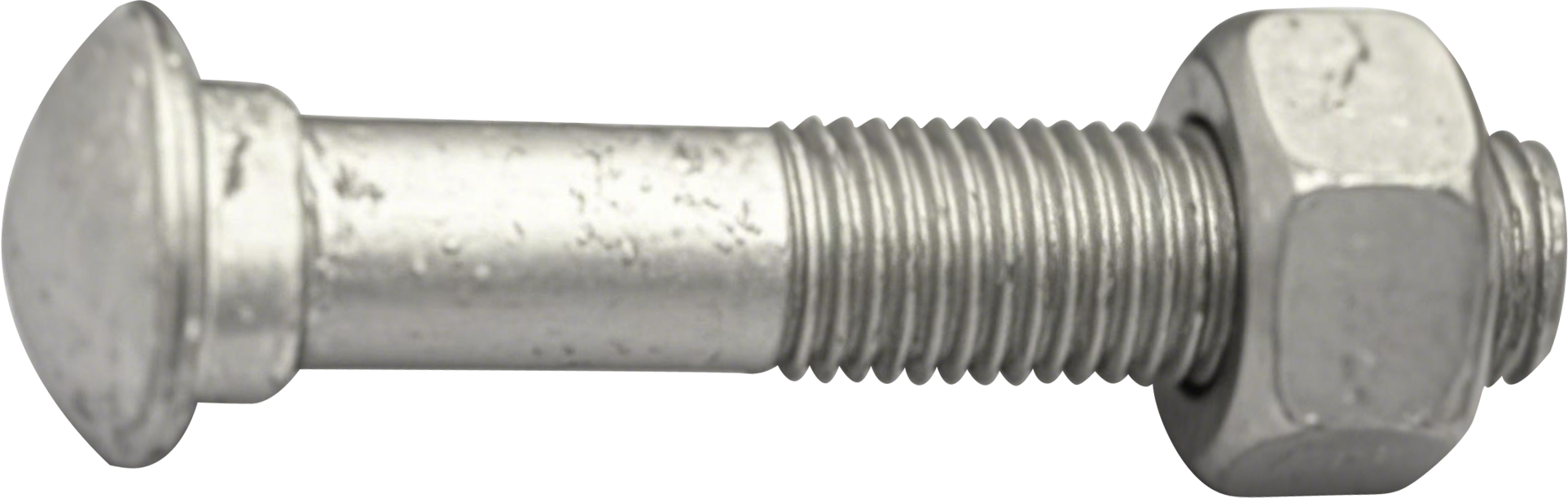
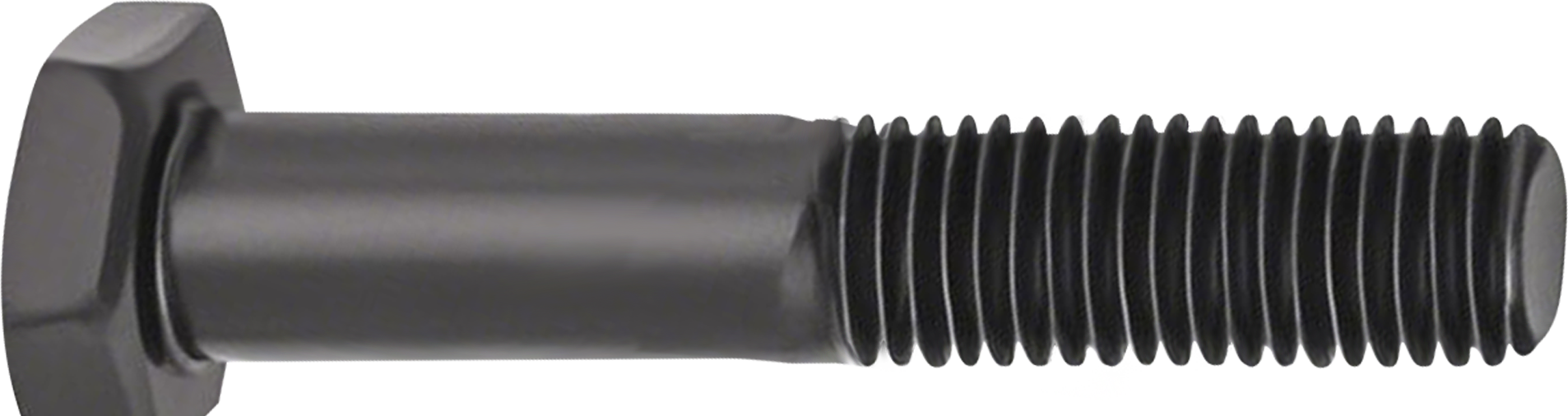
Rail bolts represent a fundamental component in railway infrastructure, serving as the primary fastening system that secures rails to railroad ties and maintains track stability. These specialized fasteners are engineered to withstand the immense forces generated by heavy freight trains and high-speed passenger locomotives, making them indispensable for safe railway operations worldwide. The primary function of rail bolts centers on creating secure connections between rails and supporting structures, ensuring proper gauge alignment and preventing lateral movement under dynamic loading conditions. Modern rail bolts incorporate advanced metallurgical technologies, featuring high-strength steel compositions that deliver exceptional tensile strength and fatigue resistance. The technological features of these fastening systems include precise thread geometries designed for optimal grip, corrosion-resistant coatings that extend service life, and standardized dimensions that ensure compatibility across different railway networks. Manufacturing processes employ controlled heat treatment procedures that enhance mechanical properties while maintaining consistent quality standards. Rail bolts find extensive applications across various railway sectors, including heavy freight corridors, passenger transit systems, industrial sidings, and mining operations. These fasteners are particularly critical in high-traffic areas where repeated loading cycles demand superior durability and reliability. The design specifications of rail bolts must accommodate thermal expansion and contraction cycles while maintaining structural integrity under extreme weather conditions. Quality rail bolts feature standardized head configurations that facilitate efficient installation and maintenance procedures, reducing operational costs and minimizing track downtime. Advanced surface treatments provide protection against environmental factors such as moisture, salt exposure, and chemical contamination commonly encountered in railway environments. The selection of appropriate rail bolts depends on specific track conditions, traffic loads, and environmental factors, requiring careful consideration of material properties and performance characteristics to ensure optimal track performance and safety standards.


New Products

Rail bolts deliver numerous practical benefits that directly impact railway operational efficiency and safety performance. The superior strength characteristics of quality rail bolts ensure reliable track stability under heavy loading conditions, reducing the risk of rail displacement and maintaining proper track geometry over extended service periods. This enhanced stability translates into improved train safety and reduced maintenance requirements, providing significant cost savings for railway operators. The durability of modern rail bolts significantly exceeds that of traditional fastening methods, offering extended service life that minimizes replacement frequency and associated labor costs. Advanced corrosion protection integrated into rail bolt designs prevents premature failure due to environmental exposure, ensuring consistent performance across diverse climatic conditions. Installation efficiency represents another major advantage, as standardized rail bolt configurations enable rapid deployment using conventional tools and equipment. This streamlined installation process reduces track construction timelines and minimizes disruption to existing railway operations. The standardized dimensions of rail bolts facilitate inventory management and simplify procurement processes for railway maintenance departments. Quality rail bolts maintain their clamping force over time, preventing gradual loosening that could compromise track integrity and create safety hazards. The consistent performance of these fasteners under cyclic loading conditions ensures reliable track gauge maintenance, preventing wheel climb derailment scenarios. Rail bolts provide excellent resistance to shock and vibration loads transmitted from passing trains, absorbing dynamic forces that would otherwise stress the track structure. The modular nature of rail bolt systems allows for selective replacement of individual components without disturbing adjacent track sections, reducing maintenance complexity and costs. Modern rail bolts incorporate features that facilitate inspection and monitoring procedures, enabling proactive maintenance strategies that prevent catastrophic failures. The economic benefits of using high-quality rail bolts extend beyond initial installation costs, encompassing reduced lifecycle expenses through decreased maintenance frequency and improved operational reliability. These fasteners contribute to enhanced track stability that supports higher operating speeds and increased axle loads, maximizing revenue potential for railway operators while maintaining safety standards.

Tips And Tricks

What Are the Key Quality Standards for Rail Spike Production

24

Nov

What Are the Key Quality Standards for Rail Spike Production

Rail spike production represents a critical component in railway infrastructure development, requiring adherence to stringent quality standards that ensure the safety and longevity of rail systems worldwide. The manufacturing process of these essenti...
View More
How Can Fishplates Improve Safety and Reliability in Rail Systems?

05

Jan

How Can Fishplates Improve Safety and Reliability in Rail Systems?

Railway infrastructure forms the backbone of modern transportation systems, connecting cities, facilitating commerce, and enabling efficient movement of people and goods across vast distances. Within this complex network of steel rails, numerous comp...
View More
How Do Rail Tools Support Safety and Precision in Track Construction?

05

Jan

How Do Rail Tools Support Safety and Precision in Track Construction?

Modern railway construction demands exceptional precision and unwavering safety standards to ensure reliable transportation networks. The foundation of successful track construction lies in the proper selection and application of specialized rail too...
View More
What materials are best for corrosion-resistant track pins in railways?

20

Apr

What materials are best for corrosion-resistant track pins in railways?

Railway infrastructure faces constant exposure to harsh environmental conditions, making material selection critical for long-term performance and safety. Track pins, essential components that secure rails to railroad ties, must withstand not only me...
View More

Get a Free Quote

Our representative will contact you soon.
Email
Name
Company Name
Message
0/1000

rail bolts

Superior Strength and Load-Bearing Capacity

Superior Strength and Load-Bearing Capacity

Rail bolts engineered with advanced metallurgical technologies deliver exceptional strength characteristics that surpass conventional fastening solutions in demanding railway applications. The superior load-bearing capacity of these specialized fasteners stems from carefully controlled manufacturing processes that optimize material properties and structural integrity. High-strength steel alloys used in premium rail bolt construction undergo precise heat treatment procedures that enhance tensile strength while maintaining adequate ductility for dynamic loading conditions. The engineered thread profiles of these rail bolts distribute clamping forces evenly across the fastening interface, preventing stress concentrations that could lead to premature failure under repeated loading cycles. This superior strength translates into enhanced track stability that accommodates heavy freight operations and high-speed passenger services without compromising safety margins. The ability of quality rail bolts to maintain their structural integrity under extreme loading conditions provides railway operators with confidence in their track infrastructure reliability. Advanced testing protocols verify that these fasteners can withstand forces significantly exceeding normal operating conditions, ensuring adequate safety factors for demanding applications. The superior strength characteristics of rail bolts enable them to resist both static and dynamic loads generated by modern rolling stock, preventing track displacement and maintaining proper rail alignment. This enhanced load-bearing capacity proves particularly valuable in high-traffic corridors where frequent train passages create cumulative stress effects on track components. The robust construction of premium rail bolts ensures consistent performance across varying environmental conditions, maintaining their strength properties despite exposure to temperature fluctuations and moisture cycles. Railway operators benefit from reduced maintenance interventions and extended service intervals when utilizing rail bolts with superior strength characteristics, resulting in significant operational cost savings over the fastener lifecycle.
Advanced Corrosion Protection Technology

Advanced Corrosion Protection Technology

Modern rail bolts incorporate sophisticated corrosion protection systems that significantly extend service life and maintain structural integrity in challenging environmental conditions. The advanced surface treatment technologies applied to these fasteners create multiple barriers against corrosive agents commonly encountered in railway environments. Specialized coating formulations provide long-lasting protection against moisture, salt spray, industrial chemicals, and atmospheric pollutants that can compromise the integrity of standard fastening systems. The multi-layer protection approach begins with substrate preparation that ensures optimal adhesion of protective coatings, followed by application of barrier layers that prevent corrosive elements from reaching the base metal. Hot-dip galvanizing processes create metallurgical bonds between protective zinc coatings and the steel substrate, providing sacrificial protection that continues to function even if surface damage occurs. Additional organic coating systems can be applied over galvanized surfaces to enhance protection in severely corrosive environments such as coastal areas or industrial zones. The superior corrosion resistance of treated rail bolts eliminates the gradual deterioration that affects unprotected fasteners, maintaining their structural properties and appearance throughout their service life. This enhanced durability proves particularly beneficial in marine environments where salt exposure accelerates corrosion processes, and in industrial areas where chemical contaminants pose additional challenges. The economic advantages of corrosion-protected rail bolts extend far beyond their initial cost premium, encompassing reduced replacement frequency, decreased maintenance labor requirements, and elimination of track disruptions associated with fastener failures. Railway operators in harsh environments realize substantial lifecycle cost savings by selecting rail bolts with advanced corrosion protection, as these fasteners maintain their performance characteristics for decades rather than years. The consistent protection provided by modern coating systems ensures that rail bolts retain their appearance and functionality, contributing to overall track system aesthetics and professional presentation.
Precision Engineering for Optimal Performance

Precision Engineering for Optimal Performance

Rail bolts manufactured using precision engineering techniques deliver consistent dimensional accuracy and performance characteristics that ensure reliable track fastening across diverse railway applications. The meticulous attention to manufacturing tolerances in premium rail bolt production results in fasteners that provide uniform clamping forces and maintain proper rail positioning under all operating conditions. Precision machining processes create thread profiles with exact specifications that optimize engagement with corresponding nuts and washers, preventing loosening under vibration and dynamic loading. The consistent dimensional accuracy of precision-engineered rail bolts eliminates fitment issues during installation and ensures compatibility with standard railway hardware components. Quality control procedures throughout the manufacturing process verify that each rail bolt meets stringent dimensional tolerances and mechanical property requirements before shipment to railway projects. The precision manufacturing approach extends to head configurations that provide optimal bearing surfaces for efficient load transfer and tool engagement during installation and maintenance operations. Computer-controlled machining centers ensure that thread pitch, major diameter, and head dimensions remain within tight tolerances across entire production batches, eliminating variability that could affect performance. The consistent quality achieved through precision engineering processes enables railway operators to maintain standardized installation procedures and torque specifications across their entire track network. This standardization simplifies training requirements for maintenance personnel and reduces the risk of installation errors that could compromise track safety. Precision-engineered rail bolts facilitate efficient inventory management by eliminating the need to sort or grade fasteners based on dimensional variations. The reliable performance characteristics of these precisely manufactured fasteners contribute to predictable track behavior and simplified maintenance planning procedures. Railway projects benefit from reduced installation time and improved quality assurance when utilizing precision-engineered rail bolts, as consistent dimensions eliminate the trial-and-error approach often required with lower-quality alternatives. The investment in precision manufacturing technologies ultimately delivers superior value through enhanced reliability, simplified logistics, and reduced total cost of ownership for railway operators seeking optimal track fastening solutions.

Get a Free Quote

Our representative will contact you soon.
Email
Name
Company Name
Message
0/1000