Premium Railroad Tie Lag Bolts - Superior Railway Fastening Solutions

All Categories

railroad tie lag bolts

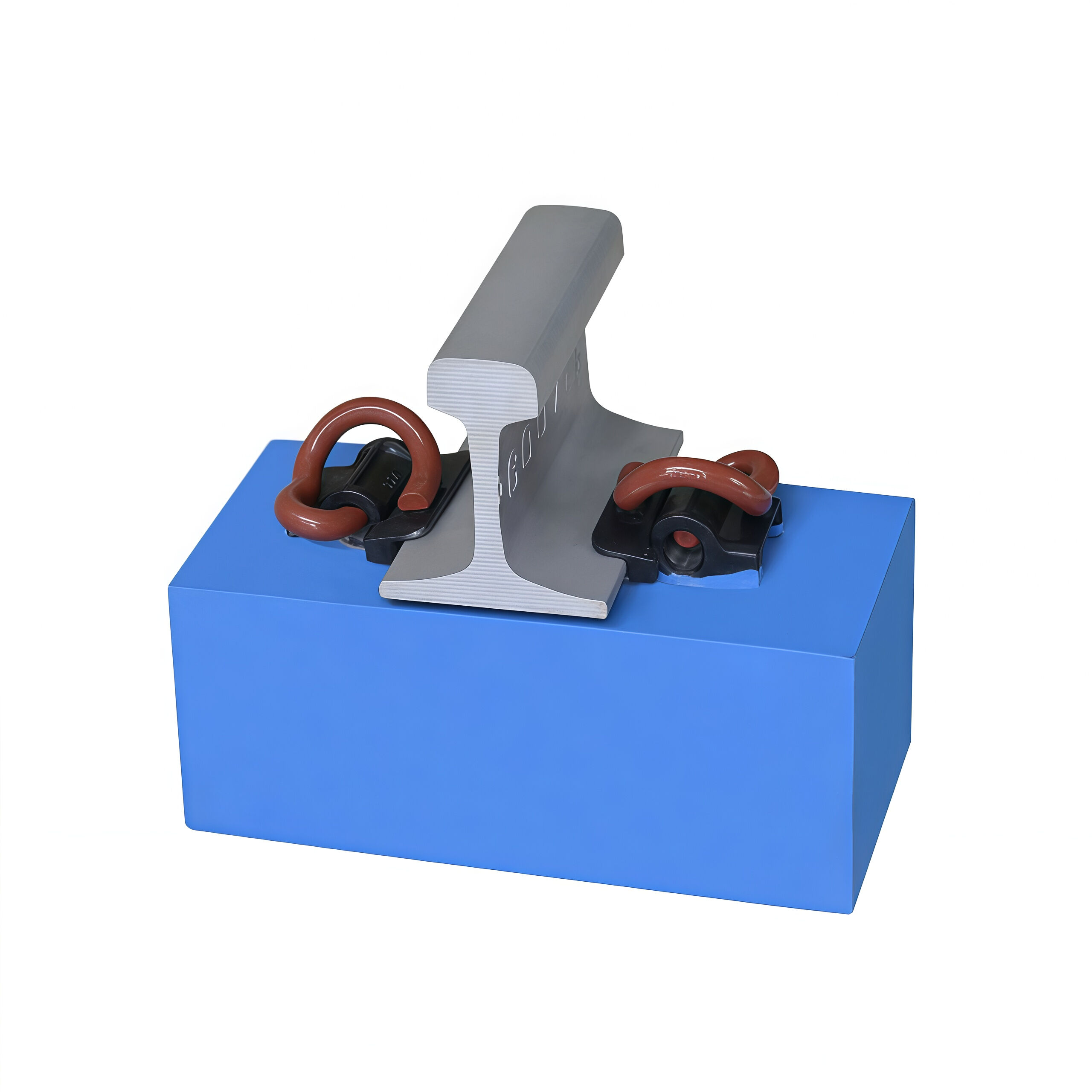
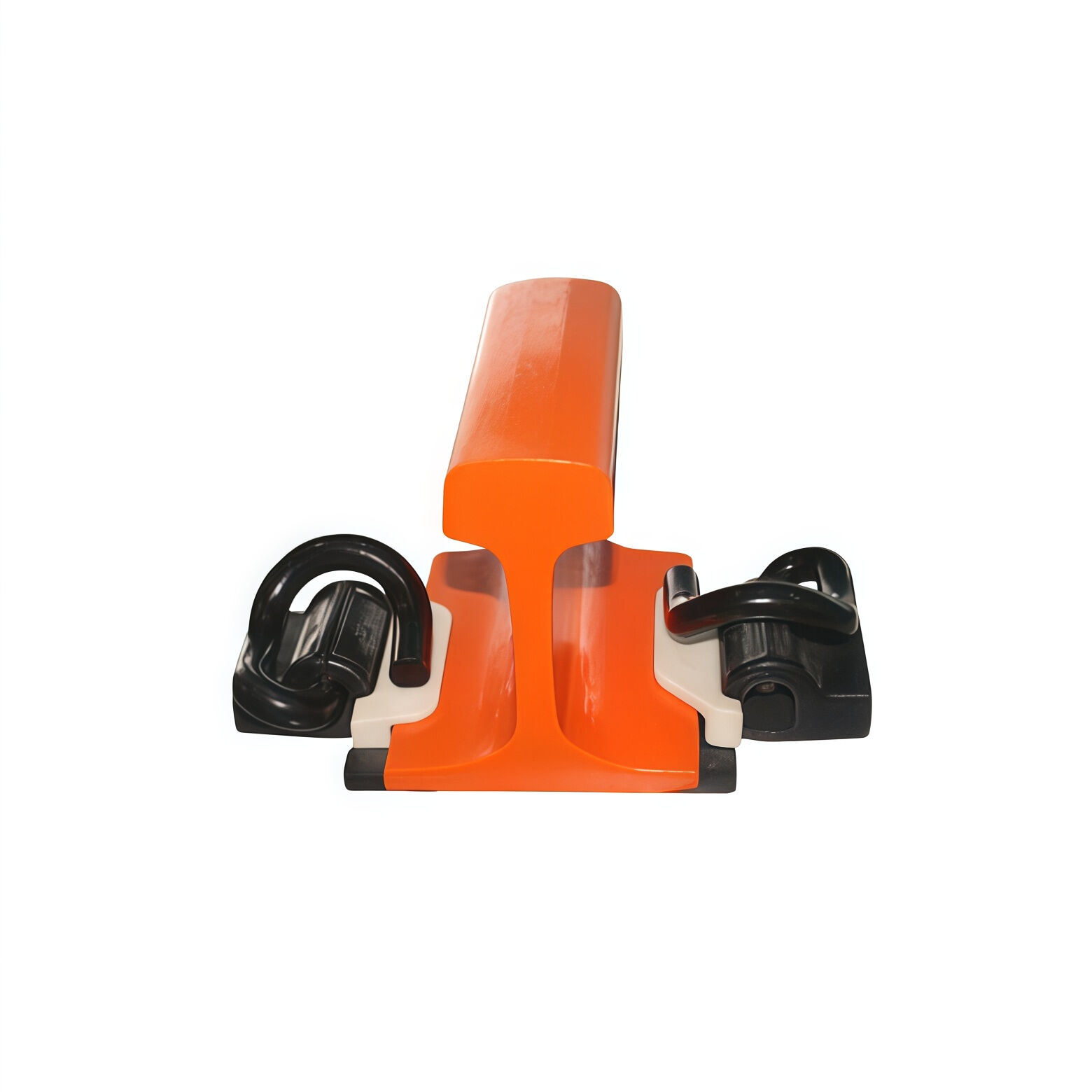
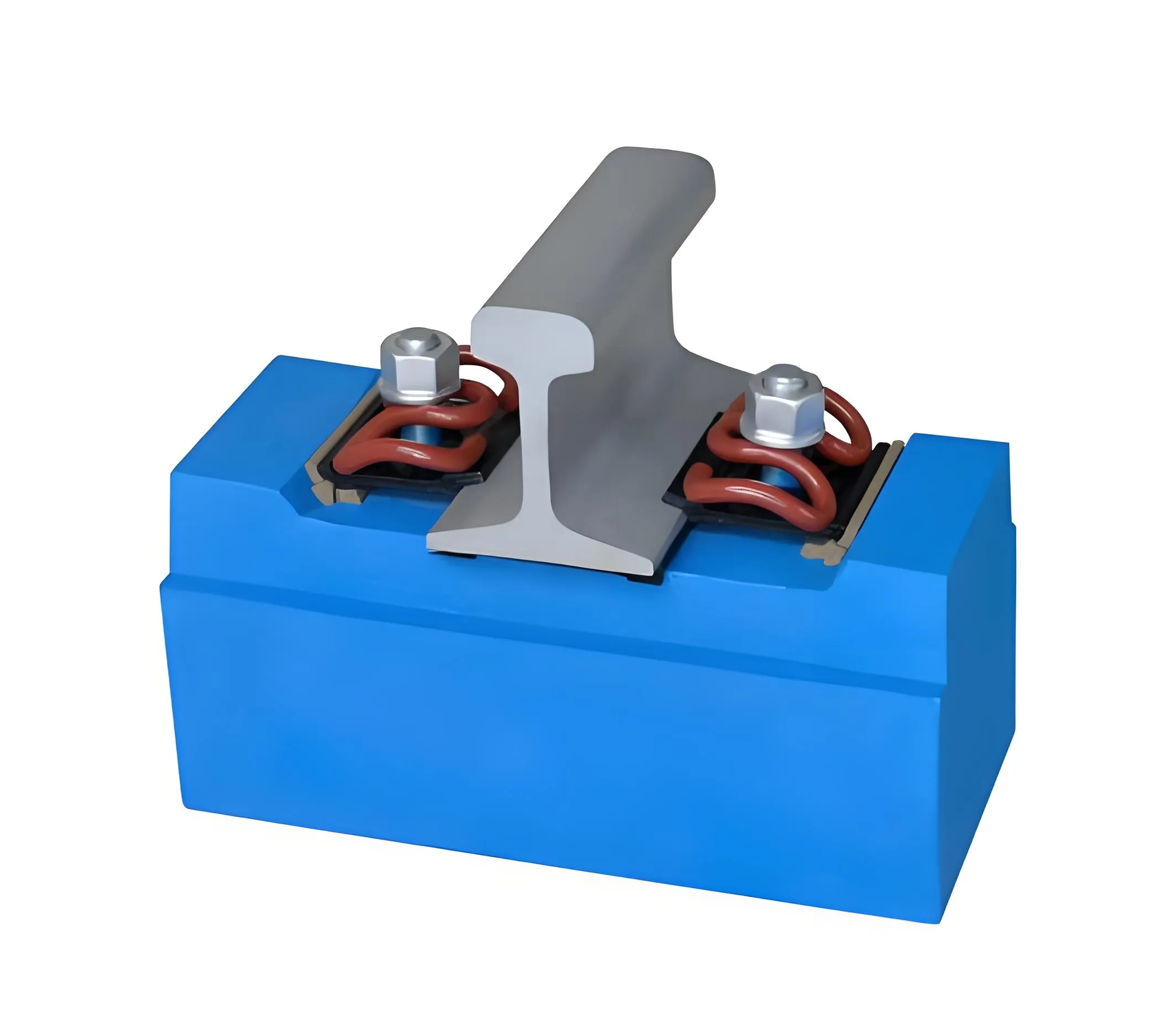
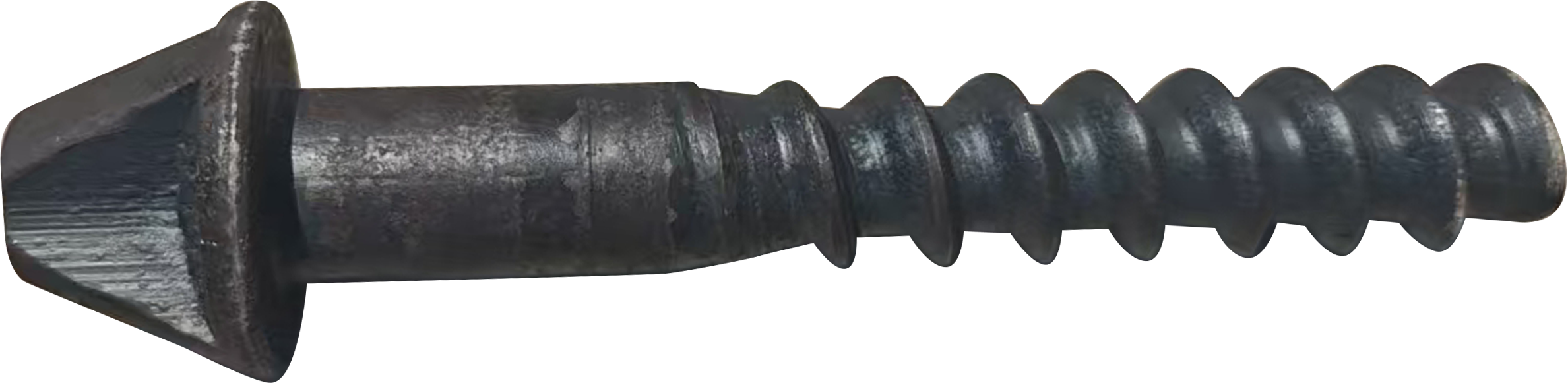
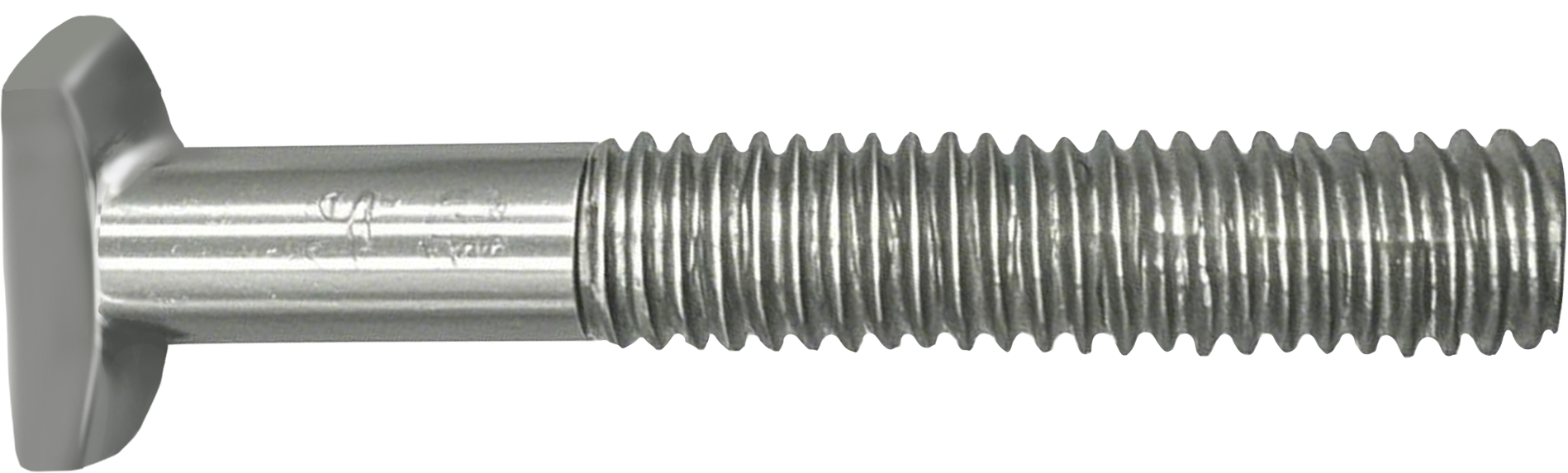
Railroad tie lag bolts are essential fastening components designed specifically for securing railroad ties to track infrastructure. These heavy-duty fasteners play a critical role in maintaining railway safety and operational efficiency by providing secure connections between wooden railroad ties and various track components. Railroad tie lag bolts feature specialized threading and robust construction that enables them to withstand the extreme forces generated by moving trains, including lateral loads, vertical compression, and dynamic vibrations. The engineering behind these fasteners incorporates high-grade steel alloys that resist corrosion, fatigue, and environmental degradation. Railroad tie lag bolts typically measure between 6 to 12 inches in length with diameters ranging from 5/8 to 1 inch, depending on specific application requirements. The threading pattern follows industry standards to ensure compatibility with existing railway hardware systems. Installation of railroad tie lag bolts requires precise pilot holes drilled into the tie material at predetermined angles and depths. The hex head design allows for efficient installation using standard railway maintenance equipment. Railroad tie lag bolts must meet stringent AREMA specifications and undergo rigorous testing for pull-out strength, shear resistance, and weathering performance. Modern railroad tie lag bolts incorporate galvanized or zinc-plated coatings that provide enhanced protection against moisture and chemical exposure. The lag bolt design creates superior holding power compared to traditional spikes by engaging more wood fiber surface area through its threaded shaft. Quality railroad tie lag bolts feature consistent metallurgy and precise manufacturing tolerances that ensure reliable performance across diverse railway applications. These fasteners accommodate thermal expansion and contraction cycles while maintaining structural integrity throughout their service life. Railroad tie lag bolts represent a proven technology that has evolved to meet the demanding requirements of modern high-speed and heavy-freight railway operations.

New Product Recommendations

Railroad tie lag bolts offer numerous practical benefits that make them the preferred choice for railway infrastructure professionals. The superior holding strength of railroad tie lag bolts significantly exceeds that of traditional railroad spikes, providing enhanced track stability and reduced maintenance requirements. This increased holding power translates directly into improved safety margins and extended service intervals, reducing overall operational costs for railway operators. Railroad tie lag bolts create more secure connections that resist loosening under repeated loading cycles, which means fewer track inspections and maintenance interventions are necessary. The threaded design of railroad tie lag bolts distributes fastening loads more evenly throughout the tie material, reducing stress concentrations that can lead to premature tie failure. This load distribution characteristic extends tie service life and delays expensive tie replacement programs. Installation efficiency represents another significant advantage, as railroad tie lag bolts can be installed quickly using standard power tools, reducing labor costs and track downtime. The hex head configuration allows maintenance crews to achieve consistent torque specifications, ensuring uniform fastening performance across entire track sections. Railroad tie lag bolts demonstrate exceptional resistance to pullout forces, which is particularly important in curved track sections and areas subject to heavy traffic loads. The corrosion-resistant coatings applied to modern railroad tie lag bolts provide long-term protection against environmental factors, maintaining fastening integrity even in harsh weather conditions. Removal and replacement of railroad tie lag bolts proves much easier than extracting damaged spikes, facilitating faster track repairs and reducing service disruptions. The standardized dimensions and threading of railroad tie lag bolts ensure compatibility with existing railway hardware, enabling seamless integration into current maintenance practices. Railroad tie lag bolts accommodate different tie materials including hardwood, softwood, and composite alternatives, providing versatility for diverse railway applications. The enhanced vibration resistance of railroad tie lag bolts reduces track component loosening, maintaining proper gauge alignment and reducing wheel-rail interface wear. These benefits combine to deliver improved track performance, reduced maintenance costs, and enhanced operational reliability for railway systems worldwide.

Latest News

How Do Baseplates Contribute to Efficient Railway Turnout Installation?

18

Dec

How Do Baseplates Contribute to Efficient Railway Turnout Installation?

Railway infrastructure demands precision, durability, and efficiency at every level, particularly when it comes to critical components like turnouts. Railway turnout baseplates serve as fundamental elements that ensure proper track alignment, load di...
View More
What Are the Essential Rail Tools for Track Installation and Maintenance?

05

Jan

What Are the Essential Rail Tools for Track Installation and Maintenance?

Railway infrastructure forms the backbone of modern transportation systems, requiring specialized equipment and precise maintenance protocols to ensure safe and efficient operations. Professional rail tools represent critical investments for railway ...
View More
What materials are best for corrosion-resistant track pins in railways?

20

Apr

What materials are best for corrosion-resistant track pins in railways?

Railway infrastructure faces constant exposure to harsh environmental conditions, making material selection critical for long-term performance and safety. Track pins, essential components that secure rails to railroad ties, must withstand not only me...
View More
How to select rail anchors for high-speed vs conventional rail lines?

20

Apr

How to select rail anchors for high-speed vs conventional rail lines?

Selecting the appropriate rail anchors for different railway applications requires understanding the fundamental differences between high-speed and conventional rail systems. Rail anchors serve as critical components that secure rails to sleepers and...
View More

Get a Free Quote

Our representative will contact you soon.
Email
Name
Company Name
Message
0/1000

railroad tie lag bolts

Superior Holding Strength and Load Distribution

Superior Holding Strength and Load Distribution

Railroad tie lag bolts deliver exceptional holding strength that far surpasses conventional railroad spikes through their advanced threaded design and engineered load distribution characteristics. The deep threading pattern of railroad tie lag bolts creates multiple contact points with the surrounding tie material, generating significantly higher pullout resistance than smooth-shank alternatives. This enhanced holding capacity proves crucial for maintaining track stability under the extreme forces generated by modern railway operations, including high-speed passenger services and heavy freight movements. The threaded shaft of railroad tie lag bolts engages wood fibers along the entire embedded length, creating a mechanical interlock that resists both axial and lateral displacement forces. This comprehensive engagement distributes fastening loads across a larger surface area within the tie, reducing localized stress concentrations that can cause splitting or crushing of the tie material. The load distribution benefits of railroad tie lag bolts become particularly evident in challenging applications such as bridge approaches, grade crossings, and tight curve sections where track components experience elevated stress levels. Engineering analyses demonstrate that railroad tie lag bolts can achieve pullout strengths exceeding 8,000 pounds, compared to traditional spikes that typically provide 3,000 to 4,000 pounds of holding capacity. This substantial increase in holding strength translates into improved track geometry stability, reduced maintenance requirements, and enhanced safety margins for railway operations. The superior performance of railroad tie lag bolts under cyclic loading conditions helps maintain consistent track alignment and reduces the development of track irregularities that can affect ride quality and increase maintenance costs. Railroad operators benefit from the extended service intervals possible with railroad tie lag bolts, as the enhanced holding strength reduces the frequency of fastener tightening and replacement activities. The reliable performance characteristics of railroad tie lag bolts contribute to improved overall track structure integrity and reduced lifecycle costs for railway infrastructure investments.

Advanced Corrosion Protection and Durability

Advanced Corrosion Protection and Durability

Railroad tie lag bolts incorporate sophisticated corrosion protection systems that ensure long-term performance and reliability in demanding railway environments. The multi-layer coating process applied to modern railroad tie lag bolts begins with thorough surface preparation that removes scale, rust, and contaminants to create optimal adhesion conditions for protective finishes. Hot-dip galvanizing represents the primary corrosion protection method for railroad tie lag bolts, providing a metallurgically bonded zinc coating that sacrificially protects the underlying steel substrate from oxidation and environmental attack. The galvanized coating on railroad tie lag bolts typically achieves thicknesses between 3 to 5 mils, delivering decades of protection against moisture, salt spray, and chemical exposure common in railway operating environments. Advanced railroad tie lag bolts may feature additional polymer topcoats that provide enhanced resistance to abrasion and ultraviolet degradation while maintaining the galvanized base protection. The durability characteristics of railroad tie lag bolts extend beyond corrosion resistance to include fatigue resistance under repeated loading cycles and impact resistance from maintenance activities and operational forces. Metallurgical specifications for railroad tie lag bolts require high-strength steel alloys with controlled carbon content and grain structure that optimize both strength and ductility properties. Quality control processes for railroad tie lag bolts include comprehensive testing protocols that verify coating adhesion, thickness uniformity, and corrosion resistance performance through accelerated weathering simulations. The extended service life achievable with properly protected railroad tie lag bolts reduces replacement frequencies and associated maintenance costs while improving track reliability and safety performance. Field experience demonstrates that premium railroad tie lag bolts can maintain structural integrity and appearance for 20 to 30 years in typical railway service conditions. The investment in high-quality corrosion protection for railroad tie lag bolts delivers substantial long-term value through reduced maintenance requirements, improved track availability, and enhanced operational reliability for railway infrastructure systems.
Installation Efficiency and Maintenance Advantages

Installation Efficiency and Maintenance Advantages

Railroad tie lag bolts provide significant installation efficiency and maintenance advantages that streamline railway construction and ongoing track maintenance operations. The hex head design of railroad tie lag bolts enables rapid installation using standard impact drivers and pneumatic tools commonly available in railway maintenance fleets, eliminating the need for specialized driving equipment required by traditional spike installation methods. Pre-drilling pilot holes for railroad tie lag bolts can be accomplished quickly using portable drilling equipment, with standardized hole diameters and depths that ensure consistent installation quality across entire track sections. The threading engagement process for railroad tie lag bolts provides tactile feedback to installation crews, allowing them to achieve proper seating depth and torque specifications without over-driving or under-tightening the fasteners. Installation productivity with railroad tie lag bolts typically exceeds traditional methods by 25 to 40 percent, reducing labor costs and minimizing track occupancy time during construction and maintenance activities. The removability advantage of railroad tie lag bolts proves invaluable during track maintenance operations, as these fasteners can be extracted cleanly without damaging surrounding tie material or adjacent track components. Maintenance crews can easily identify loose or damaged railroad tie lag bolts during routine inspections through visual examination of hex heads and quick torque checks using standard tools. The standardized threading of railroad tie lag bolts facilitates inventory management and ensures compatibility across different track sections and maintenance districts within railway networks. Re-tightening procedures for railroad tie lag bolts follow straightforward protocols that can be performed by maintenance personnel with minimal training and standard torque specifications that prevent over-stressing of tie material. The consistent performance characteristics of railroad tie lag bolts reduce variability in track maintenance schedules and enable predictive maintenance approaches based on service life data and inspection results. Replacement of damaged railroad tie lag bolts can be accomplished without removing adjacent fasteners or disturbing surrounding track geometry, minimizing service disruptions and maintenance costs. The overall maintenance efficiency gains achieved with railroad tie lag bolts contribute to improved track availability, reduced operational costs, and enhanced reliability for railway infrastructure systems while maintaining the highest safety and performance standards required for modern railway operations.

Get a Free Quote

Our representative will contact you soon.
Email
Name
Company Name
Message
0/1000