Railway Fixtures and Fastenings: Advanced Solutions for Superior Track Infrastructure Performance

All Categories

fixtures and fastenings in railway

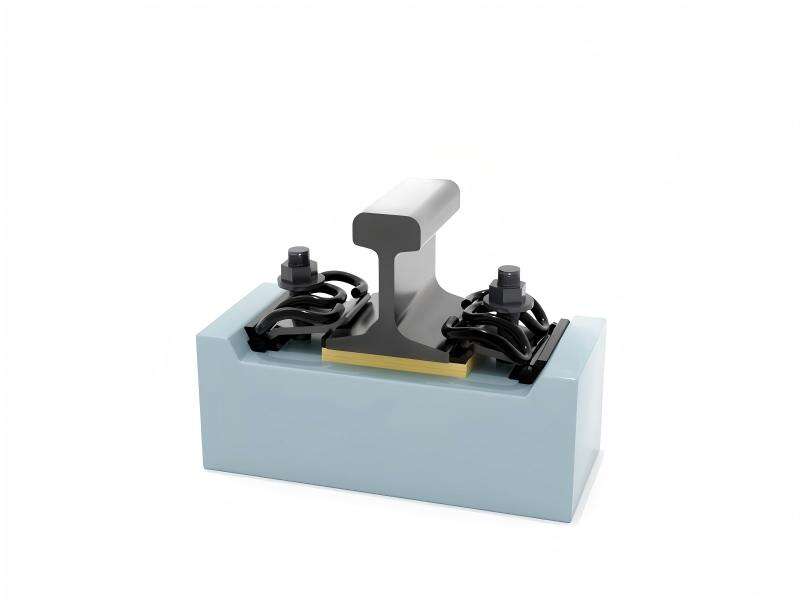
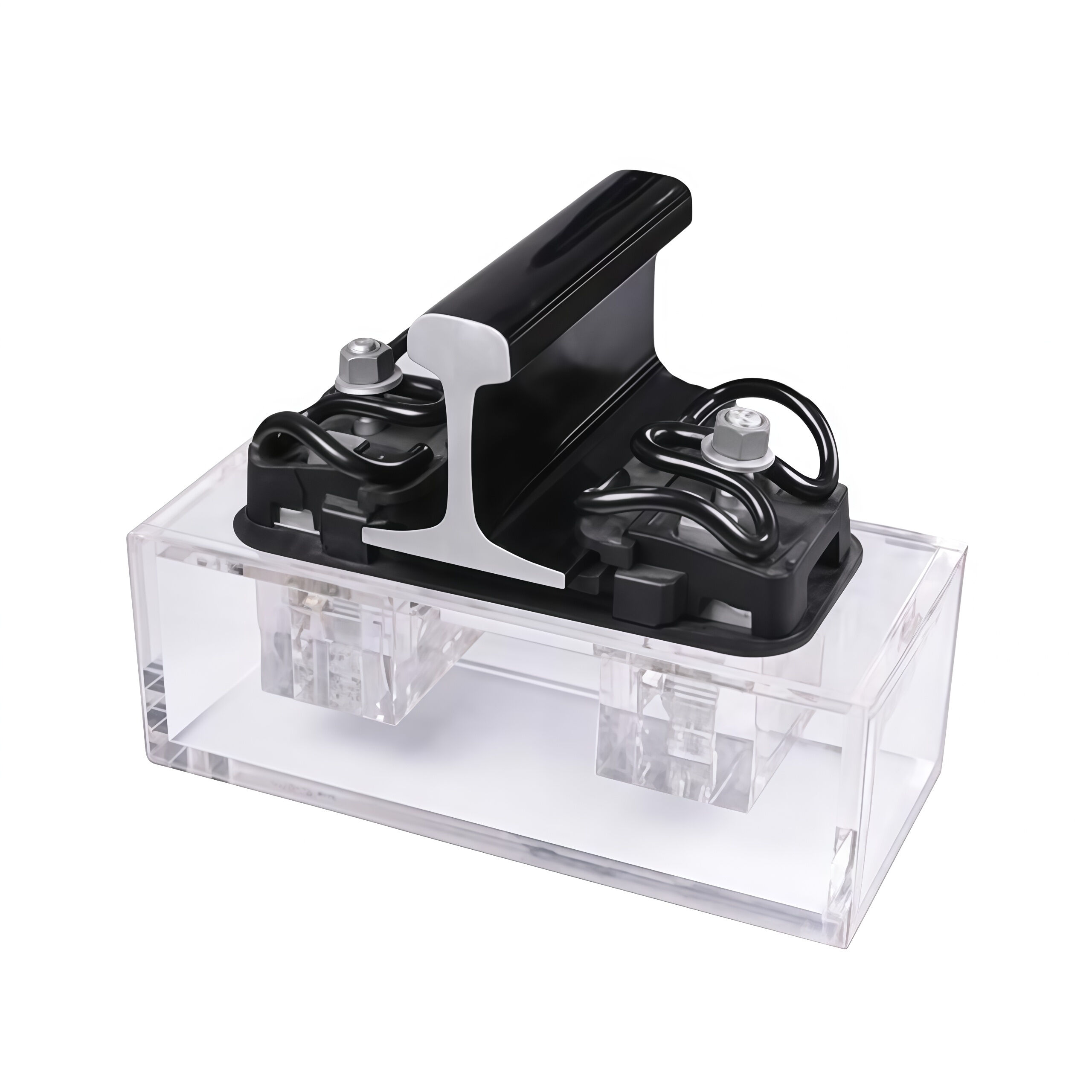
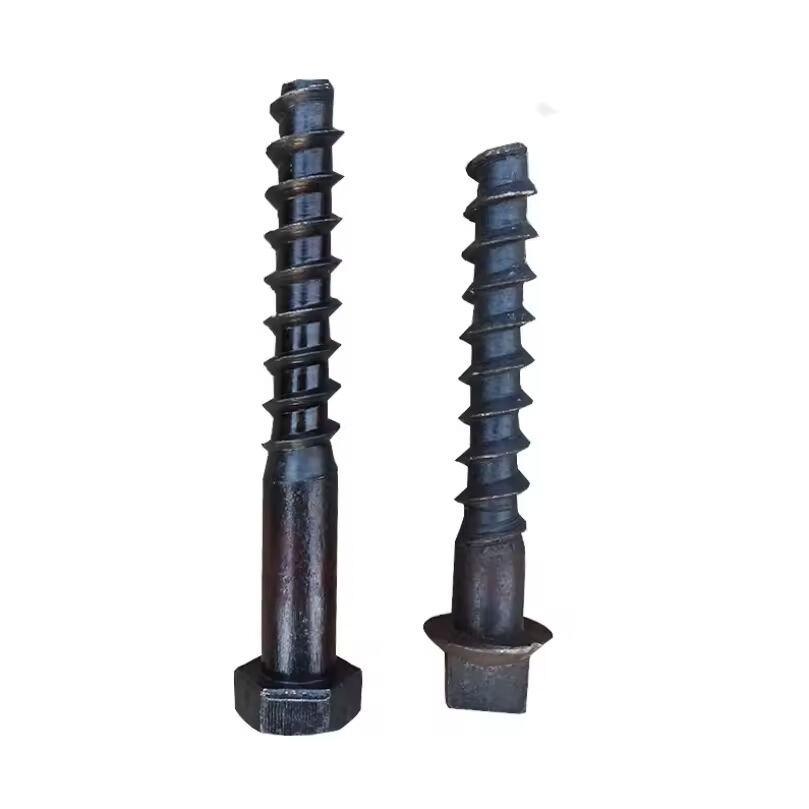
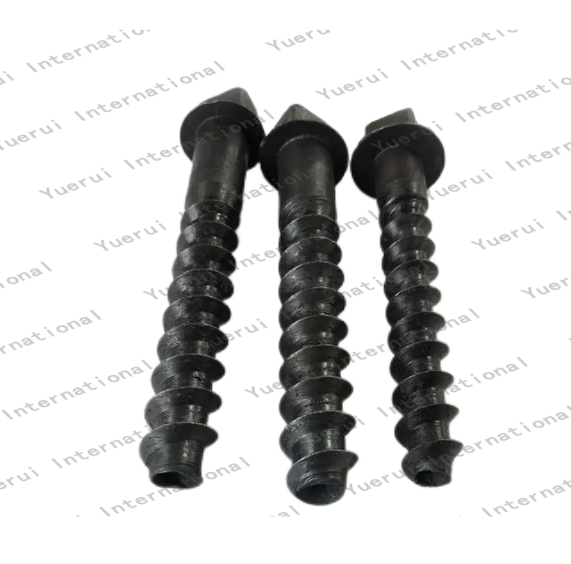
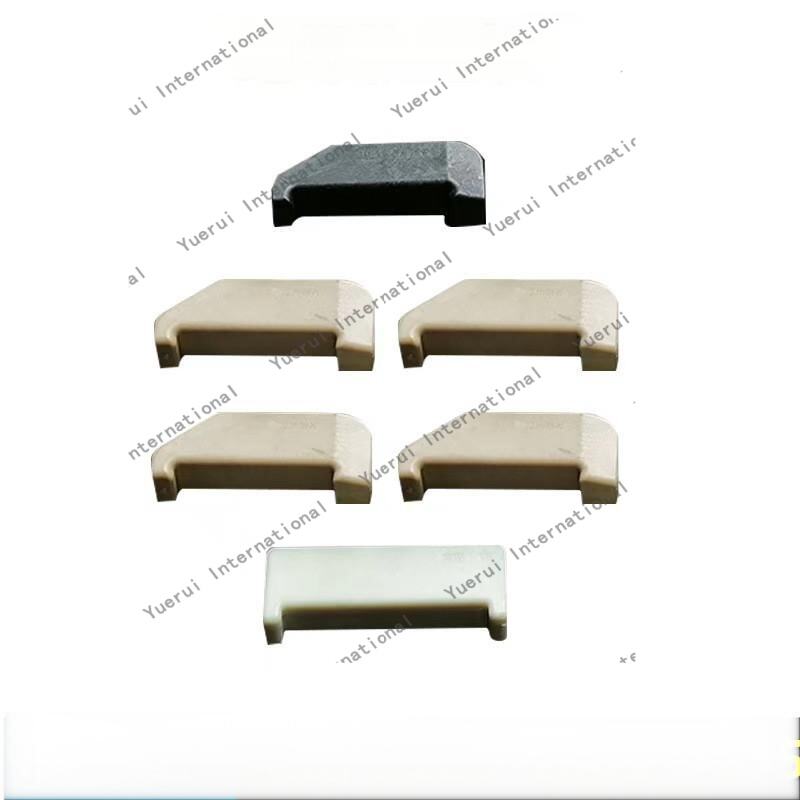
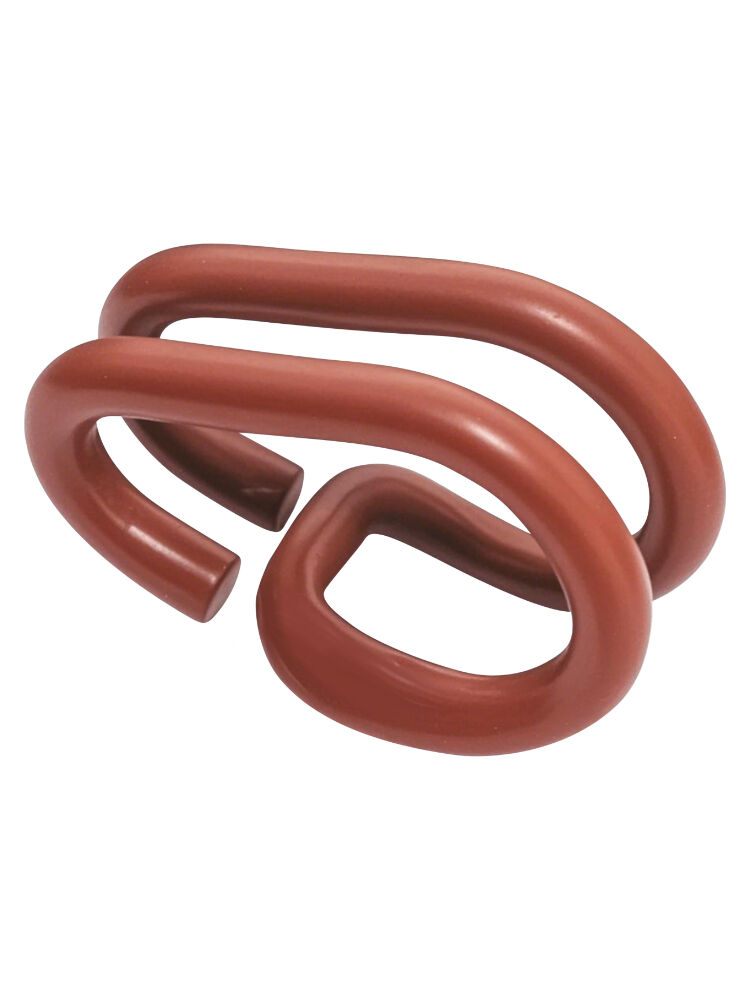
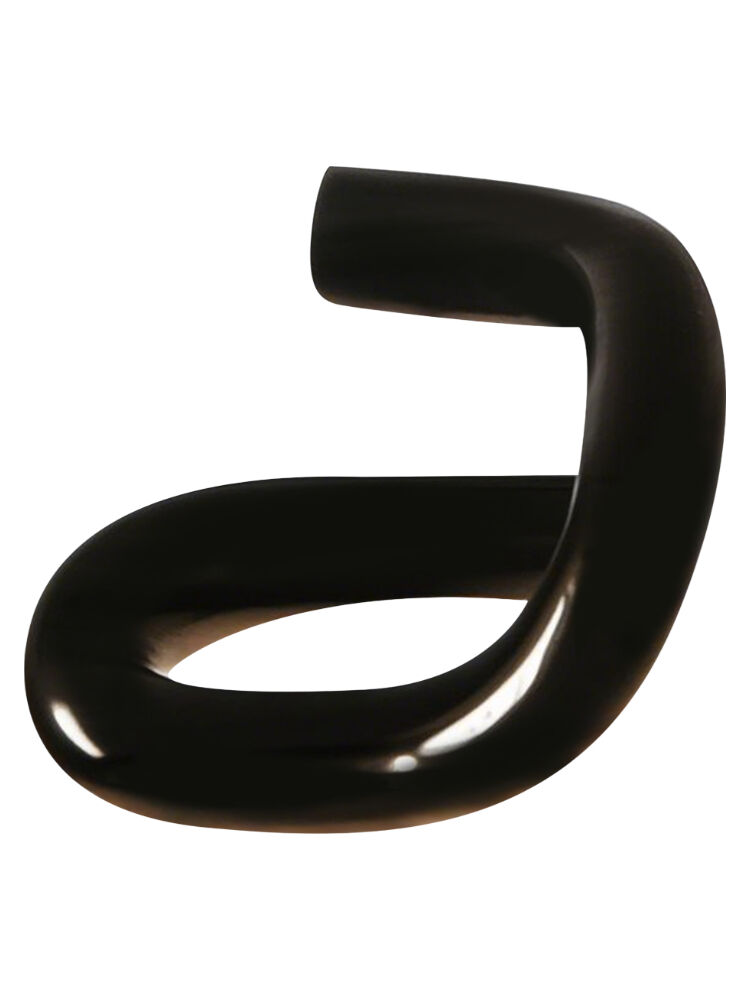
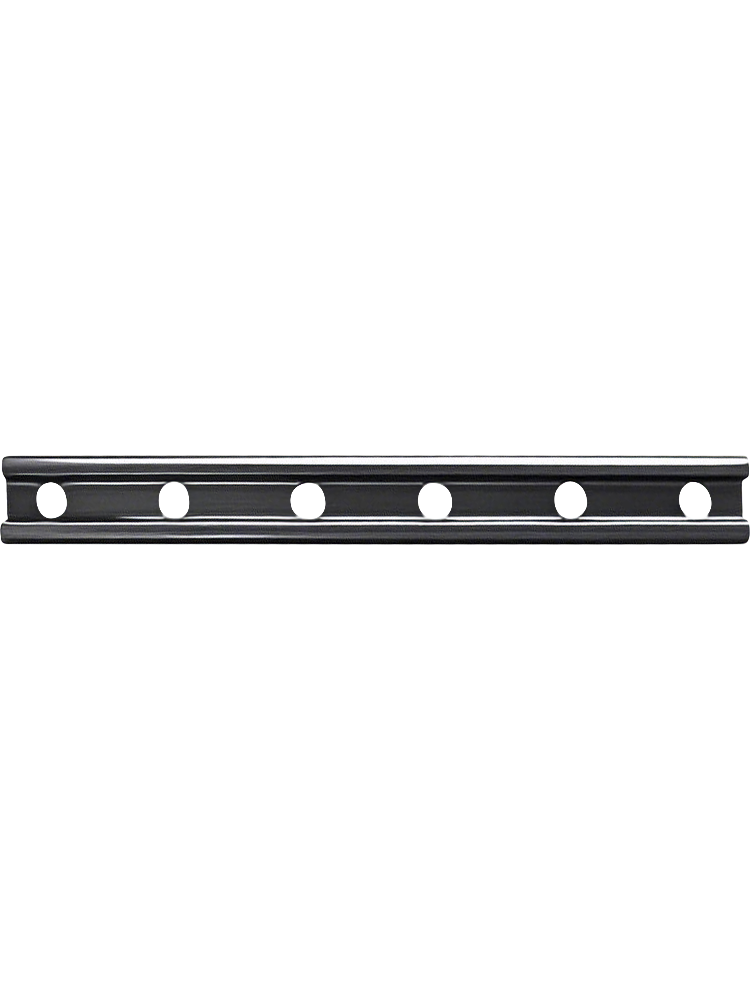
Fixtures and fastenings in railway systems represent critical infrastructure components that ensure the safe, reliable, and efficient operation of modern rail networks worldwide. These essential elements serve as the fundamental connective tissue between rails, sleepers, and the underlying track bed structure, creating a unified system capable of withstanding enormous dynamic loads from heavy freight trains and high-speed passenger services. The primary functions of railway fixtures and fastenings encompass securing rails firmly to concrete or wooden sleepers, maintaining precise track gauge throughout the entire network, providing electrical insulation between rails and ground systems, and absorbing vibrations generated by passing trains to minimize noise pollution and structural stress. Advanced technological features integrated into contemporary fixtures and fastenings in railway applications include sophisticated spring-loading mechanisms that accommodate thermal expansion and contraction cycles, corrosion-resistant materials such as stainless steel and specialized polymer compounds, precision-engineered geometries that ensure optimal load distribution across contact surfaces, and innovative design elements that facilitate rapid installation and maintenance procedures. Modern railway fixtures incorporate state-of-the-art materials science developments, utilizing high-strength alloys and composite materials that deliver exceptional durability under extreme operating conditions while maintaining cost-effectiveness throughout extended service lifecycles. The applications of these components span diverse railway environments, from urban transit systems requiring minimal noise generation to heavy-haul freight corridors demanding maximum load-bearing capacity. Railway fixtures and fastenings find extensive use in high-speed rail networks where precise track geometry and stability are paramount, conventional passenger services requiring reliable performance and passenger comfort, industrial railway installations serving mining and manufacturing operations, and specialized applications such as bridge crossings, tunnel environments, and extreme weather conditions where standard components might fail to perform adequately.


Popular Products

The advantages of fixtures and fastenings in railway systems deliver substantial practical benefits that directly impact operational efficiency, safety standards, and long-term cost management for railway operators and infrastructure managers. Enhanced safety represents the most significant advantage, as properly installed fixtures and fastenings in railway applications maintain track stability under all operating conditions, preventing derailments and ensuring passenger safety through consistent rail positioning and secure connections. These components provide exceptional load distribution capabilities that extend the service life of both rails and underlying infrastructure by preventing concentrated stress points that could lead to premature wear or catastrophic failure. Cost-effectiveness emerges as another major advantage, with modern railway fixtures designed for extended service intervals that reduce maintenance frequency and associated labor costs while minimizing service disruptions that impact revenue generation. The superior vibration dampening properties inherent in advanced fixtures and fastenings in railway systems significantly reduce noise pollution in urban environments, improving community relations and enabling railway expansion in noise-sensitive areas. Installation efficiency represents a crucial practical benefit, as contemporary fastening systems feature simplified installation procedures that reduce construction time and labor requirements while ensuring consistent quality across large-scale projects. Corrosion resistance built into modern railway fixtures eliminates the need for frequent replacement cycles, particularly important in coastal environments or areas with harsh weather conditions where traditional materials might deteriorate rapidly. Electrical insulation properties prevent stray current problems that can damage underground utilities and create safety hazards, while also enabling sophisticated signaling systems that depend on electrical isolation between rails. Temperature stability ensures reliable performance across extreme climate variations, from arctic conditions to desert environments, maintaining track geometry and connection integrity regardless of thermal cycling. The modular design characteristics of contemporary fixtures and fastenings in railway systems enable rapid repairs and component replacement without disrupting adjacent track sections, minimizing service interruptions and associated revenue losses. Standardization benefits allow railway operators to maintain simplified inventory systems while ensuring compatibility across different track sections and reducing procurement complexity for maintenance teams working on extensive rail networks.

Practical Tips

Why Rail Contractors Prefer Forged Railroad Dog Spikes

24

Nov

Why Rail Contractors Prefer Forged Railroad Dog Spikes

Railroad construction and maintenance projects demand precision, durability, and unwavering reliability in every component used. Among the critical fastening elements that secure rails to railroad ties, forged railroad dog spikes have emerged as the ...
View More
What to Consider When Buying Bulk Rail Spikes for Construction

24

Nov

What to Consider When Buying Bulk Rail Spikes for Construction

Rail spikes serve as critical fastening components in railway construction and maintenance projects, providing the essential connection between rails and railroad ties. These heavy-duty fasteners must withstand tremendous forces from passing trains w...
View More
What Are the Essential Rail Tools for Track Installation and Maintenance?

05

Jan

What Are the Essential Rail Tools for Track Installation and Maintenance?

Railway infrastructure forms the backbone of modern transportation systems, requiring specialized equipment and precise maintenance protocols to ensure safe and efficient operations. Professional rail tools represent critical investments for railway ...
View More
How Do Gauge Blocks Ensure Precision in Railway Track Construction?

05

Jan

How Do Gauge Blocks Ensure Precision in Railway Track Construction?

Railway track construction demands exceptional precision to ensure safe and efficient train operations. The accuracy of track gauge measurements directly impacts train stability, wheel wear, and overall system safety. Among the essential tools used i...
View More

Get a Free Quote

Our representative will contact you soon.
Email
Name
Company Name
Message
0/1000

fixtures and fastenings in railway

Advanced Spring-Loading Technology for Superior Track Stability

Advanced Spring-Loading Technology for Superior Track Stability

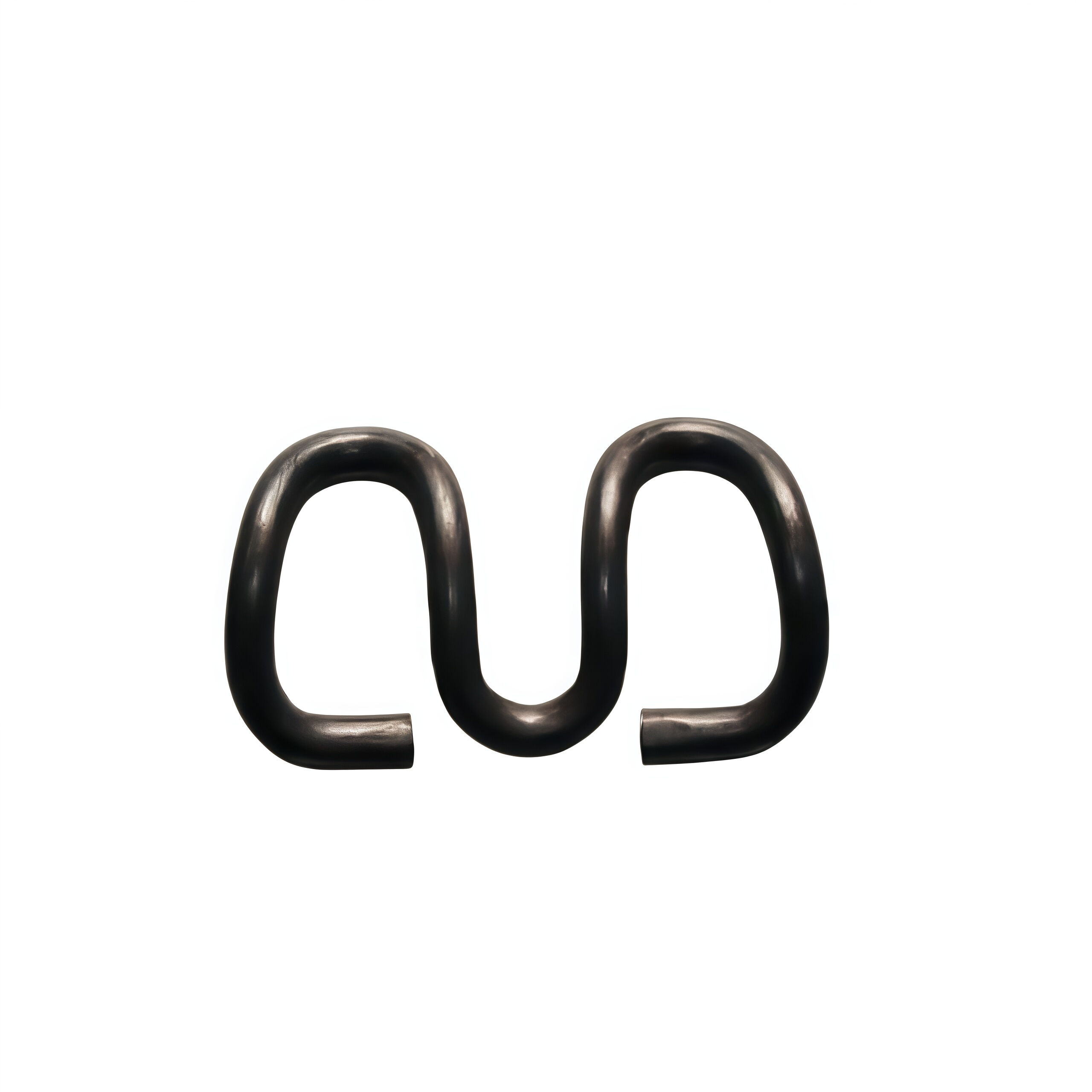
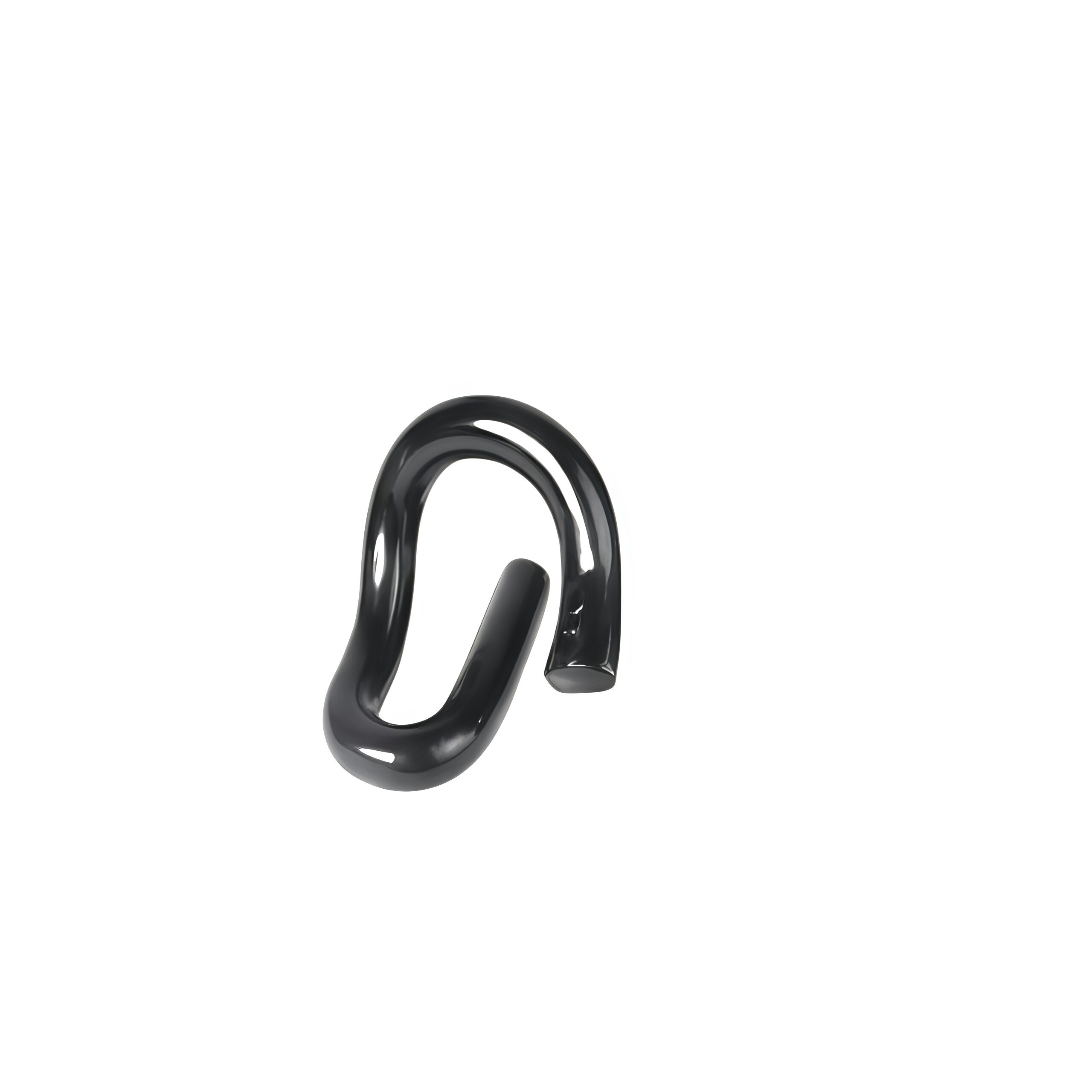
The revolutionary spring-loading technology integrated into modern fixtures and fastenings in railway systems represents a breakthrough in track stability engineering that delivers unprecedented performance under dynamic loading conditions. This sophisticated mechanism utilizes precisely calibrated spring elements that continuously adjust to varying loads imposed by different train types, from lightweight passenger cars to massive freight locomotives weighing hundreds of tons. The spring-loading system automatically compensates for thermal expansion and contraction cycles that occur throughout seasonal temperature variations, maintaining optimal rail positioning and preventing the development of gaps or misalignments that could compromise safety and ride quality. Advanced materials engineering enables these spring elements to withstand millions of loading cycles without fatigue failure, incorporating high-grade steel alloys and specialized surface treatments that resist corrosion and wear under harsh operating environments. The technology provides consistent clamping force across the entire fastening system, eliminating the common problem of loose connections that can develop over time with traditional rigid fastening methods. Railway operators benefit from dramatically reduced maintenance requirements as the self-adjusting nature of spring-loaded fixtures and fastenings in railway applications prevents the gradual loosening that necessitates frequent inspection and re-tightening procedures. The system excels in high-vibration environments such as heavy freight corridors and high-speed passenger lines where conventional fastenings might work loose due to dynamic forces. Engineers have optimized the spring characteristics to provide maximum stability while allowing controlled movement that prevents stress concentration and premature component failure. This technology particularly benefits railway networks operating in regions with extreme temperature variations, as the spring mechanism automatically accommodates the significant dimensional changes that occur in steel rails during seasonal transitions, maintaining track geometry and preventing the development of dangerous stress patterns that could lead to rail breaks or buckling incidents.
Multi-Material Corrosion Protection System for Extended Service Life

Multi-Material Corrosion Protection System for Extended Service Life

The innovative multi-material corrosion protection system employed in contemporary fixtures and fastenings in railway infrastructure represents a paradigm shift in component longevity and reliability that addresses the primary cause of premature failure in harsh operating environments. This comprehensive protection strategy combines multiple layers of defense against corrosion, beginning with base materials selected for inherent corrosion resistance, including stainless steel grades and specialized alloys that maintain structural integrity even when exposed to moisture, salt spray, and industrial pollutants commonly encountered in railway environments. Advanced surface treatment technologies apply protective coatings using hot-dip galvanizing processes that create metallurgical bonds between the coating and substrate, ensuring long-term adhesion and protection even under mechanical stress and thermal cycling conditions. The system incorporates sacrificial protection elements that preferentially corrode to protect critical structural components, extending service life far beyond conventional fastening systems while maintaining reliable performance throughout extended exposure periods. Railway operators realize significant economic benefits from reduced replacement frequencies and lower maintenance costs, as these protected fixtures and fastenings in railway applications can remain in service for decades without degradation in performance or safety margins. The multi-layered approach provides redundant protection that continues functioning even if outer layers become damaged during installation or service, ensuring continued protection throughout the component lifecycle. Environmental sustainability considerations drive the selection of protection materials and processes, utilizing recycling-friendly materials and environmentally responsible coating technologies that minimize environmental impact while delivering superior performance characteristics. Field testing demonstrates that properly protected railway fixtures maintain structural integrity and electrical insulation properties even after prolonged exposure to the most challenging service conditions, including coastal environments with salt spray exposure, industrial areas with chemical contamination, and regions with freeze-thaw cycles that can accelerate corrosion processes in unprotected materials. The protection system extends to all fastening components including bolts, clips, and insulators, ensuring comprehensive system reliability and preventing failure cascades that could compromise track safety and operational continuity.
Precision Engineering for Optimal Load Distribution and Performance

Precision Engineering for Optimal Load Distribution and Performance

The precision engineering principles underlying modern fixtures and fastenings in railway systems deliver exceptional load distribution characteristics that maximize infrastructure longevity while ensuring consistent performance under the most demanding operational conditions. Advanced computer-aided design processes optimize every geometric detail to achieve uniform stress distribution across all contact surfaces, eliminating stress concentration points that commonly cause premature failure in conventional fastening systems. Sophisticated finite element analysis guides the development of component shapes and dimensions, ensuring that dynamic loads from passing trains are efficiently transferred from rails through fastenings to sleepers and track bed structures without creating dangerous stress patterns. Manufacturing precision utilizing state-of-the-art machining centers and quality control systems ensures that every component meets exacting dimensional tolerances, guaranteeing consistent performance and interchangeability across large railway networks. The engineering approach considers the complete system interaction, optimizing not just individual components but their collective behavior under various loading scenarios including vertical loads from train weight, lateral forces from cornering and wind effects, and longitudinal forces from acceleration and braking operations. Railway operators benefit from predictable performance characteristics that enable accurate lifecycle planning and maintenance scheduling, as precisely engineered fixtures and fastenings in railway applications exhibit consistent wear patterns and performance degradation rates that can be accurately forecasted. The load distribution optimization reduces peak stresses on expensive infrastructure elements such as concrete sleepers and ballast materials, extending their service life and reducing overall system lifecycle costs through improved component utilization efficiency. Quality assurance protocols ensure that manufacturing variations remain within strict tolerances that maintain optimal load distribution characteristics, preventing the performance inconsistencies that can develop when components are manufactured to less stringent standards. Field performance validation demonstrates that precision-engineered fastening systems maintain track geometry stability over extended service periods, reducing the need for frequent track maintenance and ensuring consistent ride quality for passengers and cargo protection for freight operations, while the optimized stress distribution patterns prevent the development of rail corrugation and other wear phenomena that can compromise operational efficiency and increase maintenance requirements.

Get a Free Quote

Our representative will contact you soon.
Email
Name
Company Name
Message
0/1000