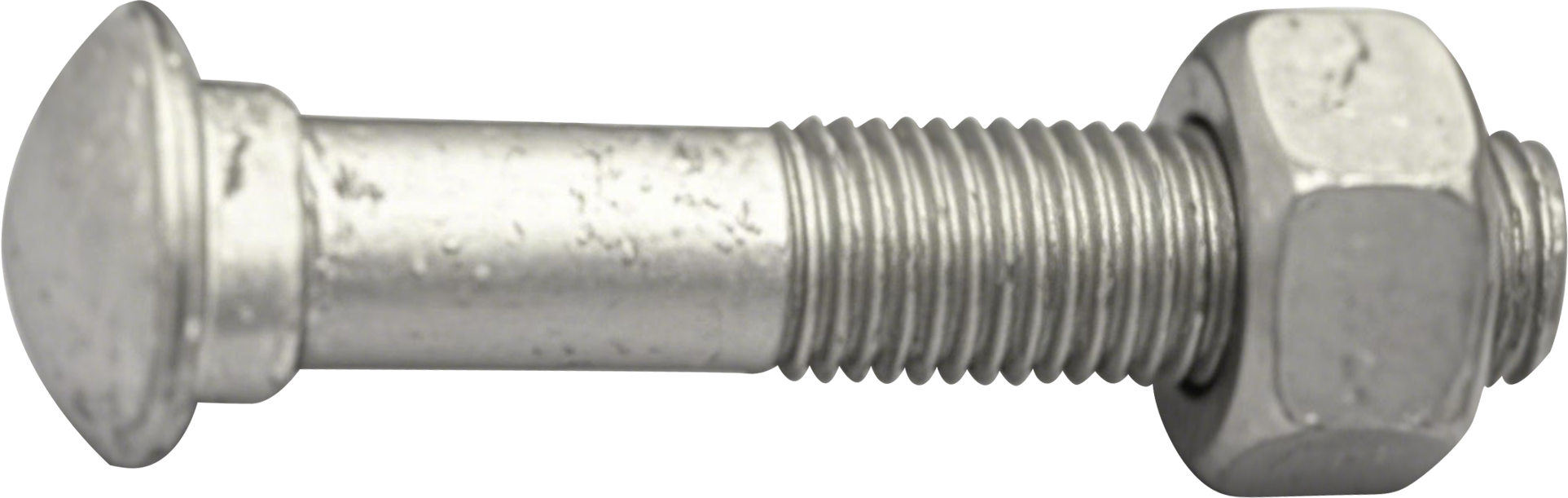
train bolts
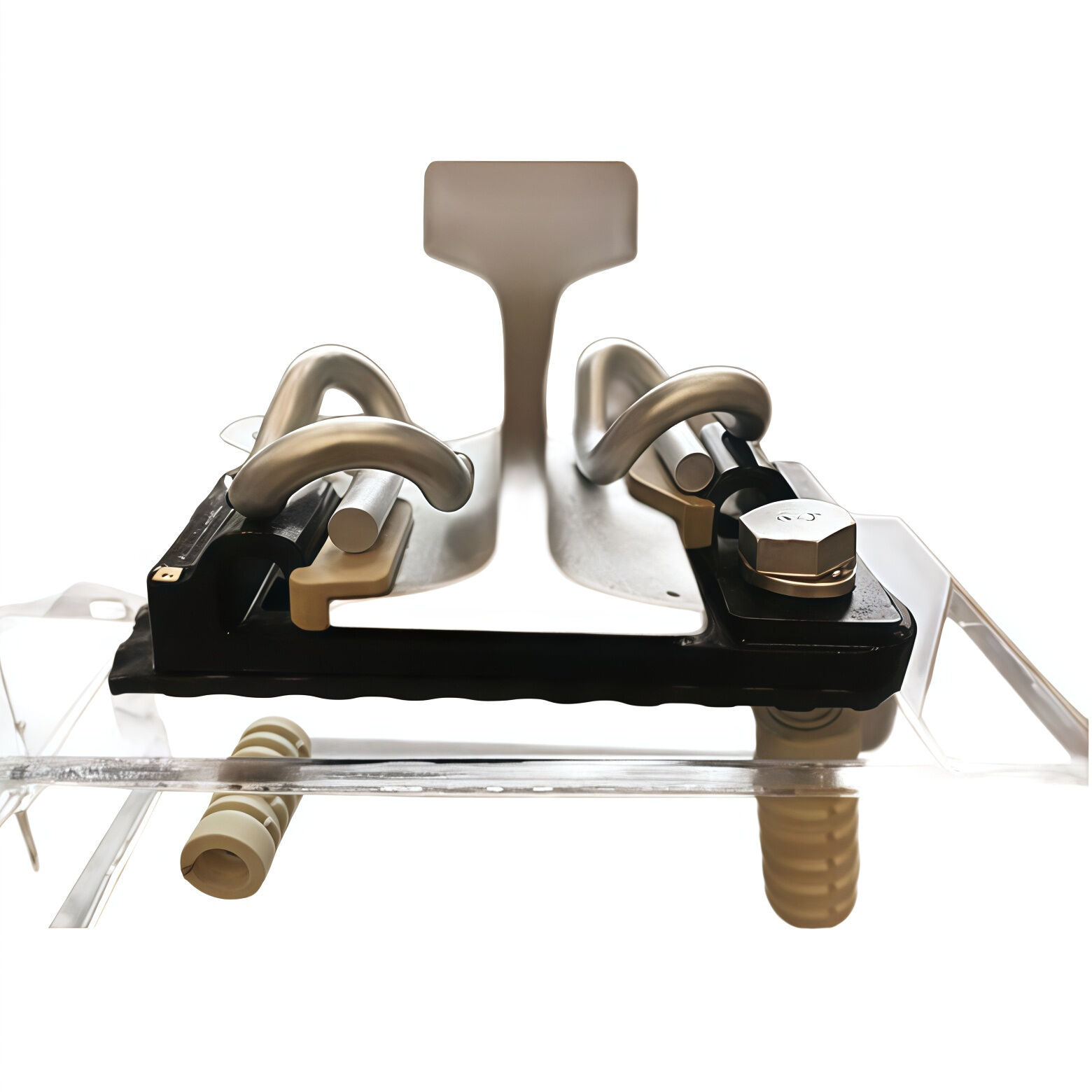
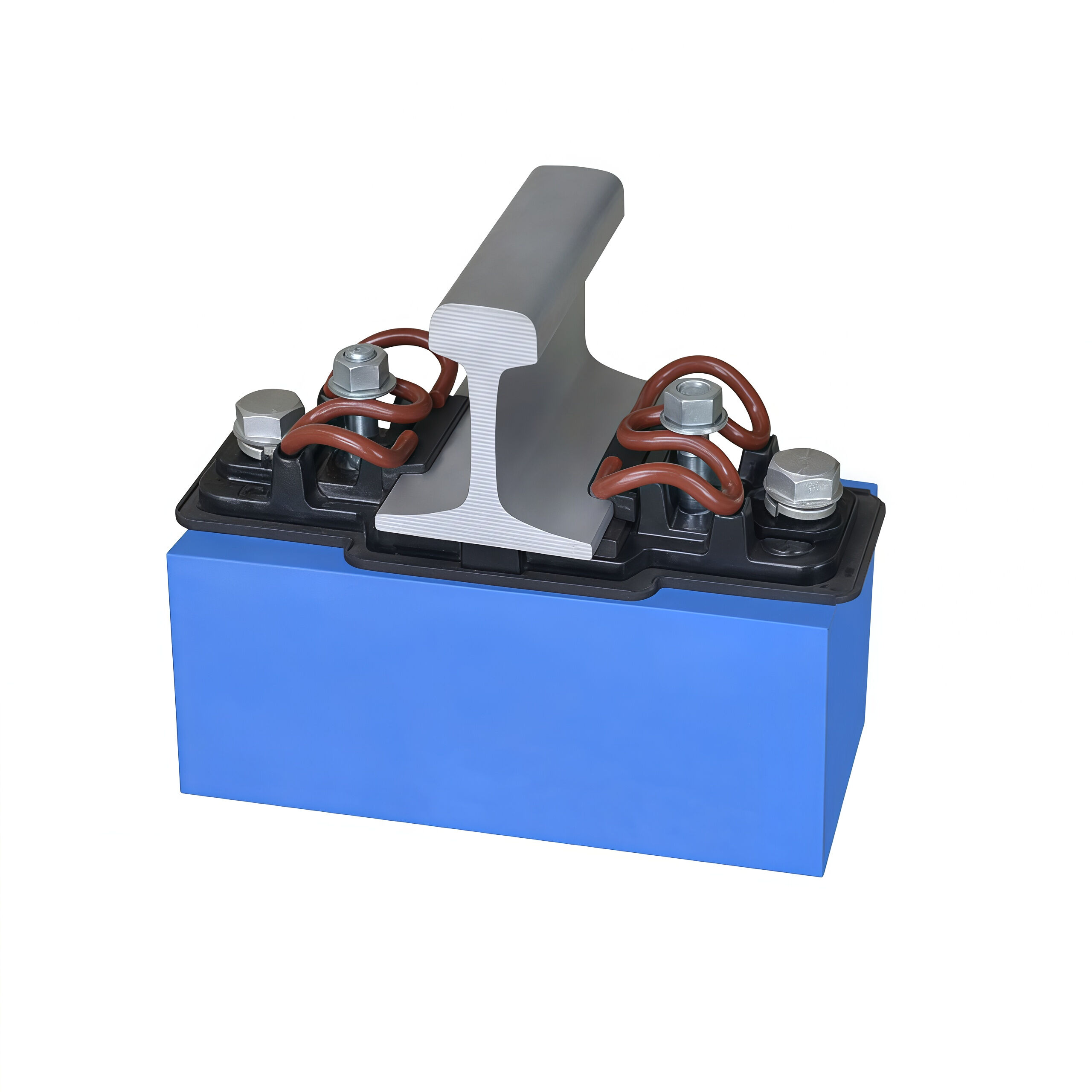
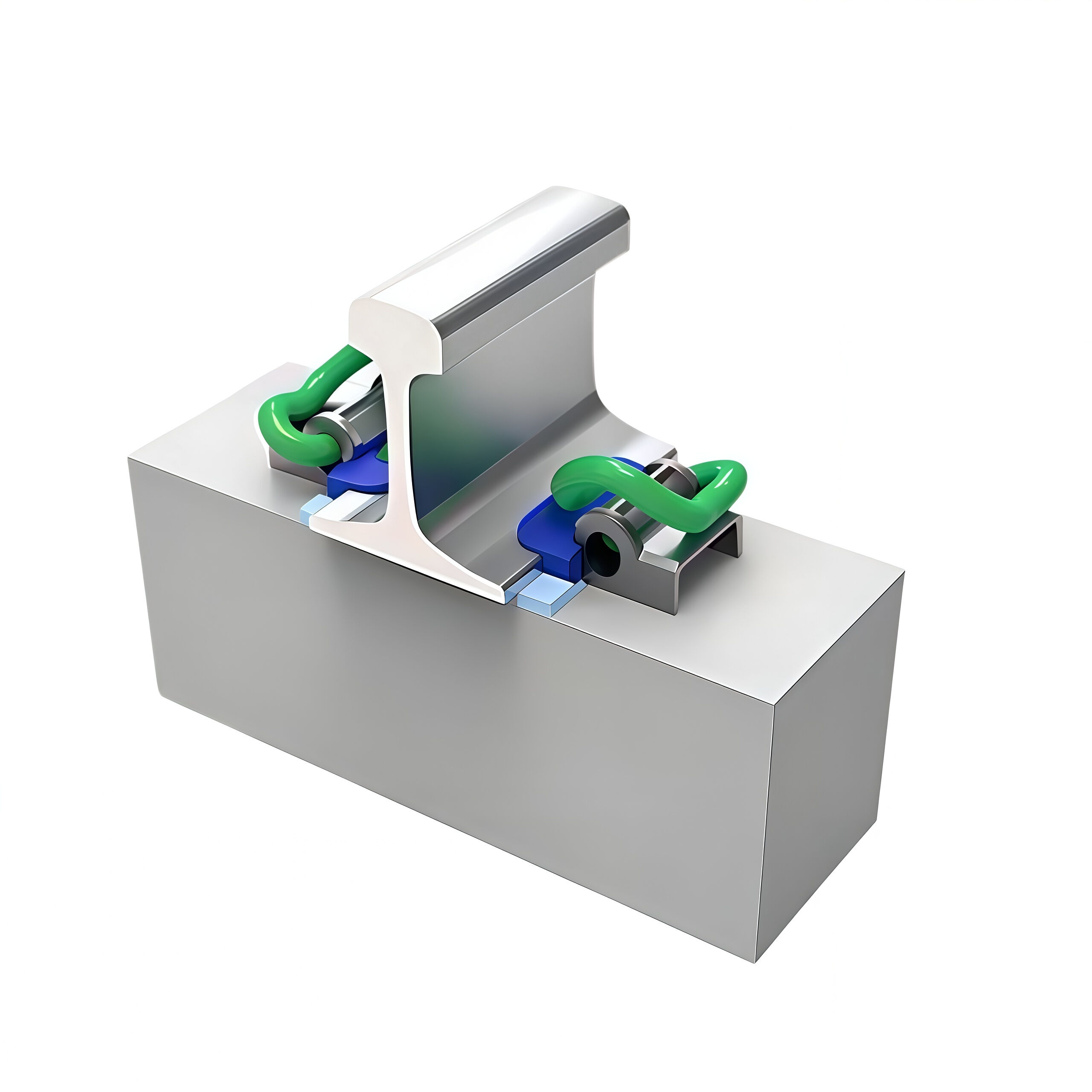
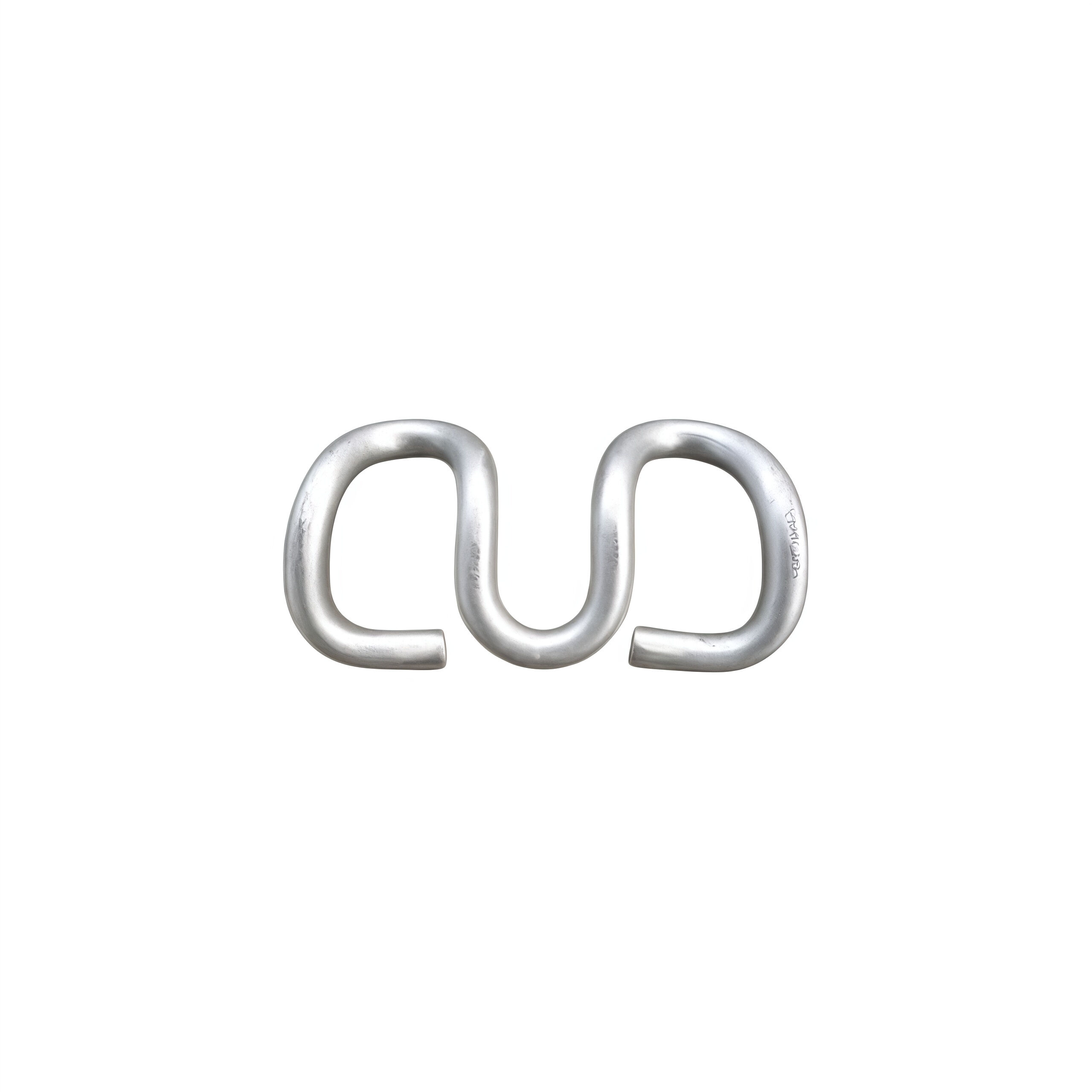
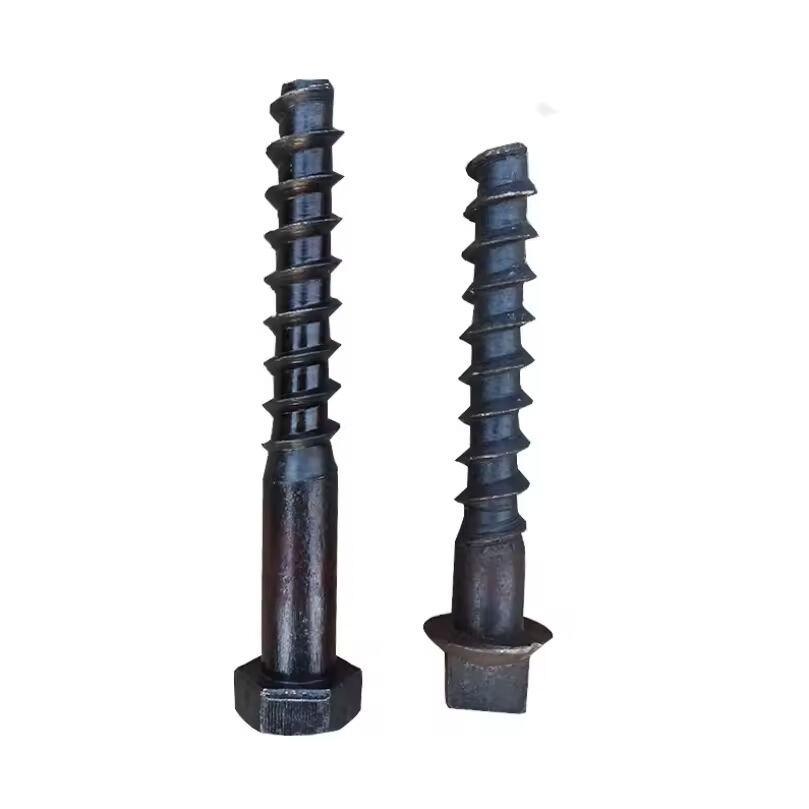
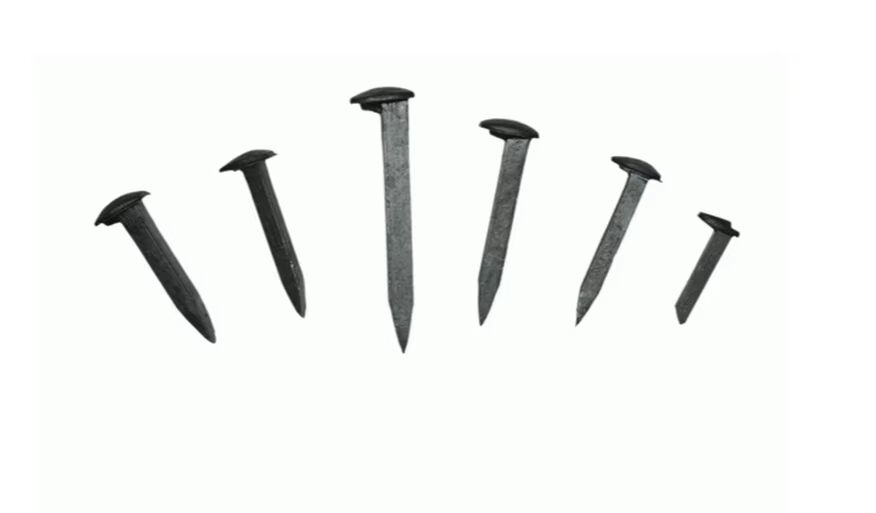
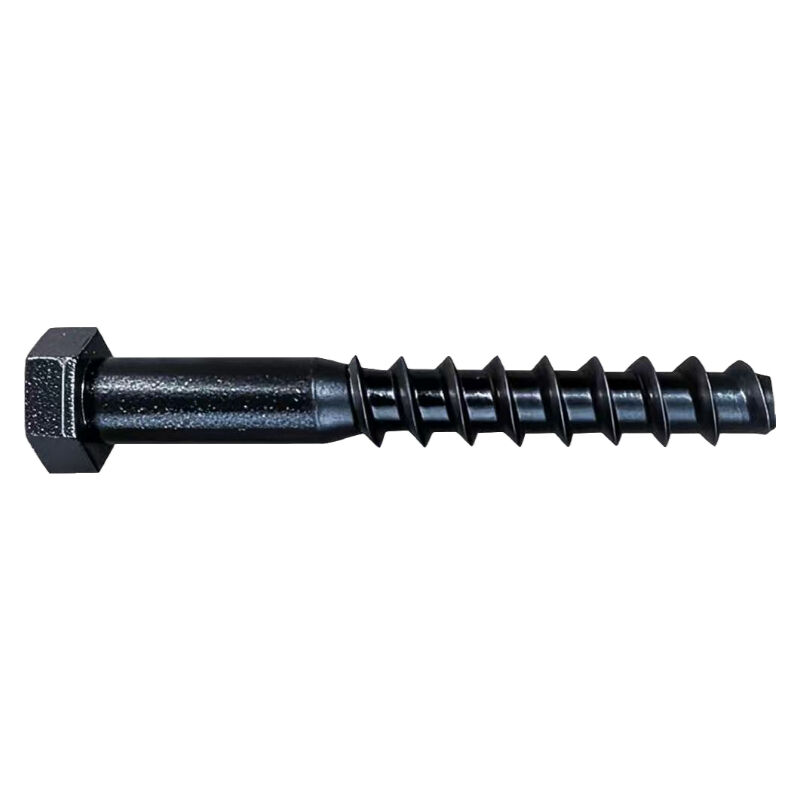
Train bolts represent critical fastening components specifically engineered for railway infrastructure, serving as essential elements that maintain structural integrity and operational safety across various rail systems. These specialized fasteners are meticulously designed to withstand the extreme forces, vibrations, and environmental conditions inherent in railway operations, making them indispensable for modern transportation networks. The primary function of train bolts involves securing rail tracks to sleepers, connecting rail joints, and fastening various locomotive components, ensuring stable and reliable rail connections that can endure millions of load cycles without compromising safety or performance. Technologically, train bolts incorporate advanced metallurgy and precision manufacturing techniques, utilizing high-strength steel alloys that provide exceptional tensile strength, fatigue resistance, and corrosion protection. These fasteners undergo rigorous heat treatment processes and quality control measures to meet stringent international railway standards, including specifications for dimensional accuracy, surface finish, and mechanical properties. The applications of train bolts span across multiple railway sectors, encompassing heavy freight transportation, high-speed passenger rail systems, urban transit networks, and industrial railway operations. Within locomotive assemblies, train bolts secure critical components such as bogies, traction motors, brake systems, and structural frameworks, while in track infrastructure, they maintain proper gauge alignment and provide secure connections between rail segments. Modern train bolts feature innovative design elements including specialized threading patterns, corrosion-resistant coatings, and optimized head geometries that facilitate efficient installation and maintenance procedures. The manufacturing process involves precision forging, computer-controlled machining, and comprehensive testing protocols that ensure each train bolt meets exacting performance criteria for load-bearing capacity, durability, and dimensional consistency, making them reliable solutions for demanding railway applications worldwide.

 EN
EN