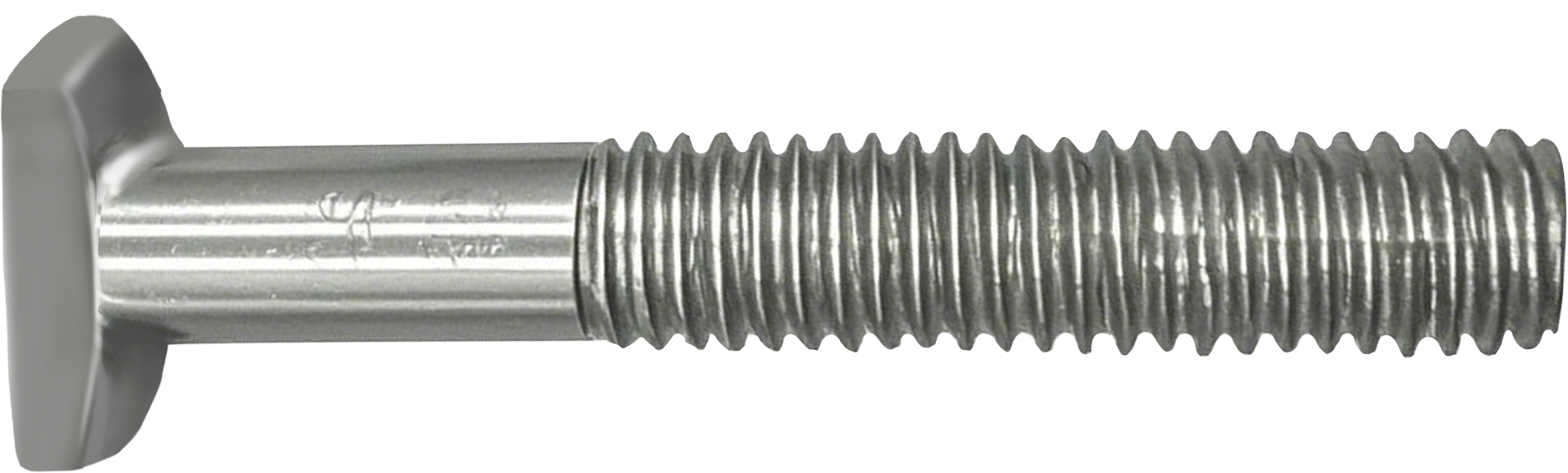
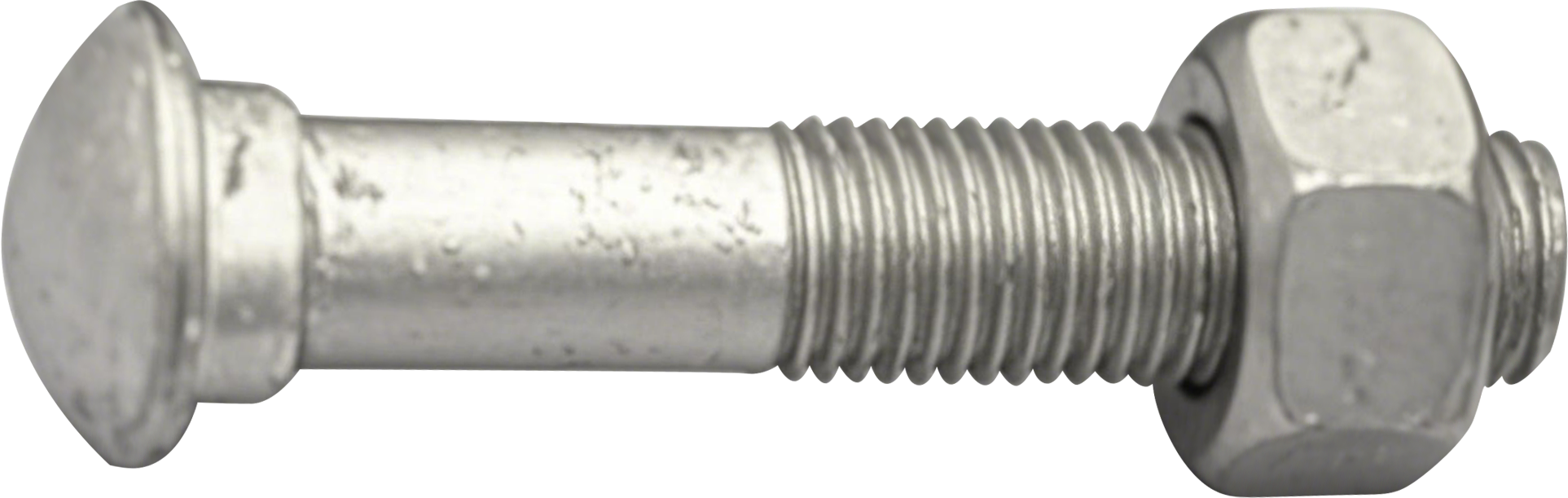
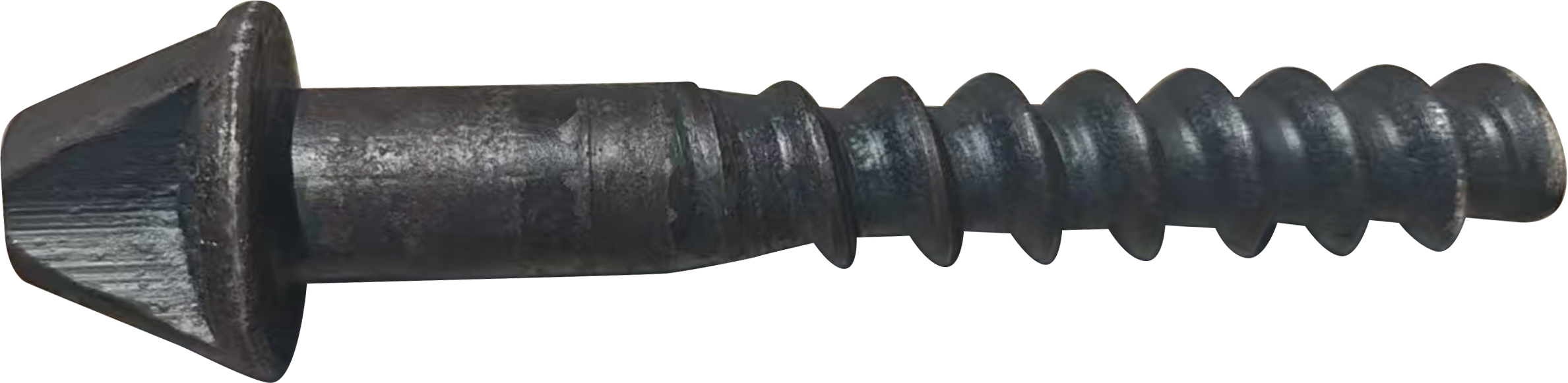
railway bolt
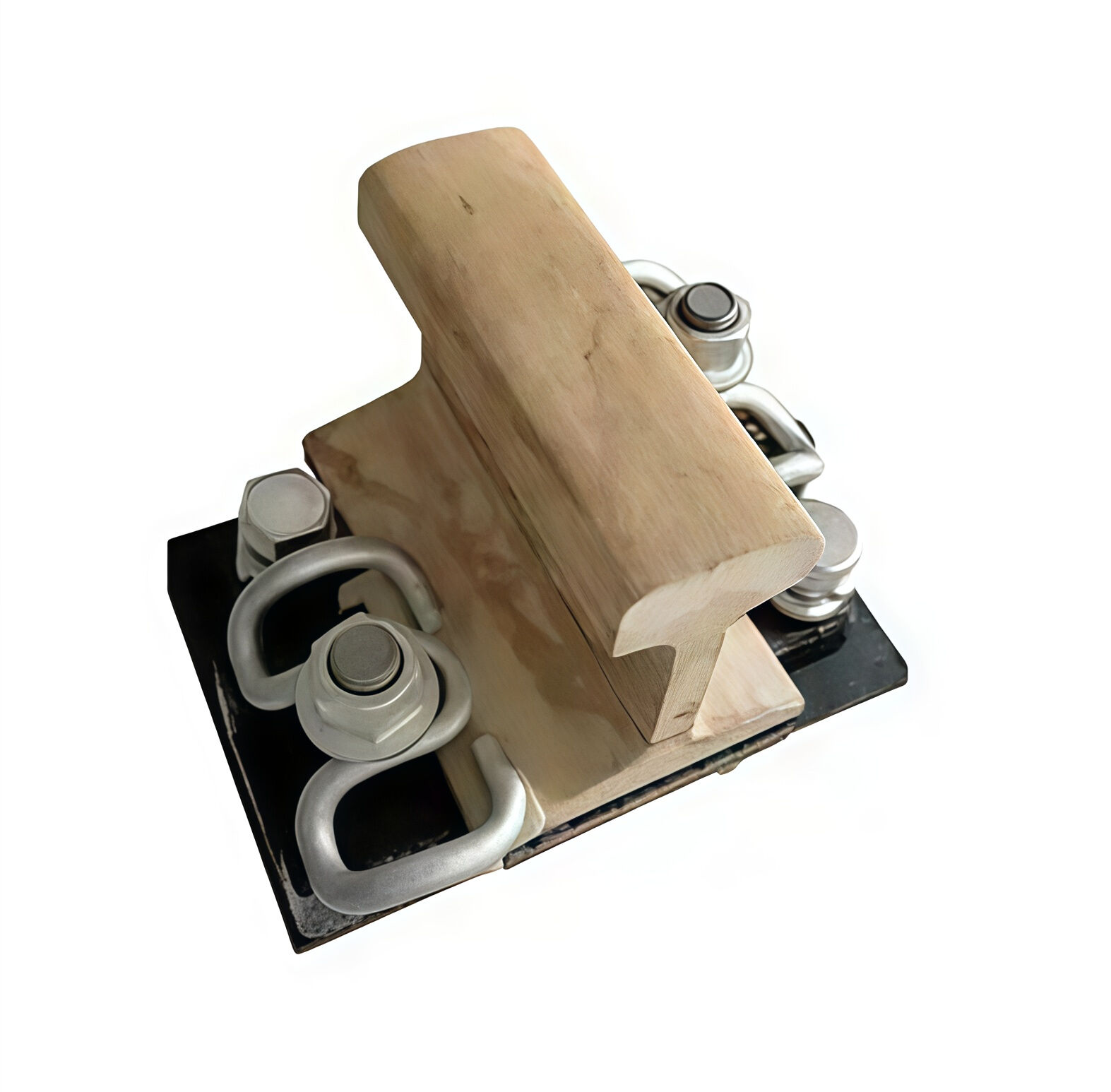
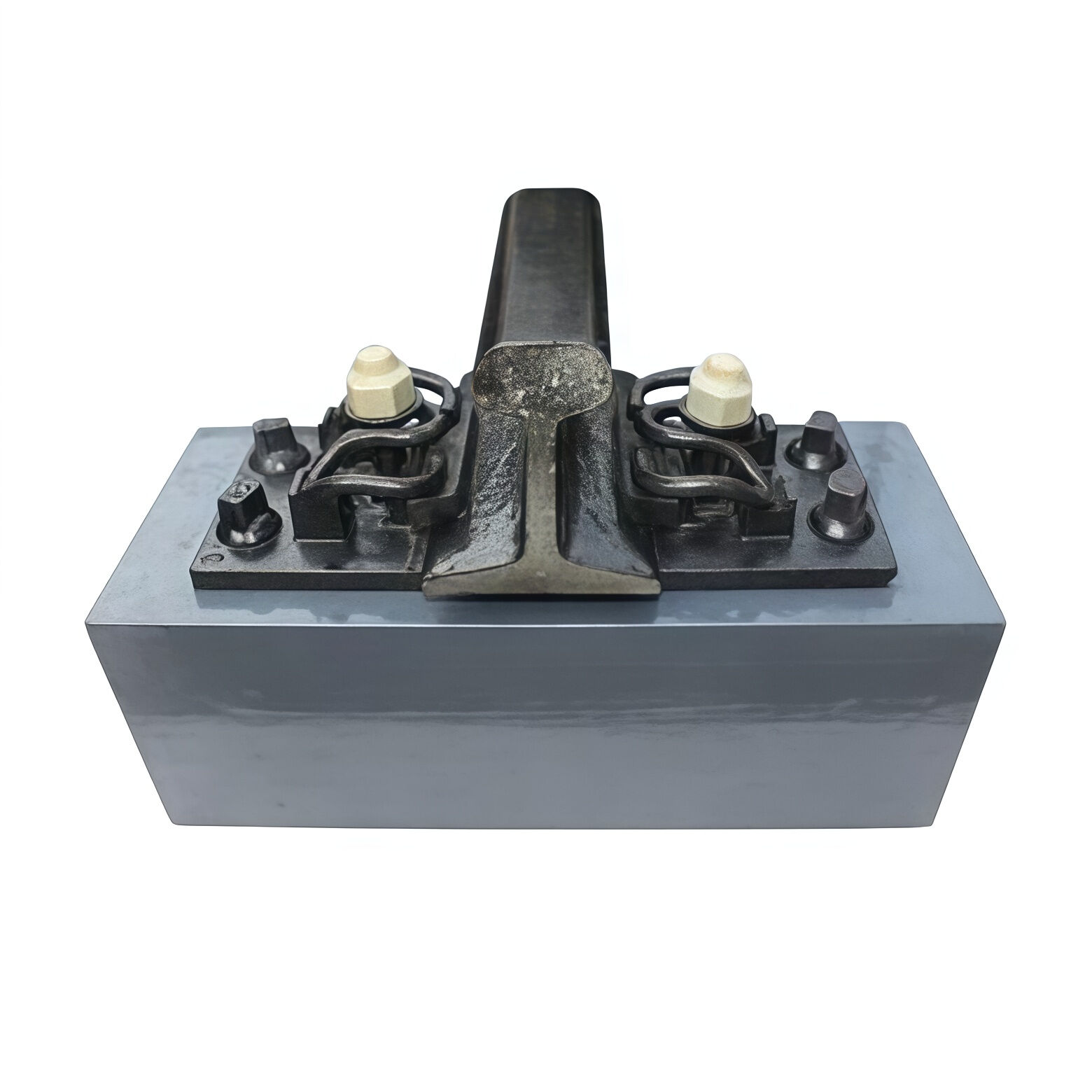
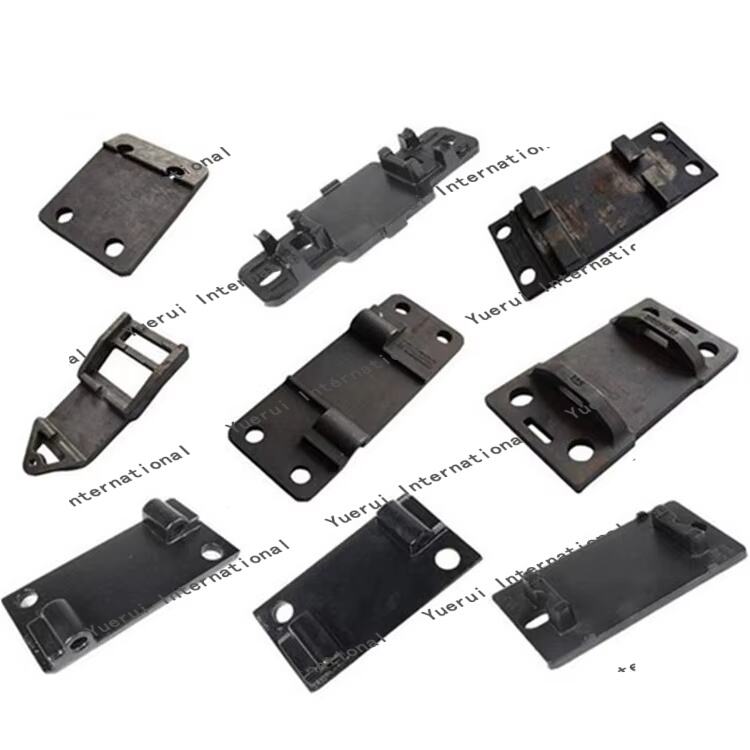
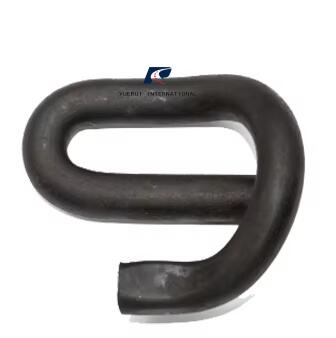
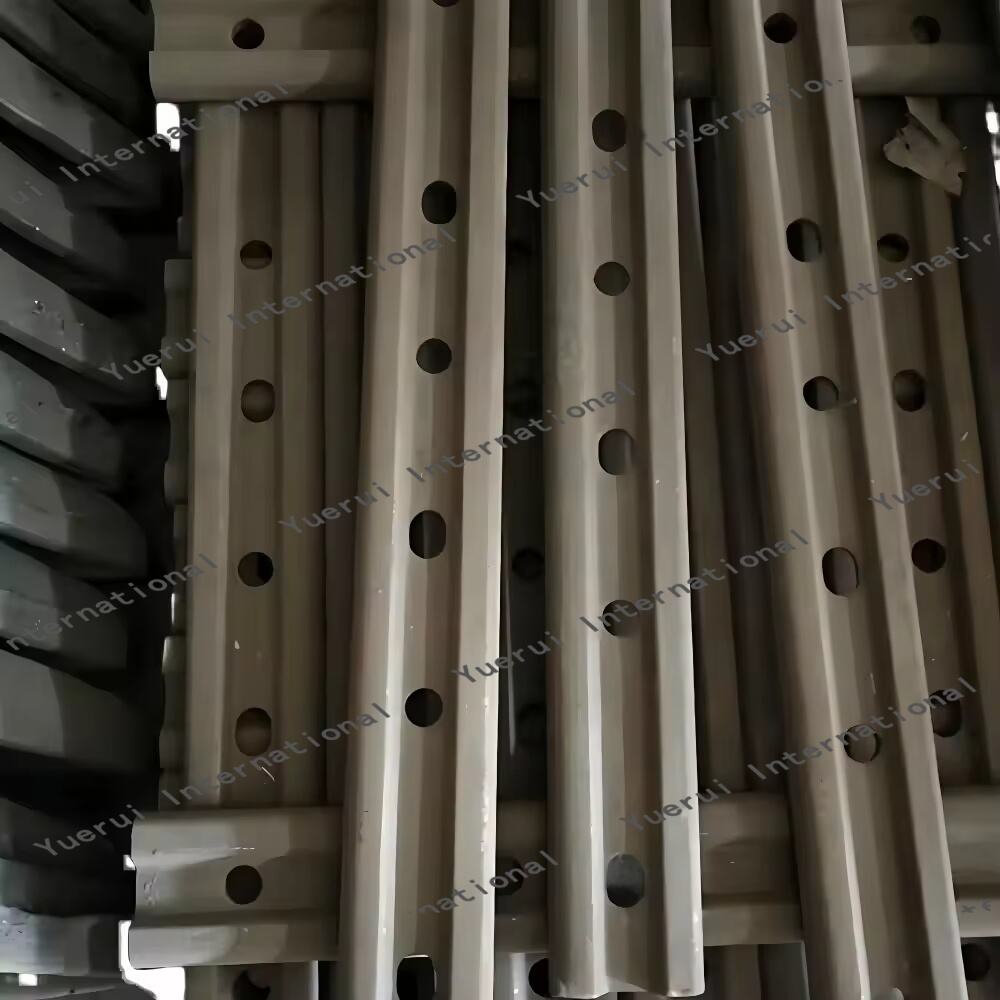
The railway bolt stands as a critical fastening component in modern rail infrastructure, serving as the backbone of safe and efficient train operations worldwide. This specialized fastening system connects rails to railroad ties and secures various track components together, ensuring structural integrity under extreme operational conditions. Railway bolts are engineered to withstand tremendous forces, including dynamic loads from passing trains, thermal expansion and contraction, and environmental stresses that challenge conventional fastening solutions. The primary function of a railway bolt involves maintaining precise rail alignment and gauge while accommodating the natural movement of track components during temperature fluctuations and heavy traffic loads. These fasteners incorporate advanced metallurgy and precision engineering to deliver exceptional performance in demanding applications. The technological features of railway bolts include high-grade steel construction, specialized thread designs, and corrosion-resistant coatings that extend service life significantly. Many railway bolt systems utilize spring washers, lock washers, and specialized nuts that prevent loosening under vibration and dynamic loading conditions. The manufacturing process involves heat treatment procedures that optimize material properties for maximum strength and durability. Quality railway bolts undergo rigorous testing protocols including tensile strength evaluation, fatigue resistance assessment, and corrosion resistance verification to meet international railway standards. Applications for railway bolts span across passenger rail systems, freight transportation networks, urban transit systems, and high-speed rail corridors. These versatile fasteners secure rail joints, attach signal equipment, mount crossing components, and connect various track accessories essential for safe railway operations. The railway bolt design accommodates different rail profiles and tie materials while maintaining compatibility with existing infrastructure systems.

 EN
EN