rail fastening components
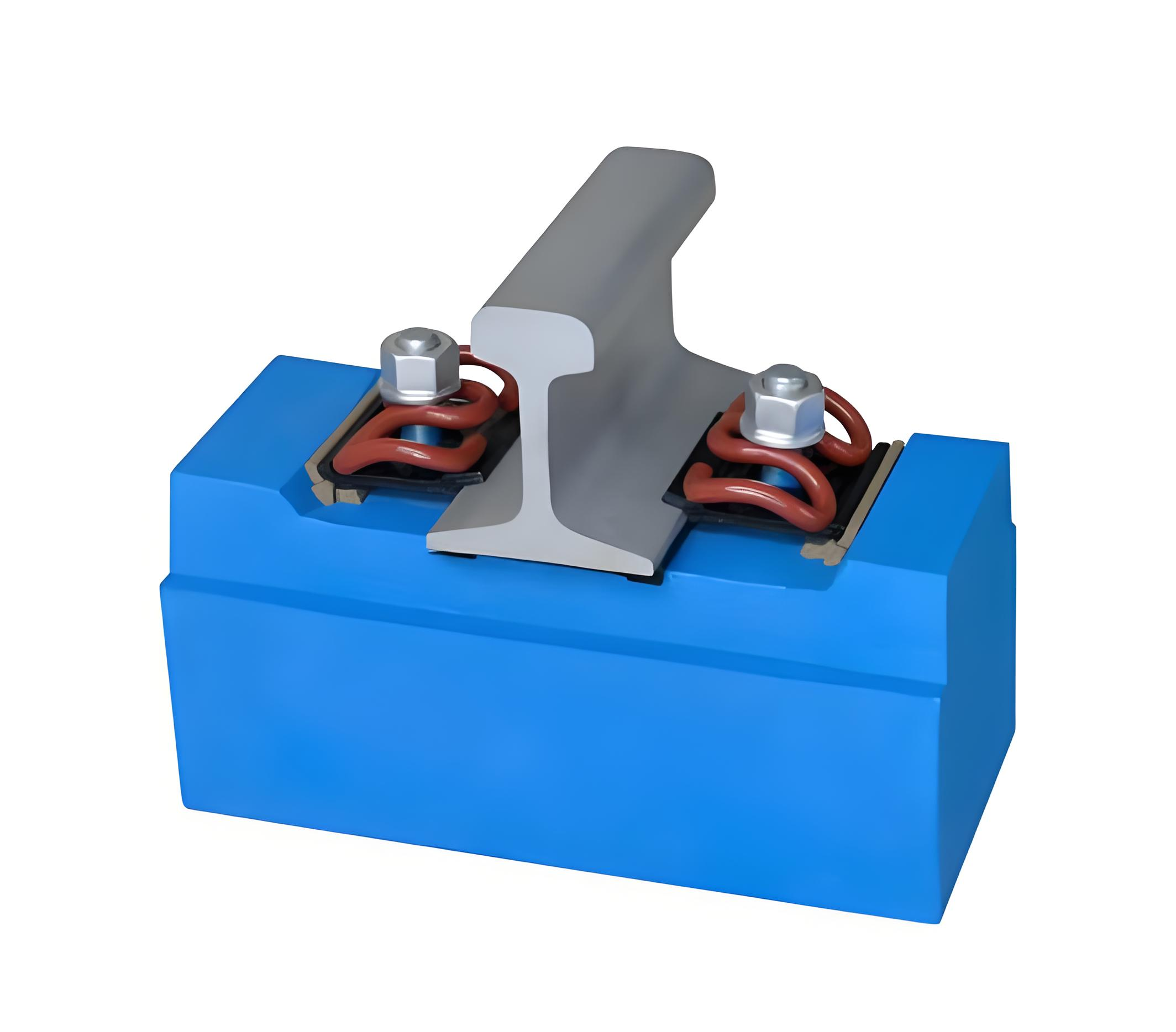
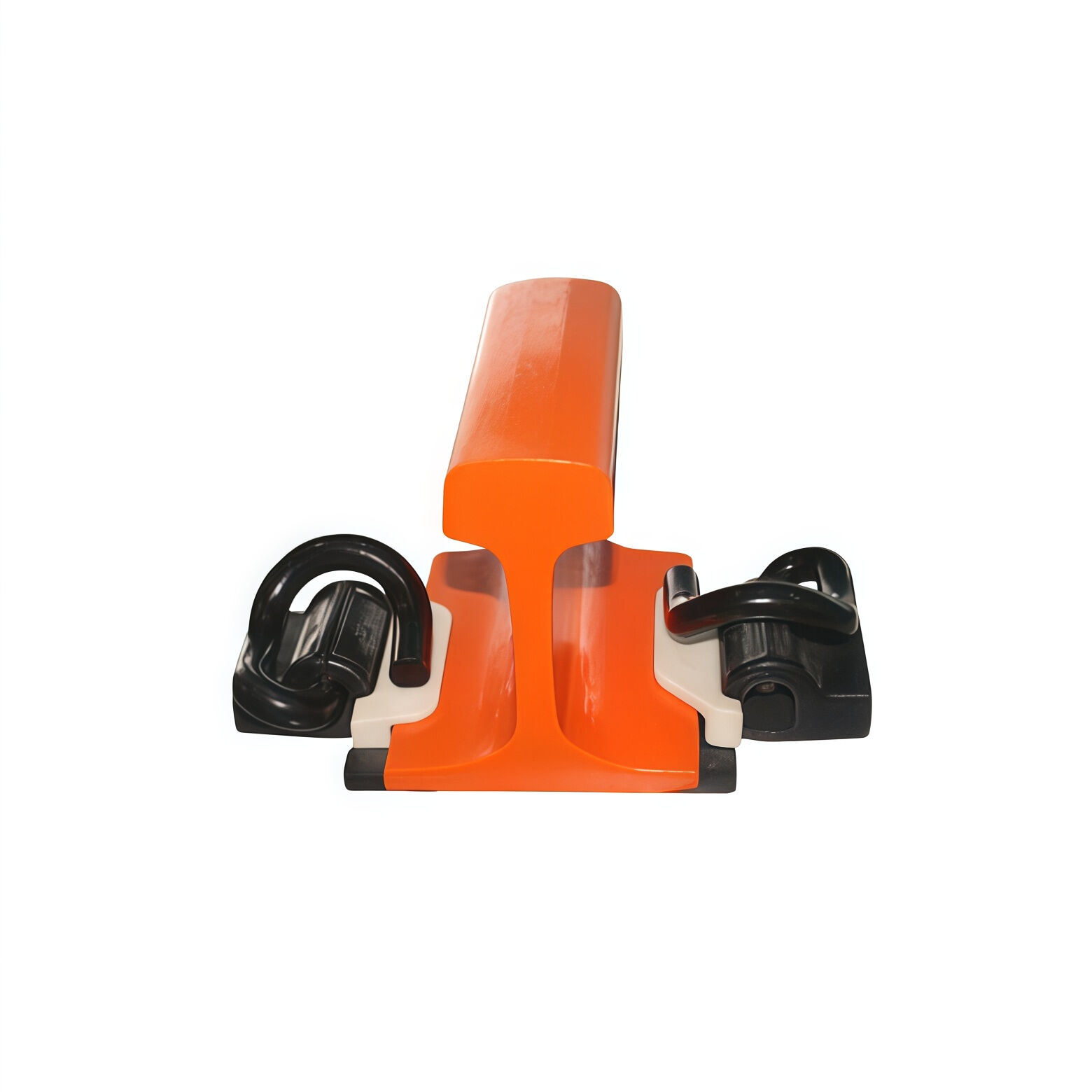
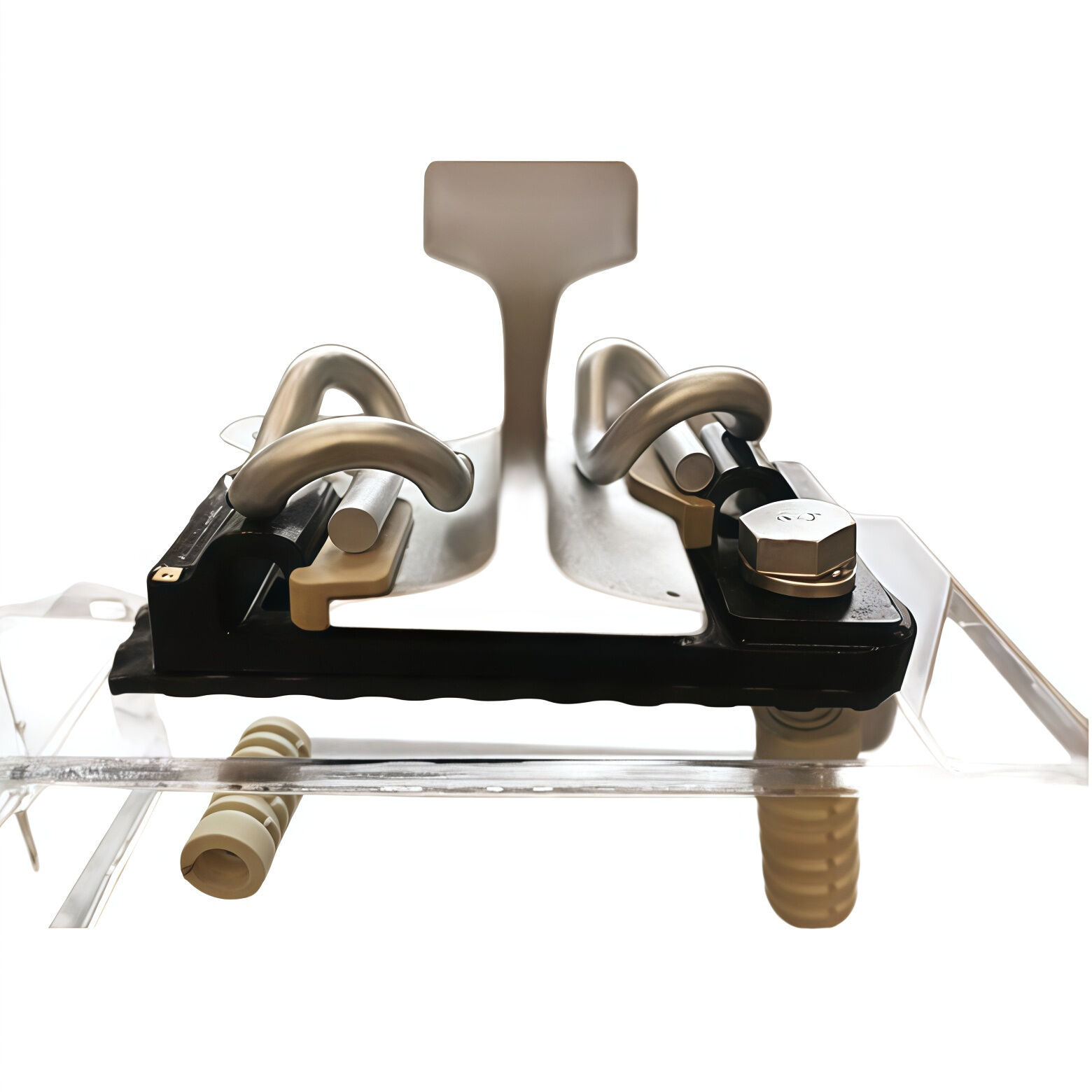
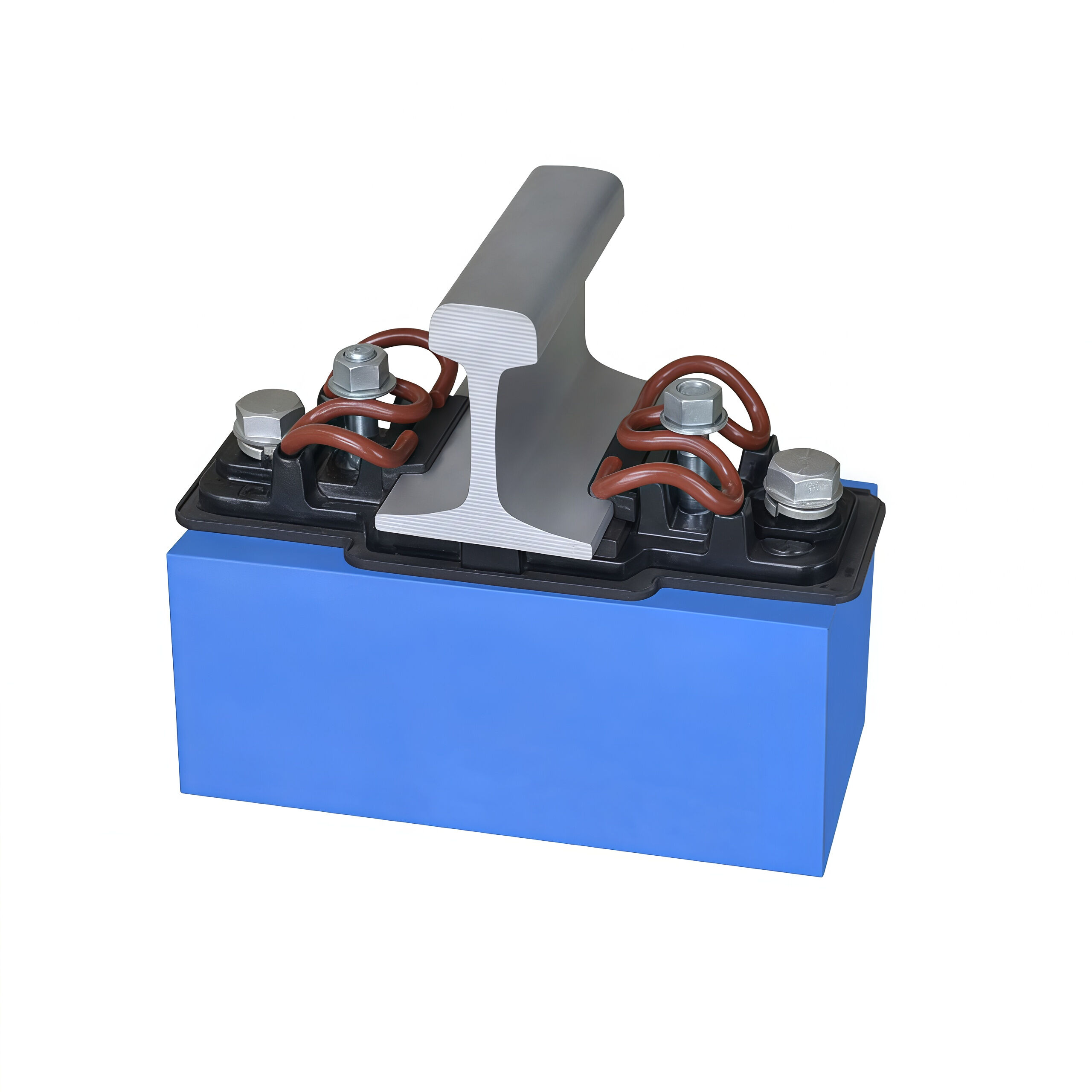
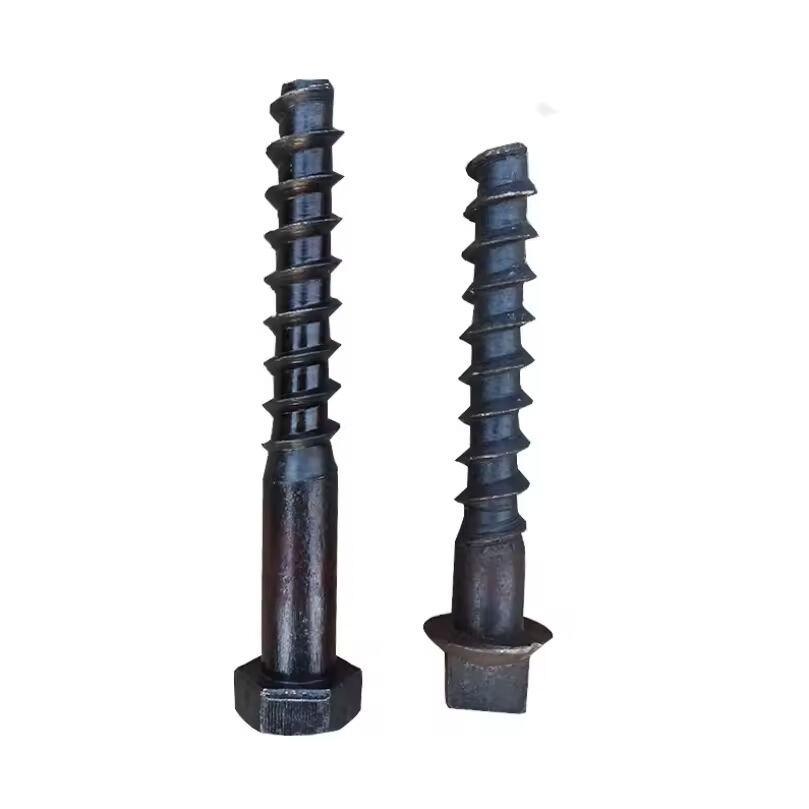
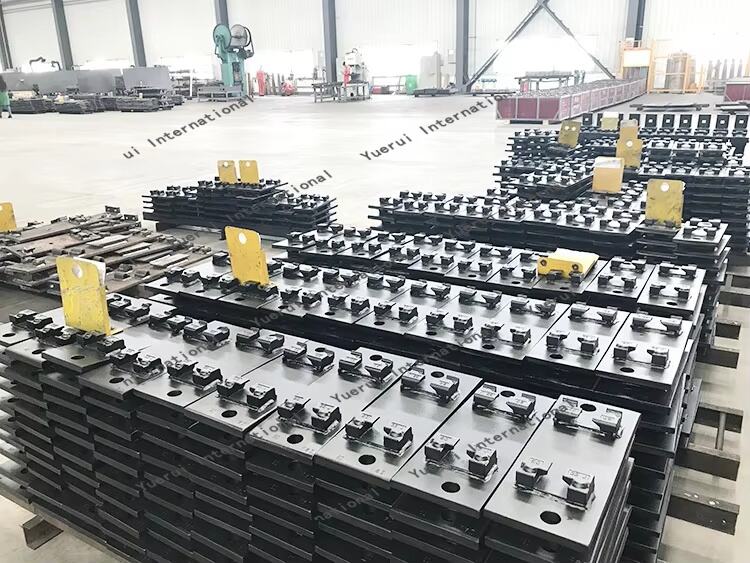
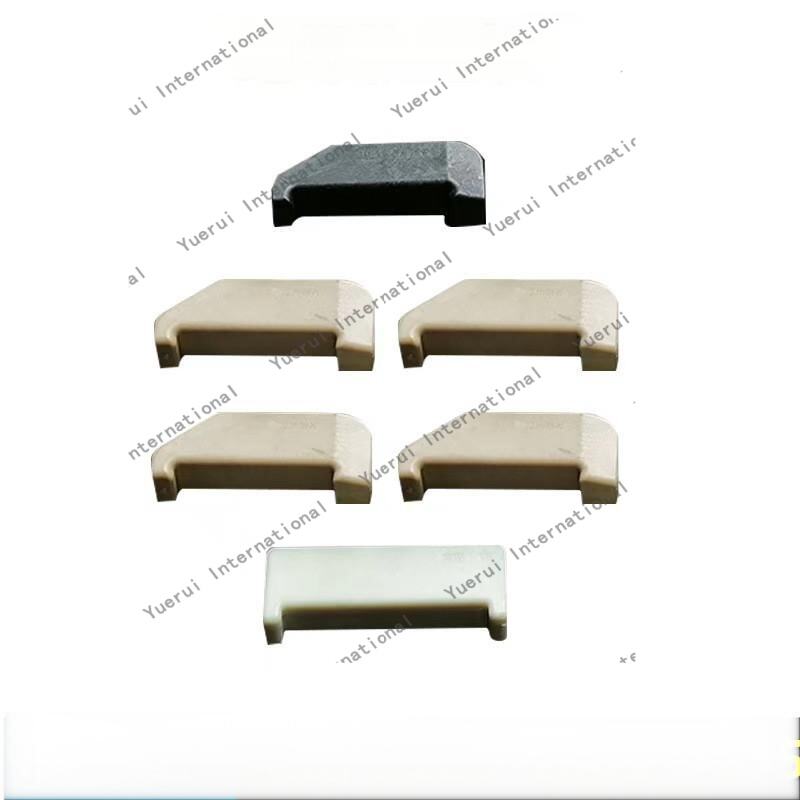
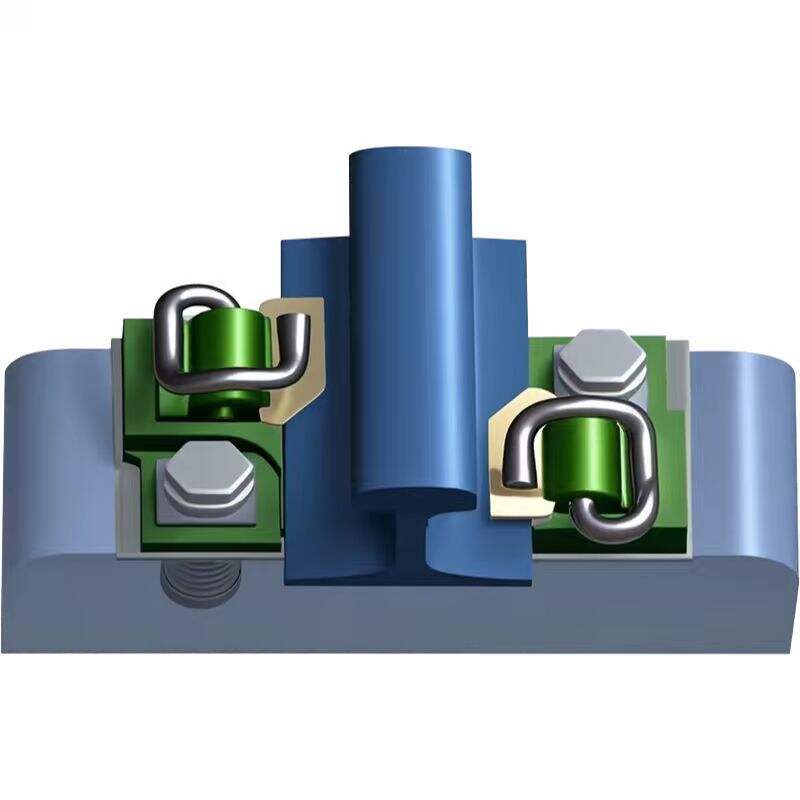
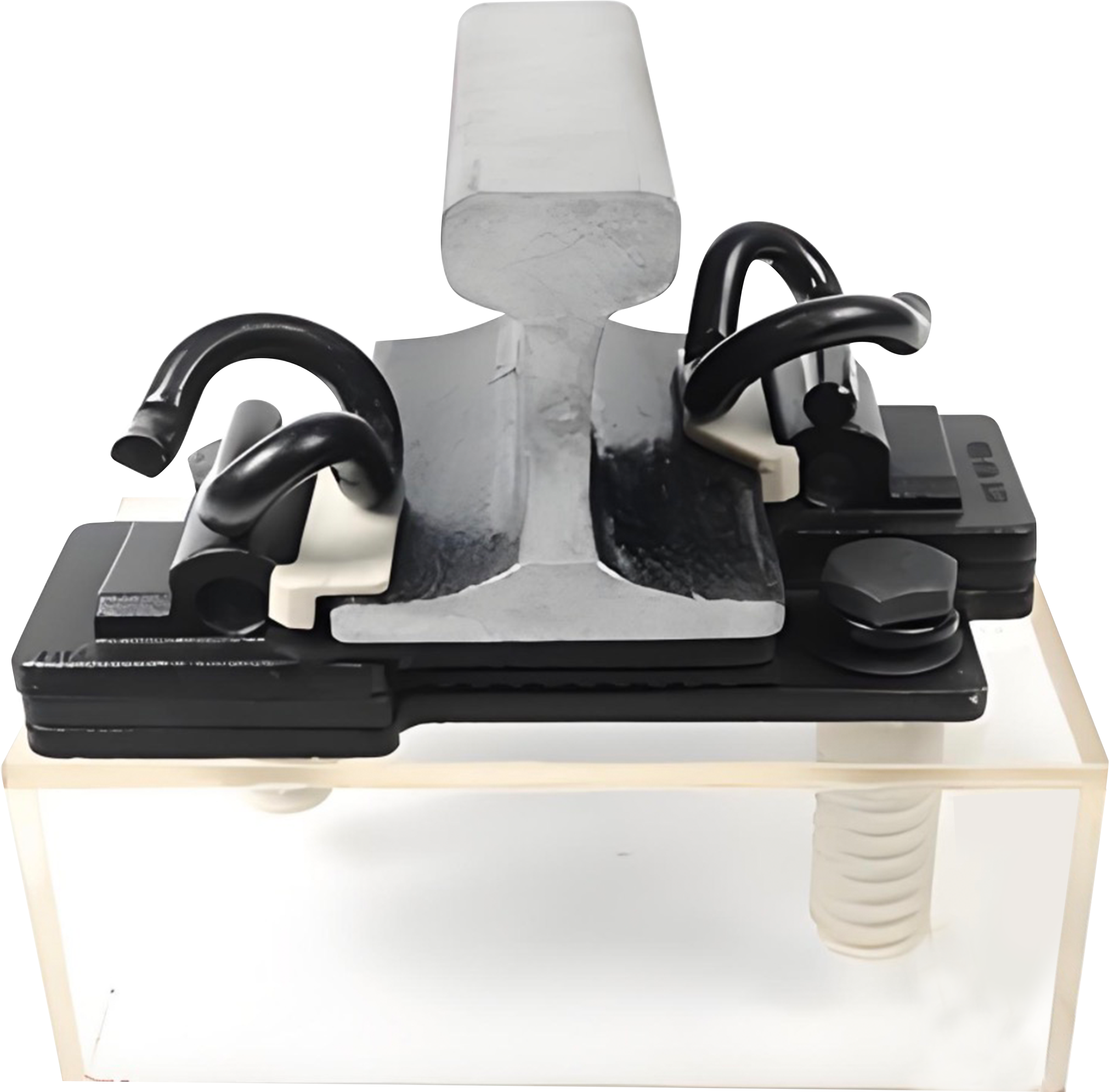
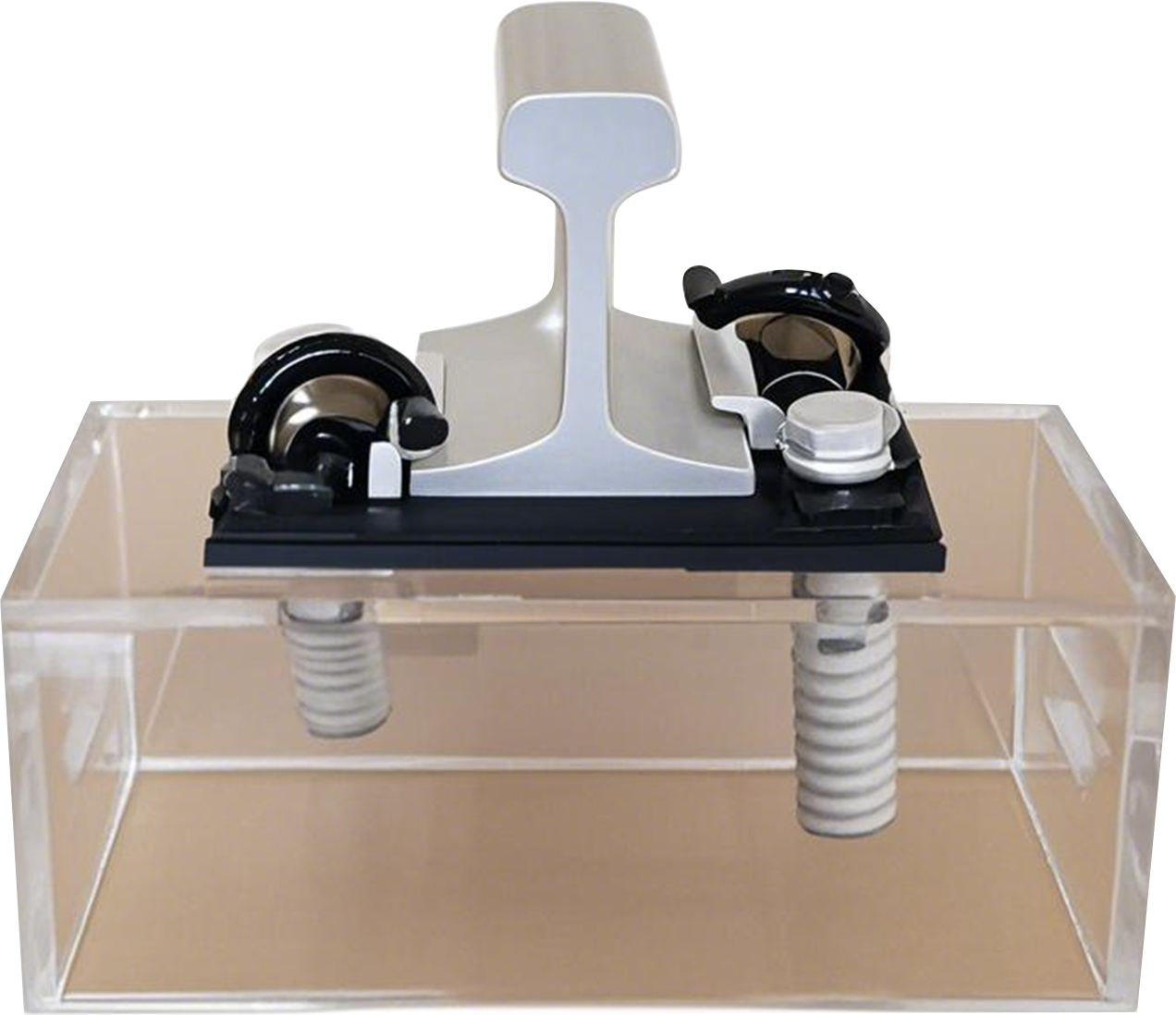
Rail fastening components serve as the critical foundation elements that secure railway tracks to their supporting infrastructure, ensuring safe and reliable train operations across diverse transportation networks. These essential hardware systems consist of multiple interconnected parts including rail clips, bolts, plates, pads, and anchoring devices that work together to maintain proper track alignment and stability. The primary function of rail fastening components involves creating a robust connection between the steel rails and underlying concrete sleepers or wooden ties, preventing lateral and longitudinal movement while accommodating thermal expansion and dynamic loading forces. Modern rail fastening systems incorporate advanced engineering principles to distribute train loads effectively across the track structure, reducing stress concentrations and extending overall system lifespan. The technological features of contemporary rail fastening components include corrosion-resistant coatings, elastic elements for vibration dampening, and precision-manufactured interfaces that ensure consistent performance under varying environmental conditions. These systems must withstand extreme temperature fluctuations, heavy axle loads, and repetitive stress cycles while maintaining dimensional stability and electrical isolation properties essential for signal transmission in electrified railway networks. Rail fastening components find extensive applications in passenger rail systems, freight corridors, high-speed railway lines, urban transit networks, and industrial spur tracks where reliable track stability remains paramount for operational safety. The selection of appropriate rail fastening components depends on specific operational requirements including train speeds, axle loads, track geometry, environmental conditions, and maintenance accessibility considerations that influence long-term performance and cost-effectiveness.

 EN
EN