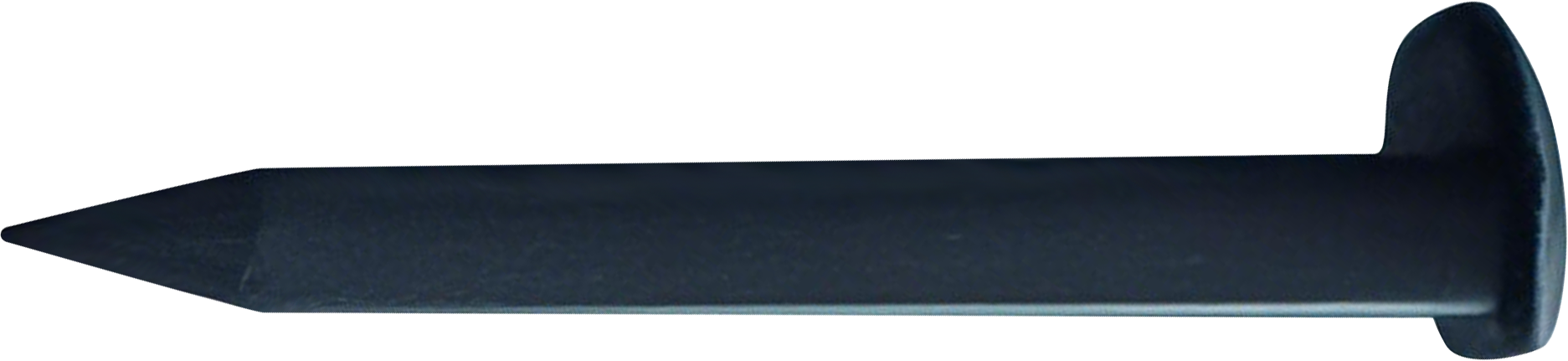
Premium Railway Sleeper Screws - Heavy-Duty Track Fastening Solutions for Modern Rail Infrastructure

All Categories

railway sleeper screw

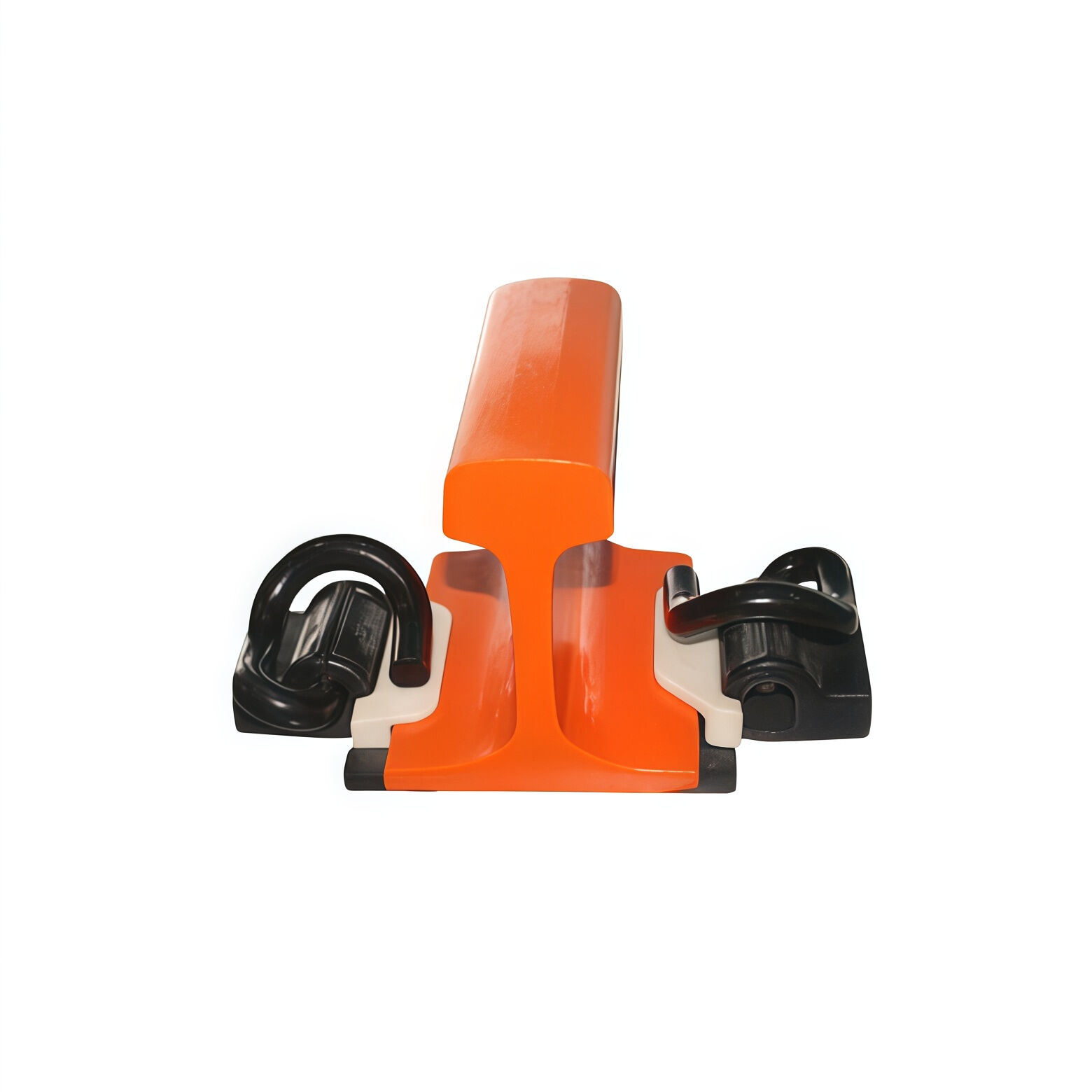
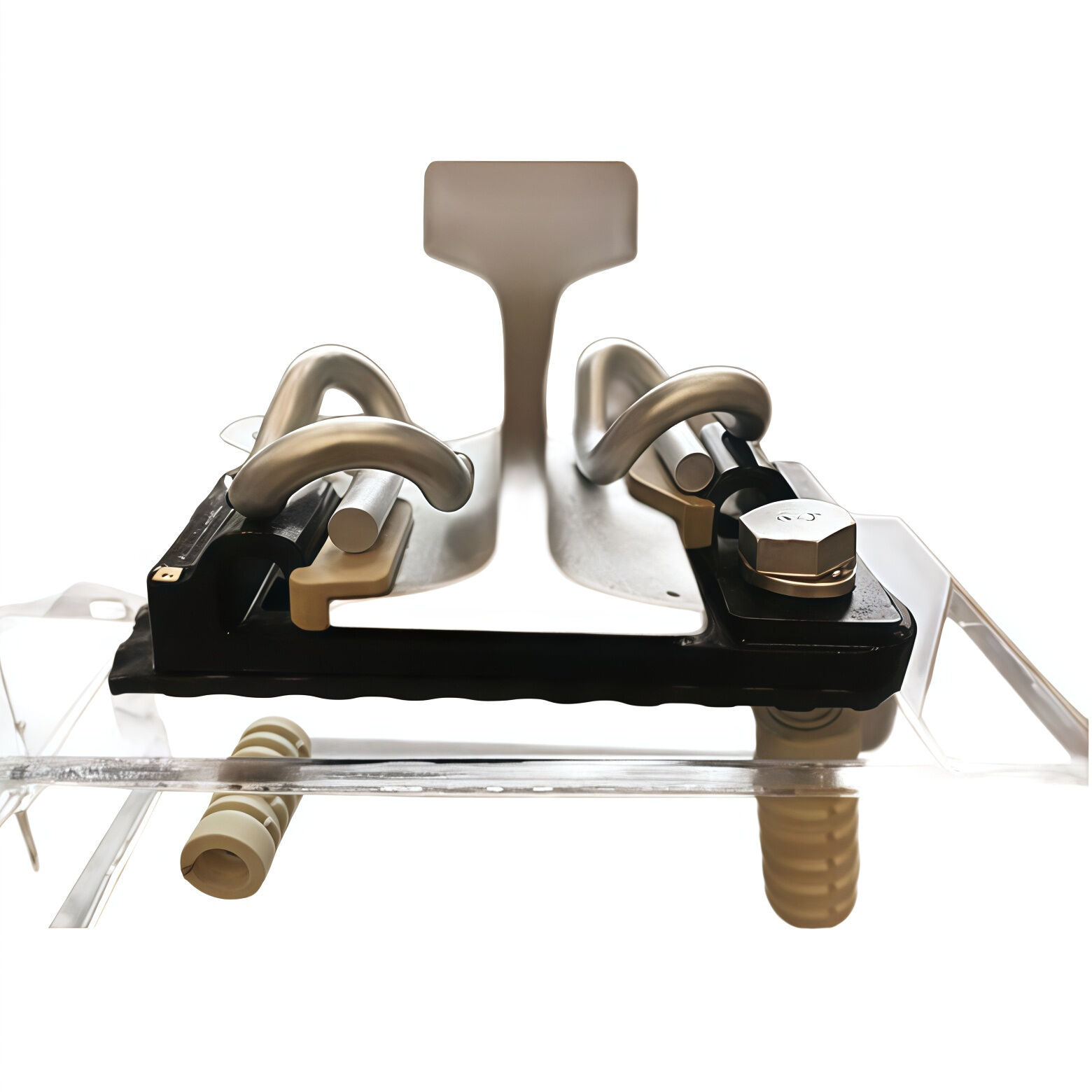
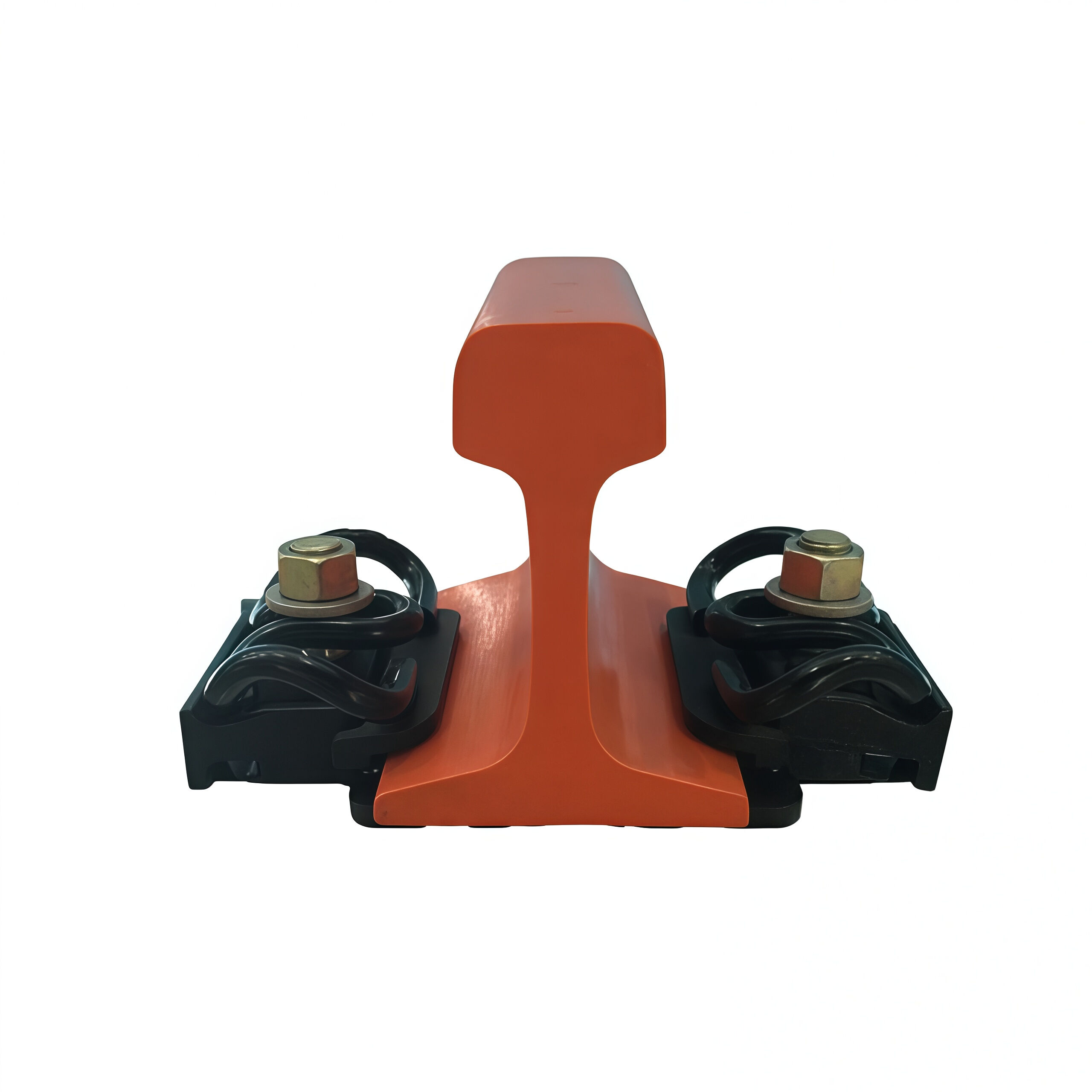
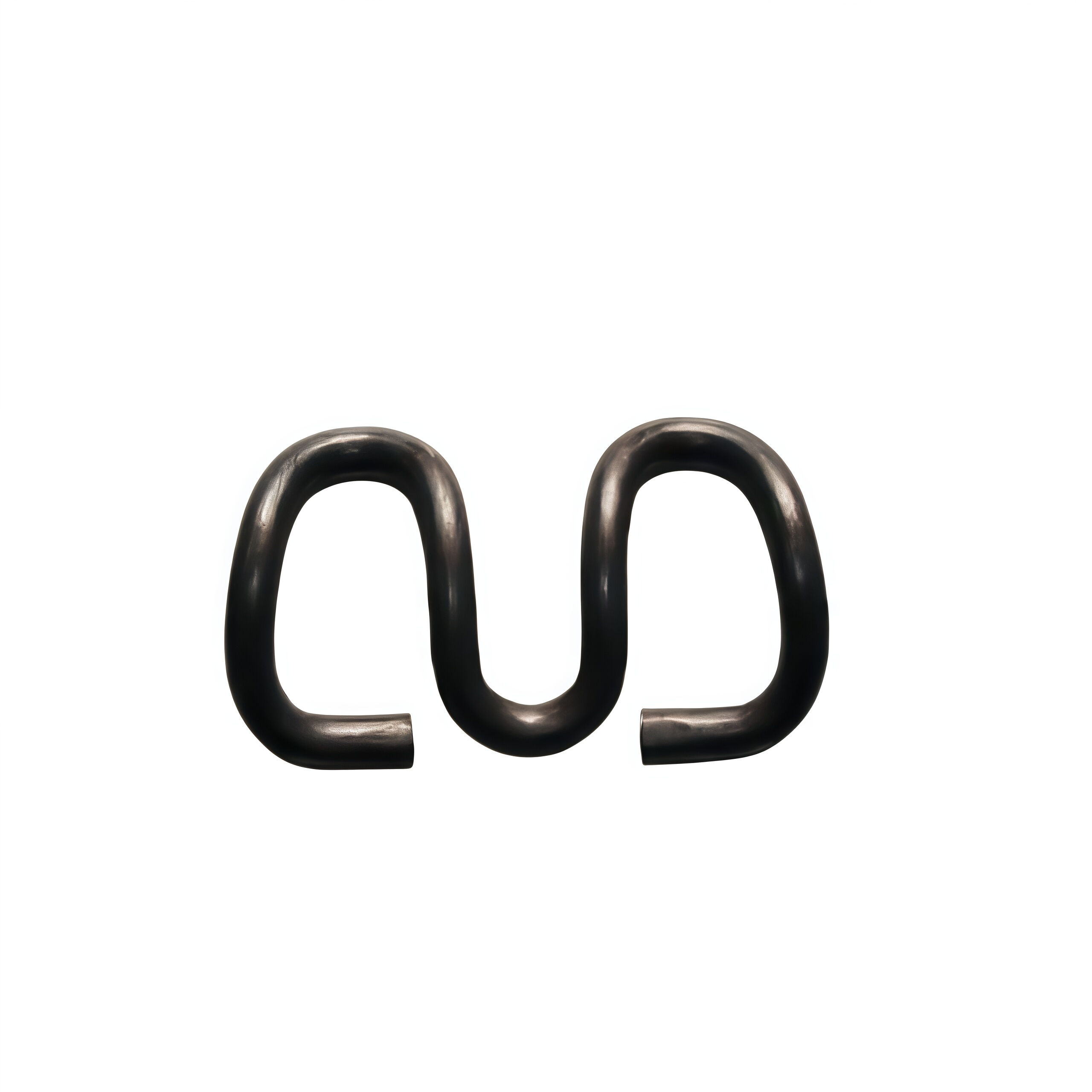
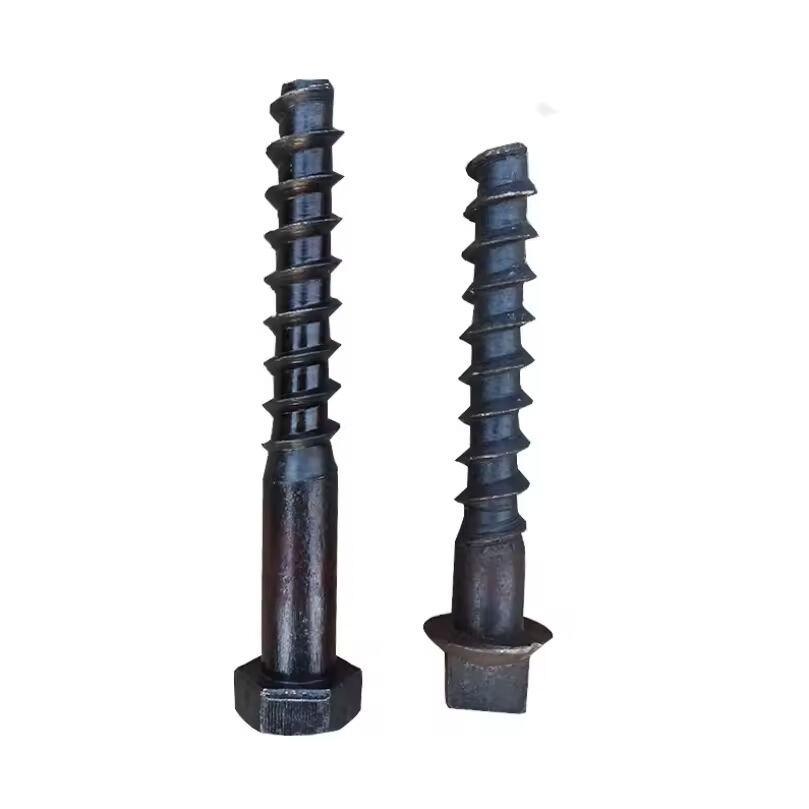
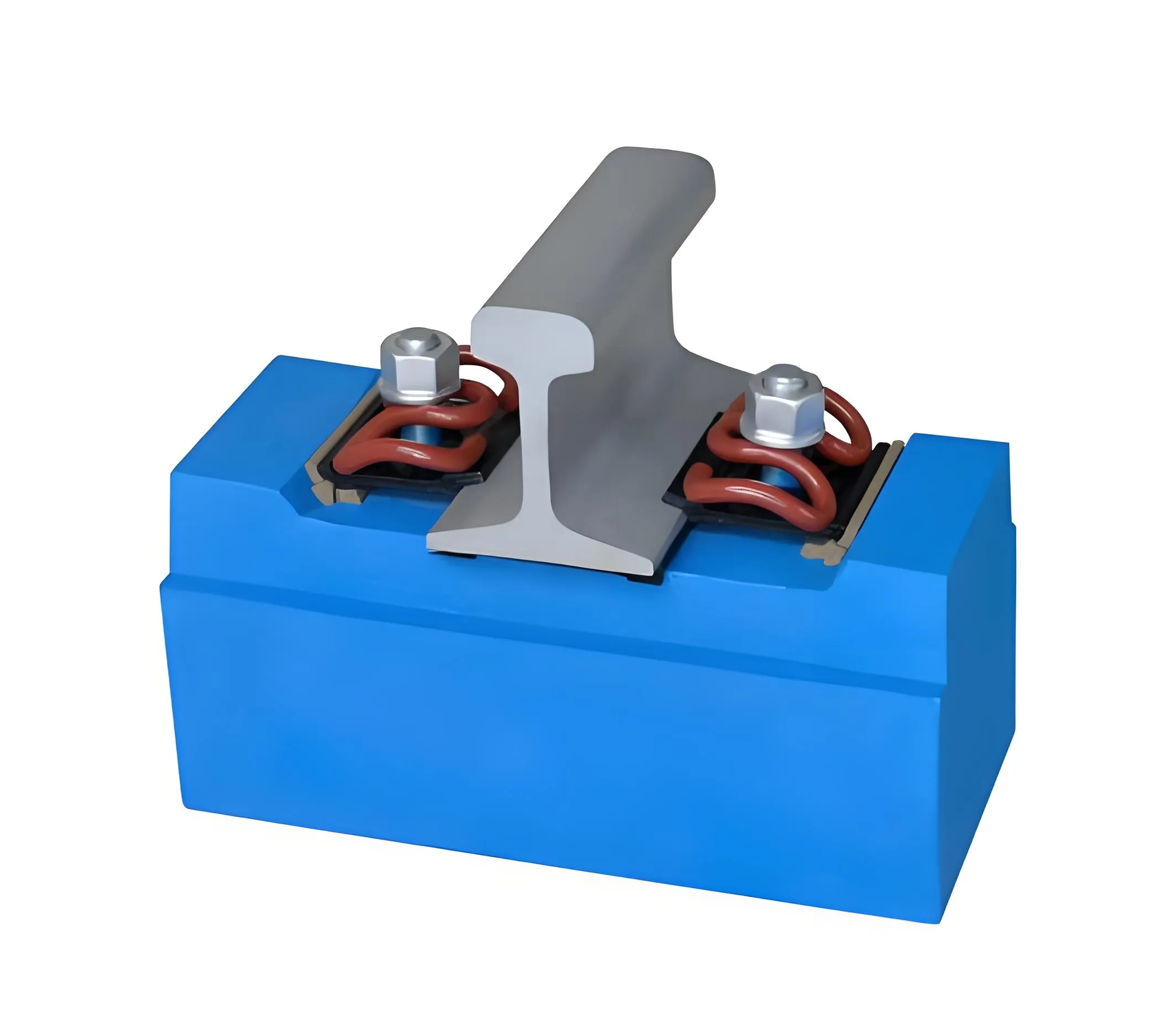
The railway sleeper screw represents a critical fastening component in modern railroad infrastructure, specifically designed to secure rail tracks to wooden, concrete, or composite sleepers with exceptional reliability and longevity. This specialized hardware serves as the primary connection point between the rail system and the underlying support structure, ensuring stable track geometry and safe train operations across diverse environmental conditions. Railway sleeper screws are engineered with advanced metallurgical properties, incorporating high-strength steel alloys that resist corrosion, fatigue, and dynamic loading forces generated by heavy freight and passenger trains. The technological features of these screws include precision threading patterns that create optimal holding power while minimizing wood splitting or concrete damage during installation. Advanced surface treatments, such as galvanized coatings or specialized polymer applications, enhance the railway sleeper screw's resistance to moisture, salt exposure, and chemical deterioration commonly encountered in outdoor rail environments. The screw head design incorporates specialized drive systems that accommodate standard railway maintenance equipment, enabling efficient installation and removal procedures during track construction and repair operations. Applications for railway sleeper screws span across mainline railways, urban transit systems, industrial sidings, and specialty rail installations including bridge approaches and tunnel sections. These components must withstand tremendous vertical and lateral forces while maintaining dimensional stability under temperature fluctuations ranging from extreme cold to intense heat. The railway sleeper screw's engineering specifications accommodate various gauge requirements and loading classifications, from light rail applications to heavy-haul freight corridors carrying multi-ton cargo loads. Quality railway sleeper screws undergo rigorous testing protocols including tensile strength verification, corrosion resistance evaluation, and fatigue cycle analysis to ensure compliance with international railway standards and safety regulations governing track infrastructure components.


New Products

Railway sleeper screws offer numerous practical advantages that directly translate into cost savings, improved safety, and enhanced operational efficiency for railway operators and maintenance teams. The primary benefit centers on superior holding power compared to traditional spike fastening systems, as the railway sleeper screw's threaded design creates a mechanical interlock that prevents gradual loosening under repeated train loading cycles. This enhanced grip strength significantly reduces track maintenance requirements, as properly installed railway sleeper screws maintain their clamping force for extended periods without requiring frequent re-tightening or replacement. Installation efficiency represents another major advantage, as modern railway sleeper screws can be rapidly deployed using standard power tools, reducing labor costs and project completion timelines compared to hammer-driven alternatives. The controlled insertion process eliminates the risk of sleeper damage that commonly occurs with impact installation methods, preserving the structural integrity of expensive concrete or composite sleeper materials. Railway sleeper screws demonstrate exceptional versatility across different sleeper materials and track configurations, providing consistent performance whether used in traditional ballasted track systems or modern slab track installations. The removability factor offers substantial long-term value, as railway sleeper screws can be easily extracted for track modifications, sleeper replacement, or temporary track diversions without destroying the fastening hardware or damaging surrounding infrastructure. Environmental resistance capabilities ensure reliable performance in harsh operating conditions, including coastal areas with salt spray exposure, industrial zones with chemical contamination, and regions experiencing extreme temperature variations. The standardized dimensions and specifications of quality railway sleeper screws facilitate inventory management and reduce procurement complexity for railway maintenance departments. Load distribution characteristics of railway sleeper screws help minimize stress concentrations in sleeper materials, extending the service life of the entire track structure and reducing overall lifecycle costs. Quality control advantages include consistent torque specifications and predictable performance characteristics that enable maintenance teams to establish reliable inspection schedules and replacement intervals. The railway sleeper screw's compatibility with modern track monitoring systems allows for integration with automated inspection technologies that can detect fastening system anomalies before they compromise track safety or operational performance.

Tips And Tricks

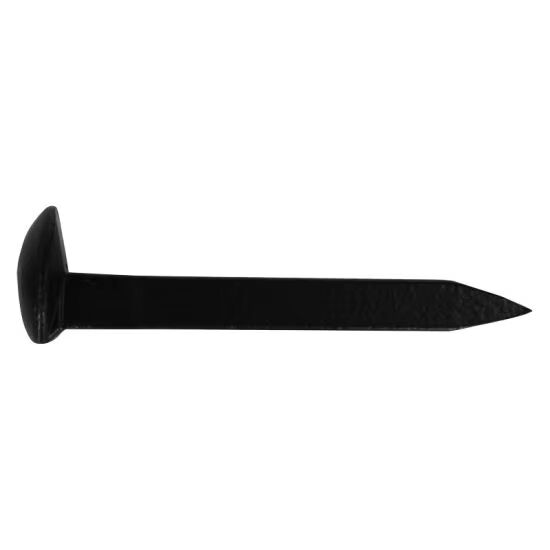
Why Rail Contractors Prefer Forged Railroad Dog Spikes

24

Nov

Why Rail Contractors Prefer Forged Railroad Dog Spikes

Railroad construction and maintenance projects demand precision, durability, and unwavering reliability in every component used. Among the critical fastening elements that secure rails to railroad ties, forged railroad dog spikes have emerged as the ...
View More
How Do Dog Spikes Affect Track Alignment and Train Safety?

18

Dec

How Do Dog Spikes Affect Track Alignment and Train Safety?

Railway infrastructure depends on countless components working in harmony to ensure safe and efficient train operations. Among these critical elements, the dog spike stands as one of the most fundamental yet often overlooked fastening systems that se...
View More
How Do Gauge Blocks Ensure Precision in Railway Track Construction?

05

Jan

How Do Gauge Blocks Ensure Precision in Railway Track Construction?

Railway track construction demands exceptional precision to ensure safe and efficient train operations. The accuracy of track gauge measurements directly impacts train stability, wheel wear, and overall system safety. Among the essential tools used i...
View More
How to select rail anchors for high-speed vs conventional rail lines?

20

Apr

How to select rail anchors for high-speed vs conventional rail lines?

Selecting the appropriate rail anchors for different railway applications requires understanding the fundamental differences between high-speed and conventional rail systems. Rail anchors serve as critical components that secure rails to sleepers and...
View More

Get a Free Quote

Our representative will contact you soon.
Email
Name
Company Name
Message
0/1000

railway sleeper screw

Advanced Corrosion Protection Technology

Advanced Corrosion Protection Technology

The railway sleeper screw incorporates cutting-edge corrosion protection technology that significantly extends service life and reduces maintenance costs in challenging environmental conditions. This advanced protection system begins with premium grade steel alloys specifically formulated to resist oxidation and chemical attack from industrial pollutants, road salt runoff, and atmospheric moisture that commonly affect railway corridors. The multi-layer coating process applied to each railway sleeper screw includes hot-dip galvanizing that creates a metallurgical bond with the base steel, forming an impenetrable barrier against moisture infiltration and oxygen exposure. Additional polymer topcoats provide enhanced chemical resistance and UV protection that prevents coating degradation under prolonged sunlight exposure. This comprehensive protection system enables the railway sleeper screw to maintain structural integrity and holding power for decades, even in coastal environments where salt spray creates accelerated corrosion conditions that quickly degrade inferior fastening hardware. The corrosion resistance technology incorporated into railway sleeper screws eliminates the costly cycle of frequent replacement and emergency repairs that plague traditional fastening systems, providing railway operators with predictable maintenance schedules and reduced lifecycle costs. Field testing demonstrates that properly coated railway sleeper screws maintain over ninety percent of their original tensile strength after twenty years of service in severe environmental conditions, compared to unprotected alternatives that require replacement within five to seven years. The advanced coating system also prevents galvanic corrosion when the railway sleeper screw contacts dissimilar metals in the track structure, ensuring compatibility with modern rail clips, plates, and anchoring devices. This corrosion protection technology represents a critical investment in railway infrastructure reliability, as fastening system failures can result in catastrophic derailments, service disruptions, and enormous liability costs that far exceed the modest premium associated with superior railway sleeper screw specifications.
Precision Thread Engineering for Maximum Holding Power

Precision Thread Engineering for Maximum Holding Power

The railway sleeper screw features precision-engineered thread geometry that maximizes holding power while minimizing installation stress on sleeper materials, representing a significant advancement over conventional fastening methods. The specialized thread profile incorporates optimized pitch angles and crest configurations that create superior mechanical engagement with wood fibers, concrete aggregates, or composite matrix materials commonly used in modern sleeper construction. This precision threading system generates exceptional pullout resistance that maintains track gauge stability under the enormous dynamic loads imposed by high-speed passenger trains and heavy freight operations. The railway sleeper screw's thread design distributes clamping forces evenly across the engagement length, preventing stress concentrations that can cause sleeper cracking or premature material failure. Advanced computer modeling and extensive field testing have validated the optimal thread geometry that balances maximum holding power with efficient installation characteristics, ensuring that maintenance crews can achieve proper torque specifications without risking over-tightening damage. The precision manufacturing process used to create these threads maintains strict dimensional tolerances that guarantee consistent performance across large production quantities, eliminating the variability issues that plague lower-quality fastening alternatives. Self-tapping capabilities built into the railway sleeper screw thread design reduce installation time and eliminate the need for pre-drilling operations in most applications, streamlining construction workflows and reducing project costs. The thread engineering also incorporates anti-seizing features that facilitate removal operations when track modifications or sleeper replacement becomes necessary, preventing the costly drilling and extraction procedures required with inferior fastening systems. Quality control testing verifies that each railway sleeper screw meets stringent thread geometry specifications through automated inspection systems that measure pitch accuracy, flank angles, and surface finish characteristics. This precision thread engineering technology ensures that railway sleeper screws provide reliable service throughout their intended design life, maintaining track stability and safety standards that protect both railway operations and public safety interests.
Universal Compatibility and Installation Efficiency

Universal Compatibility and Installation Efficiency

The railway sleeper screw demonstrates exceptional universal compatibility across diverse track systems and installation scenarios, making it an ideal choice for railway operators seeking standardized fastening solutions that reduce inventory complexity and maintenance training requirements. This versatility stems from carefully engineered dimensions and specifications that accommodate various international track gauge standards, sleeper materials, and rail profiles commonly encountered in modern railway operations. The railway sleeper screw's standardized head configuration accepts common drive tools and power equipment used by maintenance crews worldwide, eliminating the need for specialized installation apparatus that increases operational costs and limits maintenance flexibility. Universal thread specifications ensure compatibility with existing track hardware including rail clips, base plates, and ancillary components, allowing railway operators to upgrade their fastening systems without requiring comprehensive track reconstruction projects. The installation efficiency advantages of the railway sleeper screw include rapid deployment capabilities that significantly reduce track outage times during maintenance operations, minimizing service disruptions and associated revenue losses. Standardized torque specifications simplify training requirements for maintenance personnel while ensuring consistent installation quality across different work crews and project locations. The railway sleeper screw's compatibility with automated installation equipment enables high-volume construction projects to achieve superior productivity rates compared to traditional fastening methods that rely heavily on manual labor. Quality assurance benefits include predictable performance characteristics that allow maintenance managers to establish standardized inspection protocols and replacement schedules across their entire rail network. The universal design philosophy incorporated into railway sleeper screw development ensures long-term parts availability and supply chain stability, protecting railway operators from obsolescence issues that can plague proprietary fastening systems. Field interchangeability allows maintenance crews to utilize common railway sleeper screw specifications across multiple track sections, reducing inventory carrying costs and simplifying procurement procedures. This universal compatibility extends to various sleeper materials including traditional timber, pre-stressed concrete, and advanced composite alternatives, providing railway operators with flexibility to optimize their track systems for specific operational requirements while maintaining standardized fastening hardware throughout their infrastructure network.

Get a Free Quote

Our representative will contact you soon.
Email
Name
Company Name
Message
0/1000