railroad track parts components
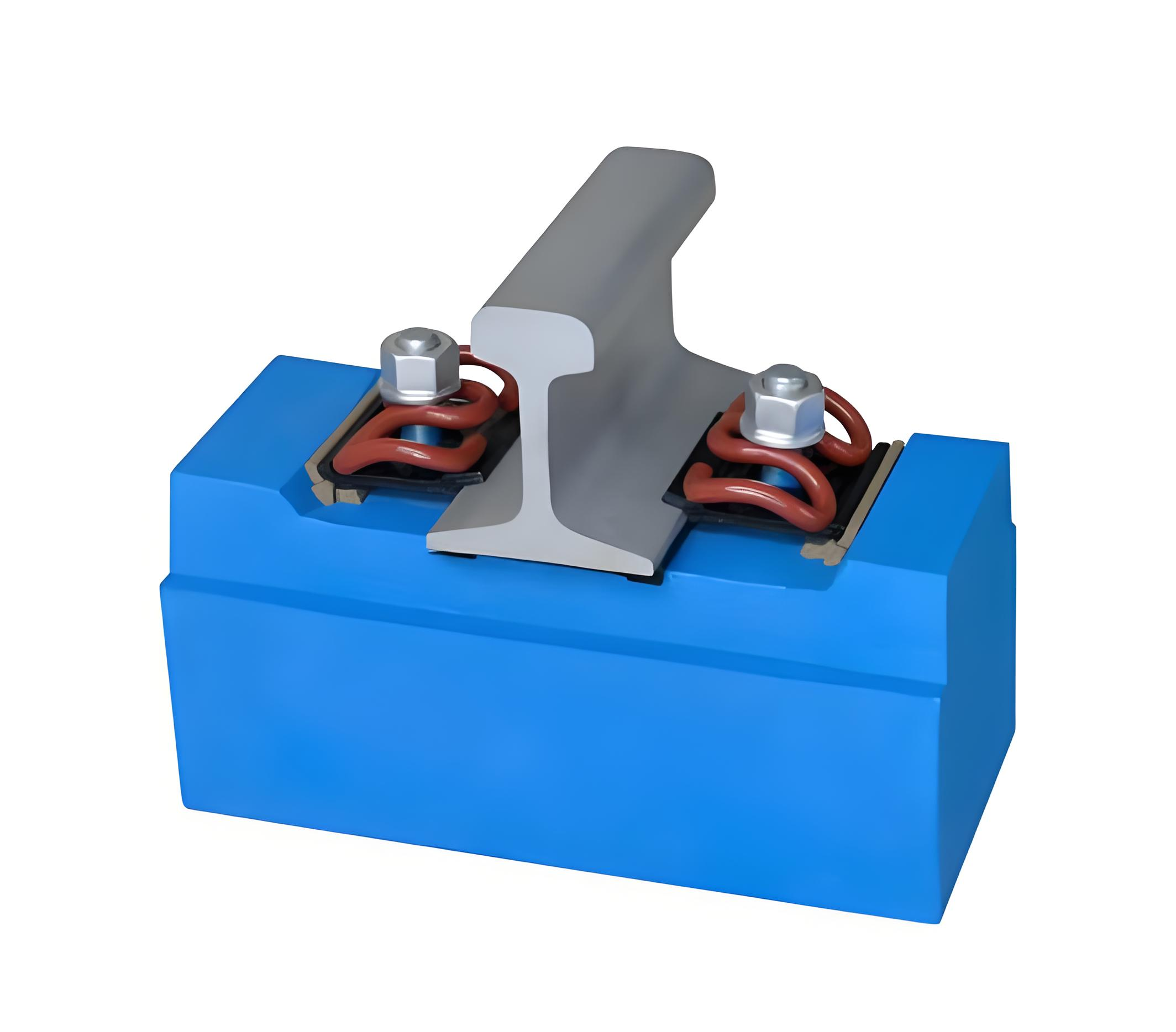
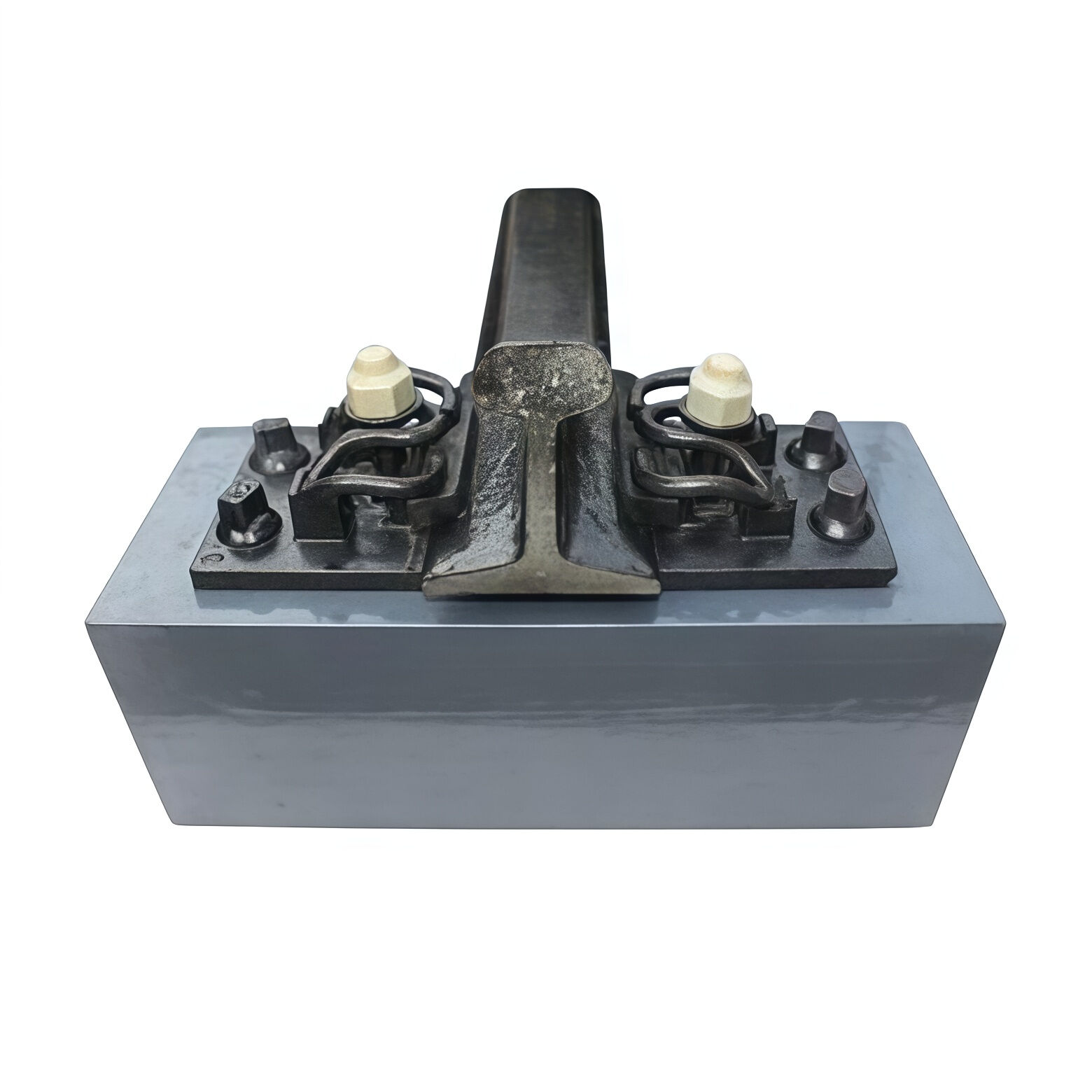
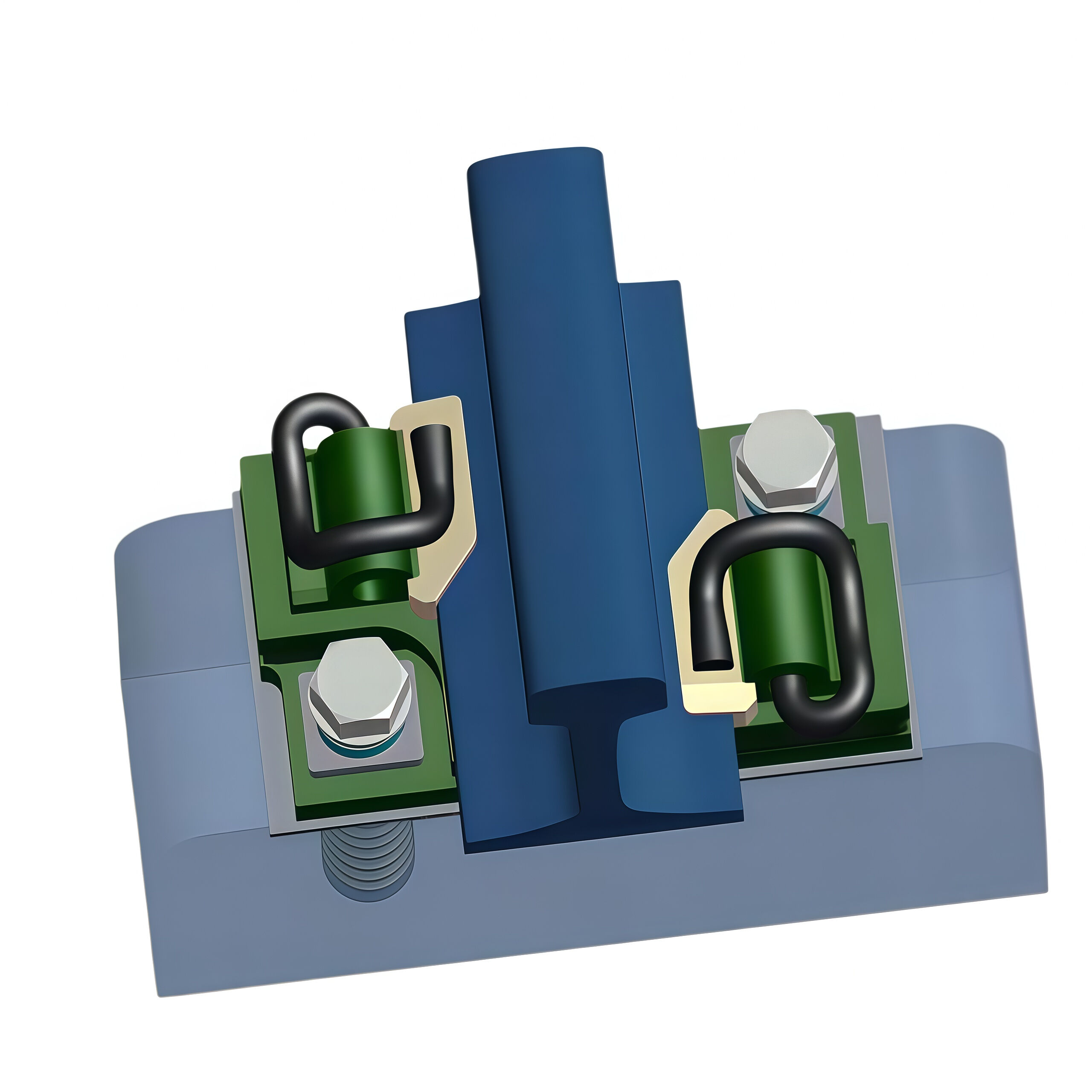
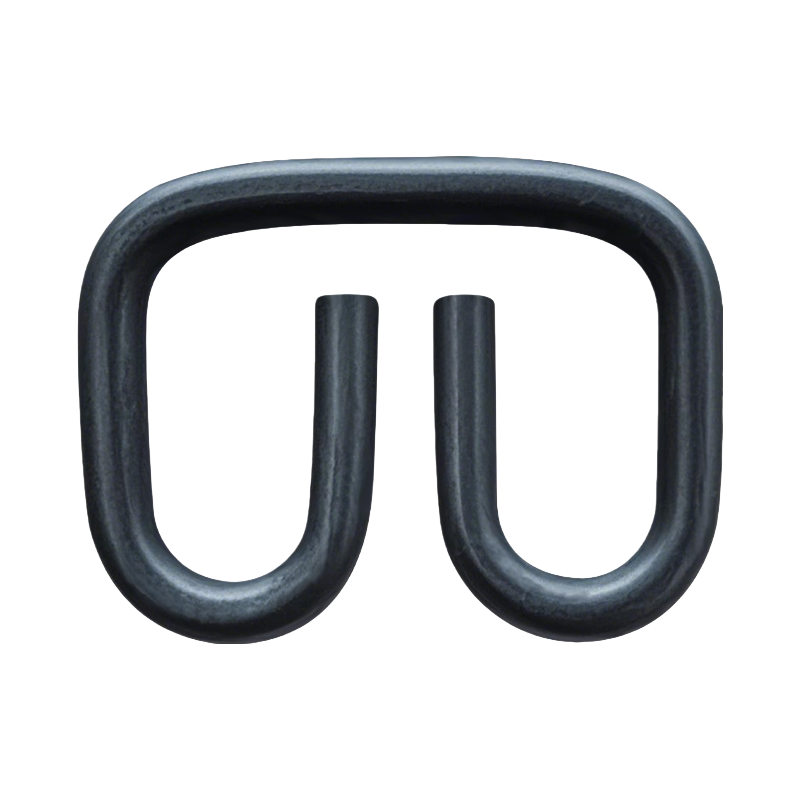
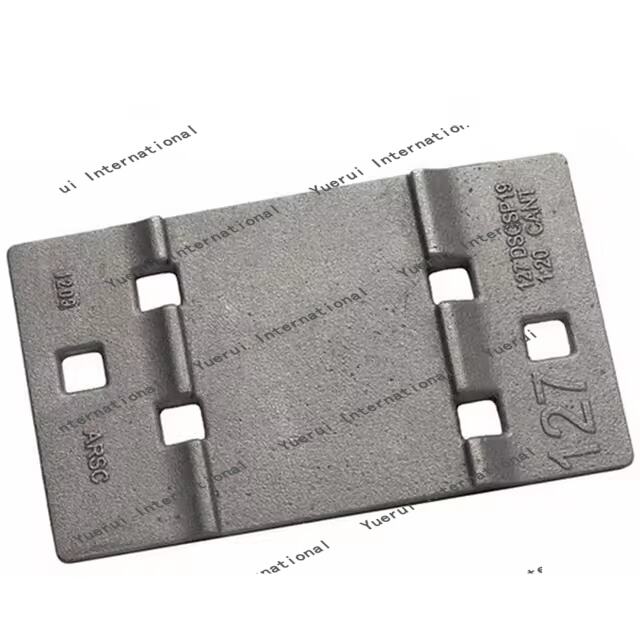
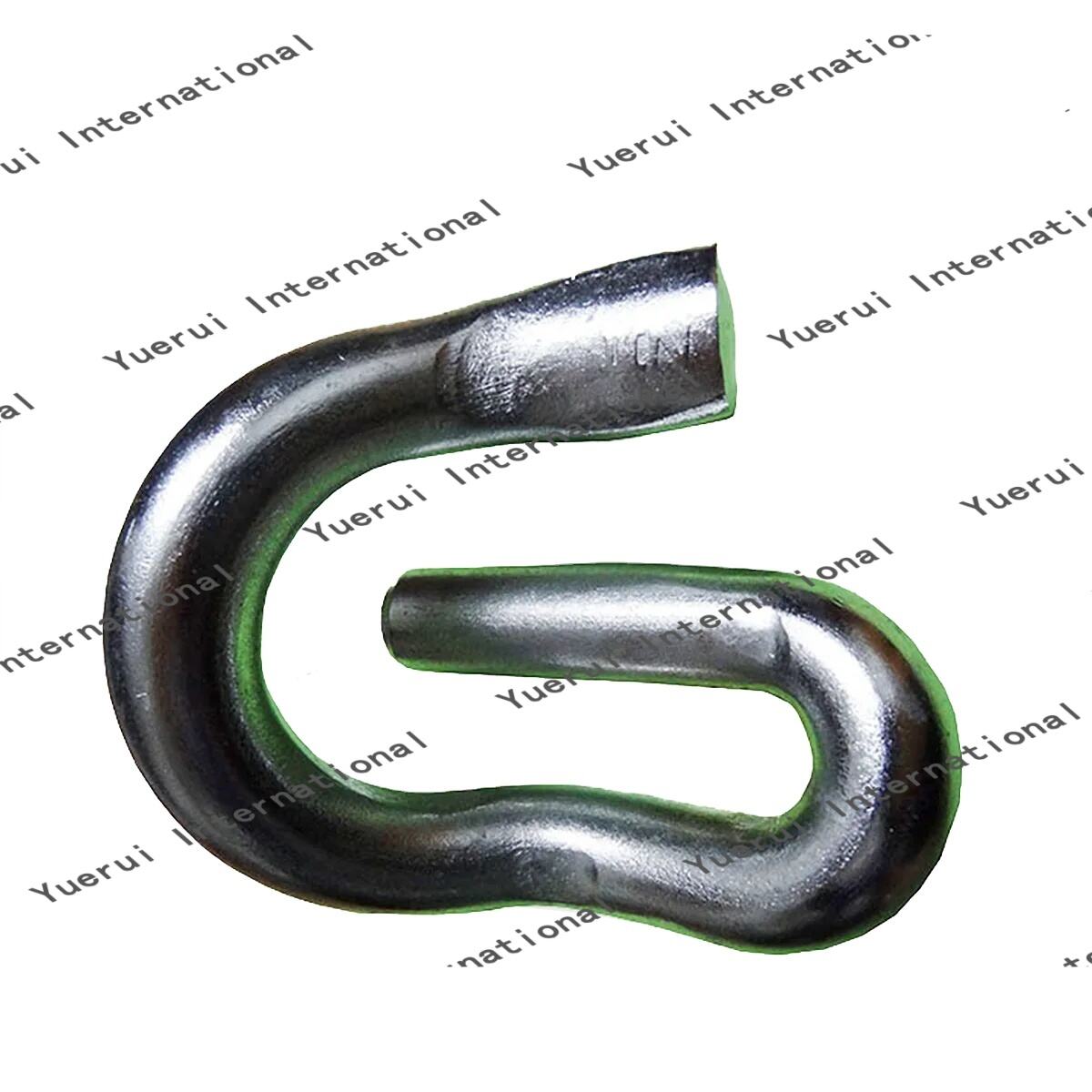
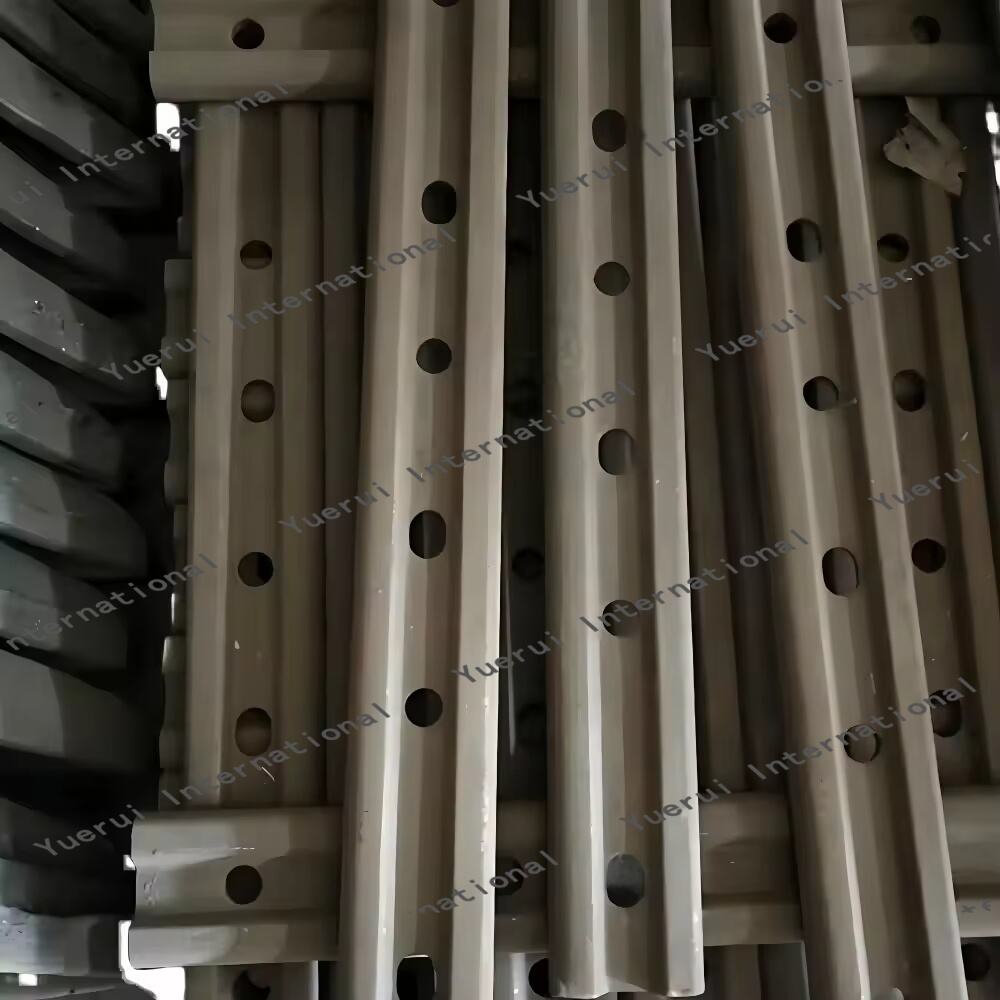
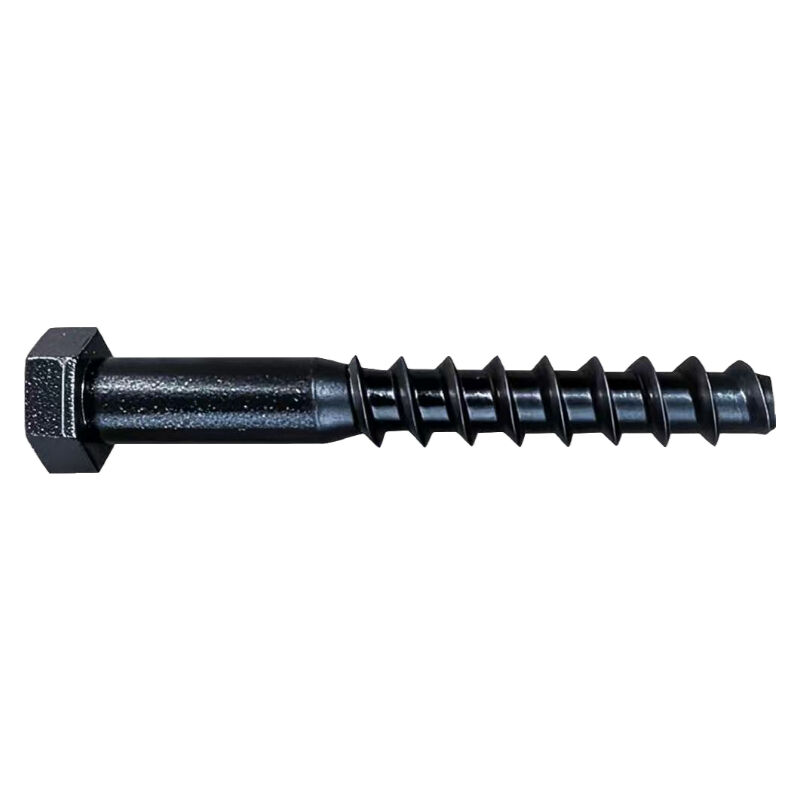
Railroad track parts components form the essential foundation of modern railway infrastructure, serving as the critical elements that ensure safe, efficient, and reliable train operations worldwide. These sophisticated engineering systems encompass multiple interconnected elements that work together to support massive loads while maintaining precise train guidance and smooth operations. The primary railroad track parts components include rails, railroad ties or sleepers, rail fasteners, ballast materials, and various supporting hardware elements. Each component plays a vital role in creating a robust transportation network capable of handling both passenger and freight traffic under diverse environmental conditions. Rails serve as the primary load-bearing elements, manufactured from high-grade steel alloys designed to withstand tremendous pressure and wear. These precision-engineered components provide the smooth running surface for train wheels while distributing weight across the entire track structure. Railroad ties, whether made from treated wood, concrete, or composite materials, act as the foundational support system that maintains proper rail spacing and transfers loads to the underlying ballast layer. Rail fasteners, including clips, bolts, and specialized hardware, secure rails to ties while allowing for necessary thermal expansion and contraction. The ballast system, typically composed of crushed stone or specialized aggregate materials, provides drainage, stability, and load distribution across the subgrade. Modern railroad track parts components incorporate advanced technologies and materials science innovations to enhance performance, durability, and safety standards. These systems must withstand extreme weather conditions, heavy traffic loads, and constant vibration while maintaining dimensional stability and structural integrity. The technological features of contemporary railroad track parts components include corrosion-resistant coatings, precision manufacturing tolerances, and engineered materials that extend service life while reducing maintenance requirements. Applications span diverse transportation sectors, including high-speed passenger rail networks, heavy freight corridors, urban transit systems, and industrial railway applications. Each application requires specific railroad track parts components tailored to unique operational demands and environmental challenges.

 EN
EN