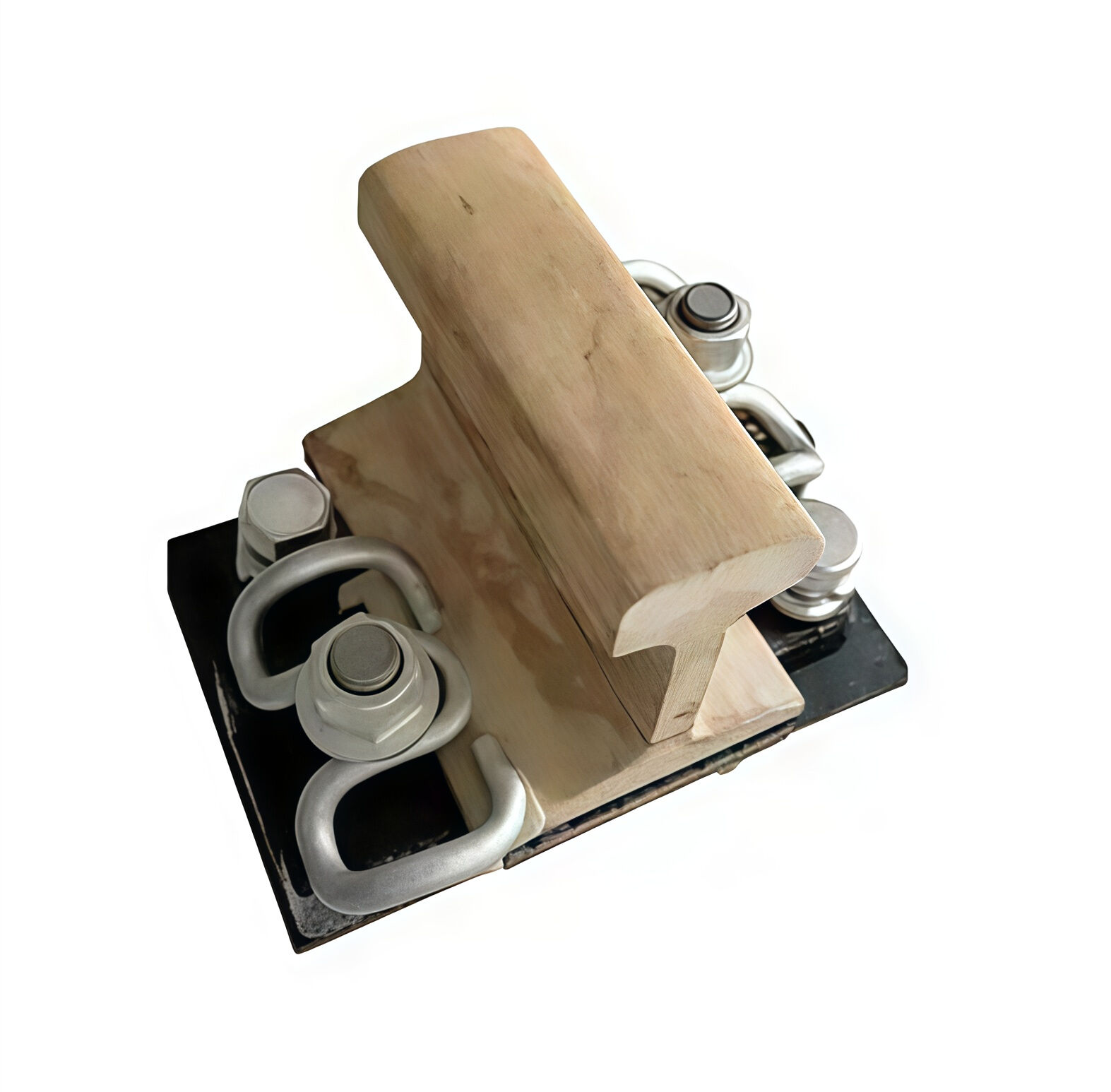
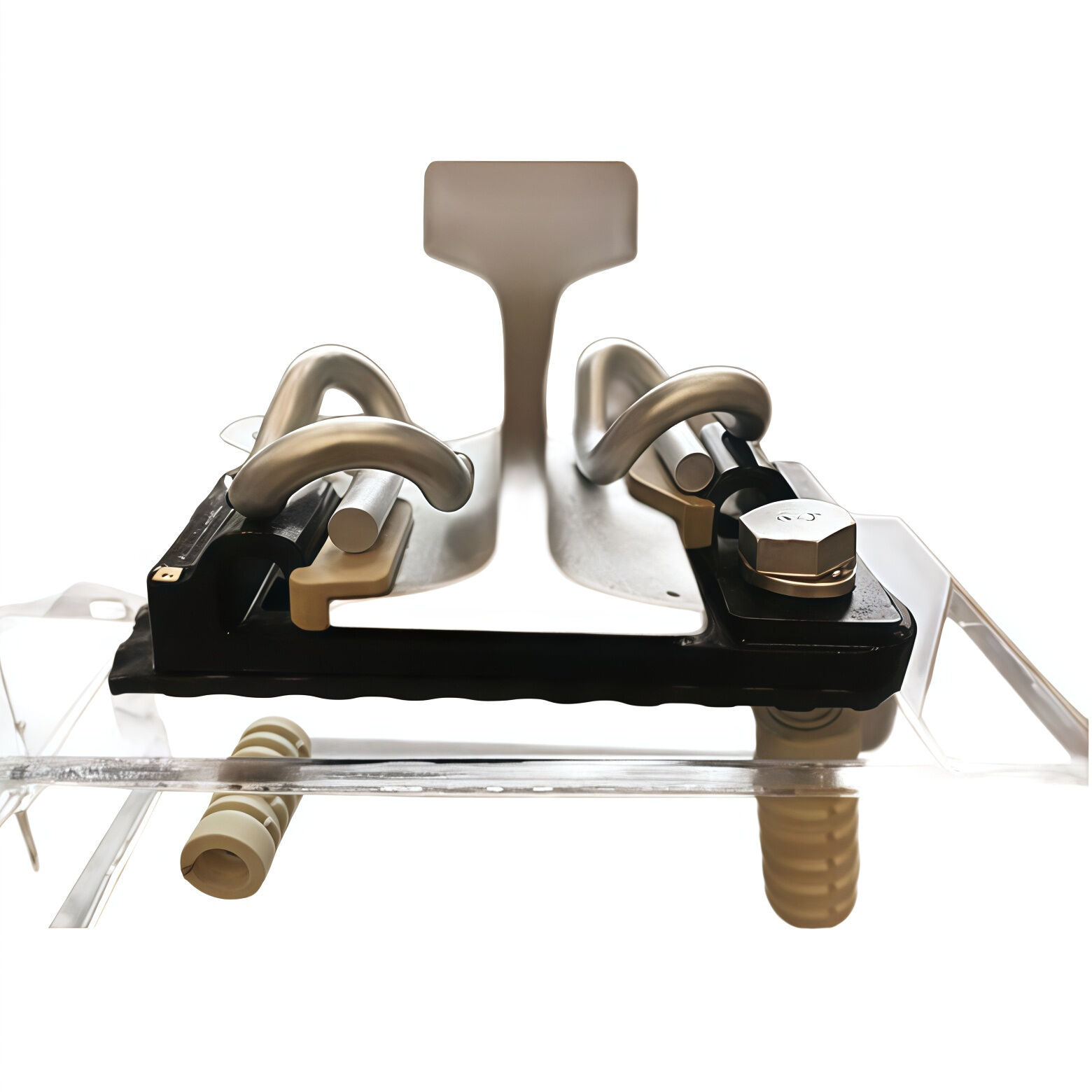
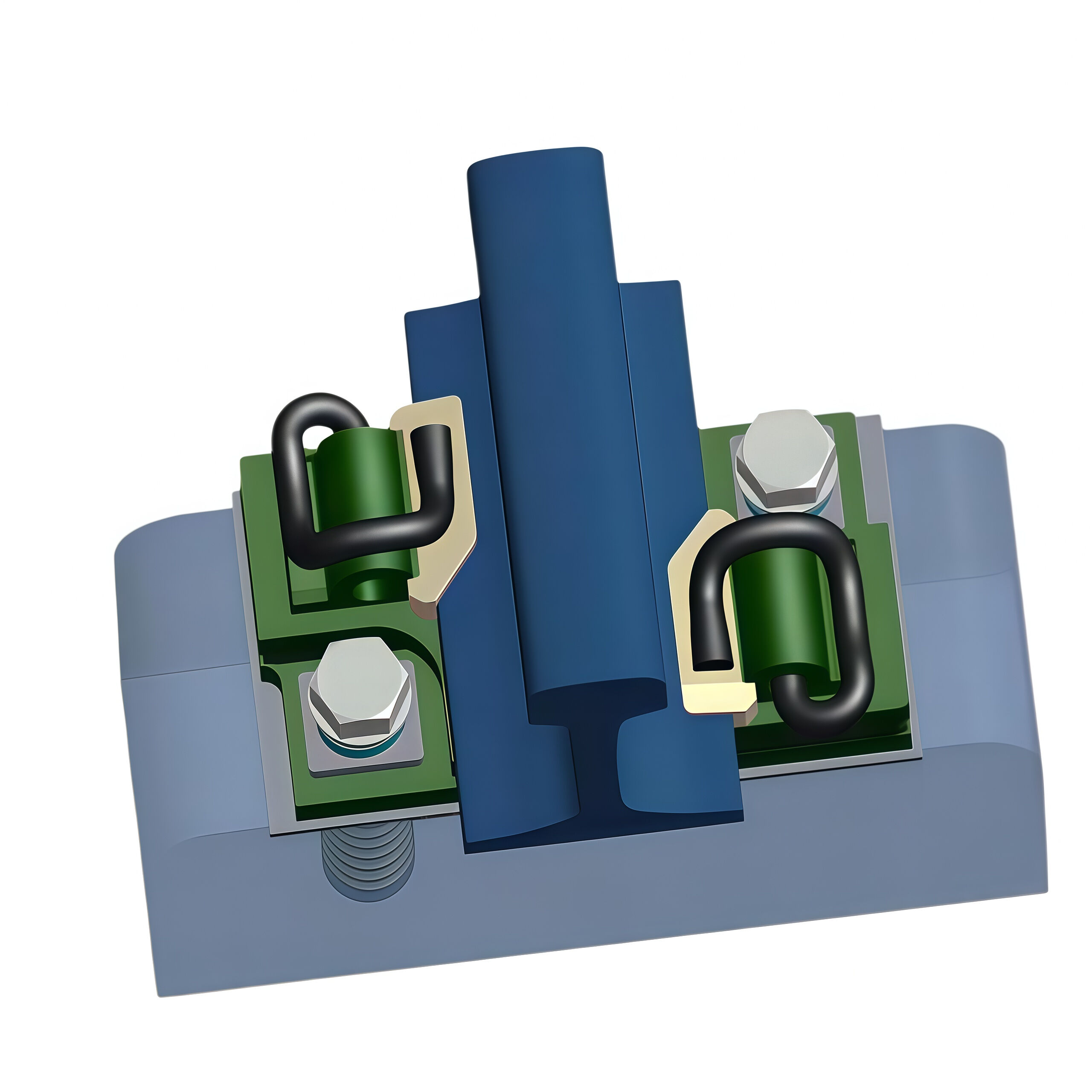
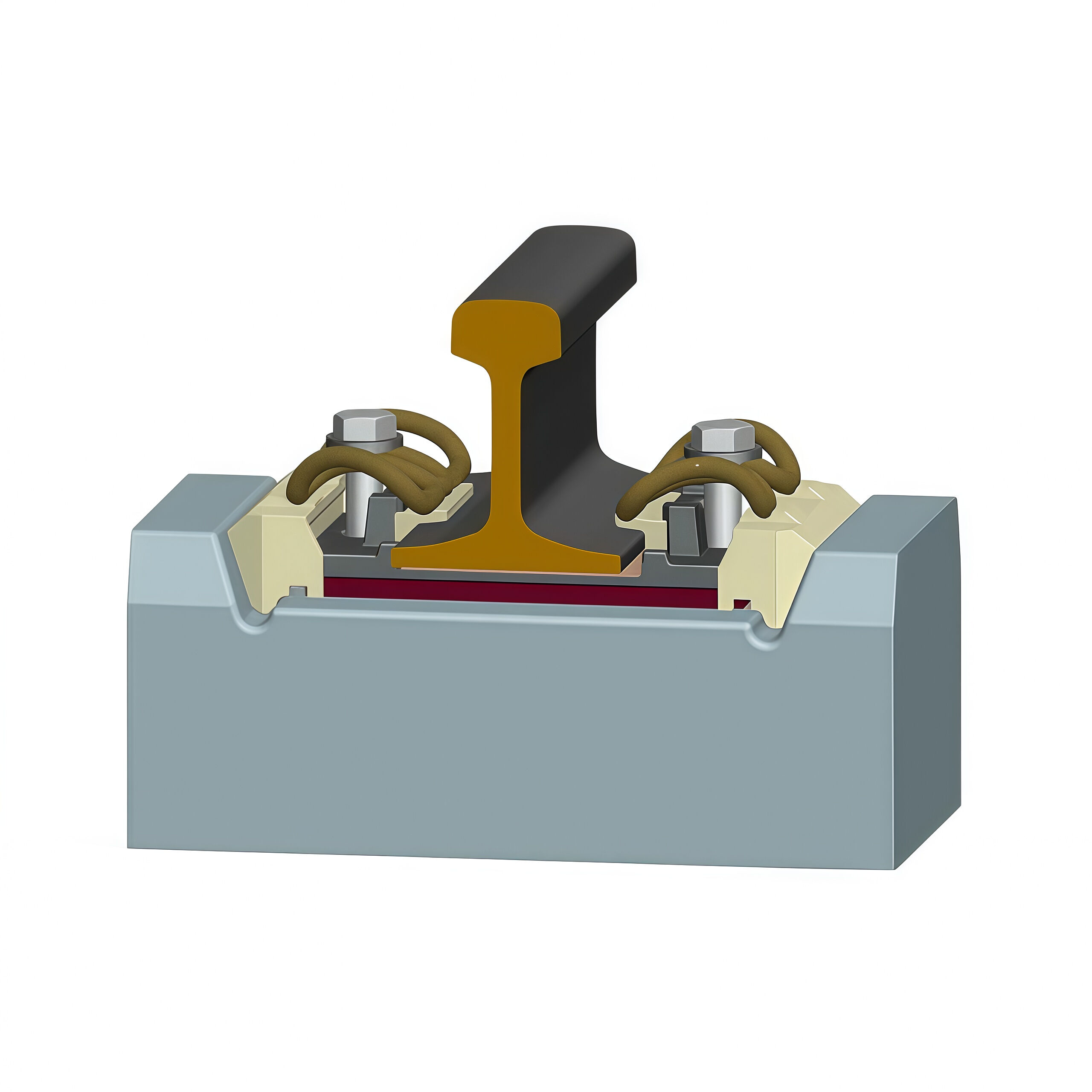
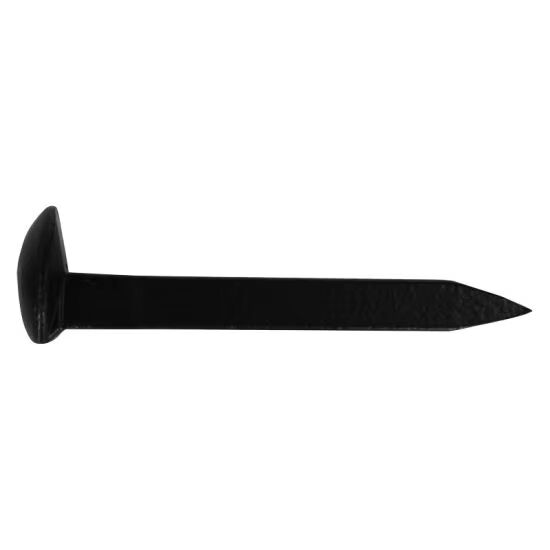
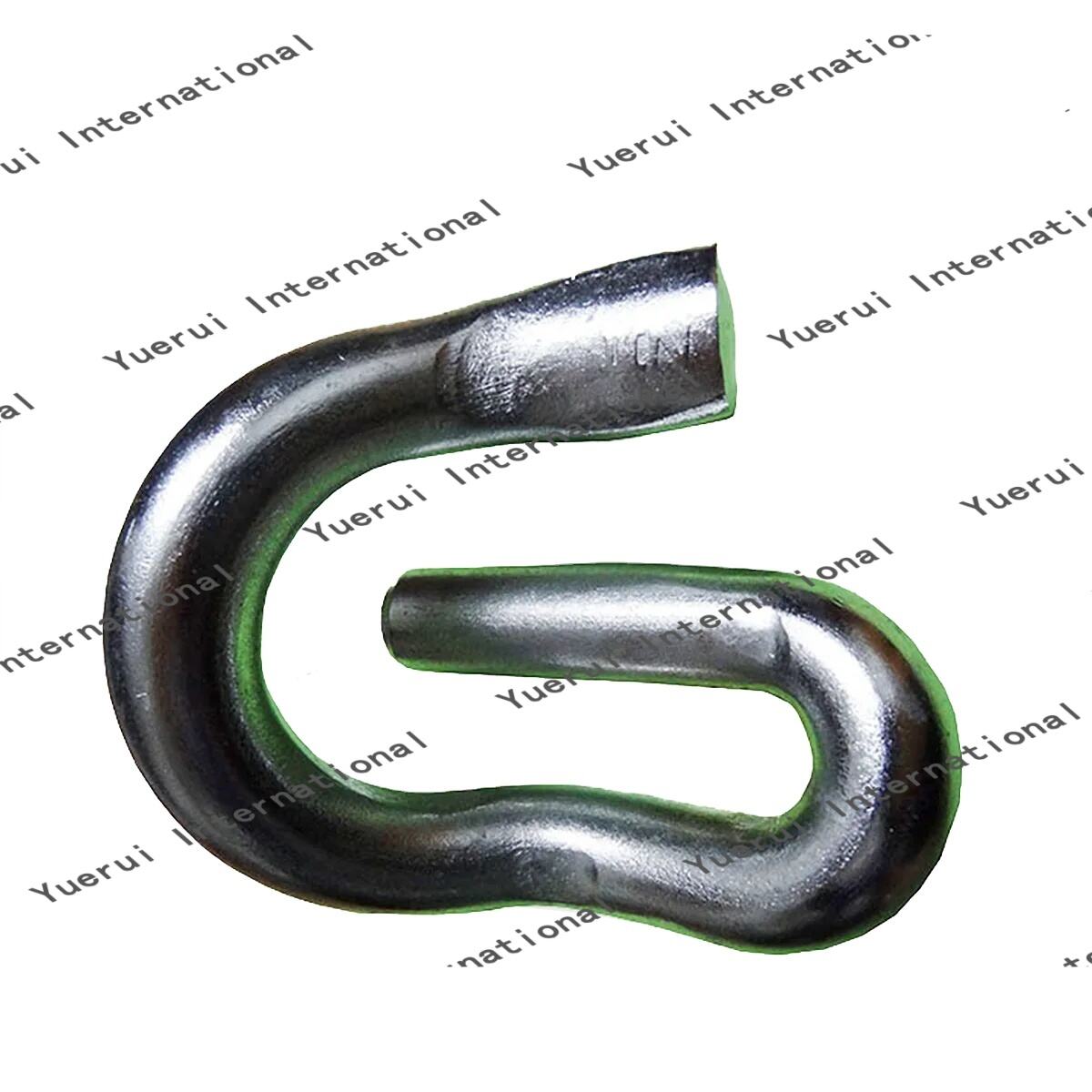
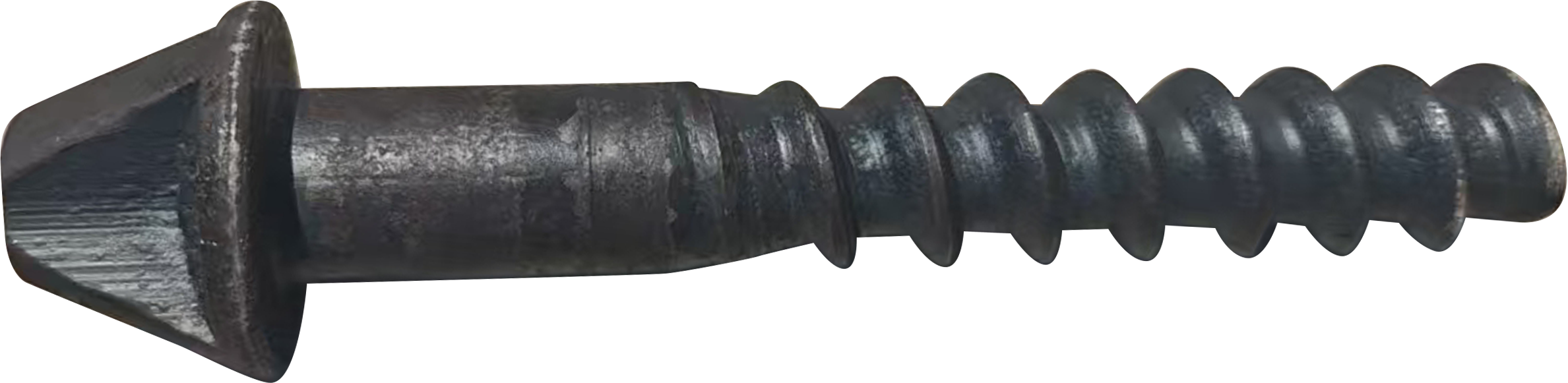
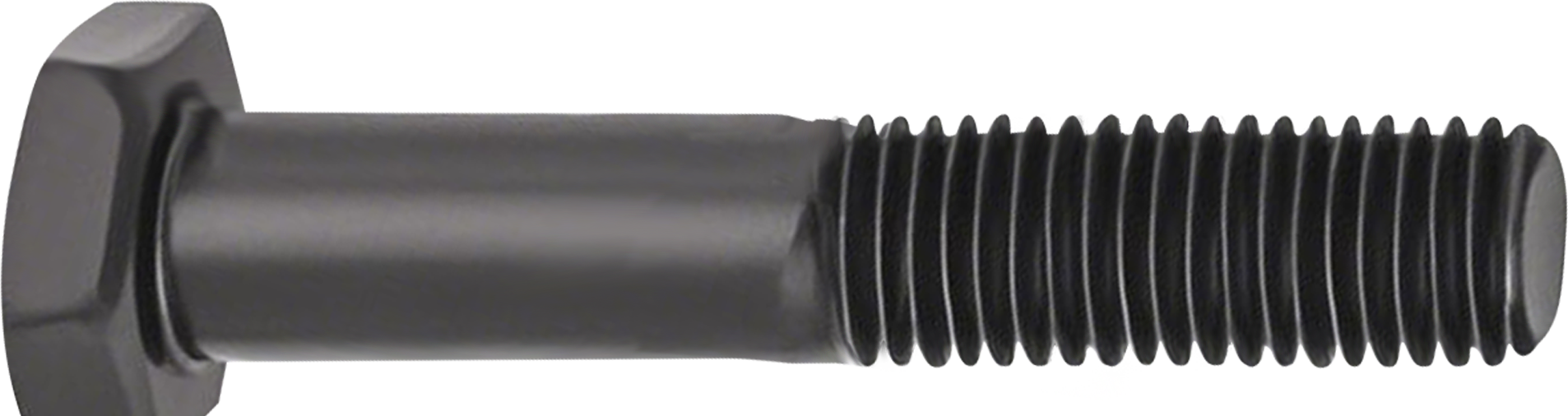
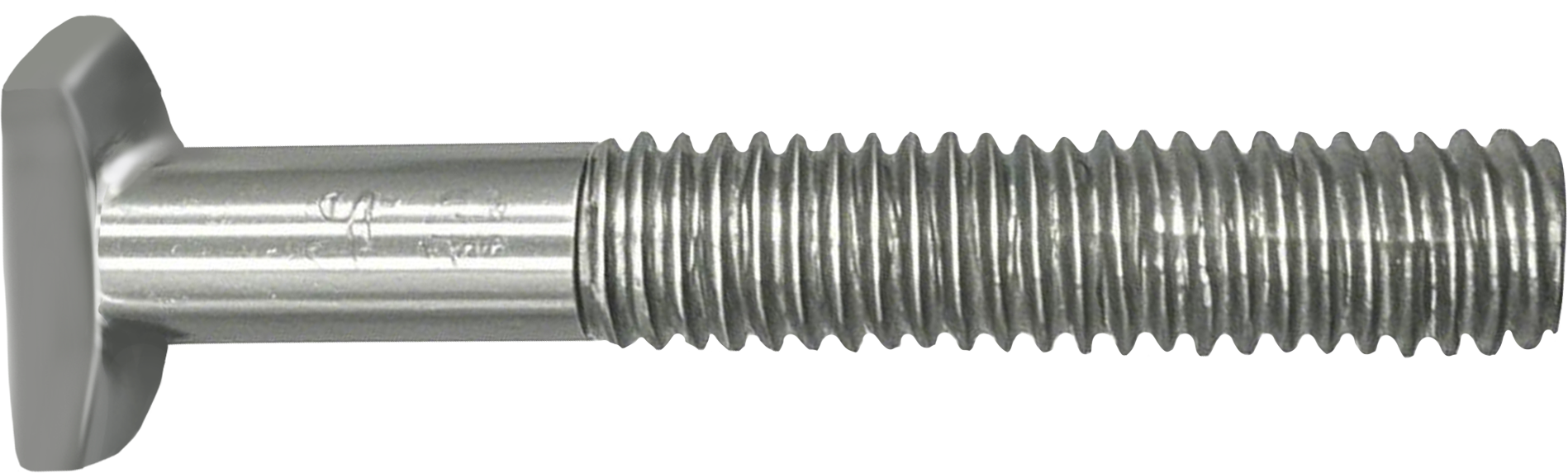
railroad track bolt for railway
The railroad track bolt for railway represents a critical fastening component that ensures the structural integrity and operational safety of rail transportation systems worldwide. These specialized bolts serve as the primary connection mechanism between rail tracks and their supporting infrastructure, including tie plates, rail joints, and crossing assemblies. The railroad track bolt for railway is engineered to withstand extreme mechanical stresses, environmental conditions, and continuous dynamic loading from passing trains. Manufacturing standards require these bolts to meet stringent specifications for tensile strength, corrosion resistance, and dimensional accuracy. The design incorporates high-grade steel alloys that provide exceptional durability while maintaining flexibility under varying thermal conditions. Each railroad track bolt for railway undergoes rigorous quality testing to ensure compliance with international railway standards and safety regulations. The threading pattern is specifically designed to create secure connections that resist loosening from vibration and mechanical stress. Surface treatments such as galvanization or specialized coatings protect against corrosion and extend service life significantly. Installation procedures require precise torque specifications to achieve optimal clamping force without compromising bolt integrity. The railroad track bolt for railway comes in various sizes and configurations to accommodate different track gauges, rail weights, and specific application requirements. These bolts play a crucial role in maintaining proper track alignment, preventing rail movement, and ensuring smooth train operations. Regular inspection and maintenance of railroad track bolt for railway installations are essential for maintaining system reliability and preventing potential safety hazards. The economic impact of using quality bolts extends beyond initial installation costs, as they reduce long-term maintenance requirements and minimize service disruptions.

 EN
EN