Premium Track Plate Solutions: Enhanced Durability, Superior Traction & Load Distribution Technology

All Categories

track plate

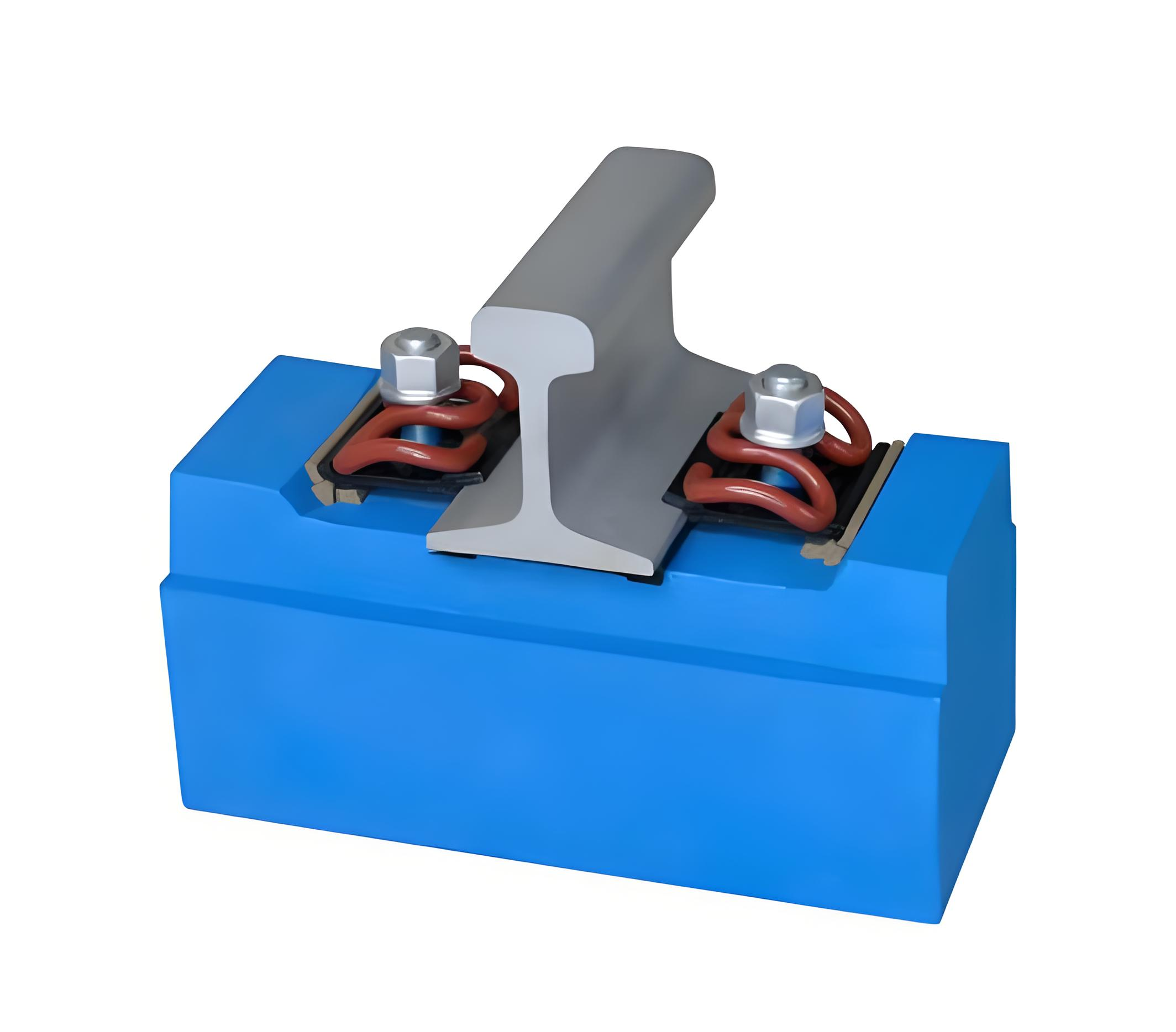
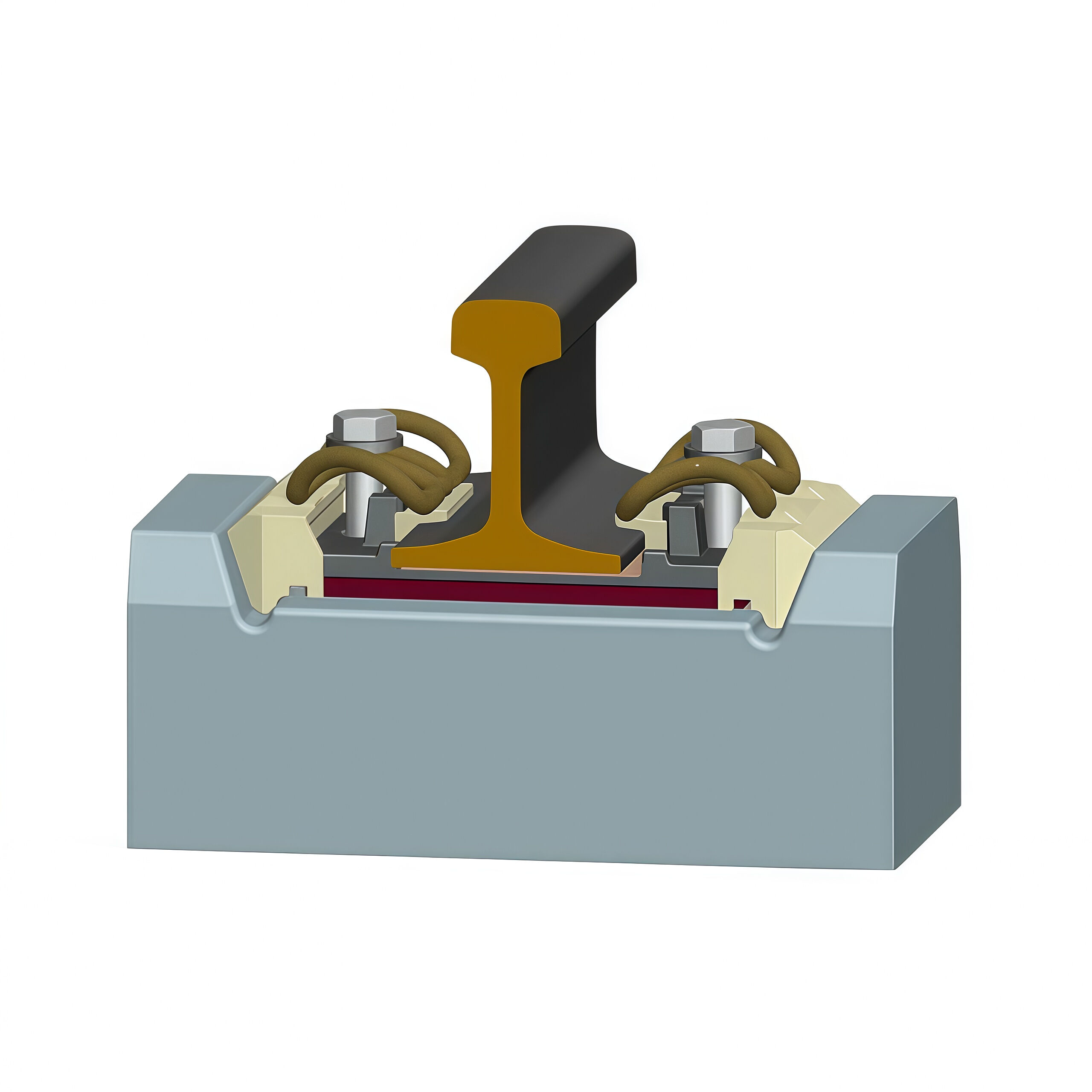
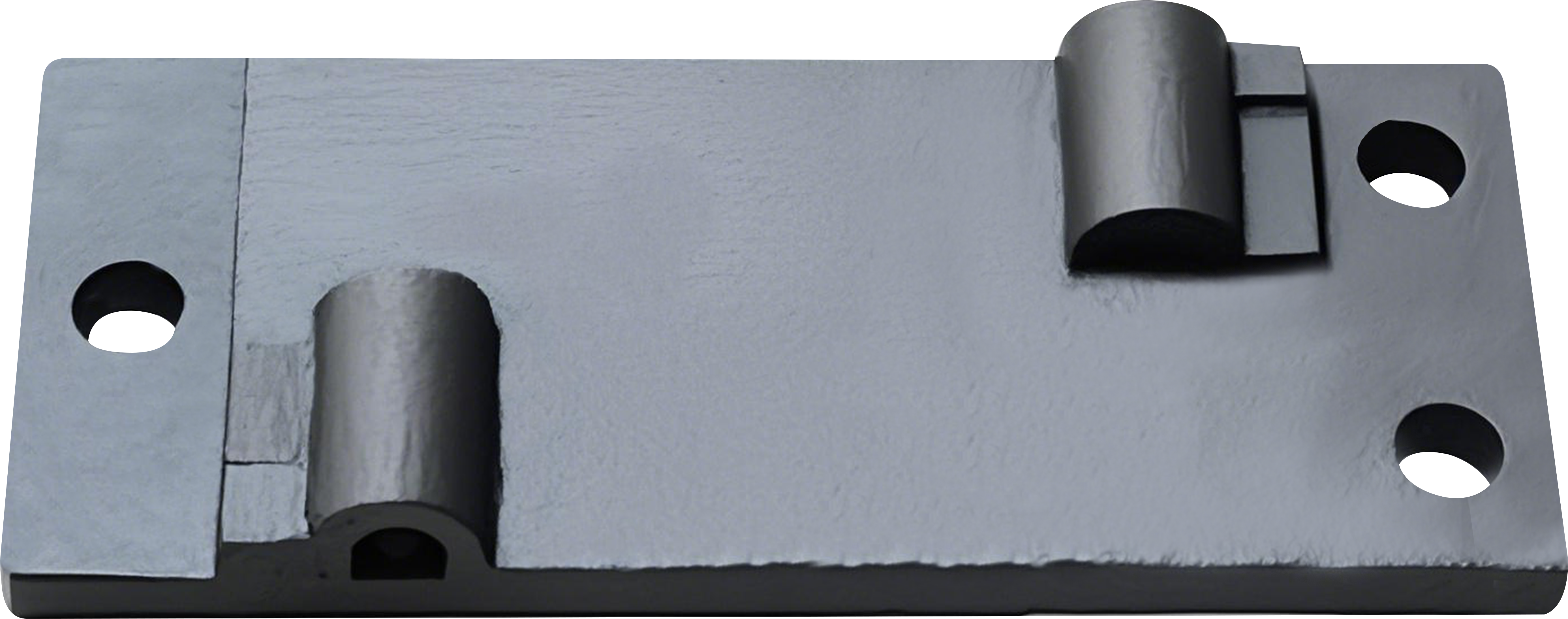
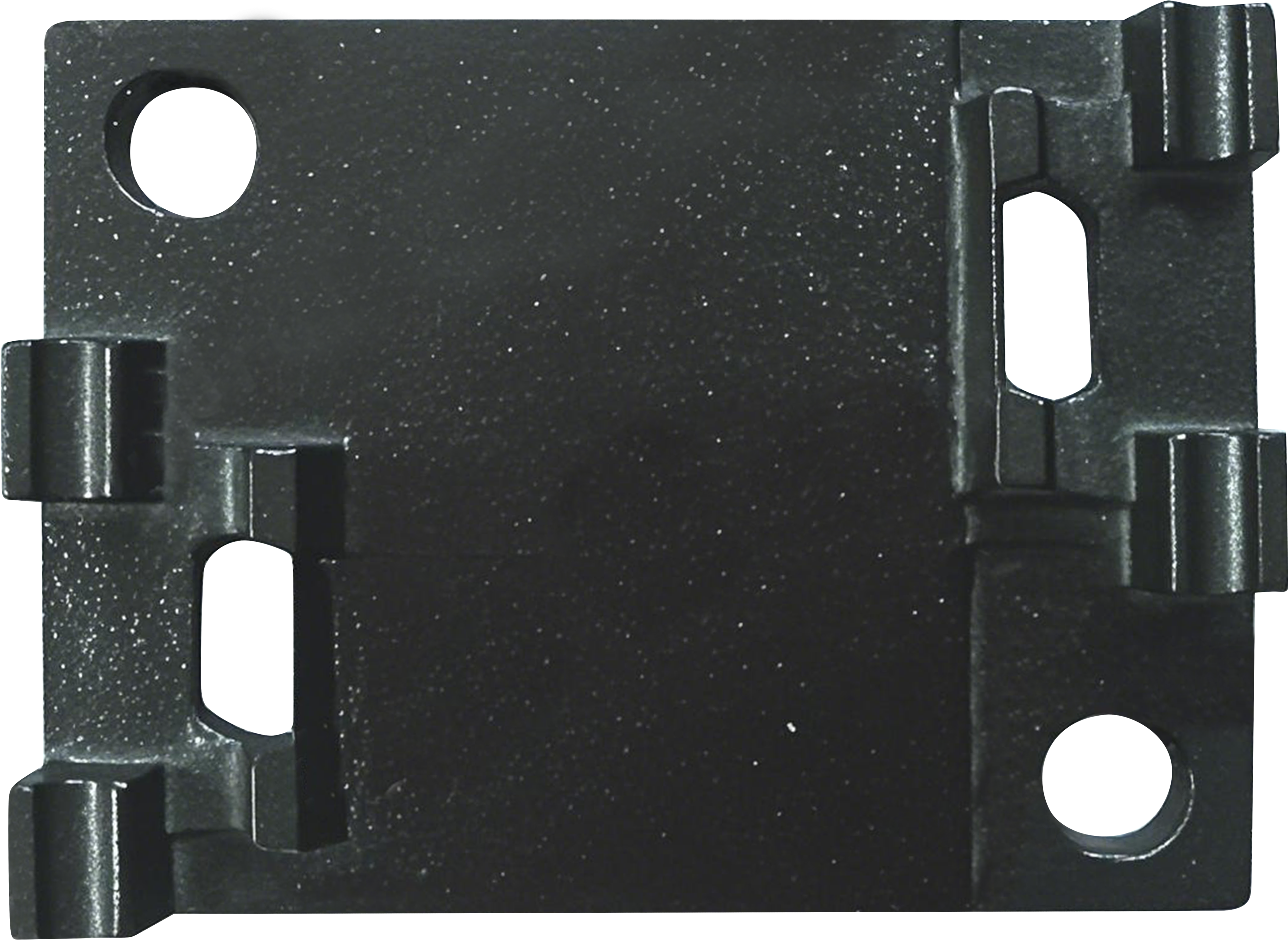
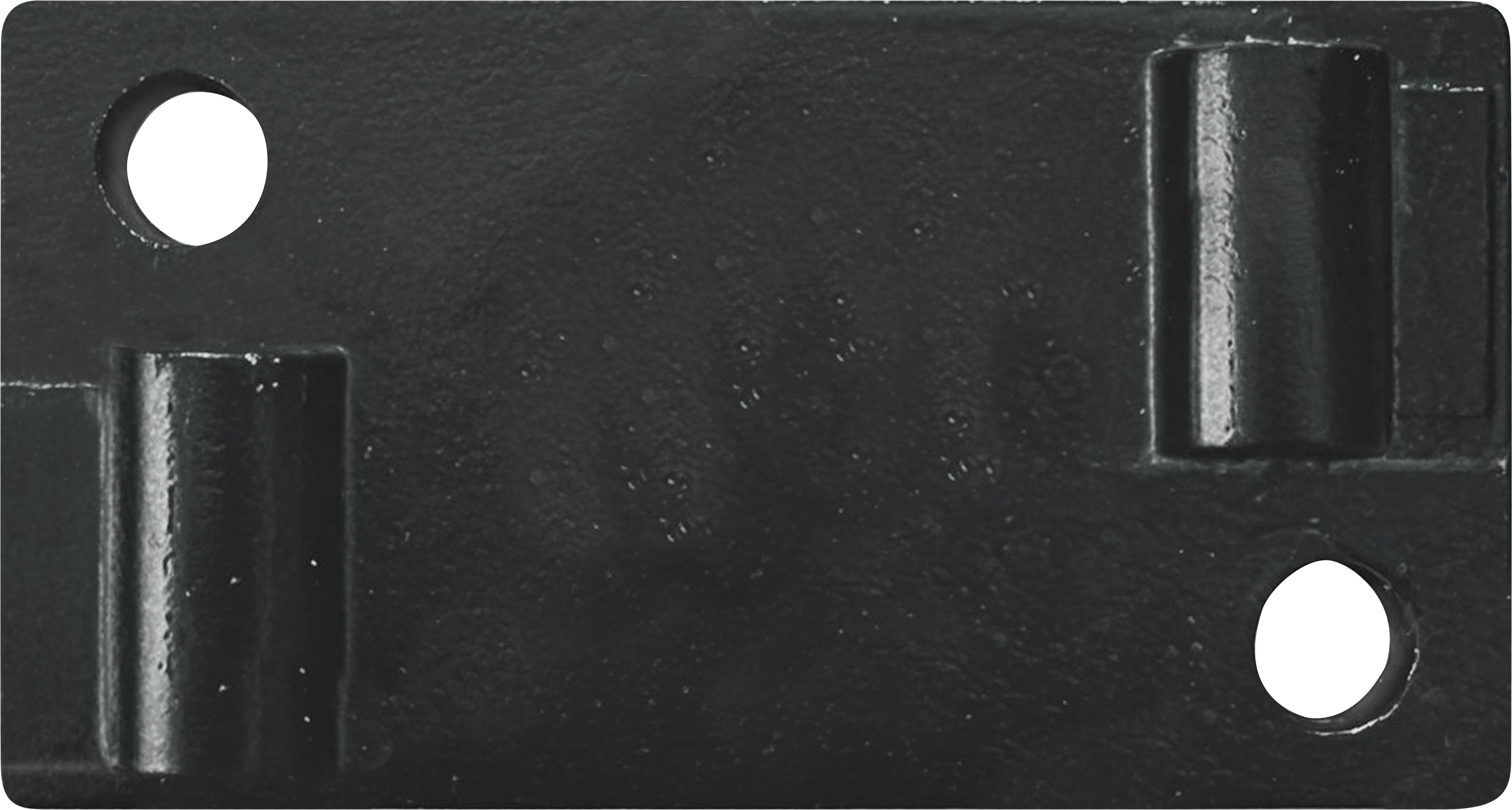
A track plate represents a fundamental component in heavy machinery and construction equipment, serving as the primary interface between tracked vehicles and various ground surfaces. This essential element forms the foundation of crawler systems, enabling machinery to traverse challenging terrains while distributing weight evenly across the contact area. The track plate consists of a specially engineered metal structure designed to withstand extreme operational conditions, including heavy loads, abrasive materials, and harsh environmental factors. Modern track plate manufacturing incorporates advanced metallurgy techniques and precision engineering to create products that deliver exceptional performance across diverse applications. The primary function of a track plate involves providing traction and stability for tracked vehicles operating in construction sites, mining operations, agricultural fields, and other demanding environments. These components feature specialized tread patterns and surface textures that enhance grip on various substrates, from soft soil to rocky terrain. The technological sophistication of contemporary track plate designs includes computer-aided engineering calculations that optimize weight distribution, stress concentration points, and material thickness variations. Advanced manufacturing processes ensure consistent quality and dimensional accuracy, while specialized heat treatment procedures enhance durability and resistance to wear. Track plate applications span numerous industries, including excavation equipment, bulldozers, agricultural tractors, military vehicles, and specialized construction machinery. Each application requires specific design considerations, such as track width, bolt hole patterns, and surface configurations tailored to operational requirements. The integration of track plate systems with modern machinery involves sophisticated mounting mechanisms and alignment procedures that ensure optimal performance and extended service life. Quality track plate manufacturing adheres to strict industry standards and incorporates rigorous testing protocols to verify structural integrity and performance characteristics under various load conditions.


New Product Recommendations

Track plate systems deliver remarkable benefits that directly impact operational efficiency and cost-effectiveness for equipment operators across multiple industries. The enhanced traction capabilities provided by quality track plate designs enable machinery to operate confidently on unstable surfaces where wheeled vehicles would struggle or fail completely. This superior ground engagement translates to increased productivity as operators can work in previously inaccessible areas and maintain consistent performance regardless of weather conditions or terrain challenges. The weight distribution characteristics of track plate systems significantly reduce ground pressure compared to wheeled alternatives, minimizing environmental impact and preventing excessive soil compaction that could damage sensitive work sites. This feature proves particularly valuable in agricultural applications where soil preservation remains critical for long-term productivity. The durability advantages of professional-grade track plate construction result in extended service intervals and reduced maintenance requirements, directly impacting operational costs and equipment downtime. High-quality materials and precision manufacturing processes ensure consistent performance over thousands of operating hours, providing excellent return on investment for equipment owners. The versatility offered by track plate systems allows single machines to handle diverse tasks across varying terrain types, eliminating the need for multiple specialized vehicles and reducing fleet management complexity. This adaptability proves especially beneficial for contractors and operators working in remote locations where equipment accessibility presents logistical challenges. Modern track plate designs incorporate user-friendly installation and replacement procedures that minimize service time and reduce labor costs associated with maintenance activities. The improved stability provided by track plate systems enhances operator safety by reducing the risk of equipment tipping or loss of control on challenging surfaces. This safety enhancement contributes to lower insurance costs and reduced liability exposure for equipment owners and operators. The fuel efficiency benefits achieved through optimized track plate designs help reduce operational expenses while supporting environmental sustainability goals. Advanced engineering techniques ensure minimal rolling resistance while maintaining superior traction characteristics, creating an optimal balance between performance and economy that benefits both operators and the environment.

Practical Tips

What Are the Key Quality Standards for Rail Spike Production

24

Nov

What Are the Key Quality Standards for Rail Spike Production

Rail spike production represents a critical component in railway infrastructure development, requiring adherence to stringent quality standards that ensure the safety and longevity of rail systems worldwide. The manufacturing process of these essenti...
View More
What to Consider When Buying Bulk Rail Spikes for Construction

24

Nov

What to Consider When Buying Bulk Rail Spikes for Construction

Rail spikes serve as critical fastening components in railway construction and maintenance projects, providing the essential connection between rails and railroad ties. These heavy-duty fasteners must withstand tremendous forces from passing trains w...
View More
How Can Fishplates Improve Safety and Reliability in Rail Systems?

05

Jan

How Can Fishplates Improve Safety and Reliability in Rail Systems?

Railway infrastructure forms the backbone of modern transportation systems, connecting cities, facilitating commerce, and enabling efficient movement of people and goods across vast distances. Within this complex network of steel rails, numerous comp...
View More
How Do Rail Tools Support Safety and Precision in Track Construction?

05

Jan

How Do Rail Tools Support Safety and Precision in Track Construction?

Modern railway construction demands exceptional precision and unwavering safety standards to ensure reliable transportation networks. The foundation of successful track construction lies in the proper selection and application of specialized rail too...
View More

Get a Free Quote

Our representative will contact you soon.
Email
Name
Company Name
Message
0/1000

track plate

Superior Load Distribution Technology

Superior Load Distribution Technology

The exceptional load distribution capability of advanced track plate systems represents a revolutionary approach to ground pressure management that fundamentally transforms equipment performance in challenging operational environments. This sophisticated technology distributes machinery weight across an expanded contact area, dramatically reducing point loads that could otherwise cause ground damage or equipment instability. The engineering principles behind this load distribution involve precise calculations of pressure distribution patterns, material stress analysis, and ground contact optimization that ensure maximum efficiency across diverse terrain types. Professional track plate designs incorporate specialized geometry that maximizes ground contact while minimizing material usage, creating an optimal balance between weight, strength, and performance characteristics. The benefits extend beyond simple pressure reduction, encompassing improved flotation on soft surfaces, enhanced stability on uneven terrain, and reduced environmental impact in sensitive work areas. This technology proves particularly valuable in construction projects requiring minimal ground disturbance, agricultural operations where soil preservation remains critical, and environmental restoration projects where equipment access must not compromise ecosystem integrity. The advanced metallurgy and manufacturing processes used in premium track plate construction ensure consistent load distribution characteristics throughout the product lifecycle, maintaining performance standards even under extreme operational conditions. Quality control procedures verify load distribution uniformity across each track plate surface, ensuring reliable performance that operators can depend upon in critical applications. The integration of computer-aided design tools and finite element analysis in track plate development optimizes load paths and stress distribution patterns, resulting in products that exceed traditional performance expectations while maintaining cost-effectiveness for end users.
Enhanced Durability and Wear Resistance

Enhanced Durability and Wear Resistance

The exceptional durability characteristics of premium track plate construction deliver outstanding longevity that significantly reduces total cost of ownership while maintaining consistent performance throughout extended service periods. This remarkable durability results from advanced material selection processes, sophisticated heat treatment procedures, and precision manufacturing techniques that create products capable of withstanding the most demanding operational conditions. The wear resistance properties of quality track plate systems stem from carefully controlled metallurgical processes that optimize material hardness, toughness, and resistance to abrasive wear without compromising structural integrity or flexibility requirements. These characteristics prove essential in applications involving abrasive materials such as sand, gravel, concrete debris, and other challenging substances commonly encountered in construction and mining operations. The surface engineering techniques employed in premium track plate manufacturing create specialized texture patterns and hardness zones that distribute wear evenly across the contact area, preventing premature failure and extending service life significantly beyond standard alternatives. Quality assurance protocols ensure consistent material properties throughout each track plate, eliminating weak points that could compromise overall system performance or reliability. The corrosion resistance features incorporated into advanced track plate designs protect against environmental degradation caused by moisture, chemicals, and other corrosive substances commonly encountered in industrial applications. This protection maintains structural integrity and appearance while reducing maintenance requirements and replacement frequency. The fatigue resistance characteristics of professional-grade track plate construction enable equipment to operate continuously under varying load conditions without experiencing premature failure or performance degradation. This reliability proves crucial for operations requiring consistent uptime and predictable performance characteristics over extended periods.
Optimized Traction and Ground Engagement

Optimized Traction and Ground Engagement

The superior traction capabilities of advanced track plate systems deliver exceptional ground engagement that enables machinery to operate effectively across diverse terrain conditions while maintaining optimal control and stability throughout demanding applications. This enhanced traction results from sophisticated tread pattern designs, surface texture optimization, and contact area engineering that maximizes grip without compromising ride quality or operational efficiency. The scientific approach to traction optimization involves comprehensive analysis of ground interaction forces, surface contact mechanics, and grip coefficient calculations that ensure consistent performance across varying substrate conditions. Professional track plate designs incorporate specialized groove patterns, cleat configurations, and surface treatments that enhance traction while facilitating self-cleaning to prevent debris accumulation that could compromise performance. The ground engagement characteristics of quality track plate systems provide superior climbing ability on steep grades, enhanced lateral stability on side slopes, and improved braking performance in challenging conditions. These capabilities prove essential for equipment operating in mountainous terrain, unstable soil conditions, and applications requiring precise maneuvering in confined spaces. The versatility of optimized track plate traction enables single machines to transition seamlessly between different surface types without requiring operator adjustments or specialized equipment modifications. This adaptability reduces operational complexity while maximizing equipment utilization across diverse project requirements. The reduced slippage achieved through advanced track plate traction design minimizes unnecessary wear on both the tracks and ground surfaces, reducing maintenance costs while preserving work site integrity. Quality engineering ensures traction characteristics remain consistent throughout the track plate service life, maintaining performance standards even as normal wear occurs during regular operations.

Get a Free Quote

Our representative will contact you soon.
Email
Name
Company Name
Message
0/1000