Railroad Base Plate Solutions: Superior Load Distribution & Enhanced Durability for Railway Infrastructure

All Categories

railroad base plate

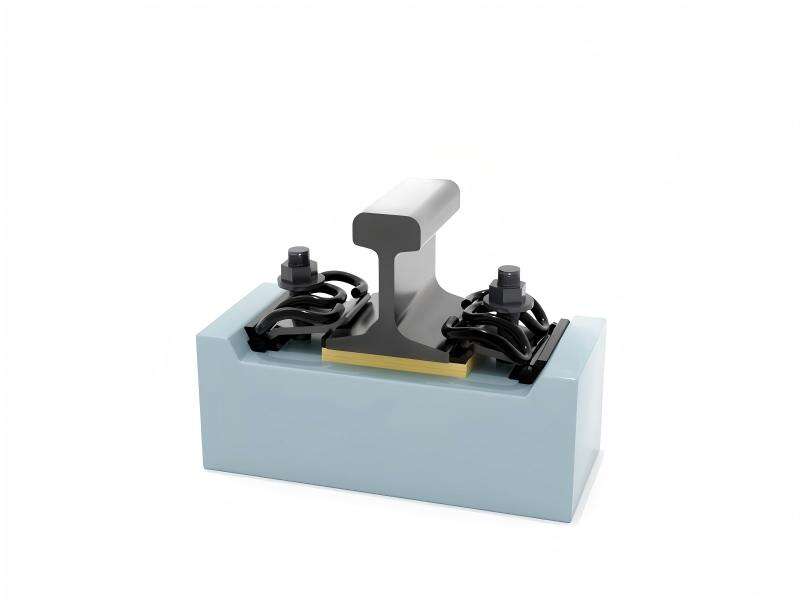
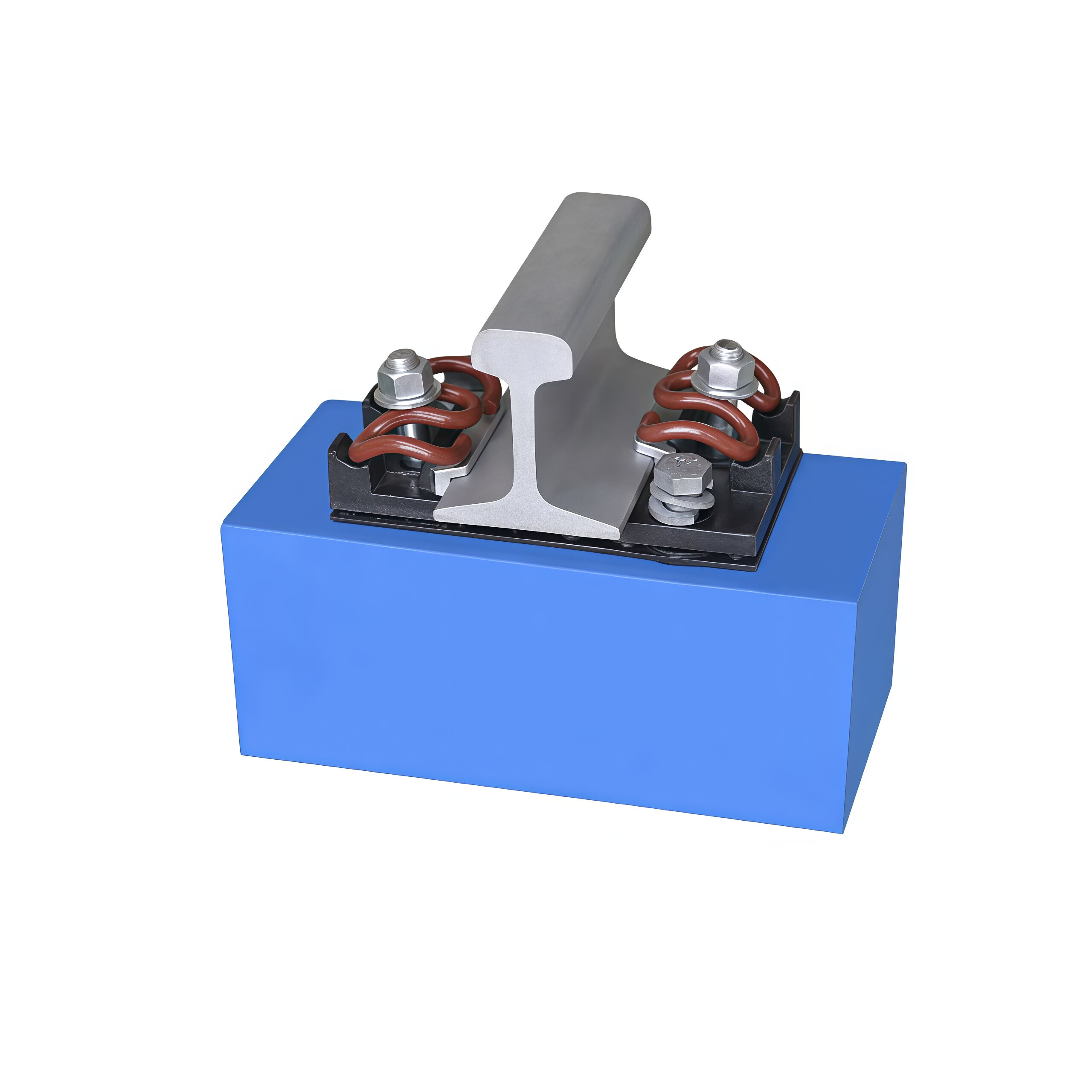
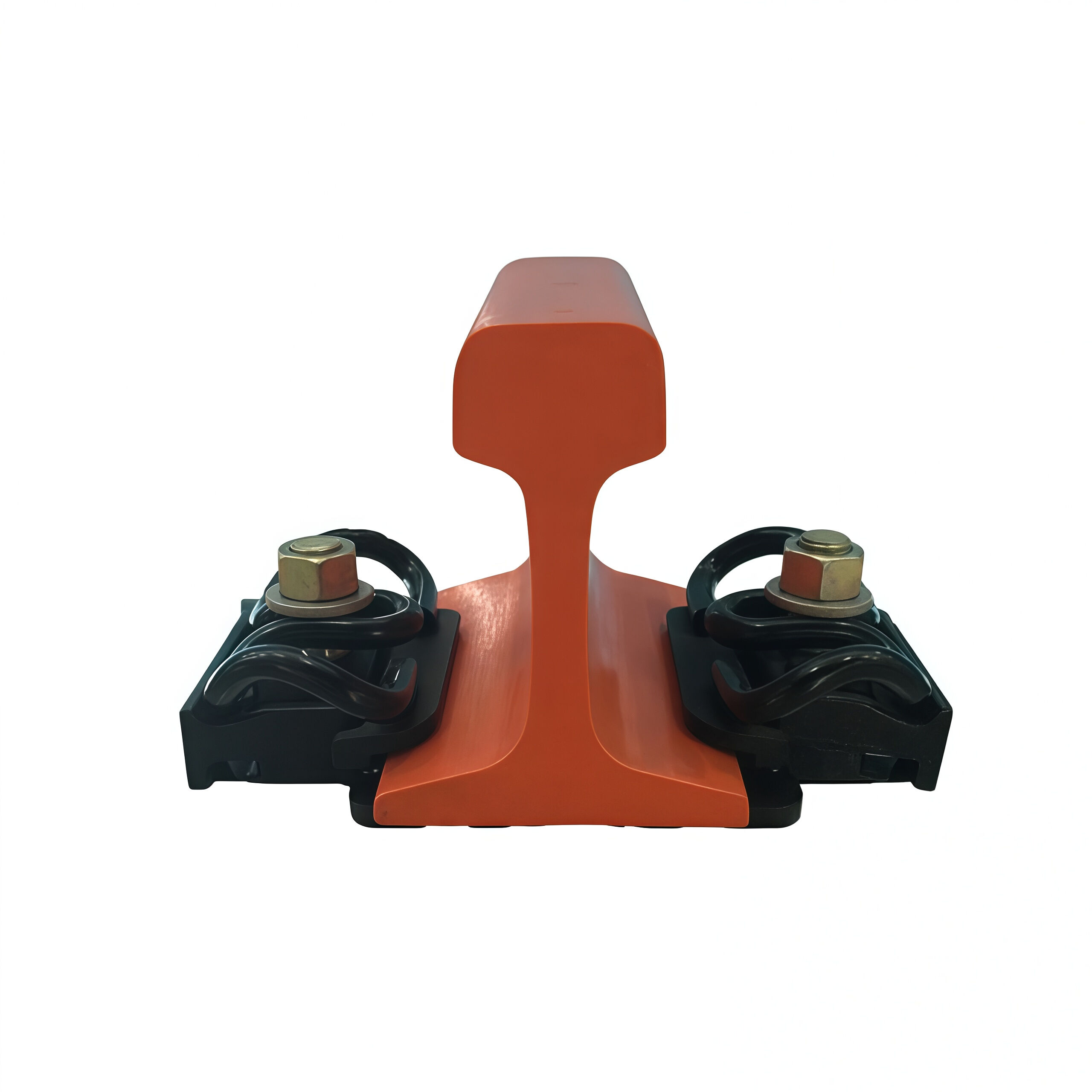
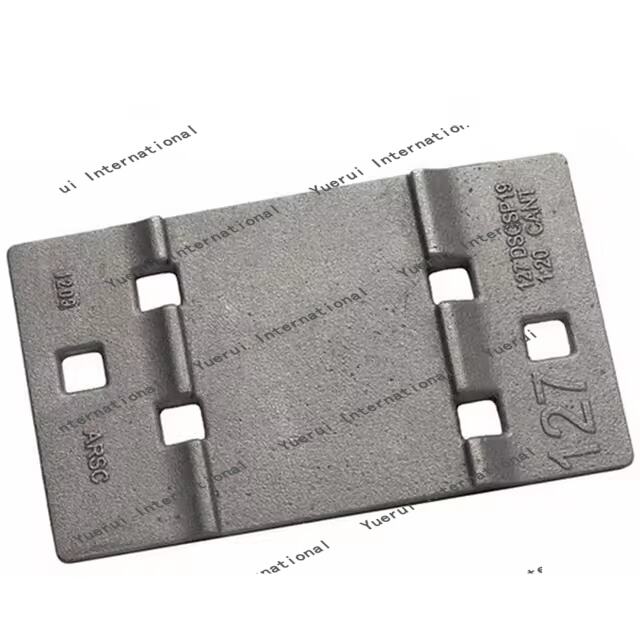
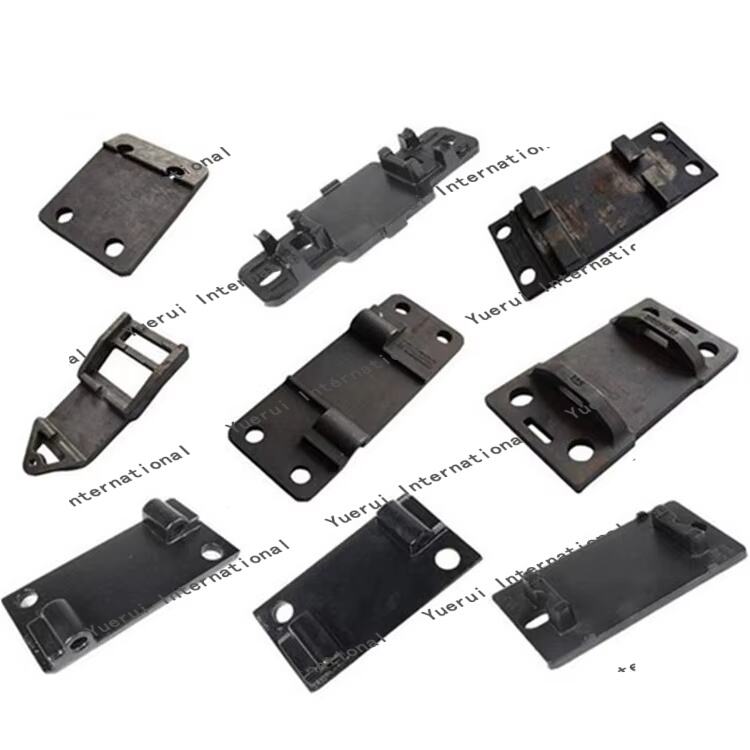
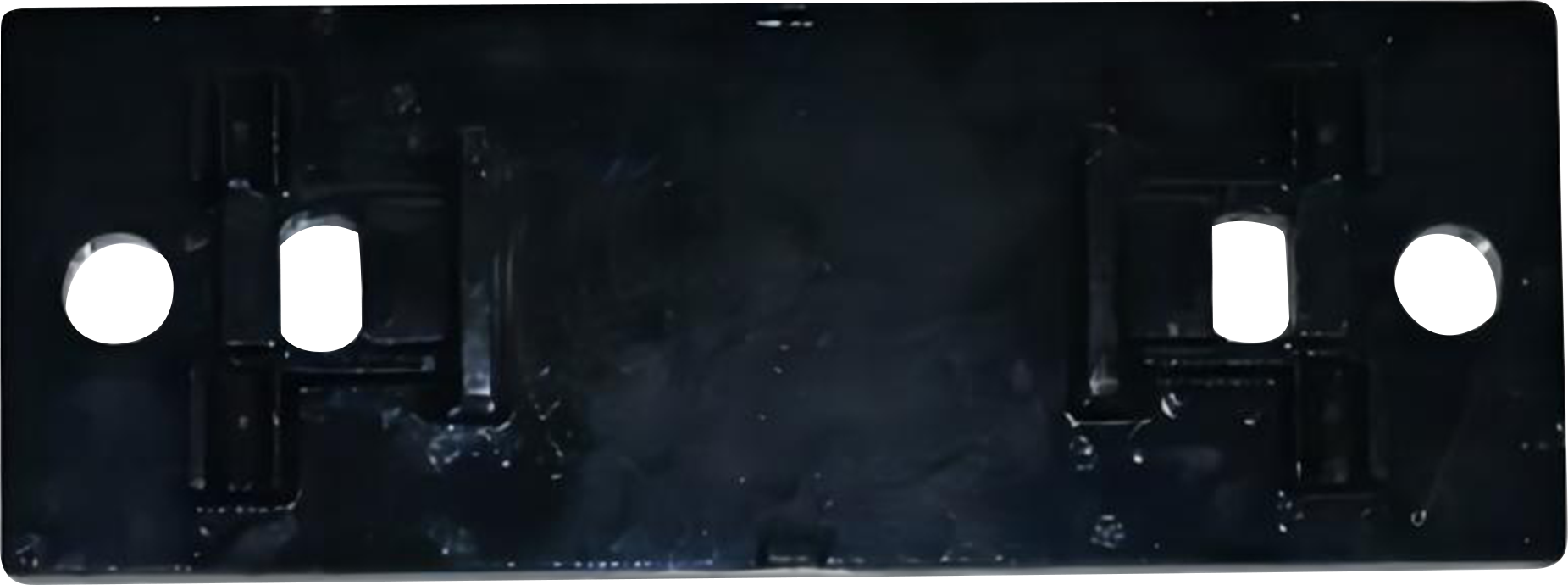
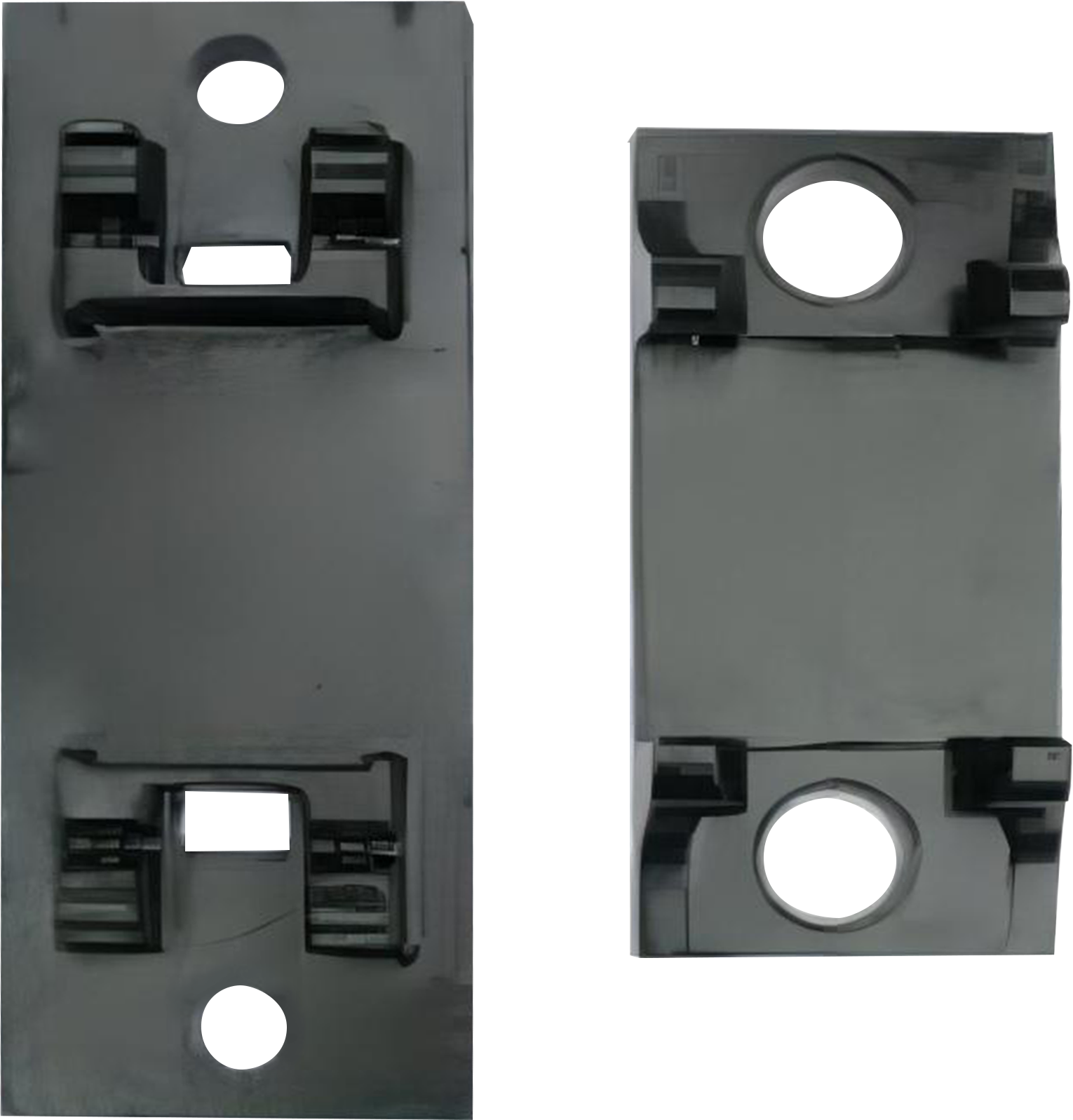
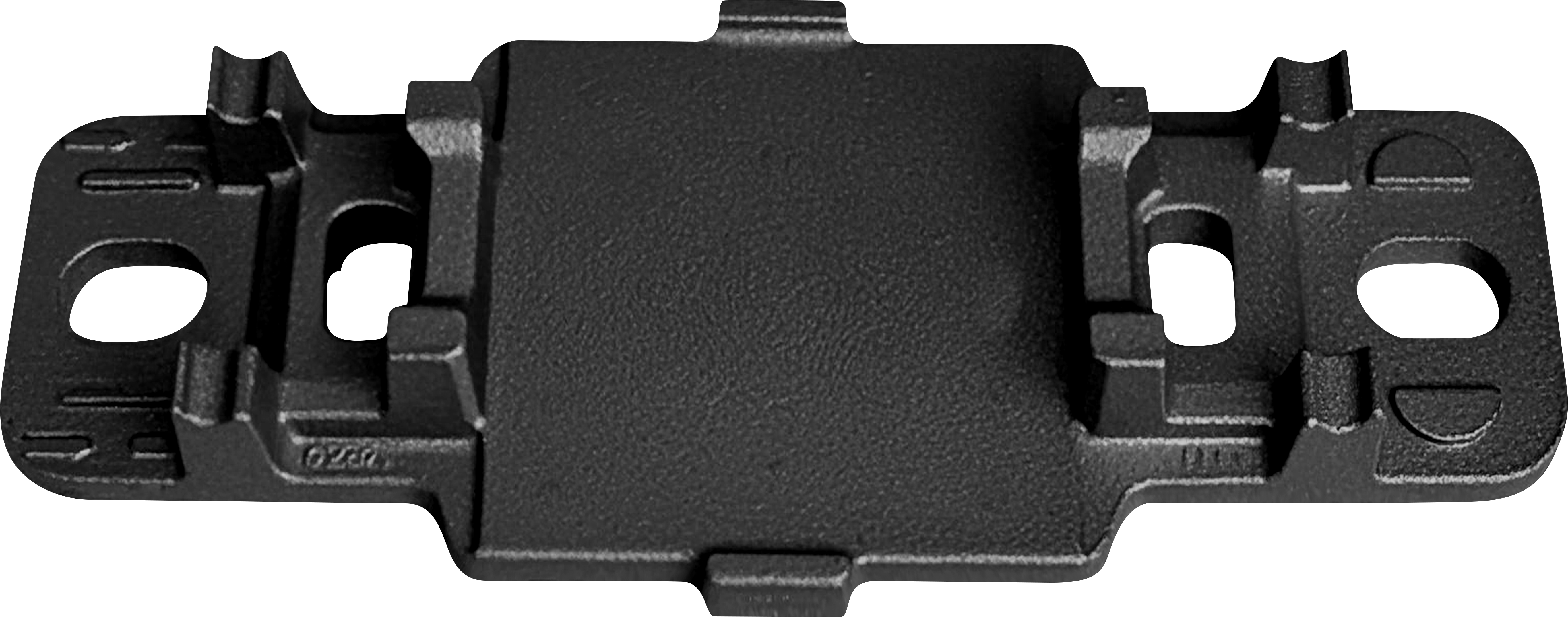
The railroad base plate serves as a fundamental component in railway infrastructure, functioning as the critical connection point between railroad tracks and their supporting foundation systems. This essential hardware piece provides structural stability and load distribution across railway networks worldwide. Railroad base plates are typically manufactured from high-grade steel or cast iron materials, designed to withstand enormous pressure and dynamic loads generated by passing trains. The primary function of a railroad base plate involves securing rail fastening systems while distributing the concentrated loads from rail traffic over a broader foundation area. Modern railroad base plates incorporate advanced engineering principles to ensure optimal performance under various environmental conditions and operational demands. These components feature precision-machined surfaces that accommodate different rail profiles and fastening mechanisms, ensuring proper alignment and secure attachment. The technological features of railroad base plates include corrosion-resistant coatings, standardized bolt hole patterns, and carefully calculated thickness specifications that meet international railway standards. Many railroad base plates incorporate drainage channels and beveled edges to prevent water accumulation and facilitate proper track maintenance procedures. The manufacturing process involves precise casting or forging techniques, followed by heat treatment processes that enhance material strength and durability characteristics. Quality control measures ensure each railroad base plate meets stringent dimensional tolerances and mechanical property requirements specified by railway authorities. Applications for railroad base plates span across passenger rail systems, freight transportation networks, urban transit systems, and industrial railway installations. These components prove essential in high-speed rail applications where precise track geometry and exceptional stability requirements demand superior base plate performance. The railroad base plate design variations accommodate different track configurations, including standard gauge, narrow gauge, and broad gauge railway systems, making them versatile solutions for diverse transportation infrastructure projects worldwide.

Popular Products

Railroad base plates offer numerous practical benefits that directly impact railway system performance, maintenance costs, and operational safety standards. The primary advantage lies in their exceptional load distribution capabilities, which effectively spread concentrated wheel loads across foundation materials, preventing localized stress concentrations that could lead to track settlement or structural failure. This load distribution characteristic significantly extends the service life of underlying ballast and subgrade materials, reducing long-term maintenance requirements and associated operational costs. Railroad base plates provide superior track stability through their rigid connection interface, minimizing lateral and vertical track movement under dynamic loading conditions. This enhanced stability translates to improved ride quality for passengers and reduced wear on rolling stock components, ultimately delivering cost savings throughout the transportation system. The standardized design of railroad base plates simplifies installation procedures, allowing maintenance crews to complete track work more efficiently with reduced labor requirements and shorter track possession times. This efficiency directly benefits railway operators through decreased disruption to service schedules and lower installation costs. Railroad base plates demonstrate exceptional durability characteristics, withstanding millions of load cycles without significant degradation in performance or structural integrity. Their robust construction materials and protective coatings resist corrosion, chemical exposure, and environmental weathering, ensuring reliable long-term performance in various climatic conditions. The modular nature of railroad base plates facilitates easy replacement and maintenance activities, allowing individual components to be serviced without disrupting adjacent track sections. This maintainability advantage reduces system downtime and enables proactive maintenance strategies that prevent costly emergency repairs. Railroad base plates contribute to enhanced safety standards by providing secure rail attachment points that resist loosening under repeated loading cycles. Their precision manufacturing ensures consistent rail gauge and alignment, critical factors in preventing derailment incidents and maintaining safe operating conditions. The versatility of railroad base plates allows their application across diverse railway environments, from heavy freight corridors to high-speed passenger services, making them cost-effective solutions for various transportation infrastructure needs. Railroad base plates support sustainable transportation goals by enabling efficient rail systems that reduce environmental impact compared to alternative transportation modes.

Tips And Tricks

How to Prevent Corrosion and Damage in Rail Spikes Over Time

24

Nov

How to Prevent Corrosion and Damage in Rail Spikes Over Time

Railway infrastructure forms the backbone of modern transportation systems, carrying millions of tons of cargo and passengers across vast distances daily. Among the critical components that ensure track stability and safety, rail spikes play an indis...
View More
What Are the Advantages of Using Standardized Baseplates in Large Projects?

18

Dec

What Are the Advantages of Using Standardized Baseplates in Large Projects?

Large-scale construction and infrastructure projects demand precision, efficiency, and reliability at every stage of development. Among the foundational elements that ensure project success, standardized baseplates emerge as critical components that ...
View More
How Do Baseplates Improve Stability and Safety in Railway Construction?

18

Dec

How Do Baseplates Improve Stability and Safety in Railway Construction?

Railway infrastructure forms the backbone of modern transportation systems, where every component plays a crucial role in ensuring safe and efficient operations. Among these essential components, railway baseplates serve as fundamental elements that ...
View More
What materials are best for corrosion-resistant track pins in railways?

20

Apr

What materials are best for corrosion-resistant track pins in railways?

Railway infrastructure faces constant exposure to harsh environmental conditions, making material selection critical for long-term performance and safety. Track pins, essential components that secure rails to railroad ties, must withstand not only me...
View More

Get a Free Quote

Our representative will contact you soon.
Email
Name
Company Name
Message
0/1000

railroad base plate

Superior Load Distribution Technology

Superior Load Distribution Technology

The railroad base plate incorporates advanced load distribution technology that fundamentally transforms how railway infrastructure handles the enormous forces generated by modern train operations. This sophisticated engineering approach ensures that concentrated wheel loads, which can exceed several tons per square inch at the point of contact, are efficiently dispersed across a much larger foundation area through the railroad base plate's carefully designed structure. The load distribution mechanism operates through the railroad base plate's precisely calculated geometry, which features optimized thickness variations and strategic reinforcement patterns that guide force transmission from the rail head down through the supporting infrastructure. This technology prevents the formation of stress concentration points that historically caused premature failure in railway foundations, significantly extending the operational lifespan of track systems. The railroad base plate's load distribution capabilities prove particularly valuable in heavy freight applications where axle loads continue to increase, demanding more sophisticated foundation support systems. Modern railroad base plates utilize computer-aided design optimization to ensure maximum load spreading efficiency while maintaining compact dimensions that facilitate installation and maintenance procedures. The benefits of this superior load distribution extend beyond immediate structural performance, creating cascading advantages throughout the entire railway system including reduced ballast degradation, minimized subgrade settlement, and decreased maintenance intervals. Railway operators experience substantial cost savings through extended component lifecycles and reduced infrastructure renewal requirements directly attributable to the railroad base plate's advanced load distribution technology. This innovative approach to force management enables railway systems to accommodate heavier trains and increased traffic density without compromising safety standards or requiring expensive foundation upgrades. The railroad base plate's load distribution technology represents a critical advancement in railway engineering that delivers measurable improvements in system reliability, operational efficiency, and long-term sustainability for modern transportation networks.
Enhanced Durability and Corrosion Resistance

Enhanced Durability and Corrosion Resistance

Railroad base plates demonstrate exceptional durability characteristics through advanced materials science and protective coating technologies that ensure reliable performance throughout extended service lifecycles under demanding operational conditions. The enhanced durability of modern railroad base plates stems from carefully selected high-strength steel alloys and specialized manufacturing processes that optimize material properties for railway applications. These railroad base plates undergo rigorous heat treatment procedures that develop superior mechanical characteristics including high tensile strength, excellent fatigue resistance, and optimal hardness profiles that withstand repeated loading cycles without structural degradation. The corrosion resistance features of railroad base plates incorporate multiple protection layers including zinc coatings, epoxy primers, and specialized topcoat systems that create barriers against environmental exposure and chemical attack. This comprehensive corrosion protection system enables railroad base plates to maintain structural integrity and appearance standards throughout decades of service in harsh environmental conditions including coastal salt exposure, industrial chemical atmospheres, and extreme temperature variations. The durability advantages of railroad base plates translate directly into reduced maintenance costs and extended replacement intervals, providing substantial economic benefits to railway operators through decreased lifecycle expenses. Modern railroad base plates resist common failure modes including stress corrosion cracking, pitting corrosion, and galvanic corrosion that historically plagued railway infrastructure components, ensuring consistent performance throughout their design service life. The enhanced durability characteristics enable railroad base plates to maintain dimensional stability and fastening torque requirements over extended periods, reducing the frequency of track geometry corrections and fastener maintenance activities. Quality assurance testing validates the durability performance of railroad base plates through accelerated aging studies, salt spray exposure tests, and fatigue cycling evaluations that simulate decades of service conditions. These comprehensive durability features make railroad base plates ideal for critical infrastructure applications where component failure could result in significant operational disruption and safety risks, providing railway operators with confidence in long-term system reliability and performance consistency.
Precision Engineering and Installation Efficiency

Precision Engineering and Installation Efficiency

Railroad base plates embody precision engineering excellence through advanced manufacturing techniques and standardized specifications that ensure consistent quality, dimensional accuracy, and seamless integration with existing railway infrastructure systems. The precision engineering approach utilized in railroad base plate production involves computer-controlled machining processes that achieve tight dimensional tolerances critical for proper rail alignment and secure fastening system interface. This manufacturing precision enables railroad base plates to maintain exact bolt hole spacing, surface flatness specifications, and profile dimensions that ensure compatibility with standard railway fastening components and installation equipment. The precision characteristics of railroad base plates eliminate field modification requirements during installation, significantly reducing construction time and labor costs while ensuring optimal system performance from initial commissioning. Installation efficiency represents a major advantage of modern railroad base plates, with standardized designs that facilitate rapid deployment using conventional railway maintenance equipment and procedures. The precision engineering of railroad base plates includes pre-drilled fastener holes, alignment guides, and handling features that streamline installation processes and reduce the potential for construction errors. Railway contractors benefit from the installation efficiency of railroad base plates through reduced project timelines, lower labor requirements, and simplified logistics coordination that collectively decrease overall construction costs. The precision manufacturing standards applied to railroad base plates ensure interchangeability between different suppliers and compatibility with international railway standards, providing flexibility in procurement and inventory management. Quality control measures integrated throughout the precision engineering process include dimensional verification, surface finish inspection, and mechanical property testing that validate conformance to specified requirements. The installation efficiency of railroad base plates extends to maintenance and replacement activities, with standardized interfaces that enable rapid component exchange using standard tools and procedures. This precision engineering approach supports modern railway construction methodologies including mechanized track laying systems that rely on consistent component dimensions and installation characteristics. The combination of precision engineering and installation efficiency makes railroad base plates essential components for railway projects requiring rapid construction schedules, stringent quality standards, and long-term reliability performance in demanding operational environments.


Get a Free Quote

Our representative will contact you soon.
Email
Name
Company Name
Message
0/1000