rail base plate
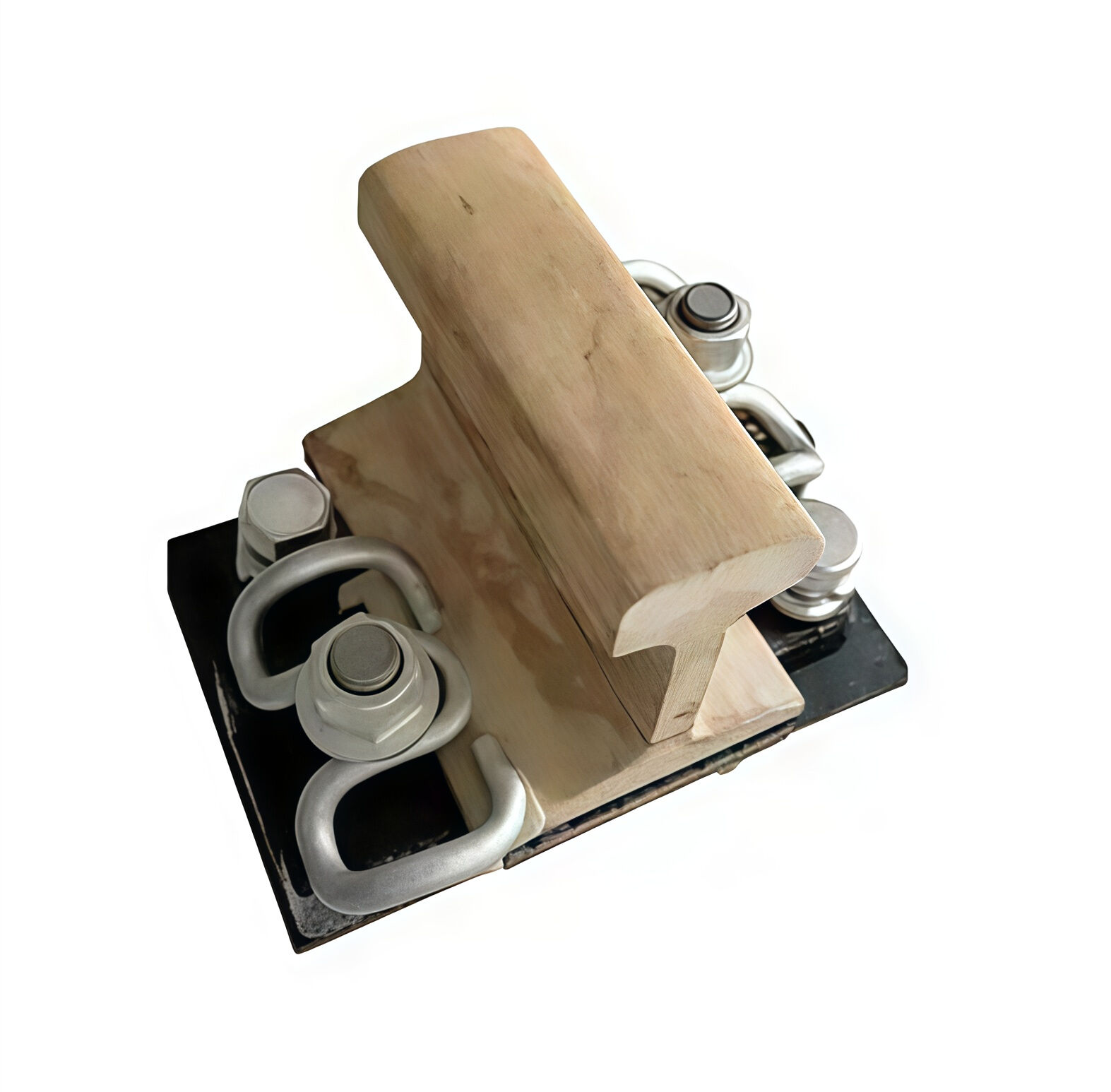
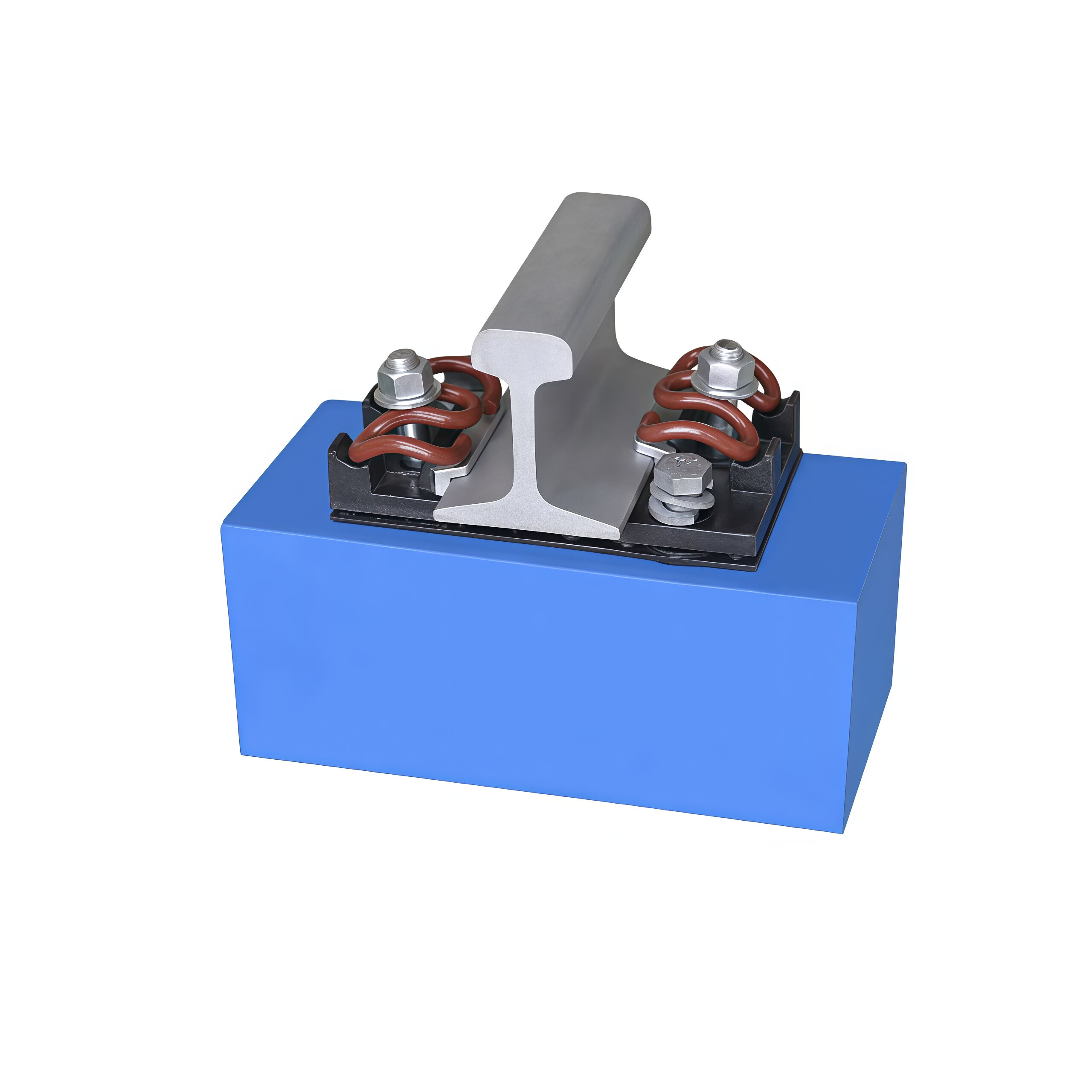
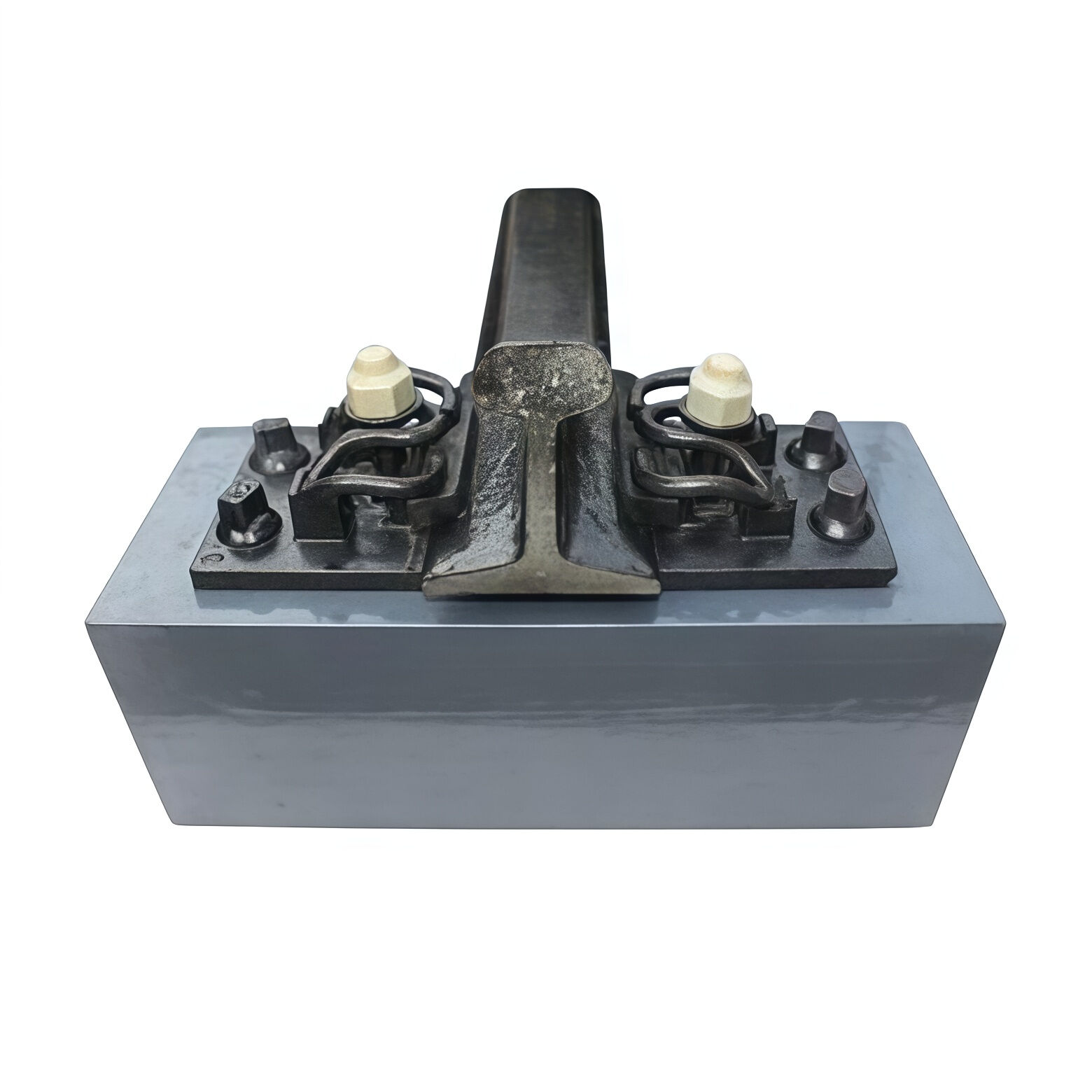
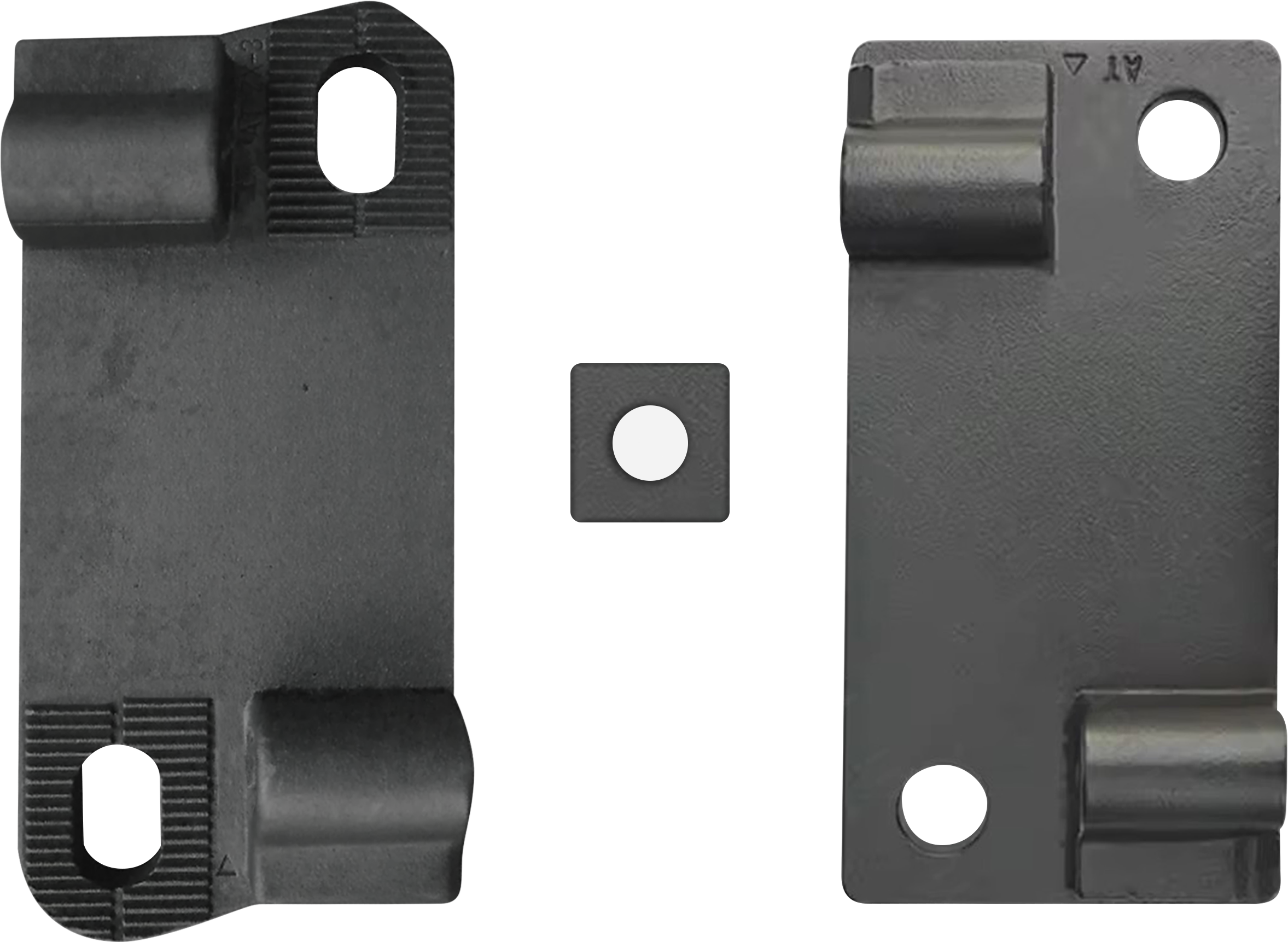
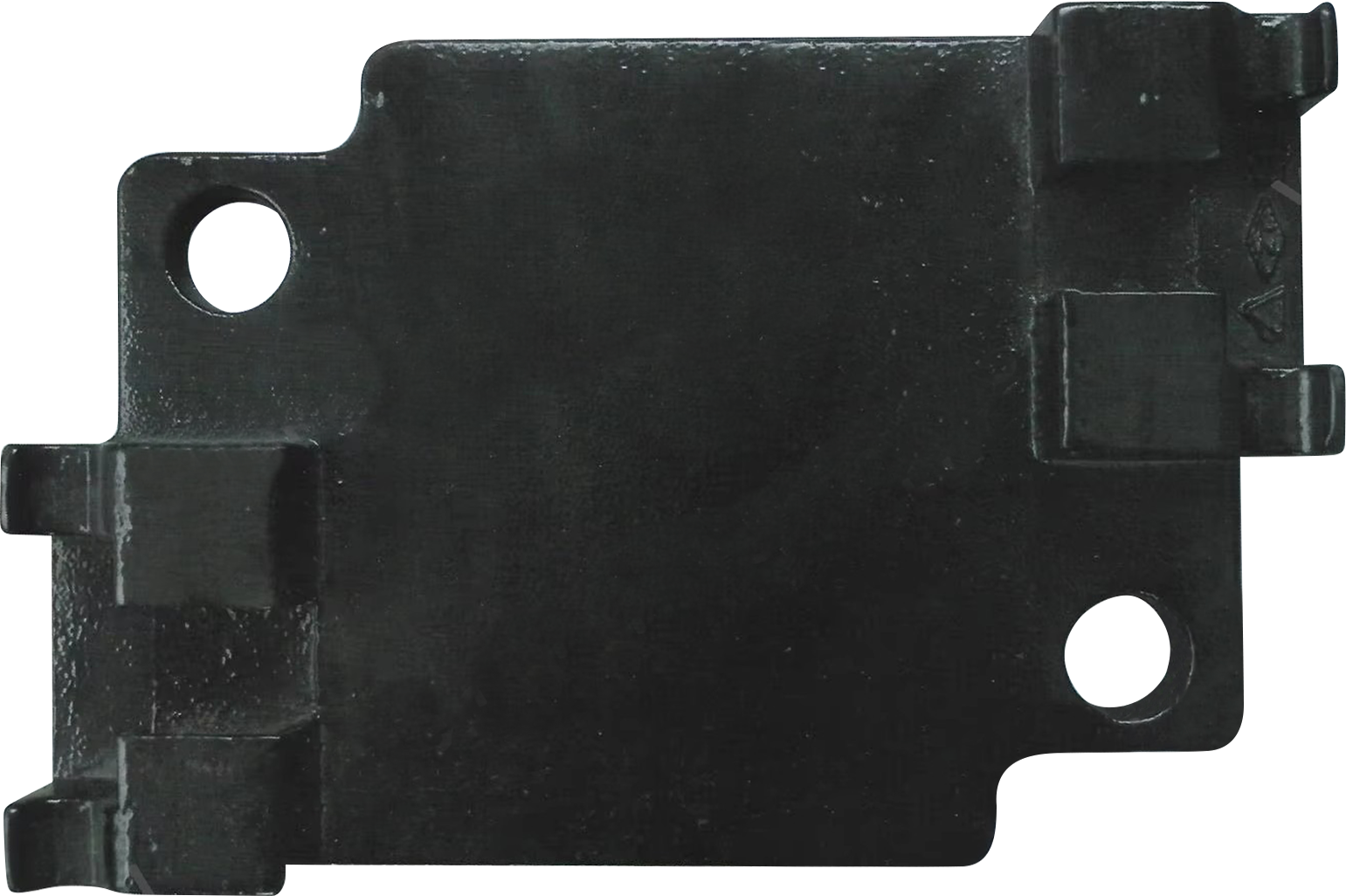
The rail base plate serves as a fundamental component in railway infrastructure, functioning as the critical interface between railway tracks and the underlying foundation structure. This essential element distributes the enormous loads generated by passing trains across a wider surface area, preventing concentrated stress points that could compromise track stability and safety. Modern rail base plate systems incorporate advanced engineering principles to ensure optimal load distribution while maintaining precise track alignment under varying operational conditions. The primary function of a rail base plate involves transferring dynamic and static loads from the rail system to the subgrade through carefully calculated load-spreading mechanisms. These plates accommodate thermal expansion and contraction cycles that occur naturally in steel rails, preventing buckling and maintaining consistent gauge measurements throughout seasonal temperature variations. Contemporary rail base plate designs feature integrated fastening systems that secure rails firmly while allowing controlled movement necessary for thermal compensation. The technological features of modern rail base plates include corrosion-resistant materials, precision-machined surfaces, and standardized dimensions that ensure compatibility with various rail profiles and fastening systems. Advanced manufacturing processes produce plates with consistent thickness tolerances and surface finishes that promote optimal contact between components. Many rail base plates incorporate specialized coatings or treatments that extend service life in harsh environmental conditions, reducing maintenance requirements and operational costs. Applications for rail base plates span multiple railway sectors, including heavy freight corridors, high-speed passenger lines, urban transit systems, and industrial spur tracks. Each application requires specific plate configurations optimized for expected load patterns, environmental exposure, and maintenance accessibility. The versatility of rail base plate systems enables their deployment in diverse geographic locations and climate conditions, from arctic regions to tropical environments. Professional engineers specify rail base plate characteristics based on comprehensive analysis of traffic patterns, axle loads, train frequencies, and expected service life requirements, ensuring optimal performance throughout the infrastructure lifecycle.

 EN
EN