Steel Base Plates: Premium Structural Support Solutions for Construction and Industrial Applications

All Categories

steel base plate

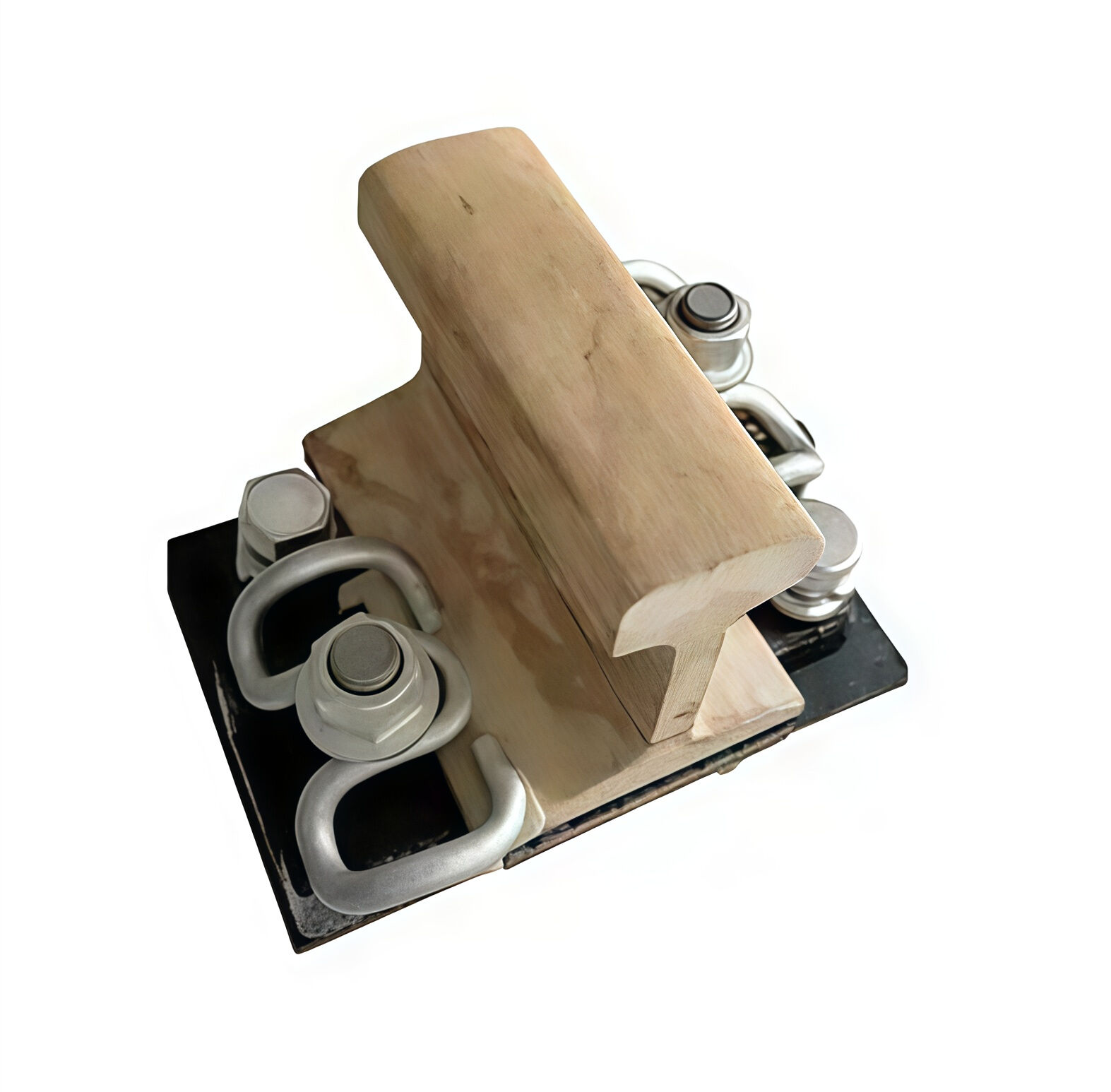
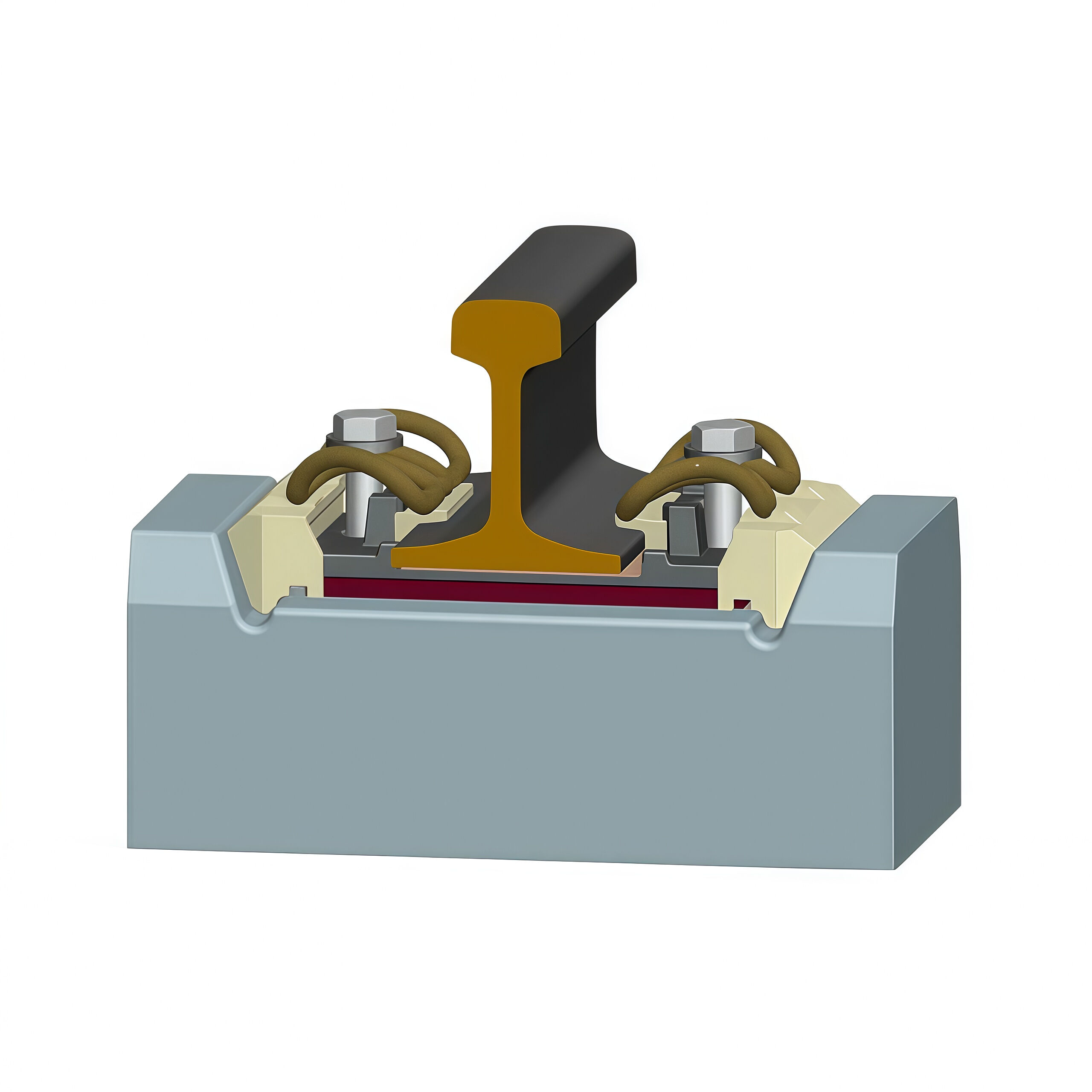
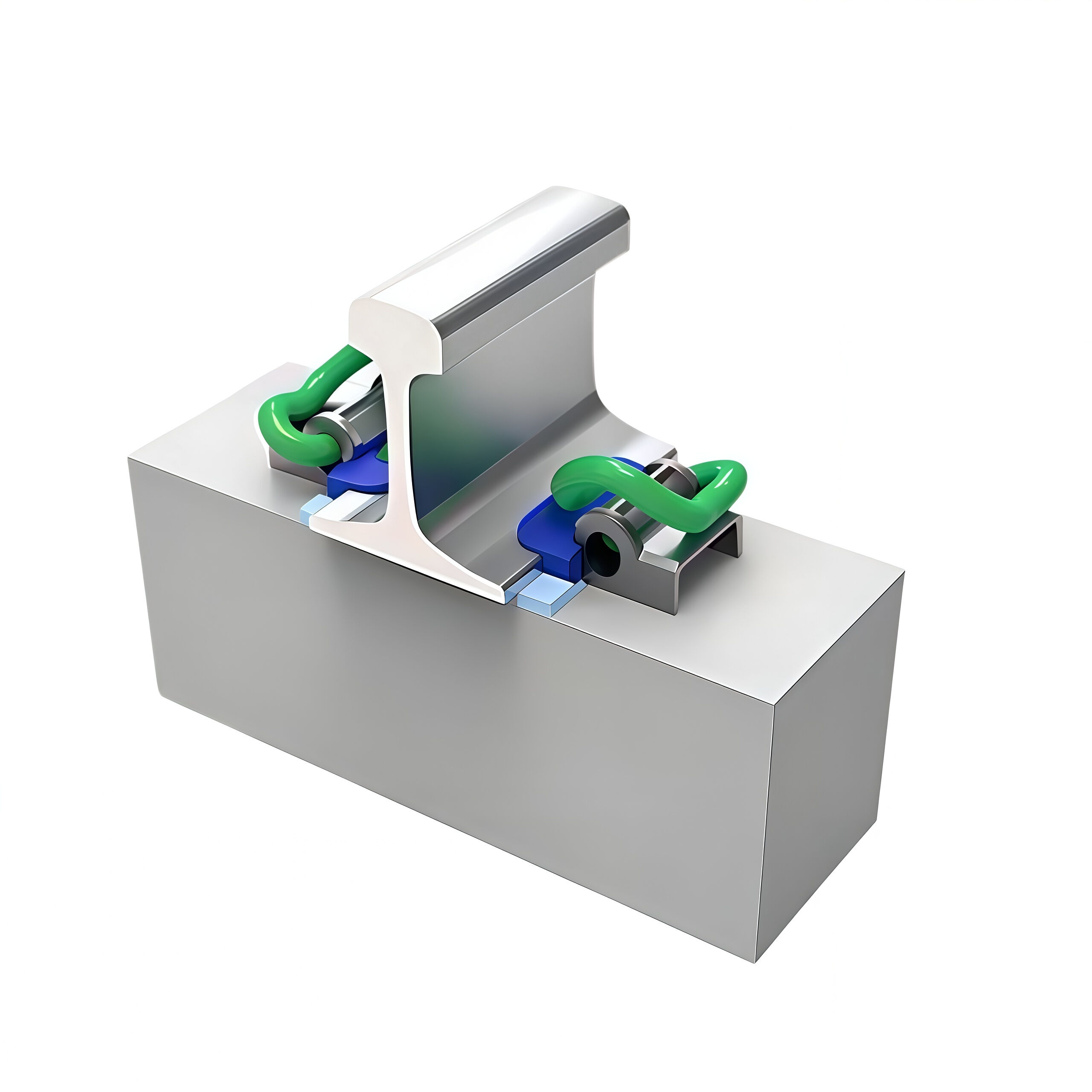
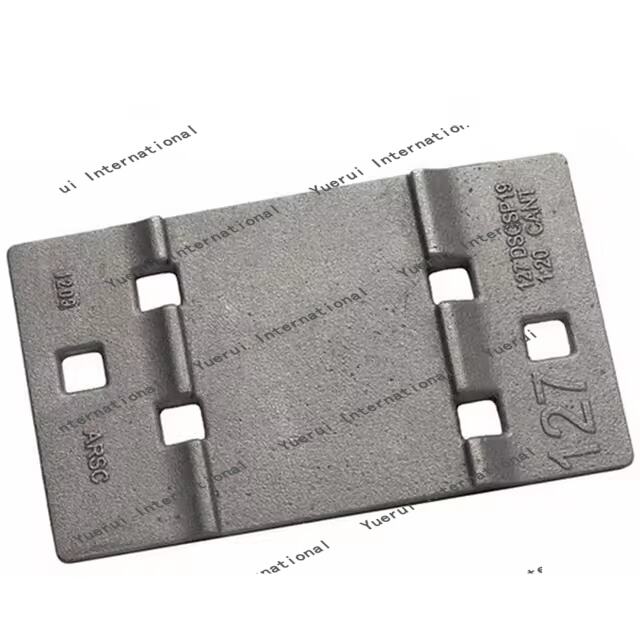
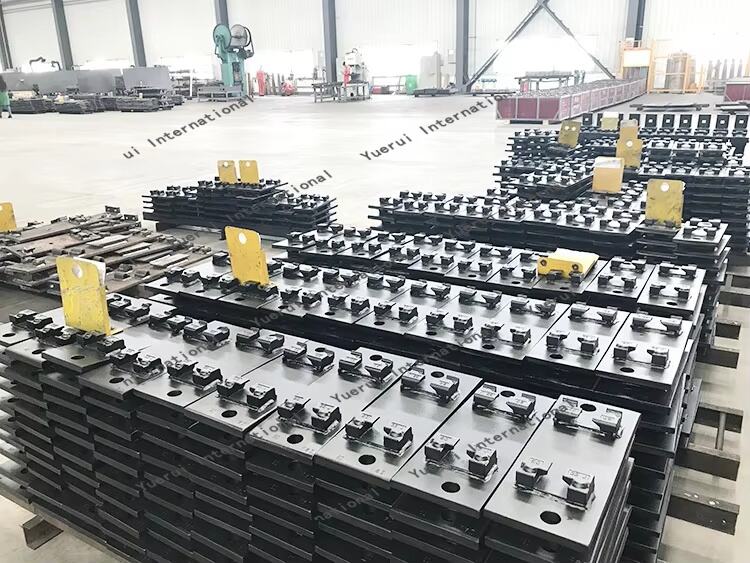
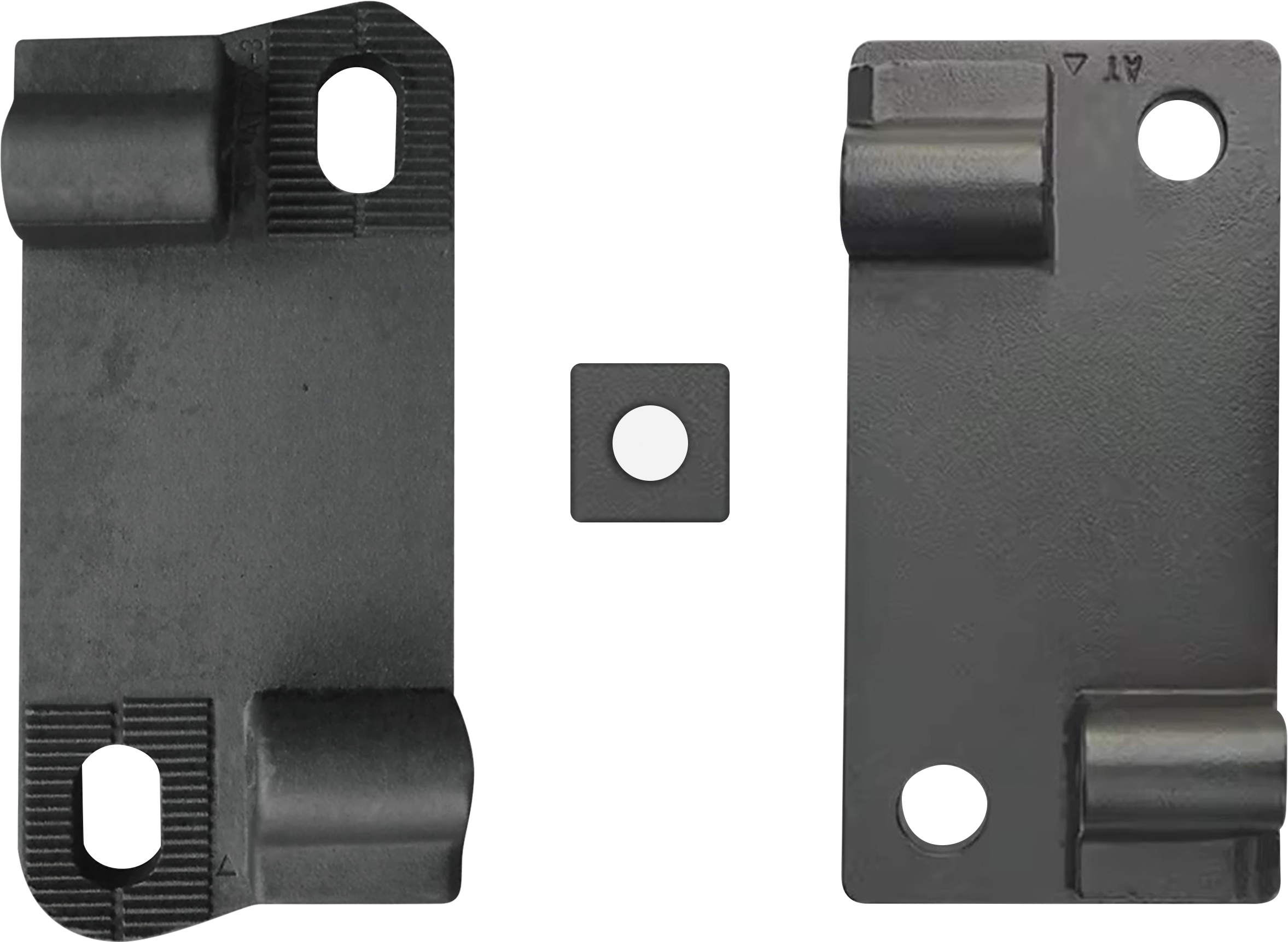
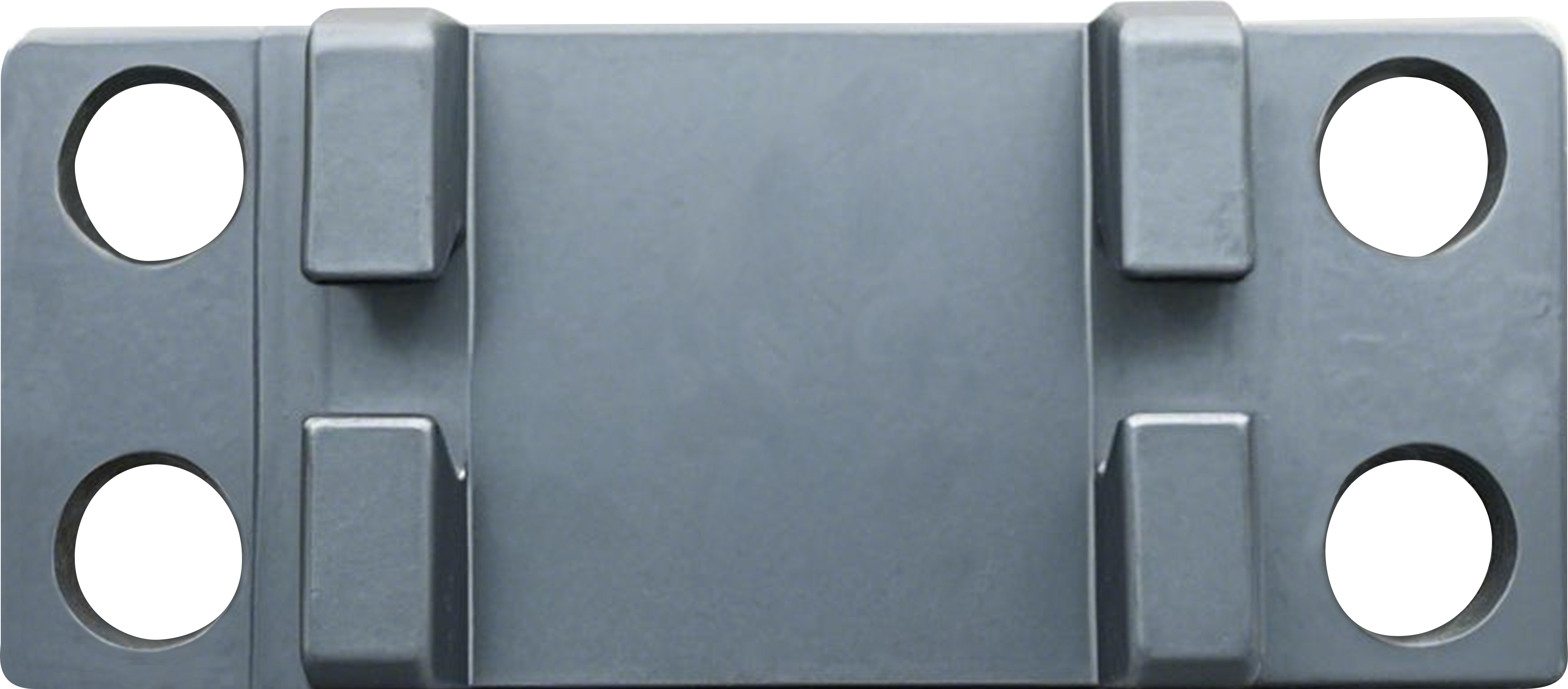
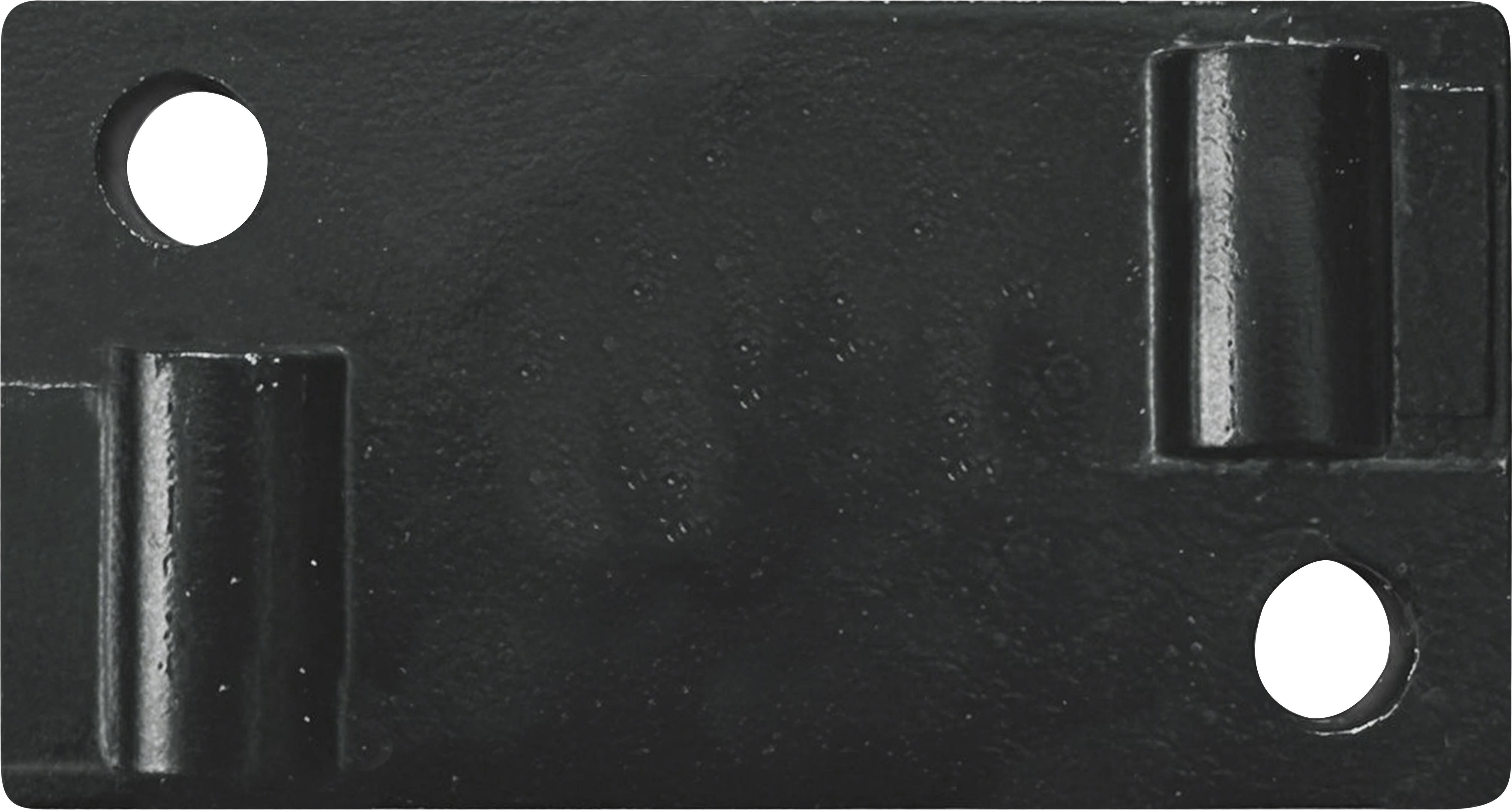
A steel base plate serves as a fundamental structural component that provides essential support and load distribution in construction and engineering applications. This critical element acts as the primary interface between structural columns, posts, or equipment and their supporting foundations, ensuring optimal weight transfer and stability throughout the entire system. The steel base plate functions as a robust platform that spreads concentrated loads over a wider area, preventing point loading that could compromise structural integrity. Manufacturing processes for these components involve precision cutting, drilling, and welding of high-grade steel materials to meet exact specifications. The steel base plate typically features pre-drilled holes for anchor bolts, allowing secure attachment to concrete foundations or other supporting structures. Surface treatments such as galvanizing or protective coatings enhance corrosion resistance and extend service life in challenging environments. Design considerations include load calculations, material thickness requirements, and proper sizing to accommodate specific structural demands. Quality control measures ensure dimensional accuracy and material compliance with industry standards. The steel base plate undergoes rigorous testing to verify load-bearing capacity and performance characteristics. Installation procedures require proper alignment and torquing of fasteners to achieve optimal connection strength. These components accommodate various structural configurations, from simple column bases to complex equipment mounting systems. Modern manufacturing techniques enable customization for unique project requirements while maintaining cost-effectiveness. The steel base plate represents a proven solution that combines engineering reliability with practical installation benefits, making it an indispensable element in contemporary construction practices.


New Product Recommendations

Steel base plates deliver exceptional performance benefits that make them the preferred choice for structural applications across diverse industries. The primary advantage lies in their superior load distribution capabilities, which prevent concentrated stress points that could damage foundations or compromise structural stability. This uniform load spreading eliminates the risk of foundation cracking or settlement issues that commonly occur with inadequate support systems. Installation efficiency represents another significant benefit, as these pre-fabricated components arrive ready for immediate use with pre-drilled holes and precise dimensions that streamline construction schedules. The durability factor cannot be overstated, with properly treated steel base plates providing decades of reliable service even in harsh environmental conditions. Cost-effectiveness emerges through reduced installation time, minimal maintenance requirements, and long-term performance that eliminates frequent replacements. The steel base plate offers remarkable versatility, accommodating various structural configurations and load requirements through customizable designs and standard options. Safety enhancements result from the reliable connection between structures and foundations, reducing the risk of structural failure or equipment displacement. Material consistency ensures predictable performance characteristics, allowing engineers to design with confidence using established load tables and specifications. The steel base plate provides excellent compatibility with standard construction practices and readily available fastening systems. Corrosion resistance through protective coatings or galvanizing extends service life significantly compared to untreated alternatives. Quality assurance processes guarantee dimensional accuracy and material properties that meet or exceed industry standards. The steel base plate enables rapid project completion through standardized installation procedures that minimize on-site fabrication requirements. Environmental benefits include recyclability at end-of-life and reduced waste generation during manufacturing and installation. Technical support from manufacturers provides design assistance and specification guidance that ensures optimal performance. The steel base plate represents a proven technology with extensive field performance data supporting its reliability and effectiveness in demanding applications.

Practical Tips

What Are the Advantages of Using Standardized Baseplates in Large Projects?

18

Dec

What Are the Advantages of Using Standardized Baseplates in Large Projects?

Large-scale construction and infrastructure projects demand precision, efficiency, and reliability at every stage of development. Among the foundational elements that ensure project success, standardized baseplates emerge as critical components that ...
View More
How Do Baseplates Contribute to Efficient Railway Turnout Installation?

18

Dec

How Do Baseplates Contribute to Efficient Railway Turnout Installation?

Railway infrastructure demands precision, durability, and efficiency at every level, particularly when it comes to critical components like turnouts. Railway turnout baseplates serve as fundamental elements that ensure proper track alignment, load di...
View More
How Do Elastic Strips Support High-Speed and Heavy Rail Traffic?

05

Jan

How Do Elastic Strips Support High-Speed and Heavy Rail Traffic?

Modern railway infrastructure faces unprecedented demands as transportation networks evolve to accommodate higher speeds and heavier cargo loads. The foundation of reliable rail systems depends heavily on innovative engineering solutions that can abs...
View More
What installation spacing is recommended for rail anchors in railways?

20

Apr

What installation spacing is recommended for rail anchors in railways?

Railway track stability relies heavily on proper installation spacing of rail anchors, which serve as critical components in maintaining gauge and preventing rail movement. The recommended spacing for rail anchors varies based on track classification...
View More

Get a Free Quote

Our representative will contact you soon.
Email
Name
Company Name
Message
0/1000

steel base plate

Unmatched Load Distribution and Structural Stability

Unmatched Load Distribution and Structural Stability

The steel base plate excels in its primary function of distributing concentrated loads across a broader foundation area, creating a stable and secure connection that forms the backbone of structural integrity. This fundamental capability addresses one of the most critical challenges in construction engineering where point loads from columns, posts, or heavy equipment must be safely transferred to supporting foundations. The engineering principle behind this load distribution involves spreading forces over a larger surface area, dramatically reducing pressure per square inch on the underlying foundation material. This reduction in bearing pressure prevents foundation damage, eliminates settlement issues, and ensures long-term structural stability. The steel base plate achieves this through its rigid construction and carefully calculated dimensions that correspond to specific load requirements and foundation characteristics. Advanced finite element analysis during the design phase optimizes the thickness and configuration to handle maximum anticipated loads while maintaining material efficiency. The connection system utilizes high-strength anchor bolts that work in conjunction with the steel base plate to create a moment-resistant connection capable of handling both vertical loads and lateral forces. This comprehensive load management capability extends beyond simple compression forces to include tension, shear, and moment forces that structures commonly experience during their service life. Quality manufacturing processes ensure consistent material properties and dimensional accuracy that enable predictable load distribution performance. Field testing and monitoring have consistently demonstrated the superior performance of properly designed steel base plates in maintaining structural alignment and preventing foundation distress. The installation process creates a monolithic connection between the superstructure and foundation that eliminates movement and maintains precise structural positioning throughout the building's lifespan.
Exceptional Durability and Corrosion Resistance

Exceptional Durability and Corrosion Resistance

Steel base plates demonstrate remarkable longevity through advanced metallurgy and protective coating systems that withstand the most challenging environmental conditions while maintaining structural performance over decades of service. The foundation of this durability begins with high-quality steel selection that meets stringent material specifications for strength, ductility, and chemical composition. Manufacturing processes include careful attention to grain structure and heat treatment that optimize material properties for long-term performance under cyclic loading conditions. Surface preparation procedures remove all contaminants and create optimal conditions for protective coating adhesion that forms the first line of defense against corrosion. Hot-dip galvanizing represents the gold standard in corrosion protection, creating a metallurgical bond between zinc and steel that provides both barrier and sacrificial protection mechanisms. This galvanized coating typically provides 50-75 years of maintenance-free service in most environments, with even longer life expectancy in controlled conditions. Alternative coating systems include epoxy primers, polyurethane topcoats, and specialized marine-grade finishes that address specific environmental challenges such as chemical exposure, salt spray, or extreme temperature variations. Quality control testing verifies coating thickness, adhesion strength, and coverage uniformity to ensure consistent protection across all surfaces. The steel base plate design incorporates drainage features and geometric configurations that minimize moisture retention and promote air circulation around connection points. Regular inspection protocols enable early detection of any coating degradation, allowing for targeted maintenance that preserves the protective system integrity. Field performance data from installations spanning several decades confirms the exceptional durability of properly protected steel base plates in diverse applications ranging from industrial facilities to marine structures. This proven longevity translates into significant lifecycle cost advantages through reduced replacement frequency and minimal maintenance requirements.
Cost-Effective Installation and Maintenance Benefits

Cost-Effective Installation and Maintenance Benefits

The economic advantages of steel base plates extend far beyond initial material costs, encompassing significant savings in installation time, labor requirements, and long-term maintenance expenses that deliver exceptional value throughout the project lifecycle. Pre-fabrication in controlled manufacturing environments ensures dimensional accuracy and quality consistency that eliminates costly field modifications and reduces installation time by up to 60 percent compared to cast-in-place alternatives. The steel base plate arrives at the construction site ready for immediate installation with pre-drilled anchor bolt holes positioned to precise tolerances that align perfectly with foundation anchor bolt patterns. This precision eliminates the need for field drilling, cutting, or modification that adds time and cost to construction schedules. Installation crews require minimal specialized training to properly position and secure steel base plates, reducing labor costs and improving installation quality through standardized procedures. The predictable installation process enables accurate project scheduling and reduces the risk of weather-related delays that plague other foundation connection methods. Quality assurance is built into the manufacturing process, eliminating the variability and potential defects associated with field-fabricated connections. Material handling is simplified through standardized sizes and weights that accommodate standard construction equipment and lifting procedures. The steel base plate eliminates the curing time required for concrete connections, allowing immediate progression to subsequent construction activities. Long-term maintenance requirements are minimal due to the durable construction and protective coating systems that resist environmental degradation. When maintenance is required, the accessible design and standard fastener systems enable quick and cost-effective service procedures. Inventory management benefits from standardized designs and readily available replacement components that reduce procurement costs and delivery times. The steel base plate provides design flexibility that accommodates future modifications or equipment changes without major structural alterations. Total cost of ownership calculations consistently demonstrate the superior economic performance of steel base plates over alternative connection methods when all lifecycle factors are considered.

Get a Free Quote

Our representative will contact you soon.
Email
Name
Company Name
Message
0/1000