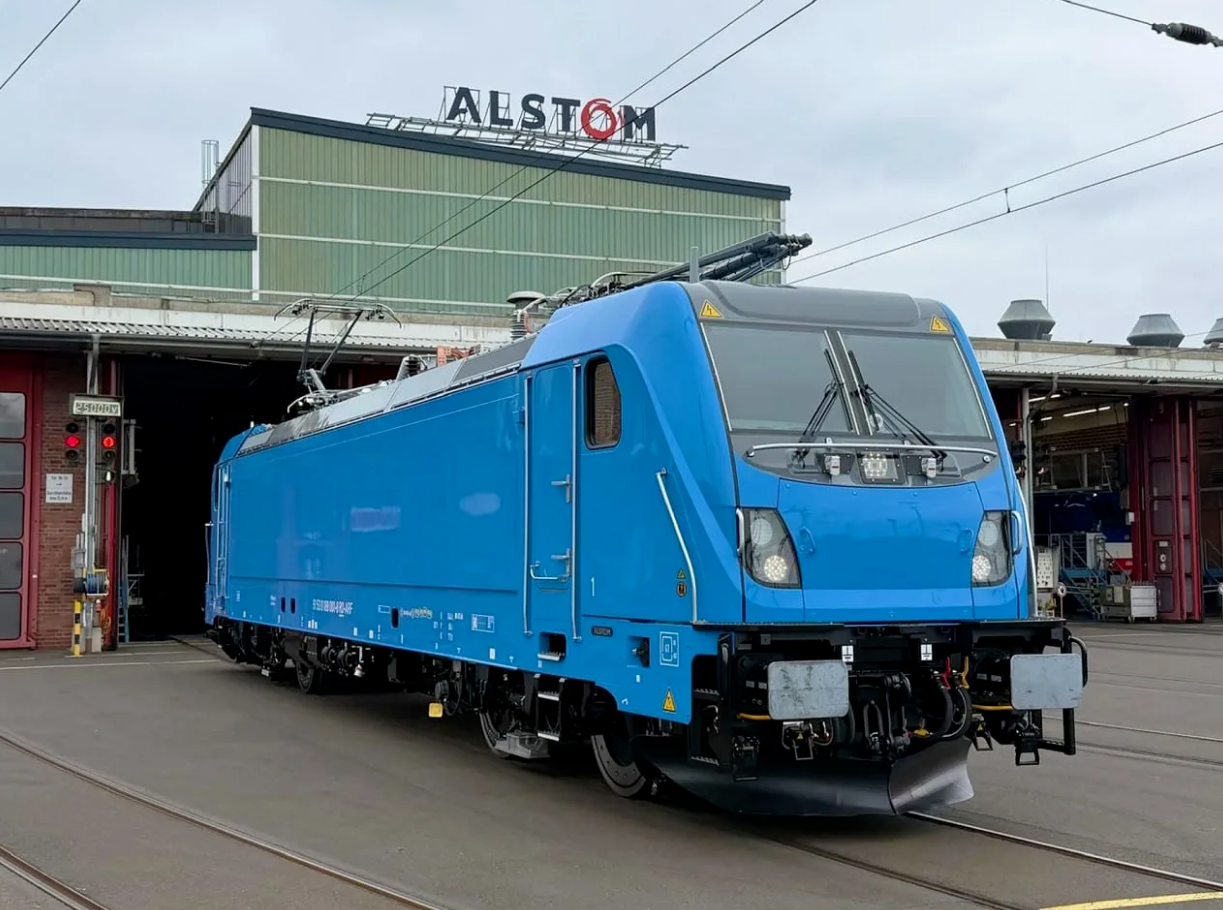
Sales Negotiations Begin, Plant with 800 Employees Under Review
French rail transport giant Alstom is in negotiations to sell its locomotive manufacturing plant in Kassel, Germany. Local media confirms that the plant currently employs around 800 workers, and talks regarding the sale are underway. Bound by a confidentiality agreement, the identity of the potential buyer has not been disclosed, and Alstom has not yet made a final decision.
The plant boasts a history of nearly 180 years in locomotive manufacturing, dating back to 1848. It became part of Alstom following the company’s acquisition of Bombardier Transportation in 2021. In recent years, Alstom has invested tens of millions of euros to upgrade the facility and announced plans in 2023 to increase annual locomotive production capacity from 40 to 160 units by 2026. Throughout 2025, the plant has been operating at full capacity.
Production Restructuring, Maintenance Services Gradually Outsourced
As production capacity expanded, Alstom began adjusting its operational layout in late 2023, outsourcing the locomotive maintenance work previously carried out at the Kassel plant. Currently, only about 100 employees remain at the site, focusing on maintenance and servicing. The plant is a core production base for the widely popular Traxx locomotive platform in Europe, with over 3,000 units sold since its launch in 2000. The Traxx locomotives are certified to operate in 20 European countries and are extensively used in cross-border passenger and freight transport, underscoring the plant’s strategic industrial importance.
Reducing German Capacity, Asset Optimization as Core Strategy
The planned sale is part of Alstom’s broader asset optimization efforts following its acquisition of Bombardier. The company announced a €2 billion asset disposal plan in late 2023 to reduce debt pressure. Previously, Alstom had outlined intentions to gradually shift the production of multiple units and urban rail vehicles from Germany to Poland after 2026. Its Görlitz plant was earlier sold to a defense contractor, while other sites like Hennigsdorf have also undergone operational adjustments. After acquiring Bombardier, Alstom inherited a number of less profitable and challenging orders, making the reduction of outdated local capacity and asset revitalization a key operational focus.
Labor‑Management Divisions Emerge, Industry Realignment Reveals Underlying Tensions
News of the planned sale has drawn significant attention from Germany’s metalworkers’ union. The union and management had previously reached agreements on investment commitments and job security, with employees making concessions on wages in exchange for guarantees of stable plant operations. The current asset disposal plan disrupts that earlier consensus. The union is demanding clarity on the scope of the sale, including the separation of production assets from maintenance operations. From an industry trend perspective, the transfer and restructuring of traditional European rail manufacturing plants is becoming commonplace. While Germany is actively advancing high‑speed rail expansion, domestic rolling‑stock manufacturing capacity continues to shrink, highlighting a noticeable contrast in industrial development.
Post‑Merger Challenges Surface, Long‑Term Supply Chain Risks Loom
Industry analysts note that the disposal of the Kassel plant exposes the operational challenges Alstom has faced since its acquisition of Bombardier. While selling core production assets may generate short‑term liquidity and reduce debt, it could undermine Europe’s established manufacturing ecosystem, leading to long‑term risks such as supply‑chain instability and increased difficulty in quality control. Germany is Alstom’s largest market outside France, and the outcome of this plant disposal will directly shape the company’s long‑term industrial positioning in the country. It will also test Alstom’s ability to manage labor relations and regional operations during this restructuring phase.

 EN
EN