High Strength Track Bolts: Premium Railway Fastening Solutions for Superior Infrastructure Performance

All Categories

high strength track bolt

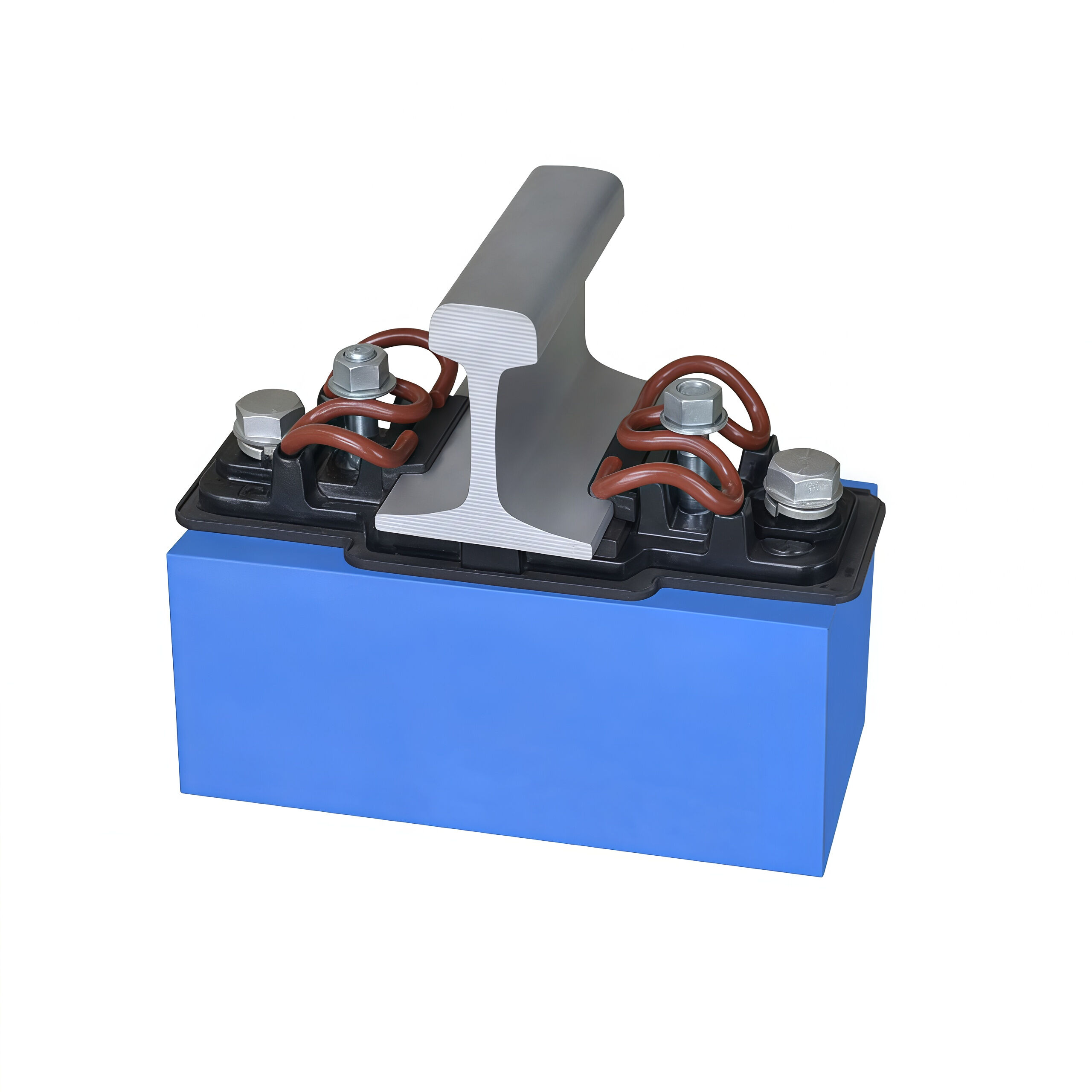
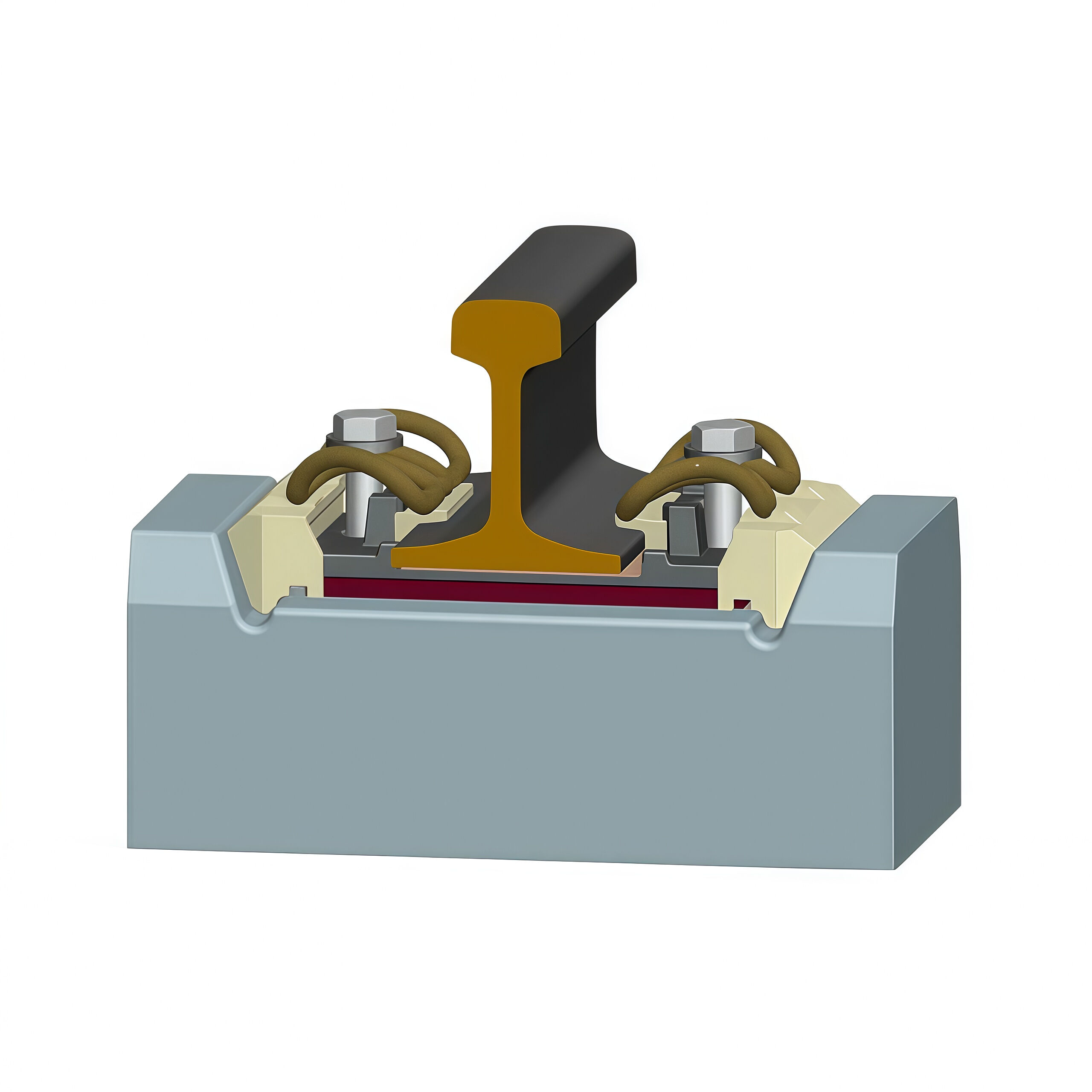
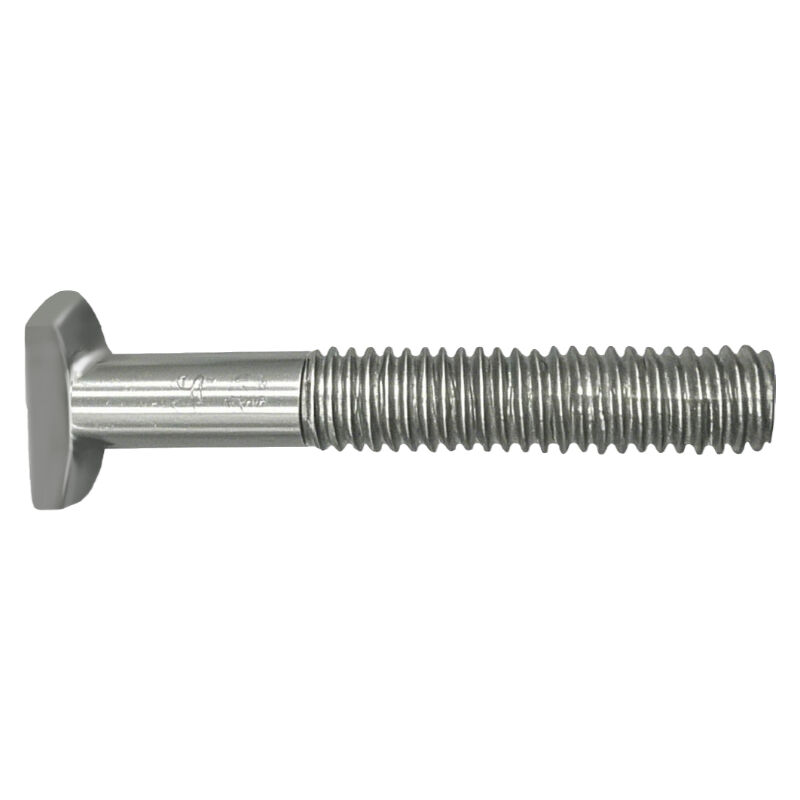
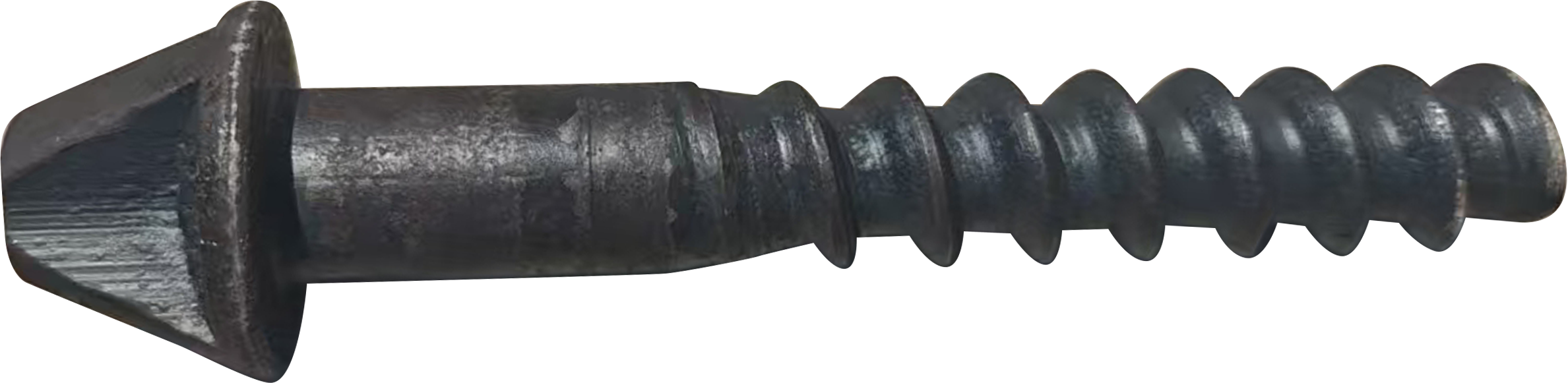
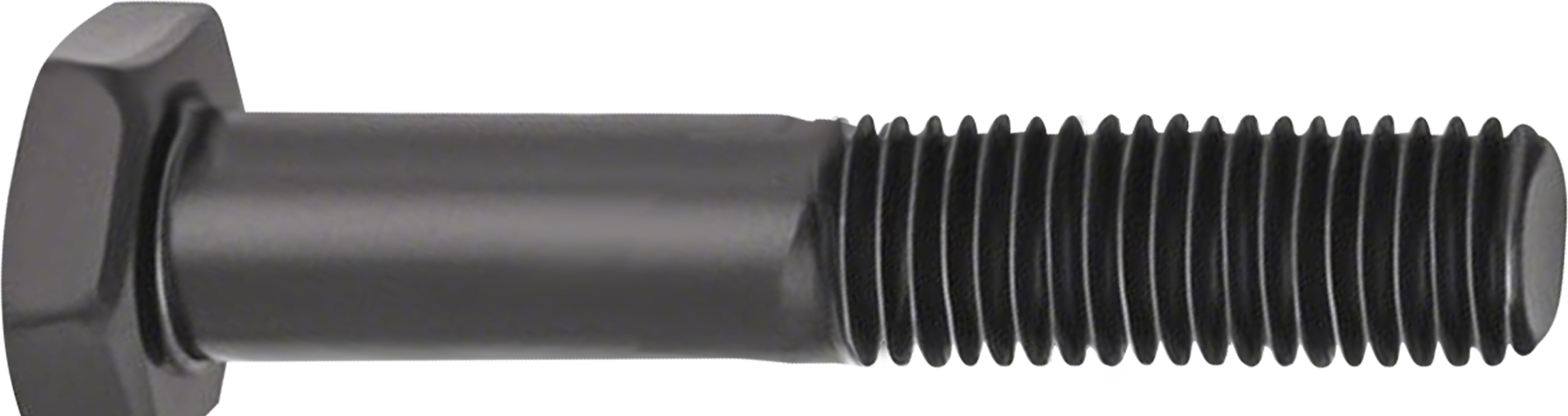
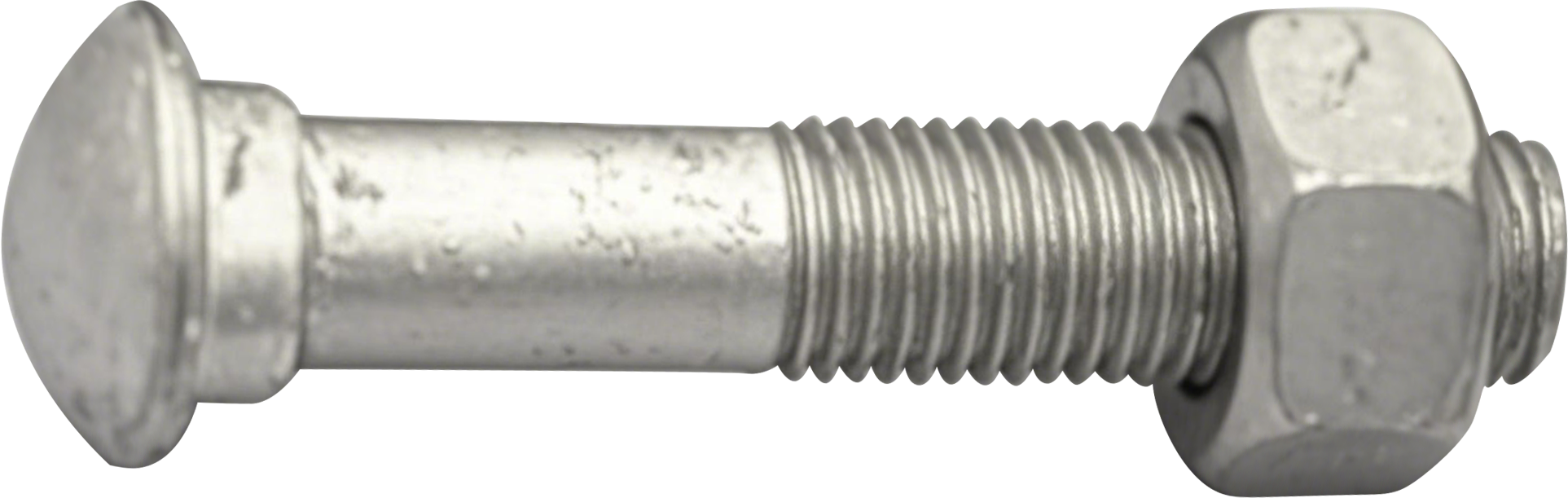
The high strength track bolt represents a critical component in railway infrastructure, specifically engineered to secure rail tracks to railroad ties with exceptional durability and reliability. This specialized fastening system consists of precisely manufactured bolts designed to withstand the enormous forces generated by moving trains, including dynamic loads, vibrations, and thermal expansion cycles that occur during regular railway operations. The high strength track bolt incorporates advanced metallurgical properties that enable it to maintain structural integrity under extreme conditions while providing consistent clamping force over extended service periods. These bolts feature sophisticated threading patterns and head configurations optimized for railway applications, ensuring proper engagement with track hardware and preventing loosening due to repetitive loading cycles. The manufacturing process involves controlled heat treatment procedures that enhance the bolt's tensile strength, fatigue resistance, and corrosion protection capabilities. Modern high strength track bolts utilize premium grade steel alloys that meet stringent international railway standards, incorporating specific chemical compositions that deliver superior mechanical properties. The bolt design includes carefully engineered dimensions that facilitate proper installation procedures while maintaining optimal stress distribution throughout the fastening assembly. Surface treatments applied to high strength track bolts provide enhanced protection against environmental factors such as moisture, salt exposure, and temperature fluctuations that commonly affect railway infrastructure. Installation of these specialized bolts requires precise torque specifications to achieve proper preload values that ensure reliable track stability without overstressing the fastening components. Quality control measures throughout the manufacturing process guarantee consistent performance characteristics across all high strength track bolt products, with rigorous testing protocols validating their compliance with railway safety requirements and operational standards.

Popular Products

High strength track bolts deliver numerous practical benefits that significantly improve railway infrastructure performance and operational efficiency. These specialized fasteners provide exceptional load-bearing capacity that surpasses conventional bolting solutions, enabling railways to handle heavier freight loads and higher-speed passenger services safely. The enhanced tensile strength of these bolts reduces the risk of fastener failure, which directly translates to improved safety margins and decreased maintenance requirements for railway operators. Cost savings become apparent through extended service intervals, as high strength track bolts maintain their clamping force longer than standard alternatives, reducing the frequency of retightening operations and associated labor costs. The superior fatigue resistance of these bolts allows them to withstand millions of loading cycles without degradation, making them ideal for high-traffic railway corridors where reliability is paramount. Installation efficiency improves significantly with high strength track bolts due to their optimized design features that facilitate faster assembly procedures while ensuring consistent results. Railway maintenance teams benefit from reduced downtime requirements, as the enhanced durability of these bolts minimizes unexpected failures that could disrupt train schedules and revenue operations. The corrosion resistance properties of high strength track bolts provide long-term value by protecting against environmental degradation that commonly affects railway infrastructure in challenging climates. Temperature stability ensures consistent performance across seasonal variations, preventing thermal stress-related failures that could compromise track alignment and safety. The precision manufacturing tolerances of high strength track bolts eliminate compatibility issues with standard track hardware, allowing for seamless integration into existing railway systems without requiring specialized tools or modification procedures. Quality assurance protocols guarantee reliable performance characteristics, giving railway operators confidence in their infrastructure investments while meeting regulatory compliance requirements. These bolts contribute to improved track geometry stability by maintaining proper rail positioning over extended periods, which enhances ride quality and reduces vehicle wear. The economic benefits extend beyond initial cost considerations, as the extended service life and reduced maintenance requirements of high strength track bolts provide substantial long-term value for railway infrastructure investments.

Tips And Tricks

How Do Baseplates Contribute to Efficient Railway Turnout Installation?

18

Dec

How Do Baseplates Contribute to Efficient Railway Turnout Installation?

Railway infrastructure demands precision, durability, and efficiency at every level, particularly when it comes to critical components like turnouts. Railway turnout baseplates serve as fundamental elements that ensure proper track alignment, load di...
View More
How Do Elastic Strips Improve Track Stability and Vibration Control?

18

Dec

How Do Elastic Strips Improve Track Stability and Vibration Control?

Track systems used in railways, industrial transport, and heavy-duty infrastructure are constantly exposed to dynamic loads, repeated impacts, and environmental stress. One of the most effective yet often underestimated components in these systems is...
View More
How Do Rail Tools Support Safety and Precision in Track Construction?

05

Jan

How Do Rail Tools Support Safety and Precision in Track Construction?

Modern railway construction demands exceptional precision and unwavering safety standards to ensure reliable transportation networks. The foundation of successful track construction lies in the proper selection and application of specialized rail too...
View More
What types of track pins are used in modular railway components?

20

Apr

What types of track pins are used in modular railway components?

Modular railway systems rely on precise mechanical connections to ensure safe and efficient train operations, with track pins serving as fundamental fastening components that secure rails to various supporting structures. These specialized pins come ...
View More

Get a Free Quote

Our representative will contact you soon.
Email
Name
Company Name
Message
0/1000

high strength track bolt

Superior Material Engineering and Manufacturing Excellence

Superior Material Engineering and Manufacturing Excellence

The exceptional performance of high strength track bolts stems from advanced material science and precision manufacturing techniques that create fasteners capable of withstanding the most demanding railway applications. These bolts utilize specially formulated steel alloys that incorporate specific percentages of carbon, manganese, chromium, and other alloying elements to achieve optimal mechanical properties. The metallurgical composition is carefully balanced to provide maximum tensile strength while maintaining sufficient ductility to absorb dynamic loading without brittle failure. Heat treatment processes play a crucial role in developing the desired microstructure within the bolt material, involving controlled heating and cooling cycles that refine the grain structure and enhance overall strength characteristics. Quenching and tempering operations are precisely calibrated to achieve target hardness values that optimize wear resistance while preserving toughness properties essential for railway service conditions. The manufacturing process incorporates cold forging techniques that align the metal grain structure along the bolt's longitudinal axis, significantly improving fatigue resistance compared to machined alternatives. Thread rolling procedures create superior thread profiles with enhanced surface finish and increased root radius dimensions that reduce stress concentration factors. Quality control measures throughout production include comprehensive chemical analysis, mechanical property testing, and dimensional verification to ensure each high strength track bolt meets exacting specifications. Non-destructive testing methods such as magnetic particle inspection detect potential surface defects that could compromise performance in service. The surface treatment applications, including zinc plating or other protective coatings, provide additional corrosion protection while maintaining specified friction coefficients for proper torque-tension relationships during installation. This comprehensive approach to material engineering and manufacturing excellence results in high strength track bolts that consistently deliver superior performance, reliability, and longevity in railway infrastructure applications, providing railway operators with confidence in their investment and ensuring safe, efficient transportation services.
Advanced Load Distribution and Stress Management Technology

Advanced Load Distribution and Stress Management Technology

High strength track bolts incorporate sophisticated engineering principles that optimize load distribution and stress management throughout the fastening assembly, ensuring reliable performance under the extreme forces encountered in railway operations. The bolt head design features carefully calculated bearing surface areas that distribute clamping loads evenly across the track hardware, preventing stress concentrations that could lead to premature failure or deformation of mating components. Thread geometry optimization includes precise pitch angles, root radii, and flank configurations that minimize stress concentration factors while maximizing load-carrying capacity and resistance to fatigue crack initiation. The shank diameter and length proportions are engineered to provide optimal stiffness characteristics that accommodate thermal expansion and contraction cycles without losing preload tension. Advanced finite element analysis during the design phase identifies potential stress concentration points and guides refinements to the bolt geometry that enhance overall durability and performance. The transition zones between different bolt sections feature smooth radius configurations that eliminate sharp corners where stress concentrations typically develop under cyclic loading conditions. Material property gradients achieved through controlled heat treatment create zones of varying hardness and strength that optimize stress distribution along the bolt length. The threading engagement length is calculated to ensure proper load transfer between bolt and nut while preventing thread stripping under maximum specified loads. Preload retention capabilities of high strength track bolts prevent loosening due to vibration and dynamic loading, maintaining consistent clamping force over extended service periods. The bolt's elastic properties are matched to the stiffness characteristics of the complete fastening assembly, ensuring optimal load sharing between components and preventing overloading of individual elements. Surface treatments enhance the friction characteristics between mating surfaces, contributing to improved preload retention and resistance to loosening mechanisms. This comprehensive approach to load distribution and stress management technology enables high strength track bolts to provide reliable, long-lasting performance that meets the stringent requirements of modern railway infrastructure while ensuring passenger and freight transportation safety.
Enhanced Durability and Environmental Resistance Features

Enhanced Durability and Environmental Resistance Features

The exceptional durability and environmental resistance characteristics of high strength track bolts make them ideally suited for the challenging conditions encountered in railway infrastructure applications worldwide. These bolts are specifically engineered to withstand exposure to extreme weather conditions, including temperature fluctuations ranging from arctic cold to desert heat, while maintaining their mechanical properties and structural integrity. Corrosion resistance features include advanced surface treatments and protective coatings that provide long-term protection against moisture, salt spray, industrial pollutants, and other environmental contaminants that commonly affect railway infrastructure. The base material chemistry incorporates corrosion-resistant alloying elements that provide inherent protection even if surface coatings become compromised during service. Fatigue resistance properties enable high strength track bolts to endure millions of loading cycles generated by passing trains without developing crack initiation or propagation that could lead to catastrophic failure. The microstructural characteristics developed through controlled manufacturing processes create a fine, uniform grain structure that enhances resistance to fatigue crack growth and improves overall durability. Thermal stability ensures consistent mechanical properties across the operating temperature range typical of railway environments, preventing degradation that could compromise fastener performance. UV resistance properties protect exposed bolt surfaces from degradation due to prolonged sunlight exposure, maintaining surface integrity and corrosion protection effectiveness. Chemical resistance capabilities enable these bolts to withstand exposure to maintenance fluids, cleaning agents, and industrial chemicals commonly encountered in railway operations. The dimensional stability of high strength track bolts prevents loosening due to thermal cycling, vibration, or chemical exposure, maintaining proper preload values throughout their service life. Quality assurance testing includes accelerated aging studies and environmental exposure tests that validate long-term performance characteristics under simulated service conditions. Field performance data from installations worldwide demonstrates the superior durability and reliability of high strength track bolts compared to conventional alternatives, providing railway operators with confidence in their infrastructure investments and ensuring safe, efficient transportation services for passengers and freight operations.


Get a Free Quote

Our representative will contact you soon.
Email
Name
Company Name
Message
0/1000