Precision Engineering for Consistent Track Geometry
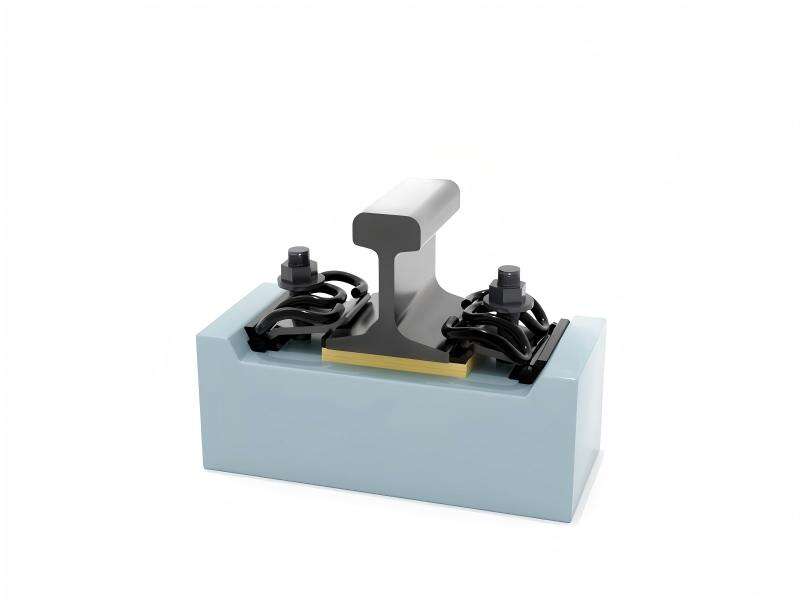
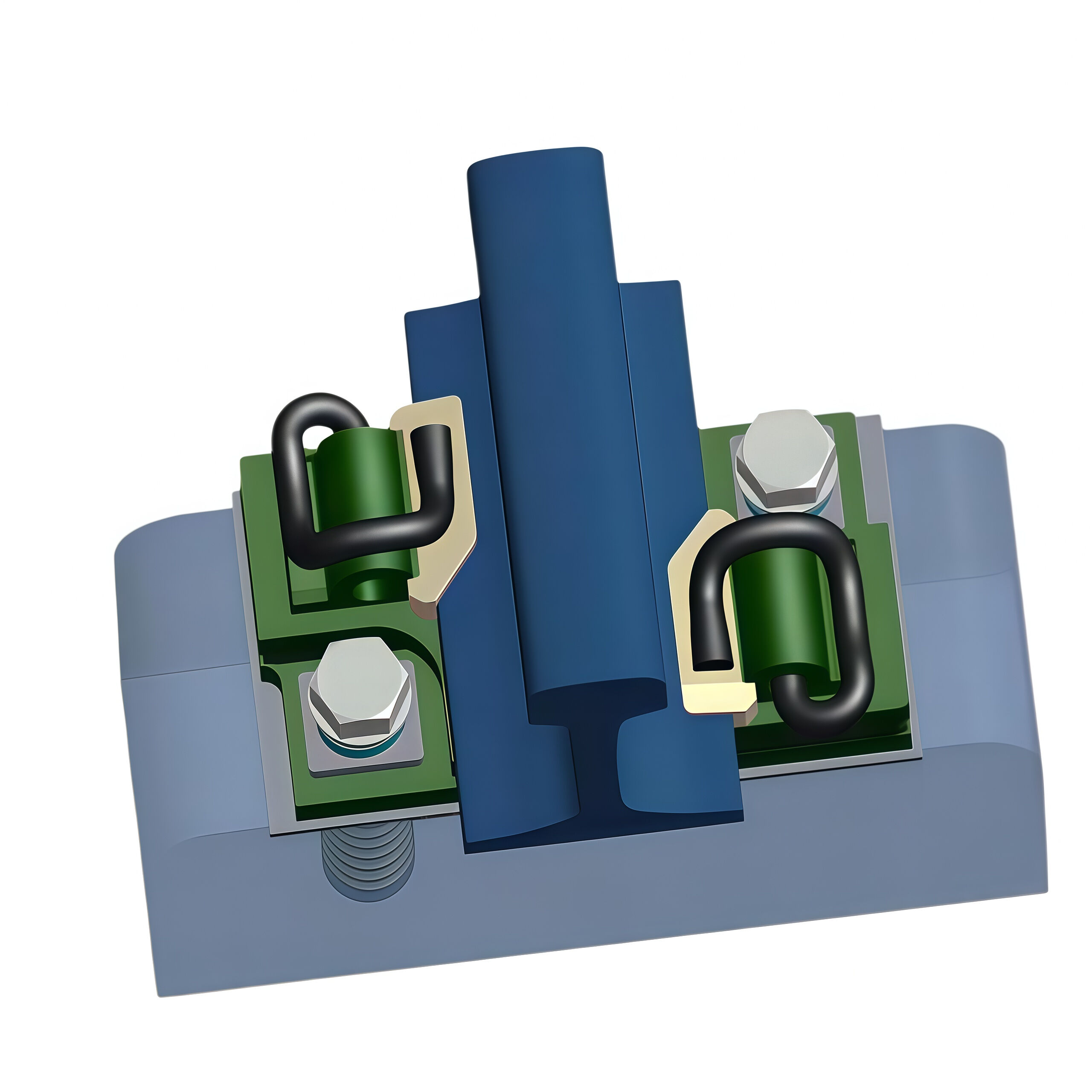
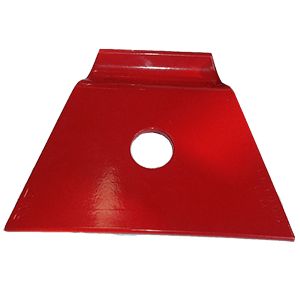
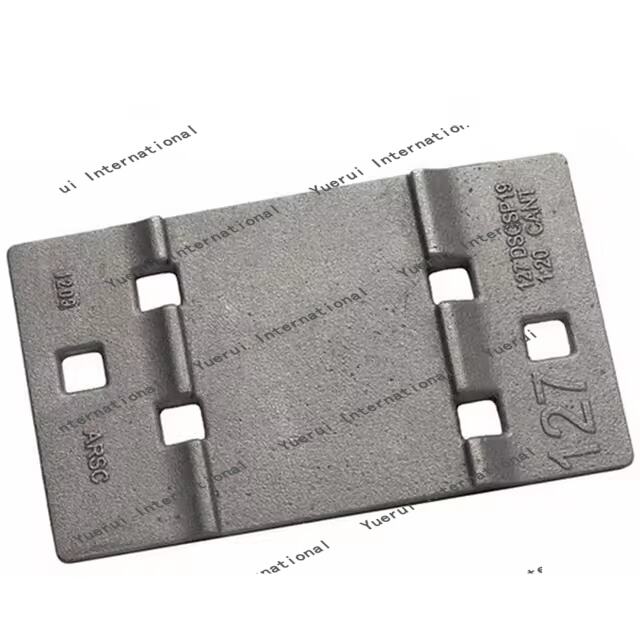
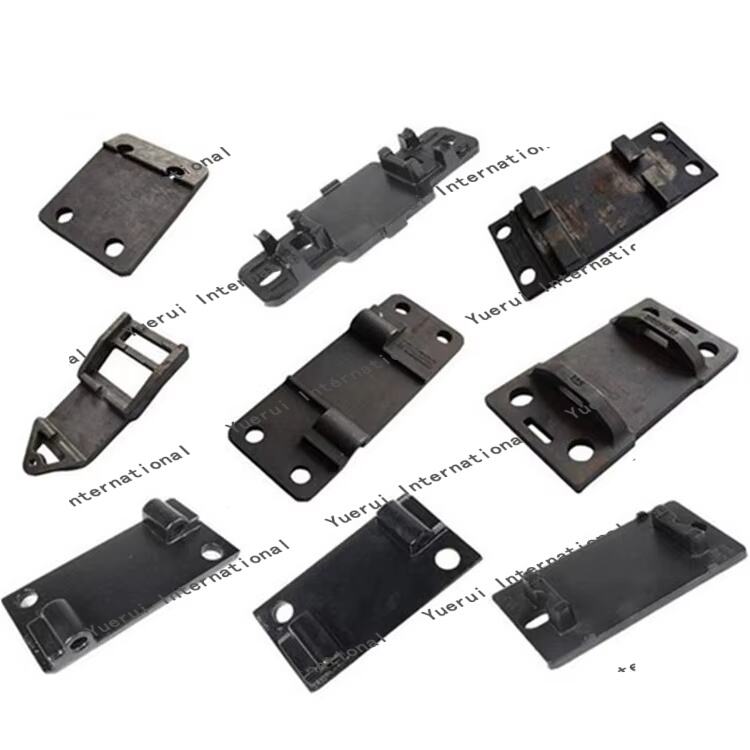
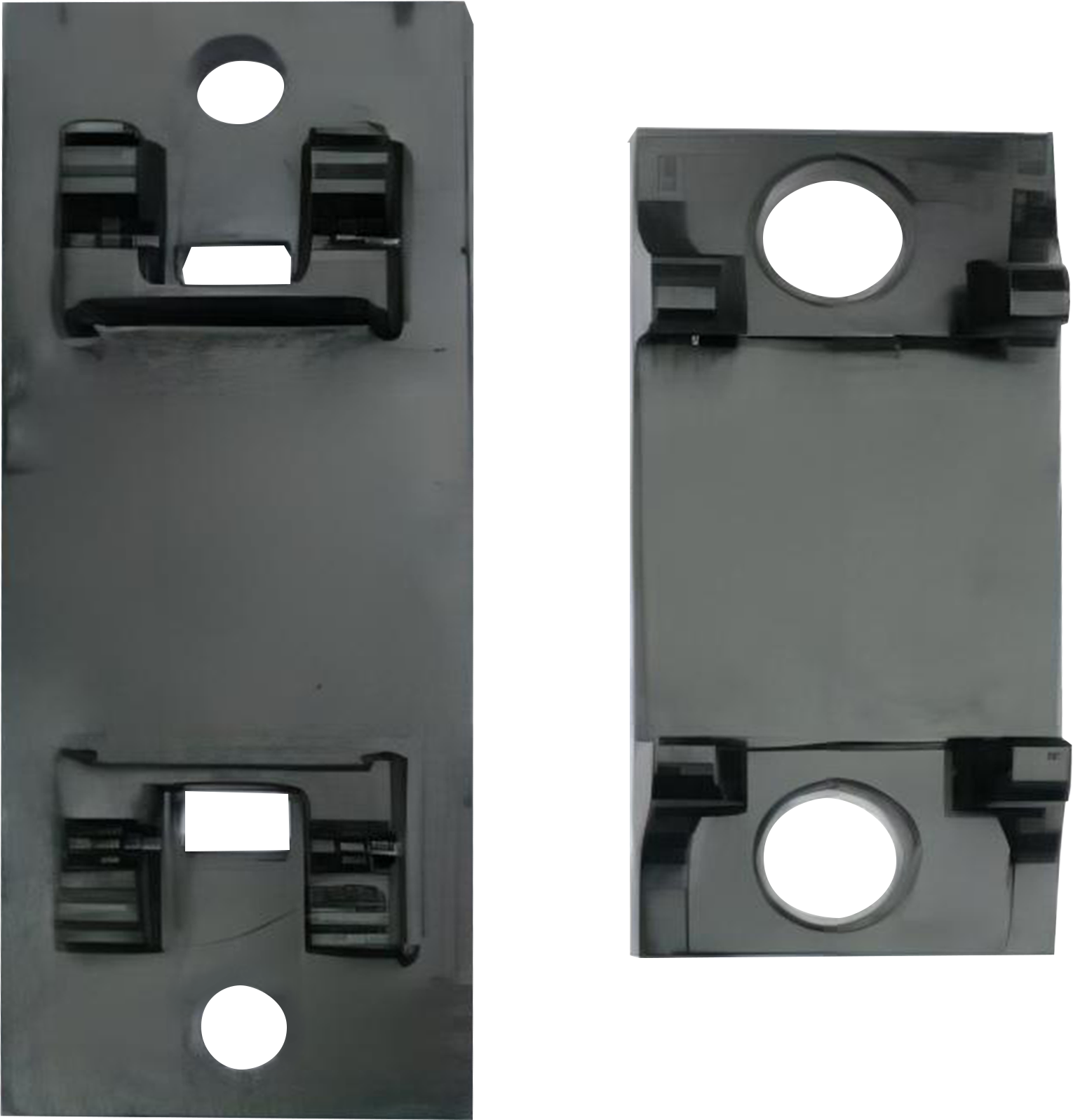
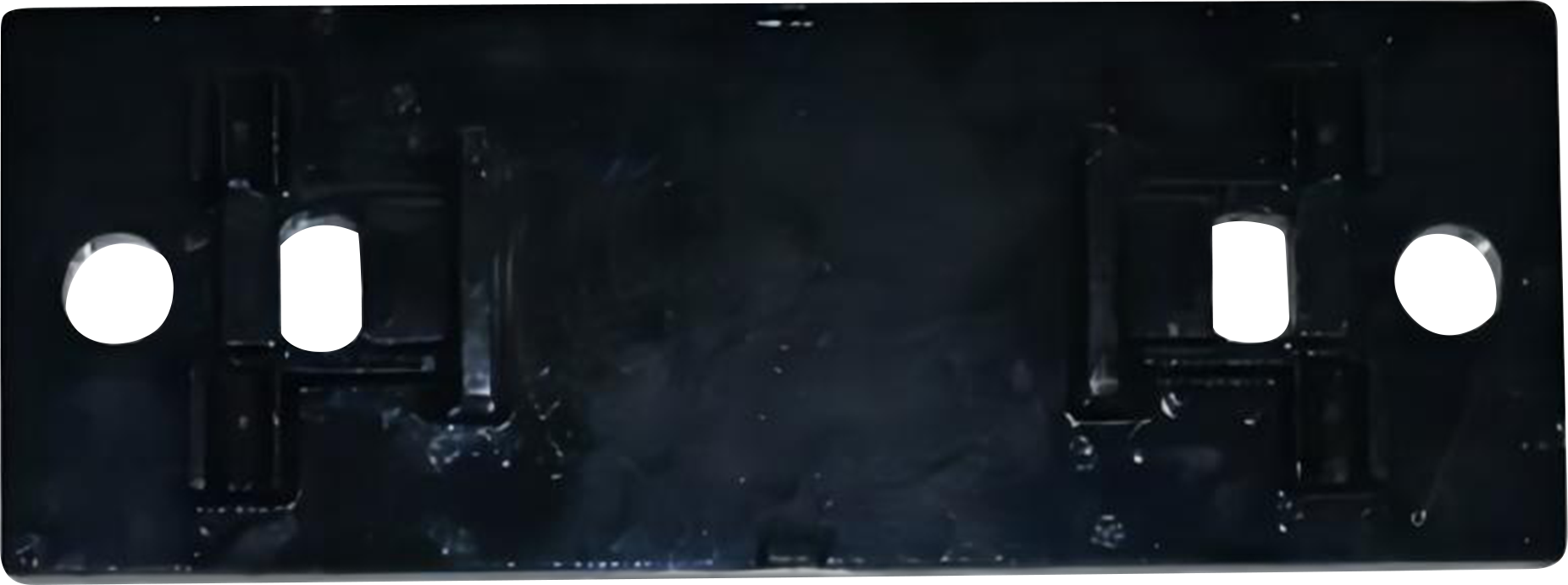
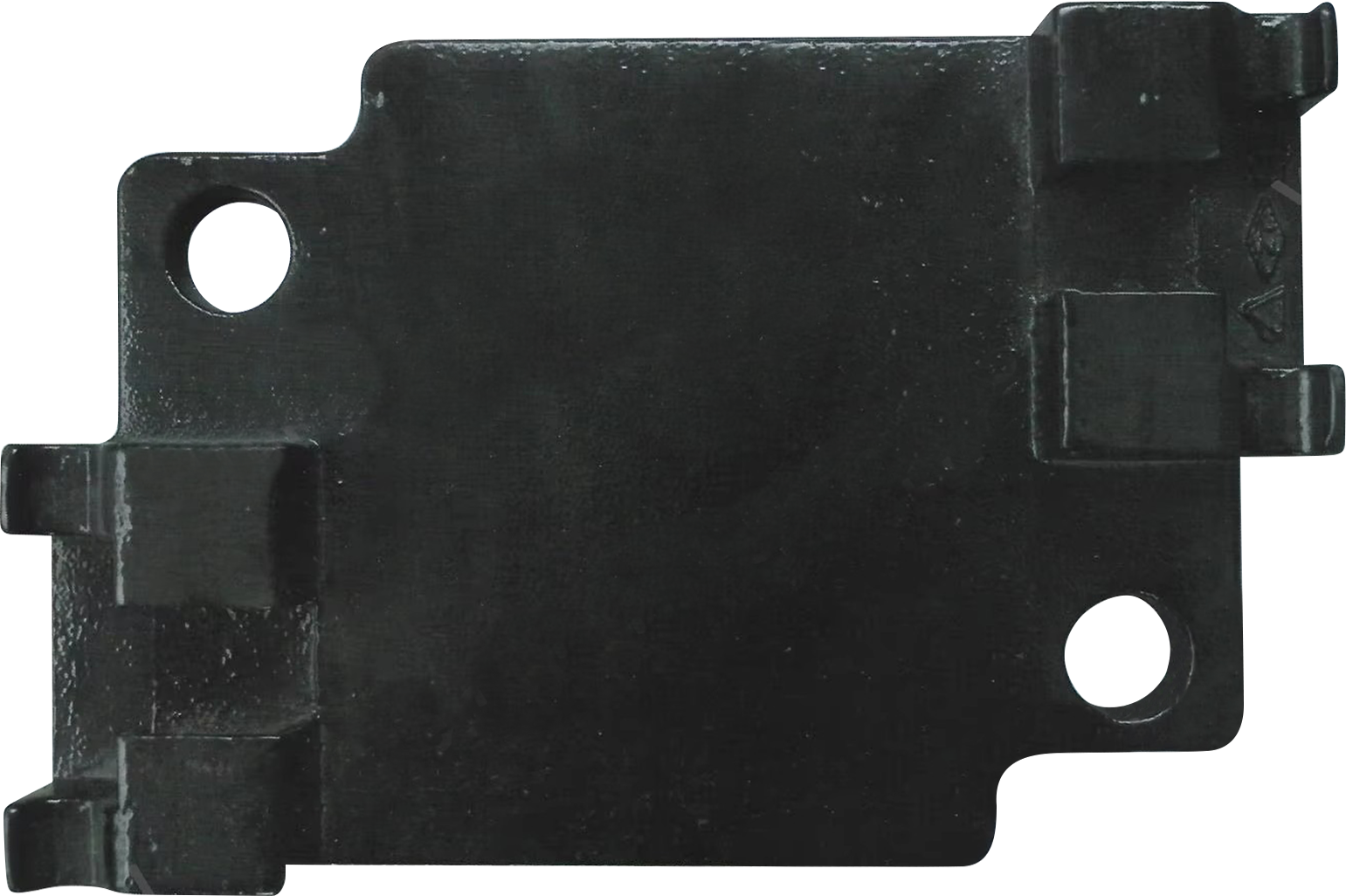
Metal tie plates achieve exceptional precision in maintaining critical track geometry parameters through advanced manufacturing techniques and stringent quality control processes. The dimensional accuracy of each metal tie plate directly impacts rail gauge consistency, cross-level uniformity, and overall track stability, making precision engineering a fundamental value proposition for railway infrastructure investments. Manufacturing tolerances for metal tie plates typically range within plus-or-minus one millimeter for critical dimensions, ensuring that installed track maintains proper geometry specifications across entire railway systems. This precision originates from computer-controlled machining processes that create exact rail seat profiles, precise spike hole locations, and accurate bearing surface configurations. The rail seat angle, a critical geometric parameter, is maintained within tolerances of plus-or-minus fifteen minutes of arc, ensuring optimal wheel-to-rail contact geometry and minimizing rolling resistance. The consistent spacing of fastening holes enables uniform spike patterns that distribute clamping forces evenly along rail lengths, preventing localized high-stress areas that could lead to rail fatigue or premature failure. Quality assurance protocols include dimensional verification using coordinate measuring machines, surface roughness testing, and material property validation through standardized testing procedures. The geometric consistency of metal tie plates enables predictable track behavior under dynamic loading conditions, allowing engineers to accurately model track response and optimize maintenance schedules. Track geometry maintenance becomes significantly more effective when utilizing precision-engineered metal tie plates, as the stable platform they provide resists deformation under traffic loading and environmental influences. The correlation between geometric precision and operational performance manifests through reduced wheel-rail wear rates, decreased noise generation, and improved ride quality for both freight and passenger operations. Railway operators benefit from enhanced operational efficiency through reduced speed restrictions, decreased derailment risk, and extended intervals between geometry correction activities, all directly attributable to the precision engineering inherent in quality metal tie plate systems.
 EN
EN