Professional Tie Plates for Railway Infrastructure - Superior Load Distribution & Rail Stability Solutions

All Categories

tie plate

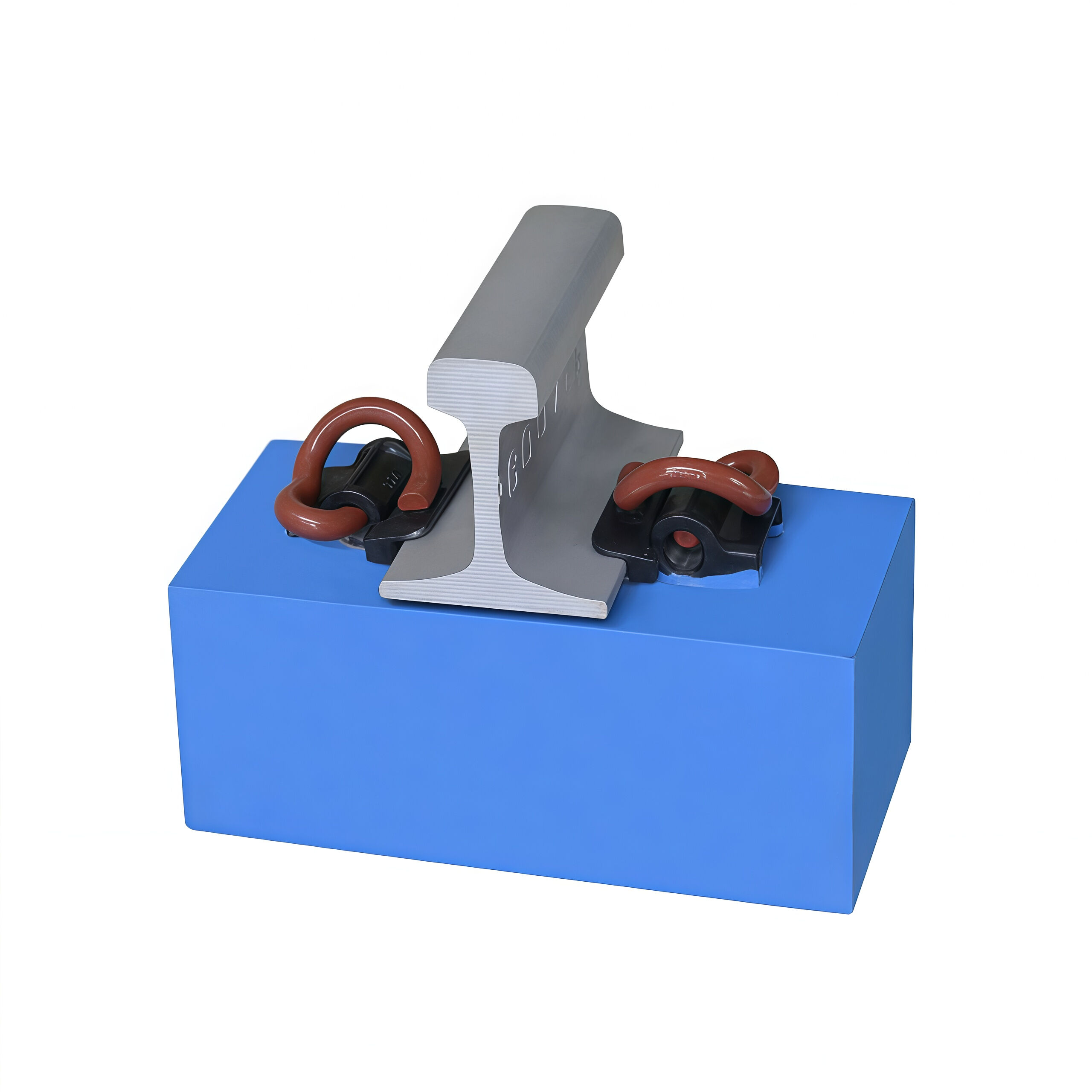
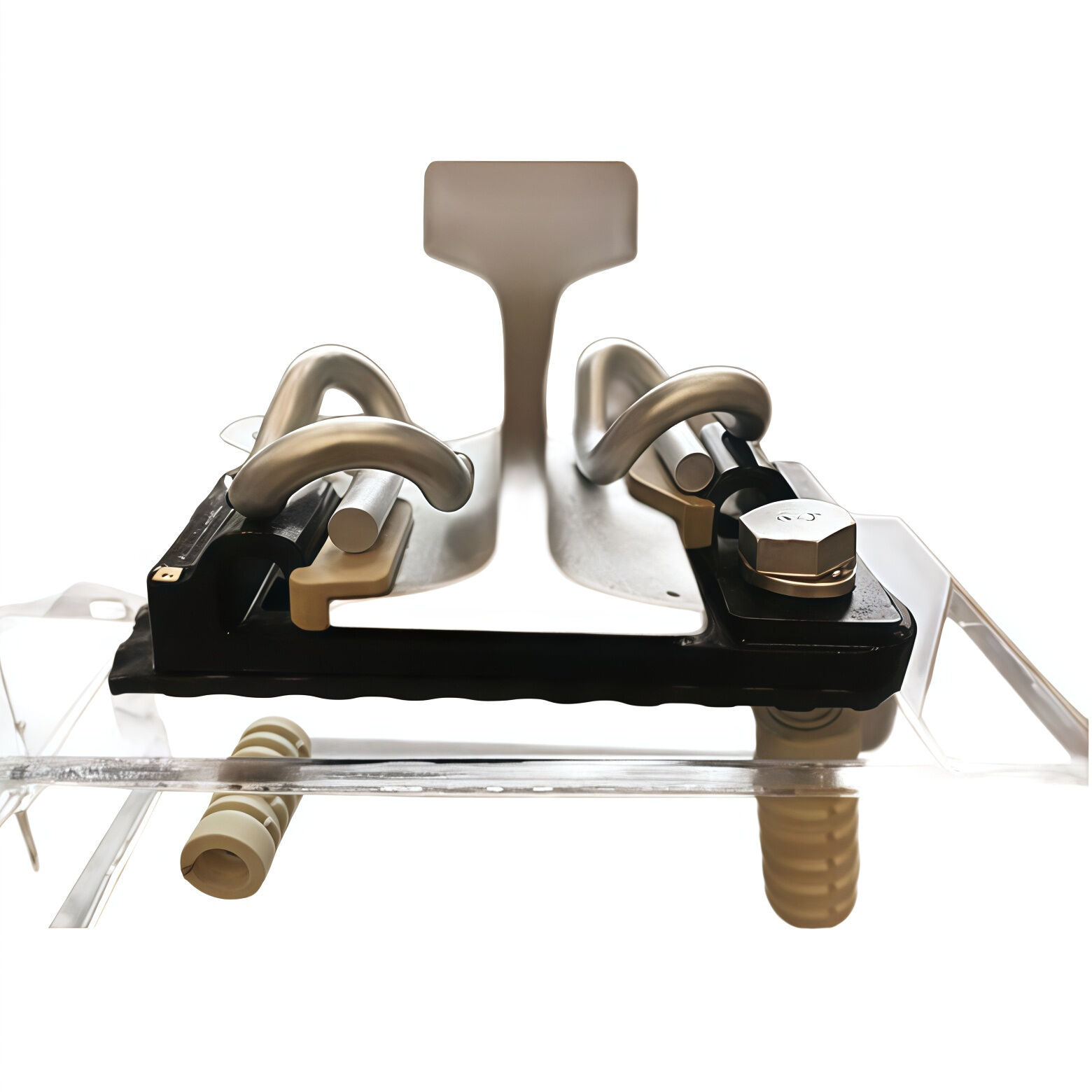
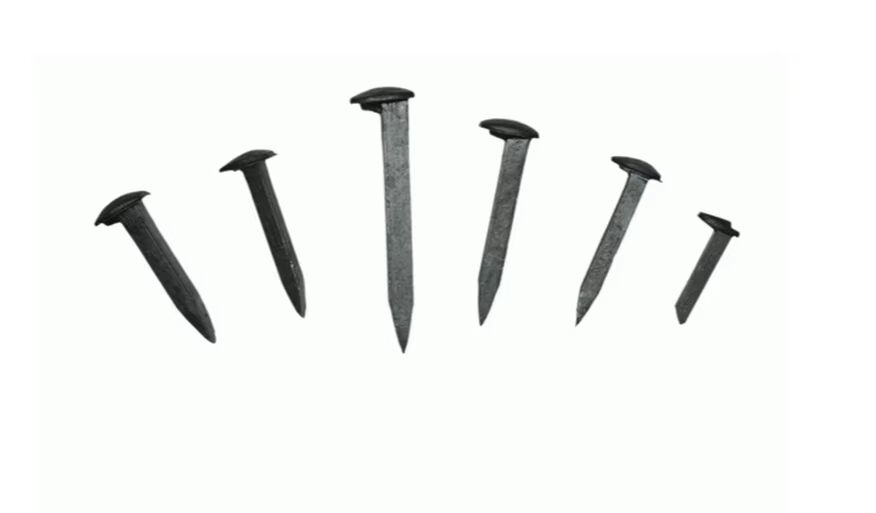
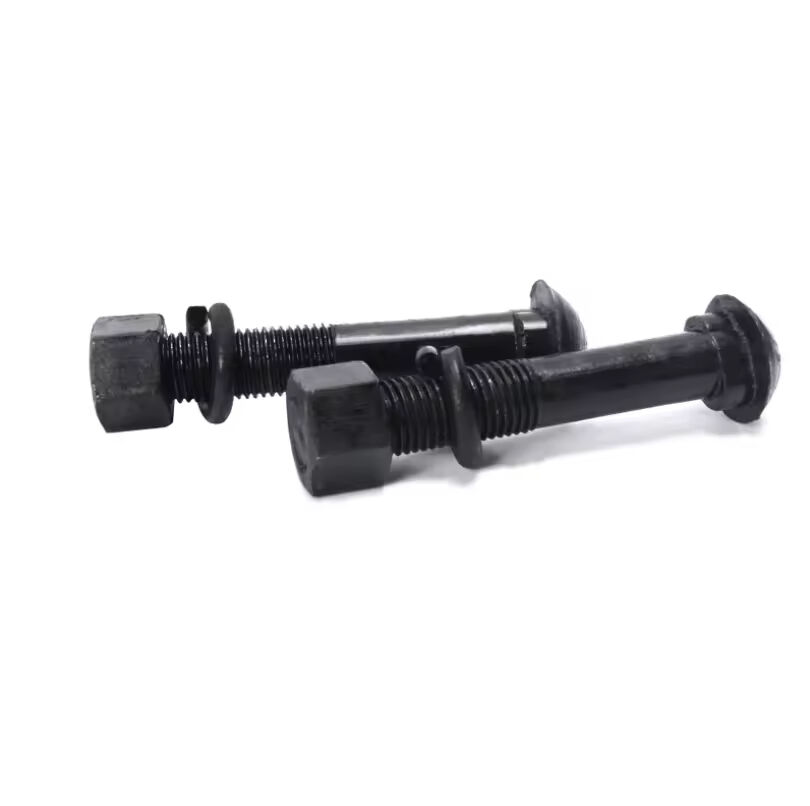
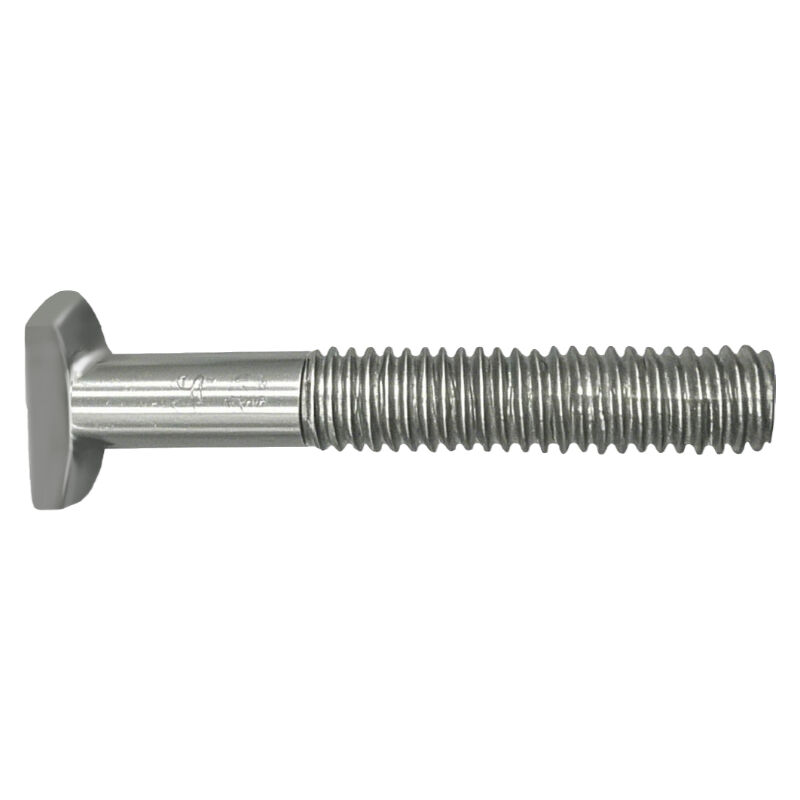
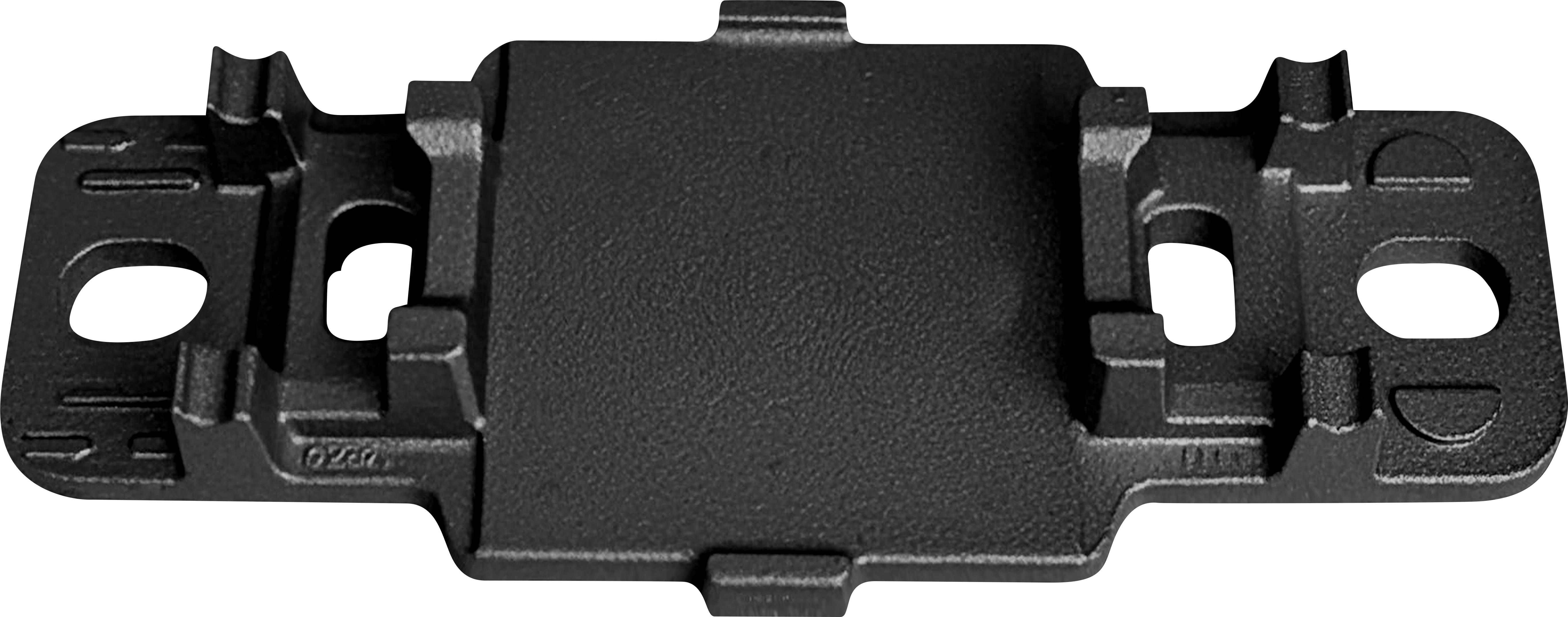
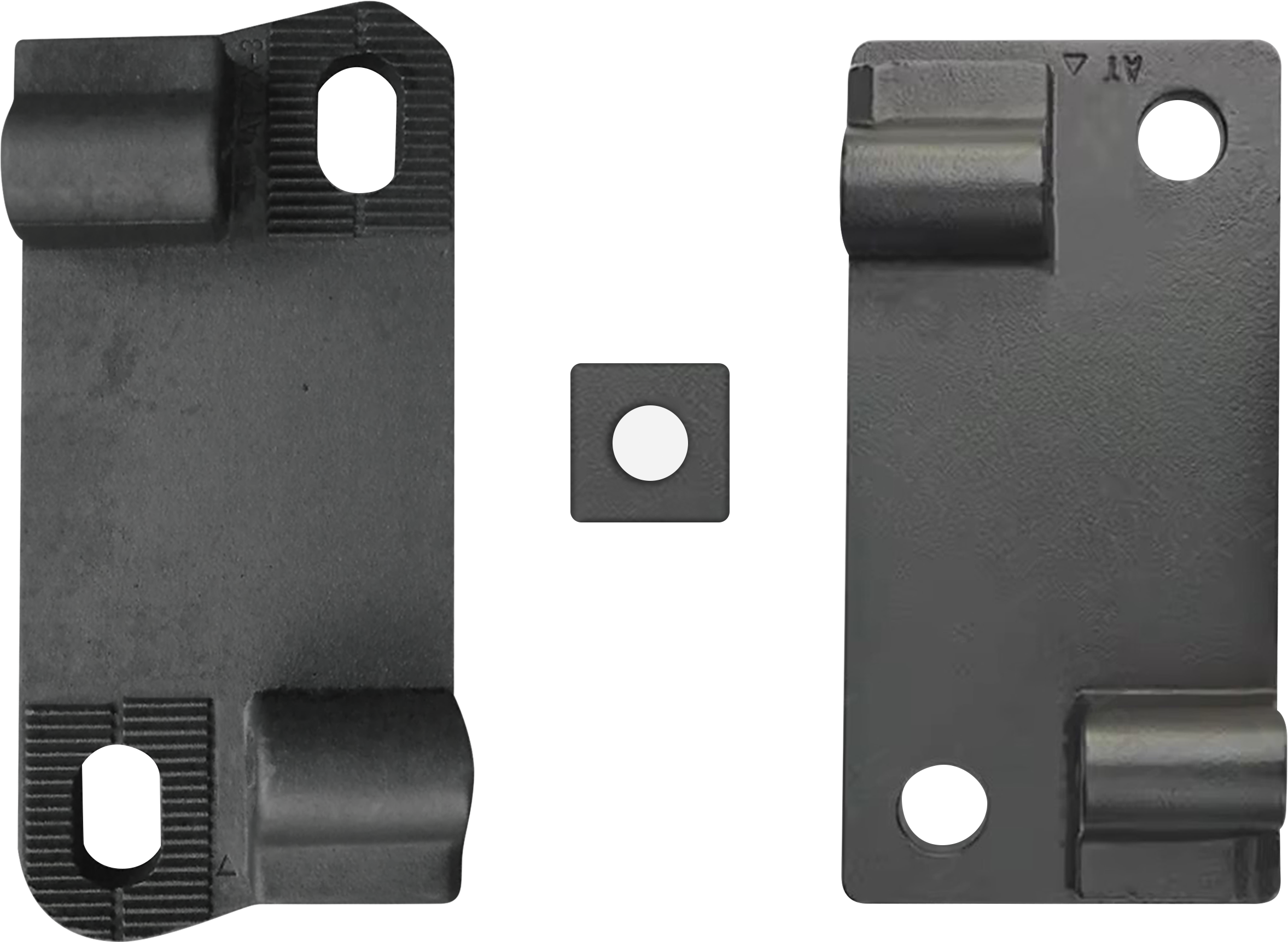
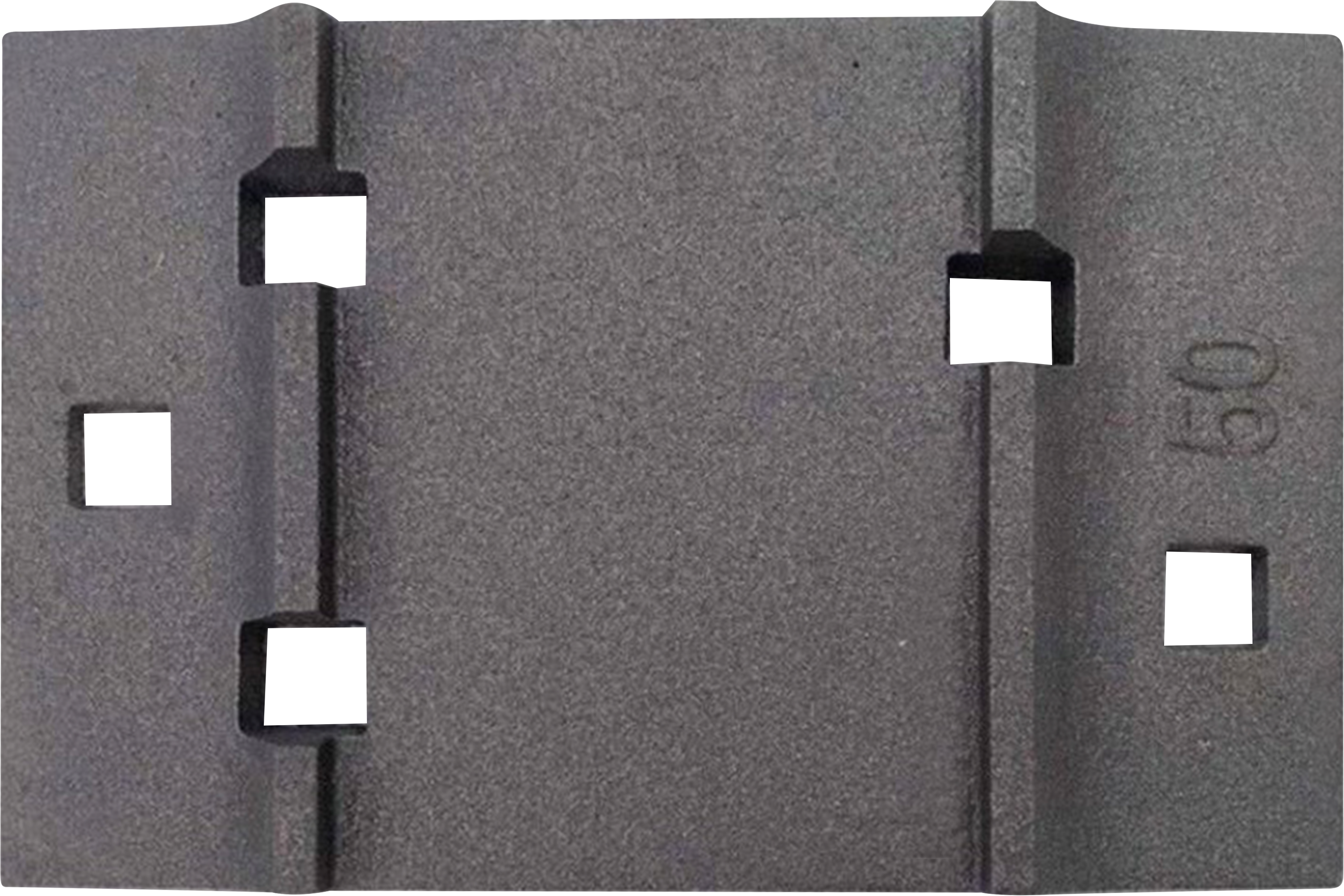
The tie plate serves as a fundamental component in railway infrastructure, functioning as the critical connection element between railroad rails and cross ties or sleepers. This essential hardware piece ensures structural integrity and operational safety across rail networks worldwide. A tie plate is typically manufactured from high-grade steel or cast iron, designed to distribute the concentrated loads from passing trains across a broader surface area of the underlying wooden, concrete, or composite ties. The primary function of the tie plate involves securing rails in their proper gauge position while providing a stable, level surface for rail mounting. This component prevents rail movement during train operations and maintains precise track alignment under dynamic loading conditions. Modern tie plate designs incorporate advanced metallurgical techniques and precision engineering to withstand extreme forces generated by heavy freight trains and high-speed passenger services. The technological features of contemporary tie plates include specialized shoulder configurations that grip rail bases securely, preventing lateral displacement during thermal expansion and contraction cycles. Anti-theft designs and tamper-resistant features protect against unauthorized removal or vandalism. Surface treatments such as hot-dip galvanizing or specialized coatings provide enhanced corrosion resistance, extending service life in harsh environmental conditions. The tie plate applications span diverse railway systems including heavy haul freight lines, urban transit networks, high-speed passenger corridors, and industrial spur tracks. Mining operations, port facilities, and steel mills rely heavily on robust tie plate systems to support loaded railcars weighing hundreds of tons. Maintenance departments utilize tie plates with integrated features for simplified installation and replacement procedures, reducing track downtime and labor costs. Environmental considerations drive the development of tie plates manufactured from recycled materials while maintaining structural performance standards required for safe railway operations.

New Product Releases

The tie plate delivers substantial operational benefits that directly impact railway performance and cost-effectiveness for transportation operators. Enhanced load distribution represents the most significant advantage, as the tie plate spreads concentrated wheel loads across larger surface areas, reducing stress concentrations that could damage underlying infrastructure components. This improved load transfer mechanism extends the service life of expensive cross ties and reduces frequency of track maintenance interventions. Railway operators experience measurable cost savings through reduced tie replacement schedules and decreased ballast maintenance requirements. The tie plate provides superior rail stability compared to direct rail-to-tie mounting methods, maintaining precise track gauge under varying temperature conditions and heavy traffic loads. This stability translates to improved ride quality for passengers and reduced wear on rolling stock components, generating long-term savings for fleet operators. Installation efficiency represents another key advantage, as modern tie plates feature standardized dimensions and mounting configurations that streamline track construction and maintenance procedures. Crews can complete installations faster with standard tools, reducing project timelines and labor expenses. The tie plate offers excellent versatility across different rail weights and tie materials, allowing railway systems to standardize inventory while accommodating diverse operational requirements. Maintenance teams benefit from simplified inspection procedures, as tie plates provide visible indicators of track condition and wear patterns. Safety improvements result from the secure rail fastening system that prevents derailments caused by rail movement or gauge widening under traffic loads. Environmental advantages include the ability to use recycled steel in tie plate manufacturing, supporting sustainability initiatives while maintaining structural integrity. Weather resistance features protect against corrosion and seasonal damage, ensuring consistent performance across diverse climate conditions. The tie plate enables precise track geometry control, supporting high-speed operations and heavy freight movements with equal effectiveness. These combined advantages translate to improved return on infrastructure investment, reduced operational disruptions, and enhanced safety records for railway operators seeking reliable, cost-effective track components.

Latest News

How Railroad Dog Spikes Improve Track Stability and Safety

24

Nov

How Railroad Dog Spikes Improve Track Stability and Safety

Railway infrastructure forms the backbone of modern transportation systems, where every component plays a critical role in maintaining operational safety and efficiency. Among these essential components, railroad dog spikes represent one of the most ...
View More
How to Prevent Corrosion and Damage in Rail Spikes Over Time

24

Nov

How to Prevent Corrosion and Damage in Rail Spikes Over Time

Railway infrastructure forms the backbone of modern transportation systems, carrying millions of tons of cargo and passengers across vast distances daily. Among the critical components that ensure track stability and safety, rail spikes play an indis...
View More
What materials are best for corrosion-resistant track pins in railways?

20

Apr

What materials are best for corrosion-resistant track pins in railways?

Railway infrastructure faces constant exposure to harsh environmental conditions, making material selection critical for long-term performance and safety. Track pins, essential components that secure rails to railroad ties, must withstand not only me...
View More
What types of track pins are used in modular railway components?

20

Apr

What types of track pins are used in modular railway components?

Modular railway systems rely on precise mechanical connections to ensure safe and efficient train operations, with track pins serving as fundamental fastening components that secure rails to various supporting structures. These specialized pins come ...
View More

Get a Free Quote

Our representative will contact you soon.
Email
Name
Company Name
Message
0/1000

tie plate

Superior Load Distribution Technology

Superior Load Distribution Technology

The tie plate incorporates advanced load distribution technology that fundamentally transforms how railway infrastructure handles dynamic forces from passing trains. This sophisticated engineering approach addresses the critical challenge of transferring concentrated wheel loads from narrow rail contact points to broader support surfaces across cross ties. Traditional direct rail mounting creates stress concentration points that can cause premature failure of expensive infrastructure components, while the tie plate system distributes these forces across substantially larger areas. The load distribution mechanism operates through precisely calculated bearing surfaces that spread impact forces both longitudinally and laterally, reducing peak stress values by factors of three to five compared to conventional mounting methods. This technological advancement proves especially valuable in heavy haul applications where loaded freight cars generate extreme forces that could otherwise damage track structure. The tie plate design incorporates engineered stress relief features including radiused corners and optimized thickness profiles that eliminate stress concentration points while maintaining structural integrity under cyclic loading conditions. Advanced metallurgical properties ensure consistent load transfer characteristics throughout the service life, preventing degradation that could compromise performance over time. Railway operators utilizing superior load distribution technology report significant reductions in track maintenance requirements, with some systems documenting decreased tie replacement frequencies of forty to sixty percent compared to installations without proper tie plates. The economic impact extends beyond immediate maintenance savings to include reduced track downtime, improved schedule reliability, and enhanced asset utilization rates. Safety benefits multiply through reduced risk of track geometry problems that could lead to derailments or speed restrictions, while ride quality improvements reduce wear on expensive rolling stock components. Environmental advantages result from extended infrastructure service life, reducing material consumption and waste generation associated with frequent component replacement. The tie plate load distribution technology enables railway systems to support increasing axle loads demanded by modern transportation economics while maintaining safety standards and controlling lifecycle costs.
Precision Rail Stability and Gauge Control

Precision Rail Stability and Gauge Control

The tie plate delivers unmatched precision in rail stability and gauge control through innovative fastening mechanisms that maintain exact track geometry under demanding operational conditions. This critical capability addresses the fundamental requirement for consistent rail positioning that ensures safe train operations across diverse loading scenarios and environmental conditions. The precision control system begins with engineered shoulder configurations that mechanically constrain rail base movement in all directions while accommodating necessary thermal expansion and contraction cycles. These shoulders feature precisely machined surfaces that create positive mechanical locks preventing lateral rail displacement under the heaviest traffic loads. The gauge control mechanism maintains track width within extremely tight tolerances required for modern rolling stock operations, preventing wheel climbing or binding that could cause derailments. Advanced tie plate designs incorporate adjustable features that enable fine-tuning of rail position during installation while providing permanent stability once properly set. The stability system resists both vertical and horizontal forces generated by train operations, including the substantial side forces created during curve negotiation and braking events. Temperature compensation features prevent gauge variations caused by seasonal thermal cycles that could otherwise compromise operational safety. The precision rail stability extends to vertical alignment control, maintaining proper rail elevation relationships critical for smooth train operations and reduced dynamic loading. Modern tie plate technology includes integrated cant adjustment capabilities that enable proper superelevation installation on curved track sections without requiring specialized hardware. Quality control manufacturing processes ensure dimensional consistency across production runs, enabling railway systems to maintain uniform track geometry standards throughout their networks. The precision control system reduces wheel wear and fuel consumption by maintaining optimal wheel-rail contact geometry, generating measurable operational savings for railway operators. Maintenance benefits include simplified track inspection procedures and reduced adjustment requirements, as the tie plate system maintains proper geometry longer than alternative fastening methods. The stability and control features enable higher operating speeds and increased axle loads while maintaining safety margins, supporting revenue enhancement opportunities for railway operators seeking to maximize infrastructure capacity utilization.
Enhanced Durability and Weather Resistance

Enhanced Durability and Weather Resistance

The tie plate demonstrates exceptional durability and weather resistance through advanced material science and protective coating technologies that ensure reliable performance across diverse environmental conditions and extended service periods. This comprehensive protection system addresses the challenging operational environment where railway infrastructure must function reliably despite exposure to temperature extremes, precipitation, chemical contamination, and mechanical stress cycles. The durability foundation begins with high-strength steel alloys specifically formulated to resist fatigue crack initiation and propagation under millions of loading cycles experienced during typical service life. Advanced metallurgical processes create refined grain structures that enhance impact resistance while maintaining the strength properties required for heavy load applications. The weather resistance system incorporates multiple protection layers beginning with hot-dip galvanizing that provides sacrificial corrosion protection extending decades beyond untreated alternatives. Specialized topcoat systems add additional barriers against atmospheric corrosion while providing enhanced resistance to chemical exposure from industrial environments or deicing compounds used in winter operations. The durability design includes stress relief features that prevent concentration points where fatigue cracks typically initiate, while optimized geometry distributes loads uniformly across structural sections. Quality control processes ensure consistent material properties and coating coverage that maintain protection effectiveness throughout the service environment. Testing protocols simulate decades of operational exposure through accelerated weathering and fatigue testing that validates long-term performance predictions. Railway operators benefit from reduced replacement frequencies and lower lifecycle costs when utilizing enhanced durability tie plates compared to standard alternatives. The weather resistance capabilities enable consistent performance across geographic regions with varying climate conditions, supporting standardization initiatives that simplify inventory management and maintenance procedures. Corrosion resistance features prevent the gradual degradation that could compromise structural integrity or create safety hazards over time. The enhanced durability translates to improved track availability and reduced maintenance windows, supporting higher capacity utilization for revenue operations. Environmental benefits result from extended service life that reduces material consumption and waste generation associated with frequent component replacement cycles, supporting sustainability objectives while maintaining operational excellence.

Get a Free Quote

Our representative will contact you soon.
Email
Name
Company Name
Message
0/1000