Enhanced Durability and Weather Resistance
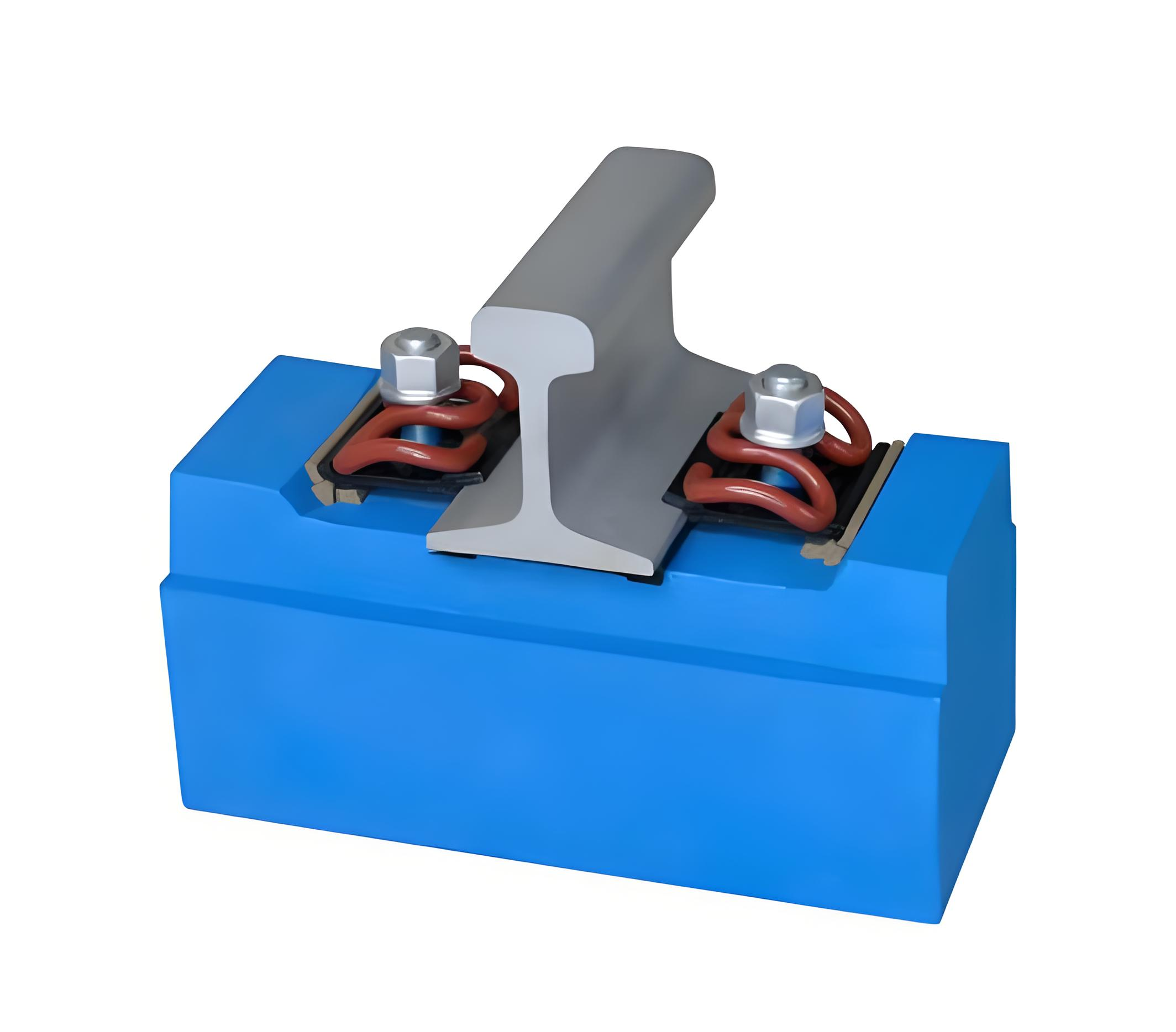
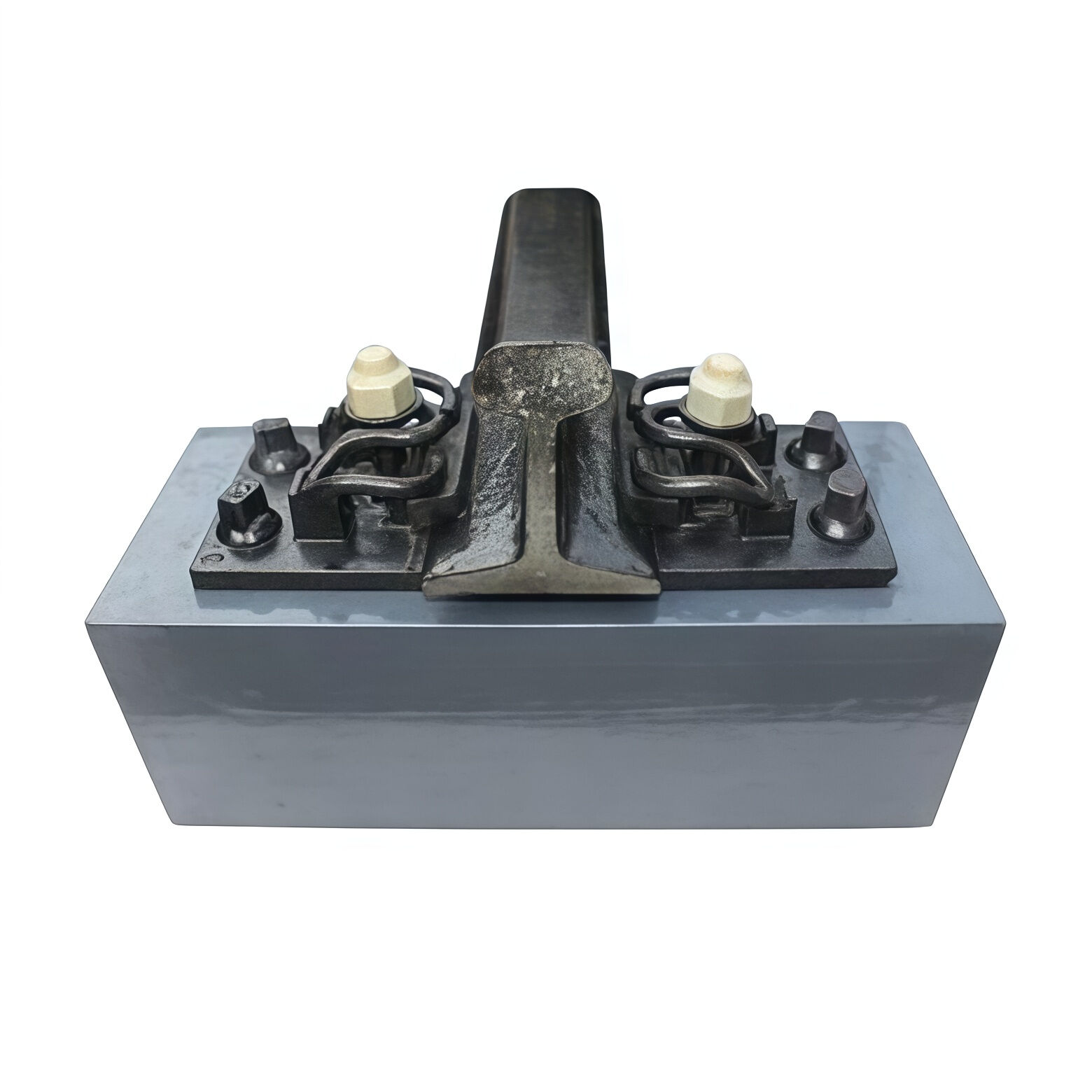
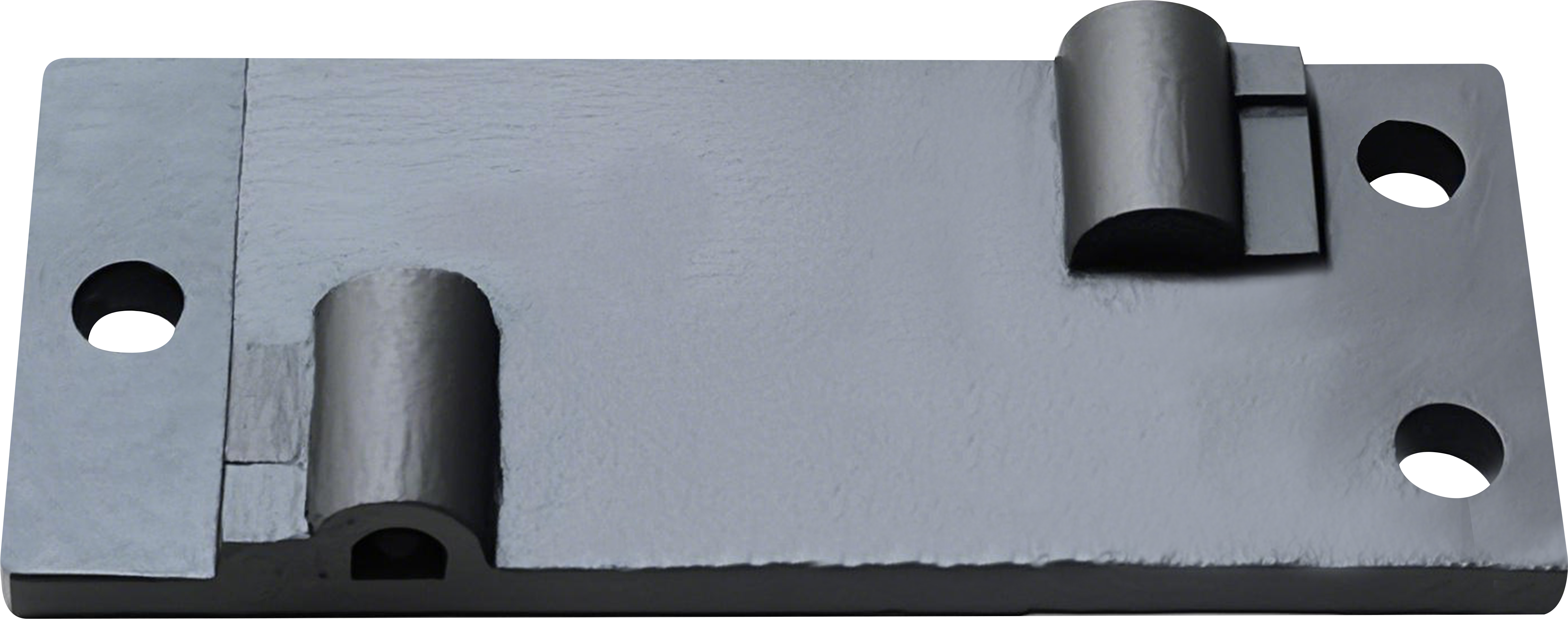
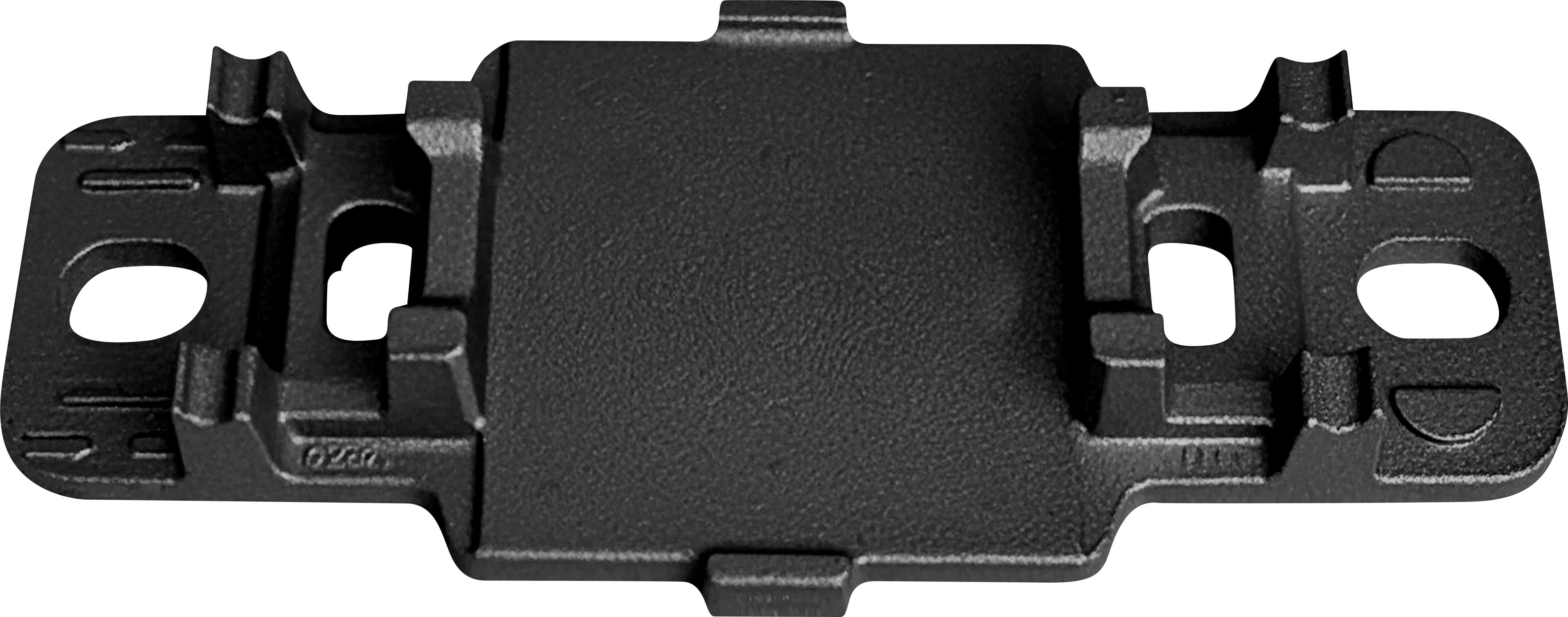
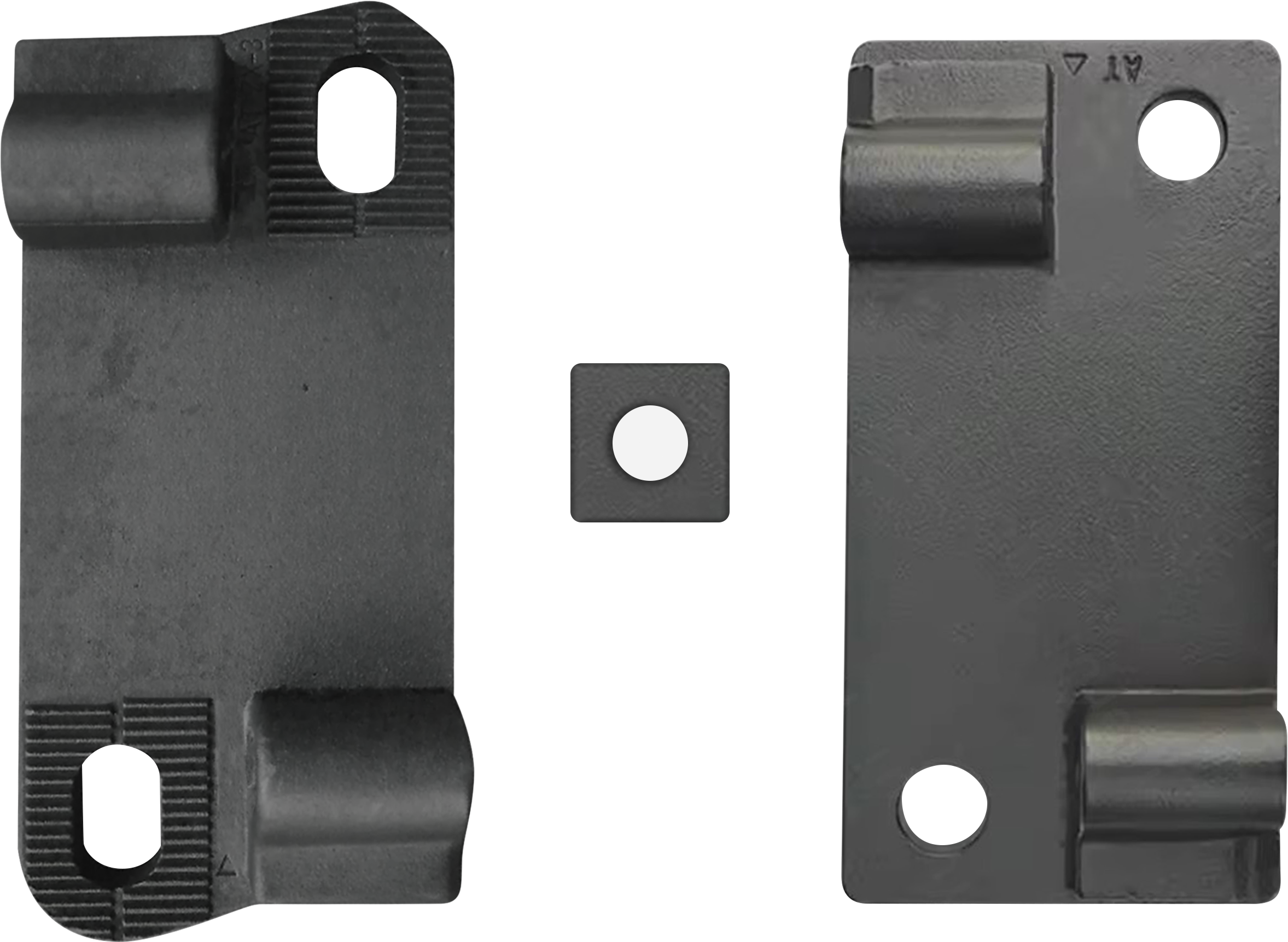
The rail bearing plate demonstrates exceptional durability through advanced material engineering and protective coating systems designed to withstand the harsh operational environment of railway infrastructure. This durability advantage stems from high-grade steel alloy selection, incorporating specific alloying elements that enhance strength, toughness, and fatigue resistance under cyclic loading conditions. The manufacturing process includes controlled heat treatment procedures that optimize microstructural characteristics, ensuring consistent mechanical properties throughout the component. Advanced surface treatment technologies create protective barriers against corrosion, extending service life significantly beyond conventional alternatives. These treatments include specialized zinc coatings, polymer applications, and metallurgical surface modifications that resist atmospheric corrosion, chemical attack, and galvanic deterioration. The rail bearing plate maintains structural integrity across extreme temperature ranges, from arctic conditions to desert environments, through thermal stress accommodation features built into the design. Expansion joints and controlled deformation zones prevent thermal stress accumulation that could compromise long-term performance. Weather resistance encompasses protection against moisture infiltration, UV radiation exposure, and chemical contamination from industrial environments or de-icing compounds. The durability characteristics include resistance to fatigue crack initiation and propagation, critical factors in railway infrastructure subjected to millions of loading cycles annually. Quality assurance protocols verify durability performance through accelerated aging tests, corrosion resistance evaluations, and mechanical property assessments under extreme conditions. Field performance data confirms extended service life expectations, with properly maintained rail bearing plates demonstrating decades of reliable operation without significant degradation. This durability translates into reduced lifecycle costs, decreased maintenance interventions, and improved railway system reliability. Environmental resistance features enable deployment in challenging locations including coastal areas, industrial zones, and regions with aggressive weather patterns, expanding application possibilities for railway development projects.

 EN
EN