Railway Tie Plates: Superior Load Distribution and Durability for Railroad Infrastructure

All Categories

railway tie plate

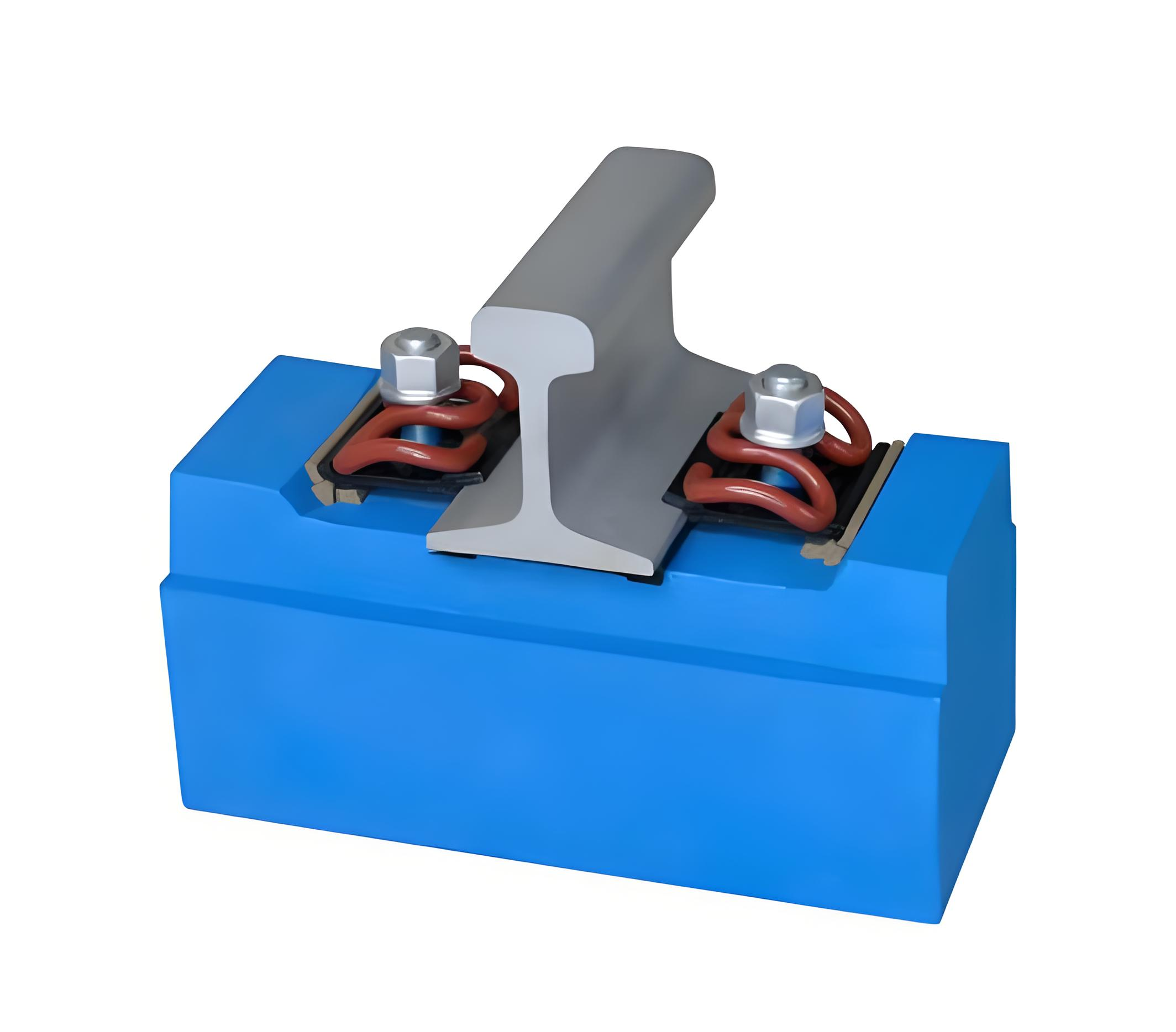
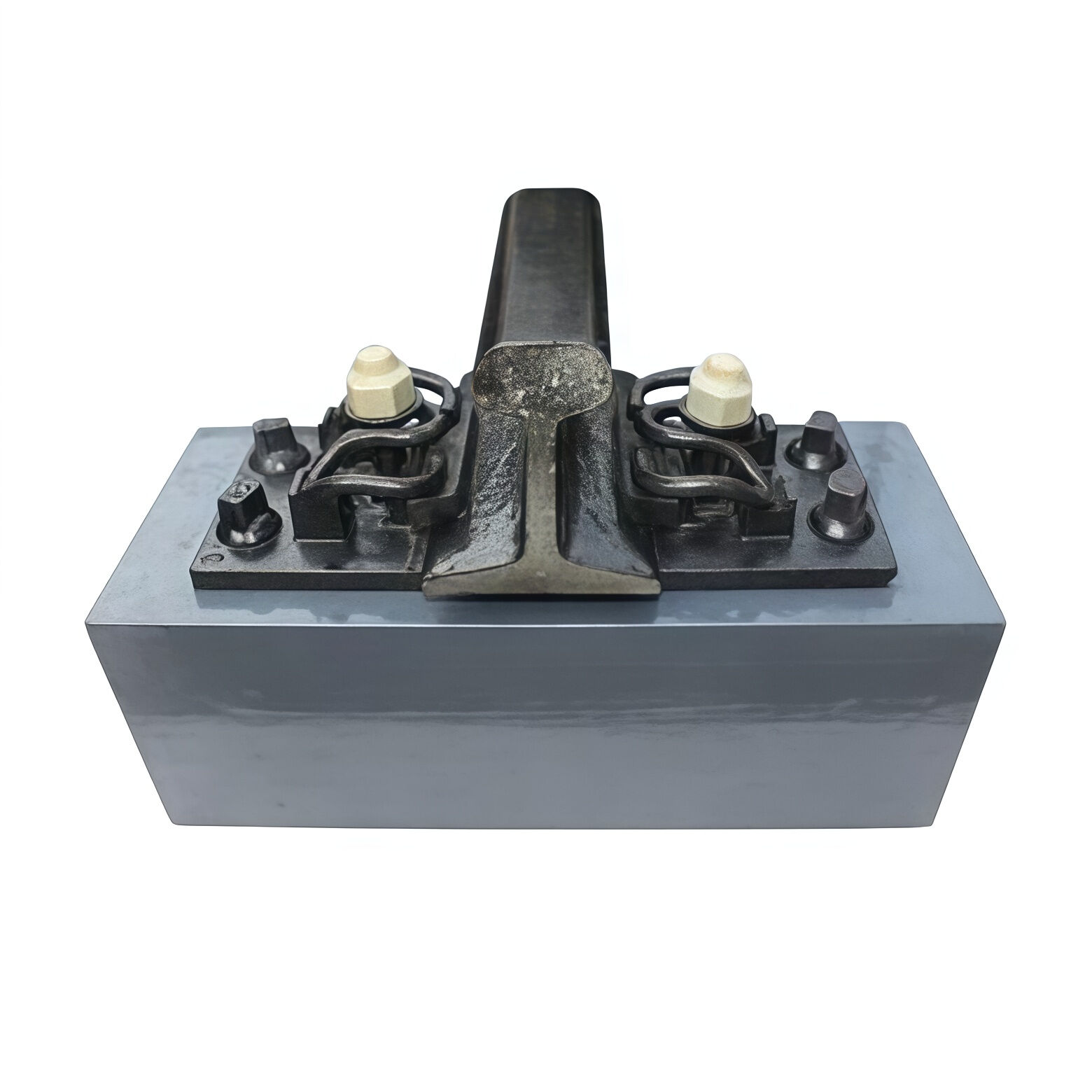
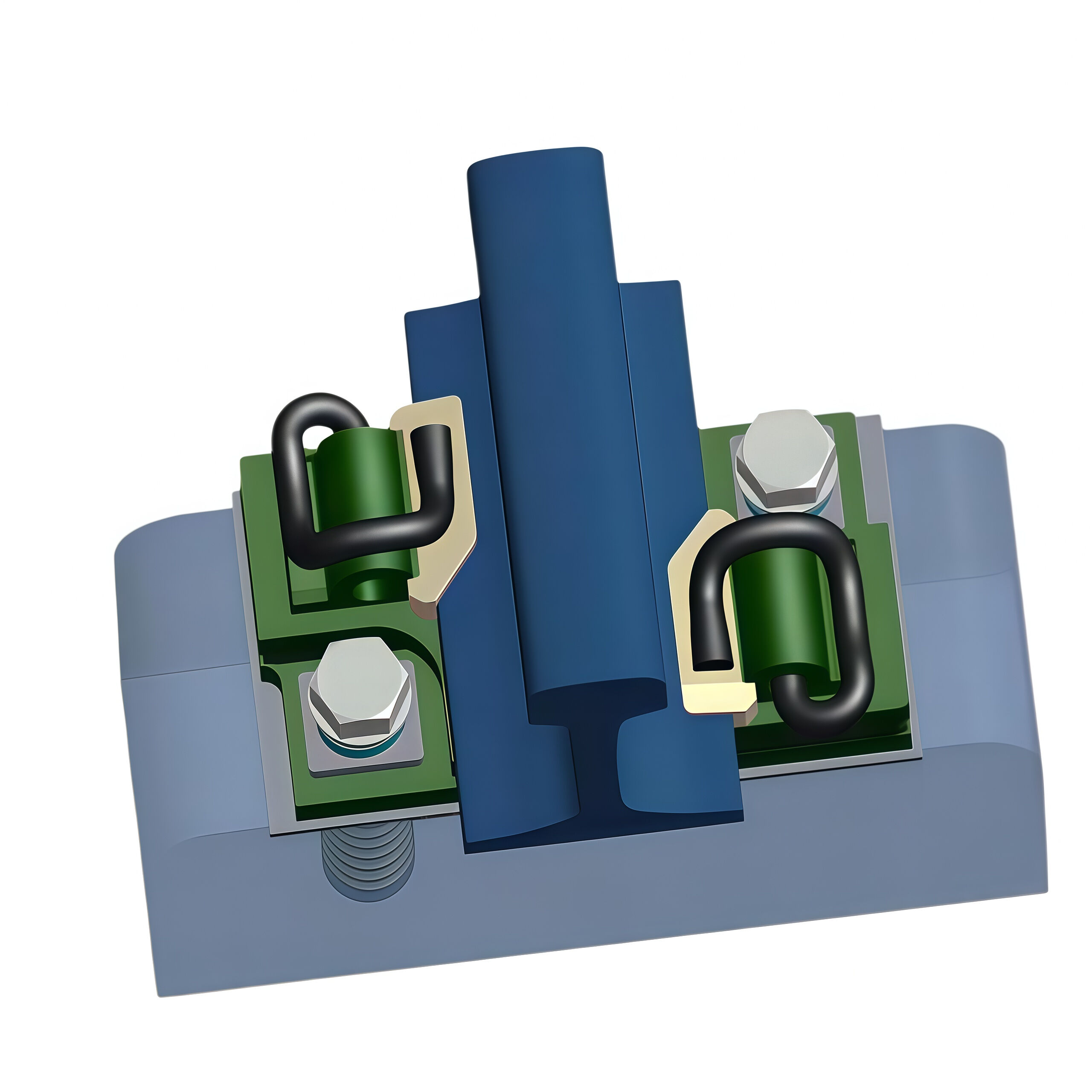
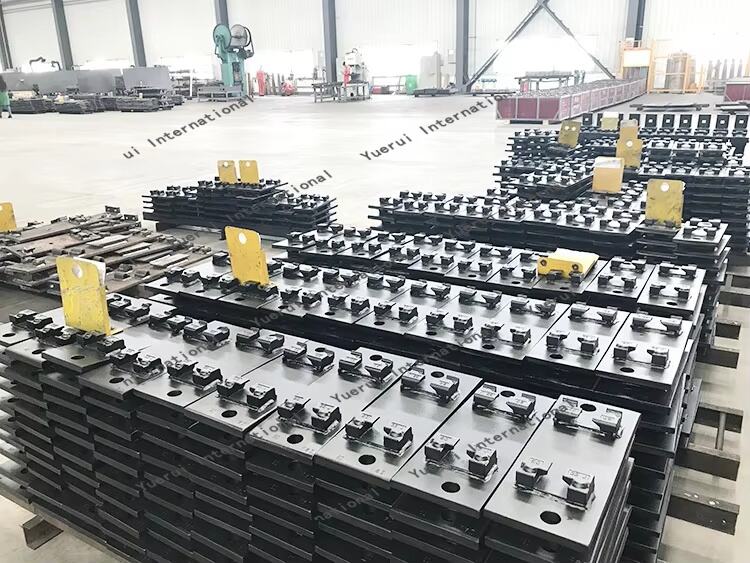
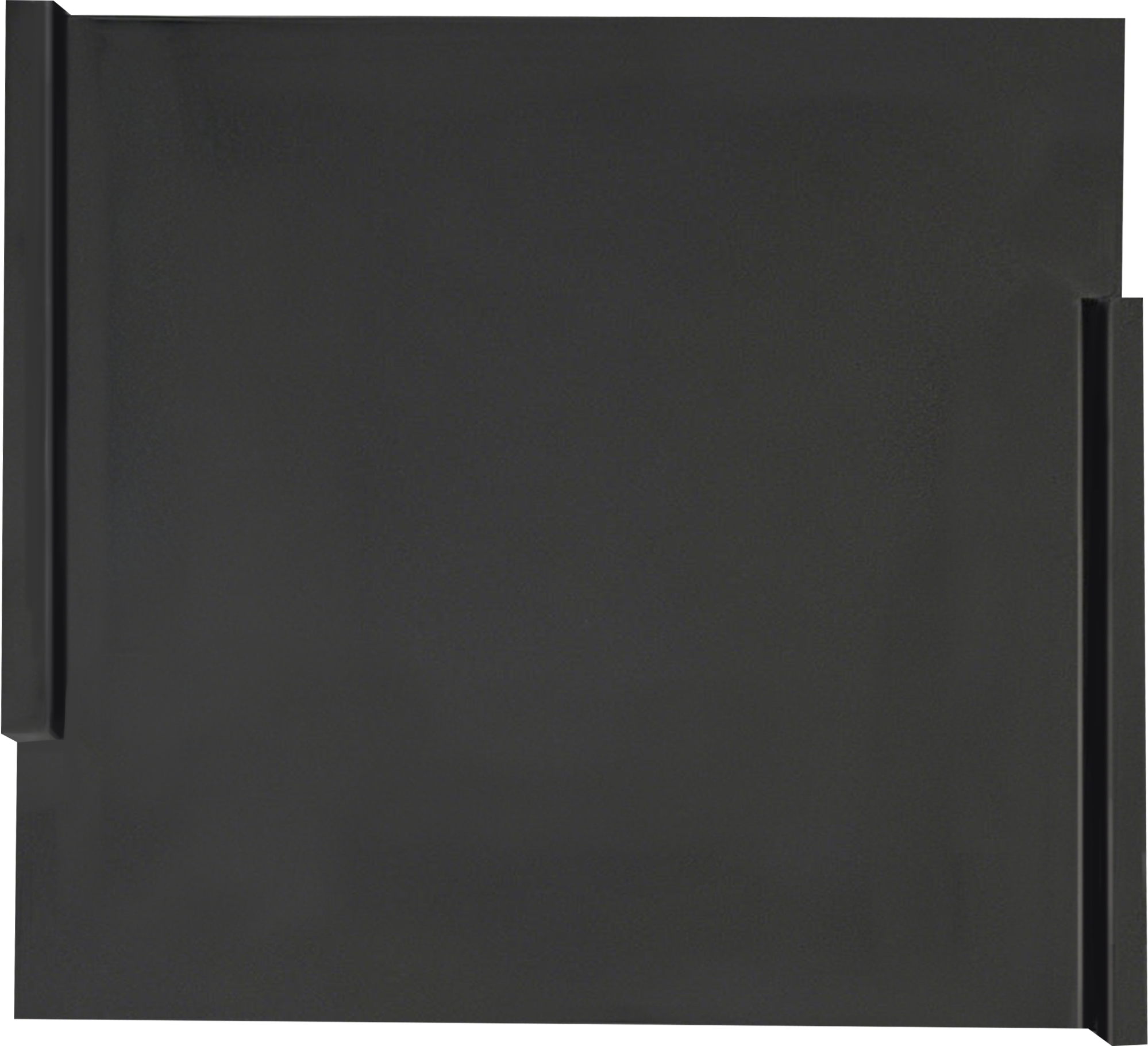
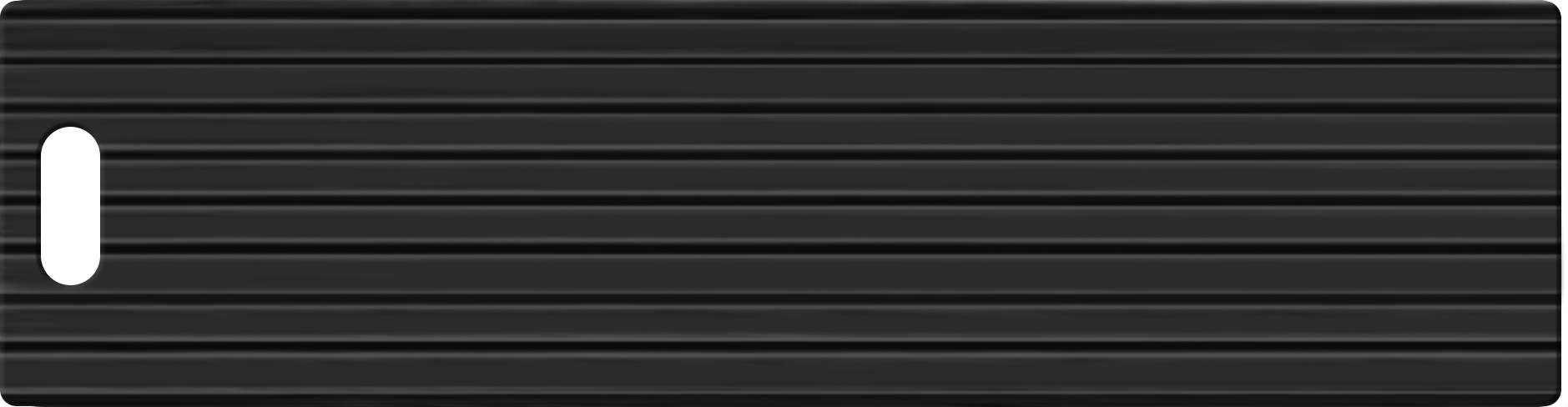
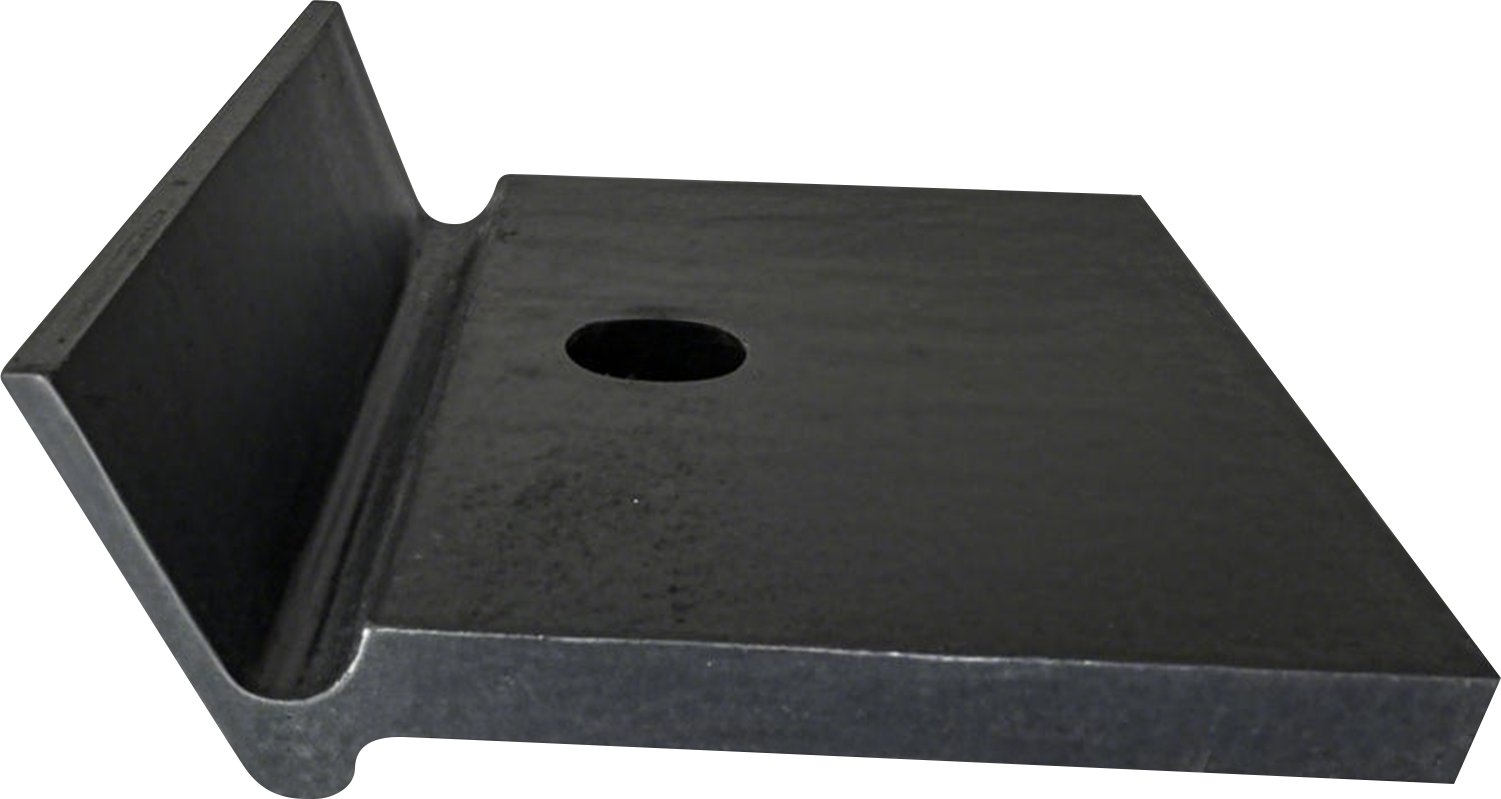
Railway tie plates serve as critical components in modern railroad infrastructure, functioning as the essential connection between rail tracks and wooden or concrete railroad ties. These specially engineered metal plates distribute the substantial weight and dynamic forces generated by passing trains across a broader surface area, preventing damage to the underlying tie materials. The railway tie plate acts as a protective barrier that extends the operational lifespan of both rails and ties while maintaining proper track alignment and stability. Manufactured from high-grade steel or specialized metal alloys, these plates undergo rigorous quality testing to ensure they meet stringent railroad industry standards for durability and performance. The design incorporates precise dimensions that accommodate standard rail profiles, creating a secure mounting system that resists lateral movement and vertical displacement under extreme loading conditions. Railway tie plate technology has evolved significantly over decades, incorporating advanced metallurgical processes and engineering innovations that enhance structural integrity. Modern plates feature improved corrosion resistance through specialized coatings or galvanization treatments, ensuring reliable performance in harsh environmental conditions including extreme temperatures, moisture exposure, and chemical contaminants. The manufacturing process involves precision stamping or forging techniques that create consistent dimensions and surface finishes across large production quantities. Installation procedures for railway tie plates require specialized equipment and trained personnel to ensure proper positioning and secure fastening. These components play a vital role in maintaining safe railroad operations by providing stable rail support that minimizes track irregularities and reduces maintenance requirements. Railway tie plates are designed to accommodate thermal expansion and contraction of rails while maintaining structural stability throughout seasonal temperature variations.

New Products

Railway tie plates offer numerous practical benefits that make them indispensable for modern railroad construction and maintenance projects. First and foremost, these components significantly reduce maintenance costs by distributing train loads more evenly across tie surfaces, preventing premature wear and cracking that would otherwise require frequent repairs or replacements. Property owners and railroad operators save substantial amounts on long-term infrastructure investments when utilizing quality railway tie plates in their track systems. The enhanced load distribution capability extends the service life of expensive railroad ties, whether constructed from treated timber, concrete, or composite materials, resulting in measurable cost savings over multiple decades of operation. Railway tie plates provide superior track stability that directly translates into improved train safety and operational efficiency. The secure mounting system prevents rail movement during heavy freight operations or high-speed passenger service, reducing the risk of derailments and associated liability concerns. Railroad companies benefit from increased operational reliability when their tracks incorporate properly installed tie plates, as these components minimize track geometry problems that can force speed restrictions or service interruptions. The installation process for railway tie plates streamlines construction schedules and reduces labor requirements compared to alternative fastening methods. Maintenance crews appreciate the straightforward replacement procedures when individual plates require service, as standard tools and techniques apply across most installation scenarios. Railway tie plates accommodate various rail weights and profiles, providing flexibility for different track applications ranging from industrial sidings to main line corridors. The corrosion-resistant properties of modern railway tie plates ensure consistent performance in challenging environments, including coastal areas with salt exposure, industrial zones with chemical contaminants, and regions experiencing extreme weather conditions. These plates maintain their structural integrity and load-bearing capacity throughout extended service periods, providing reliable protection for underlying tie materials. Railroad engineers value the predictable performance characteristics of quality railway tie plates when designing new track installations or planning infrastructure upgrades.

Practical Tips

How Do Baseplates Contribute to Efficient Railway Turnout Installation?

18

Dec

How Do Baseplates Contribute to Efficient Railway Turnout Installation?

Railway infrastructure demands precision, durability, and efficiency at every level, particularly when it comes to critical components like turnouts. Railway turnout baseplates serve as fundamental elements that ensure proper track alignment, load di...
View More
How Do Rail Tools Support Safety and Precision in Track Construction?

05

Jan

How Do Rail Tools Support Safety and Precision in Track Construction?

Modern railway construction demands exceptional precision and unwavering safety standards to ensure reliable transportation networks. The foundation of successful track construction lies in the proper selection and application of specialized rail too...
View More
What installation spacing is recommended for rail anchors in railways?

20

Apr

What installation spacing is recommended for rail anchors in railways?

Railway track stability relies heavily on proper installation spacing of rail anchors, which serve as critical components in maintaining gauge and preventing rail movement. The recommended spacing for rail anchors varies based on track classification...
View More
What types of track pins are used in modular railway components?

20

Apr

What types of track pins are used in modular railway components?

Modular railway systems rely on precise mechanical connections to ensure safe and efficient train operations, with track pins serving as fundamental fastening components that secure rails to various supporting structures. These specialized pins come ...
View More

Get a Free Quote

Our representative will contact you soon.
Email
Name
Company Name
Message
0/1000

railway tie plate

Superior Load Distribution Technology

Superior Load Distribution Technology

The advanced load distribution technology incorporated in modern railway tie plates represents a breakthrough in railroad engineering that delivers exceptional value for infrastructure investments. This innovative design feature spreads the concentrated forces generated by train wheels across a significantly larger surface area of the underlying tie material, preventing localized stress concentrations that commonly cause premature failure in traditional fastening systems. The engineering principles behind this technology utilize carefully calculated plate dimensions and thickness specifications that optimize force transmission while maintaining structural efficiency. Railway tie plate manufacturers employ sophisticated computer modeling and finite element analysis to perfect the load distribution characteristics, ensuring optimal performance under various loading scenarios including heavy freight operations, high-speed passenger service, and dynamic impact forces. The superior load distribution capability directly translates into measurable cost savings for railroad operators through extended tie service life and reduced maintenance intervals. Property owners investing in railroad infrastructure benefit from this technology through decreased long-term ownership costs and improved return on investment calculations. The load distribution technology incorporated in railway tie plates effectively manages both static loads from stationary trains and dynamic forces generated during acceleration, braking, and cornering operations. This comprehensive approach to force management ensures consistent track geometry and alignment stability that railroad engineers require for safe and efficient operations. The technology accommodates thermal expansion and contraction cycles that occur throughout seasonal temperature variations, maintaining optimal load transfer characteristics regardless of environmental conditions. Railroad maintenance crews observe significantly reduced tie splitting, cracking, and surface wear when quality railway tie plates with advanced load distribution technology are properly installed and maintained according to manufacturer specifications.
Enhanced Durability and Corrosion Resistance

Enhanced Durability and Corrosion Resistance

The enhanced durability and corrosion resistance characteristics of contemporary railway tie plates provide exceptional long-term value that significantly reduces total ownership costs for railroad infrastructure projects. Modern manufacturing processes incorporate advanced metallurgical techniques and specialized surface treatments that create robust protection against environmental degradation, chemical exposure, and mechanical wear that typically affect metal components in railroad applications. The corrosion resistance technology utilizes multiple protective layers including galvanization, powder coating, or specialized chemical treatments that form durable barriers against moisture, salt, industrial chemicals, and atmospheric pollutants commonly encountered in railroad environments. Railway tie plate manufacturers invest heavily in research and development programs that continuously improve corrosion resistance properties while maintaining the structural integrity required for heavy-duty railroad applications. The enhanced durability extends far beyond corrosion protection to include resistance against mechanical damage from installation procedures, maintenance activities, and normal operational stresses that occur throughout the service life of railroad track systems. Quality railway tie plates demonstrate superior performance in harsh environmental conditions including coastal areas with high salt content, industrial zones with chemical emissions, and regions experiencing extreme temperature fluctuations that can compromise lesser quality fastening components. The durability characteristics ensure consistent dimensional stability and load-bearing capacity throughout extended service periods, eliminating concerns about performance degradation that can affect track safety and operational reliability. Railroad engineers specify railway tie plates with enhanced durability properties for critical applications where component failure would result in significant operational disruptions or safety concerns. The investment in superior durability technology pays substantial dividends through reduced replacement frequency, lower maintenance costs, and improved operational reliability that railroad operators require for profitable operations. Maintenance crews benefit from the consistent performance characteristics of durable railway tie plates that maintain their structural integrity and functional capabilities throughout multiple decades of continuous service.
Versatile Installation and Maintenance Benefits

Versatile Installation and Maintenance Benefits

The versatile installation and maintenance benefits offered by modern railway tie plates provide substantial operational advantages that streamline construction projects and reduce long-term infrastructure management costs. The standardized design specifications ensure compatibility with conventional railroad construction equipment and installation procedures, eliminating the need for specialized tools or extensive crew training that would increase project costs and complexity. Railway tie plate installation procedures utilize standard railroad maintenance equipment and techniques that experienced track crews can implement efficiently without extensive modifications to established work practices. The versatile design accommodates various tie materials including treated timber, concrete, and composite alternatives, providing flexibility for different project requirements and budget considerations. Railroad contractors appreciate the straightforward installation process that allows for rapid progress on new construction projects and efficient completion of maintenance activities that require minimal service disruptions. The maintenance benefits extend throughout the entire service life of railway tie plates through accessible inspection procedures and simple replacement protocols that minimize track downtime and associated operational costs. Quality railway tie plates feature design characteristics that facilitate visual inspection of critical components, allowing maintenance personnel to identify potential issues before they develop into serious problems requiring emergency repairs or service interruptions. The versatile mounting system accommodates thermal expansion and contraction cycles while maintaining secure rail attachment that prevents loosening or displacement during normal operations. Railroad maintenance departments benefit from standardized replacement procedures that utilize common tools and fastening hardware, reducing inventory requirements and simplifying logistics for remote track locations. The installation versatility allows railway tie plates to be effectively utilized in various track applications ranging from industrial sidings with light traffic loads to main line corridors handling heavy freight and high-speed passenger operations. Maintenance crews value the consistent performance characteristics and reliable service life that quality railway tie plates provide, reducing uncertainty in infrastructure planning and budget allocation processes.

Get a Free Quote

Our representative will contact you soon.
Email
Name
Company Name
Message
0/1000