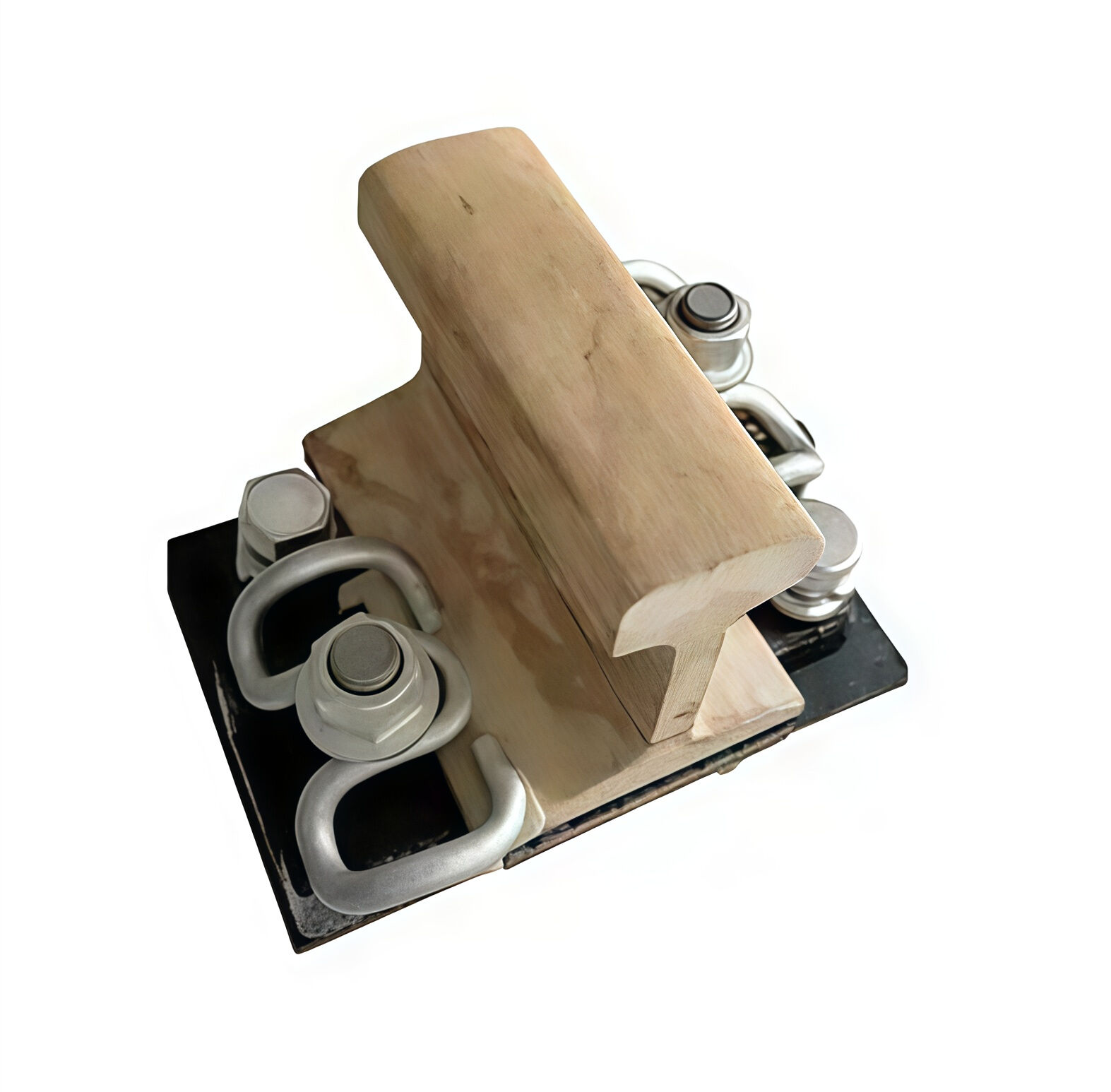
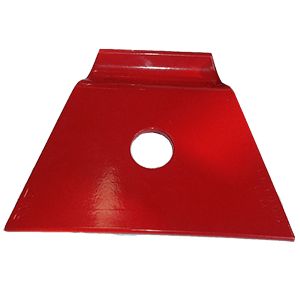
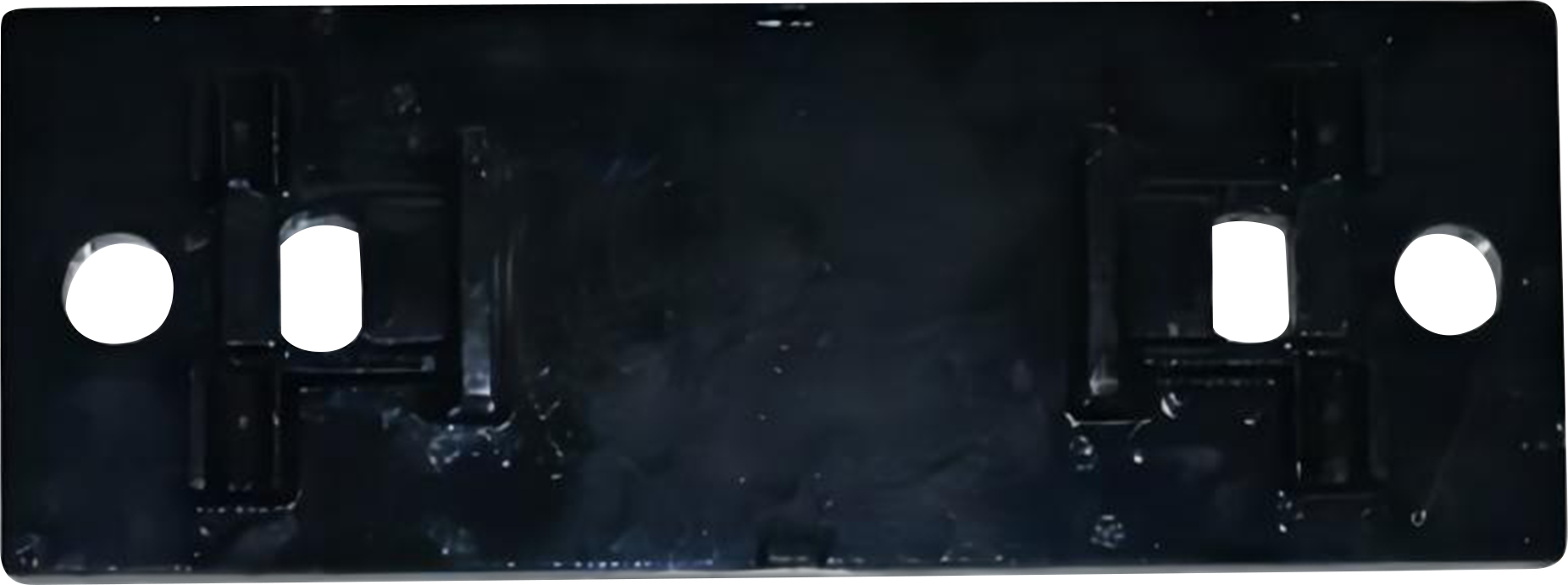
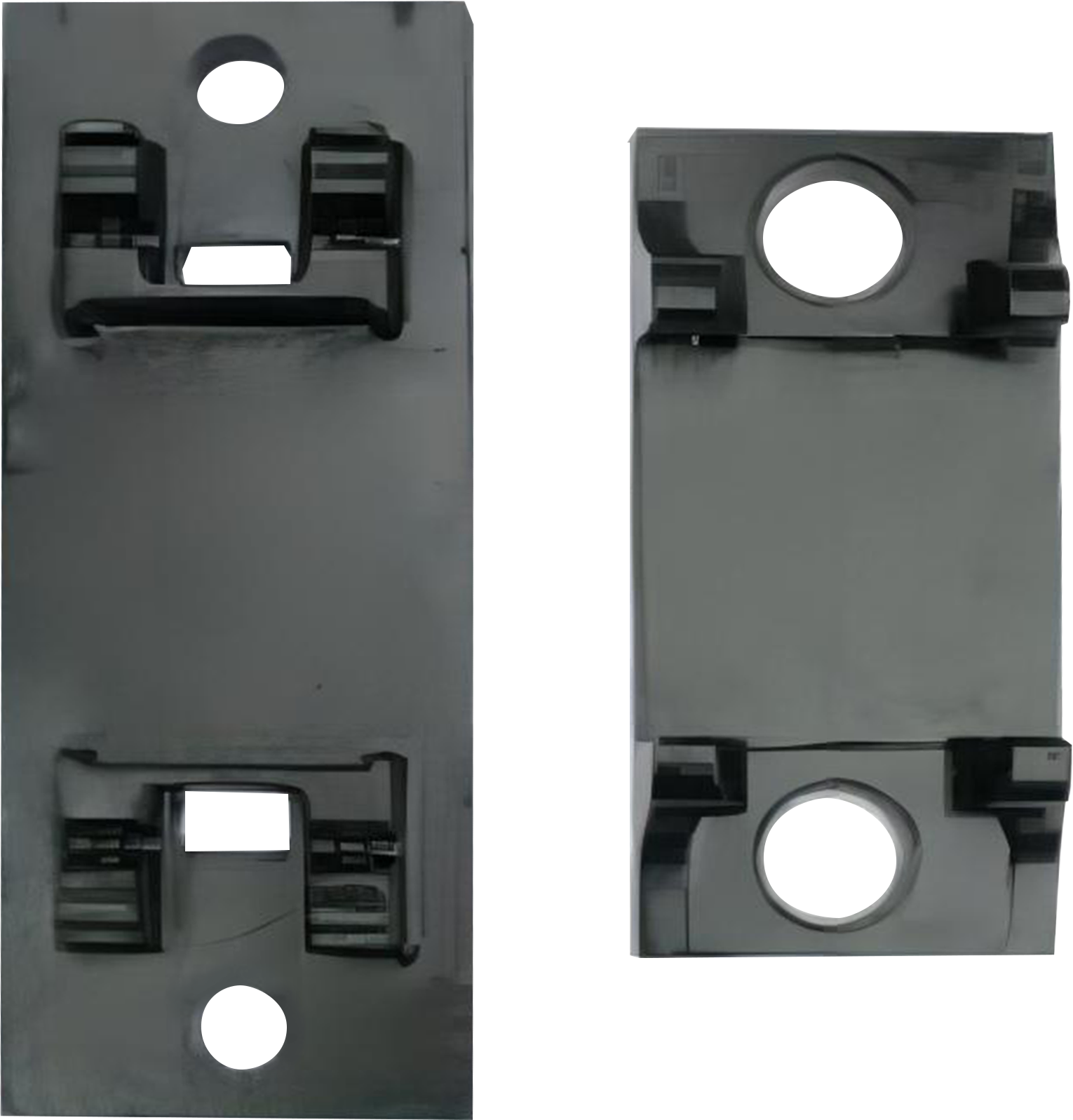
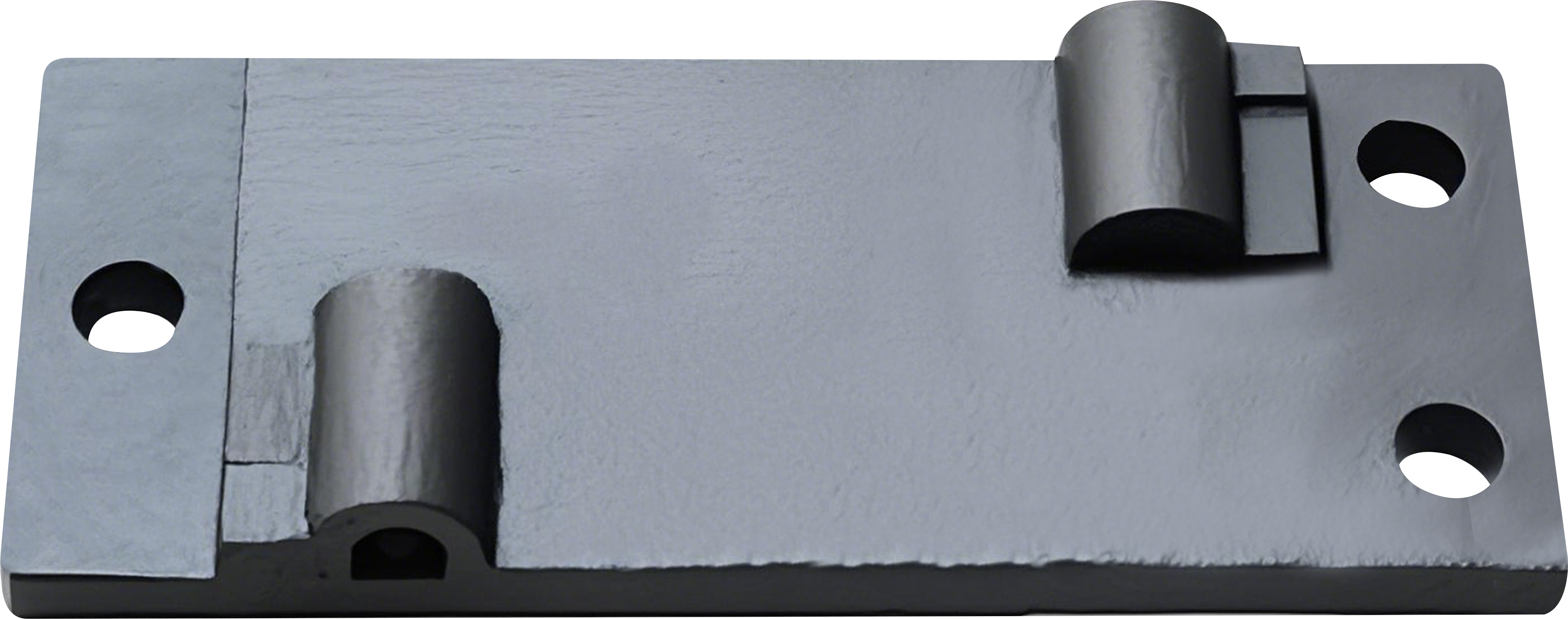
50kg tie plate
The 50kg tie plate represents a crucial component in railway infrastructure, specifically designed to secure rails to railway sleepers while maintaining optimal track stability and performance. This robust steel plate serves as the primary connection point between the rail and underlying support structure, distributing loads effectively across the track system. The 50kg tie plate is engineered to accommodate 50kg per meter rail sections, which are commonly used in heavy-duty railway applications including freight lines, high-speed passenger services, and industrial transport networks. The plate features precision-manufactured bolt holes that align perfectly with standard fastening systems, ensuring consistent installation and reliable long-term performance. Made from high-grade steel alloys, the 50kg tie plate undergoes rigorous heat treatment processes to achieve optimal hardness and durability characteristics. The surface treatment typically includes galvanization or specialized coatings that provide excellent corrosion resistance in various environmental conditions. The dimensional specifications of the 50kg tie plate are carefully calculated to distribute rail loads evenly across the sleeper surface, preventing concentrated stress points that could lead to premature wear or failure. Quality control measures during manufacturing ensure that each 50kg tie plate meets strict industry standards for dimensional accuracy, material composition, and mechanical properties. Installation procedures for the 50kg tie plate follow established railway engineering protocols, with specific torque requirements for fastening bolts to maintain proper clamping force. The design incorporates features that facilitate efficient maintenance operations, allowing railway personnel to inspect, adjust, or replace components as needed. Regular inspection schedules for 50kg tie plate installations help identify potential issues before they impact operational safety or performance, contributing to overall railway system reliability and cost-effective maintenance practices.

 EN
EN