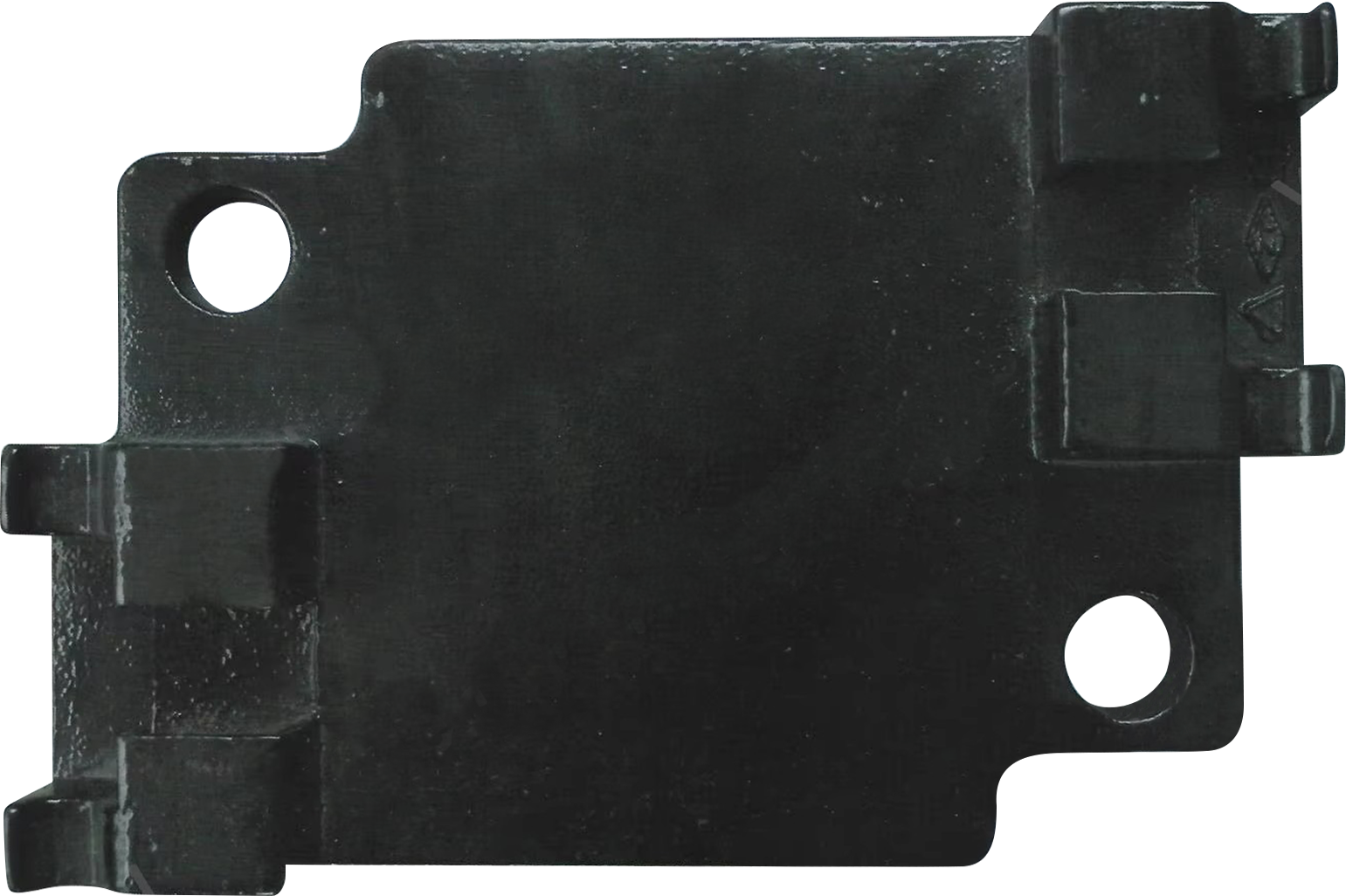
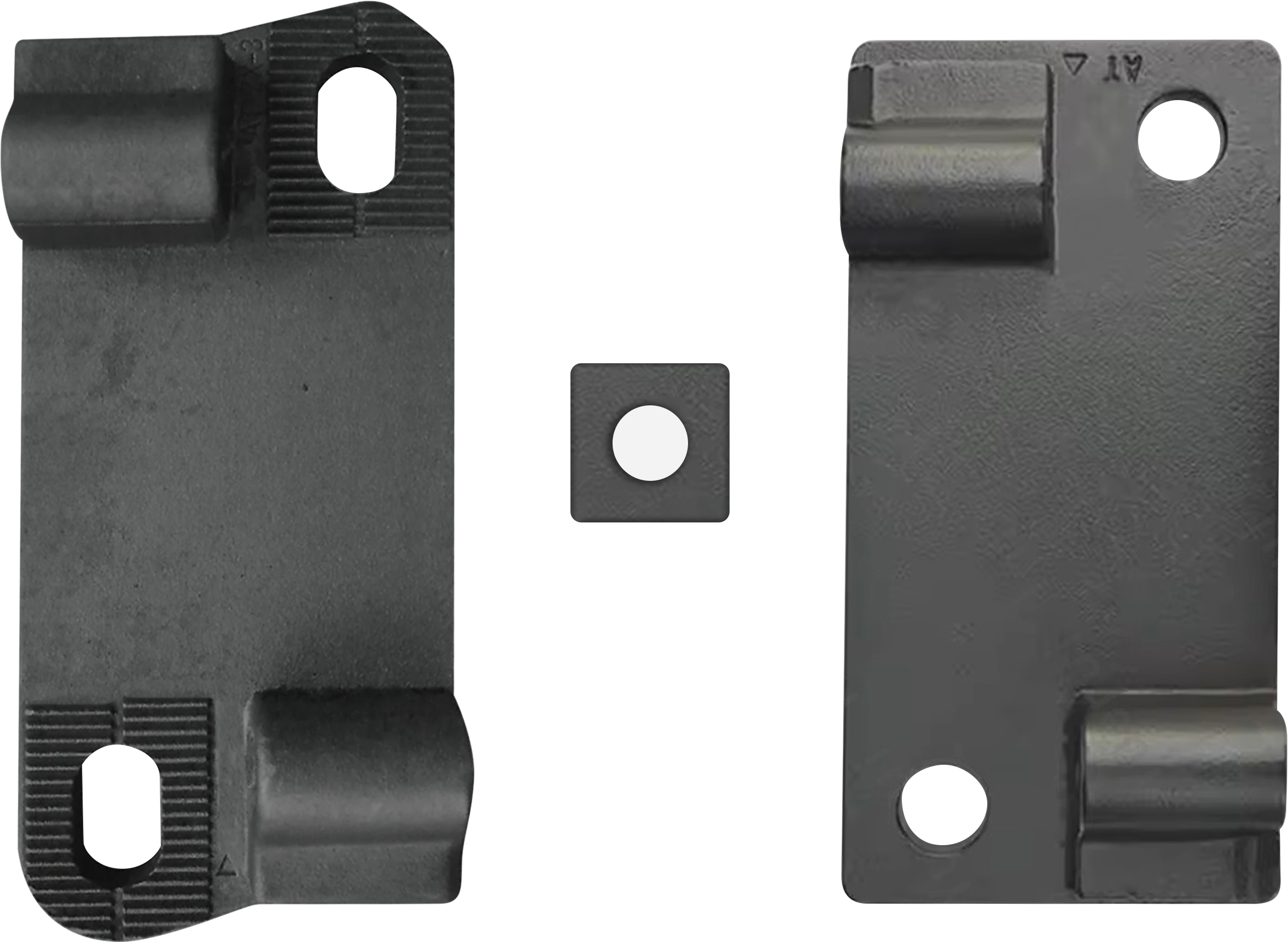
Cost-Effective Long-Term Infrastructure Investment
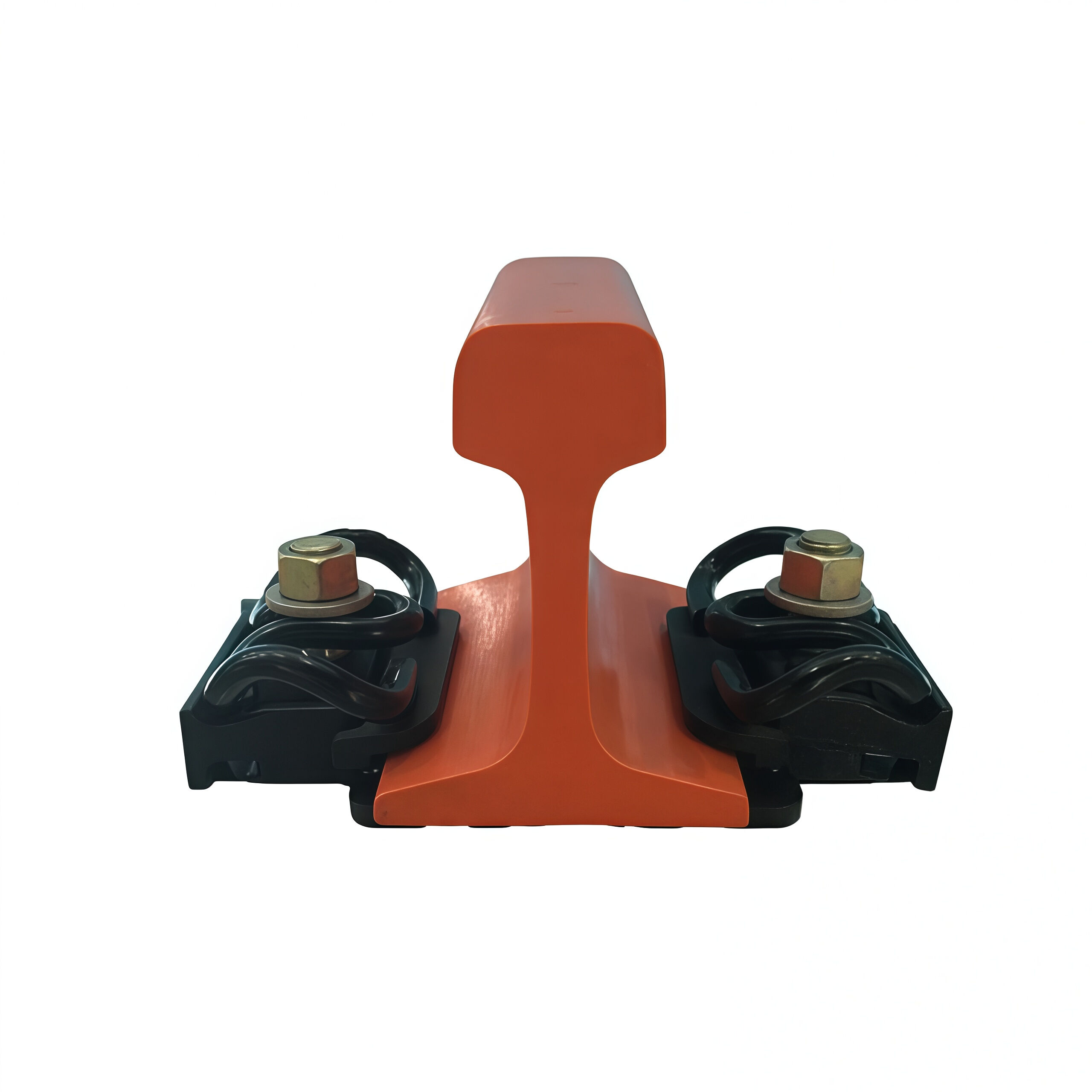
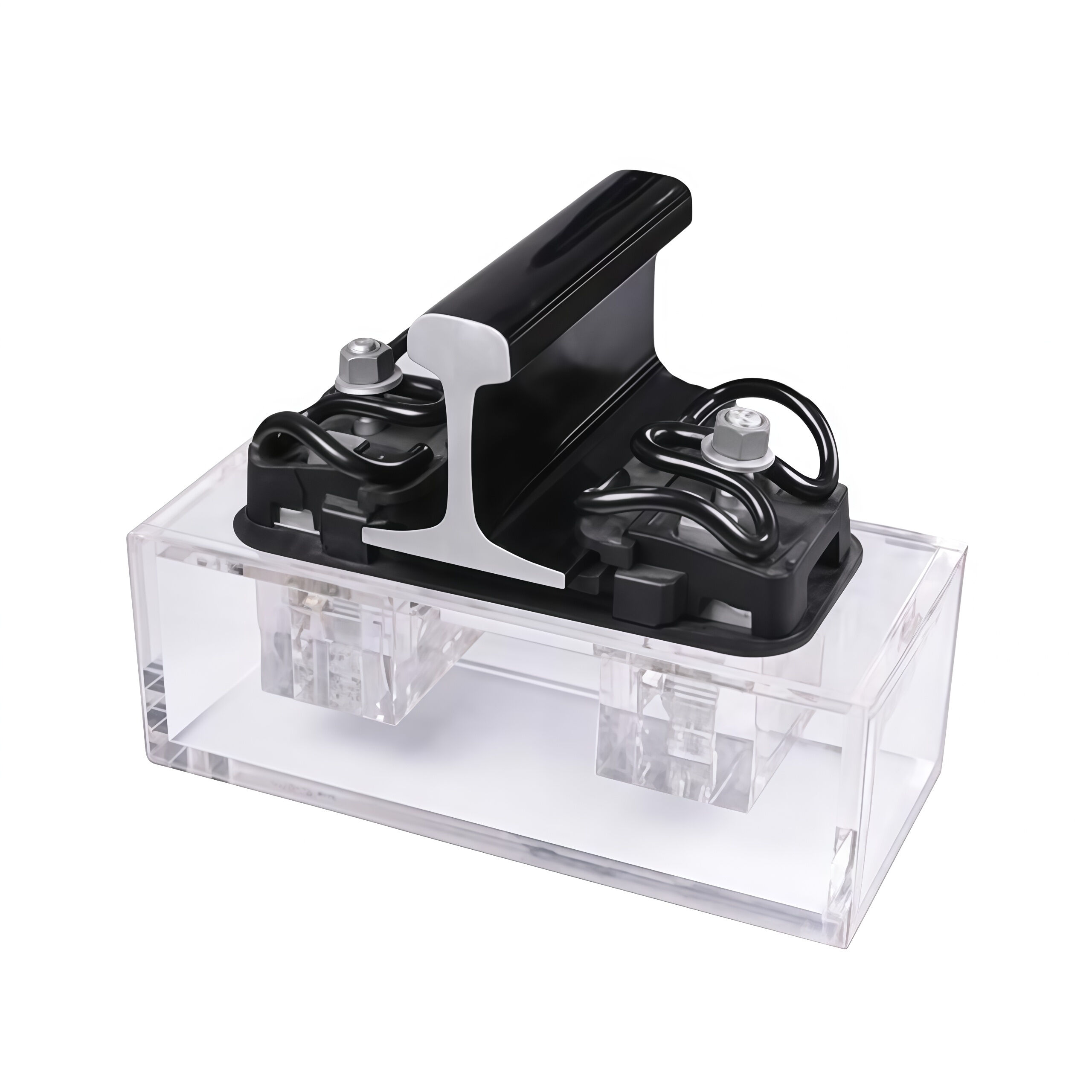
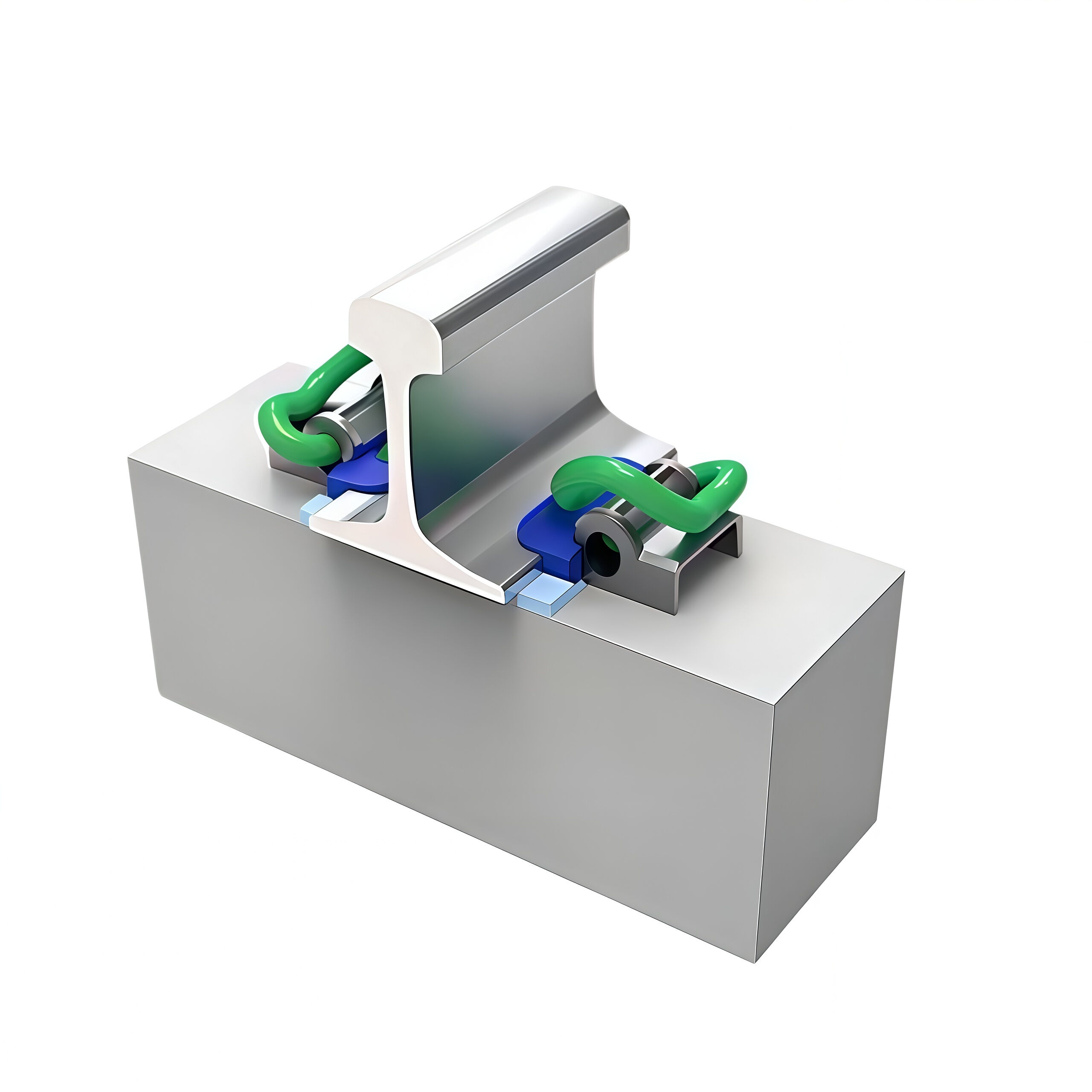
Railway datum plates represent exceptional value propositions for infrastructure owners through their combination of low initial costs, minimal maintenance requirements, and decades-long service life that provides substantial return on investment compared to alternative referencing methods or repeated surveying operations. The economic benefits begin during construction phases where railway datum plates eliminate redundant surveying activities, reduce equipment mobilization costs, and minimize project delays caused by reference point establishment, resulting in measurable savings on labor, equipment rental, and project management expenses. Long-term cost advantages accumulate through reduced maintenance surveying requirements, as established railway datum plates provide immediately accessible reference coordinates that eliminate the need for baseline re-establishment during routine track maintenance, signal installation projects, and infrastructure upgrades throughout the operational life of railway corridors. The durability characteristics of properly installed railway datum plates translate directly into cost savings through their ability to maintain accuracy specifications for thirty years or more without replacement, recalibration, or supplemental reference installations, providing stable baseline costs that support accurate long-term budgeting for railway maintenance programs. Operational efficiency gains achieved through rapid coordinate access during emergency response situations result in reduced track outage times, minimized service disruptions, and lower costs associated with alternative transportation arrangements for passengers and freight during maintenance activities. Insurance and liability considerations benefit from the enhanced accuracy and documentation capabilities provided by railway datum plates, as precise infrastructure positioning supports compliance with safety regulations, reduces accident investigation costs, and provides verifiable records for asset management and regulatory reporting requirements. The standardization advantages of railway datum plates create economies of scale in procurement, installation, and maintenance training that reduce overall system costs while improving consistency and reliability of reference operations across multiple railway projects and maintenance facilities. Technology integration capabilities ensure that investments in railway datum plates remain relevant as surveying technology advances, providing compatibility with emerging GPS systems, digital mapping platforms, and automated inspection equipment that enhance operational efficiency while protecting infrastructure investment values over extended service periods.

 EN
EN