High-Quality Rail Tie Plates - Superior Track Support and Railway Infrastructure Solutions

All Categories

rail tie plate

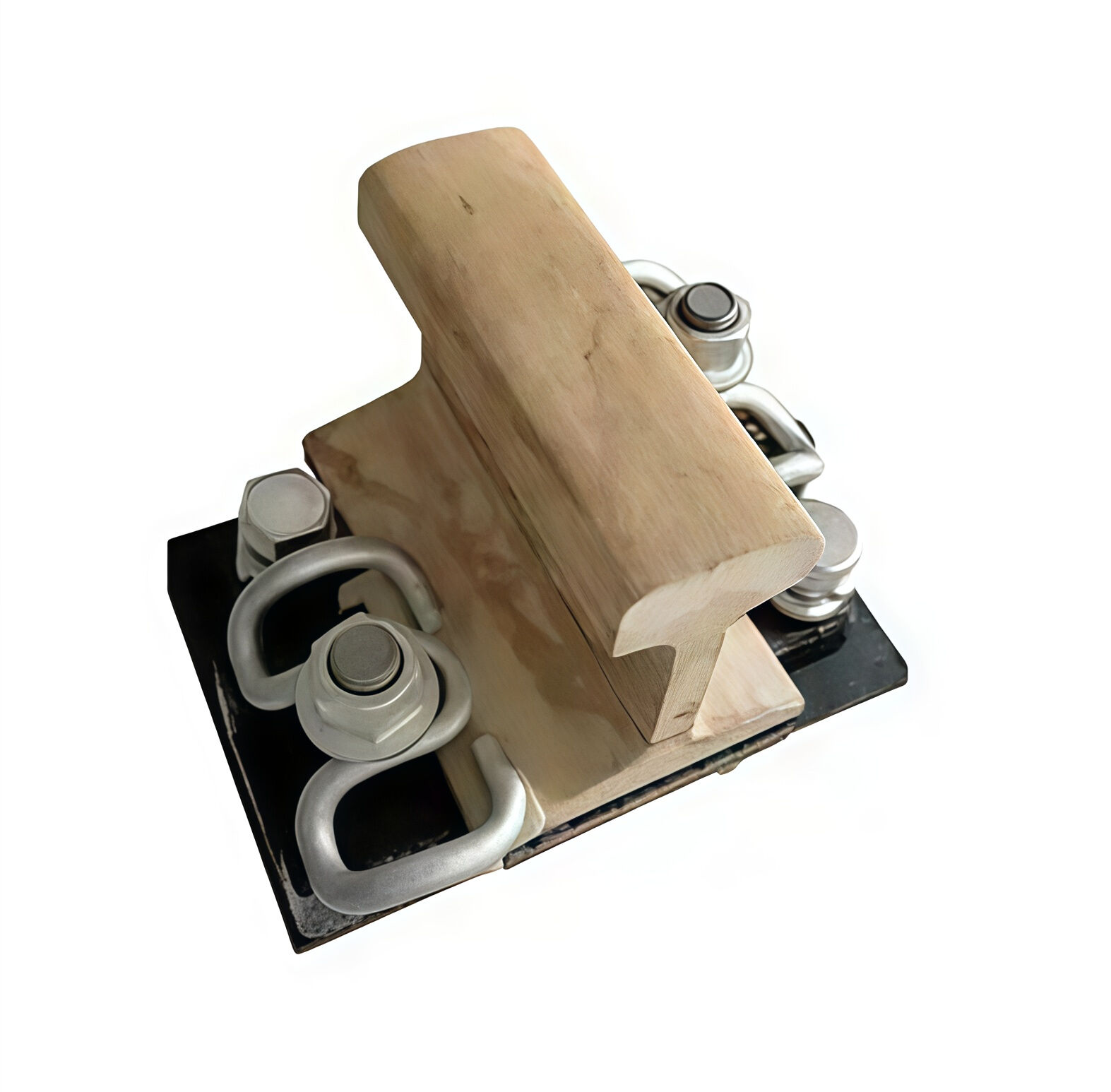
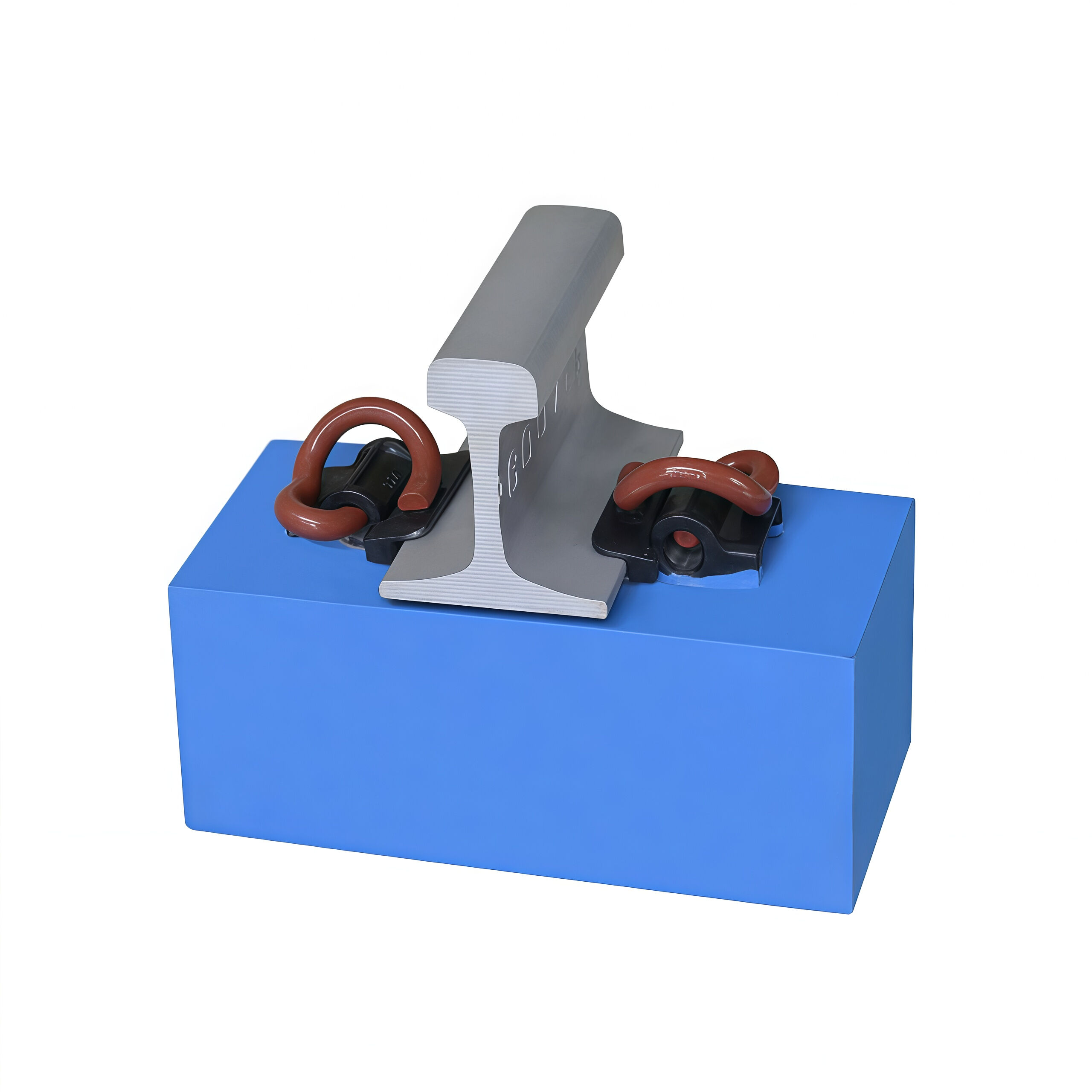
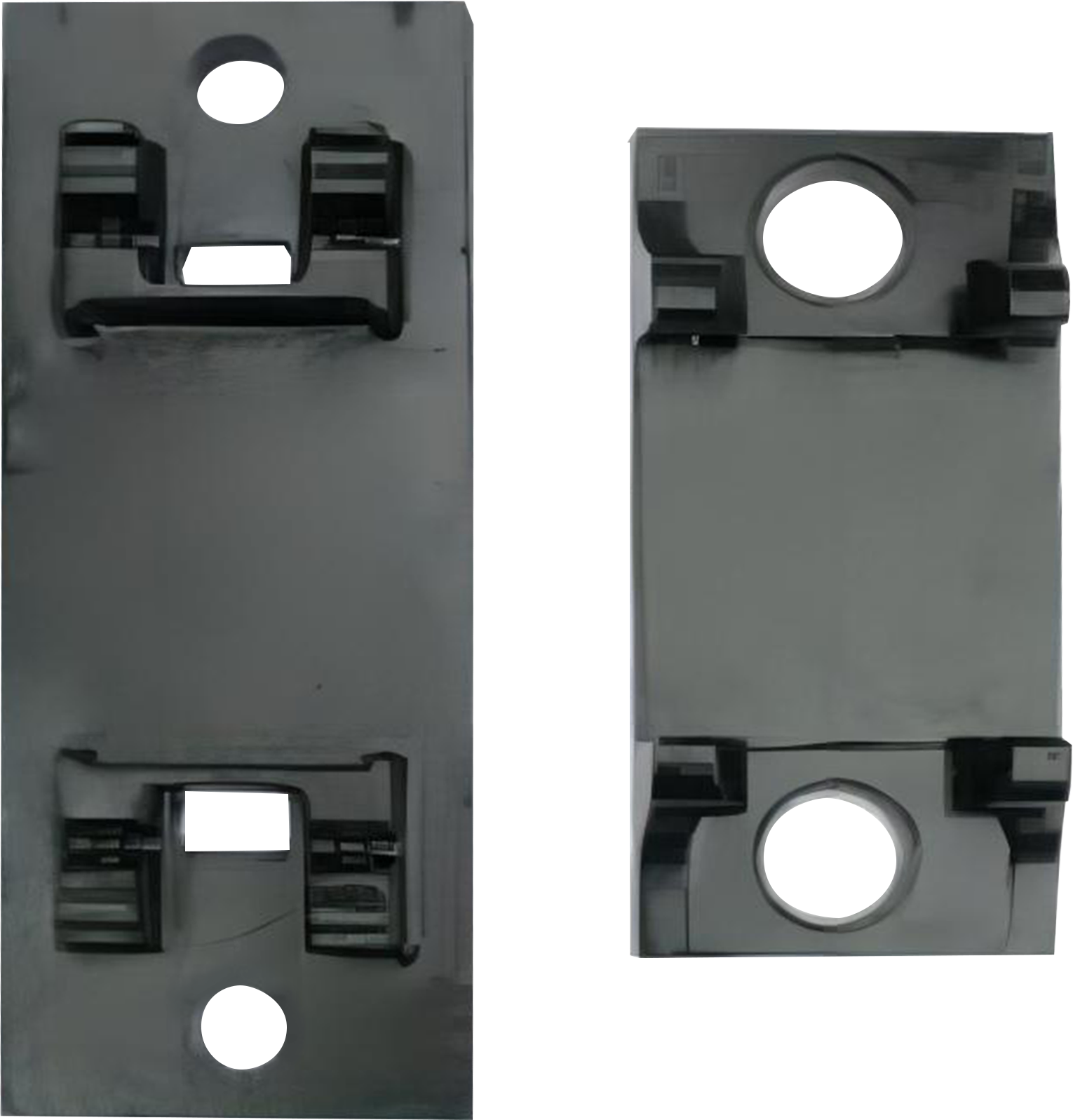
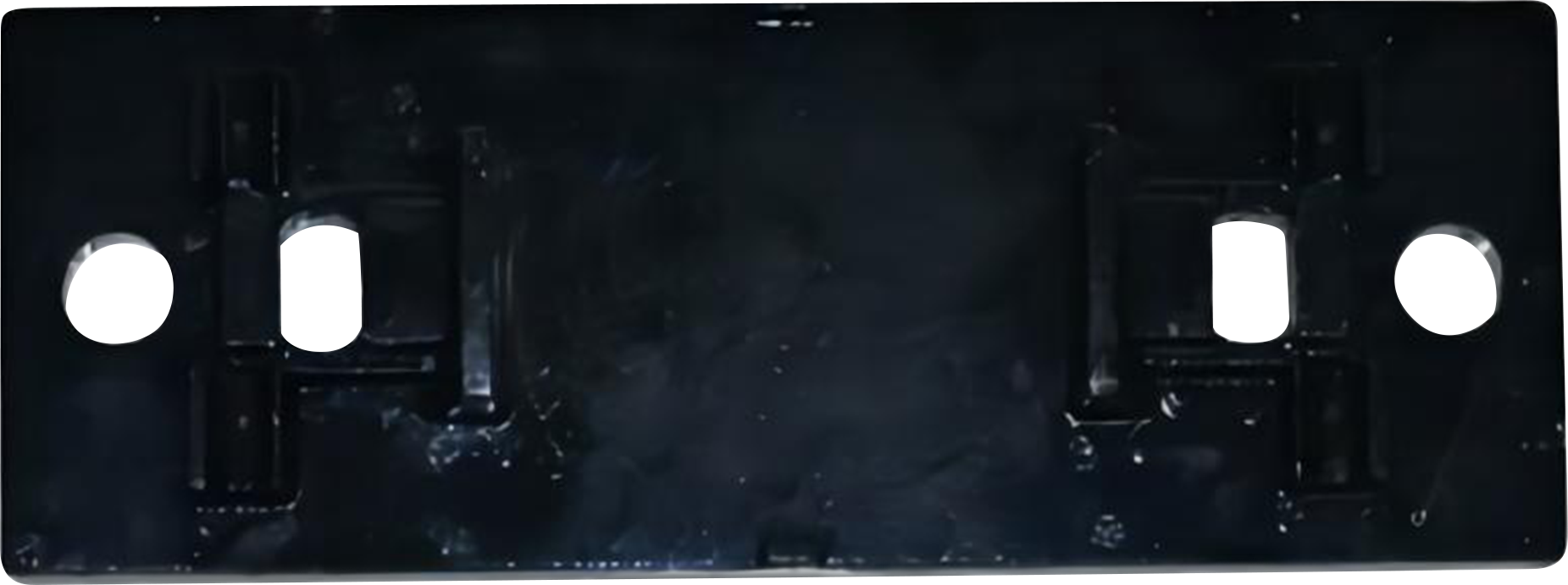
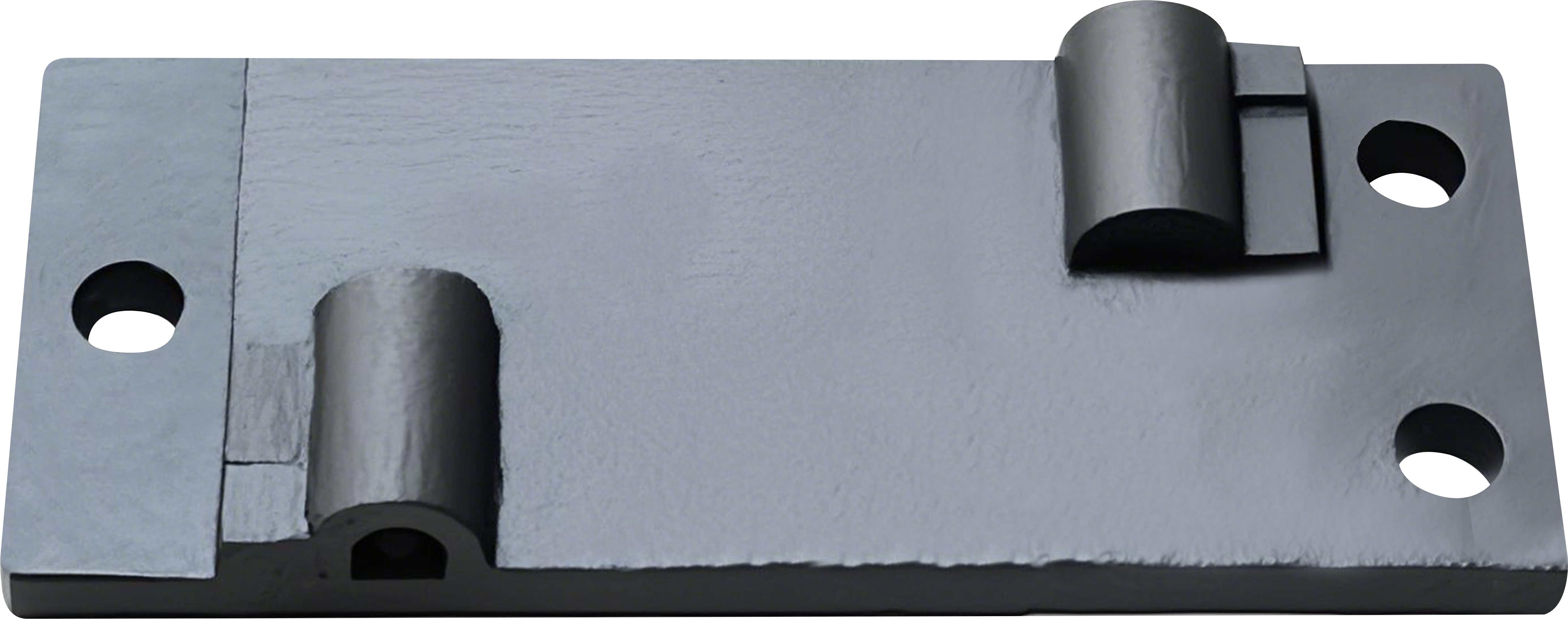
A rail tie plate serves as a critical component in railway infrastructure, functioning as the essential connection point between railroad tracks and wooden or concrete ties. This steel fastening system distributes the weight and forces from passing trains across a broader surface area, preventing damage to the underlying support structure. The rail tie plate acts as a protective barrier that maintains proper rail gauge alignment while absorbing dynamic loads generated by locomotive movement and freight transportation. Modern rail tie plates are engineered with precision-cut shoulders and specially designed channels that secure the rail base firmly in position. These plates feature strategic hole patterns that accommodate various fastening systems, including lag screws, spikes, and clips depending on the specific railway application. The manufacturing process involves hot-rolled steel that undergoes rigorous quality testing to ensure dimensional accuracy and structural integrity. Rail tie plates come in different configurations to match specific rail profiles, with common types including AREMA standard plates for North American railways and international variants designed for global rail systems. The surface treatment of these plates often includes protective coatings to resist corrosion and extend service life in harsh environmental conditions. Installation requires careful positioning to ensure proper rail cant and alignment, with the plate's beveled edges directing rainwater away from critical connection points. Quality rail tie plates maintain consistent performance under extreme temperature variations, heavy load cycles, and dynamic stress patterns typical in modern railway operations. The design specifications account for thermal expansion and contraction while providing stable support for both passenger and freight rail services. These components play a vital role in maintaining track geometry and ensuring safe rail transportation across diverse geographical regions and climate conditions.

New Product Releases

Rail tie plates offer numerous practical benefits that directly impact railway performance and operational efficiency. The primary advantage lies in load distribution, where the plate spreads concentrated wheel loads across a larger area of the tie surface, preventing localized crushing and extending tie lifespan significantly. This load-sharing capability reduces maintenance requirements and lowers long-term operational costs for railway operators. The precision-engineered shoulders on rail tie plates provide superior lateral restraint, maintaining proper track gauge even under heavy traffic conditions and preventing rail rollover that could lead to derailments. Installation becomes more straightforward with standardized hole patterns that accommodate various fastening systems, allowing maintenance crews to work efficiently during track construction and repair operations. The corrosion-resistant coatings applied to quality rail tie plates protect against rust and deterioration, ensuring consistent performance in coastal environments, industrial areas, and regions with harsh weather conditions. Railway operators benefit from reduced replacement frequency and lower inventory costs when using durable tie plates designed for extended service life. The standardized dimensions of rail tie plates facilitate compatibility across different rail sections and tie types, providing flexibility in track design and maintenance planning. These plates contribute to improved ride quality by maintaining proper rail alignment and reducing track irregularities that can cause uncomfortable vibrations for passengers. Safety enhancements result from the stable rail positioning achieved through effective tie plate design, reducing the risk of track-related incidents and improving overall system reliability. The economic advantages extend to reduced labor costs during installation and maintenance, as properly designed tie plates require fewer adjustments and repairs over their service life. Environmental benefits include extended tie life that reduces the need for frequent replacement and disposal of railway components. Modern rail tie plates support sustainable railway operations by enabling higher axle loads and increased train speeds while maintaining track stability. The versatility of these components allows for adaptation to various railway applications, from light rail transit systems to heavy-haul freight corridors, providing value across the entire spectrum of rail transportation needs.

Tips And Tricks

How Railroad Dog Spikes Improve Track Stability and Safety

24

Nov

How Railroad Dog Spikes Improve Track Stability and Safety

Railway infrastructure forms the backbone of modern transportation systems, where every component plays a critical role in maintaining operational safety and efficiency. Among these essential components, railroad dog spikes represent one of the most ...
View More
What Are the Key Quality Standards for Rail Spike Production

24

Nov

What Are the Key Quality Standards for Rail Spike Production

Rail spike production represents a critical component in railway infrastructure development, requiring adherence to stringent quality standards that ensure the safety and longevity of rail systems worldwide. The manufacturing process of these essenti...
View More
What to Consider When Buying Bulk Rail Spikes for Construction

24

Nov

What to Consider When Buying Bulk Rail Spikes for Construction

Rail spikes serve as critical fastening components in railway construction and maintenance projects, providing the essential connection between rails and railroad ties. These heavy-duty fasteners must withstand tremendous forces from passing trains w...
View More
What installation spacing is recommended for rail anchors in railways?

20

Apr

What installation spacing is recommended for rail anchors in railways?

Railway track stability relies heavily on proper installation spacing of rail anchors, which serve as critical components in maintaining gauge and preventing rail movement. The recommended spacing for rail anchors varies based on track classification...
View More

Get a Free Quote

Our representative will contact you soon.
Email
Name
Company Name
Message
0/1000

rail tie plate

Superior Load Distribution and Structural Protection

Superior Load Distribution and Structural Protection

The exceptional load distribution capability of rail tie plates represents their most significant engineering advantage, providing comprehensive structural protection for railway infrastructure investments. When trains pass over tracks, the concentrated forces from wheel-rail contact create intense pressure points that would otherwise damage wooden or concrete ties through localized crushing and stress concentration. Rail tie plates solve this critical challenge by spreading these concentrated loads across a much larger surface area, effectively transforming point loads into distributed forces that ties can safely absorb. The engineering principles behind this load distribution involve careful calculation of contact areas and stress patterns, ensuring that the plate dimensions and thickness provide optimal force transfer characteristics. This protection mechanism extends far beyond simple load spreading, as the plate also serves as a barrier against rail cutting into the tie material under repeated loading cycles. The steel construction of the tie plate provides a hard, durable surface that resists deformation and maintains its load distribution properties throughout millions of load applications. Railway operators experience substantial cost savings through this protection, as ties last significantly longer when properly supported by quality tie plates, reducing replacement frequency and maintenance intervals. The load distribution also contributes to improved track stability by maintaining consistent support conditions along the entire rail length, preventing the development of weak spots that could lead to track irregularities. Modern rail tie plate designs incorporate advanced metallurgy and precision manufacturing techniques to optimize load transfer efficiency while minimizing weight and material costs. The protection extends to preserving tie surface integrity, preventing the splintering, cracking, and gradual deterioration that would occur without proper load distribution. This comprehensive structural protection ensures that railway investments in ties and ballast systems achieve their full design life, providing excellent return on investment for infrastructure development projects.
Precision Rail Alignment and Gauge Maintenance

Precision Rail Alignment and Gauge Maintenance

Rail tie plates deliver exceptional precision in maintaining proper rail alignment and track gauge, ensuring safe and efficient railway operations through advanced engineering design features. The carefully machined shoulders on each tie plate provide positive lateral restraint that prevents rail movement under the dynamic forces generated by passing trains, including lateral thrust from curved track sections and the rocking motion caused by wheel imbalances. This precision alignment capability becomes particularly crucial in modern railway operations where higher speeds and heavier axle loads place increased demands on track geometry stability. The manufacturing tolerances of quality rail tie plates ensure consistent rail positioning within extremely tight specifications, typically maintaining gauge accuracy within millimeters across entire railway corridors. Railway maintenance teams benefit significantly from this precision, as properly aligned tracks require fewer geometry corrections and experience reduced wear rates on both rails and rolling stock components. The tie plate design incorporates specific cant angles that position rails at the optimal inclination for wheel-rail contact, improving ride quality and reducing lateral forces that contribute to rail wear and rolling stock maintenance requirements. The shoulder configuration also prevents rail rollover, a dangerous condition that can occur when lateral forces overcome the rail's resistance to rotation about its longitudinal axis. This safety feature becomes especially important in freight operations where heavy loads and long trains generate substantial lateral forces during acceleration, braking, and curve negotiation. The precision rail positioning achieved through effective tie plate design contributes to improved fuel efficiency in locomotive operations by reducing rolling resistance and minimizing the energy losses associated with track irregularities. Quality control processes in tie plate manufacturing ensure that dimensional accuracy remains consistent across production runs, enabling railway operators to maintain uniform track geometry standards throughout their systems. The long-term stability provided by precision-engineered tie plates reduces the frequency of track geometry maintenance, lowering operational costs and improving service reliability for both passenger and freight railway operations.
Enhanced Durability and Weather Resistance

Enhanced Durability and Weather Resistance

The superior durability and weather resistance of modern rail tie plates provide exceptional long-term value through advanced materials engineering and protective coating technologies. These components must withstand extreme environmental conditions including temperature variations from arctic cold to desert heat, corrosive industrial atmospheres, salt spray in coastal regions, and the constant moisture exposure that characterizes many railway environments. The base steel used in quality tie plate construction undergoes rigorous metallurgical processing to achieve optimal strength-to-weight ratios while maintaining excellent fatigue resistance under millions of loading cycles throughout the component's service life. Advanced coating systems applied to tie plates provide multiple layers of protection against corrosion, starting with zinc-rich primers that offer galvanic protection and topped with polymer-based finish coats that resist chemical attack and UV degradation. This comprehensive protection system ensures that tie plates maintain their structural integrity and dimensional accuracy even after decades of service in harsh environments. Railway operators benefit from reduced maintenance costs and extended replacement intervals when using properly protected tie plates, as the components resist the gradual deterioration that affects unprotected steel components. The weather resistance extends to thermal cycling performance, where tie plates must accommodate the expansion and contraction of rails while maintaining secure fastening under temperature extremes that can exceed 100 degrees Fahrenheit in range. Quality tie plates demonstrate excellent resistance to impact damage from ballast movement, maintenance equipment contact, and debris impact during normal railway operations. The durability characteristics include resistance to stress corrosion cracking, a failure mode that can affect steel components in certain environmental conditions, ensuring reliable long-term performance across diverse geographical regions. Modern manufacturing techniques produce tie plates with consistent material properties and surface finishes that enhance their resistance to wear and environmental degradation. The investment in durable, weather-resistant tie plates pays dividends through reduced lifecycle costs, improved system reliability, and decreased environmental impact from reduced replacement frequency and material consumption over the railway system's operational life.

Get a Free Quote

Our representative will contact you soon.
Email
Name
Company Name
Message
0/1000