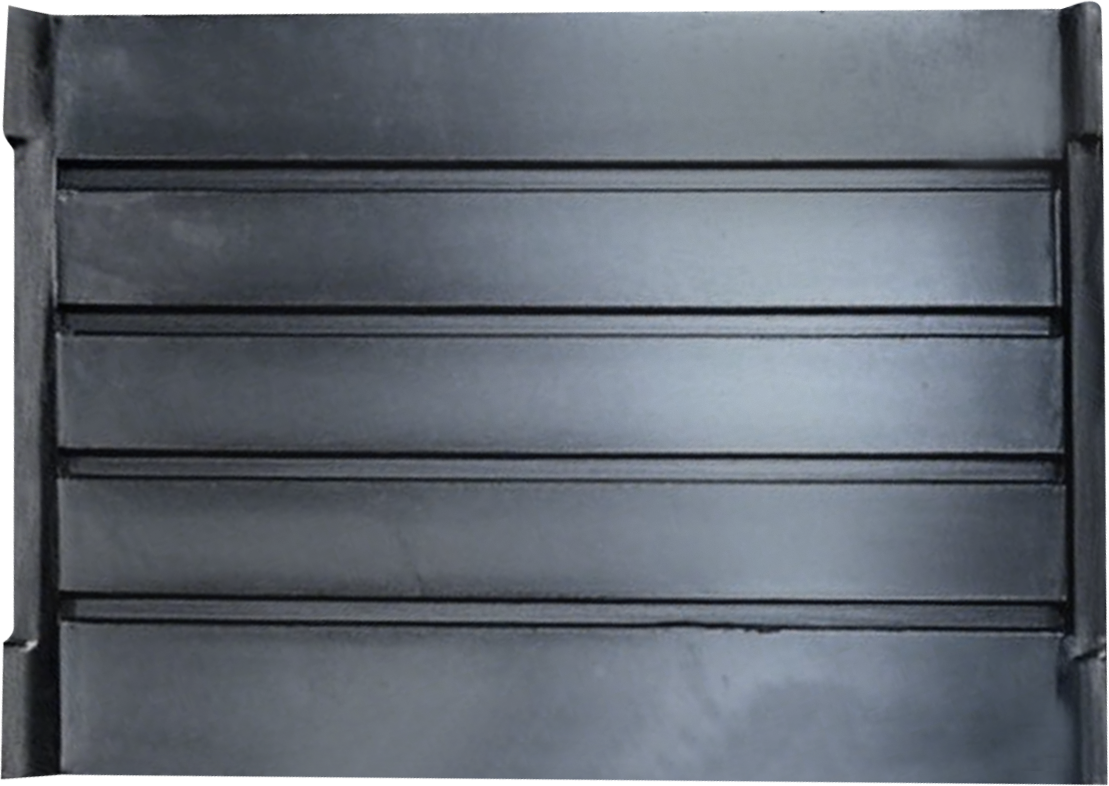
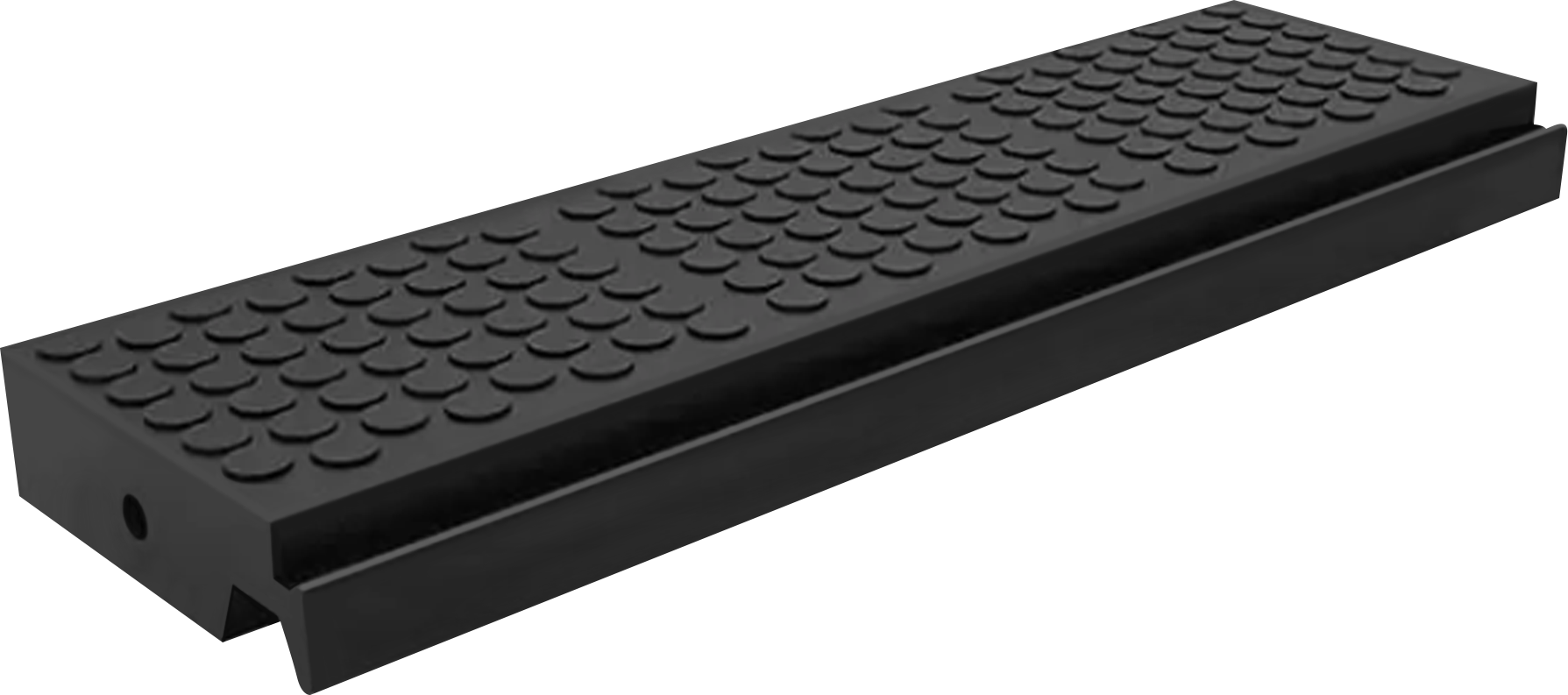
Railway Sleeper Plates: Premium Steel Track Components for Superior Rail Infrastructure Performance

All Categories

railway sleeper plates

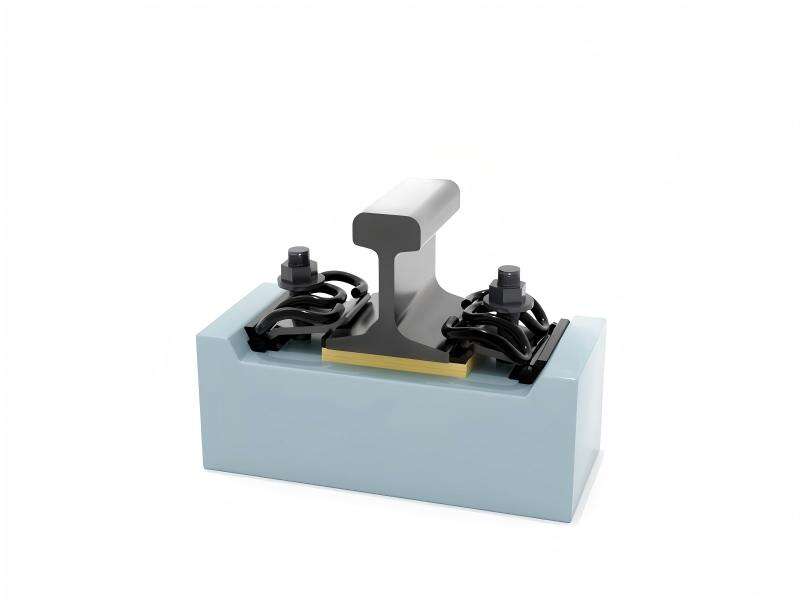
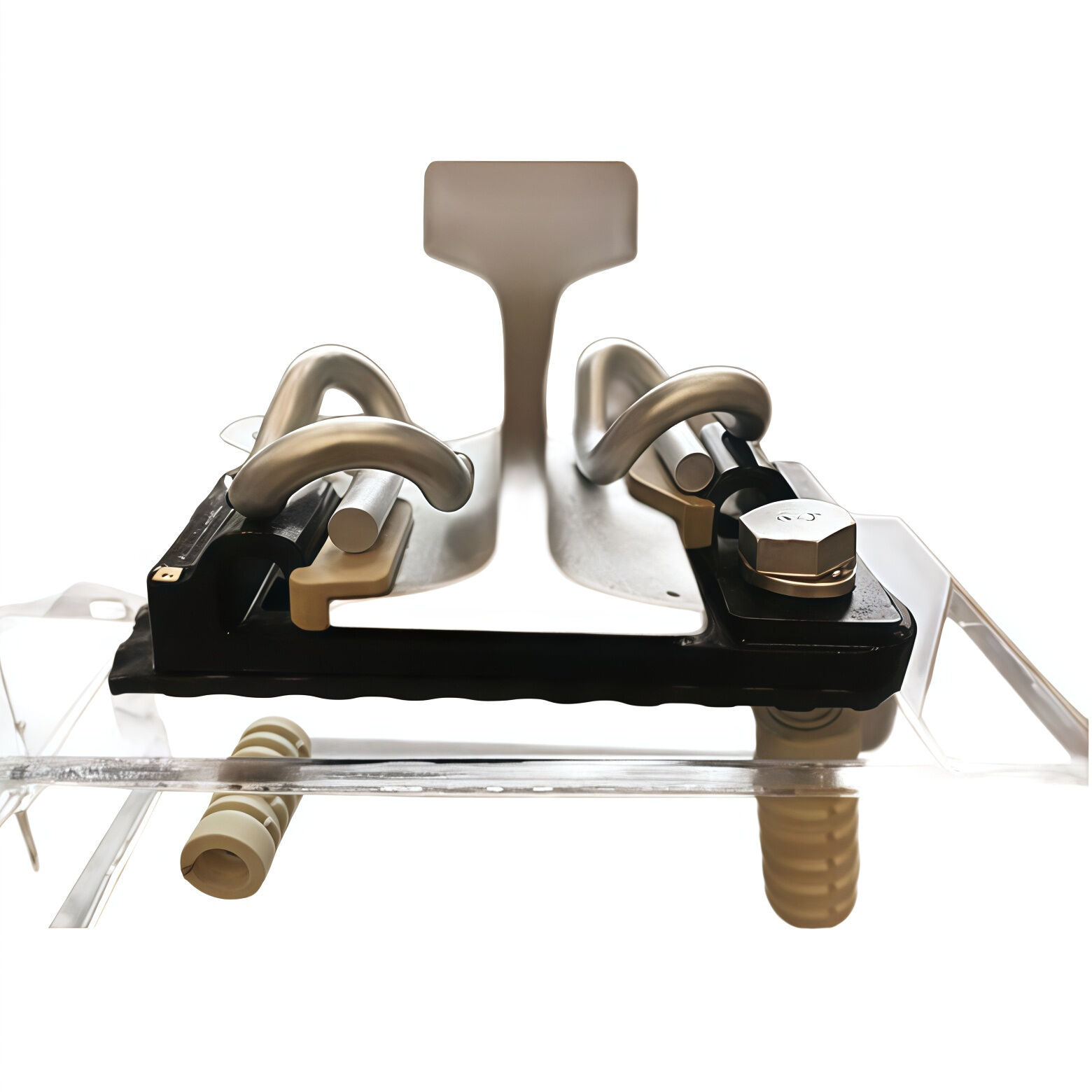
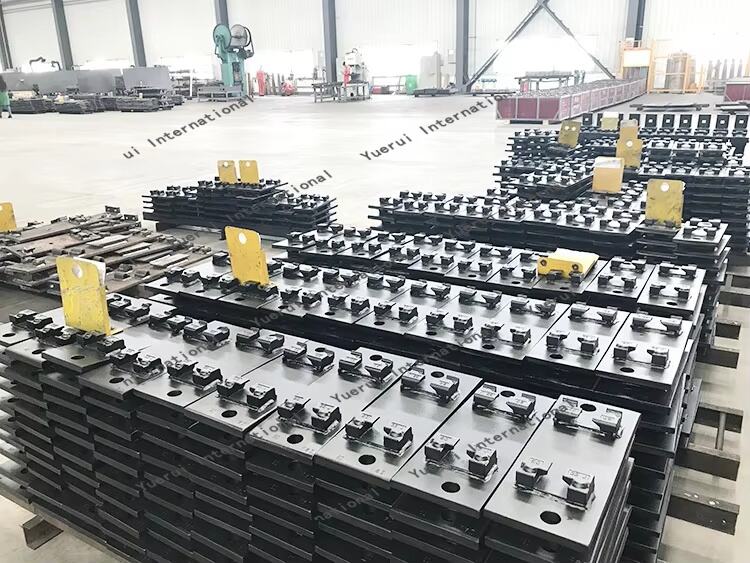
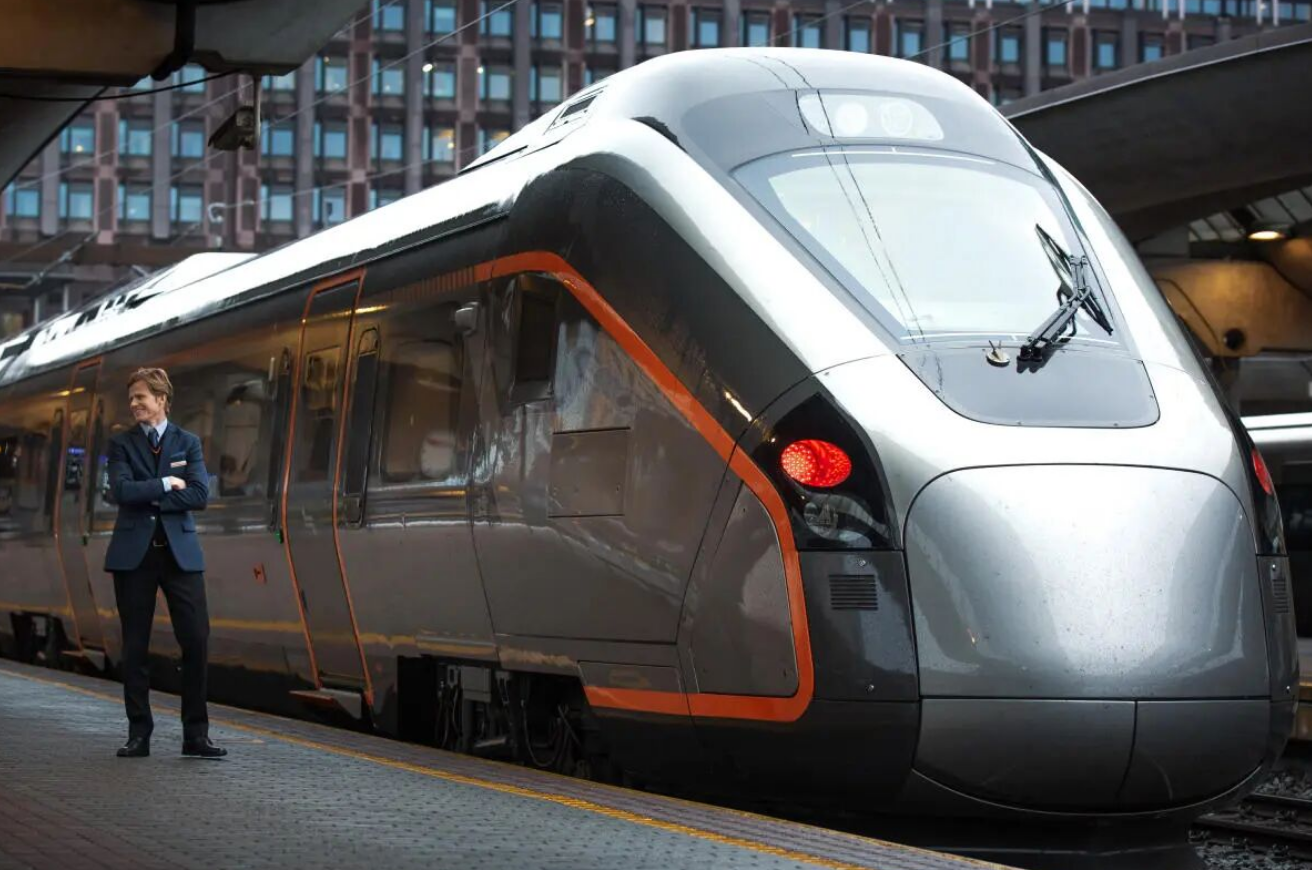
Railway sleeper plates represent a critical component in modern railroad infrastructure, serving as the essential interface between rail tracks and concrete sleepers. These robust metallic elements are engineered to distribute the substantial loads generated by passing trains across the sleeper surface, ensuring optimal weight distribution and maintaining track stability. The primary function of railway sleeper plates involves securing rail fastening systems while providing a stable foundation that can withstand dynamic forces, including vertical loads, lateral pressures, and longitudinal stresses experienced during train operations. Technologically, railway sleeper plates are manufactured using high-grade steel alloys that undergo specialized heat treatment processes to enhance their mechanical properties. These plates feature precisely engineered dimensions and surface textures that facilitate secure attachment to both rails and sleepers. The technological features include corrosion-resistant coatings, standardized bolt hole patterns, and carefully calculated thickness specifications that ensure long-term durability under extreme operational conditions. Advanced manufacturing techniques incorporate quality control measures that guarantee consistent performance across varying environmental conditions, from arctic temperatures to tropical climates. Railway sleeper plates find extensive applications across diverse transportation networks, including high-speed passenger rail systems, heavy freight corridors, urban transit lines, and industrial railway installations. Their versatility makes them suitable for both new construction projects and infrastructure modernization initiatives. The plates are specifically designed to accommodate different rail profiles and sleeper types, ensuring compatibility with existing systems while supporting future expansion requirements. In maintenance applications, railway sleeper plates provide cost-effective solutions for track rehabilitation projects, extending the operational lifespan of aging infrastructure. Their standardized design facilitates efficient installation procedures, reducing construction timelines and minimizing service disruptions during upgrade projects.


New Product Releases

Railway sleeper plates deliver exceptional value through their superior load distribution capabilities, which significantly extend the operational lifespan of railroad infrastructure. These plates effectively spread train-generated forces across broader surface areas, preventing concentrated stress points that could lead to premature sleeper failure or track deformation. This enhanced load distribution translates into reduced maintenance requirements and lower long-term operational costs for railway operators. The installation process for railway sleeper plates is remarkably straightforward, requiring minimal specialized equipment and reducing construction timelines compared to alternative fastening methods. This efficiency advantage becomes particularly valuable during track modernization projects where service disruptions must be minimized. Railway sleeper plates offer outstanding durability benefits through their engineered resistance to environmental factors including moisture, temperature fluctuations, and chemical exposure from de-icing agents or industrial pollutants. This weather resistance ensures consistent performance across diverse climatic conditions without requiring frequent replacements or extensive maintenance interventions. The standardized design of railway sleeper plates promotes compatibility across different rail systems, enabling seamless integration with existing infrastructure while supporting future expansion or modification projects. This standardization reduces inventory complexity for maintenance teams and simplifies procurement processes for railway operators. Cost-effectiveness represents another significant advantage, as railway sleeper plates provide an optimal balance between initial investment and long-term performance. Their competitive pricing structure, combined with extended service life, delivers superior return on investment compared to alternative fastening solutions. The plates contribute to improved track stability by maintaining precise rail alignment and gauge consistency, which directly enhances passenger comfort and reduces vehicle maintenance requirements. Safety benefits include reliable performance under extreme loading conditions and resistance to fatigue failure, ensuring consistent operation even in high-traffic corridors. Railway sleeper plates also support sustainable infrastructure development through their recyclable material composition and extended service life, reducing the environmental impact of railway construction and maintenance activities.

Latest News

How Do Baseplates Contribute to Efficient Railway Turnout Installation?

18

Dec

How Do Baseplates Contribute to Efficient Railway Turnout Installation?

Railway infrastructure demands precision, durability, and efficiency at every level, particularly when it comes to critical components like turnouts. Railway turnout baseplates serve as fundamental elements that ensure proper track alignment, load di...
View More
How to maintain correct track gauge in high-speed rail lines?

20

Apr

How to maintain correct track gauge in high-speed rail lines?

Maintaining correct track gauge is the cornerstone of safe and efficient high-speed rail operations, where even millimeter deviations can trigger catastrophic derailments at operational speeds exceeding 300 km/h. The precision required for track gaug...
View More
What installation spacing is recommended for rail anchors in railways?

20

Apr

What installation spacing is recommended for rail anchors in railways?

Railway track stability relies heavily on proper installation spacing of rail anchors, which serve as critical components in maintaining gauge and preventing rail movement. The recommended spacing for rail anchors varies based on track classification...
View More
What types of track pins are used in modular railway components?

20

Apr

What types of track pins are used in modular railway components?

Modular railway systems rely on precise mechanical connections to ensure safe and efficient train operations, with track pins serving as fundamental fastening components that secure rails to various supporting structures. These specialized pins come ...
View More

Get a Free Quote

Our representative will contact you soon.
Email
Name
Company Name
Message
0/1000

railway sleeper plates

Superior Load Distribution and Structural Integrity

Superior Load Distribution and Structural Integrity

Railway sleeper plates excel in their primary function of distributing substantial train loads across sleeper surfaces, delivering unmatched structural integrity that forms the backbone of reliable railroad operations. The engineering excellence behind these plates lies in their precisely calculated geometry and material composition, which work together to transform concentrated wheel loads into manageable distributed forces. This load distribution mechanism prevents the development of stress concentrations that could compromise sleeper integrity or lead to track settlement issues. The structural design incorporates advanced metallurgical principles, utilizing high-strength steel alloys that maintain their mechanical properties under repeated loading cycles. Railway sleeper plates undergo rigorous testing protocols that simulate decades of operational stresses, ensuring their ability to withstand the demanding conditions encountered in modern rail transportation. The plates feature optimized thickness profiles that balance material efficiency with performance requirements, providing adequate stiffness to resist deformation while maintaining cost-effectiveness. Surface treatment technologies enhance the structural integrity of railway sleeper plates through corrosion protection systems that prevent material degradation over time. These protective coatings are specifically formulated to withstand exposure to moisture, road salt, industrial chemicals, and ultraviolet radiation without compromising the underlying steel structure. The result is a fastening component that maintains its load-carrying capacity throughout extended service periods, even in harsh environmental conditions. Quality manufacturing processes ensure dimensional accuracy and material consistency across production batches, eliminating weak points that could compromise structural performance. Railway sleeper plates incorporate safety factors that exceed industry standards, providing reliable operation even under unexpected overload conditions or emergency braking scenarios. This structural reliability translates into reduced maintenance interventions and extended infrastructure lifespan, delivering substantial economic benefits for railway operators while maintaining the highest safety standards for passenger and freight transportation services.
Cost-Effective Installation and Maintenance Benefits

Cost-Effective Installation and Maintenance Benefits

Railway sleeper plates deliver exceptional economic value through their streamlined installation procedures and minimal maintenance requirements, making them the preferred choice for both new construction and infrastructure upgrade projects. The installation advantages begin with the plates' standardized design, which eliminates the need for custom fabrication or specialized tooling during track construction. This standardization enables construction crews to work efficiently with familiar procedures, reducing training requirements and minimizing installation errors that could compromise long-term performance. Railway sleeper plates are designed for rapid deployment, with bolt hole patterns and mounting configurations that facilitate quick assembly using standard construction equipment. This installation efficiency becomes particularly valuable during track renewal projects where service disruptions must be minimized to maintain operational schedules. The plates' compatibility with existing fastening systems allows for seamless integration during modernization projects, avoiding the need for extensive infrastructure modifications that would increase project costs and complexity. Maintenance benefits of railway sleeper plates include their resistance to common failure modes that affect traditional fastening systems. The robust construction and protective coatings minimize corrosion-related deterioration, extending service intervals and reducing the frequency of replacement activities. When maintenance is required, railway sleeper plates can be easily accessed and replaced using standard tools and procedures, minimizing track downtime and associated revenue losses. The standardized design ensures ready availability of replacement components, eliminating delays associated with custom part procurement. Long-term cost analysis demonstrates that railway sleeper plates provide superior economic performance compared to alternative fastening solutions, with lower total ownership costs resulting from extended service life and reduced maintenance requirements. Railway operators benefit from predictable maintenance schedules and standardized inventory requirements, simplifying budget planning and resource allocation. The plates' durability reduces the frequency of track maintenance windows, allowing for higher system availability and improved operational efficiency. These economic advantages make railway sleeper plates an attractive investment for infrastructure development projects seeking optimal balance between performance and cost-effectiveness.
Enhanced Safety and Environmental Performance

Enhanced Safety and Environmental Performance

Railway sleeper plates prioritize safety and environmental responsibility through innovative design features and sustainable manufacturing practices that exceed industry standards for railroad infrastructure components. Safety performance begins with the plates' exceptional resistance to fatigue failure, a critical characteristic that ensures reliable operation under the repetitive loading conditions experienced in railroad service. Advanced materials engineering incorporates fatigue-resistant steel compositions that maintain their mechanical properties throughout millions of loading cycles, preventing sudden failures that could compromise train operations or passenger safety. Railway sleeper plates undergo comprehensive testing programs that simulate extreme operational scenarios, including emergency braking conditions, overload situations, and severe weather events. This rigorous validation process ensures predictable performance characteristics that railway operators can rely upon for safe transportation services. The plates' secure attachment mechanisms prevent loosening or displacement under dynamic loading, maintaining precise track geometry that is essential for vehicle stability and passenger comfort. Safety features include rounded edges and smooth surface finishes that minimize injury risks during installation and maintenance activities. Railway sleeper plates contribute to environmental sustainability through their extended service life, which reduces the frequency of replacement activities and associated resource consumption. The steel construction enables complete recyclability at the end of service life, supporting circular economy principles and minimizing waste generation. Manufacturing processes incorporate energy-efficient production techniques and utilize recycled steel content where possible, reducing the environmental impact of new component production. Railway sleeper plates support sustainable transportation initiatives by enabling efficient rail operations that reduce greenhouse gas emissions compared to alternative transportation modes. Their contribution to track stability and reduced maintenance requirements minimizes the environmental disruption associated with frequent infrastructure interventions. The plates' durability in harsh weather conditions supports reliable rail service that reduces dependency on less environmentally friendly transportation alternatives during adverse conditions. Environmental protection features include corrosion-resistant coatings that prevent metal contamination of surrounding soil and groundwater resources. Railway sleeper plates are manufactured to comply with environmental regulations and industry sustainability standards, ensuring responsible infrastructure development that balances operational requirements with environmental stewardship principles.

Get a Free Quote

Our representative will contact you soon.
Email
Name
Company Name
Message
0/1000