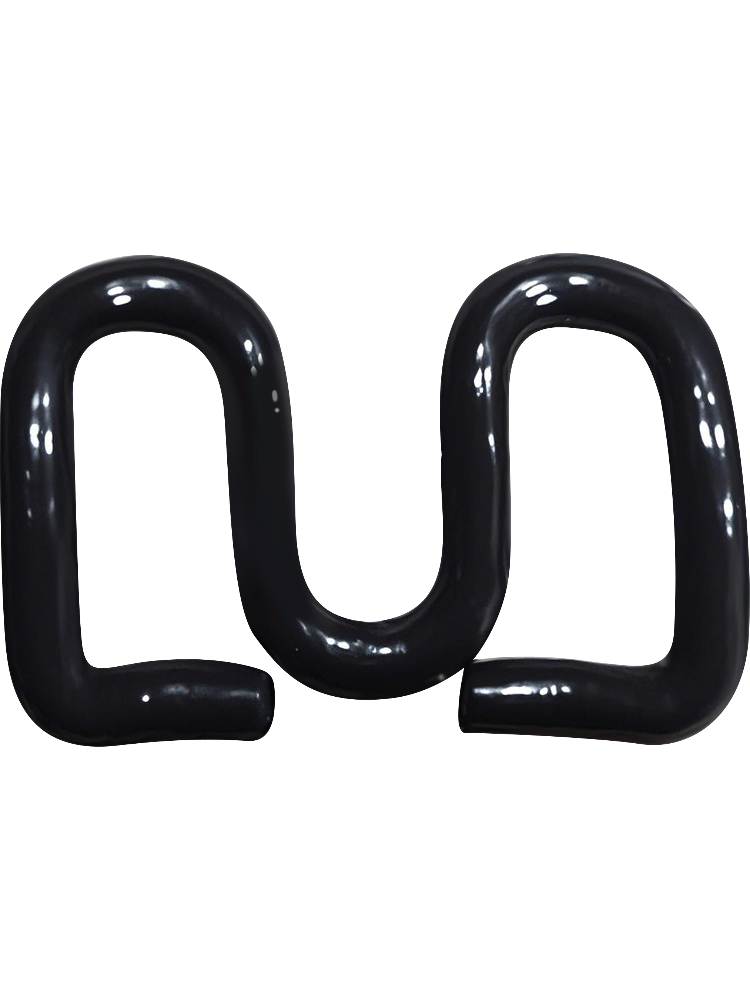
pandrol rail clip
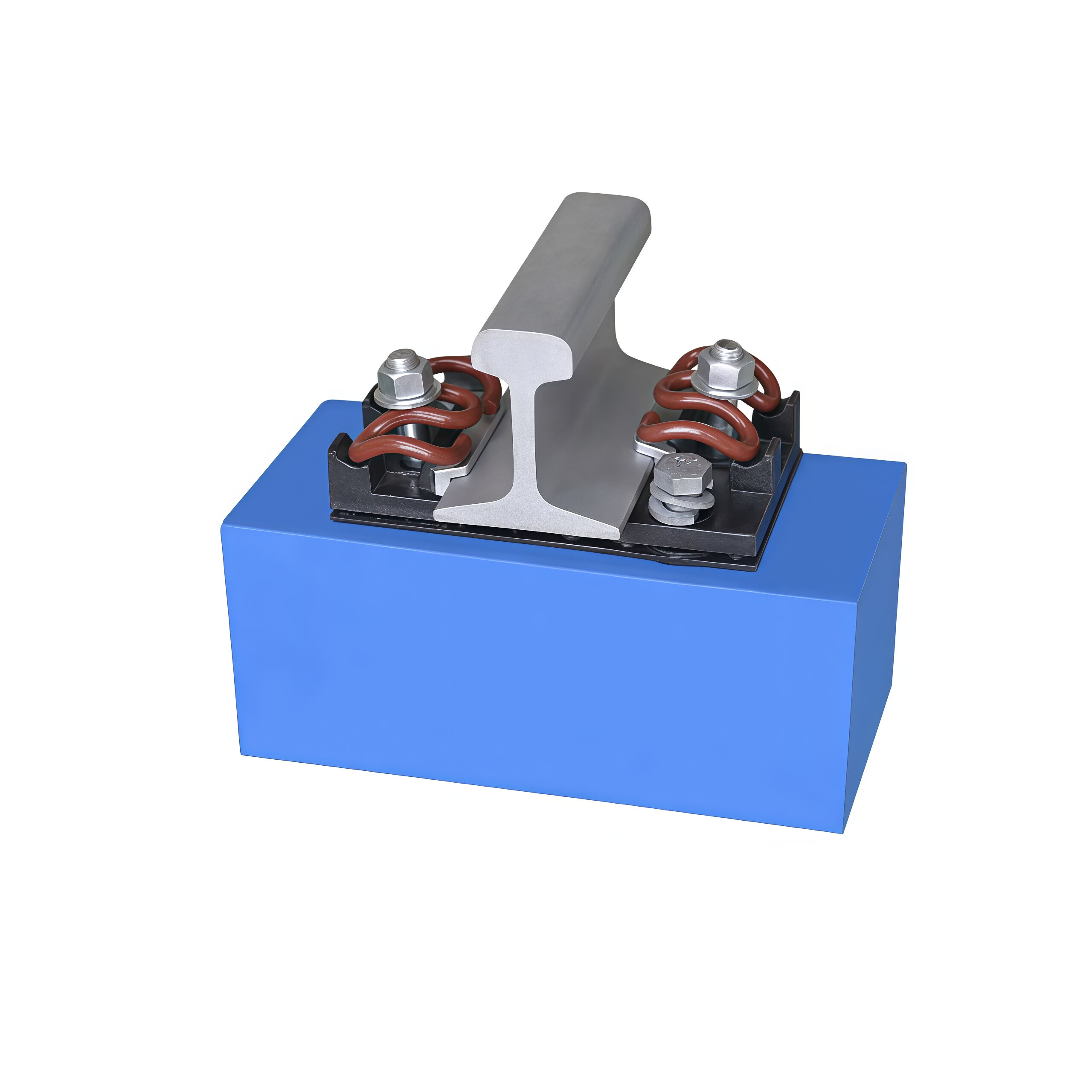
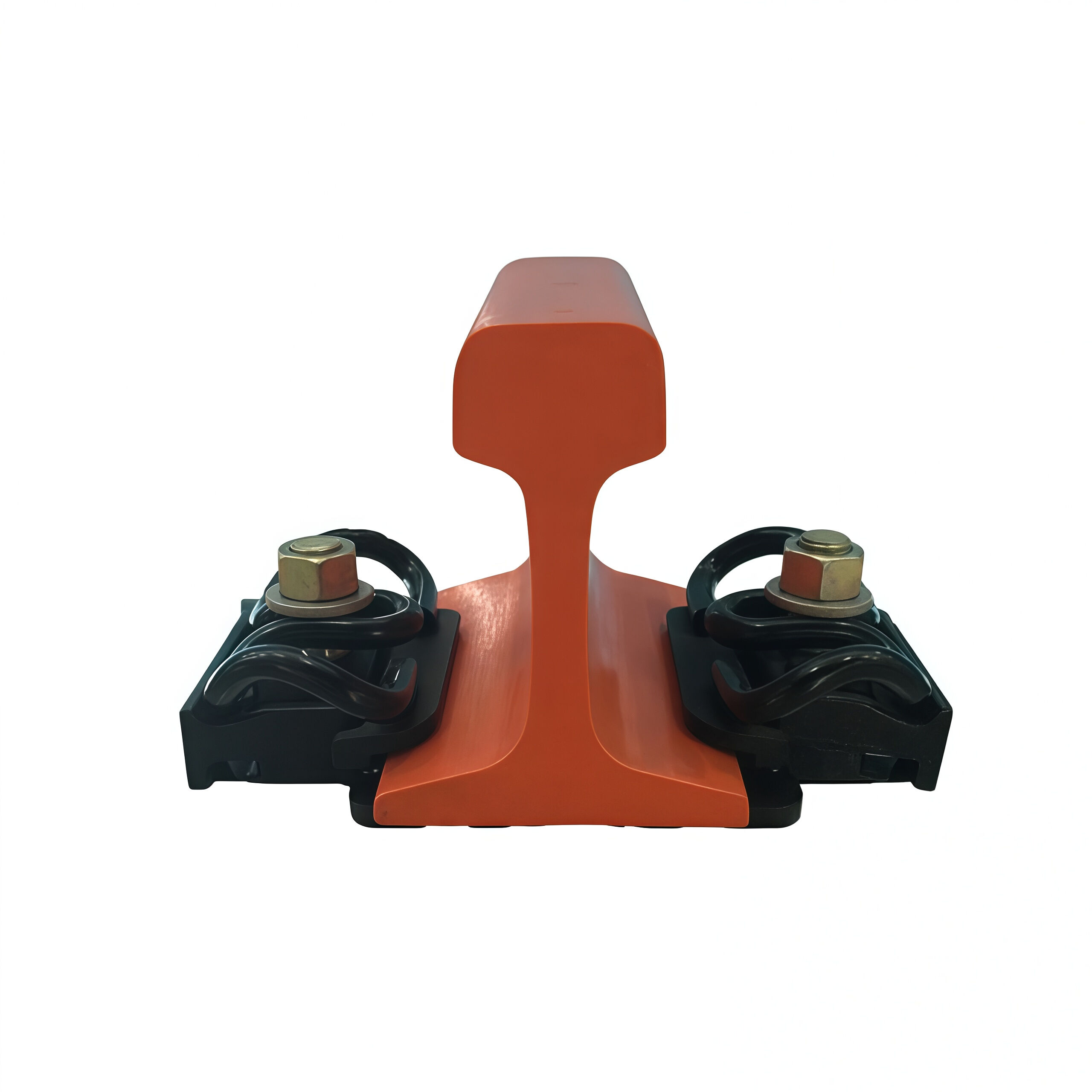
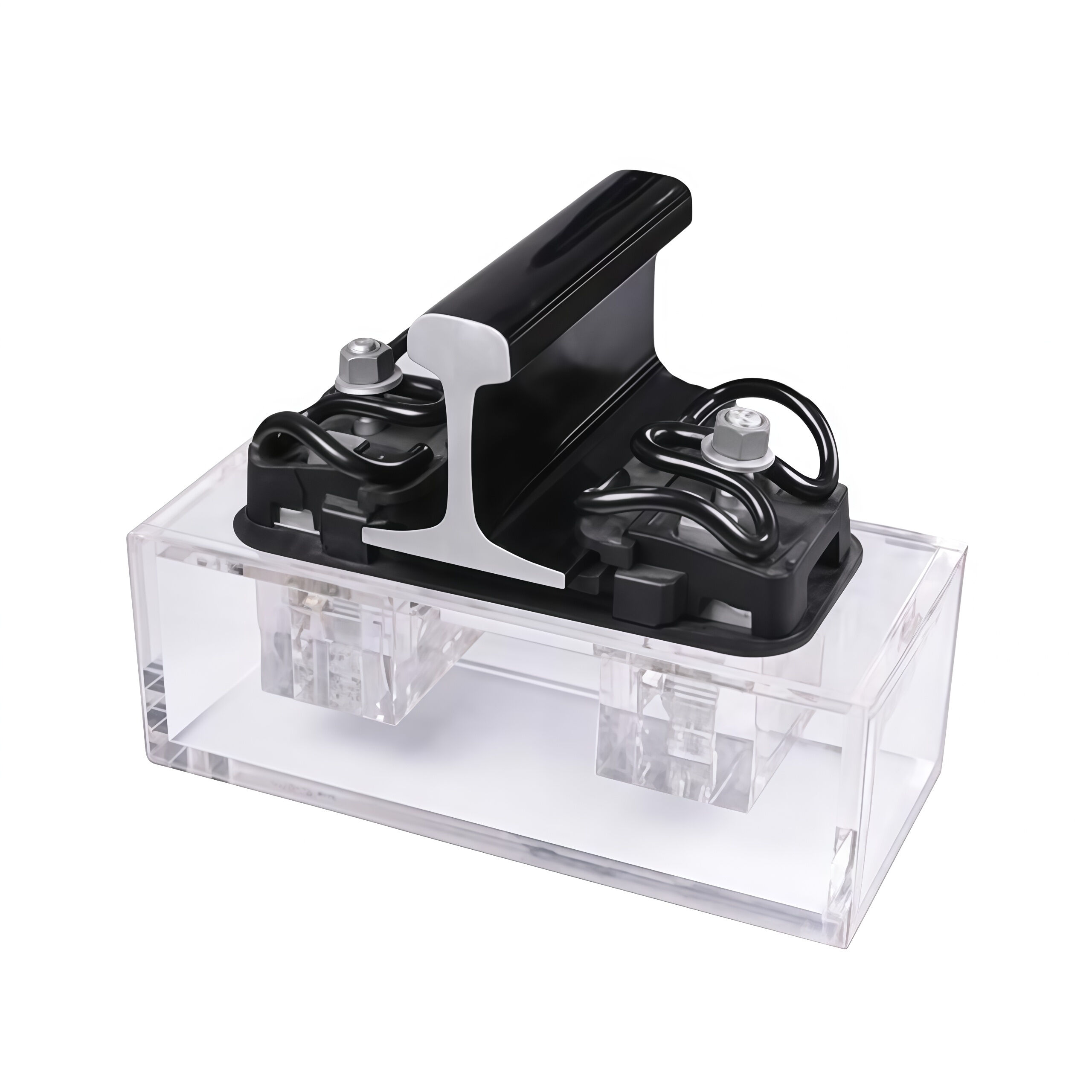
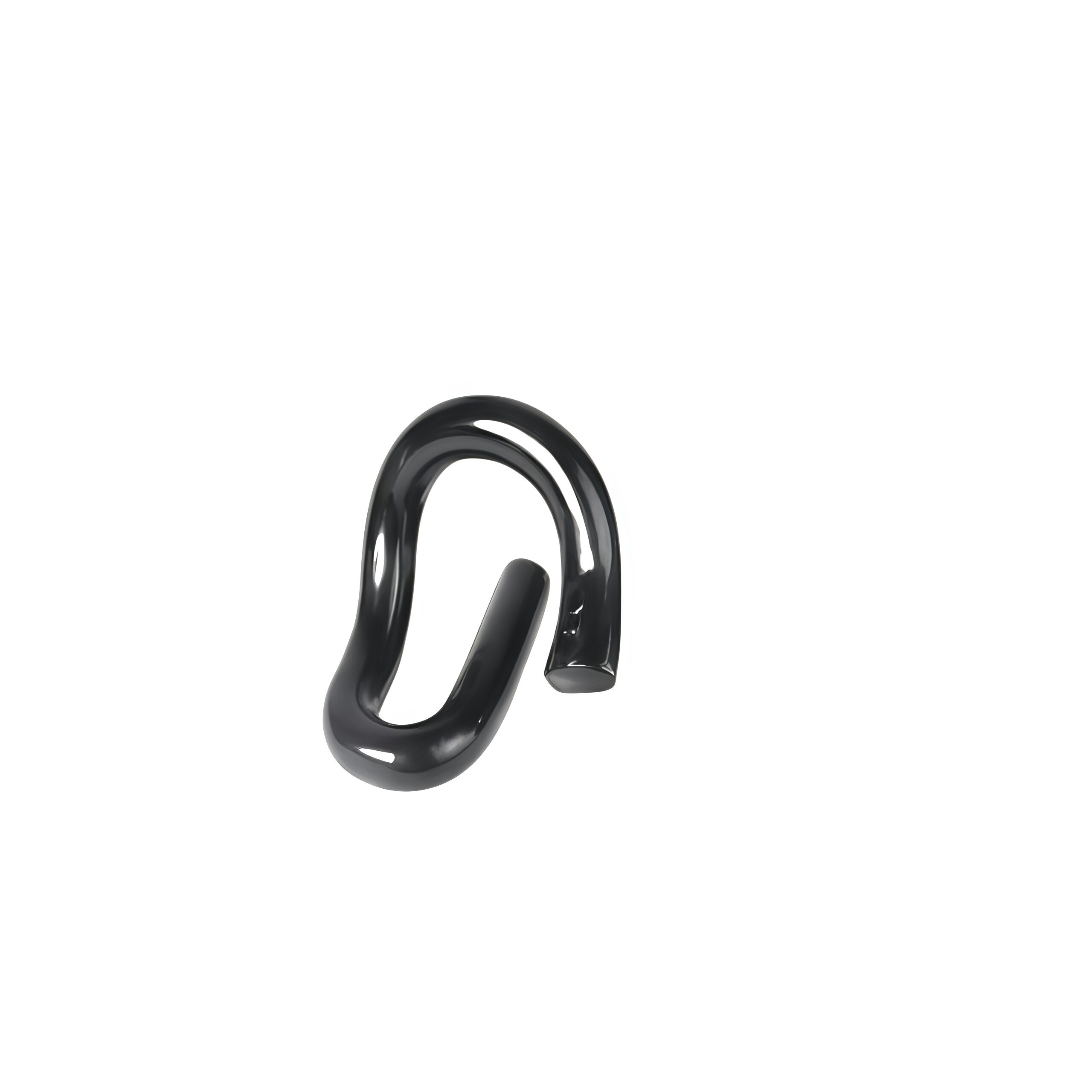
The Pandrol rail clip represents a revolutionary advancement in railway infrastructure technology, serving as a critical component that secures rails to sleepers with exceptional precision and reliability. This innovative fastening system utilizes a spring-loaded mechanism that maintains consistent clamping force on the rail foot, ensuring optimal track stability under varying operational conditions. The Pandrol rail clip system consists of specially engineered steel clips designed to withstand extreme mechanical stresses, temperature fluctuations, and continuous dynamic loading from passing trains. The clips work in conjunction with baseplates, insulators, and anchoring systems to create a comprehensive rail fastening solution. The primary function of the Pandrol rail clip is to maintain proper rail gauge and prevent lateral movement while allowing for controlled vertical deflection that absorbs impact forces. This design philosophy enhances passenger comfort and reduces wear on both rolling stock and track infrastructure. The clips feature a unique toe-load configuration that distributes forces evenly across the rail base, preventing stress concentrations that could lead to premature failure. Manufacturing processes for Pandrol rail clips involve precision forging and heat treatment to achieve optimal material properties, including high fatigue resistance and corrosion protection. The clips are designed to accommodate various rail profiles and sleeper types, making them suitable for diverse railway applications worldwide. Installation procedures are streamlined to reduce maintenance time and labor costs, while the robust construction ensures extended service life under demanding operational conditions. Quality control measures include rigorous testing protocols that verify dimensional accuracy, spring characteristics, and durability performance. The Pandrol rail clip system has been extensively validated through field testing on high-speed rail networks, heavy freight corridors, and urban transit systems, demonstrating consistent performance across different operational environments and traffic patterns.

 EN
EN