Premium Rail Clips: Advanced Railway Fastening Solutions for Superior Track Performance

All Categories

rail clip

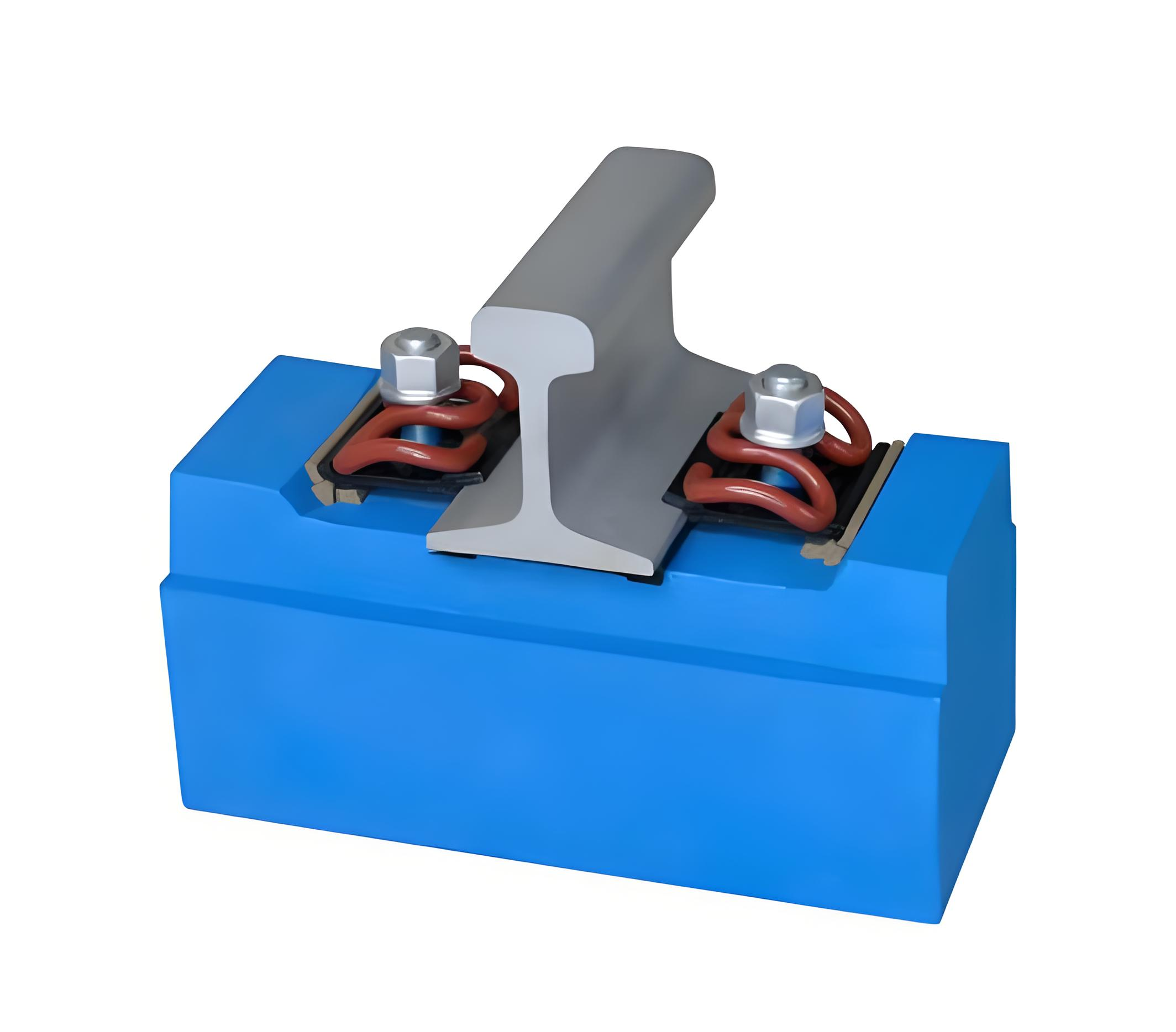
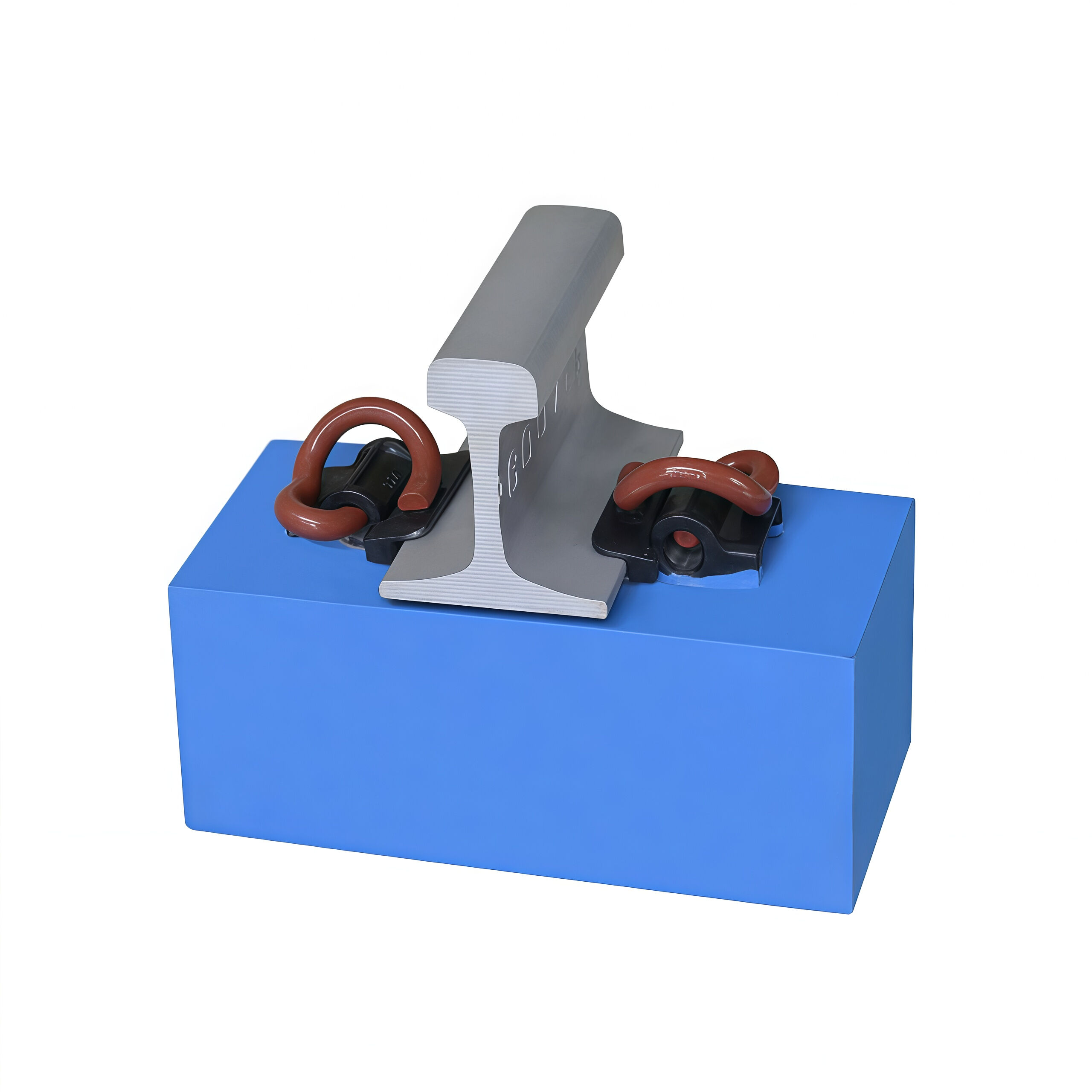
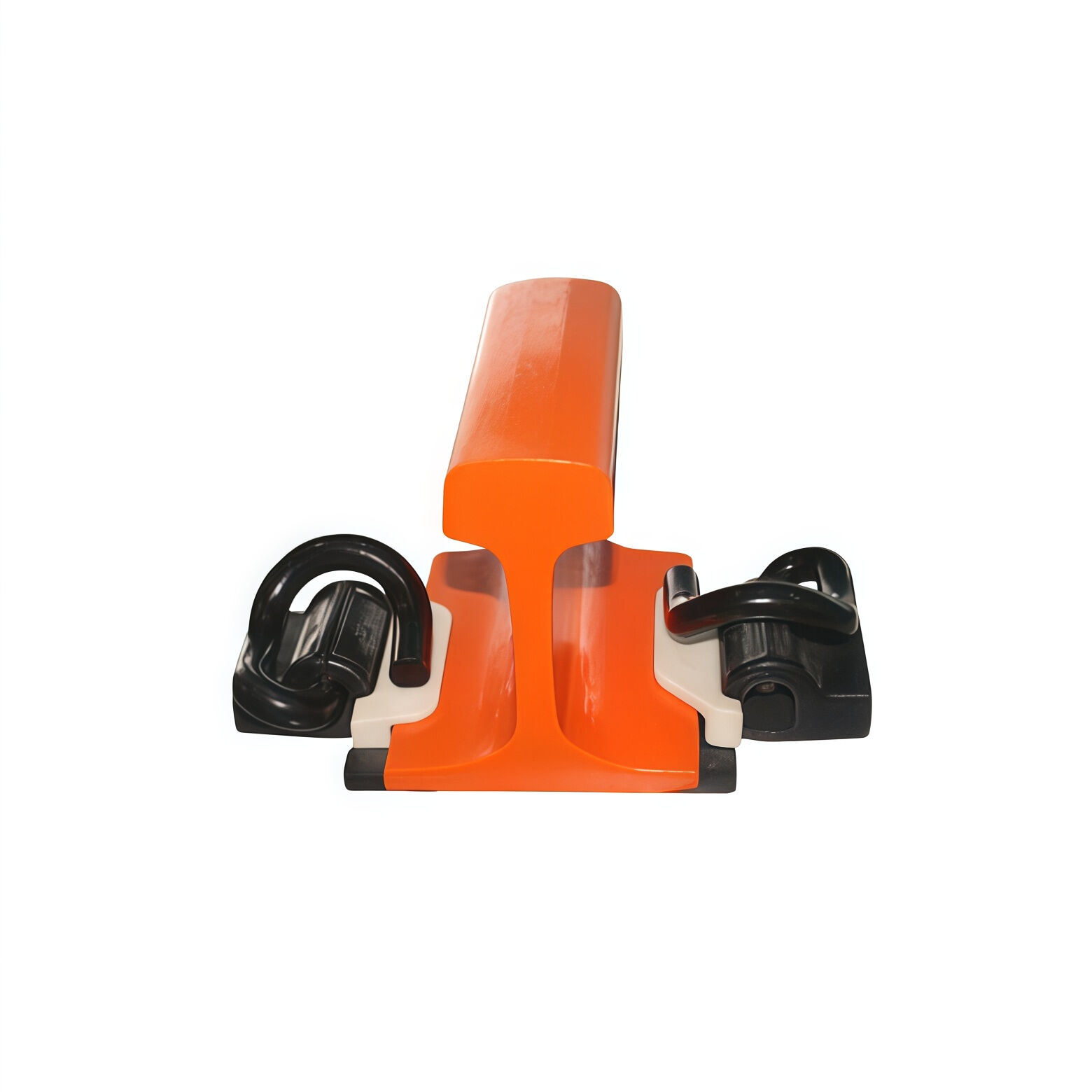
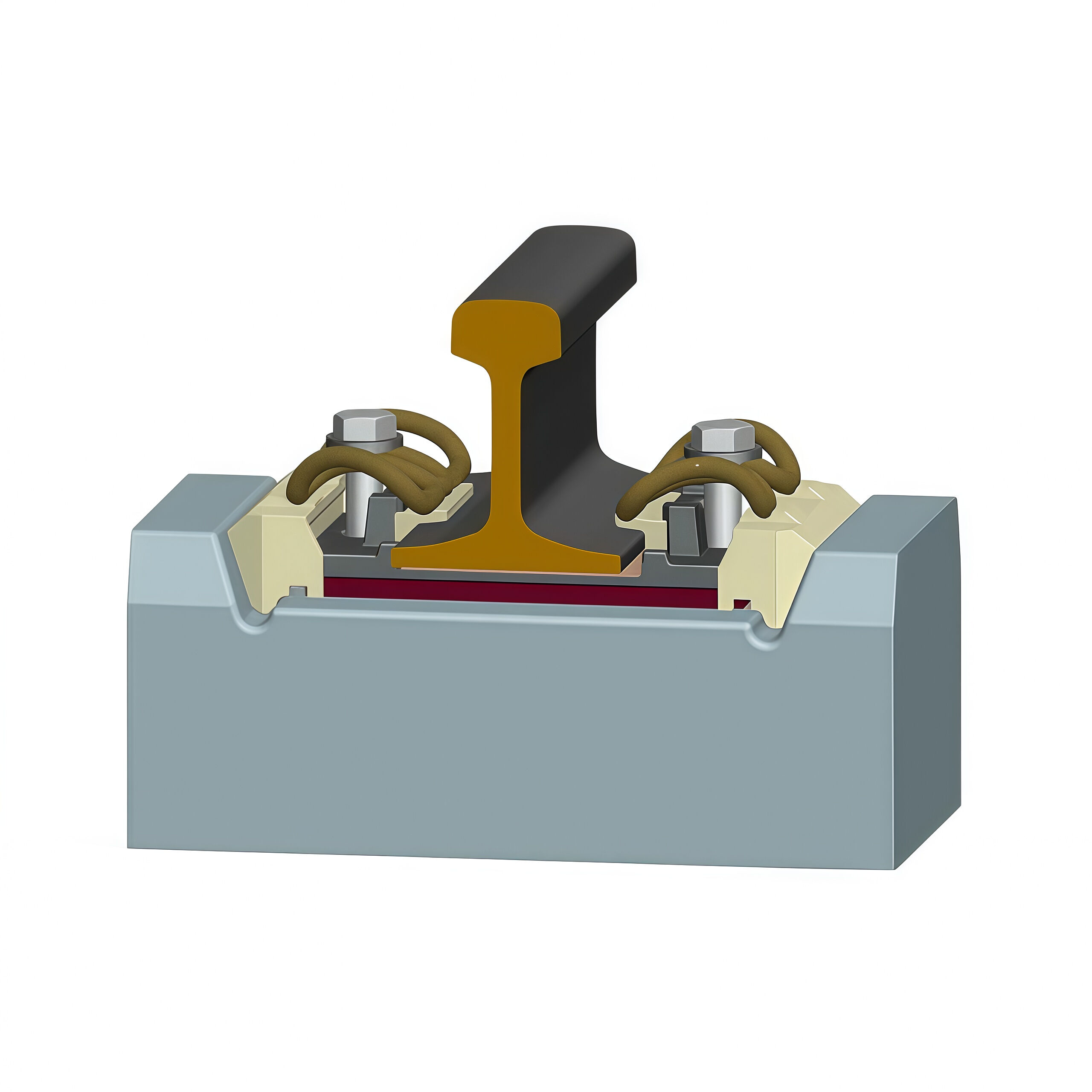
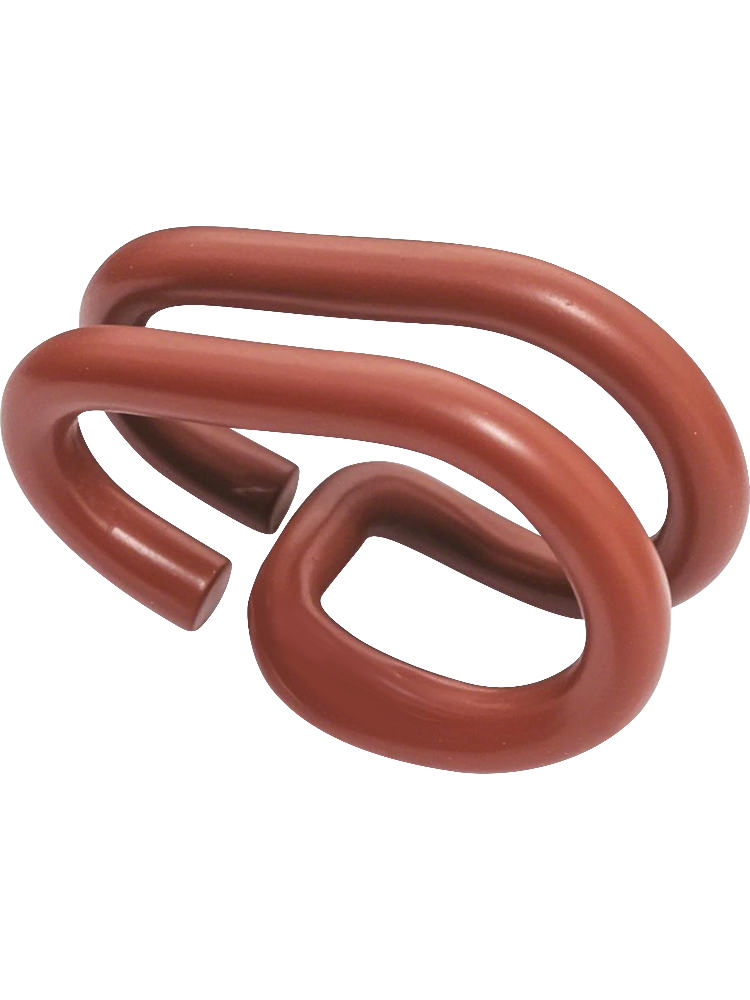
A rail clip serves as a critical fastening component in railway infrastructure, designed to secure rails to railroad ties and maintain proper track alignment throughout the railway system. This essential hardware component operates by creating a mechanical connection between the rail and underlying support structure, ensuring stable and safe train operations. The rail clip functions through a spring-loaded mechanism that applies continuous downward pressure on the rail, preventing lateral movement and maintaining consistent gauge width between parallel tracks. Modern rail clip designs incorporate advanced metallurgical principles, utilizing high-strength steel alloys that resist fatigue, corrosion, and extreme temperature variations encountered in diverse operating environments. The technological features of contemporary rail clips include precision-engineered spring characteristics that provide optimal clamping force while accommodating thermal expansion and contraction of railway materials. These fasteners typically feature ergonomic installation profiles that facilitate quick deployment using standard railway maintenance equipment, reducing labor costs and installation time. Rail clips demonstrate exceptional durability through specialized heat treatment processes and protective coatings that extend service life beyond traditional fastening methods. The applications of rail clips span across various railway sectors, including heavy freight corridors, high-speed passenger lines, urban transit systems, and industrial spur tracks. Each application requires specific rail clip configurations tailored to load requirements, environmental conditions, and operational parameters. In freight applications, rail clips must withstand substantial dynamic loads and vibrations generated by heavy cargo trains, while passenger rail installations prioritize smooth operation and noise reduction. The versatility of rail clip systems enables their deployment in challenging terrains, including mountainous regions, coastal areas with salt exposure, and arctic conditions where temperature extremes test material properties. Railway engineers select appropriate rail clip specifications based on traffic density, axle loads, curve radius, and expected service intervals to optimize track performance and maintenance efficiency.

New Product Recommendations

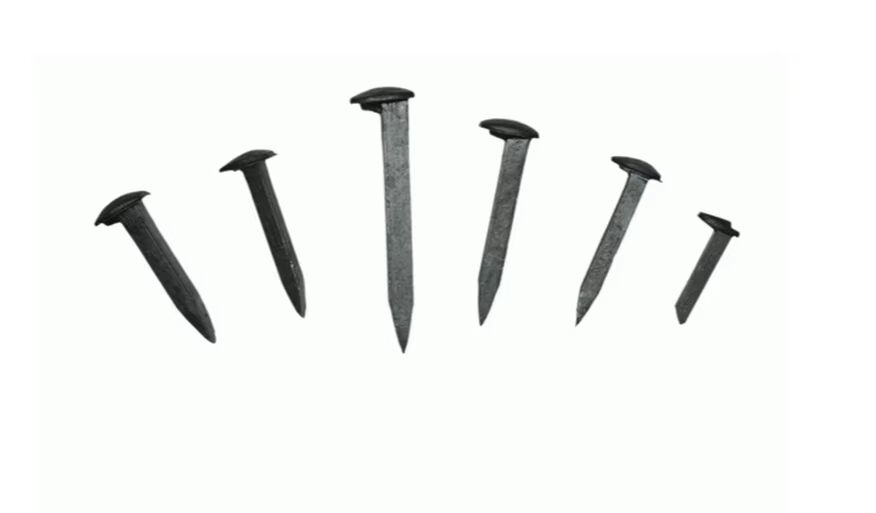
Rail clips offer numerous practical benefits that make them indispensable for modern railway operations and infrastructure development. These fastening systems provide superior holding power compared to traditional spike-based connections, creating more reliable rail attachment that withstands heavy traffic loads and environmental stresses. The spring-loaded design of rail clips automatically adjusts to thermal expansion and contraction, maintaining consistent clamping pressure throughout seasonal temperature variations without requiring manual adjustments or frequent maintenance interventions. This self-adjusting capability significantly reduces maintenance costs and extends the intervals between track inspections and repairs. Railway operators appreciate how rail clips enable faster installation and replacement procedures, allowing maintenance crews to complete track work more efficiently and minimize service disruptions. The standardized design of rail clips ensures compatibility across different rail profiles and tie configurations, simplifying inventory management and reducing procurement complexity for railway companies. These fasteners demonstrate exceptional resistance to loosening caused by train-induced vibrations, a common problem with traditional fastening methods that often requires frequent retightening and creates safety concerns. Rail clips provide enhanced electrical isolation between rails and ground systems, improving signal transmission for modern train control technologies and reducing interference with communication equipment. The corrosion-resistant properties of quality rail clips protect against rust and degradation in harsh environmental conditions, particularly valuable in coastal regions or areas with high humidity and salt exposure. Railway maintenance teams benefit from the visual inspection capabilities of rail clips, as loose or damaged fasteners become immediately apparent during routine track walks, enabling proactive replacement before failures occur. The consistent clamping force provided by rail clips helps reduce rail wear and extends the service life of expensive rail materials by preventing excessive movement and fretting damage. These fasteners contribute to improved ride quality by maintaining precise rail alignment and reducing track irregularities that cause uncomfortable vibrations for passengers and increased wear on rolling stock components. Rail clips also support noise reduction initiatives in urban environments by providing more stable rail connections that minimize wheel-rail interaction noise compared to traditional fastening systems. The economic advantages of rail clips extend beyond initial installation costs, as their durability and reduced maintenance requirements create long-term value propositions that justify higher upfront investments through decreased lifecycle costs and improved operational reliability.

Latest News

How Railroad Dog Spikes Improve Track Stability and Safety

24

Nov

How Railroad Dog Spikes Improve Track Stability and Safety

Railway infrastructure forms the backbone of modern transportation systems, where every component plays a critical role in maintaining operational safety and efficiency. Among these essential components, railroad dog spikes represent one of the most ...
View More
What Are the Advantages of Using Standardized Baseplates in Large Projects?

18

Dec

What Are the Advantages of Using Standardized Baseplates in Large Projects?

Large-scale construction and infrastructure projects demand precision, efficiency, and reliability at every stage of development. Among the foundational elements that ensure project success, standardized baseplates emerge as critical components that ...
View More
What materials are best for corrosion-resistant track pins in railways?

20

Apr

What materials are best for corrosion-resistant track pins in railways?

Railway infrastructure faces constant exposure to harsh environmental conditions, making material selection critical for long-term performance and safety. Track pins, essential components that secure rails to railroad ties, must withstand not only me...
View More
How to maintain correct track gauge in high-speed rail lines?

20

Apr

How to maintain correct track gauge in high-speed rail lines?

Maintaining correct track gauge is the cornerstone of safe and efficient high-speed rail operations, where even millimeter deviations can trigger catastrophic derailments at operational speeds exceeding 300 km/h. The precision required for track gaug...
View More

Get a Free Quote

Our representative will contact you soon.
Email
Name
Company Name
Message
0/1000

rail clip

Advanced Spring Technology for Optimal Rail Retention

Advanced Spring Technology for Optimal Rail Retention

The sophisticated spring mechanism incorporated in modern rail clips represents a breakthrough in railway fastening technology, delivering consistent and reliable rail retention across diverse operating conditions. This innovative spring design utilizes precisely calculated elastic properties that maintain optimal clamping force throughout the entire service life of the fastener, ensuring continuous rail security regardless of environmental changes or traffic loads. The spring characteristics are engineered through advanced metallurgical processes that create specific force-deflection curves, providing the exact amount of downward pressure needed to secure rails without over-stressing the supporting infrastructure. This technological advancement eliminates the common problems associated with rigid fastening systems, such as stress concentrations and fatigue failures that can compromise track safety and reliability. The spring-loaded rail clip automatically compensates for wear in the rail seat and pad materials, maintaining proper contact pressure even as components age and compress over time. This self-compensating feature significantly extends maintenance intervals and reduces the frequency of fastener adjustments, leading to substantial cost savings in railway operations. The precision-engineered spring also accommodates thermal expansion and contraction of rail materials, preventing the development of excessive stresses that could lead to rail buckling or gap formation in extreme temperature conditions. Railway engineers particularly value how the spring mechanism distributes loads evenly across the rail base, reducing localized pressure points that can cause premature wear or damage to expensive rail infrastructure. The advanced spring technology also provides superior vibration damping properties, absorbing dynamic forces generated by passing trains and preventing the transmission of these forces to the underlying track structure. This vibration control capability contributes to improved track stability and reduced maintenance requirements for ballast and subgrade components. The consistent spring force also enhances the electrical conductivity path for railway signaling systems, ensuring reliable signal transmission and reducing the risk of signal failures that could impact train operations and safety protocols.
Enhanced Durability Through Superior Material Engineering

Enhanced Durability Through Superior Material Engineering

The exceptional durability of rail clips stems from advanced material engineering processes that create fasteners capable of withstanding the most demanding railway operating conditions while maintaining structural integrity throughout extended service periods. These components utilize high-grade steel alloys specifically formulated to resist fatigue, corrosion, and wear under continuous cyclic loading from train operations. The material selection process considers factors such as tensile strength, yield point, impact resistance, and environmental compatibility to ensure optimal performance in diverse climatic conditions and operational environments. Specialized heat treatment procedures enhance the molecular structure of rail clip materials, creating optimal hardness profiles that balance strength with ductility to prevent brittle failures under extreme loading conditions. The surface treatment technologies applied to rail clips include advanced coating systems that provide multiple layers of protection against corrosion, oxidation, and chemical attack from environmental contaminants. These protective coatings utilize cutting-edge nanotechnology and polymer chemistry to create barriers that effectively seal the base material from moisture, salt, and other corrosive agents commonly encountered in railway environments. The durability engineering extends to the geometric design of rail clips, incorporating stress-relief features and optimized load distribution patterns that minimize stress concentrations and extend fatigue life beyond conventional fastening systems. Quality control processes ensure that each rail clip meets stringent mechanical property requirements through comprehensive testing protocols that simulate decades of service conditions in accelerated laboratory environments. The enhanced material properties enable rail clips to maintain their spring characteristics and clamping force throughout temperature cycles ranging from arctic cold to desert heat, ensuring consistent performance regardless of seasonal variations or geographic location. This superior durability translates directly into reduced replacement costs and extended maintenance intervals, providing railway operators with significant economic advantages over the lifecycle of their track infrastructure. The robust construction also contributes to improved safety margins, as the enhanced material properties provide additional strength reserves that protect against unexpected overload conditions or extreme weather events that might compromise lesser fastening systems.
Streamlined Installation and Maintenance Efficiency

Streamlined Installation and Maintenance Efficiency

The design optimization of rail clips prioritizes installation efficiency and maintenance simplicity, creating significant operational advantages for railway construction and maintenance teams while reducing overall project costs and timeline requirements. These fasteners feature ergonomically designed profiles that accommodate standard railway tools and equipment, enabling rapid installation without requiring specialized machinery or extensive crew training programs. The standardized installation process allows maintenance teams to achieve consistent results across different track sections and operating conditions, reducing variability and improving quality control in railway construction projects. The geometric configuration of rail clips facilitates easy access for installation tools, even in confined spaces or challenging terrain conditions where conventional fastening methods might prove difficult or time-consuming to implement properly. The quick-release mechanisms incorporated in modern rail clip designs enable rapid removal and replacement during maintenance operations, significantly reducing the time required for track repairs and minimizing service disruptions that affect railway operations and passenger schedules. Railway maintenance supervisors appreciate how the visual inspection capabilities of rail clips allow for rapid assessment of fastener condition during routine track patrols, enabling proactive identification of potential problems before they develop into safety concerns or operational failures. The modular design approach ensures that individual rail clips can be replaced without disturbing adjacent fasteners or requiring extensive track work, reducing maintenance complexity and associated costs while maintaining track availability for revenue service. The compatibility of rail clips with various rail profiles and tie configurations simplifies inventory management and reduces the number of different fastener types that maintenance facilities must stock and manage. Training requirements for installation and maintenance crews are minimized due to the intuitive design and operation of rail clip systems, reducing training costs and enabling faster deployment of qualified personnel on track maintenance projects. The installation process requires fewer steps compared to traditional fastening methods, reducing the potential for installation errors and improving overall construction quality while accelerating project completion schedules. Maintenance efficiency is further enhanced by the predictable service life characteristics of rail clips, enabling railway operators to implement planned replacement programs that optimize maintenance resources and minimize emergency repair situations. The streamlined maintenance procedures also contribute to improved worker safety by reducing exposure time in active track environments and simplifying the tools and procedures required for fastener servicing operations.

Get a Free Quote

Our representative will contact you soon.
Email
Name
Company Name
Message
0/1000