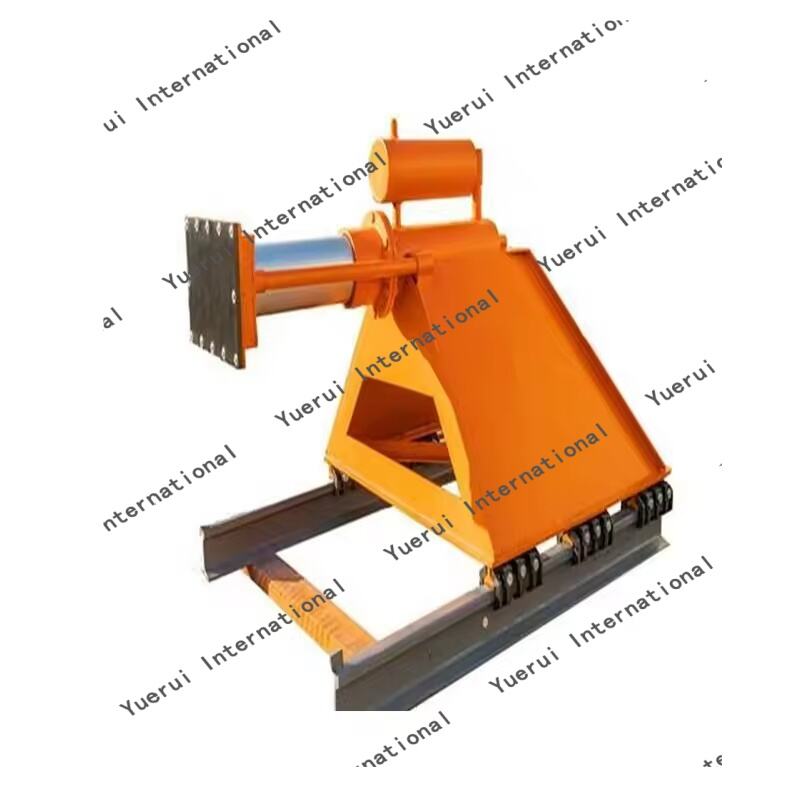
railway equipment
Railway equipment encompasses a comprehensive range of specialized machinery, components, and systems designed to support the construction, maintenance, and operation of rail transportation networks. This sophisticated infrastructure includes locomotives, rolling stock, signaling systems, track maintenance machinery, and various support equipment that collectively ensure safe and efficient rail operations. Modern railway equipment integrates advanced technologies such as computerized control systems, GPS tracking, automated diagnostics, and real-time monitoring capabilities to optimize performance and reliability. The primary functions of railway equipment extend beyond simple transportation, encompassing passenger and freight movement, track inspection and repair, signal management, and infrastructure maintenance. Locomotives serve as the powerhouse of rail operations, utilizing electric, diesel, or hybrid propulsion systems to move trains across vast distances with remarkable efficiency. Rolling stock, including passenger cars, freight wagons, and specialized transport vehicles, provides the essential capacity for carrying people and goods safely and comfortably. Signaling equipment ensures coordinated traffic management through sophisticated communication networks that prevent collisions and optimize scheduling. Track maintenance machinery performs critical functions such as ballast cleaning, rail grinding, tie replacement, and geometry correction to maintain optimal track conditions. Railway equipment applications span multiple sectors including urban transit systems, intercity passenger services, freight transportation, industrial railways, and specialized mining or logging operations. Technological features of modern railway equipment include regenerative braking systems that recover energy during deceleration, advanced suspension systems for improved ride quality, automated train control systems for enhanced safety, and predictive maintenance capabilities that reduce downtime and operational costs. These systems incorporate cutting-edge materials science, utilizing high-strength steel alloys, composite materials, and advanced lubricants to withstand extreme operating conditions while minimizing environmental impact through reduced emissions and noise pollution.

 EN
EN