Spring Steel Rail Clips: Durable Railway Fastening Solutions for Superior Track Performance

All Categories

spring steel rail clip

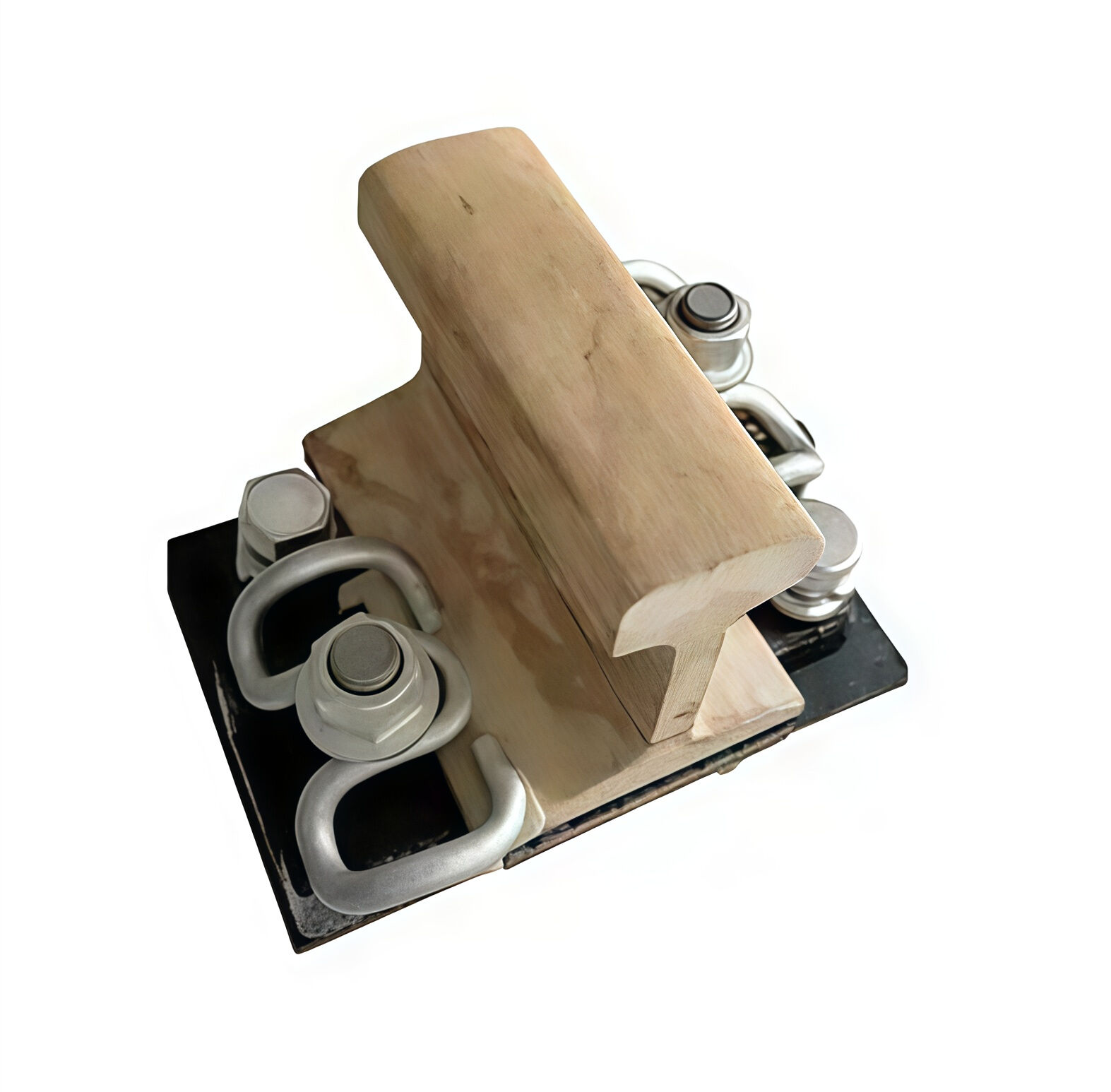
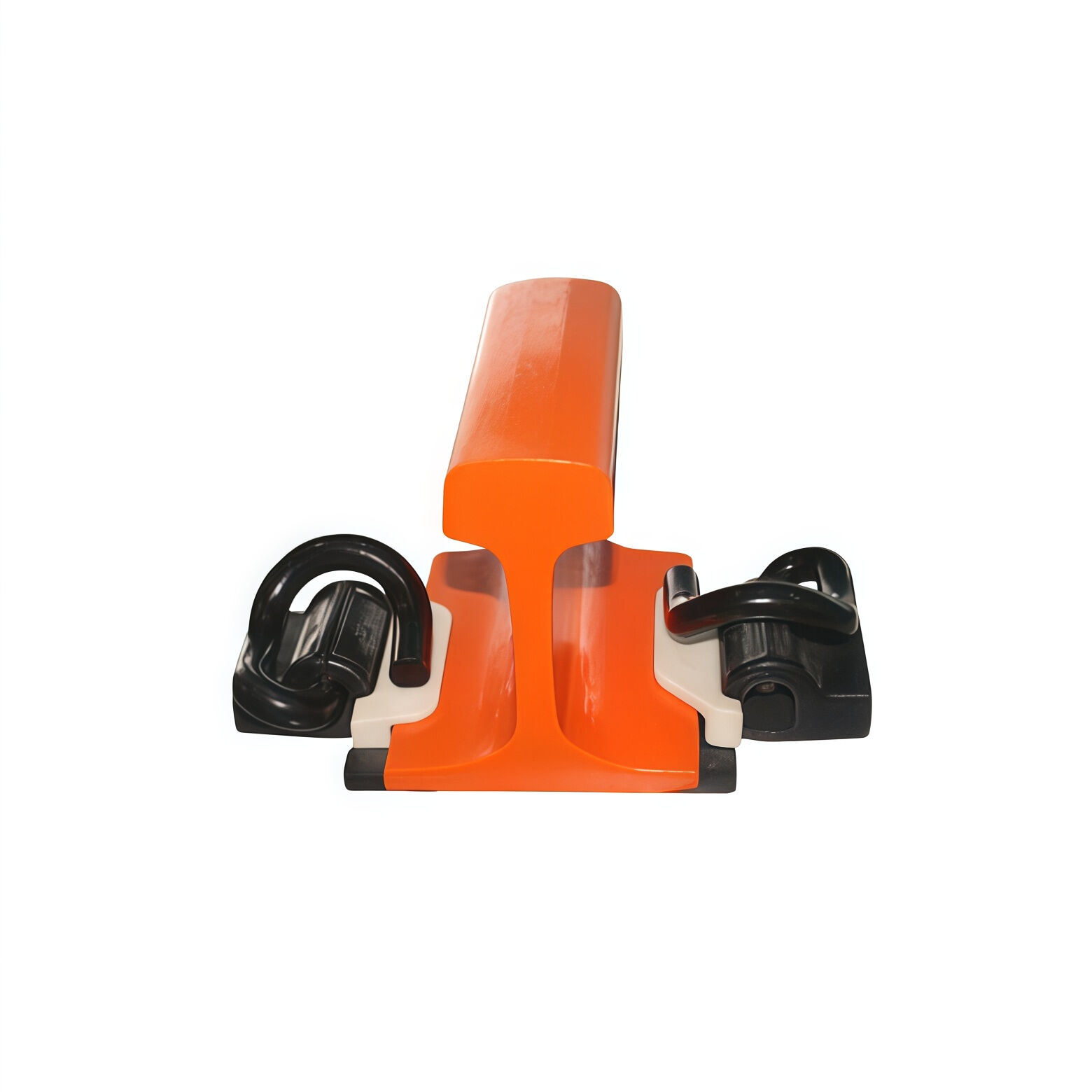
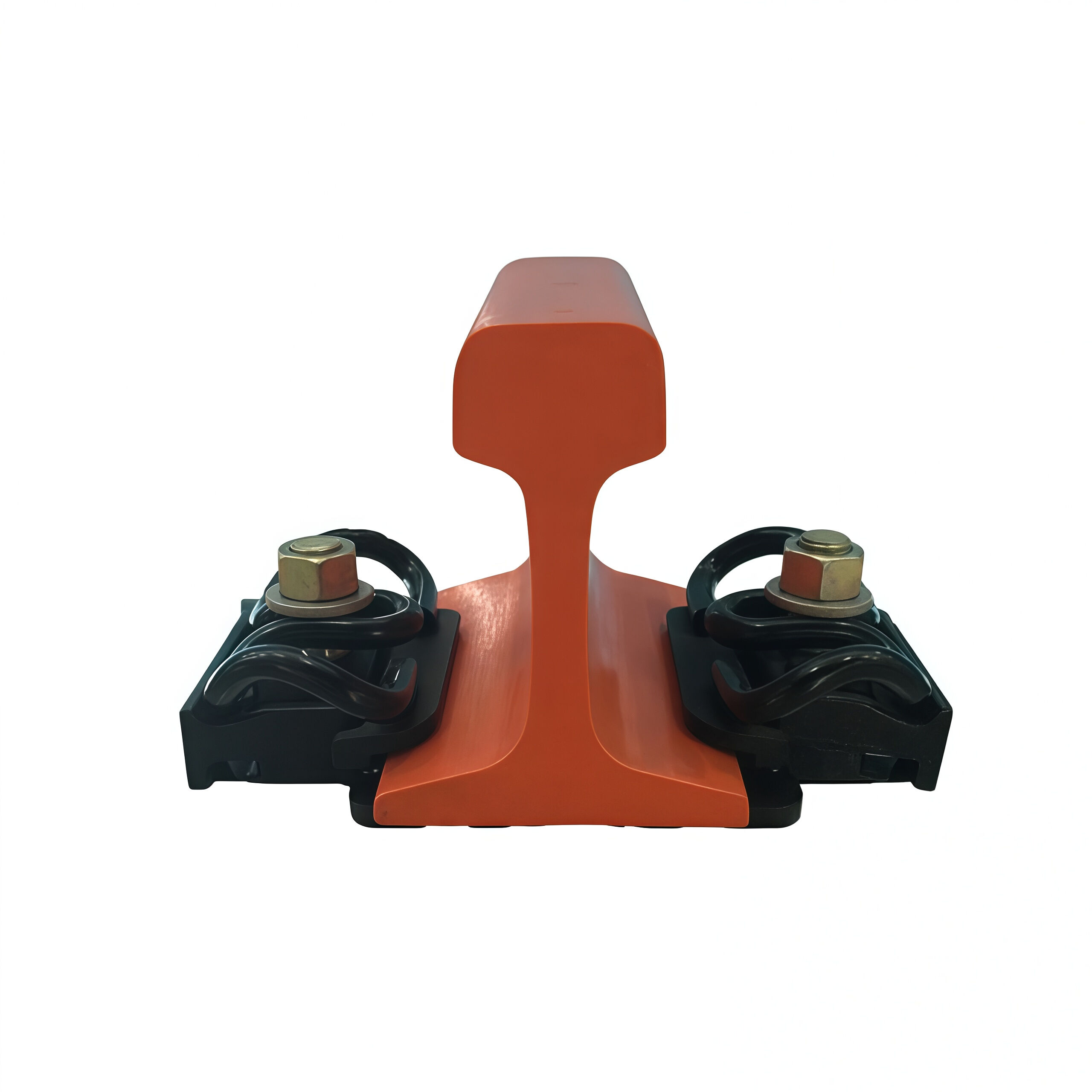
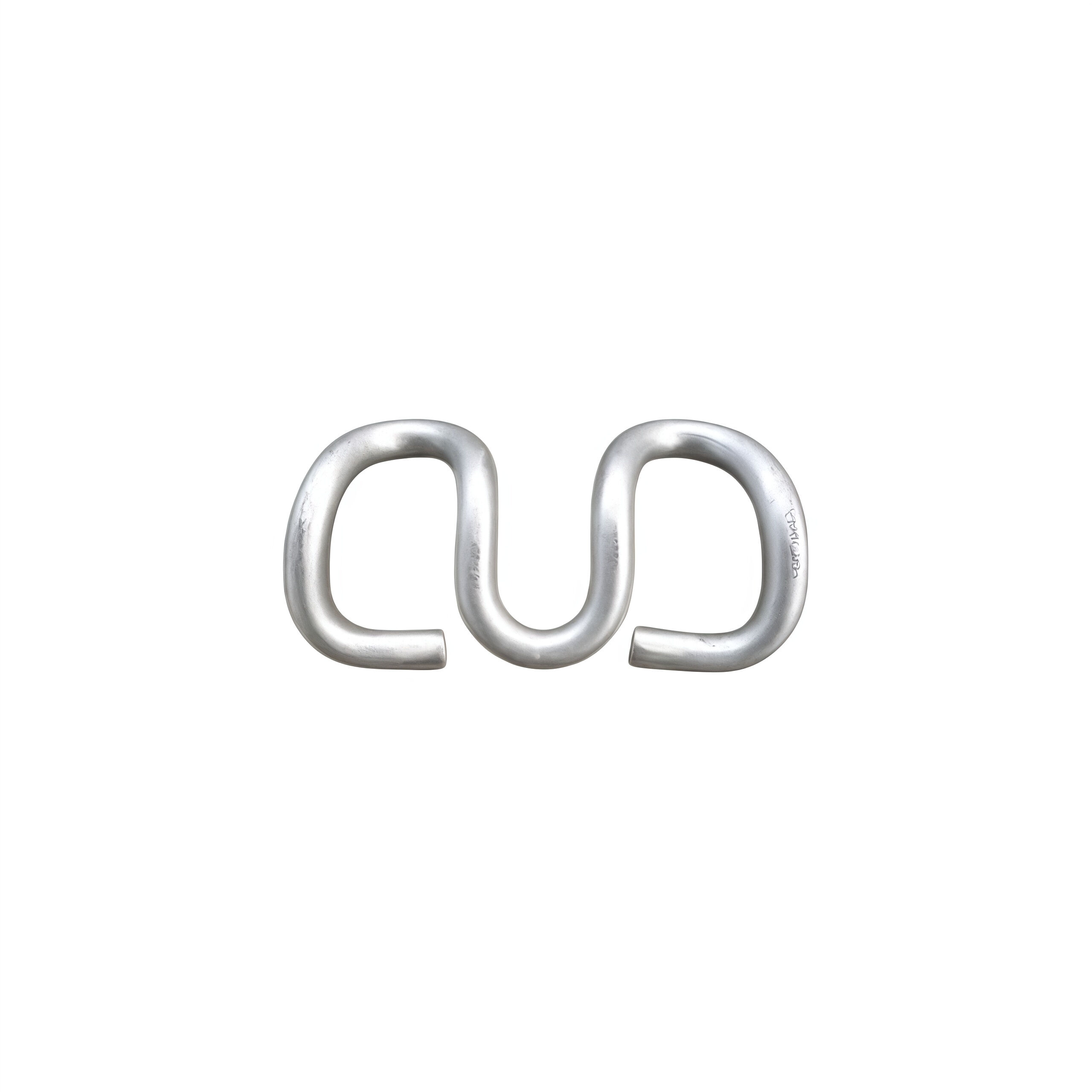
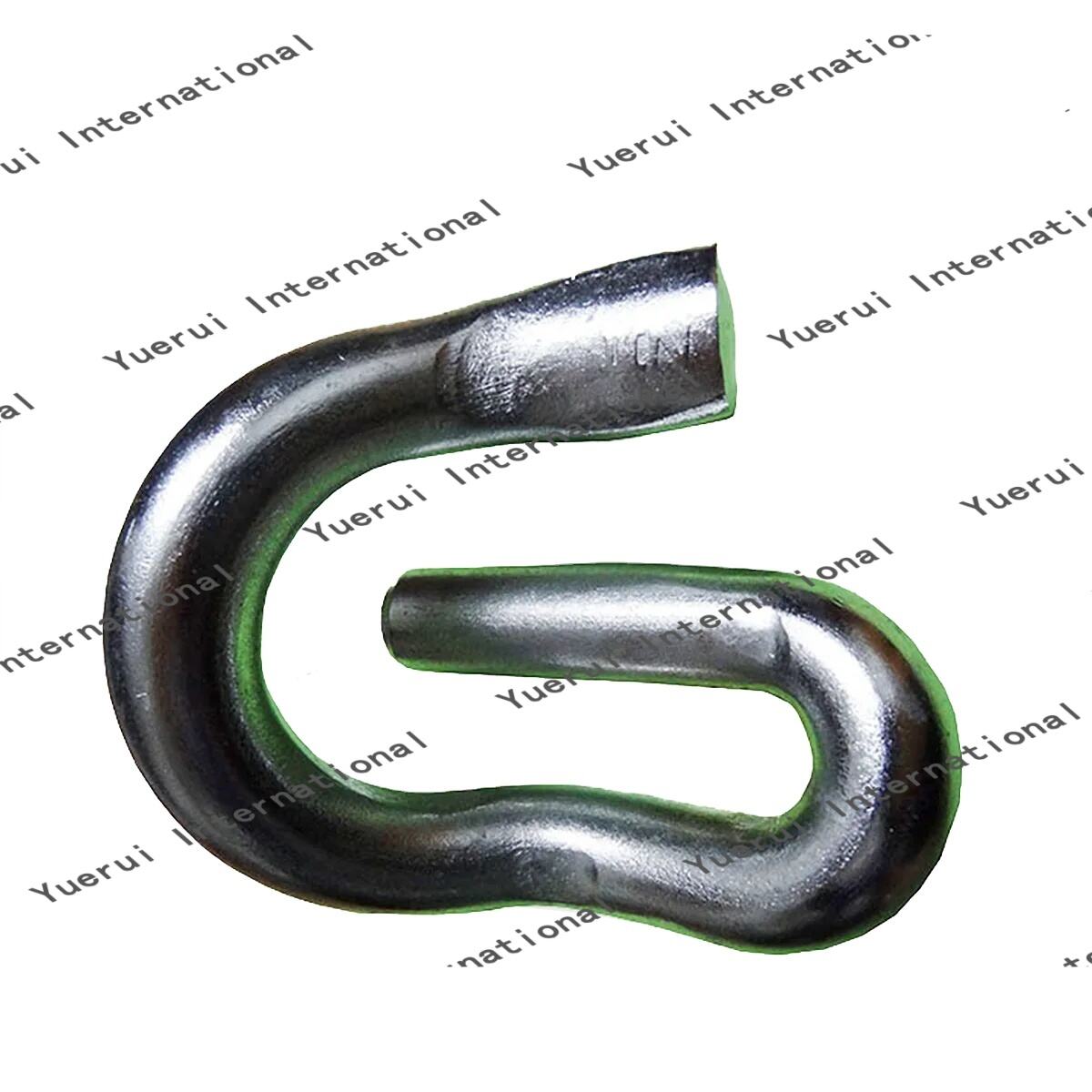
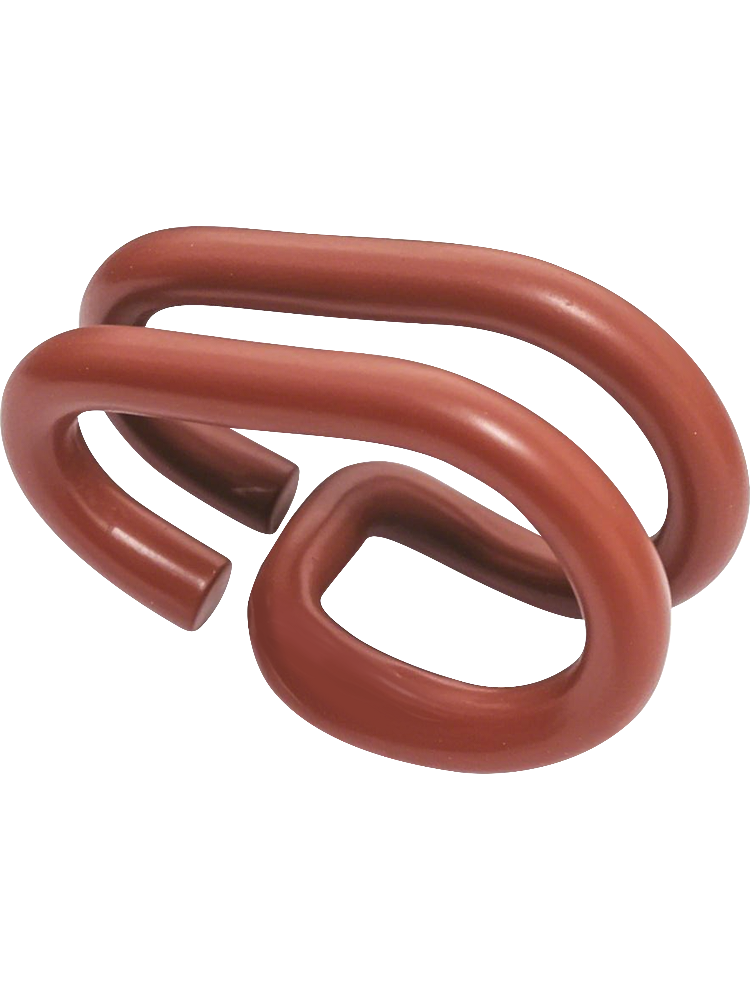
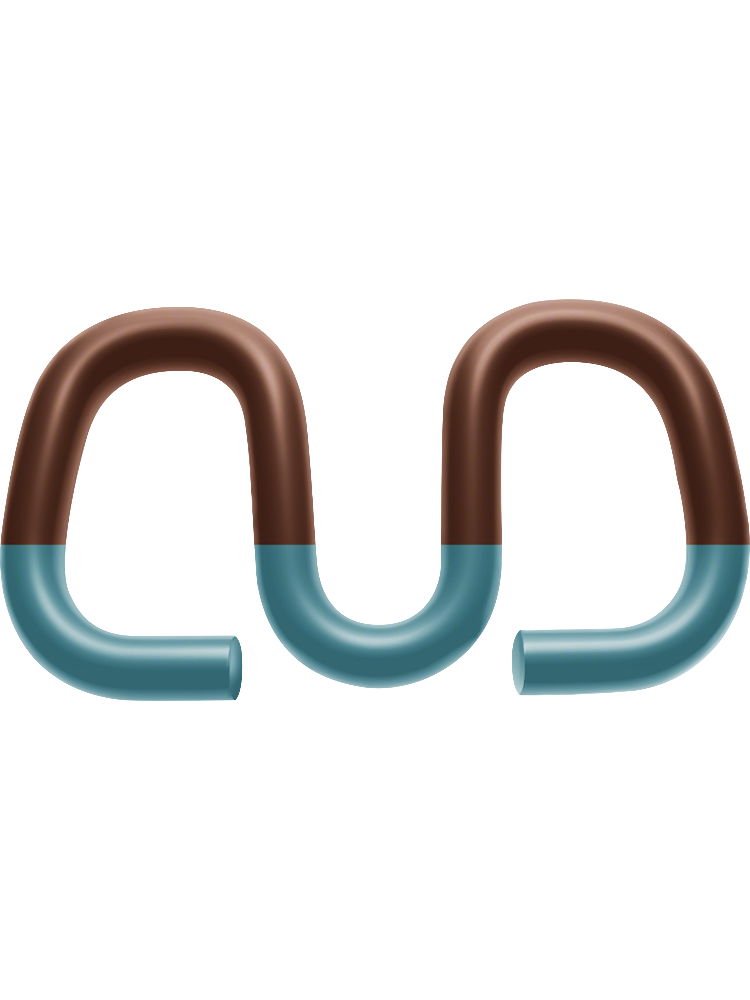
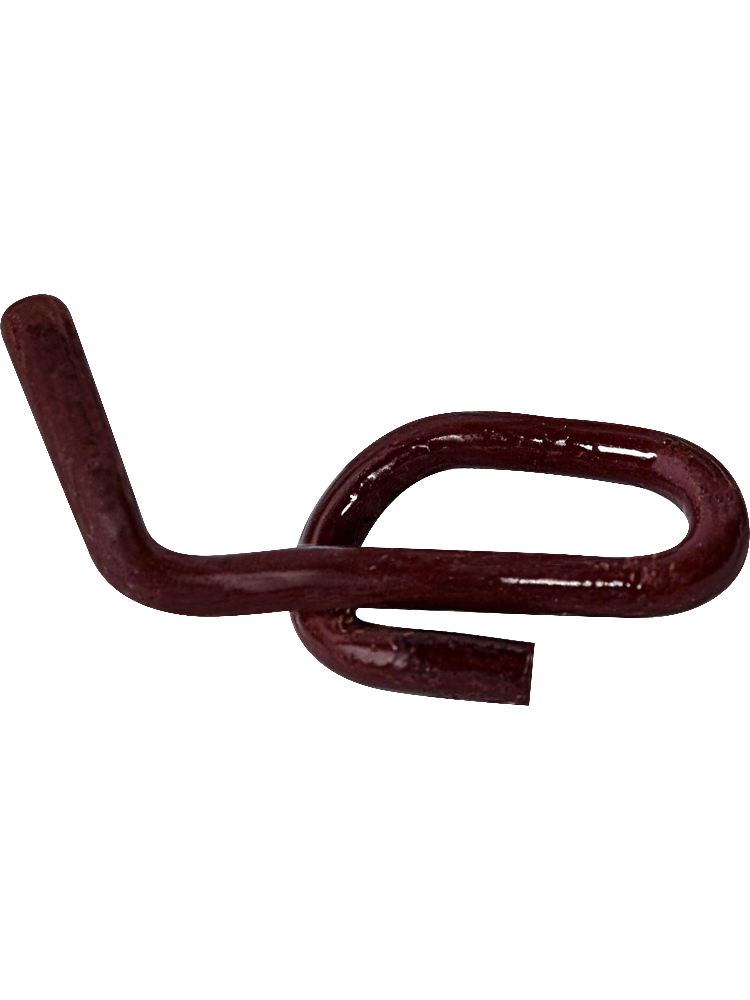
The spring steel rail clip represents a critical component in modern railway infrastructure, serving as an essential fastening system that secures rails to railroad ties and sleepers. This innovative fastening solution utilizes the inherent elastic properties of specially treated spring steel to create a reliable, durable connection between track components. The spring steel rail clip functions primarily as a mechanical anchor, applying consistent downward pressure on the rail foot while accommodating the natural expansion and contraction that occurs due to temperature fluctuations and train traffic loads. The technological foundation of the spring steel rail clip lies in its carefully engineered metallurgy, combining high-carbon steel alloys with precise heat treatment processes to achieve optimal spring characteristics. This manufacturing approach ensures the clip maintains its elastic properties under repeated stress cycles while resisting fatigue failure. The clip's design incorporates specific geometric features, including curved sections that distribute load evenly and contact points strategically positioned to maximize holding force. Railway systems worldwide rely on spring steel rail clips to maintain track alignment and prevent rail movement during train operations. These clips accommodate both standard gauge and narrow gauge applications, making them versatile solutions for diverse transportation networks. The spring steel rail clip's ability to maintain consistent clamping force over extended periods reduces maintenance requirements and enhances overall track stability. Installation procedures for spring steel rail clips are straightforward, requiring standard railway maintenance equipment and minimal specialized training. The clip's design allows for quick removal and replacement during maintenance operations without disturbing adjacent track components. Modern spring steel rail clip variants feature corrosion-resistant coatings that extend service life in harsh environmental conditions, including coastal areas with salt exposure and regions experiencing extreme temperature variations.

New Product Recommendations

Spring steel rail clips offer numerous practical benefits that make them the preferred choice for railway fastening applications across diverse operational environments. The primary advantage lies in their exceptional durability, as the spring steel construction withstands millions of load cycles without losing mechanical properties. This longevity translates directly into reduced replacement costs and extended maintenance intervals, providing significant economic benefits for railway operators. The elastic nature of spring steel allows these clips to accommodate thermal expansion and contraction of rails, preventing stress concentrations that could lead to track damage or derailment risks. Railway maintenance teams appreciate the straightforward installation process of spring steel rail clips, which requires no specialized equipment beyond standard track maintenance tools. The clips secure quickly into position and maintain consistent clamping force immediately upon installation, eliminating the need for complex adjustment procedures or follow-up inspections. Cost-effectiveness represents another major advantage, as spring steel rail clips typically cost less than alternative fastening systems while delivering superior performance metrics. The clips' ability to distribute loads evenly across the rail foot reduces wear on both the rail and underlying support structures, extending the service life of the entire track system. Environmental resistance makes spring steel rail clips suitable for challenging operating conditions, including extreme temperatures, moisture exposure, and chemical contamination from industrial applications. The clips maintain their holding strength regardless of weather conditions, ensuring consistent track stability throughout seasonal changes. Spring steel rail clips also provide excellent vibration dampening properties, reducing noise transmission and improving ride quality for passengers and cargo. This vibration control extends beyond comfort considerations to include reduced wear on rolling stock components and decreased maintenance requirements for both tracks and vehicles. The standardized dimensions of spring steel rail clips ensure compatibility with existing infrastructure, allowing for seamless integration during track upgrades or maintenance operations. Railway engineers value the predictable performance characteristics of spring steel rail clips, which simplify design calculations and safety assessments for new construction projects. The clips' resistance to loosening under dynamic loads eliminates the need for frequent re-tightening, reducing labor costs and improving operational efficiency.

Practical Tips

What Are the Key Quality Standards for Rail Spike Production

24

Nov

What Are the Key Quality Standards for Rail Spike Production

Rail spike production represents a critical component in railway infrastructure development, requiring adherence to stringent quality standards that ensure the safety and longevity of rail systems worldwide. The manufacturing process of these essenti...
View More
How Do Baseplates Improve Stability and Safety in Railway Construction?

18

Dec

How Do Baseplates Improve Stability and Safety in Railway Construction?

Railway infrastructure forms the backbone of modern transportation systems, where every component plays a crucial role in ensuring safe and efficient operations. Among these essential components, railway baseplates serve as fundamental elements that ...
View More
How Do Dog Spikes Affect Track Alignment and Train Safety?

18

Dec

How Do Dog Spikes Affect Track Alignment and Train Safety?

Railway infrastructure depends on countless components working in harmony to ensure safe and efficient train operations. Among these critical elements, the dog spike stands as one of the most fundamental yet often overlooked fastening systems that se...
View More
How Do Elastic Strips Improve Track Stability and Vibration Control?

18

Dec

How Do Elastic Strips Improve Track Stability and Vibration Control?

Track systems used in railways, industrial transport, and heavy-duty infrastructure are constantly exposed to dynamic loads, repeated impacts, and environmental stress. One of the most effective yet often underestimated components in these systems is...
View More

Get a Free Quote

Our representative will contact you soon.
Email
Name
Company Name
Message
0/1000

spring steel rail clip

Superior Load Distribution and Track Stability

Superior Load Distribution and Track Stability

The spring steel rail clip's engineered geometry creates an optimal load distribution pattern that significantly enhances overall track stability and performance. Unlike rigid fastening systems, the spring steel rail clip utilizes its elastic properties to maintain consistent contact pressure across the entire rail foot interface, preventing localized stress concentrations that can lead to premature wear or structural failure. This distributed loading approach ensures that forces from passing trains are transferred smoothly from the rail through the clip system to the underlying support structure. The clip's curved design elements work in harmony with the natural deflection characteristics of the rail, creating a dynamic fastening system that responds appropriately to varying load conditions. Heavy freight operations particularly benefit from this load distribution capability, as the spring steel rail clip can accommodate the high axle loads and dynamic forces associated with modern freight transportation without compromising track integrity. The consistent pressure application prevents rail movement in all directions, including lateral shifting, vertical lifting, and longitudinal creep, which are common issues in high-traffic railway corridors. Field testing has demonstrated that tracks secured with spring steel rail clips maintain better geometric alignment over time compared to alternative fastening methods, resulting in smoother train operations and reduced maintenance requirements. The clip's ability to maintain proper rail gauge under load prevents wheel-rail interface problems that can lead to increased wear rates and potential safety concerns. Railway operators report significant improvements in track stability measurements when upgrading to spring steel rail clip systems, with reduced instances of track irregularities and extended inspection intervals. The superior load distribution also contributes to reduced ballast degradation, as forces are transmitted more evenly to the subgrade, preserving the structural integrity of the track foundation over extended service periods.
Enhanced Durability Through Advanced Metallurgy

Enhanced Durability Through Advanced Metallurgy

The exceptional durability of spring steel rail clips stems from sophisticated metallurgical engineering that optimizes material properties for demanding railway applications. The manufacturing process begins with carefully selected high-carbon steel alloys that provide the foundation for superior mechanical characteristics, including high tensile strength, excellent fatigue resistance, and optimal elastic modulus values. Advanced heat treatment procedures transform the base material into a spring steel with precisely controlled hardness and toughness properties, ensuring the clip maintains its performance characteristics throughout its service life. The heat treatment process involves controlled heating and cooling cycles that create a microstructure optimized for cyclic loading conditions typical in railway operations. Quality control measures during manufacturing include comprehensive testing of mechanical properties, dimensional accuracy verification, and surface finish inspection to ensure each spring steel rail clip meets stringent industry standards. The resulting product demonstrates remarkable resistance to fatigue failure, withstanding millions of loading cycles that occur during normal railway operations without developing cracks or permanent deformation. Corrosion resistance receives special attention through the application of protective coatings that prevent material degradation in harsh environmental conditions, including exposure to moisture, chemicals, and temperature extremes. These protective treatments extend the service life of spring steel rail clips significantly beyond that of unprotected fasteners, reducing replacement frequency and associated maintenance costs. Laboratory testing protocols simulate decades of service conditions in accelerated timeframes, validating the long-term durability predictions for spring steel rail clip installations. Field performance data collected from installations worldwide confirms the laboratory predictions, with many spring steel rail clips remaining in service for decades without requiring replacement. The superior durability characteristics make spring steel rail clips particularly valuable in remote locations where maintenance access is limited and component reliability is critical for operational continuity. Railway maintenance departments report substantial cost savings attributed to the extended service life of spring steel rail clips compared to alternative fastening systems.

Operational Efficiency and Maintenance Benefits

Operational Efficiency and Maintenance Benefits

Spring steel rail clips deliver significant operational efficiency improvements and maintenance cost reductions that provide substantial value to railway operators and infrastructure managers. The installation process for spring steel rail clips streamlines maintenance operations by eliminating complex assembly procedures and specialized equipment requirements typically associated with alternative fastening systems. Maintenance crews can install or replace spring steel rail clips using standard track maintenance tools, reducing equipment costs and simplifying crew training requirements. The clips engage immediately upon installation, providing full clamping force without adjustment periods or settling time, which accelerates maintenance window completion and minimizes service disruptions. Inspection procedures for spring steel rail clips are straightforward and can be incorporated into routine track inspection activities without requiring specialized detection equipment or extensive training programs. Visual inspection methods effectively identify potential issues, while the clips' standardized appearance makes condition assessment quick and reliable. The spring steel rail clip's resistance to loosening under operational loads eliminates the need for periodic re-tightening maintenance, which is common with bolted fastening systems and represents a significant labor cost savings over the track's service life. Replacement operations benefit from the clip's simple engagement mechanism, allowing single-clip replacement without disturbing adjacent fasteners or requiring track geometry adjustments. This selective replacement capability minimizes maintenance costs by addressing only worn components rather than requiring wholesale fastener replacement. Emergency repair scenarios particularly benefit from spring steel rail clip characteristics, as temporary repairs can be implemented quickly to restore service, with permanent repairs scheduled during planned maintenance windows. The clips' compatibility with standard rail profiles and tie configurations ensures that spare parts inventory requirements remain manageable, reducing storage costs and simplifying procurement processes. Railway maintenance supervisors report improved crew productivity when working with spring steel rail clip systems, as the simplified procedures allow more track distance to be covered during allocated maintenance windows. The reduced maintenance frequency associated with spring steel rail clips allows maintenance resources to be allocated to other critical infrastructure needs, improving overall system reliability and performance.

Get a Free Quote

Our representative will contact you soon.
Email
Name
Company Name
Message
0/1000