Premium Railway Track Fasteners: Advanced Solutions for Superior Rail Infrastructure Performance

All Categories

fasteners in railway track

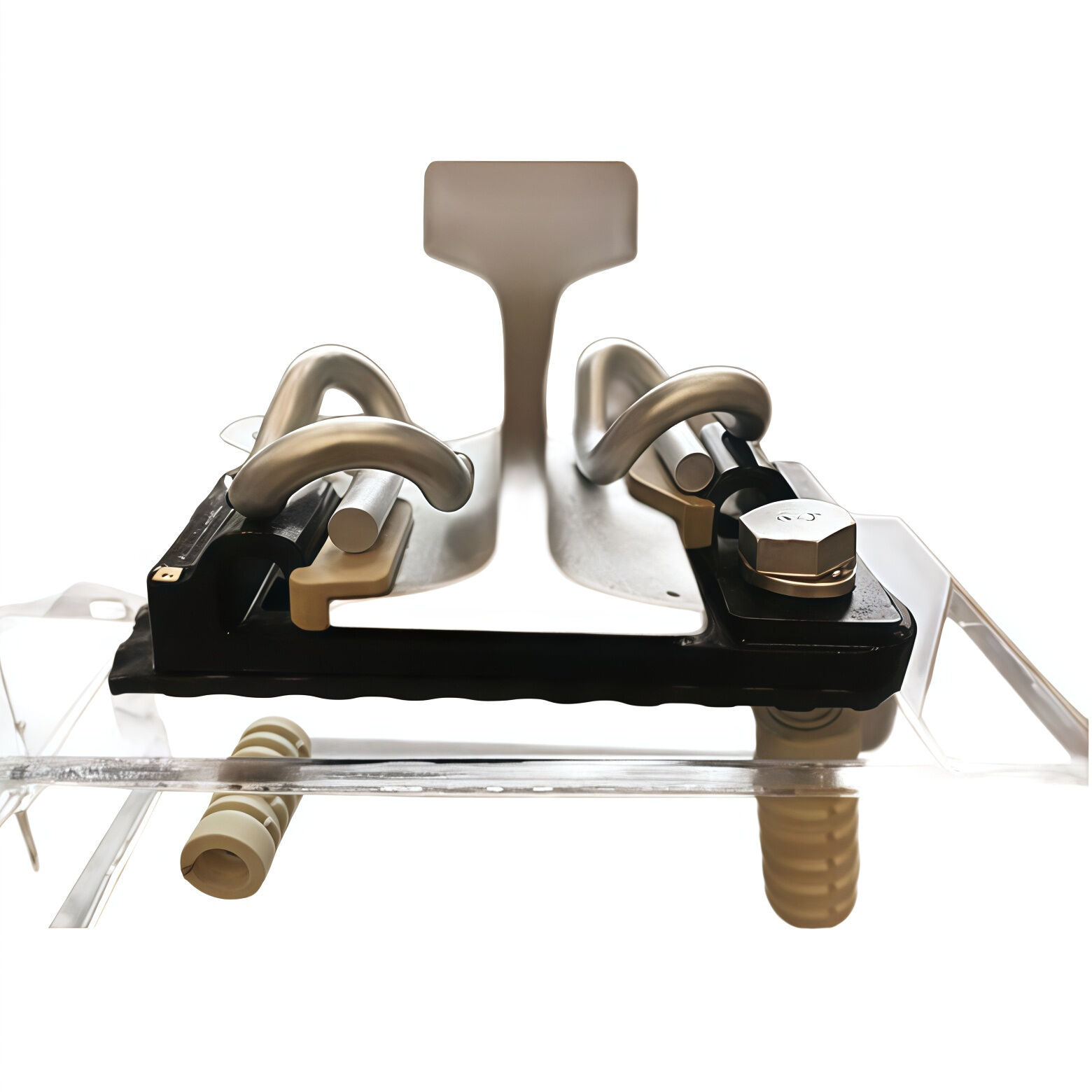
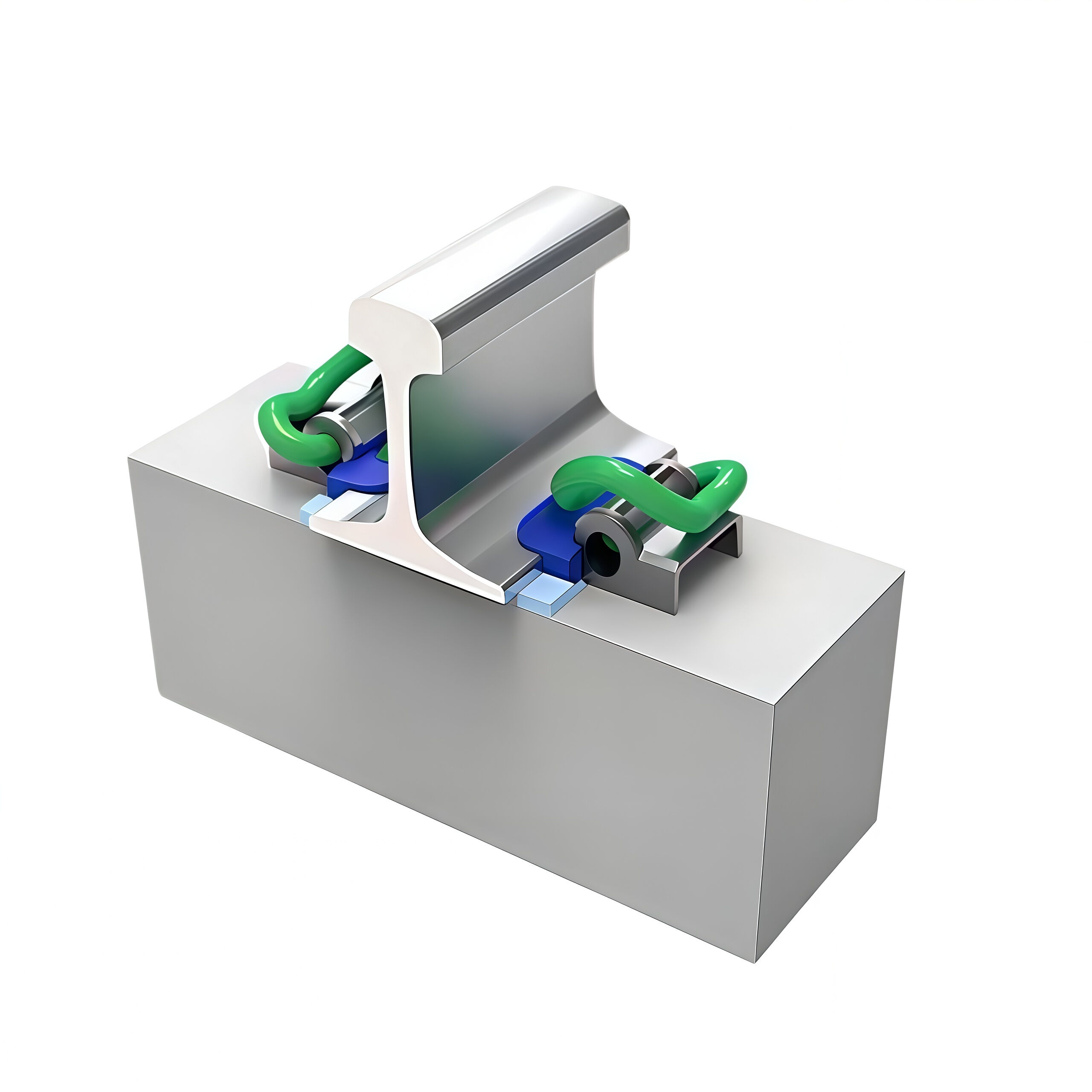
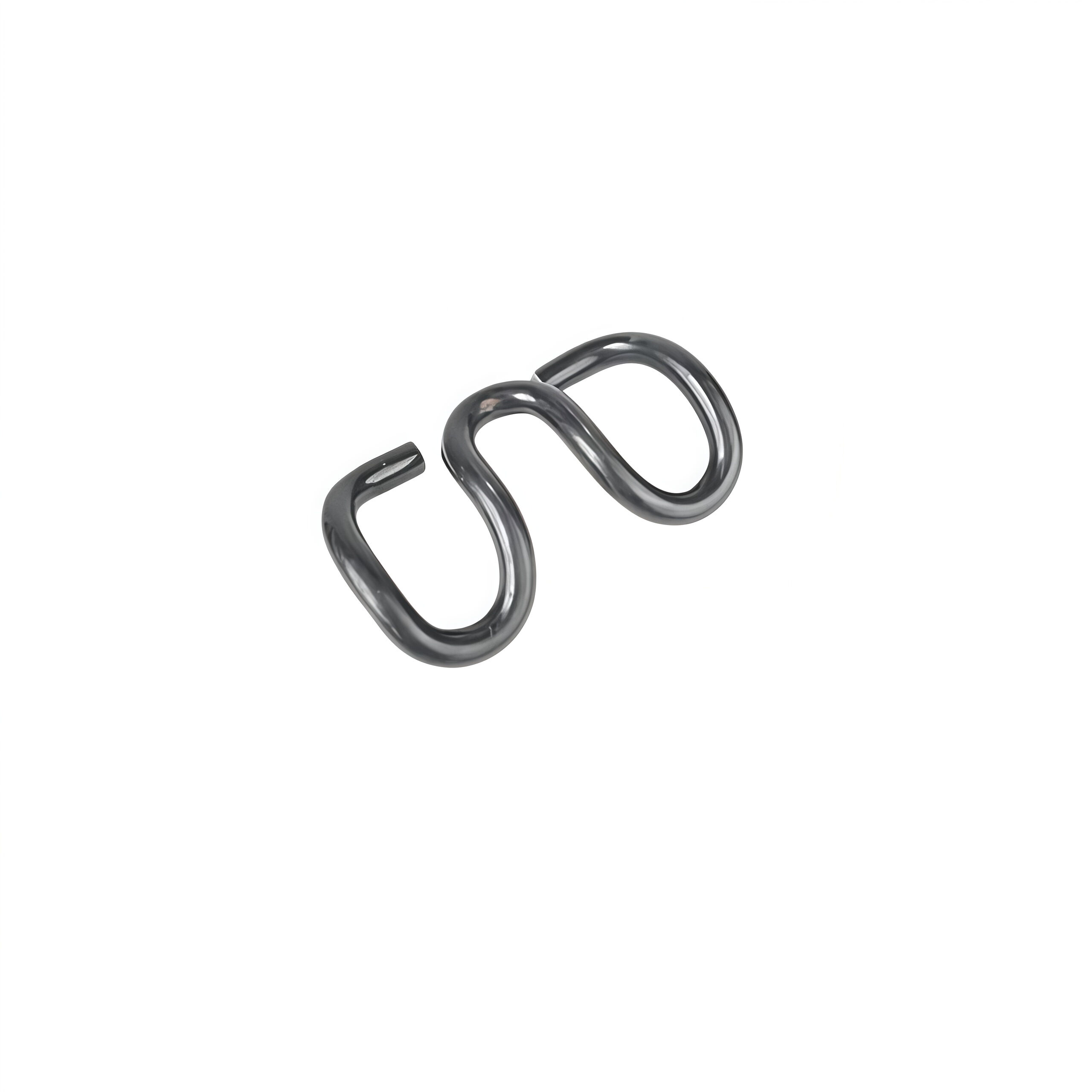
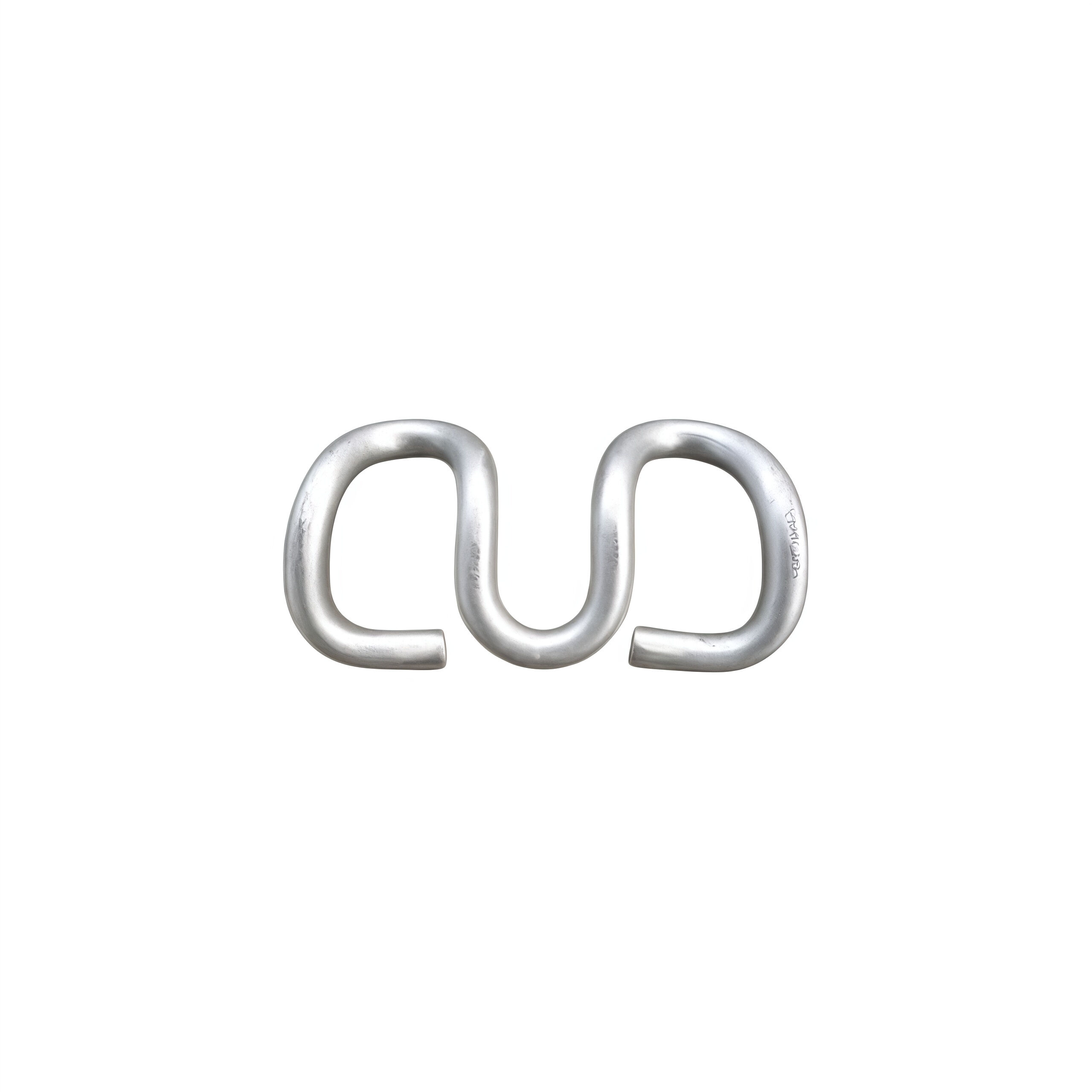
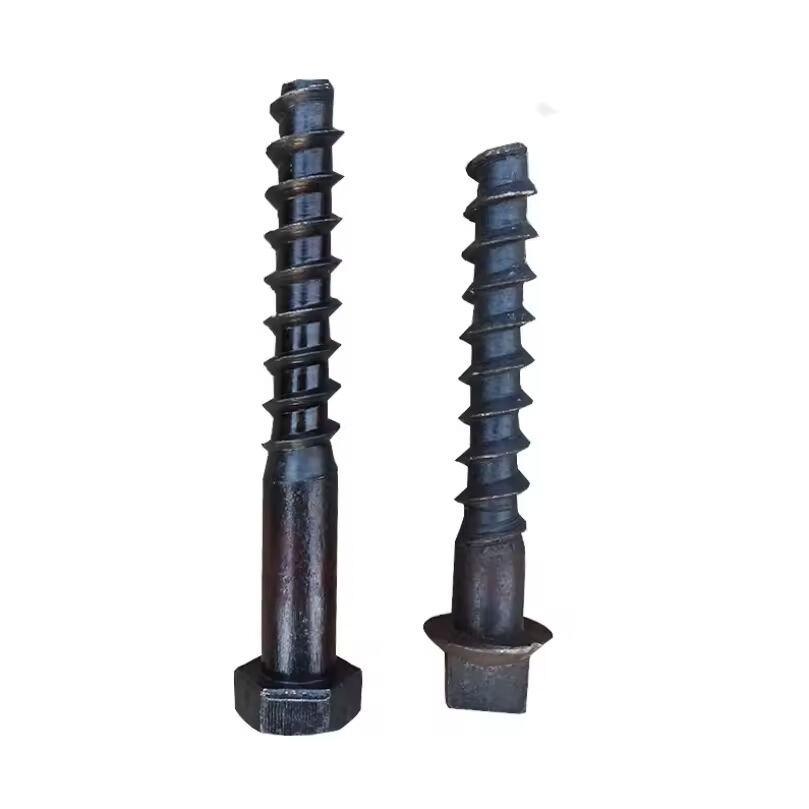
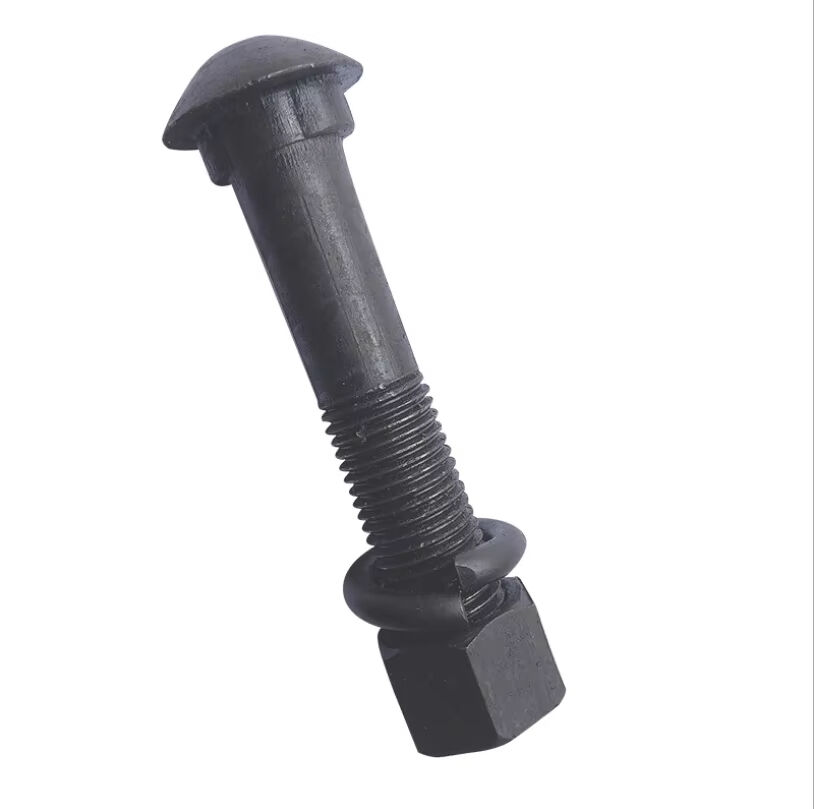
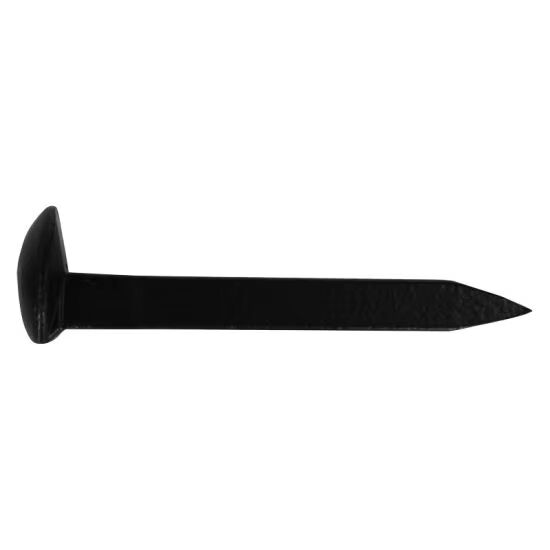
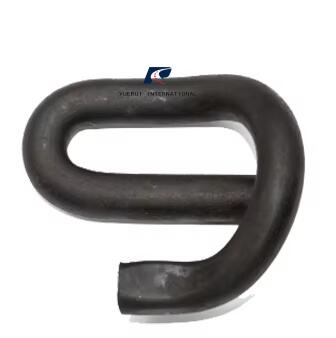
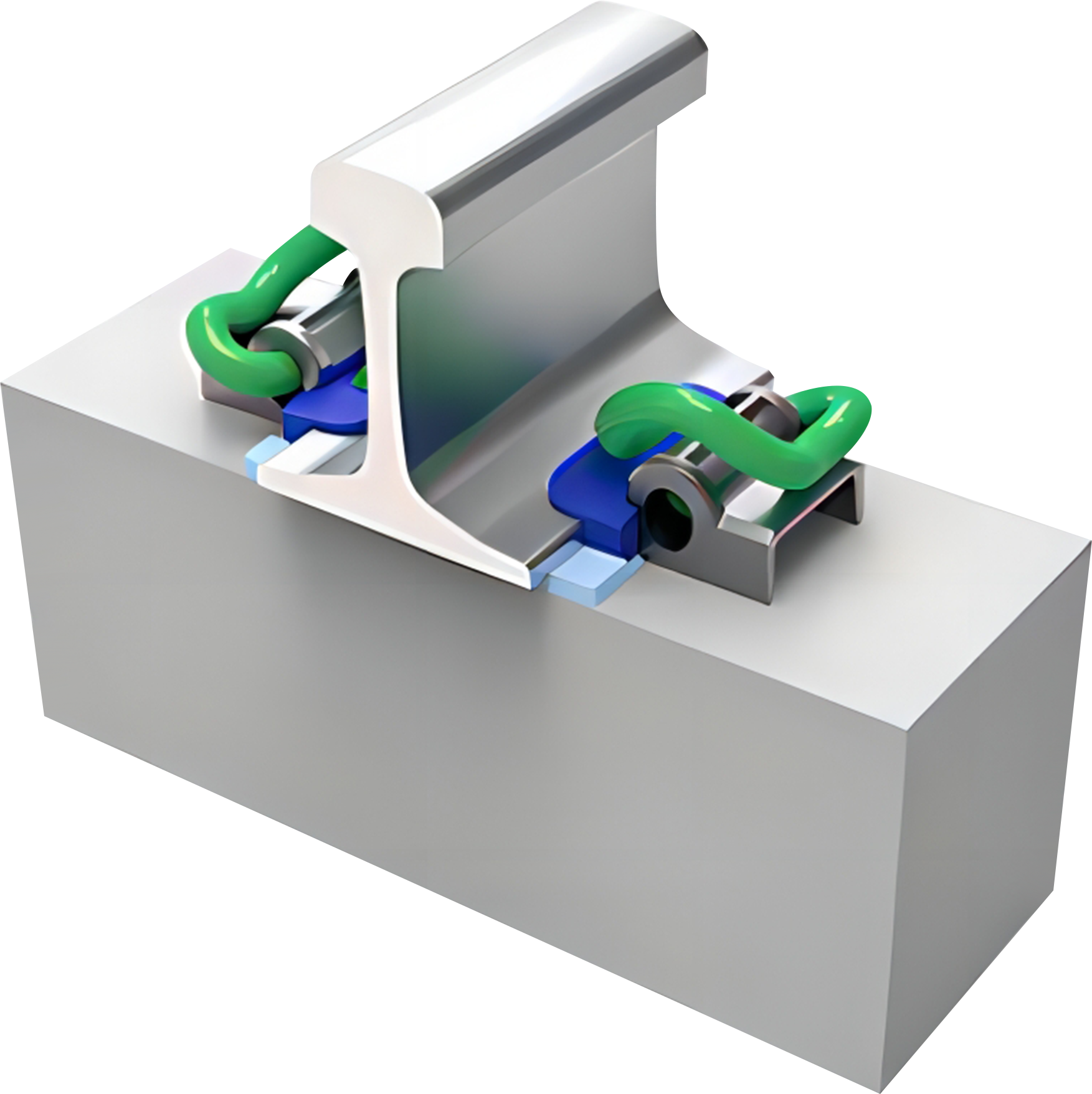
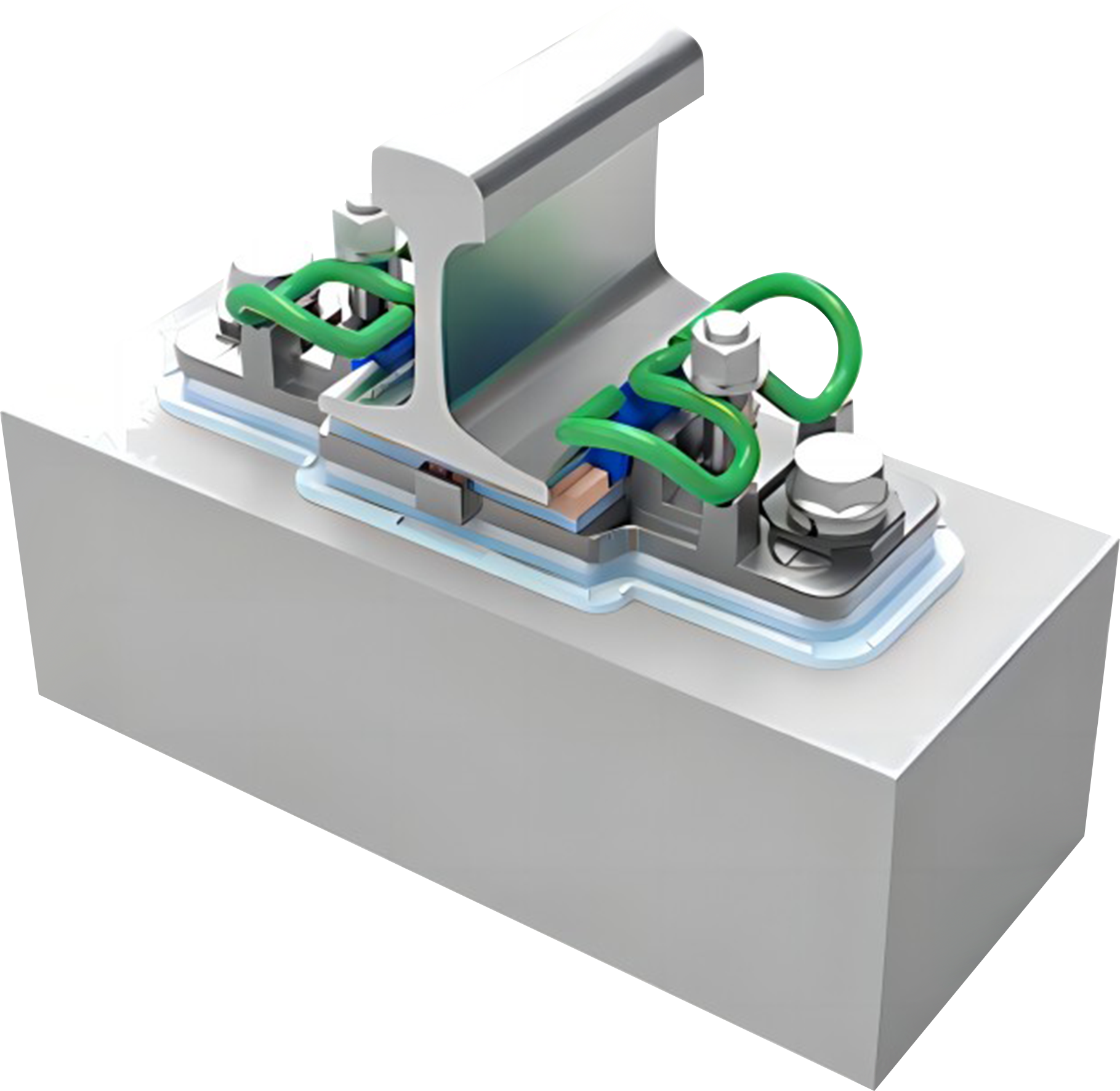
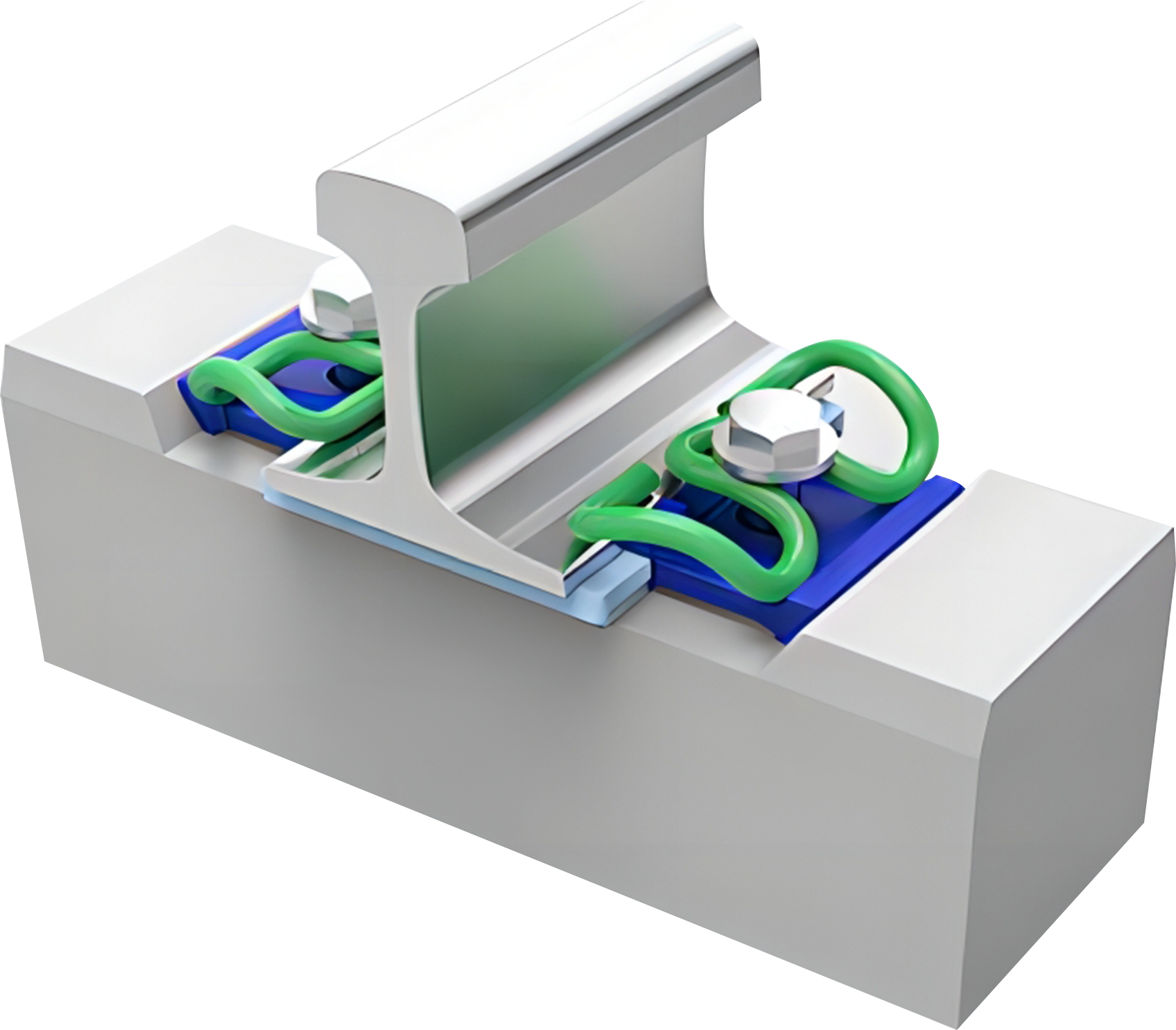
Railway track fasteners represent critical infrastructure components that secure rails to railway sleepers or ties, ensuring safe and efficient train operations across global transportation networks. These sophisticated mechanical systems play an indispensable role in maintaining track stability, gauge accuracy, and overall railway performance. Modern fasteners in railway track incorporate advanced engineering principles to withstand enormous dynamic loads, temperature variations, and environmental stresses that characterize heavy-duty rail operations. The primary function of these fastening systems involves creating secure connections between steel rails and concrete or wooden sleepers while allowing controlled movement that accommodates thermal expansion and contraction. Railway track fasteners must simultaneously provide vertical restraint to prevent rail uplift, lateral restraint to maintain proper gauge width, and longitudinal restraint to resist rail creep under heavy traffic loads. Contemporary fastening technologies utilize high-strength materials including specialized steel alloys, reinforced polymers, and corrosion-resistant coatings that extend service life and reduce maintenance requirements. These systems incorporate elastic components such as rubber pads, polymer insulators, and spring clips that provide electrical isolation between rails and ground while dampening vibrations and noise transmission. Advanced fasteners in railway track feature modular designs that facilitate rapid installation, adjustment, and replacement during maintenance operations. The technological evolution of railway fastening systems has produced various configurations including clip-based systems, bolt assemblies, and integrated solutions that accommodate different rail profiles, sleeper materials, and operational requirements. Quality fasteners in railway track undergo rigorous testing protocols including fatigue analysis, corrosion resistance evaluation, and dynamic load testing to ensure compliance with international railway standards and safety regulations.

New Product Releases

Railway track fasteners deliver substantial operational benefits that directly impact transportation efficiency, safety, and cost-effectiveness for railway operators worldwide. These essential components significantly enhance track stability by creating robust connections that maintain precise rail positioning under extreme operational conditions including heavy freight loads, high-speed passenger services, and varying weather patterns. Superior fasteners in railway track reduce maintenance costs through their extended service life and resistance to wear, corrosion, and mechanical failure, allowing operators to minimize track downtime and expensive emergency repairs. The improved vibration dampening characteristics of modern fastening systems contribute to smoother train operations, reduced noise pollution for surrounding communities, and enhanced passenger comfort during travel. Advanced fasteners in railway track incorporate quick-release mechanisms and standardized components that accelerate maintenance procedures, enabling track crews to complete repairs and upgrades more efficiently while reducing labor costs and service interruptions. These systems provide excellent electrical isolation properties that support modern signaling and communication systems while preventing electrical interference and ground faults that could compromise safety operations. The superior load distribution capabilities of quality fasteners in railway track extend the operational life of both rails and sleepers by preventing stress concentrations and uneven wear patterns that typically result from inadequate fastening systems. Enhanced corrosion resistance features protect critical components from environmental damage, particularly important in coastal areas, industrial zones, and regions with harsh weather conditions. Modern fasteners in railway track accommodate thermal expansion and contraction cycles without compromising structural integrity, preventing rail buckling and gap formation that could lead to dangerous operating conditions. The standardized designs of contemporary fastening systems facilitate inventory management, reduce procurement costs, and ensure compatibility across different railway networks and maintenance equipment. Quality fasteners in railway track contribute to improved safety records by maintaining consistent gauge width, preventing rail displacement, and providing reliable performance under emergency braking conditions and extreme weather events.

Practical Tips

Why Rail Contractors Prefer Forged Railroad Dog Spikes

24

Nov

Why Rail Contractors Prefer Forged Railroad Dog Spikes

Railroad construction and maintenance projects demand precision, durability, and unwavering reliability in every component used. Among the critical fastening elements that secure rails to railroad ties, forged railroad dog spikes have emerged as the ...
View More
What Are the Key Quality Standards for Rail Spike Production

24

Nov

What Are the Key Quality Standards for Rail Spike Production

Rail spike production represents a critical component in railway infrastructure development, requiring adherence to stringent quality standards that ensure the safety and longevity of rail systems worldwide. The manufacturing process of these essenti...
View More
How Do Dog Spikes Affect Track Alignment and Train Safety?

18

Dec

How Do Dog Spikes Affect Track Alignment and Train Safety?

Railway infrastructure depends on countless components working in harmony to ensure safe and efficient train operations. Among these critical elements, the dog spike stands as one of the most fundamental yet often overlooked fastening systems that se...
View More
How Do Elastic Strips Support High-Speed and Heavy Rail Traffic?

05

Jan

How Do Elastic Strips Support High-Speed and Heavy Rail Traffic?

Modern railway infrastructure faces unprecedented demands as transportation networks evolve to accommodate higher speeds and heavier cargo loads. The foundation of reliable rail systems depends heavily on innovative engineering solutions that can abs...
View More

Get a Free Quote

Our representative will contact you soon.
Email
Name
Company Name
Message
0/1000

fasteners in railway track

Advanced Load Distribution Technology

Advanced Load Distribution Technology

The sophisticated load distribution technology integrated into modern fasteners in railway track represents a revolutionary advancement in railway infrastructure engineering. This innovative approach utilizes precisely engineered contact surfaces, optimized geometry, and strategic material placement to distribute enormous operational loads across broader areas of the track structure. Advanced fasteners in railway track incorporate multi-point load transfer mechanisms that prevent stress concentrations at critical connection points, significantly extending the operational life of both rails and sleepers while reducing maintenance requirements. The technology employs computer-aided design principles to optimize load paths, ensuring that dynamic forces generated by heavy freight trains and high-speed passenger services are efficiently transmitted through the fastening system without creating destructive stress patterns. These fasteners in railway track feature specially designed base plates, clips, and insulators that work together to create uniform pressure distribution, preventing localized deformation and premature component failure. The load distribution system accommodates various operational scenarios including emergency braking events, lateral forces during cornering, and vertical impacts from wheel-rail interactions, maintaining structural integrity under all conditions. Quality fasteners in railway track with advanced load distribution technology demonstrate superior performance in fatigue testing, withstanding millions of load cycles that simulate decades of operational service. This technology reduces the risk of rail seat deterioration, a common problem that leads to expensive track repairs and service disruptions. The enhanced load distribution characteristics also contribute to improved ride quality by minimizing track deflection and maintaining consistent rail geometry, resulting in smoother train operations and reduced wear on rolling stock components. Railway operators benefit from decreased life-cycle costs as these advanced fasteners in railway track require fewer replacements and generate lower maintenance expenses throughout their extended service life. The technology supports sustainable railway operations by reducing material consumption, minimizing waste generation, and extending infrastructure replacement cycles, contributing to environmental conservation goals while maintaining high safety and performance standards.
Superior Corrosion Resistance Properties

Superior Corrosion Resistance Properties

The exceptional corrosion resistance properties of modern fasteners in railway track provide crucial protection against environmental degradation that threatens railway infrastructure integrity and operational safety. These advanced fastening systems incorporate multiple layers of corrosion protection including specialized alloy compositions, protective coatings, and electrochemical treatments that create comprehensive barriers against oxidation, chemical attack, and galvanic corrosion. Quality fasteners in railway track utilize high-grade stainless steel components, zinc-aluminum coatings, and polymer barriers that maintain structural integrity even in challenging environments including coastal areas with salt exposure, industrial zones with chemical pollutants, and regions experiencing extreme temperature variations. The corrosion resistance technology extends beyond surface treatments to include material selection strategies that eliminate galvanic couples between dissimilar metals, preventing electrochemical reactions that could compromise fastening system performance. Advanced fasteners in railway track feature sealed designs that exclude moisture, debris, and corrosive substances from critical connection points, maintaining optimal clamping forces and electrical isolation properties throughout extended service periods. The superior corrosion protection reduces maintenance costs by eliminating premature component replacement, minimizing track downtime, and preventing safety hazards associated with deteriorated fastening systems. Railway operators experience significant cost savings through reduced inspection frequencies, extended replacement intervals, and decreased emergency repair requirements when utilizing fasteners in railway track with enhanced corrosion resistance. The technology proves particularly valuable in harsh operating environments where conventional fastening systems experience rapid degradation, including underground tunnels with high humidity, bridge structures exposed to weather extremes, and industrial facilities with chemical exposure. These corrosion-resistant fasteners in railway track maintain consistent performance characteristics including clamping force, electrical isolation, and dimensional stability throughout their extended service life, ensuring reliable track geometry and safe train operations. The advanced protection systems support sustainable railway development by reducing material consumption, minimizing waste generation from premature replacements, and extending infrastructure service life, contributing to environmental conservation while maintaining operational excellence.

Precision Installation and Maintenance Systems

Precision Installation and Maintenance Systems

The precision installation and maintenance systems integrated into contemporary fasteners in railway track revolutionize track construction and servicing operations through innovative design features that optimize efficiency, accuracy, and safety. These advanced fastening solutions incorporate standardized components, quick-release mechanisms, and specialized tooling interfaces that enable rapid installation procedures while ensuring precise rail positioning and optimal clamping forces. Modern fasteners in railway track feature modular designs that accommodate various rail profiles, sleeper types, and operational requirements without requiring extensive modification or specialized components, streamlining procurement and inventory management processes. The precision installation system includes detailed torque specifications, installation sequences, and quality control procedures that ensure consistent fastening performance across entire railway networks. Advanced fasteners in railway track utilize color-coded components, clear marking systems, and intuitive assembly procedures that minimize installation errors and reduce training requirements for track maintenance crews. The maintenance-friendly design incorporates accessible adjustment points, removable components, and diagnostic features that facilitate routine inspections and preventive maintenance activities. Quality fasteners in railway track support condition-based maintenance strategies through integrated monitoring capabilities that provide real-time data on clamping forces, component wear, and system performance, enabling proactive maintenance scheduling and reducing unexpected failures. The precision systems accommodate tight installation tolerances required for high-speed rail applications while maintaining flexibility for conventional freight operations, ensuring optimal performance across diverse operational scenarios. These fasteners in railway track feature standardized connection interfaces that support automated installation equipment, robotic maintenance systems, and advanced track construction machinery, improving productivity and reducing labor requirements. The precision installation technology includes comprehensive documentation, installation guides, and training materials that ensure proper implementation and long-term system performance. Railway operators benefit from reduced construction timeframes, lower labor costs, and improved quality consistency when utilizing fasteners in railway track with precision installation systems, resulting in enhanced project delivery and operational performance throughout the infrastructure lifecycle.

Get a Free Quote

Our representative will contact you soon.
Email
Name
Company Name
Message
0/1000