High-Performance Rail Rubber Pad Solutions for Enhanced Railway Infrastructure

All Categories

rail rubber pad

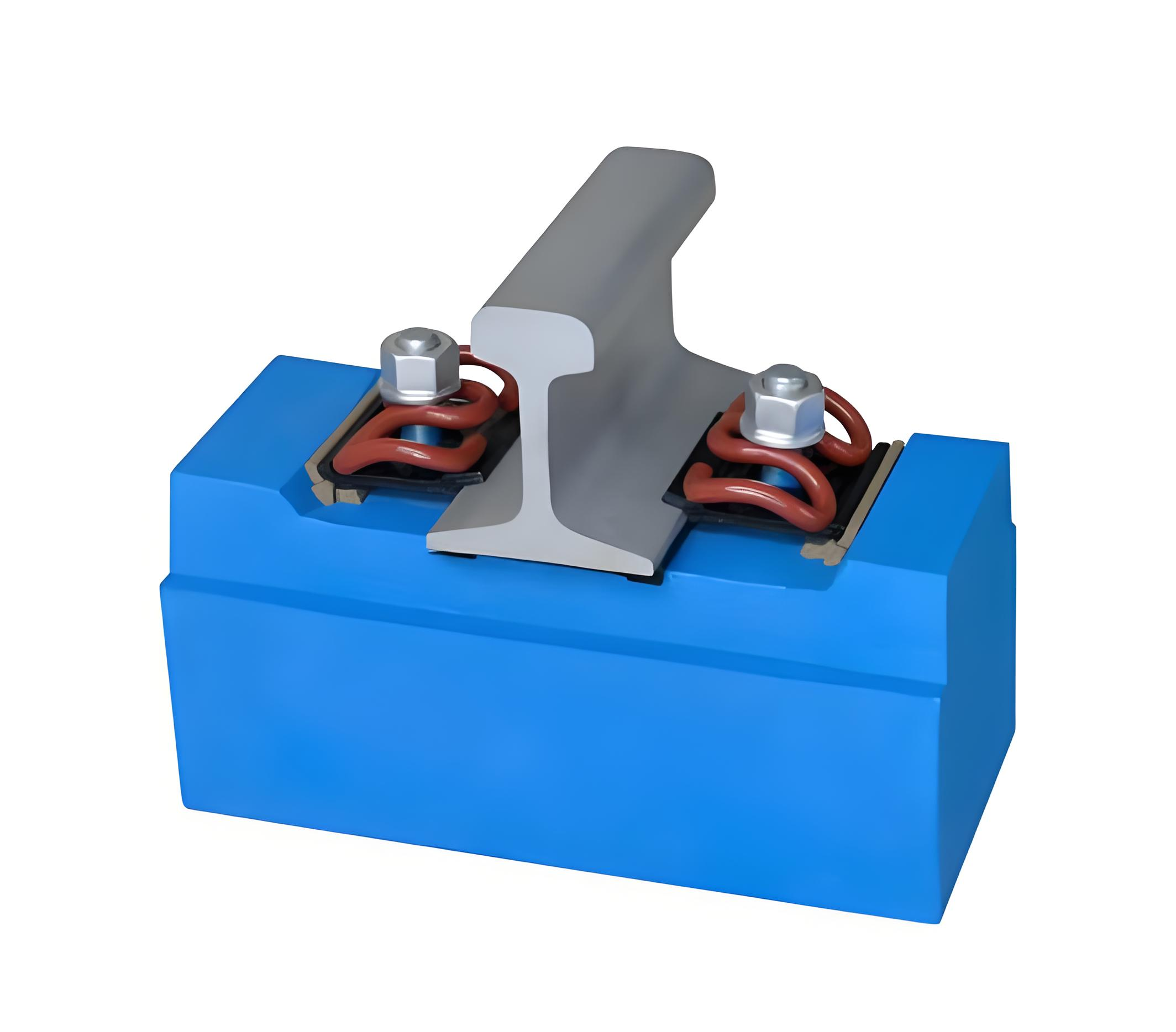
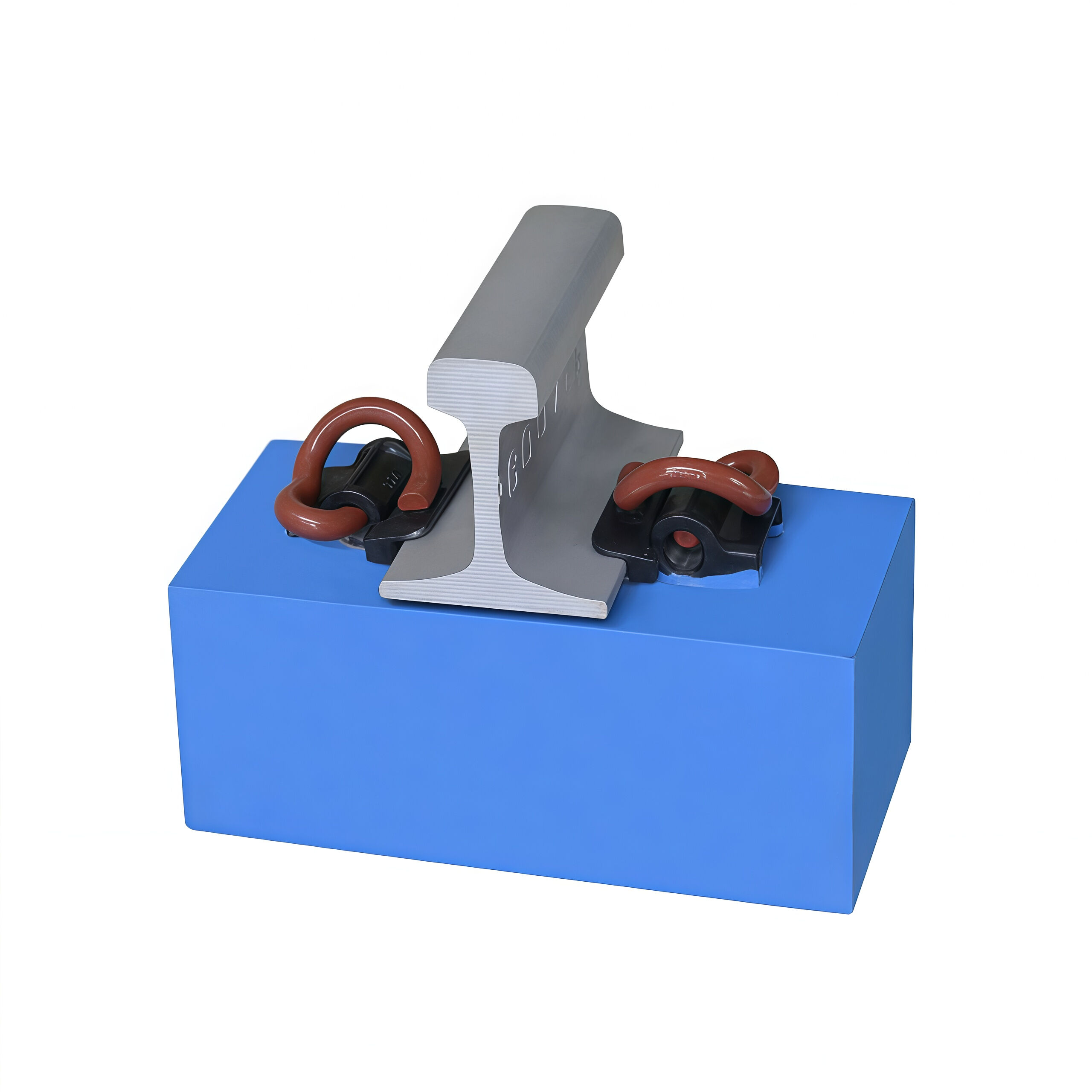
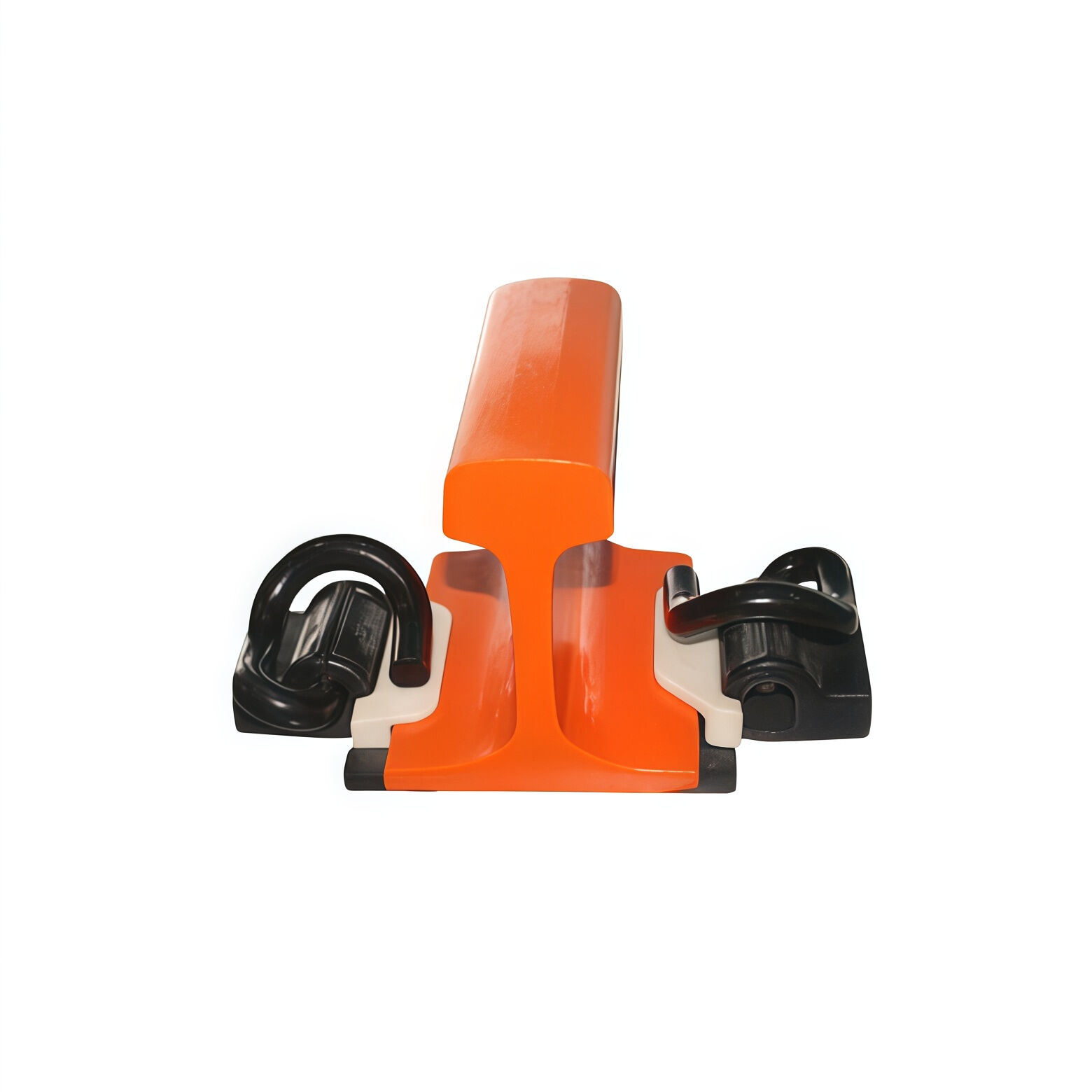
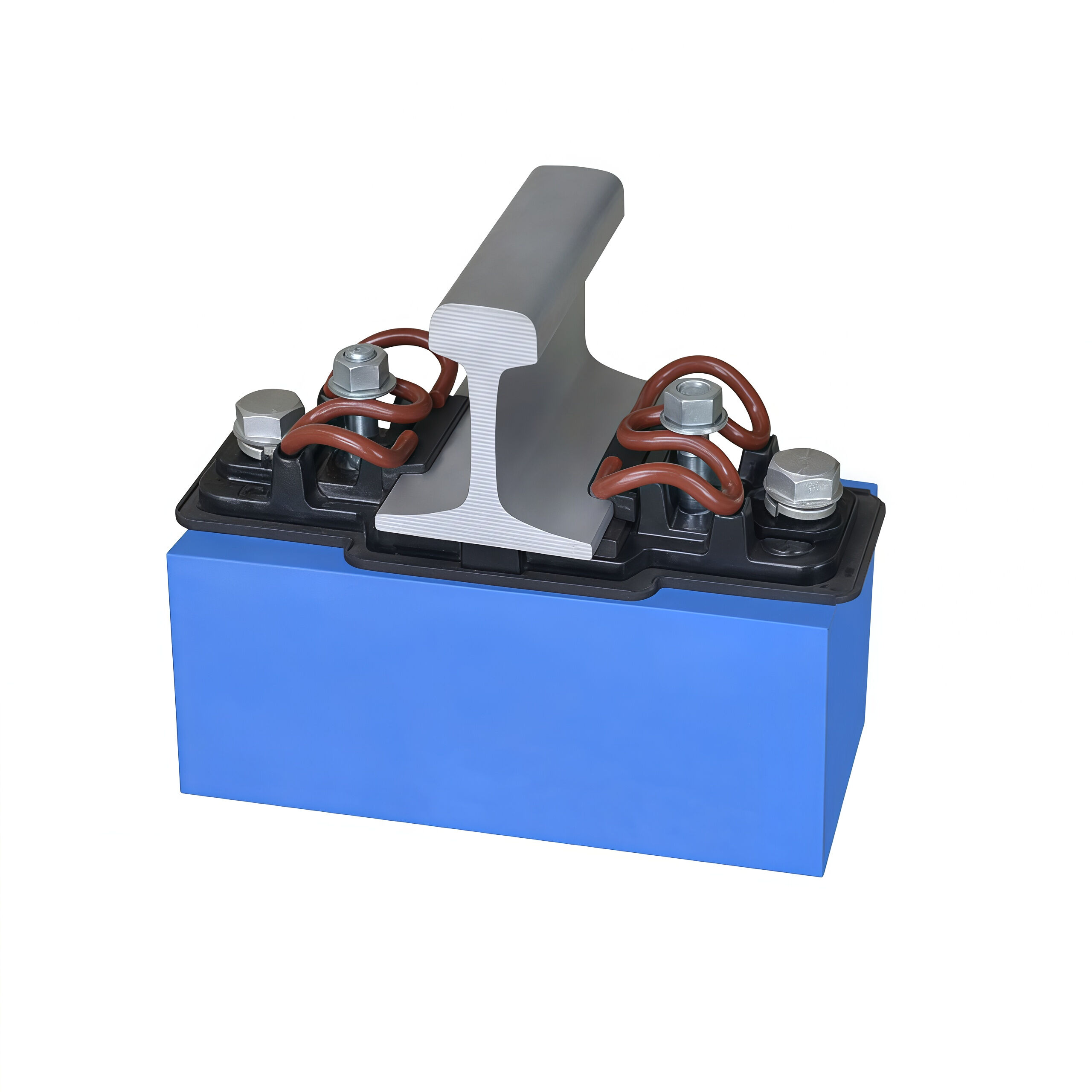
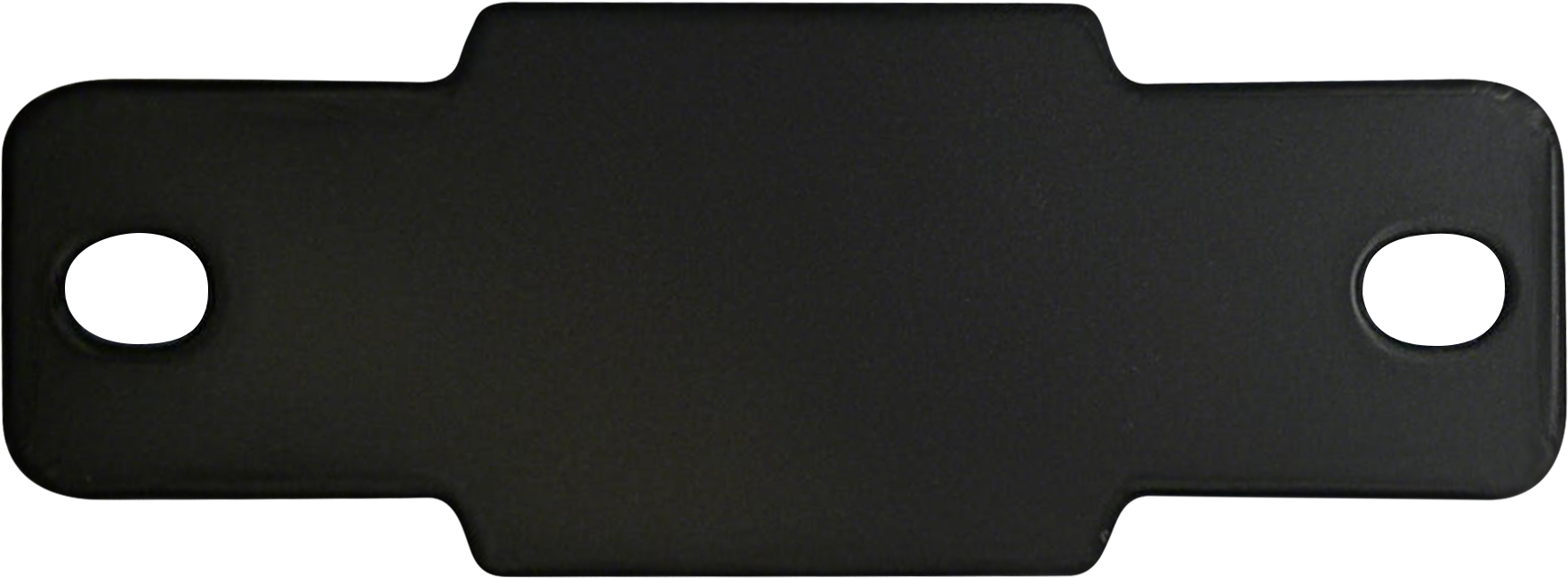
The rail rubber pad represents a critical component in modern railway infrastructure, serving as an essential element between rail tracks and concrete ties or sleepers. This specialized engineering product functions as a vibration-dampening and load-distribution system that significantly enhances the performance and longevity of railway systems worldwide. The rail rubber pad is manufactured from high-grade synthetic rubber compounds that are specifically formulated to withstand extreme environmental conditions, heavy loads, and continuous mechanical stress from passing trains. These pads are designed with precise dimensions and material properties to ensure optimal performance across various railway applications, from high-speed passenger lines to heavy freight corridors. The primary construction involves vulcanized rubber materials that provide exceptional elasticity, durability, and resistance to weathering, ozone, and temperature fluctuations. Modern rail rubber pad designs incorporate advanced polymer technology that allows for superior energy absorption and stress distribution capabilities. The installation process involves positioning these pads between the rail base and the concrete tie surface, creating a cushioning layer that absorbs impact forces and reduces dynamic loads transmitted through the track structure. This strategic placement enables the rail rubber pad to perform multiple functions simultaneously, including noise reduction, vibration control, electrical insulation, and structural protection. The engineering specifications for each rail rubber pad are carefully calculated based on factors such as train speeds, axle loads, track geometry, and environmental conditions. Quality control measures ensure that every pad meets stringent international standards for railway components, including compliance with specifications from organizations such as the International Union of Railways and various national railway authorities. The manufacturing process involves precise mixing of rubber compounds, molding under controlled temperature and pressure conditions, and comprehensive testing to verify performance characteristics. Installation guidelines specify proper positioning techniques, torque requirements for fastening systems, and maintenance protocols to ensure optimal long-term performance of the rail rubber pad system.


New Products

The rail rubber pad delivers substantial cost savings through reduced maintenance requirements and extended infrastructure lifespan. Railway operators benefit from decreased track geometry deterioration, which translates to fewer track realignment procedures and reduced downtime for maintenance activities. The superior vibration absorption properties of the rail rubber pad minimize dynamic loads transmitted to the ballast and subgrade, preventing premature settlement and structural damage. This protection mechanism extends the service life of expensive concrete ties and reduces the frequency of ballast cleaning or replacement operations. The electrical insulation characteristics of the rail rubber pad provide enhanced safety for signaling systems and prevent unwanted electrical current flow between rails and ground structures. Railway companies experience improved operational efficiency through reduced noise levels, making their systems more acceptable to communities and enabling operation in noise-sensitive areas. The consistent performance of the rail rubber pad under varying temperature conditions ensures reliable track stability throughout seasonal changes, eliminating the need for frequent adjustments or replacements due to thermal expansion and contraction. Installation teams appreciate the straightforward mounting process that requires minimal specialized equipment and can be completed efficiently during scheduled maintenance windows. The standardized dimensions and compatibility with existing fastening systems allow for easy retrofitting of older railway lines without extensive modifications to existing infrastructure. Quality assurance testing demonstrates that the rail rubber pad maintains its mechanical properties over extended service periods, providing predictable performance characteristics that enable accurate maintenance planning and budget forecasting. Environmental benefits include reduced ground-borne vibration transmission to nearby structures, minimizing potential damage to buildings and reducing complaints from adjacent property owners. The recyclable nature of modern rubber compounds used in the rail rubber pad supports sustainability initiatives while maintaining performance standards. Inventory management becomes simplified due to the compact size and lightweight nature of the rail rubber pad, reducing storage costs and enabling efficient distribution to multiple work sites. Performance monitoring data shows consistent load distribution across the contact surface, preventing stress concentration points that could lead to premature rail or tie failure. The chemical resistance of the rail rubber pad ensures stable performance in environments exposed to de-icing salts, industrial pollutants, and other potentially corrosive substances commonly found in railway corridors.

Practical Tips

What Are the Key Quality Standards for Rail Spike Production

24

Nov

What Are the Key Quality Standards for Rail Spike Production

Rail spike production represents a critical component in railway infrastructure development, requiring adherence to stringent quality standards that ensure the safety and longevity of rail systems worldwide. The manufacturing process of these essenti...
View More
How to Prevent Corrosion and Damage in Rail Spikes Over Time

24

Nov

How to Prevent Corrosion and Damage in Rail Spikes Over Time

Railway infrastructure forms the backbone of modern transportation systems, carrying millions of tons of cargo and passengers across vast distances daily. Among the critical components that ensure track stability and safety, rail spikes play an indis...
View More
How Do Elastic Strips Support High-Speed and Heavy Rail Traffic?

05

Jan

How Do Elastic Strips Support High-Speed and Heavy Rail Traffic?

Modern railway infrastructure faces unprecedented demands as transportation networks evolve to accommodate higher speeds and heavier cargo loads. The foundation of reliable rail systems depends heavily on innovative engineering solutions that can abs...
View More
How to maintain correct track gauge in high-speed rail lines?

20

Apr

How to maintain correct track gauge in high-speed rail lines?

Maintaining correct track gauge is the cornerstone of safe and efficient high-speed rail operations, where even millimeter deviations can trigger catastrophic derailments at operational speeds exceeding 300 km/h. The precision required for track gaug...
View More

Get a Free Quote

Our representative will contact you soon.
Email
Name
Company Name
Message
0/1000

rail rubber pad

Superior Vibration Control and Noise Reduction Technology

Superior Vibration Control and Noise Reduction Technology

The advanced vibration control capabilities of the rail rubber pad represent a breakthrough in railway engineering, utilizing sophisticated polymer chemistry to achieve exceptional dynamic load absorption. The specially formulated rubber compounds incorporate multiple durometer zones that provide graduated stiffness characteristics, allowing the pad to respond optimally to various load frequencies generated by different train types and operating speeds. This multi-zone design enables the rail rubber pad to effectively isolate high-frequency vibrations while maintaining structural stability under static loads. The molecular structure of the rubber material includes cross-linked polymer chains that create a three-dimensional network capable of storing and dissipating mechanical energy without permanent deformation. Laboratory testing demonstrates that the rail rubber pad can reduce vibration transmission by up to 40 decibels compared to direct rail-to-concrete contact, significantly improving passenger comfort and reducing environmental impact. The noise reduction benefits extend beyond immediate track vicinity, with measurable improvements in sound levels at distances exceeding 500 meters from the railway line. The cellular structure within the rubber material creates air pockets that further enhance the acoustic dampening properties while maintaining the necessary load-bearing capacity. Field installations have shown remarkable results in urban environments where noise restrictions limit railway operations during nighttime hours, enabling extended service schedules that improve system efficiency and passenger convenience. The vibration control performance remains consistent across temperature ranges from -40°C to +70°C, ensuring year-round effectiveness in diverse climatic conditions. The rail rubber pad design incorporates resonance-breaking features that prevent the amplification of specific frequencies that could cause structural fatigue in adjacent infrastructure. Advanced finite element modeling has optimized the internal geometry to maximize energy dissipation while minimizing material usage, resulting in an economical solution that delivers superior performance. The long-term stability of the vibration control properties has been verified through accelerated aging tests that simulate decades of service under extreme conditions.
Enhanced Track Stability and Load Distribution Efficiency

Enhanced Track Stability and Load Distribution Efficiency

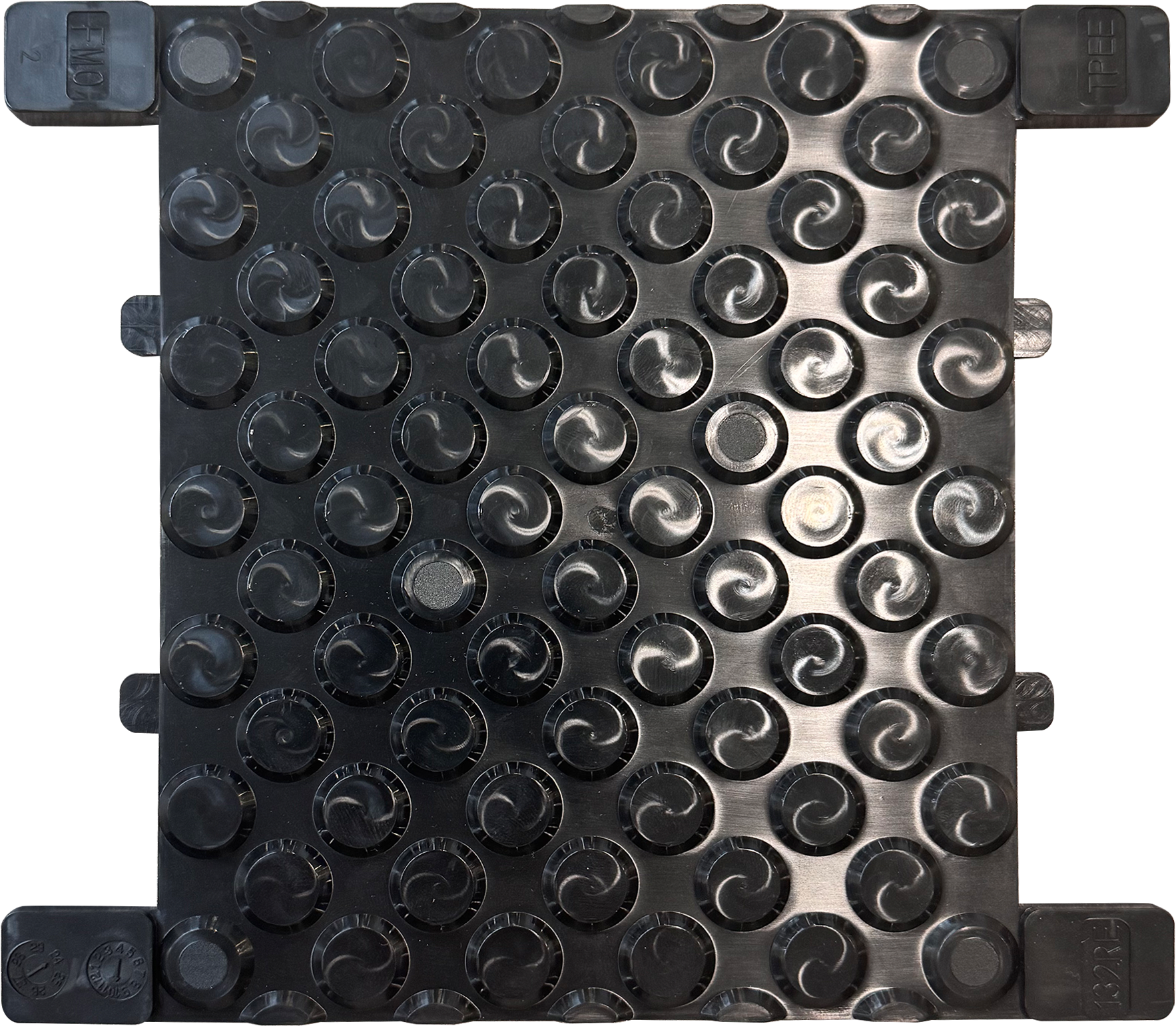
The exceptional load distribution capabilities of the rail rubber pad create a fundamental improvement in track structural performance by transforming concentrated point loads into evenly distributed pressure across the tie surface. This critical function prevents the development of stress concentration points that typically lead to concrete cracking, spalling, and premature infrastructure failure. The engineered surface geometry of the rail rubber pad features precisely calculated contact patterns that maximize the bearing area while accommodating the natural irregularities found in concrete tie surfaces. The elastic modulus of the rubber material is carefully calibrated to provide optimal compliance that allows for slight surface imperfections without creating hard spots that could cause localized stress buildup. Dynamic testing under simulated train loading conditions demonstrates that the rail rubber pad maintains uniform pressure distribution even under extreme axle loads exceeding 35 tons per axle. The load spreading effect extends beyond the immediate contact zone, with influence areas that can distribute forces across multiple tie locations, creating a synergistic effect that enhances overall track structure integrity. The rail rubber pad design incorporates drainage channels that prevent water accumulation at the rail-tie interface, eliminating hydrostatic pressure buildup that could compromise the load transfer mechanism. Temperature cycling tests confirm that the load distribution characteristics remain stable across operational temperature ranges, preventing seasonal variations in track geometry that could affect ride quality and safety. The material composition includes stabilizing additives that resist compression set under sustained loading, ensuring that the rail rubber pad maintains its original thickness and performance characteristics throughout its service life. Field measurements using pressure-sensitive film technology have validated the theoretical load distribution models, confirming uniform pressure patterns across the entire contact surface. The enhanced stability provided by the rail rubber pad reduces lateral track displacement under high-speed train passage, maintaining precise gauge dimensions that are critical for safe operation. The interaction between the rail rubber pad and the fastening system creates a mechanically advantageous configuration that amplifies the clamping force effectiveness while reducing the risk of fastener loosening due to dynamic loading.
Superior Durability and Weather Resistance Performance

Superior Durability and Weather Resistance Performance

The outstanding durability characteristics of the rail rubber pad result from advanced rubber compounding technology that incorporates multiple protective mechanisms against environmental degradation and mechanical wear. The polymer matrix utilizes cross-linking agents that create molecular bonds resistant to ozone attack, ultraviolet radiation, and temperature cycling, ensuring consistent performance over extended service periods exceeding 25 years. The rail rubber pad formulation includes specialized antioxidants and weathering stabilizers that prevent the chemical breakdown commonly associated with outdoor exposure to harsh environmental conditions. Accelerated aging tests conducted under standardized protocols demonstrate minimal property degradation after exposure to conditions equivalent to decades of field service. The surface treatment of the rail rubber pad incorporates protective compounds that resist contamination from railway oils, lubricants, and de-icing chemicals commonly encountered in railway environments. The material structure includes reinforcing elements that prevent crack propagation and maintain structural integrity even when subjected to impact loading from rail joint irregularities or temporary track geometry variations. Freeze-thaw cycling tests confirm that the rail rubber pad maintains flexibility and load-bearing capacity across temperature extremes, preventing brittle failure modes that could compromise track safety. The chemical resistance properties extend to exposure to acid rain, industrial pollutants, and salt spray in coastal environments, making the rail rubber pad suitable for installation in diverse geographical locations. Quality control testing includes compression fatigue evaluation under millions of load cycles, simulating the cumulative effect of train passage over the expected service life. The rail rubber pad design incorporates features that promote self-cleaning action during rainfall, preventing the accumulation of debris that could interfere with proper load transfer or create corrosion sites. Long-term field installations provide empirical evidence of the durability claims, with samples removed after extended service showing minimal degradation in critical performance parameters. The maintenance requirements for the rail rubber pad are minimal, typically requiring only visual inspection during routine track maintenance activities, reducing lifecycle costs and improving operational efficiency for railway operators.

Get a Free Quote

Our representative will contact you soon.
Email
Name
Company Name
Message
0/1000