Simplified Installation and Maintenance Procedures
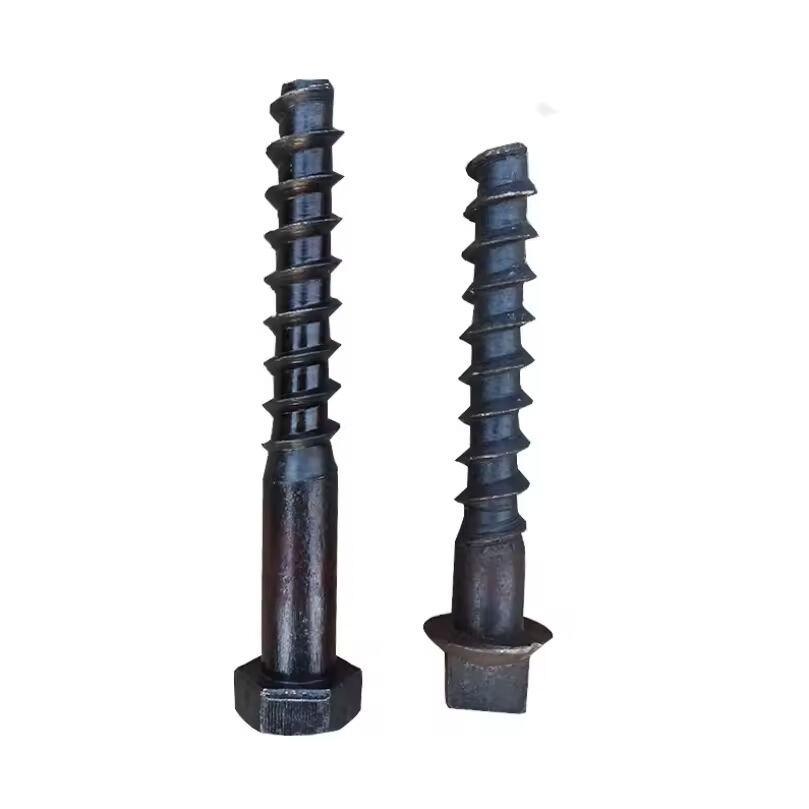
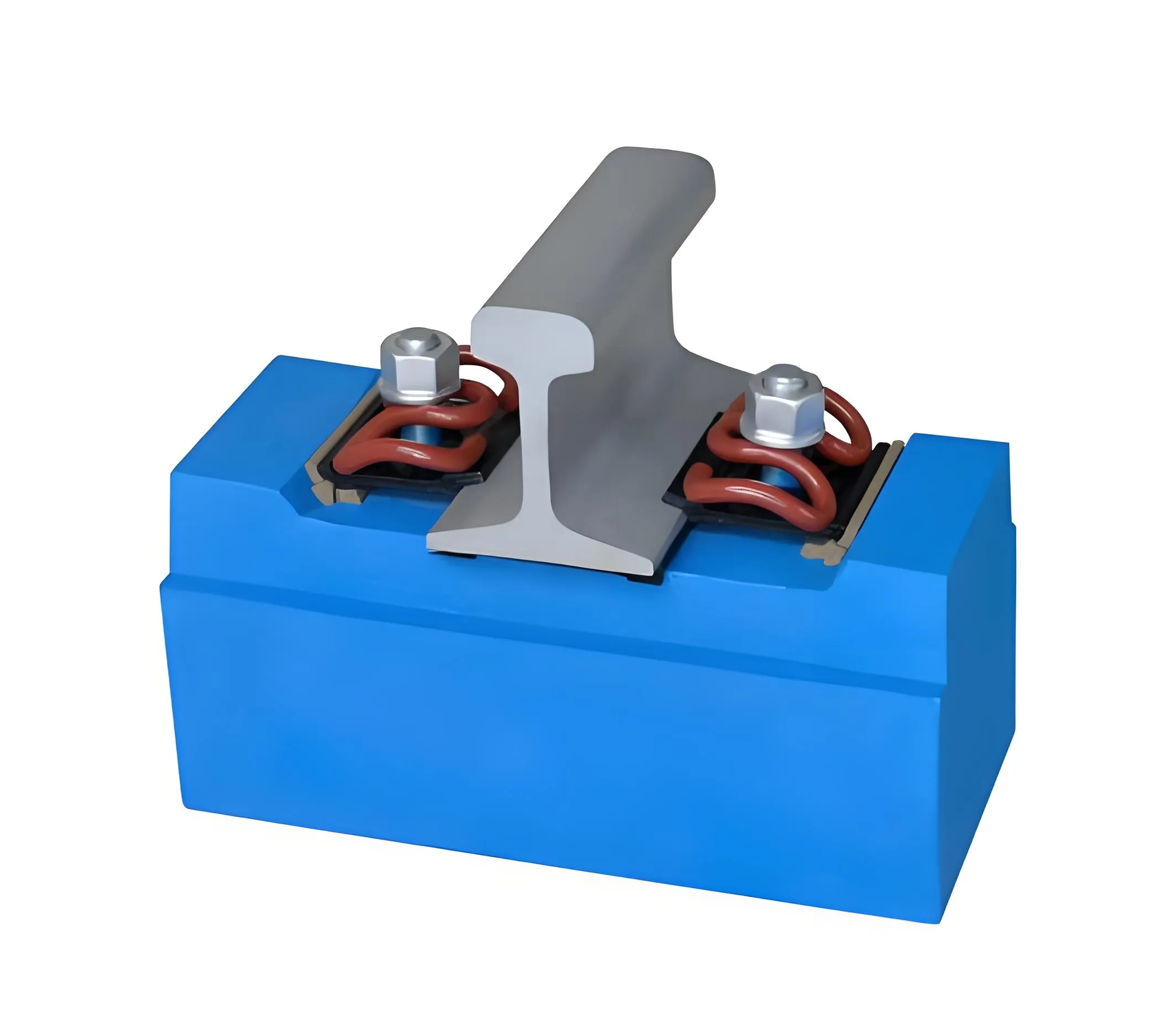
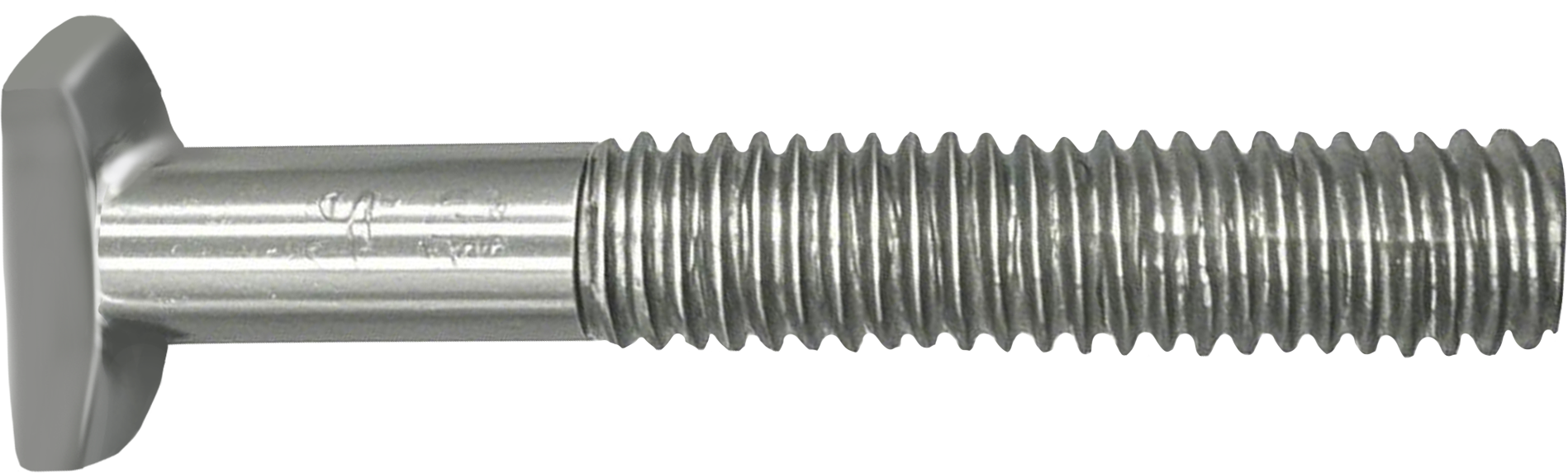
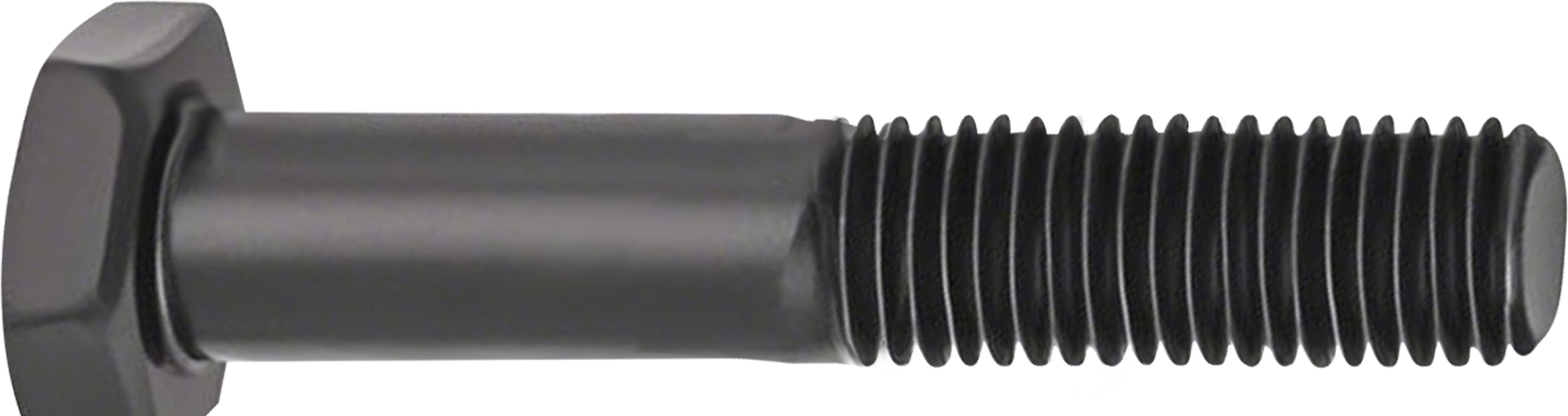
The rail bolt for rail fastening system revolutionizes railway track construction and maintenance through its user-friendly installation procedures that reduce labor requirements and minimize specialized training needs for track crews. The straightforward application process utilizes standard tools commonly available in railway maintenance facilities, eliminating the need for expensive proprietary equipment or complex installation machinery that can increase project costs and create logistical challenges. Installation crews can quickly master the proper techniques through brief training sessions that cover torque specifications, sequence requirements, and quality verification procedures. The rail bolt for rail fastening system features clearly marked identification codes and dimensional specifications that prevent installation errors and ensure compatibility with existing track components. The bolt head configuration accommodates standard socket and wrench sizes, enabling efficient installation with pneumatic or hydraulic tools that accelerate construction schedules while maintaining consistent quality standards. Maintenance procedures are simplified because individual bolts can be inspected, adjusted, or replaced without disturbing adjacent fastening components or requiring extensive track closure periods. The rail bolt for rail fastening system allows for selective replacement strategies where only worn or damaged components need attention, rather than requiring complete section renewal that increases material costs and extends maintenance windows. Torque verification procedures use readily available equipment to confirm proper installation tension, ensuring optimal performance while preventing over-tightening that could damage threads or under-tightening that compromises connection integrity. The maintenance-friendly design facilitates routine inspections that can identify potential issues before they develop into serious problems requiring emergency repairs or service disruptions. Documentation requirements are streamlined through standardized installation records that track torque values, installation dates, and component serial numbers for comprehensive maintenance history tracking. The rail bolt for rail fastening system reduces training costs for maintenance personnel because the consistent installation procedures apply across different track configurations and operating environments, creating operational efficiencies that benefit railway organizations seeking to optimize their workforce capabilities and reduce overall maintenance expenses while maintaining high safety standards.
 EN
EN