Premium Railway Fasteners: Advanced Track Connection Solutions for Superior Rail Infrastructure Performance

All Categories

railway fasteners

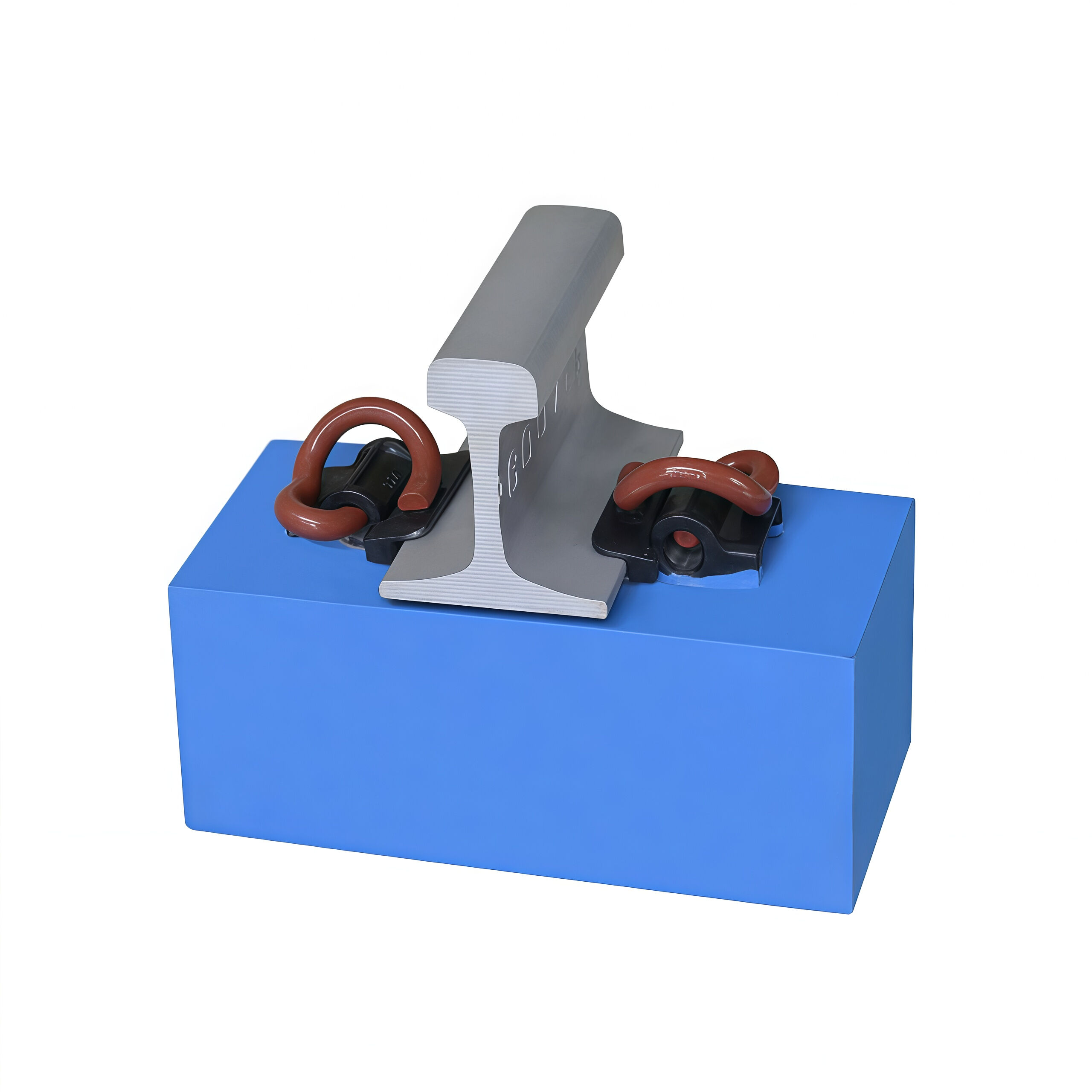
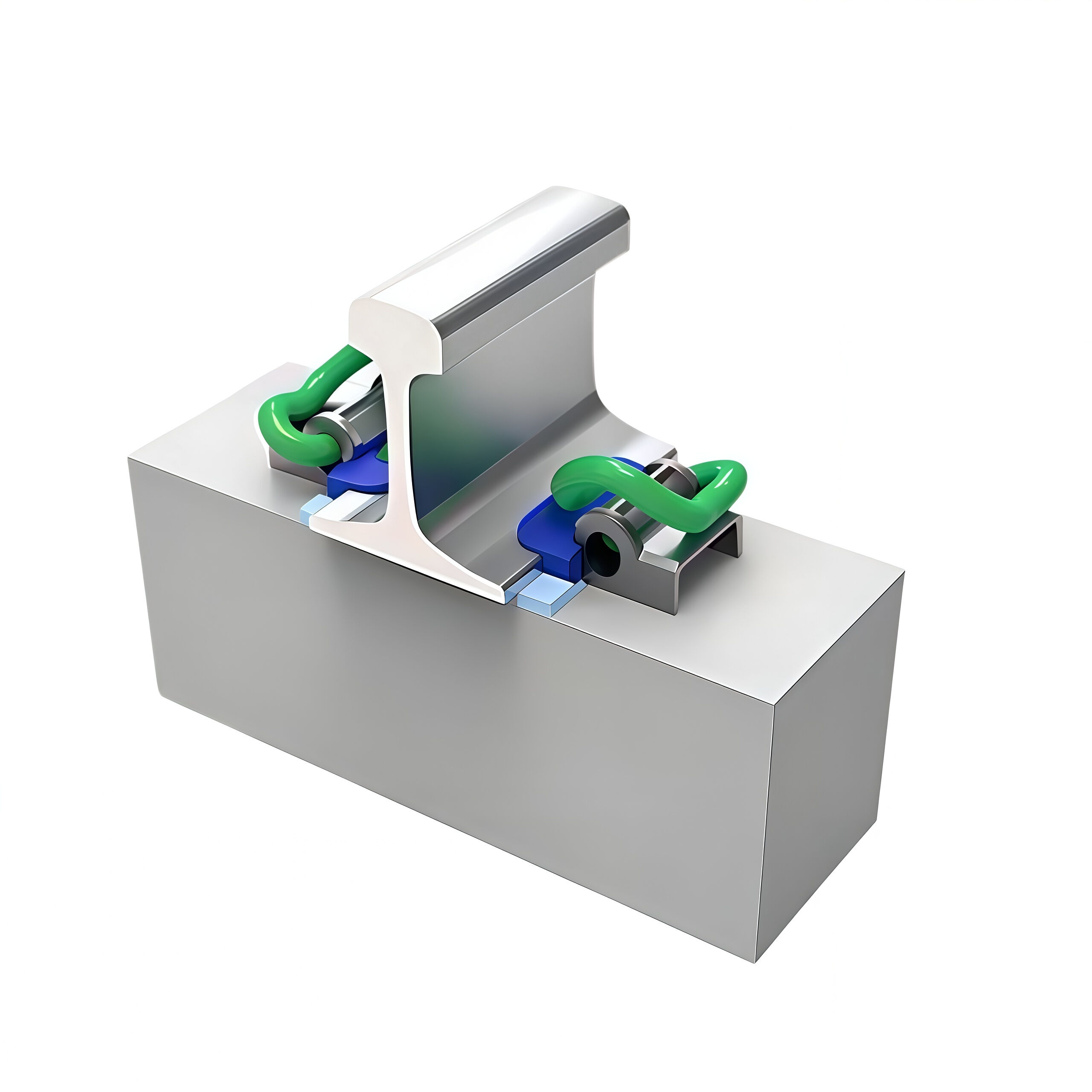
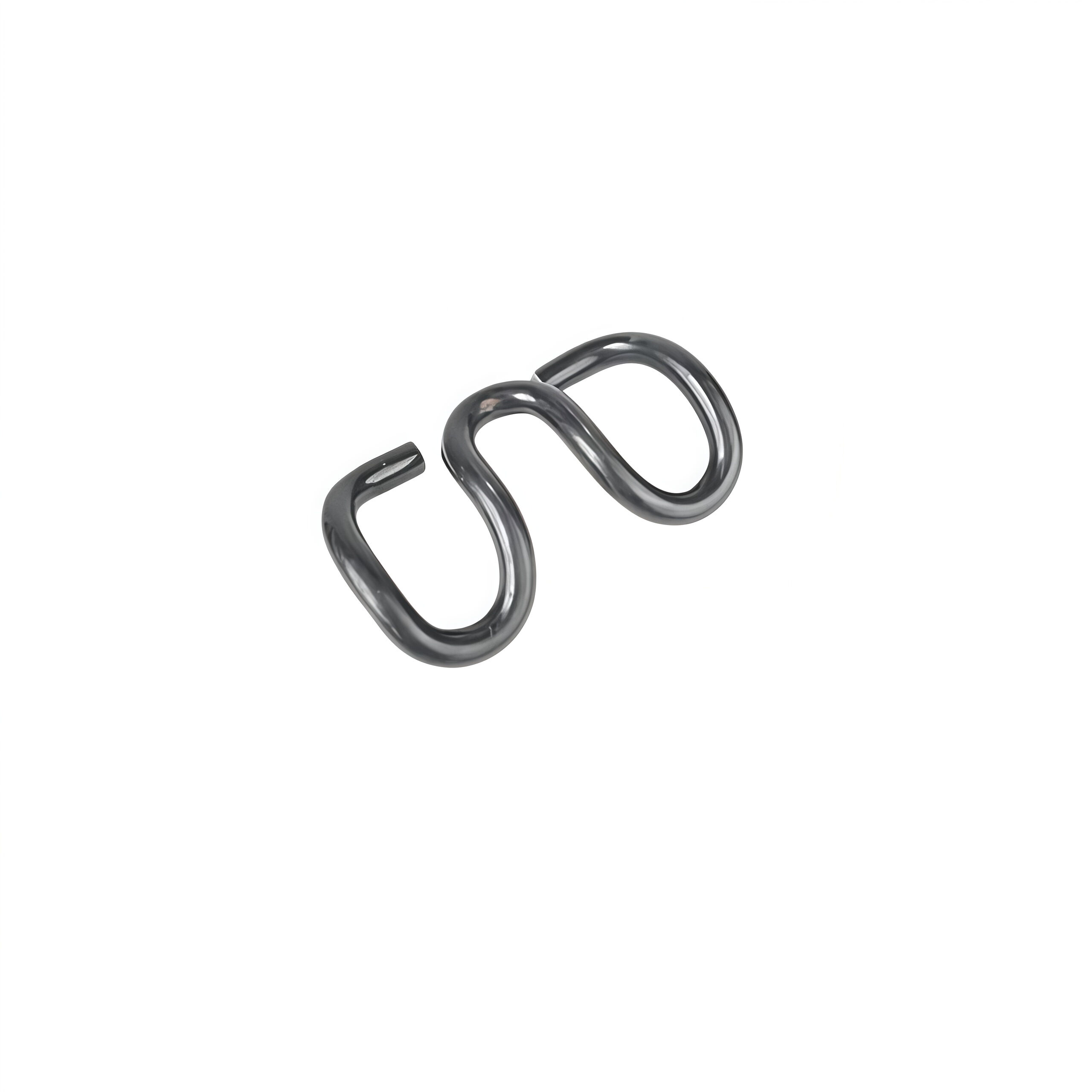
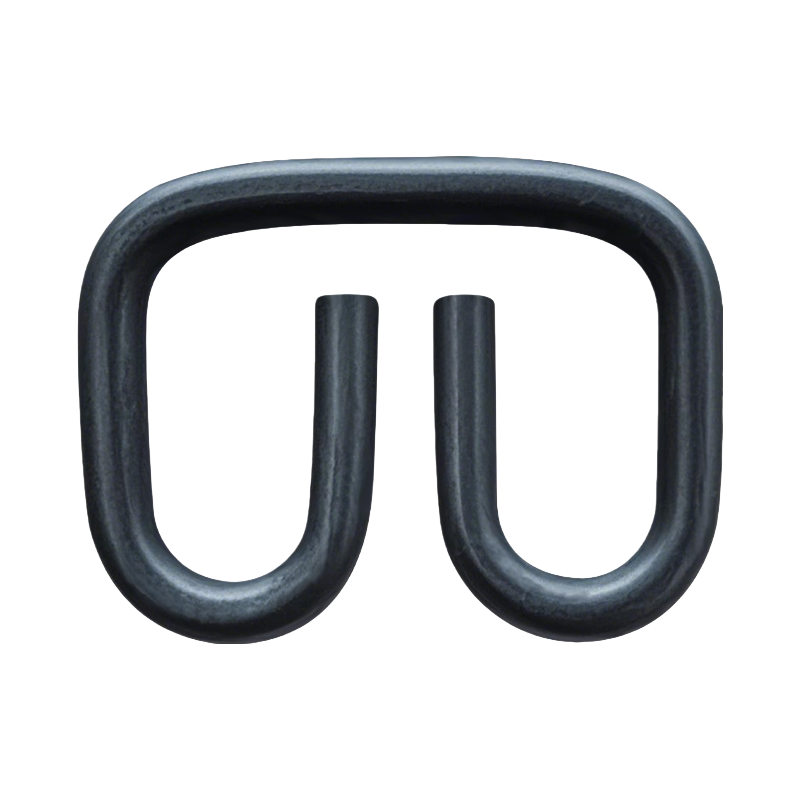
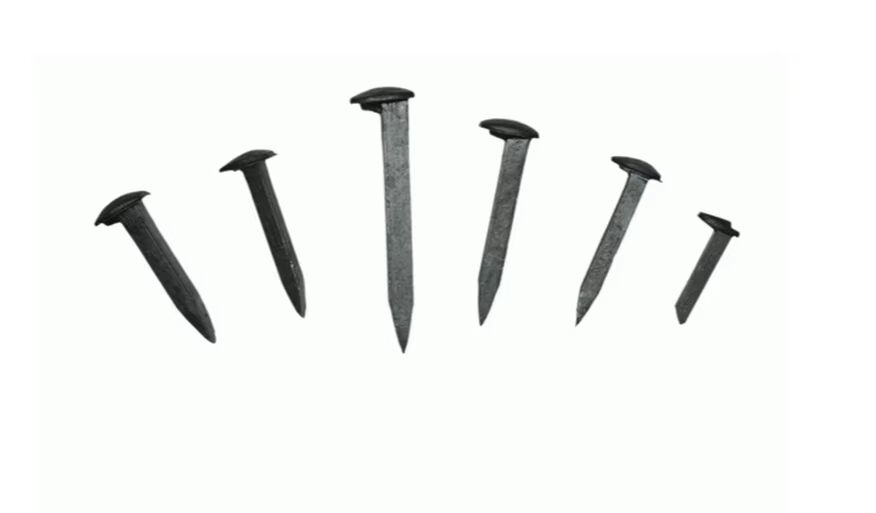
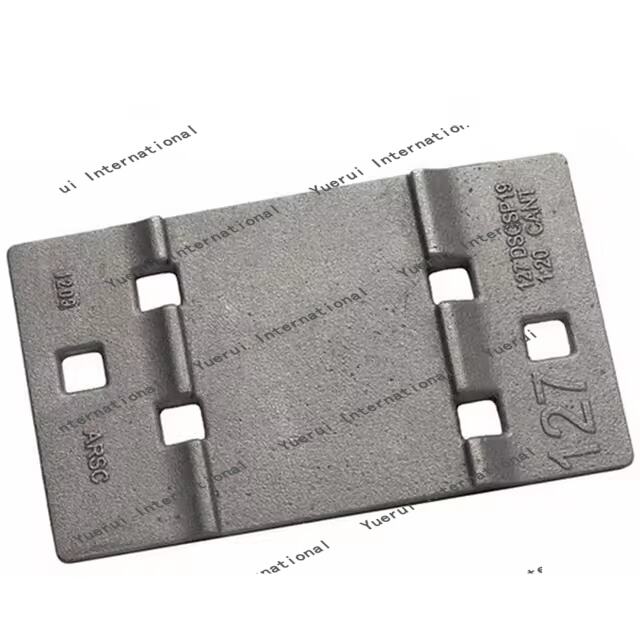
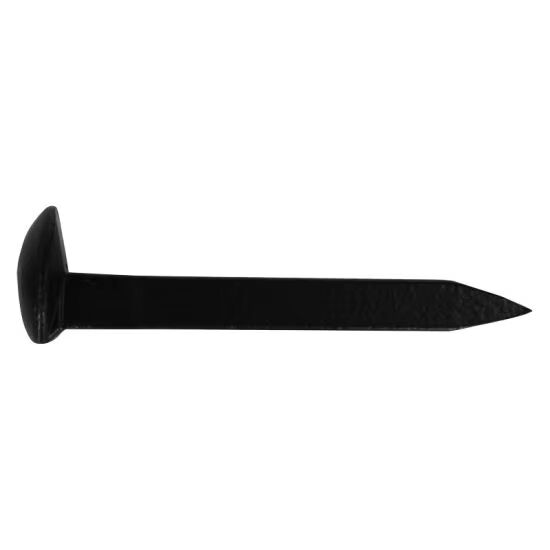
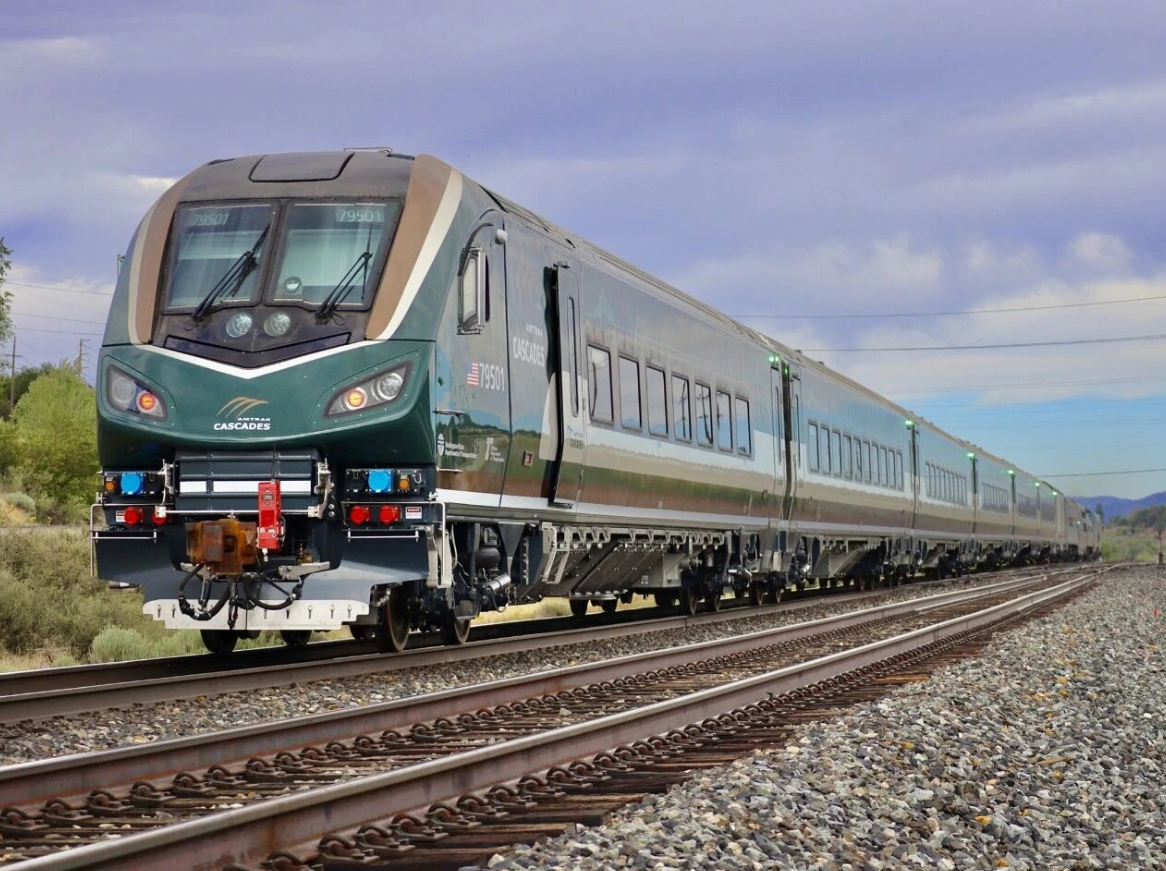
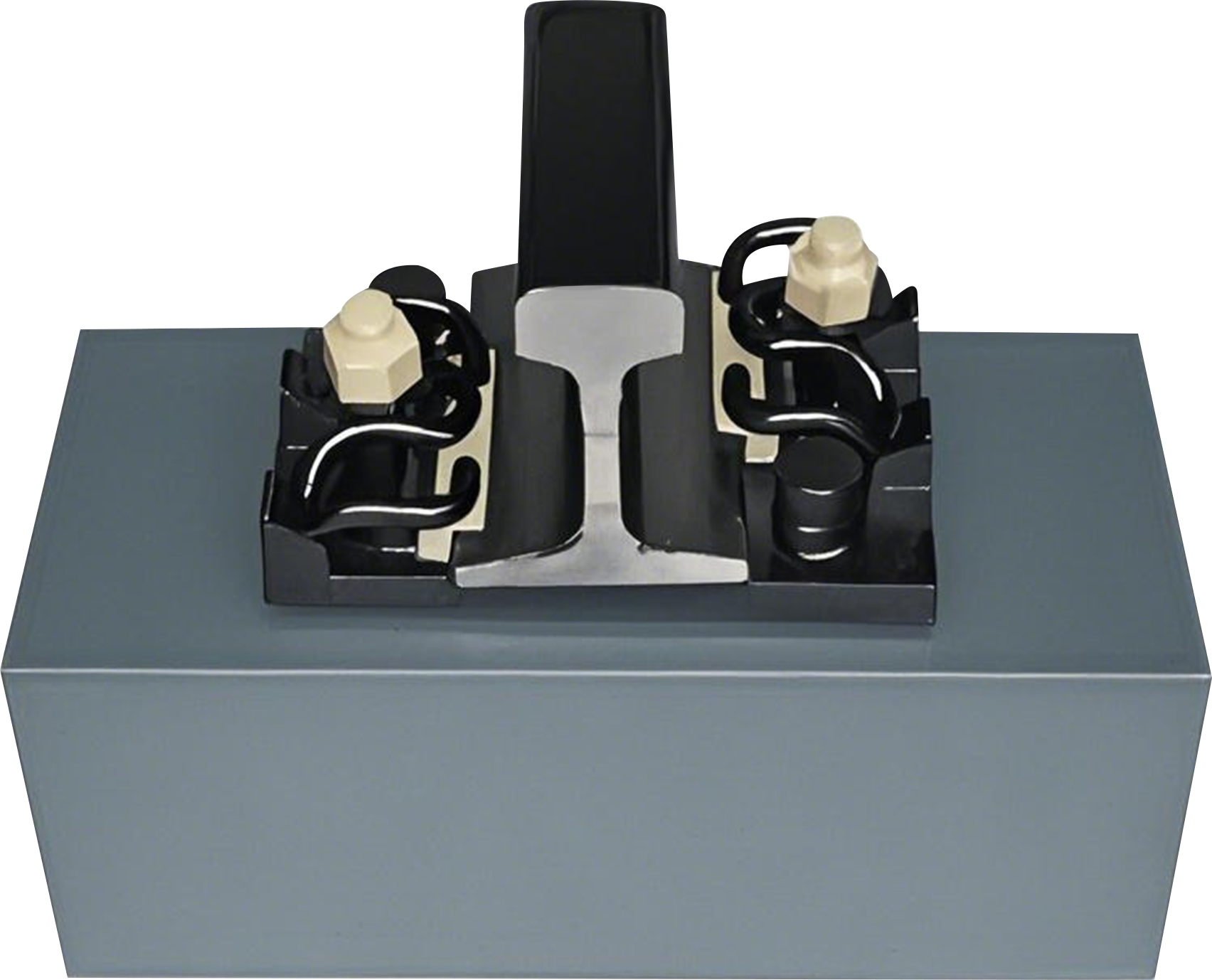
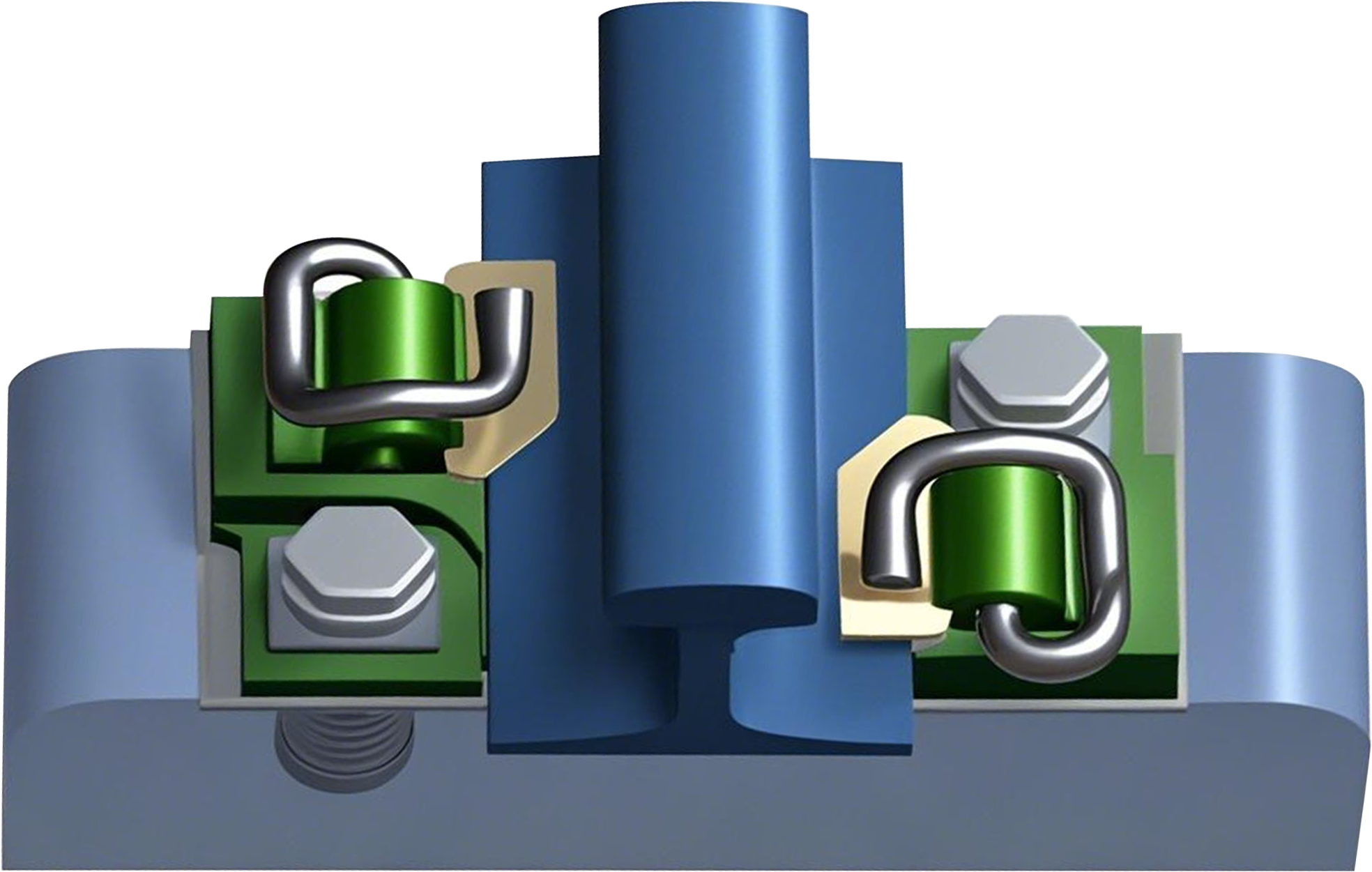
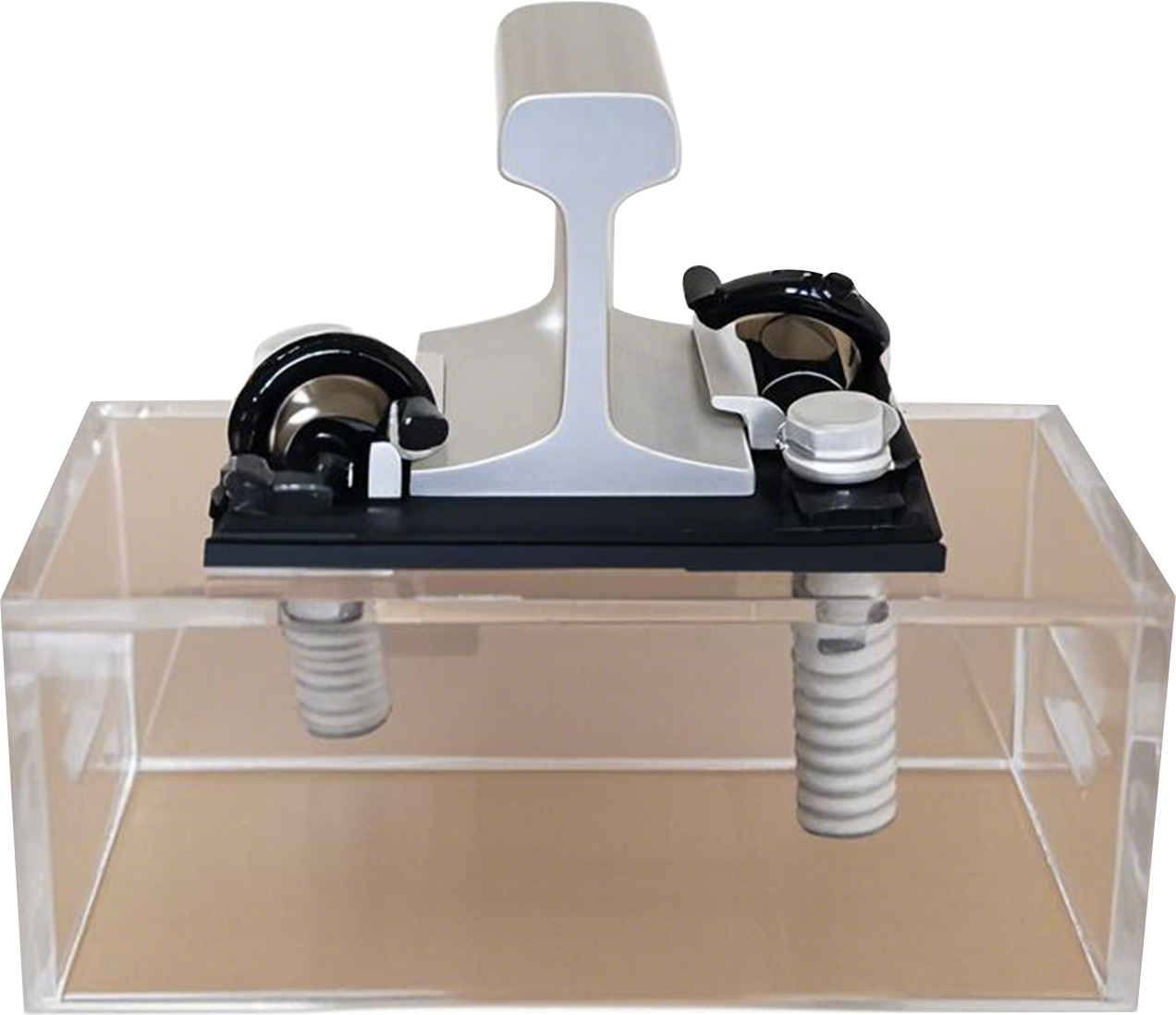
Railway fasteners serve as the critical backbone of modern rail infrastructure, providing the essential connection between rails and railroad ties that ensures safe and reliable train operations. These specialized hardware components encompass a comprehensive range of products including rail clips, bolts, screws, plates, and anchoring systems that collectively maintain proper rail gauge and alignment under extreme operational conditions. The primary function of railway fasteners centers on securing rails firmly to concrete or wooden ties while allowing for controlled thermal expansion and contraction that naturally occurs with temperature fluctuations. Advanced railway fasteners incorporate sophisticated engineering designs that distribute dynamic loads from passing trains across the entire track structure, preventing rail movement and maintaining geometric stability essential for high-speed operations. Technological features of modern railway fasteners include corrosion-resistant coatings, precision-engineered tolerances, and materials specifically selected for durability under repetitive stress cycles. Many contemporary fastening systems utilize spring-loaded mechanisms that maintain consistent clamping force even as components experience wear over extended service periods. The applications of railway fasteners span across diverse transportation sectors including heavy freight corridors, high-speed passenger networks, urban transit systems, and industrial railway operations. Different fastening configurations accommodate varying operational requirements such as curve negotiations, grade crossings, and switch installations where specialized hardware ensures optimal performance. Quality railway fasteners must withstand extreme environmental conditions including temperature variations, moisture exposure, chemical contamination, and mechanical vibrations while maintaining structural integrity throughout their operational lifespan. The selection of appropriate railway fasteners directly impacts track maintenance costs, operational safety margins, and overall system reliability, making proper specification and installation crucial factors in successful rail infrastructure projects.


New Product Recommendations

Railway fasteners deliver exceptional value through enhanced safety performance that directly protects both passengers and cargo during transport operations. These components create secure rail connections that prevent dangerous track displacement even under heavy load conditions, reducing derailment risks and ensuring consistent operational safety standards across all weather conditions. The superior durability of quality railway fasteners translates into significant cost savings for railway operators through extended service intervals and reduced maintenance requirements compared to inferior alternatives. Modern fastening systems resist corrosion and wear far more effectively than traditional options, maintaining structural integrity for decades rather than requiring frequent replacement cycles that disrupt service schedules. Installation efficiency represents another major advantage as contemporary railway fasteners feature user-friendly designs that reduce labor costs and minimize track downtime during maintenance windows. Standardized fastening systems enable rapid replacement procedures using common tools and techniques, allowing maintenance crews to complete repairs quickly without specialized equipment or extensive training requirements. The versatility of railway fasteners accommodates diverse track configurations including straight sections, curves, bridges, and tunnels without requiring custom modifications that increase project complexity and costs. These adaptable solutions support various rail weights and tie materials while maintaining consistent performance characteristics across different installation environments. Railway fasteners provide excellent load distribution properties that extend the operational lifespan of supporting infrastructure including ties, ballast, and subgrade materials by preventing concentrated stress points that cause premature failure. The controlled flexibility built into modern fastening systems allows natural thermal movement while maintaining proper rail positioning, eliminating stress concentrations that could lead to rail breaks or joint failures. Environmental resistance ensures reliable performance in challenging conditions including extreme temperatures, salt exposure, and industrial contaminants that might compromise lesser fastening solutions. Advanced materials and protective coatings used in quality railway fasteners maintain their mechanical properties throughout extended exposure periods, providing consistent clamping force and dimensional stability essential for safe operations.

Practical Tips

How Railroad Dog Spikes Improve Track Stability and Safety

24

Nov

How Railroad Dog Spikes Improve Track Stability and Safety

Railway infrastructure forms the backbone of modern transportation systems, where every component plays a critical role in maintaining operational safety and efficiency. Among these essential components, railroad dog spikes represent one of the most ...
View More
What Are the Advantages of Using Standardized Baseplates in Large Projects?

18

Dec

What Are the Advantages of Using Standardized Baseplates in Large Projects?

Large-scale construction and infrastructure projects demand precision, efficiency, and reliability at every stage of development. Among the foundational elements that ensure project success, standardized baseplates emerge as critical components that ...
View More
How Do Dog Spikes Affect Track Alignment and Train Safety?

18

Dec

How Do Dog Spikes Affect Track Alignment and Train Safety?

Railway infrastructure depends on countless components working in harmony to ensure safe and efficient train operations. Among these critical elements, the dog spike stands as one of the most fundamental yet often overlooked fastening systems that se...
View More
What materials are best for corrosion-resistant track pins in railways?

20

Apr

What materials are best for corrosion-resistant track pins in railways?

Railway infrastructure faces constant exposure to harsh environmental conditions, making material selection critical for long-term performance and safety. Track pins, essential components that secure rails to railroad ties, must withstand not only me...
View More

Get a Free Quote

Our representative will contact you soon.
Email
Name
Company Name
Message
0/1000

railway fasteners

Superior Load Distribution Technology

Superior Load Distribution Technology

The advanced load distribution technology integrated into modern railway fasteners represents a revolutionary approach to managing the immense forces generated by contemporary rail operations. This sophisticated engineering solution addresses the fundamental challenge of transferring dynamic loads from moving trains through rails into the supporting track structure without creating destructive stress concentrations. Traditional fastening methods often resulted in localized pressure points that accelerated component wear and required frequent maintenance interventions, but innovative load distribution systems spread these forces across broader areas of contact. The technology employs precisely calculated contact surfaces and optimized geometries that ensure uniform pressure distribution even under extreme loading conditions encountered in heavy freight applications or high-speed passenger service. Advanced materials science contributes significantly to this performance advantage through the use of specialized alloys and composite materials that maintain their structural properties under repetitive stress cycles spanning millions of loading events. The load distribution mechanism functions through carefully engineered interfaces between rails, fasteners, and ties that create multiple load paths rather than relying on single-point connections susceptible to failure. This redundancy builds inherent safety margins into the fastening system while simultaneously reducing maintenance costs through extended component lifecycles. Quality control procedures during manufacturing ensure consistent load distribution characteristics across all fasteners in a production batch, eliminating performance variations that could compromise track integrity. Field testing demonstrates that superior load distribution technology can extend rail life by up to forty percent compared to conventional fastening methods while reducing tie replacement frequency by similar margins. The economic benefits extend beyond direct material savings to include reduced track maintenance windows, lower labor costs, and improved operational reliability that minimizes service disruptions. Railway operators implementing advanced load distribution fasteners report significant improvements in track geometry stability and reduced wheel-rail interface wear that translates into lower rolling stock maintenance requirements and improved passenger comfort levels.
Advanced Corrosion Resistance Protection

Advanced Corrosion Resistance Protection

Advanced corrosion resistance protection stands as a cornerstone feature of premium railway fasteners, addressing one of the most persistent challenges facing rail infrastructure worldwide. This comprehensive protection system combines multiple defensive strategies including specialized material selection, advanced coating technologies, and innovative design approaches that collectively create an impenetrable barrier against environmental degradation. The corrosion resistance begins at the molecular level with carefully selected base materials that exhibit natural resistance to oxidation and chemical attack from common railway contaminants including deicing salts, industrial emissions, and atmospheric pollutants. Sophisticated coating systems build upon this foundation through multi-layer applications that provide redundant protection even if outer layers experience localized damage during installation or service. Hot-dip galvanizing processes create metallurgically bonded zinc layers that sacrificially protect underlying steel components while advanced polymer topcoats provide additional chemical resistance and extended service life. The coating application procedures follow rigorous quality standards that ensure uniform coverage and adhesion strength capable of withstanding thermal cycling and mechanical stress without delamination or cracking. Innovative surface preparation techniques including shot blasting and chemical etching create optimal bonding conditions that maximize coating performance and longevity under field conditions. Accelerated corrosion testing protocols simulate decades of environmental exposure in controlled laboratory conditions, validating protection system effectiveness before products reach commercial deployment. Real-world performance data collected from installations in aggressive environments including coastal regions, industrial zones, and winter maintenance corridors confirms superior protection compared to standard alternatives. The advanced corrosion resistance translates directly into reduced lifecycle costs through extended replacement intervals and lower maintenance requirements that minimize track downtime. Railway operators benefit from improved budget predictability as corrosion-resistant fasteners maintain their structural properties throughout extended service periods without unexpected failure events. Environmental benefits include reduced material consumption and waste generation compared to frequently replaced conventional fasteners, supporting sustainability objectives while maintaining operational excellence.
Precision Engineering for Optimal Performance

Precision Engineering for Optimal Performance

Precision engineering represents the fundamental differentiating factor that elevates premium railway fasteners above commodity alternatives, ensuring consistent performance under the demanding conditions of modern rail operations. This meticulous approach to design and manufacturing encompasses every aspect of fastener development from initial concept through final quality verification, resulting in components that meet exacting tolerances and performance specifications. Advanced computer-aided design tools enable engineers to optimize fastener geometry for specific loading conditions and installation requirements, creating solutions tailored to diverse operational environments ranging from high-speed corridors to heavy haul freight applications. Finite element analysis techniques validate design concepts through detailed stress modeling that identifies potential failure modes and optimizes material distribution for maximum strength-to-weight ratios. Manufacturing precision begins with carefully controlled material selection processes that verify chemical composition and mechanical properties of raw materials to ensure consistency across production runs. State-of-the-art machining centers maintain dimensional tolerances measured in thousandths of inches while specialized forming operations create complex geometries that would be impossible using conventional manufacturing techniques. Quality control procedures incorporate multiple inspection stages using coordinate measuring machines and advanced metrology equipment to verify compliance with engineering specifications throughout the production process. Statistical process control methods monitor key parameters continuously, enabling immediate corrections if manufacturing variables drift outside acceptable ranges. Heat treatment processes receive particular attention as they directly influence mechanical properties including strength, hardness, and fatigue resistance that determine service life under cyclic loading conditions. Precision engineering extends to packaging and shipping procedures that protect finished fasteners from damage during transportation and storage before installation. Field performance validation through extensive testing programs confirms that precision engineering translates into measurable operational benefits including improved track stability, reduced maintenance requirements, and enhanced safety margins. Railway maintenance professionals appreciate the consistent performance characteristics that precision-engineered fasteners provide, enabling more predictable maintenance scheduling and improved resource allocation across their track networks.

Get a Free Quote

Our representative will contact you soon.
Email
Name
Company Name
Message
0/1000