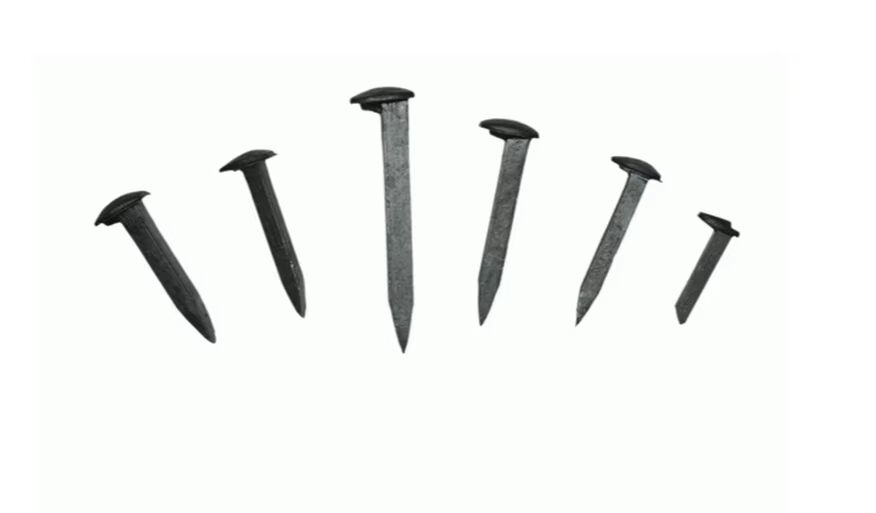
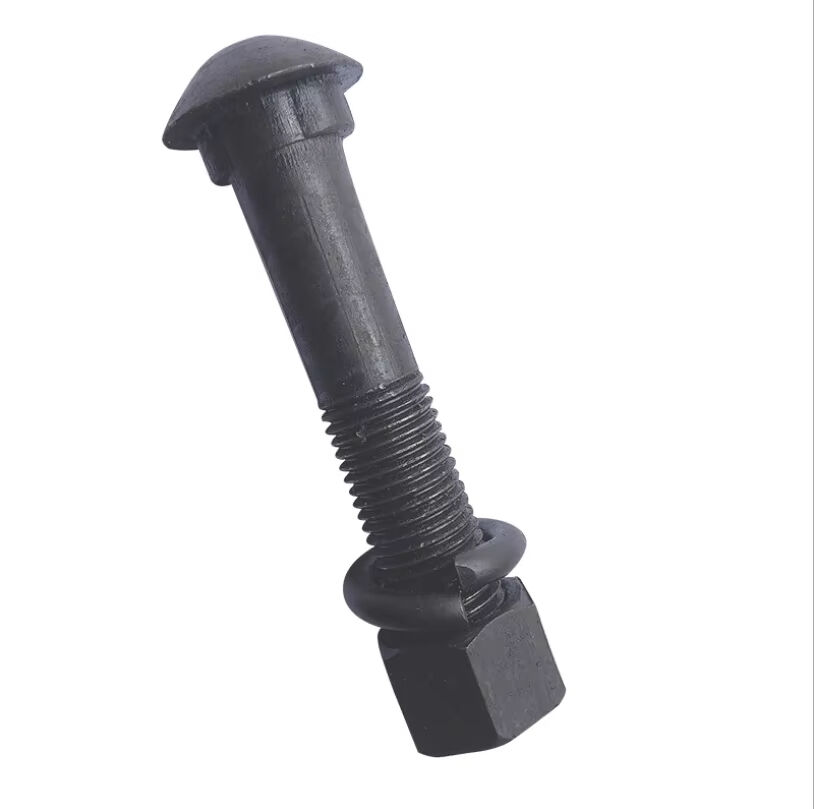
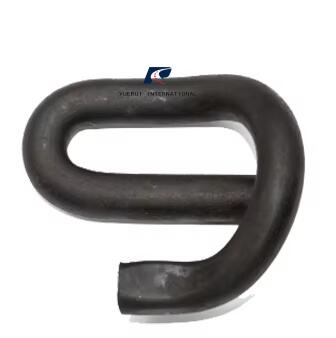
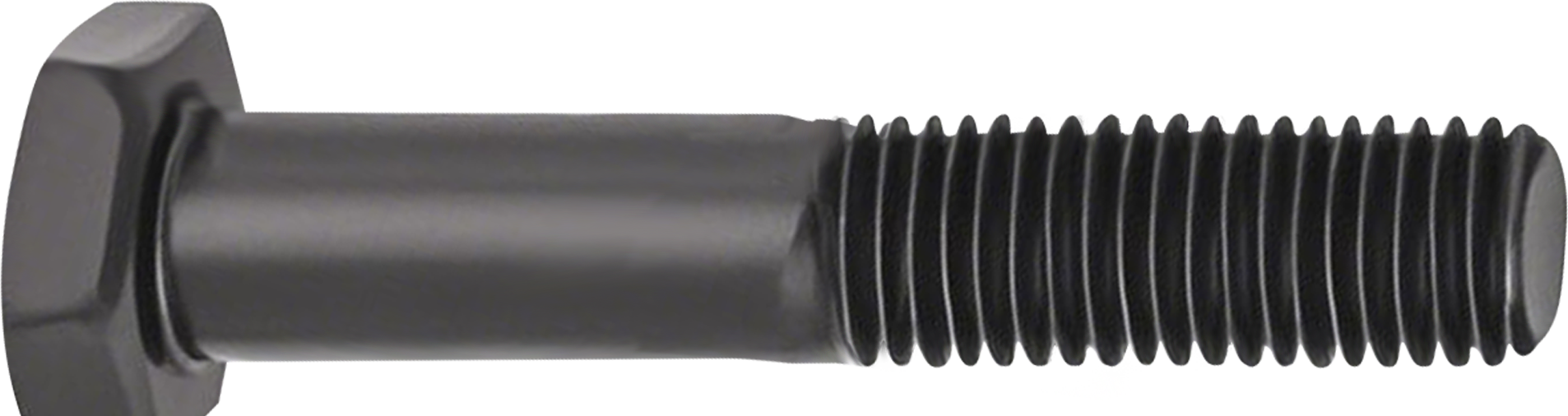
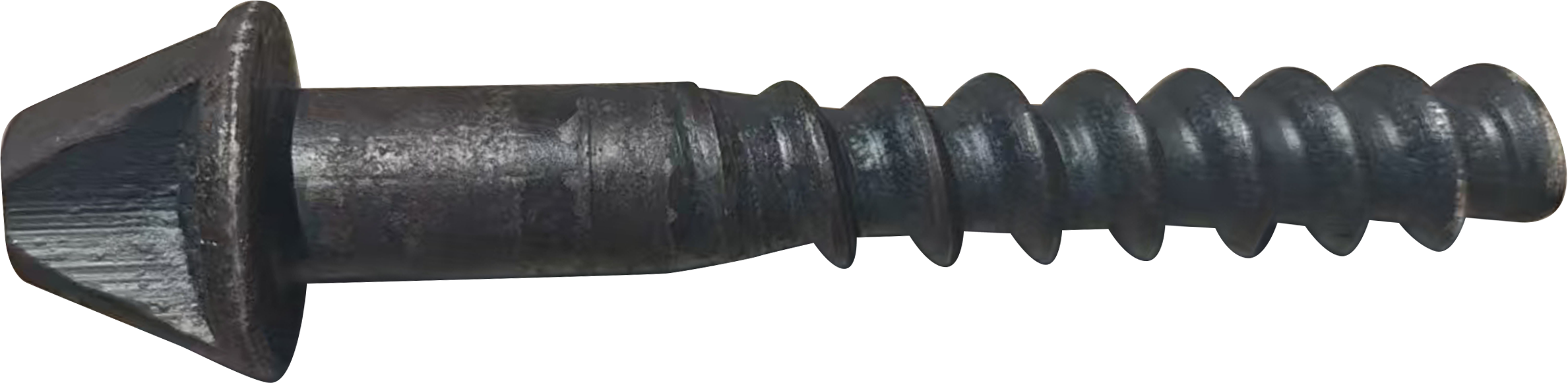
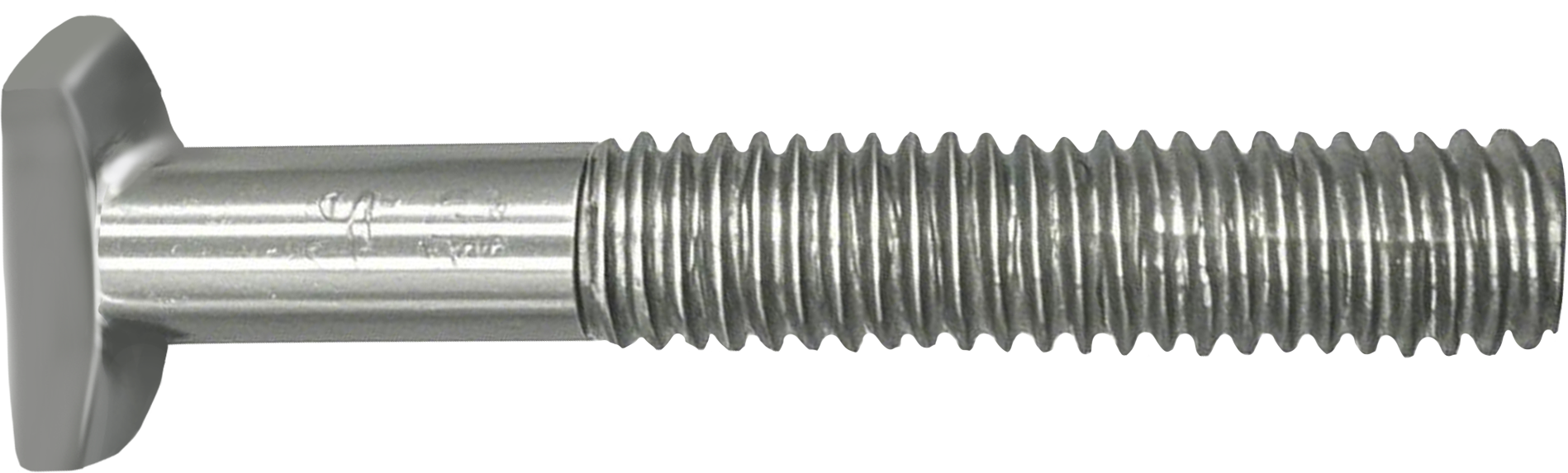
bolts in railway
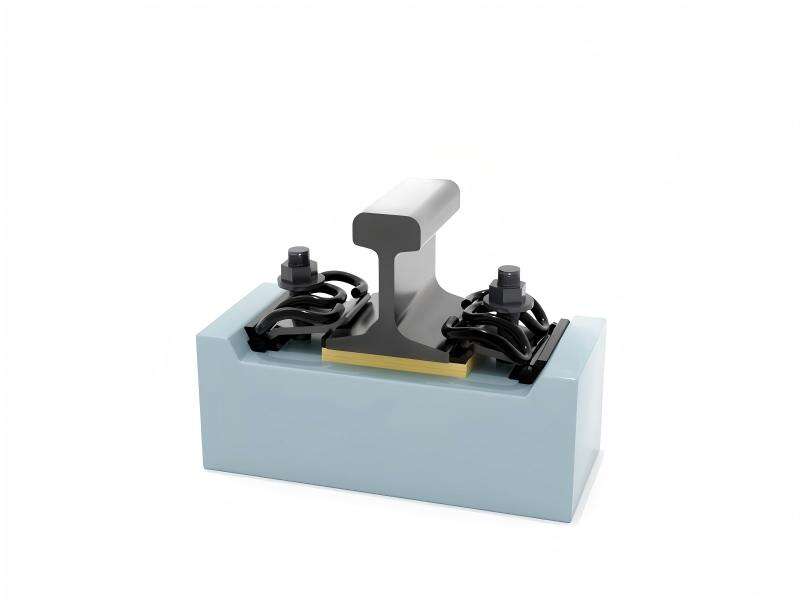
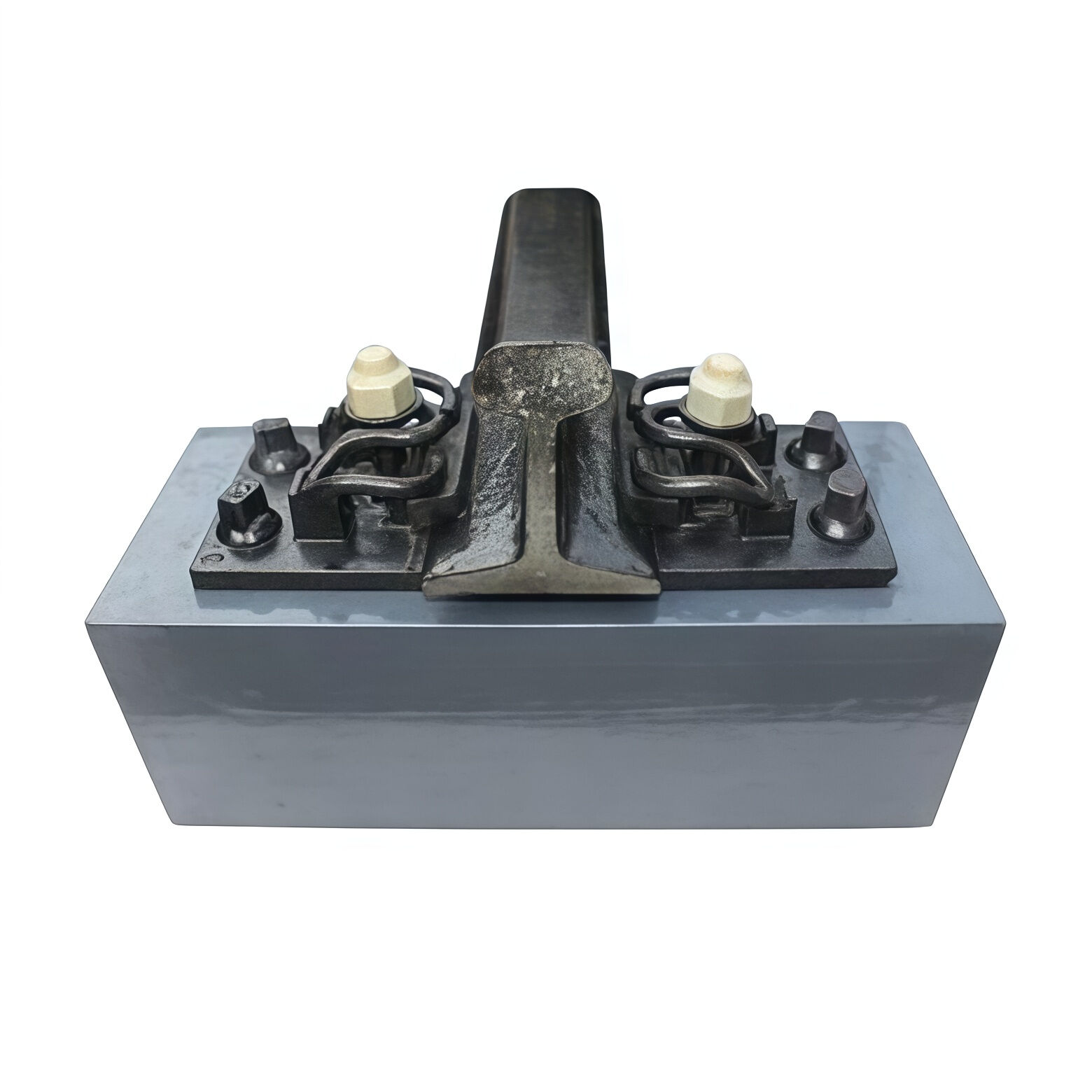
Railway bolts represent essential fastening components that secure critical connections throughout rail infrastructure systems. These specialized fasteners maintain structural integrity across tracks, bridges, signaling equipment, and rolling stock assemblies. Railway bolts differ significantly from standard industrial fasteners due to their enhanced durability requirements and specialized metallurgical properties designed for transportation environments. The primary functions of bolts in railway applications include securing rail joints, fastening sleeper connections, mounting signal equipment, and assembling locomotive components. These fasteners must withstand extreme mechanical stresses, temperature variations, vibrations, and environmental exposure while maintaining consistent performance over extended service periods. Railway bolts feature advanced threading systems, corrosion-resistant coatings, and precise dimensional tolerances to ensure reliable operation under demanding conditions. Manufacturing processes incorporate high-grade steel alloys with specific chemical compositions optimized for railway service requirements. Heat treatment procedures enhance material properties, creating bolts with superior tensile strength, fatigue resistance, and dimensional stability. Quality control measures ensure each bolt meets stringent railway industry standards and regulatory compliance requirements. Installation procedures require specialized tools and techniques to achieve proper torque specifications and joint integrity. Modern railway bolts incorporate innovative design features such as integrated locking mechanisms, weather sealing capabilities, and electromagnetic compatibility properties. These fasteners support various gauge configurations, load capacities, and operational environments from urban transit systems to heavy freight corridors. Regular inspection and maintenance protocols ensure continued performance throughout service life cycles. Advanced surface treatments protect against galvanic corrosion, chemical exposure, and mechanical wear. Railway bolts contribute significantly to overall system reliability, passenger safety, and operational efficiency across global transportation networks.

 EN
EN