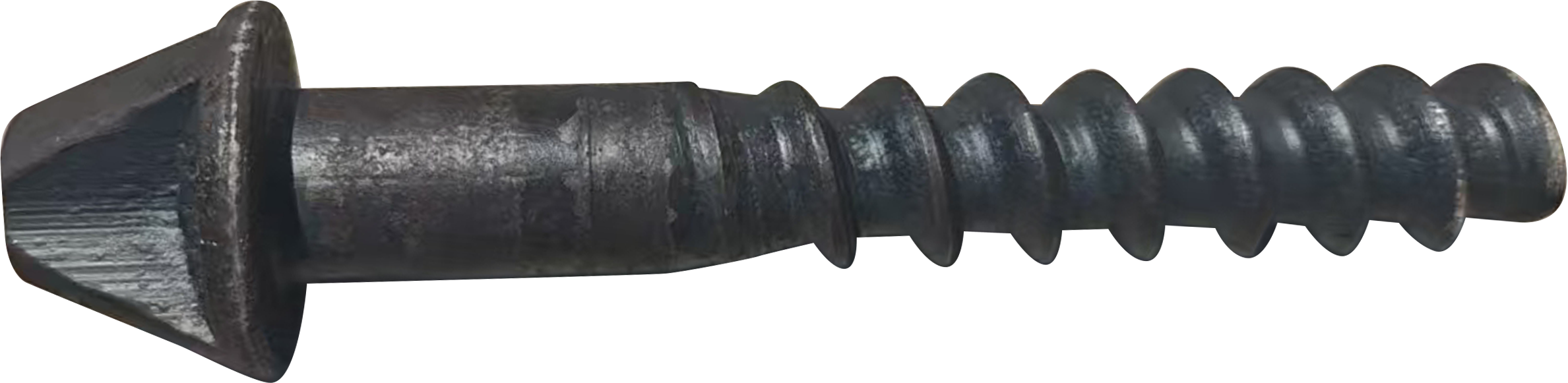
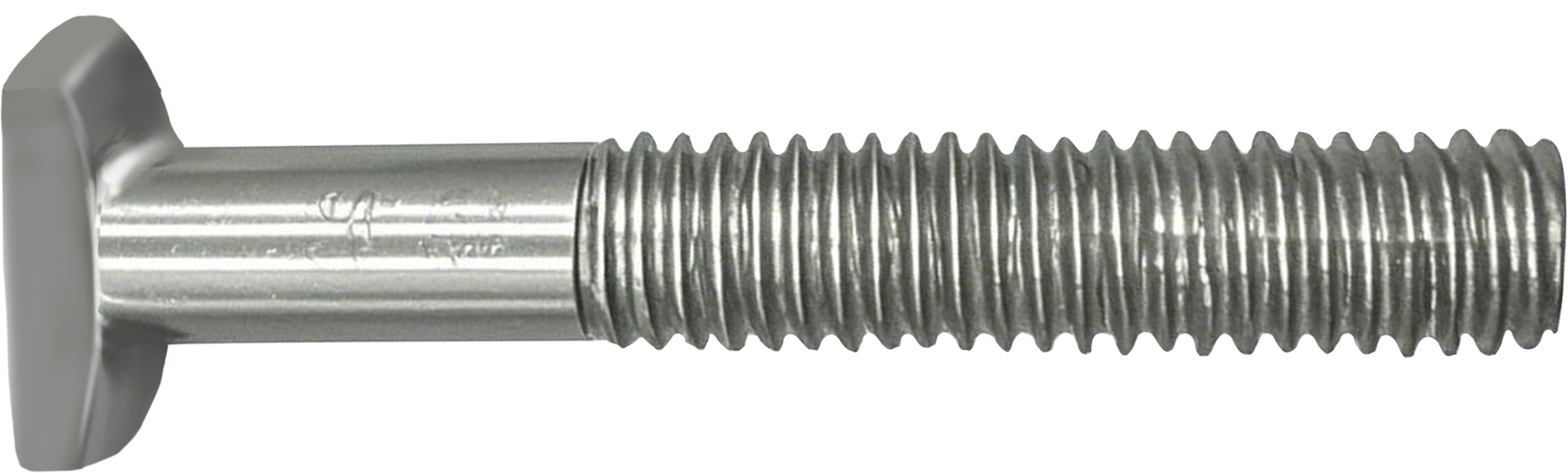
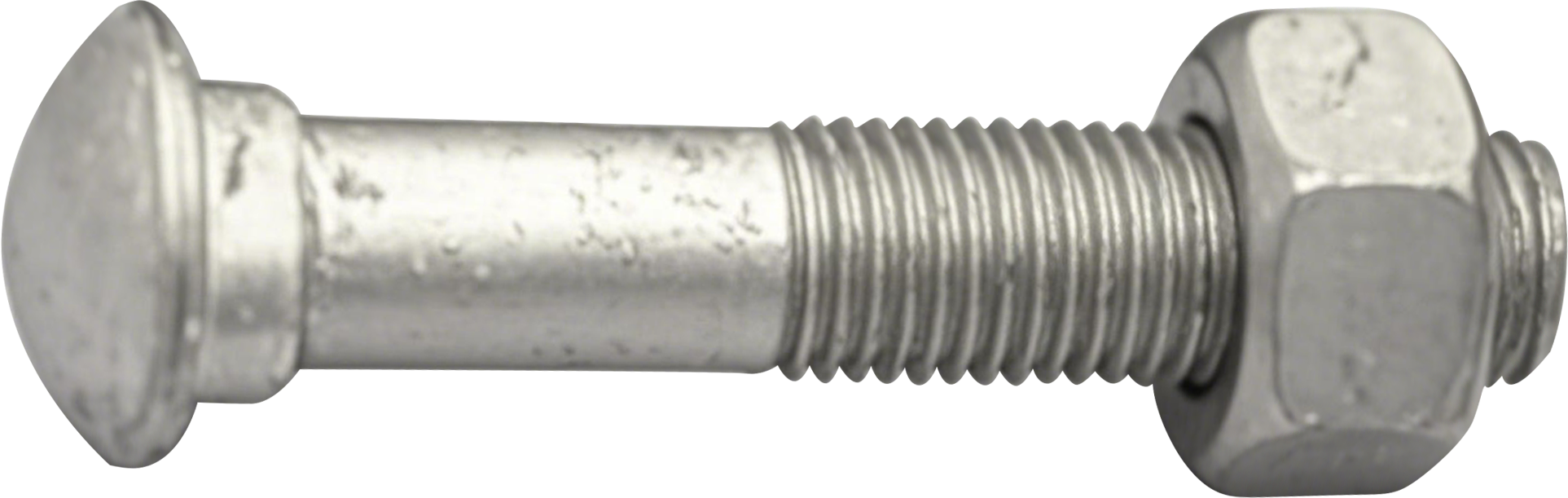
Premium Rail Bolt Systems - Heavy-Duty Railway Fasteners for Superior Track Performance

All Categories

rail bolt

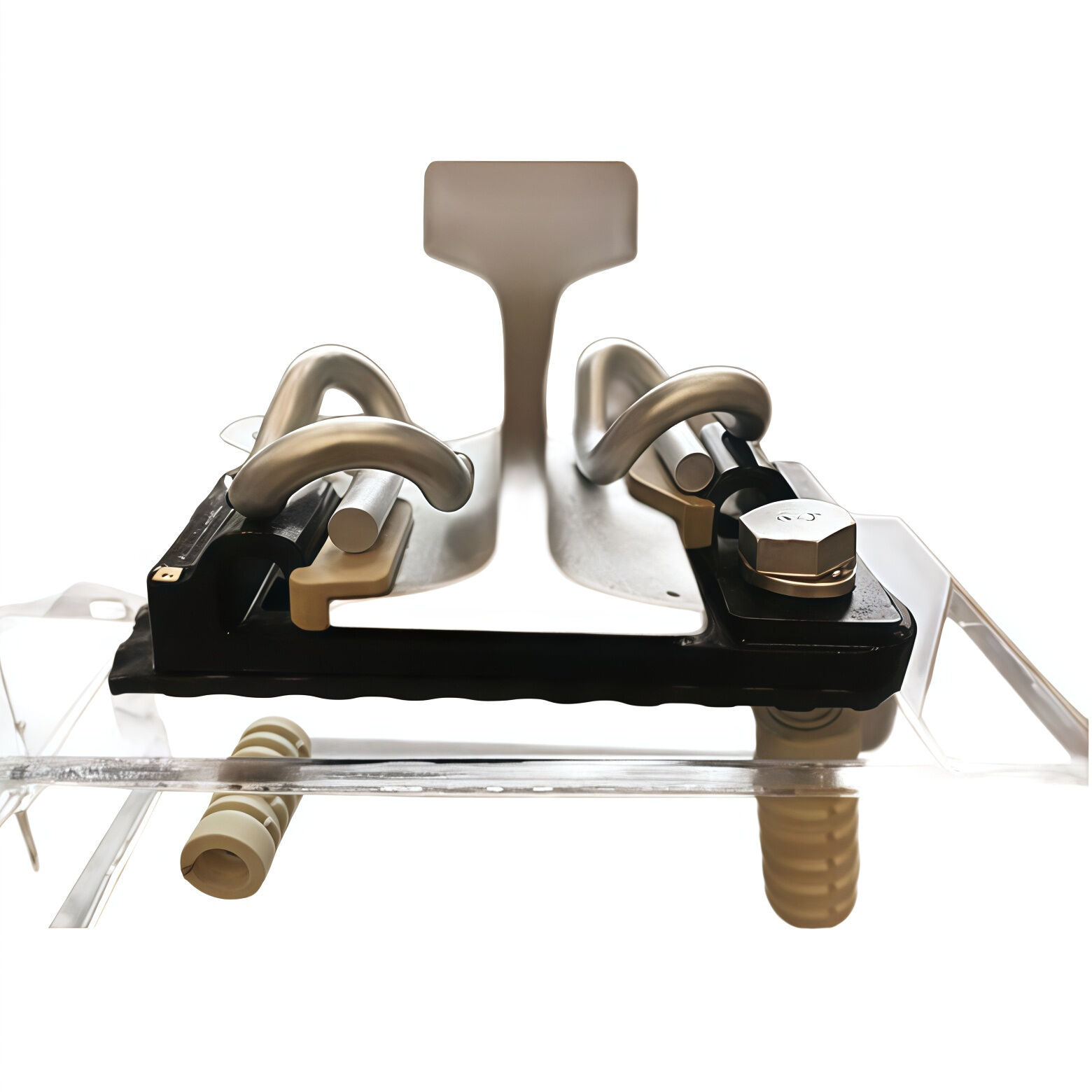
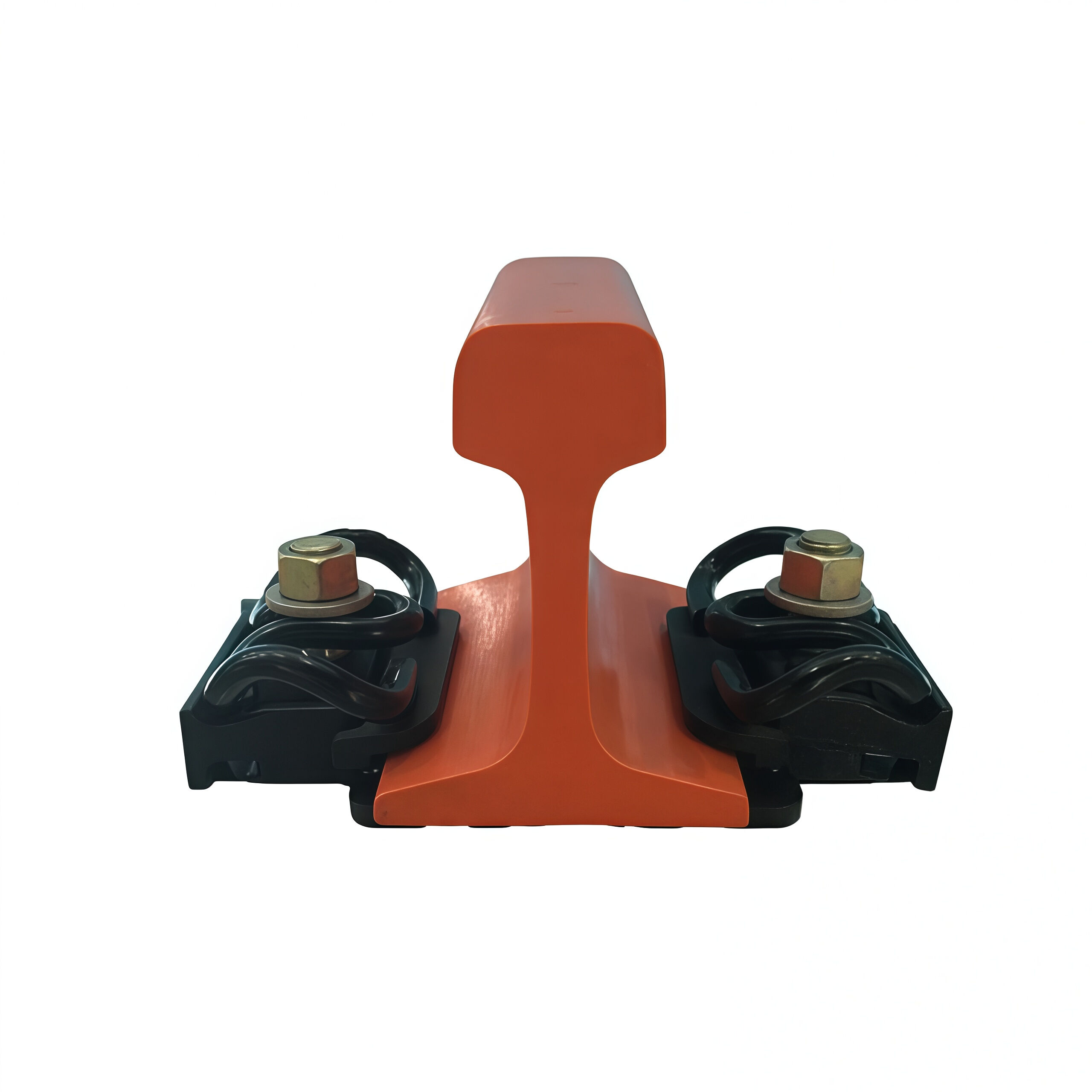
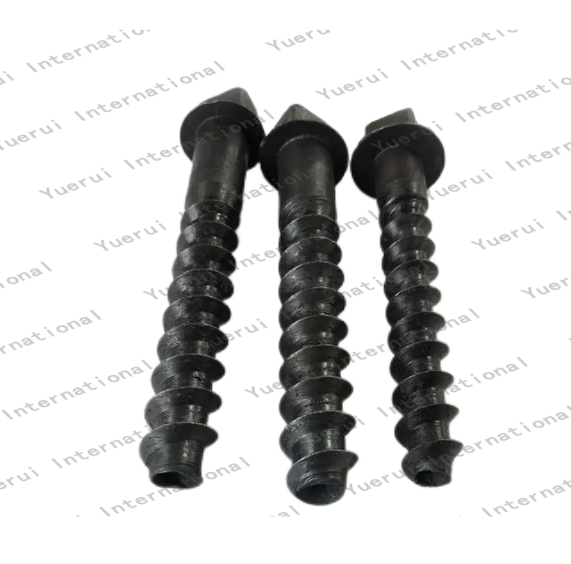
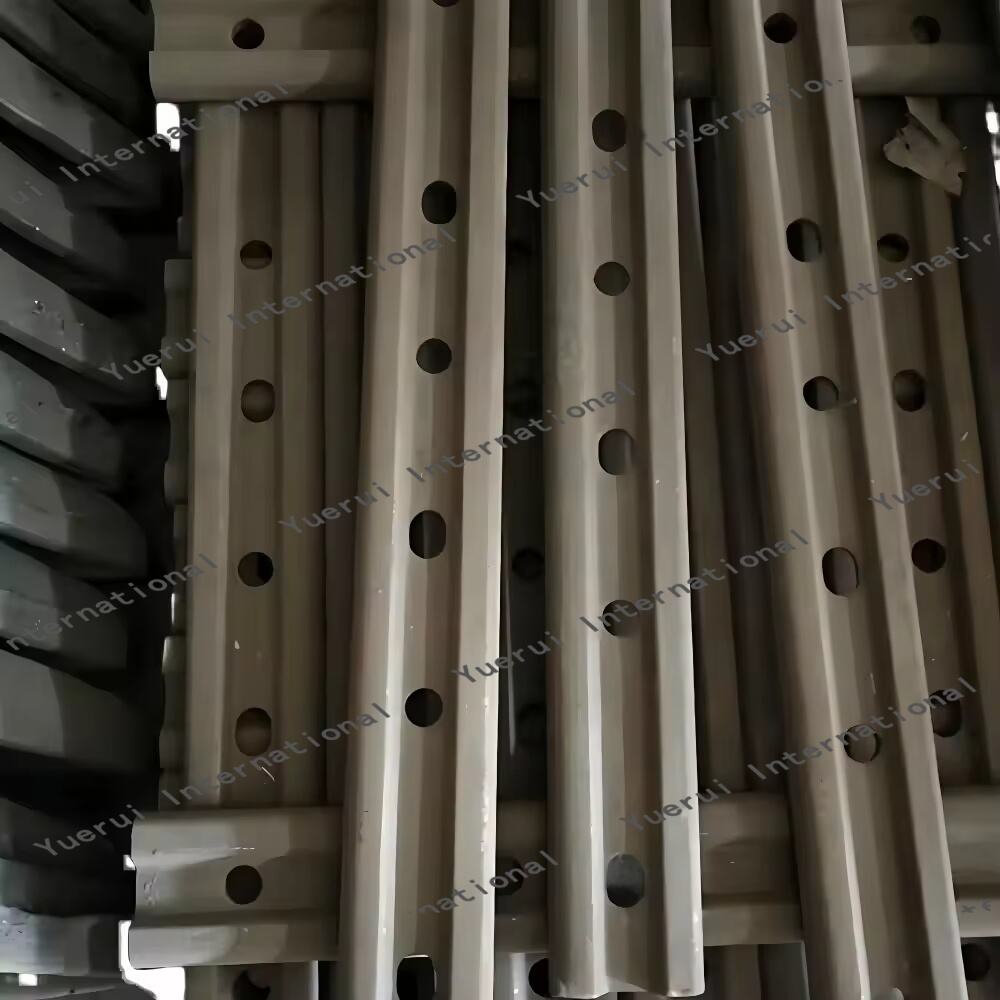
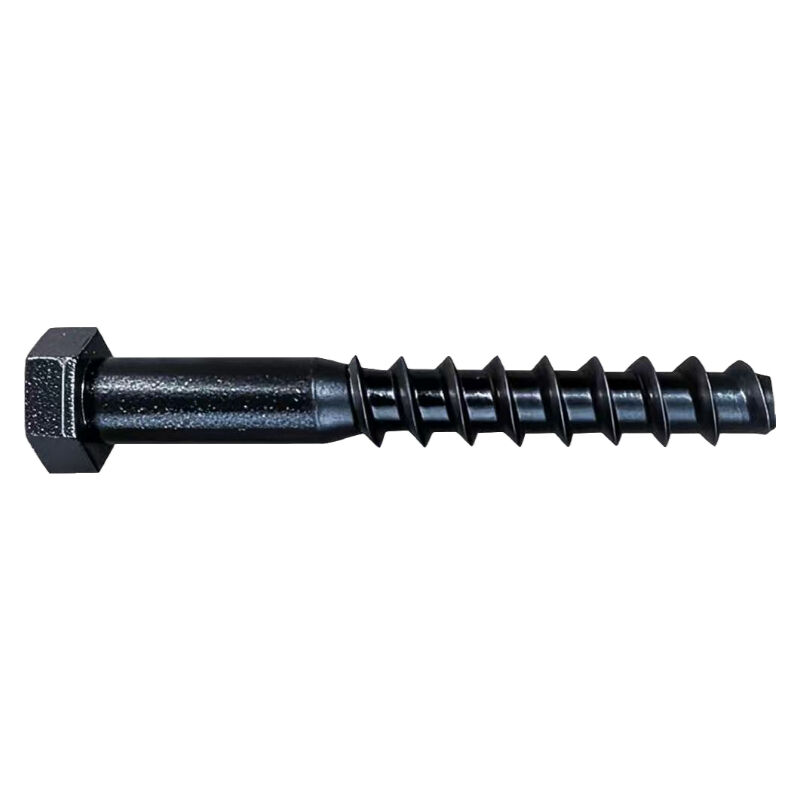
A rail bolt represents a critical fastening component designed specifically for railway infrastructure, serving as the primary connection mechanism between rail sections and supporting structures. This specialized hardware ensures the structural integrity and operational safety of railway systems worldwide. The rail bolt functions as a high-strength connector that secures rails to sleepers, plates, and various track components, maintaining proper gauge alignment and preventing rail movement under dynamic loading conditions. Modern rail bolt designs incorporate advanced metallurgy and precision engineering to withstand the extreme forces generated by heavy freight trains and high-speed passenger services. These fasteners must endure continuous vibration, thermal expansion cycles, and massive compressive loads while maintaining their holding power over decades of service. The technological features of contemporary rail bolt systems include corrosion-resistant coatings, precise thread specifications, and standardized dimensions that ensure compatibility across different railway networks. Manufacturing processes employ high-grade steel alloys with specific carbon content and heat treatment protocols to achieve optimal tensile strength and fatigue resistance. Quality control measures include non-destructive testing methods such as magnetic particle inspection and ultrasonic examination to detect potential defects before installation. Rail bolt applications span multiple railway sectors, including heavy freight corridors, urban transit systems, high-speed passenger lines, and industrial switching yards. Each application demands specific rail bolt configurations tailored to local operating conditions, environmental factors, and maintenance requirements. Installation procedures require specialized tools and trained personnel to ensure proper torque specifications and alignment tolerances. The rail bolt serves as an essential safety component, where failure could result in derailments, service disruptions, and potential casualties, making reliability and performance paramount considerations for railway operators worldwide.

New Product Releases

Rail bolt systems deliver exceptional performance advantages that directly benefit railway operators through enhanced safety, reduced maintenance costs, and improved operational efficiency. The primary advantage lies in their superior holding power, which prevents rail movement and maintains critical track geometry under extreme loading conditions. This reliability translates to fewer service interruptions and reduced risk of derailments, protecting both passengers and cargo while preserving railway company reputations. Cost-effectiveness represents another significant advantage, as properly installed rail bolt assemblies require minimal maintenance over their extended service life, typically spanning 20-30 years under normal operating conditions. Railway operators save substantial amounts on replacement parts, labor costs, and equipment downtime compared to alternative fastening methods that demand frequent adjustments or replacements. The standardized design of rail bolt systems enables efficient inventory management and simplified procurement processes, allowing railway companies to maintain smaller stock levels while ensuring compatibility across their entire network. Installation speed provides additional economic benefits, as experienced crews can rapidly secure rail connections using standard tools and established procedures, minimizing track possession time and reducing project costs. Versatility stands as a key operational advantage, with rail bolt configurations available for various rail profiles, sleeper types, and environmental conditions, enabling railway operators to select optimal solutions for specific applications. Weather resistance ensures consistent performance across diverse climates, from arctic conditions to tropical environments, eliminating concerns about corrosion, thermal stress, or moisture infiltration that could compromise fastener integrity. The proven track record of rail bolt technology provides confidence to railway engineers and project managers, who rely on decades of successful field experience when specifying track components. Quality assurance programs implemented by reputable manufacturers guarantee that each rail bolt meets stringent industry standards and regulatory requirements, providing additional peace of mind for safety-critical applications. Long-term durability reduces lifecycle costs significantly, as rail bolt assemblies maintain their performance characteristics throughout their design life without requiring frequent inspection or replacement, allowing railway operators to allocate maintenance resources to other critical infrastructure components.

Tips And Tricks

What to Consider When Buying Bulk Rail Spikes for Construction

24

Nov

What to Consider When Buying Bulk Rail Spikes for Construction

Rail spikes serve as critical fastening components in railway construction and maintenance projects, providing the essential connection between rails and railroad ties. These heavy-duty fasteners must withstand tremendous forces from passing trains w...
View More
How Can Fishplates Improve Safety and Reliability in Rail Systems?

05

Jan

How Can Fishplates Improve Safety and Reliability in Rail Systems?

Railway infrastructure forms the backbone of modern transportation systems, connecting cities, facilitating commerce, and enabling efficient movement of people and goods across vast distances. Within this complex network of steel rails, numerous comp...
View More
How to maintain correct track gauge in high-speed rail lines?

20

Apr

How to maintain correct track gauge in high-speed rail lines?

Maintaining correct track gauge is the cornerstone of safe and efficient high-speed rail operations, where even millimeter deviations can trigger catastrophic derailments at operational speeds exceeding 300 km/h. The precision required for track gaug...
View More
What installation spacing is recommended for rail anchors in railways?

20

Apr

What installation spacing is recommended for rail anchors in railways?

Railway track stability relies heavily on proper installation spacing of rail anchors, which serve as critical components in maintaining gauge and preventing rail movement. The recommended spacing for rail anchors varies based on track classification...
View More

Get a Free Quote

Our representative will contact you soon.
Email
Name
Company Name
Message
0/1000

rail bolt

Unmatched Durability and Longevity

Unmatched Durability and Longevity

The exceptional durability of rail bolt systems stems from advanced materials science and precision manufacturing processes that create fasteners capable of withstanding decades of harsh operating conditions. Premium grade steel alloys used in rail bolt production undergo specialized heat treatment cycles that optimize grain structure and achieve superior mechanical properties, including high tensile strength, excellent fatigue resistance, and outstanding impact toughness. These metallurgical characteristics enable rail bolt assemblies to maintain their structural integrity despite exposure to millions of loading cycles from passing trains, temperature fluctuations ranging from sub-zero to extreme heat, and corrosive environmental conditions. Surface treatment technologies further enhance durability by applying protective coatings that prevent rust formation and chemical degradation, even in coastal areas where salt spray accelerates corrosion processes. The longevity advantage translates directly into significant cost savings for railway operators, who can install rail bolt systems with confidence that they will perform reliably for 25-30 years without requiring replacement or major maintenance interventions. This extended service life reduces the frequency of track possession requirements, minimizing disruption to railway operations and eliminating the substantial costs associated with rail renewal projects. Quality control procedures implemented during manufacturing ensure consistent performance across all rail bolt products, with rigorous testing protocols that verify material properties, dimensional accuracy, and surface finish quality before shipment to customers. Field experience from thousands of installations worldwide demonstrates that properly installed rail bolt assemblies consistently exceed their design life expectations, providing railway operators with exceptional value and reliability that supports long-term infrastructure planning and budget forecasting.
Enhanced Safety and Risk Mitigation

Enhanced Safety and Risk Mitigation

Safety represents the paramount concern in railway operations, and rail bolt systems deliver critical protection against track-related failures that could result in catastrophic accidents or service disruptions. The robust design of modern rail bolt assemblies provides multiple layers of safety redundancy, ensuring that even under extreme loading conditions or unexpected circumstances, the fastening system maintains its integrity and prevents dangerous rail movement. Advanced engineering analysis and extensive field testing validate the safety performance of rail bolt systems, demonstrating their ability to withstand dynamic forces that exceed normal operating loads by substantial margins. This safety margin protects against various failure modes, including gradual loosening due to vibration, sudden impact loads from derailed equipment, and thermal stress caused by extreme temperature variations. Risk mitigation extends beyond immediate safety concerns to encompass broader operational and financial risks that railway companies face in today's competitive transportation market. Rail bolt failures can trigger costly emergency repairs, extended service outages, regulatory investigations, and potential liability claims that far exceed the initial cost of the fastening hardware. By investing in proven rail bolt technology, railway operators significantly reduce these risks while demonstrating their commitment to passenger safety and operational excellence. Regular inspection protocols for rail bolt installations provide early warning of potential issues, allowing maintenance crews to address problems proactively before they escalate into safety hazards or service disruptions. The standardized design of rail bolt systems facilitates consistent installation practices and quality control measures, reducing the likelihood of human error during construction or maintenance activities. Documentation and traceability features built into modern rail bolt supply chains enable railway operators to maintain comprehensive records of their track components, supporting safety management systems and regulatory compliance requirements while facilitating effective maintenance planning and risk assessment procedures.
Superior Performance Under Extreme Conditions

Superior Performance Under Extreme Conditions

Rail bolt systems demonstrate exceptional performance capabilities across the full spectrum of railway operating environments, from arctic regions where temperatures drop below -40 degrees Celsius to desert installations where extreme heat and thermal cycling challenge conventional fastening methods. This versatility stems from careful material selection and design optimization that accounts for thermal expansion coefficients, stress distribution patterns, and environmental exposure factors that influence long-term performance. High-strength steel alloys used in rail bolt manufacturing maintain their mechanical properties across wide temperature ranges, ensuring consistent clamping force and structural integrity regardless of seasonal variations or climatic extremes. Advanced coating systems provide additional protection against environmental degradation, including specialized formulations that resist salt water corrosion in coastal areas, chemical exposure in industrial environments, and ultraviolet degradation in high-altitude installations. The performance advantage extends to dynamic loading conditions, where rail bolt assemblies must absorb and distribute the massive forces generated by heavy freight trains traveling at high speeds over challenging terrain. Finite element analysis and dynamic testing validate the ability of rail bolt systems to handle these extreme loads without experiencing fatigue failure or permanent deformation that could compromise track geometry. Vibration dampening characteristics built into rail bolt designs help reduce noise transmission and minimize wear on adjacent track components, contributing to smoother train operations and extended infrastructure life. Field performance data collected from installations in demanding applications, such as heavy haul mining operations and high-speed passenger corridors, consistently demonstrates the superior capabilities of modern rail bolt technology compared to alternative fastening methods. This proven performance record provides railway engineers with confidence when specifying rail bolt systems for challenging projects, knowing that the fasteners will deliver reliable service throughout their design life while maintaining the precise tolerances required for safe and efficient train operations.

Get a Free Quote

Our representative will contact you soon.
Email
Name
Company Name
Message
0/1000